The best road cycling routes around Mélagues
4.5
(45)
804
riders
40
rides
Road cycling routes around Mélagues traverse a landscape characterized by significant elevation changes, featuring numerous mountain passes and rolling hills. The region's terrain includes a mix of open areas and forested sections, providing varied scenery for cyclists. Routes often connect small villages and natural landmarks, offering diverse road cycling experiences.
Best road cycling routes around Mélagues
- The most popular road cycling route is Avène, spa town – Layrac Pass loop from Bruguières, a 50.8 miles (81.7 km) trail that…
Last updated: November 8, 2026
4.8
(6)
54
riders
40.1km
02:00
520m
520m
Moderate road ride. Good fitness required. Some segments of this route may be unpaved and difficult to ride.
4.7
(3)
24
riders
81.7km
04:42
1,780m
1,780m
Hard road ride. Very good fitness required. Some segments of this route may be unpaved and difficult to ride.

5.0
(1)
12
riders
54.4km
02:33
550m
550m
Moderate road ride. Good fitness required. Mostly well-paved surfaces and easy to ride.
14
riders
56.0km
03:10
1,240m
1,240m
Hard road ride. Very good fitness required. Mostly well-paved surfaces and easy to ride.
10
riders
91.4km
04:00
740m
740m
Moderate road ride. Good fitness required. Some segments of this route may be unpaved and difficult to ride.
Get access to more routes and recommendations from other explorers.
Already have an account?
Our route recommendations are based on thousands of hikes, rides, and runs completed by other people on komoot.
Start today with a free account
Your next adventure awaits.
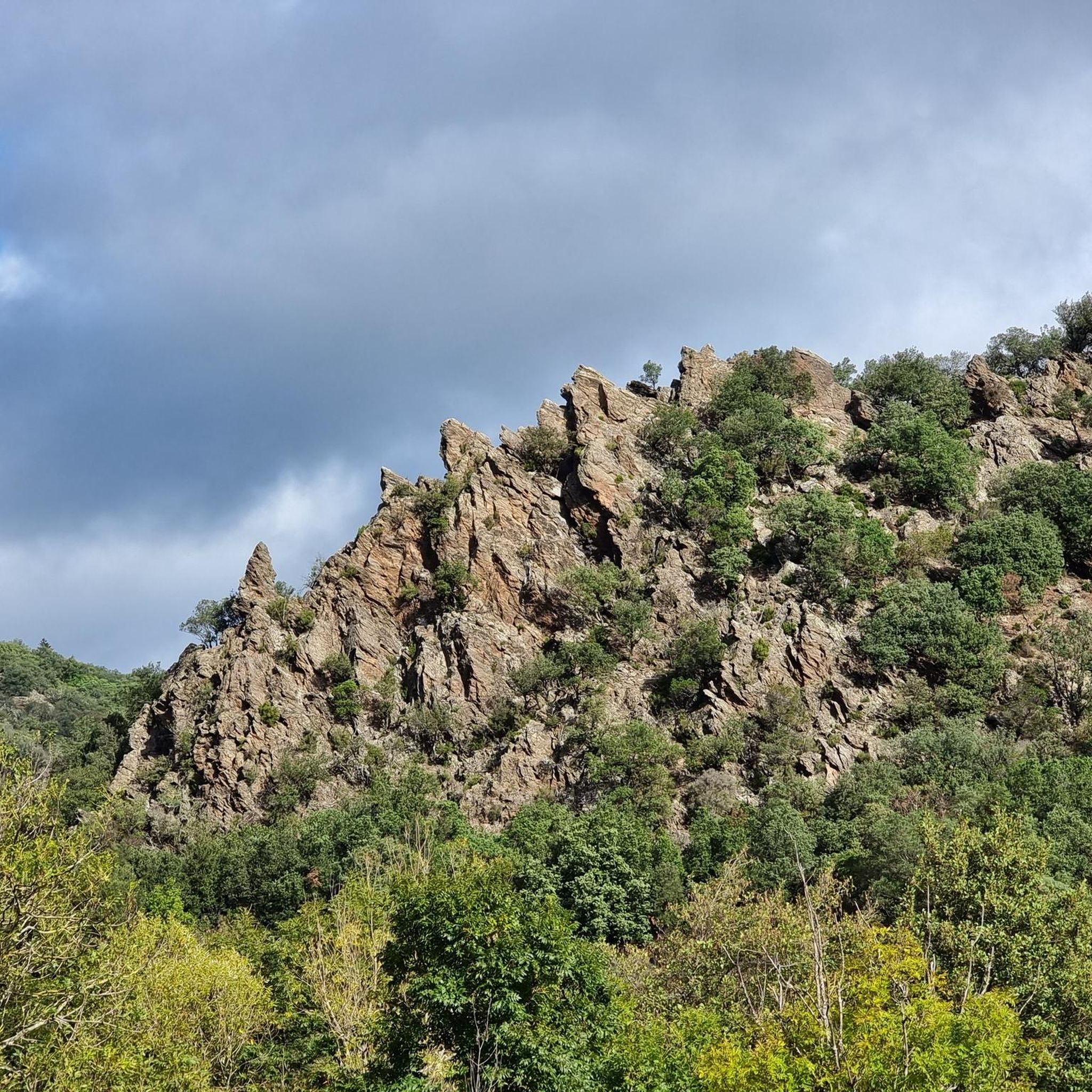
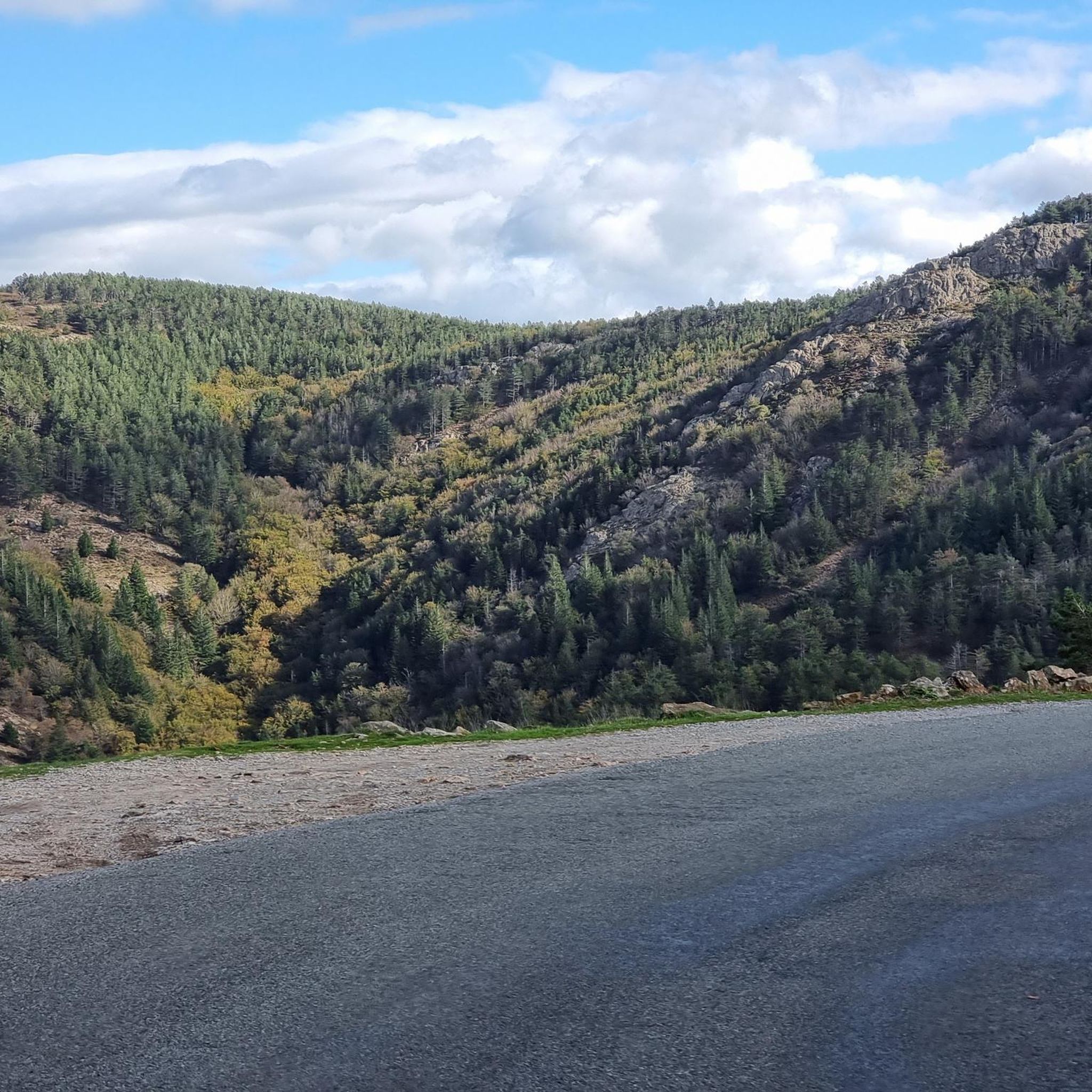
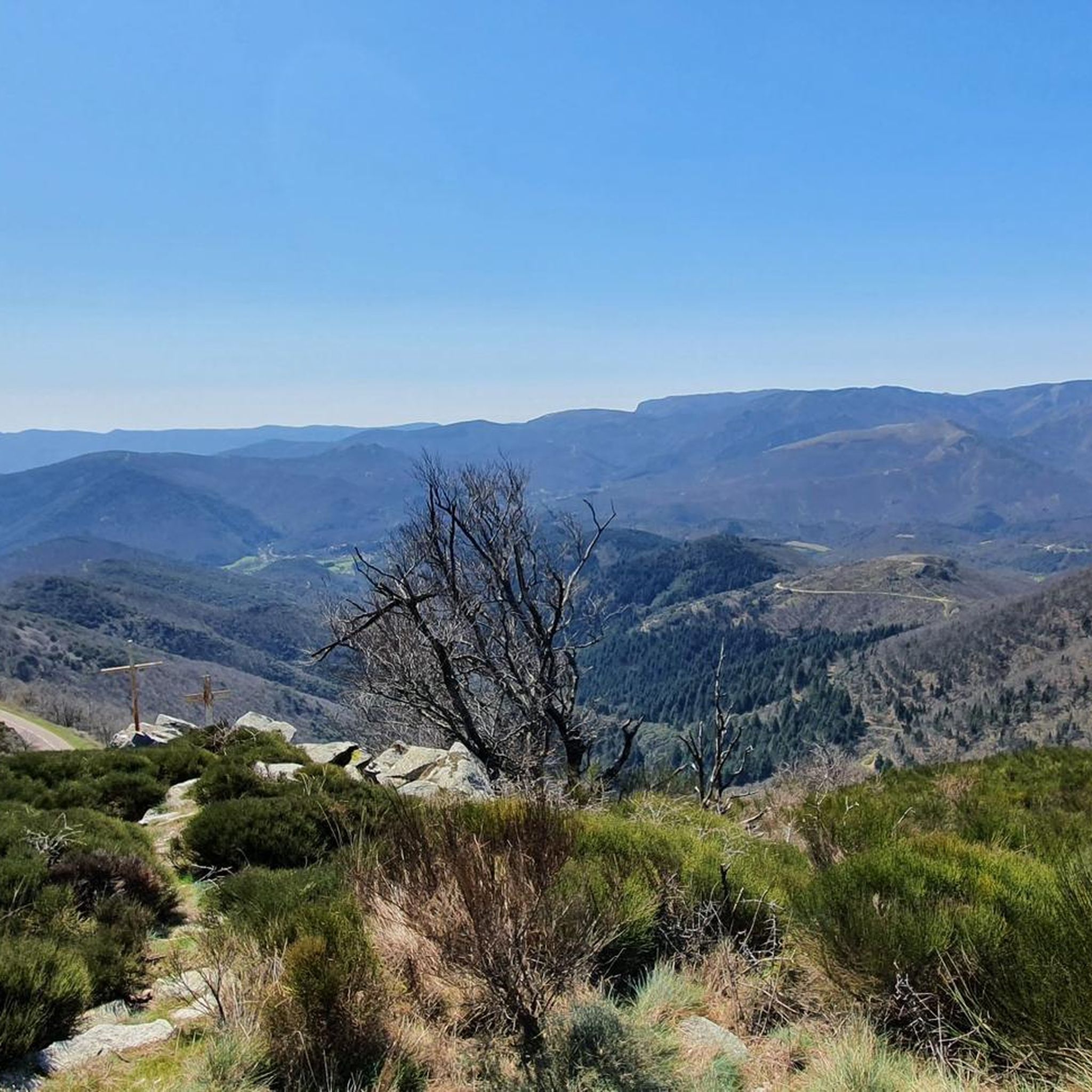
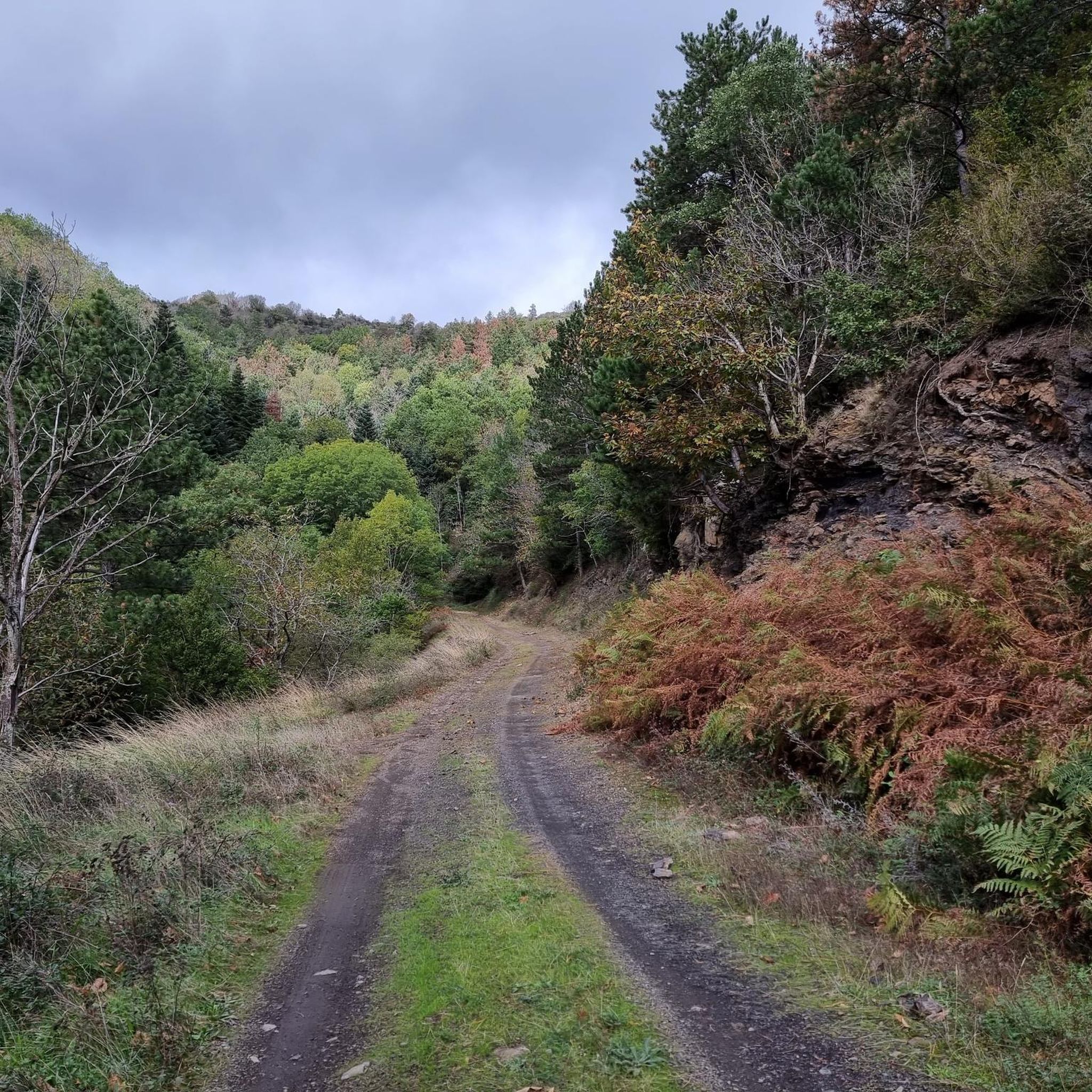
Tips from the Community

In the heart of Lamalou-les-Bains, the Saints-Pierre-et-Paul church bears witness to the village's transformation into a major spa resort. Built at the beginning of the 20th century, it accompanies the rise of a town that welcomed numerous spa-goers eager to benefit from the renowned waters of the Orb valley. Before its construction, parish life was organized around the old sanctuaries of Saint-Pierre-de-Rhèdes and then Notre-Dame de Villecelle.
3
0
The Saint-Martial church is unlike any other in Haut-Languedoc. Built in 1858-1859 to replace the village's old church, which had become too cramped, it occupies the north wing of the former castle of the viscounts of Narbonne, built in the 15th century. Even more surprisingly, this castle housed a black glass workshop until 1848, before being transformed into a place of worship. The bell tower, added in 1877, completes this original ensemble where religious heritage, seigneurial architecture, and industrial history blend. Observing the buildings surrounding the church, several elements of the original castle can still be distinguished. A few steps away is the old Saint-Martial church, now private property. Built on probably Romanesque foundations, it preserves parts dating back to the 15th century. Having become too dilapidated and too small to accommodate a growing population, it was replaced in 1859 by the new Saint-Martial church. Deconsecrated and then sold by the municipality in 1867, it remains a discreet but precious witness to the religious history of Hérépian.
3
0
The Saint-Majan church is the former abbey church of a powerful Benedictine monastery founded in the 7th century, whose prosperity was based in particular on the silver-bearing lead mines that gave their name to Villemagne-l'Argentière. During the Hundred Years' War, the building was transformed into a veritable fortress: walled-up windows, a rampart walk, and machicolations allowed the monks to defend their abbey. Despite the looting of the Wars of Religion in 1562, this remarkable Gothic church has survived the centuries and still bears the traces of this turbulent past. A few steps away is the former Saint-Grégoire church, the first place of worship of the abbey. Its elegant Romanesque architecture contrasts with the Gothic style of Saint-Majan. Transformed into an archaeological museum, it presents collections dedicated to the history of the village, from Antiquity to the Middle Ages, as well as to the exploitation of the ancient mines that shaped the wealth of Villemagne-l'Argentière. By visiting these two buildings, one travels through more than a millennium of history in just a few minutes.
3
0
The Col de Thalis marks the crossing of a ridge line between two slopes in the south of Aveyron. From this high point, the view encompasses a succession of valleys, wooded ridges, and open spaces that reflect all the diversity of the mid-mountain landscapes. More than just a pass, this col is a true belvedere overlooking the surrounding reliefs.
2
0
In the heart of Mélagues, the « Mother and Child » statue is a unique landmark in the village. Created in 2003 by sculptor Jacques Bourges, this work testifies to the link between artistic creation and the tradition of stone. Originally from the neighboring Sidobre region, the artist has dedicated a large part of his work to granite and to highlighting this material. Installed on a stone forecourt, this sculpture highlights a universal theme: the maternal bond.
2
0
In the heart of Mélagues, the statue ‘Mother and Child’ is a unique landmark in the village. Installed on a stone forecourt, this sculpture highlights a universal theme: the maternal bond.
0
0
The Saint-Martin quarry reveals another facet of the landscape around Brusque. Behind the reliefs and valleys that one crosses by bike lies a resource exploited by humans: limestone, extracted here in the form of aggregates used for public works and land development.
2
0
From this viewpoint, Camarès reveals a facet of its identity. Notre-Dame de Camarès, a former collegiate church founded in the Middle Ages, and the castle of the lord of Pont, a former seigneurial residence, form a remarkable silhouette. These two monuments bear witness to the historical importance of the town and its strategic location above the valley.
2
0
Frequently Asked Questions
How many road cycling routes are available in Mélagues?
Mélagues offers a diverse network of over 25 road cycling routes, catering to various skill levels. You'll find options ranging from easy scenic rides to challenging mountain pass ascents.
Are there road cycling routes suitable for beginners in Mélagues?
Yes, Mélagues has a few road cycling routes suitable for beginners. While the region is known for its challenging terrain, there are 3 easy routes available. These typically feature less elevation gain and shorter distances, providing a gentler introduction to road cycling in the area.
What kind of challenges can advanced road cyclists expect in Mélagues?
Advanced road cyclists in Mélagues can expect significant challenges, with 14 difficult routes featuring substantial elevation changes and numerous mountain passes. Routes like the Avène, spa town – Layrac Pass loop from Bruguières, covering over 80 km with nearly 1,800 meters of ascent, offer demanding climbs and descents through mountainous terrain.
Are there circular road cycling routes around Mélagues?
Yes, many of the road cycling routes in Mélagues are circular, allowing you to start and end at the same point. For example, the popular Fontfroide Pass – L'Espinouse Pass (1,124 m) loop from Col de la Croix de Mounis is a challenging circular path connecting two prominent passes.
What natural landmarks or viewpoints can I see along the road cycling routes in Mélagues?
The road cycling routes in Mélagues often pass by stunning natural landmarks and offer panoramic viewpoints. You might encounter features like L'Espinouse Pass (1,124 m), the dramatic Falaises d'Orque, or the serene Avène Reservoir. Many routes also provide excellent opportunities to enjoy a Viewpoint over the Espinouse summit.
When is the best time of year for road cycling in Mélagues?
The best time for road cycling in Mélagues is typically from spring through autumn. During these seasons, the weather is generally more favorable, and the mountain passes are clear. While some routes might be accessible in winter, the significant elevation changes and potential for snow or ice can make conditions challenging.
Are there any family-friendly road cycling options in Mélagues?
While Mélagues is known for its mountainous terrain, some of the easier routes could be suitable for families with older, experienced children. It's advisable to check the difficulty and elevation profiles of specific routes, such as the 3 easy options available, to ensure they match your family's capabilities.
Where can I find parking for road cycling routes in Mélagues?
Parking for road cycling routes in Mélagues is generally available in the small villages and towns that serve as starting points for many tours. Look for designated parking areas in village centers or near popular trailheads. Always check local signage for any restrictions.
What do other cyclists say about road cycling in Mélagues?
The road cycling experience in Mélagues is highly rated by the komoot community, with an average score of 4.7 stars from over 20 reviews. Cyclists often praise the challenging mountain passes, the diverse natural settings, and the scenic valleys that define the region's routes.
Are there routes that combine road cycling with opportunities for a refreshing stop?
Yes, some routes offer opportunities to combine your ride with a refreshing stop. For instance, the A refreshing swim 😄 loop from Avène is a moderate route that suggests a chance to cool off, likely near the Avène Reservoir or other water features in the area.
Which routes offer a good balance of challenge and scenic beauty?
Many routes in Mélagues offer a great balance. The Lac de Bouloc – Avène Village loop from Avène is a moderate 38 km trail that takes you through varied landscapes, including a lake, providing both engaging cycling and beautiful scenery without the extreme difficulty of some longer mountain passes.
Most popular attractions around Mélagues

Get inspired with the komoot mobile app


Explore more
Browse the best Road cycling routes in other regions.
