The best cycling routes around Aigues-Vives
4.5
(561)
4,224
riders
131
rides
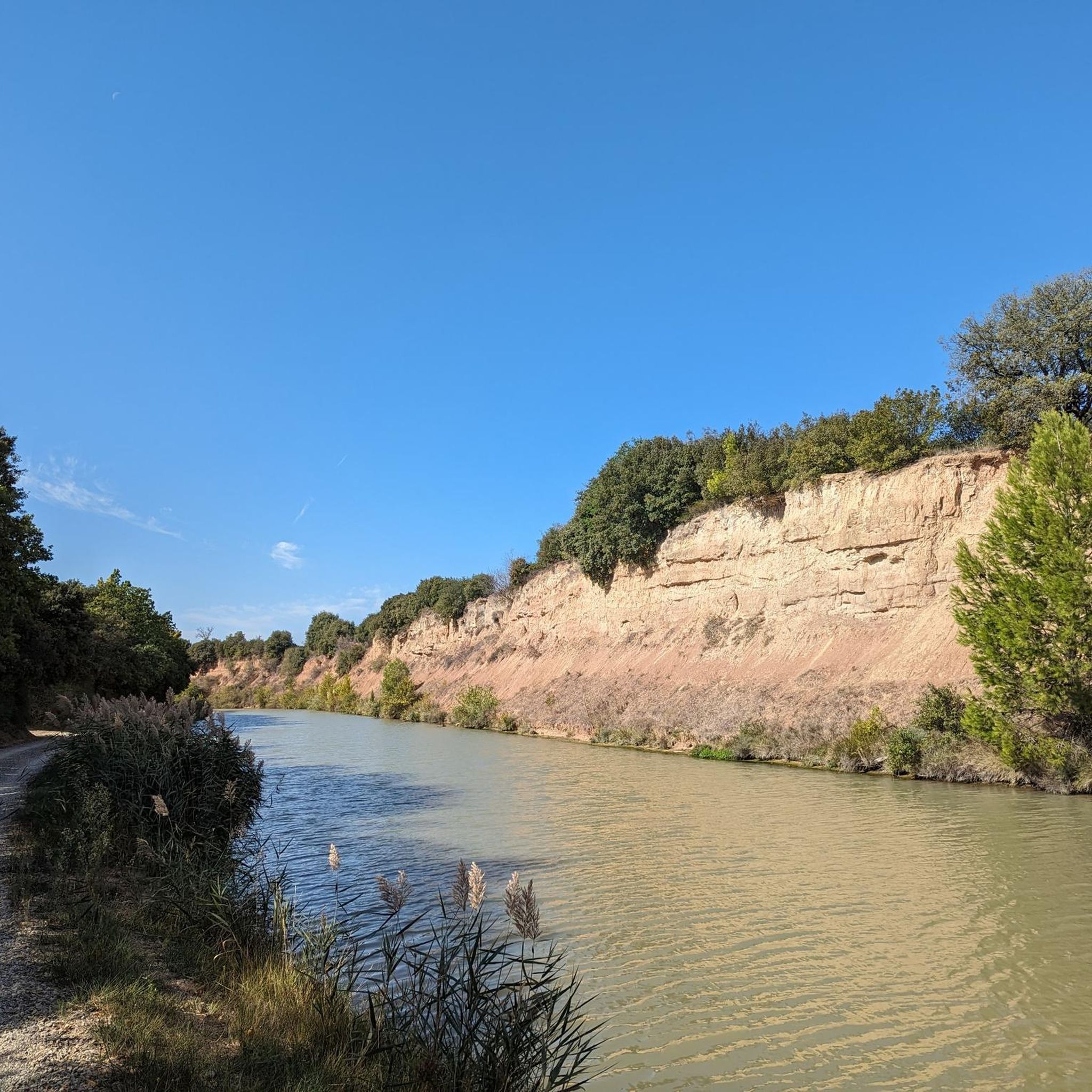
Touring cycling routes around Aigues-Vives traverse a diverse landscape characterized by vineyards, rural scenery, and access to significant waterways. The region offers varied terrain, from flat paths along canals to routes with notable elevation gains through gorges and past medieval villages. Cyclists can explore the historic Canal du Midi, greenways, and areas with unique ecosystems like the Camargue Gardoise. This varied geography provides a range of experiences for different skill levels.
Best touring cycling routes around Aigues-Vives
- The most popular…
Last updated: November 18, 2026
4.3
(142)
883
riders
73.3km
05:53
220m
220m
Hard bike ride. Very good fitness required. Mostly paved surfaces.
4.8
(10)
77
riders
Easy bike ride. Mostly paved surfaces.

4.3
(4)
33
riders
Moderate bike ride. Good fitness required. Mostly paved surfaces.
1.0
(1)
23
riders
Easy bike ride. Mostly paved surfaces.
5.0
(2)
9
riders
61.9km
04:10
840m
840m
Hard bike ride. Very good fitness required. Mostly paved surfaces.
Get access to more routes and recommendations from other explorers.
Already have an account?
Our route recommendations are based on thousands of hikes, rides, and runs completed by other people on komoot.
Start today with a free account
Your next adventure awaits.

Tips from the Community

A classic overflow weir is a "drain plug" or a weir that serves to drain excess water from the canal (during heavy rains or thunderstorms) to prevent the water from submerging the dikes.
0
0
This cemetery is rich in remarkable architectural and historical heritage.
0
0
The Trèbes locks are a flight of locks composed of three basins. Built around 1674, it is located downstream from the port of Trèbes at the exit of the town in the direction of the village of Marseillette. Taking advantage of the significant drop in the flight of locks, intense milling activity was established on the left bank of the lock. A first upper mill was built at the end of the 17th century. It is crossed by a diversion of the Canal du Midi which ensures its operation; it is described as having four millstones with a stable and a shed. A transformation of this first mill was carried out in 1867 to make it a mill with 6 millstones. This new building, later enlarged in the 1930s, consists of a basement and 4 floors at its highest point. It has today been converted into a restaurant.
0
0
The Trèbes locks are a flight of locks consisting of three basins. Built around 1674, it is located downstream from the port of Trèbes at the exit of the town in the direction of the village of Marseillette. Taking advantage of the steep drop of the flight, intense milling activity was established on the left bank of the lock. A first upper mill was built at the end of the 17th century. It is crossed by a diversion of the Canal du Midi which ensures its operation, and is described as having four millstones with a stable and a shed. A transformation of this first mill was carried out in 1867 to make it a milling facility comprising 6 millstones. This new building, later enlarged in the 1930s, consists of a base and 4 floors at its highest point. It has today been converted into a restaurant.
0
0
The Trèbes locks are a flight of locks composed of three basins. Built around 1674, it is located downstream from the port of Trèbes at the exit of the town in the direction of the village of Marseillette. Taking advantage of the strong difference in level of the flight, an intense milling activity was established on the left bank of the lock. A first upper mill was built at the end of the 17th century. It is crossed by a diversion of the Canal du Midi which ensures its operation; it is described as having four millstones with a stable and a shed. A transformation of this first mill was carried out in 1867 to make it a flour mill comprising 6 millstones. This new building, later enlarged in the 1930s, consists of a base and 4 floors at its highest point. Today it has been converted into a restaurant.
0
0
Le Canal du Midi, formerly Canal Royal, is a 17th-century technical feat designed by Pierre-Paul Riquet to connect the Atlantic to the Mediterranean. Today, it is above all a place for relaxation and discovery, where heritage, nature, and conviviality blend.
0
0
The Canal du Midi, formerly the Royal Canal, is a 17th-century technical feat designed by Pierre-Paul Riquet to connect the Atlantic to the Mediterranean. Today, it is above all a place for relaxation and discovery, where heritage, nature, and conviviality blend together.
0
0
The Canal du Midi, formerly Canal Royal, is a 17th-century technical feat designed by Pierre-Paul Riquet to connect the Atlantic to the Mediterranean. Today, it is above all a place for relaxation and discovery, where heritage, nature, and conviviality blend together.
0
0
Frequently Asked Questions
How many touring cycling routes are available around Aigues-Vives?
There are over 100 touring cycling routes around Aigues-Vives, offering a wide variety of experiences. These routes traverse diverse landscapes, including vineyards, rural scenery, and significant waterways like the Canal du Midi.
What types of terrain and difficulty levels can I expect on touring cycling routes in Aigues-Vives?
The region offers a diverse range of terrain and difficulty. You'll find everything from easy, paved rides suitable for any fitness level, often along canal towpaths, to more challenging routes with significant elevation gains through gorges and past medieval villages. There are 31 easy, 46 moderate, and 38 difficult routes to choose from.
Are there any family-friendly touring cycling routes in Aigues-Vives?
Yes, Aigues-Vives offers several family-friendly options, particularly along the Canal du Midi and greenways. These paths are often shaded and relatively flat, providing a pleasant and safe environment for cyclists of all ages. Many of the 31 easy routes are suitable for families.
What are some notable landmarks or natural features I can see along the cycling routes?
Cycling routes around Aigues-Vives offer access to numerous historical and natural attractions. You can explore sections of the historic Canal du Midi between Trèbes and Carcassonne, marvel at engineering feats like the Argent-Double aqueduct and spillway, or pass by the Orbiel Aqueduct. The region is also rich in vineyards and medieval villages, providing scenic backdrops for your ride.
Are there circular touring cycling routes available?
Yes, many routes in the Aigues-Vives area are designed as loops, allowing you to start and end your ride in the same location. An example of a moderate circular route is the Fresquel Lock – Trèbes Triple Locks loop from Badens, which covers 35.4 km.
What is the best season to go touring cycling in Aigues-Vives?
The region is generally pleasant for cycling from spring through autumn. Spring and early summer offer lush landscapes and comfortable temperatures, while autumn provides beautiful colors in the vineyards. The Canal du Midi paths offer shade, which can be welcome during warmer months.
Are there any challenging touring cycling routes for experienced riders?
Absolutely. For experienced riders seeking a challenge, there are 38 difficult routes available. One such route is the Old Bridge of Carcassonne – Fresquel Lock loop from Aigues-Vives, a demanding 67.1 km ride with significant elevation changes.
What do other touring cyclists enjoy most about cycling in Aigues-Vives?
The area is highly rated by the komoot community, with an average score of 4.5 stars from over 400 reviews. Reviewers often praise the scenic beauty of the Canal du Midi, the charming medieval villages, and the varied terrain that caters to different skill levels.
Are there options for shorter, easier touring cycling routes?
Yes, if you're looking for a shorter, more relaxed ride, there are 31 easy routes. A good option is the Canal du Midi at Marseillette – Trèbes Triple Locks loop from Badens, an easy 20.3 km path perfect for a leisurely tour along the canal.
Can I access touring cycling routes using public transport?
While specific public transport connections directly to trailheads can vary, the region around Aigues-Vives, particularly the Gard department, is known for its commitment to cycling tourism. Many towns and villages along major routes, such as the Canal du Midi, are accessible by regional transport, and some services may accommodate bicycles. It's advisable to check local transport schedules for specific routes.
Where can I find parking for touring cycling routes in Aigues-Vives?
Many villages and towns that serve as starting points for cycling routes, especially those along the Canal du Midi or near popular attractions, offer designated parking areas. Look for parking facilities in places like Marseillette or Badens, which are common starting points for local tours.
Are there any routes that explore the unique Camargue Gardoise landscape?
While the primary guide data focuses on the Canal du Midi area, the broader region around Aigues-Vives (specifically the one in the Gard department) offers routes exploring the Camargue Gardoise. These routes traverse marshes, salt flats, and wetlands, providing opportunities to see unique flora and fauna like flamingos and egrets, often along former towpaths.
Are there any routes that combine cycling with historical sites?
Many routes in the Aigues-Vives area naturally combine cycling with historical exploration. For instance, the Canal du Midi Aqueduct – Argent-Double Spillway loop from Marseillette takes you through canal-side scenery rich with historical engineering. The region's medieval villages and the Canal du Midi itself are UNESCO World Heritage sites, offering a journey through history.
Most popular routes around Aigues-Vives
Most popular attractions around Aigues-Vives

Get inspired with the komoot mobile app


Explore more
Browse the best Cycling routes in other regions.
