The best road cycling routes around Azille
4.4
(127)
2,302
riders
16
rides
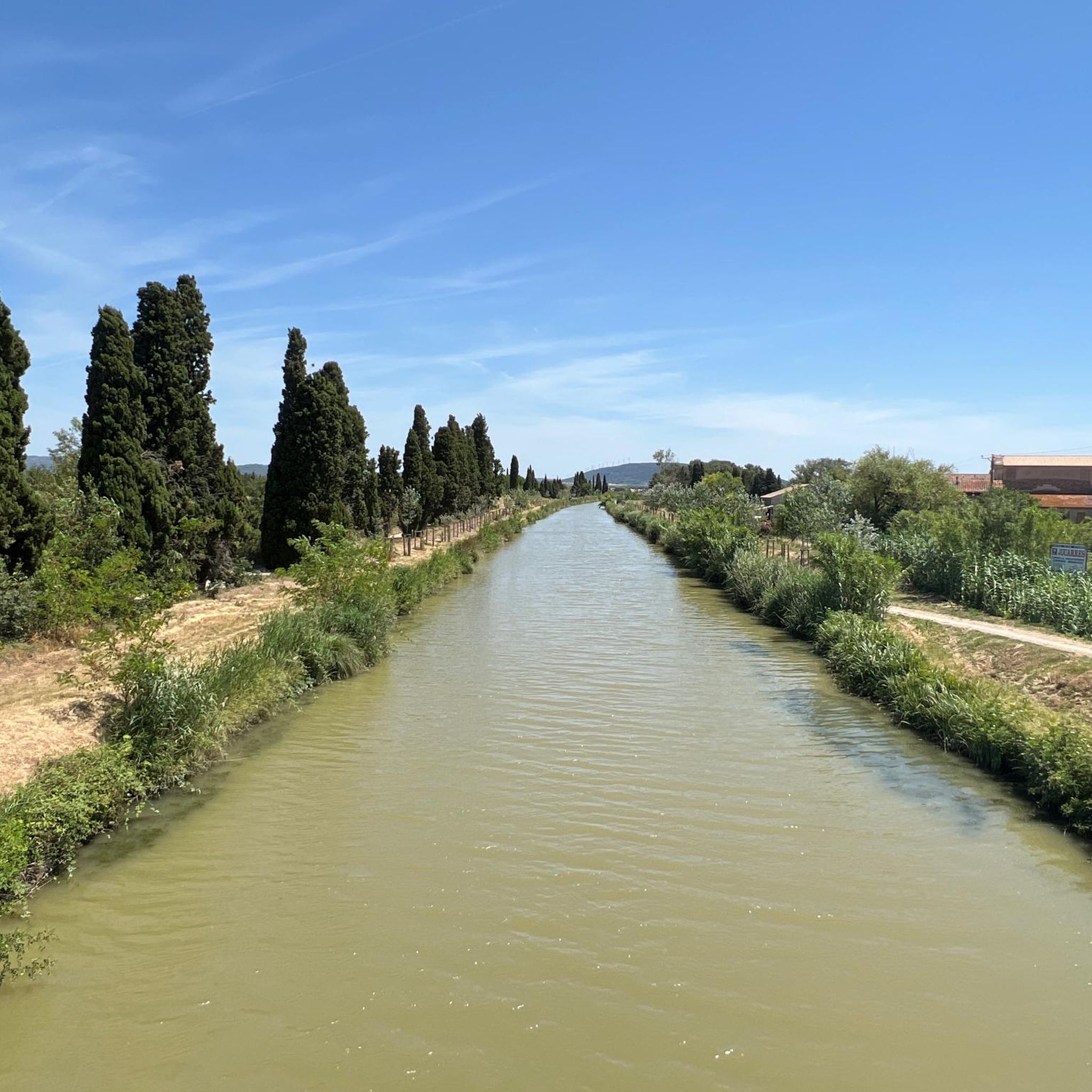
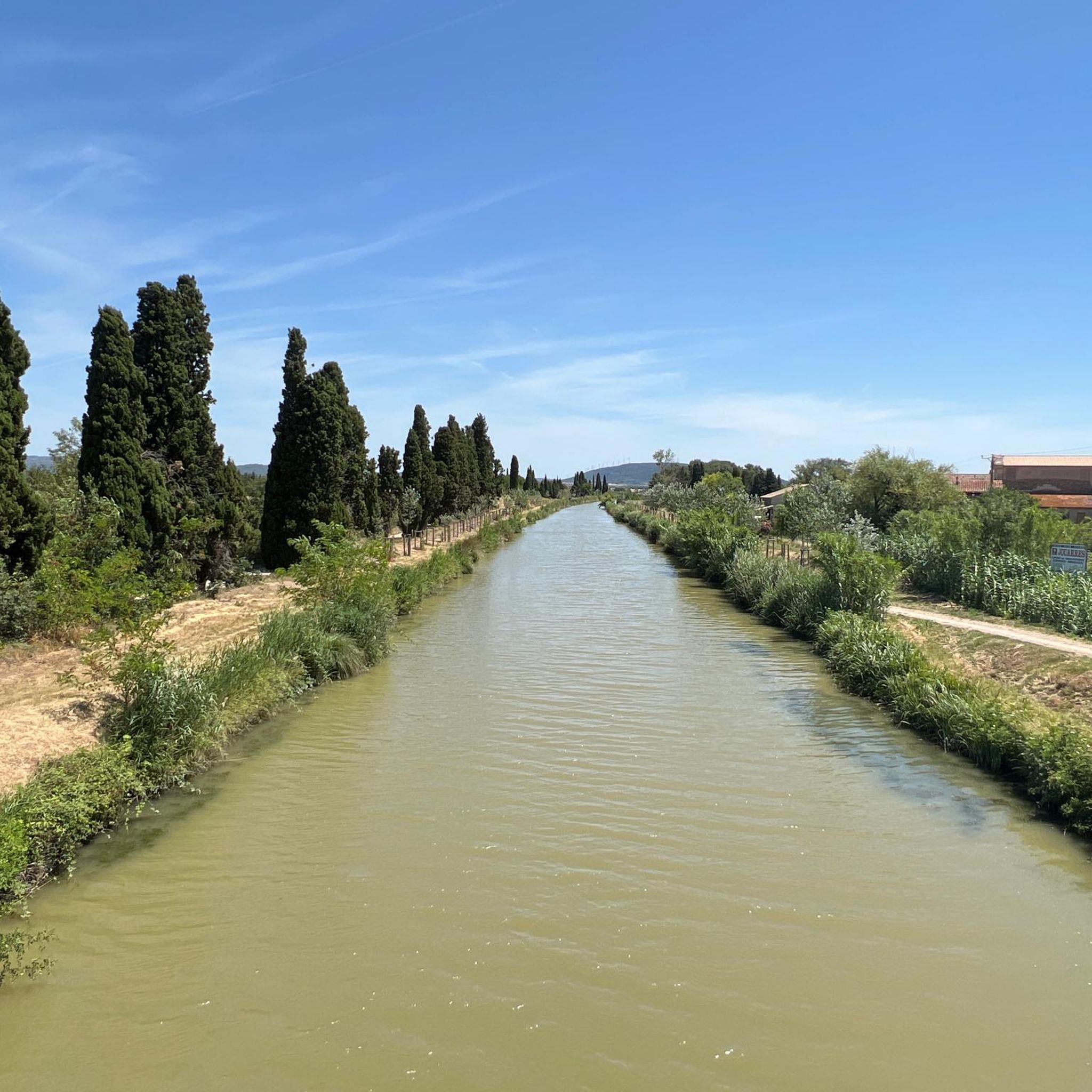
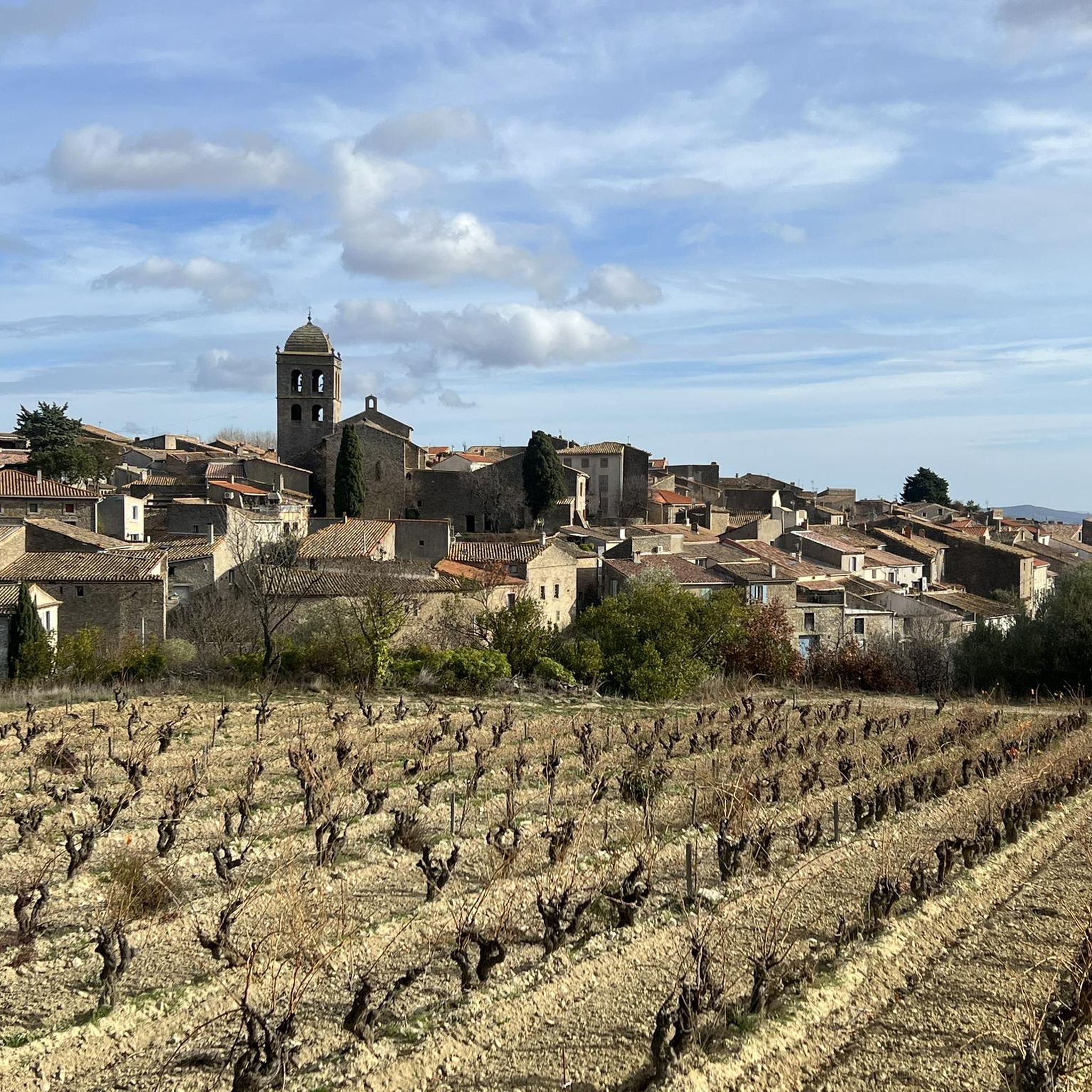
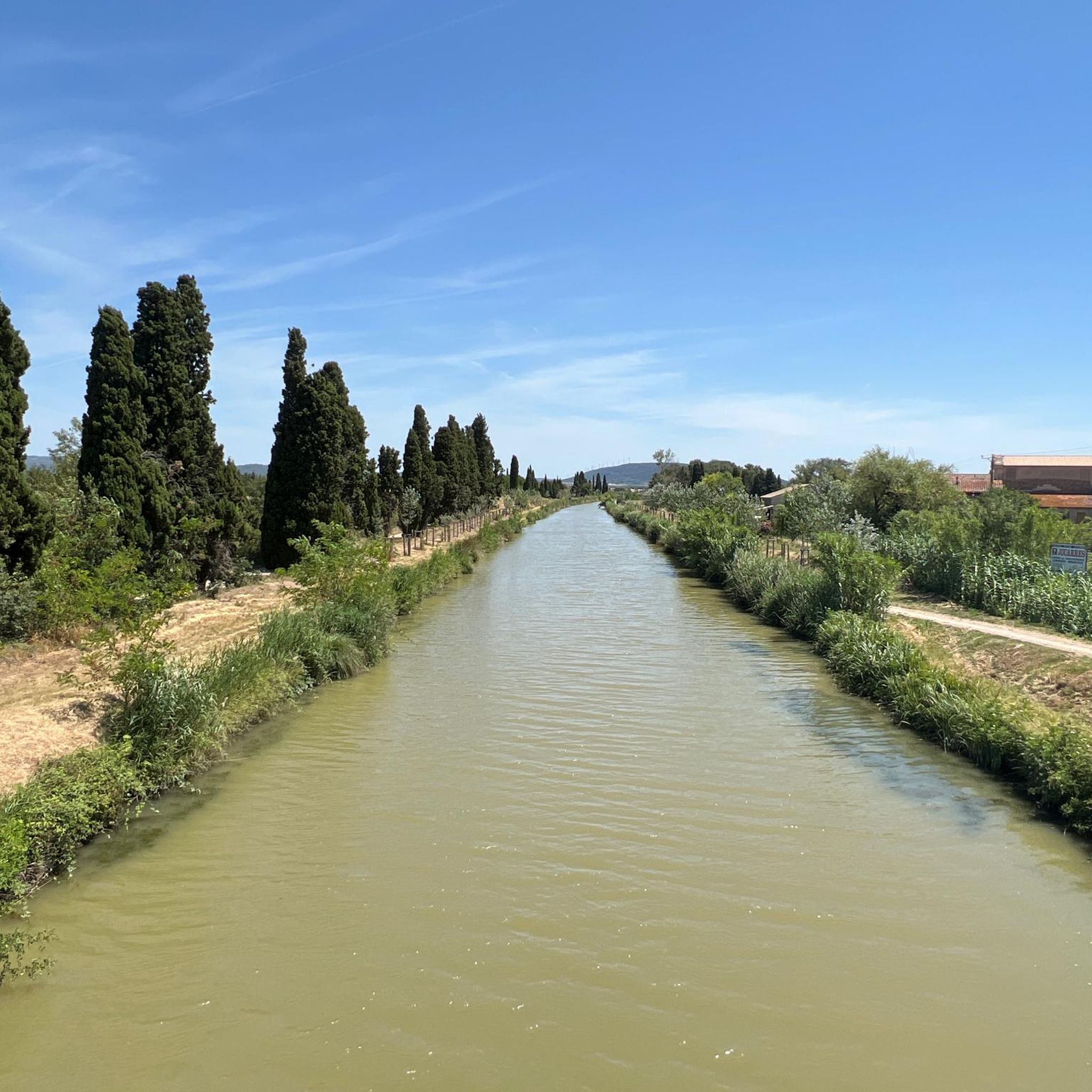
Road cycling around Azille offers diverse terrain, situated between the Montagne Noire foothills and the Canal du Midi in the Aude department. The region features varied landscapes, including extensive vineyards, rolling hills, and the flat, scenic towpaths of the historic Canal du Midi. Cyclists can find routes ranging from gentle rides along waterways to more challenging ascents into the surrounding hills and the Minervois plain.
Best road cycling routes around Azille
- The most popular road cycling route is Grotte Pont…
Last updated: November 18, 2026
4.6
(5)
68
riders
48.8km
02:25
590m
590m
Moderate road ride. Good fitness required. Mostly well-paved surfaces and easy to ride.
5.0
(2)
29
riders
84.1km
04:01
800m
800m
Moderate road ride. Good fitness required. Some segments of this route may be unpaved and difficult to ride.

22
riders
45.0km
01:45
130m
130m
Moderate road ride. Some segments of this route may be unpaved and difficult to ride.
5.0
(2)
6
riders
46.1km
02:00
340m
340m
Moderate road ride. Good fitness required. Mostly well-paved surfaces and easy to ride.
5.0
(1)
8
riders
68.0km
03:44
1,190m
1,190m
Hard road ride. Very good fitness required. Mostly well-paved surfaces and easy to ride.
Get access to more routes and recommendations from other explorers.
Already have an account?
Our route recommendations are based on thousands of hikes, rides, and runs completed by other people on komoot.
Start today with a free account
Your next adventure awaits.

Tips from the Community

Remarkable site, the village of Argens-Minervois, is built in an amphitheater on a promontory overlooking the Canal du Midi and the Aude river. Besides its old fortress (13th century) taken during the crusade against the Albigensians by Simon de Montfort, visitors can consider various walks along the canal (locks), around the Aiguilles lake, at Pech Laurier or at Mourrel Ferrat, an Elysian (pre-Roman) site.
0
0
Roubia has a circular spatial organization. The fortified village developed between the 9th and 12th centuries in the form of concentric rings of terraced houses surrounding the old central castle. It was originally entered through three main gates.
0
0
Paraza is a wine-growing village in the Minervois region of the Aude, rich in its history dating back beyond the Roman period. It is marked by the construction of the Canal du Midi, during which Pierre Paul Riquet resided at the Château de Paraza during the works on the Canal and the Pont canal du Répudre.
0
0
Typical wine village on the Canal du Midi, dominated by its double castle, one intended for winemaking and the other serving as a residence. The latter was built in the 18th century on the ruins of a 12th-century castle. This large building with a square tower overlooking the plain with beautiful Italian terraced gardens is extended on its right by its "winegrower's folly", a 19th-century model of its kind opening its doors to the Canal du Midi.
0
0

In the heart of Félines-Minervois, the church of Notre-Dame de l'Assomption is a discreet witness to a history much older than its stones suggest. Built in 1694 in an ogival style and organized around three naves, it preserves a precious relic from the early Middle Ages: a Visigothic lintel, probably from an ancient place of worship that has since disappeared. This stone fragment recalls that a Christian community already existed here more than a thousand years ago. The church is part of a territory shaped by several millennia of history. The first traces of human occupation date back to prehistory, notably with the l'Abeurador cave, where evidence testifies to one of the oldest known agricultural practices in the south of France. Later, the Gallo-Roman period left its mark with installations related in particular to ceramic production, which could be the origin of the village's name, derived from the Latin figulinas, meaning “place where pottery is made”. In the Middle Ages, the heart of local power was not yet in Félines but around the castle of Ventajou, an important fortress mentioned as early as the 9th century. Situated on a promontory overlooking the valley, it controlled the passage routes between the Minervois and the foothills of the Black Mountain. Like many sites in the region, it was affected by the events of the crusade against the Albigensians at the beginning of the 13th century, before gradually losing its importance in favor of the current village.
2
0
In the heart of the old village of La Livinière, the church of Saint-Étienne is a discreet but remarkable witness to nearly a millennium of history. Mentioned as early as 1102, it retains a Romanesque nave from the 12th century, supplemented over the centuries by side chapels and Gothic additions. Its vaults and sculptures recall the craftsmanship of medieval builders in the Minervois. Its most remarkable feature remains its domed bell tower, rare in the region. Built on a Romanesque base and then topped with a stone dome in the 17th century, it gives the church an immediately recognizable silhouette. A local tradition recounts that this bell tower was inspired by buildings observed in the East by a knight returning from a crusade, a story that adds a touch of mystery to this monument. The church is part of La Livinière's eventful history: a former fortified village established around a castle, possession of the lords of La Livinière then the Trencavels, the town has traversed the great periods of Languedoc's Middle Ages. The La Jugie family, who marked the village in the 14th century, also left their mark in the church with the discovery of a family tomb in the Saint-Blaise chapel. Right next to the church, the J. Callas & H. Roquebernou garden offers a pleasant interlude in the heart of the village. This landscaped space accompanies the discovery of the monument by providing a place of calm and respite.
2
0
At the entrance to La Livinière stands a monument astonishing in its size and history: the Notre-Dame du Spasme basilica. This Marian shrine, which became a minor basilica in 1959, has been a major pilgrimage site in the Minervois for several centuries. Its origin is linked to Nicolas de La Jugie, lord of La Livinière in the 14th century, who is said to have brought back from Jerusalem a statue representing the Virgin at the moment of her swoon at the foot of the Cross. The interior of the building reveals an architecture vaster than one might imagine from the road: three naves and a large space capable of accommodating many pilgrims. A detail that gives the place a unique history: the original statue of Notre-Dame du Spasme, venerated for centuries by the inhabitants and pilgrims, disappeared during a theft in 1960.
2
0
In the heart of Cesseras, the Saint-Geniès church surprises with its elegance and medieval character. Built in the 15th century in the southern Gothic style, it retains a single nave, a polygonal choir, and beautiful stone vaults whose sculpted keystones bear witness to the know-how of the builders of the Minervois. Classified as a Historic Monument since 1933, it succeeded a first place of worship mentioned as early as 844. By lingering for a few moments before its stones, one discovers that the history of Cesseras dates back much further than the Middle Ages: the territory has been occupied since prehistoric times, while the village developed around an old feudal castle. Another interesting detail: the name Saint-Geniès recalls Saint Genès of Rome, a Christian martyr from the 3rd century.
2
0
Frequently Asked Questions
How many road cycling routes are available around Azille?
There are over 180 road cycling routes around Azille, offering a wide range of options for different skill levels and preferences. You'll find everything from leisurely rides to challenging ascents.
What kind of terrain can I expect on road cycling routes near Azille?
The terrain around Azille is quite varied, situated between the foothills of the Montagne Noire and the flat plains of the Canal du Midi. You can expect routes winding through extensive vineyards, wilder pine forests, and scrubland, with some offering significant elevation changes and panoramic views. The historic Canal du Midi provides flat, scenic towpaths for more relaxed cycling.
Are there road cycling routes suitable for beginners or those looking for an easy ride?
Yes, Azille offers 29 easy road cycling routes. Many of these incorporate sections along the flat, scenic towpaths of the Canal du Midi, which are ideal for a relaxed pace. These routes allow you to enjoy the historic waterway and its structures without significant climbs.
What are some challenging road cycling routes in the Azille area?
For experienced cyclists seeking a challenge, there are 34 difficult routes around Azille. These often feature significant elevation changes and longer distances. An example is the Minerve – Grotte Pont Petite loop from Homps, which covers 58.6 km with almost 950 meters of ascent, offering views of varied terrain and vineyards.
What do other road cyclists enjoy most about cycling in Azille?
The road cycling routes around Azille are highly rated by the komoot community, with an average score of 4.4 stars from over 100 reviews. Cyclists often praise the diverse landscapes, from the picturesque vineyards to the historic Canal du Midi, and the variety of routes catering to all abilities. The region's natural beauty and charming villages are frequently highlighted.
Are there any circular or loop road cycling routes around Azille?
Yes, many road cycling routes in the Azille area are designed as loops, allowing you to start and finish at the same point. For example, the Grotte Pont Petite – Minerve loop from Homps is a moderate 47.9 km route that takes you through the scenic Minerve area and returns to Homps.
What are some scenic viewpoints or landmarks I can see along the road cycling routes?
Road cycling routes around Azille offer numerous scenic viewpoints and pass by interesting landmarks. You can enjoy panoramic views of the Minervois plain, especially from higher elevations in the Montagne Noire foothills. Routes often pass through vineyards and charming villages. Notable attractions include the dramatic setting of Minerve, the historic Argent-Double aqueduct and spillway along the Canal du Midi, and the Grotte Pont Petite.
Can I find family-friendly road cycling options in Azille?
Absolutely. The flat, well-maintained towpaths along the Canal du Midi are particularly suitable for families and cyclists of all ages. These sections offer a safe and enjoyable environment away from traffic, perfect for a leisurely ride. Routes like the Giant Bicycle Sculpture – Homps Lock (Écluse d'Homps) loop from Homps incorporate parts of the Canal du Midi, making them accessible for family outings.
What is the best time of year to go road cycling in Azille?
The region around Azille is generally pleasant for road cycling from spring through autumn. Spring offers lush landscapes and comfortable temperatures, while autumn provides beautiful colors in the vineyards. Summer can be warm, so early morning or late afternoon rides are often preferred. The mild climate of southern France generally allows for cycling for much of the year.
Are there places to eat or stay near the road cycling routes in Azille?
Yes, the region is dotted with charming villages and towns where you can find cafes, restaurants, and accommodation. Homps, a common starting point for several routes, is located on the Canal du Midi and offers various services. Exploring nearby villages like Aigne, Bize-Minervois, and Saint-Chinian will also provide opportunities for local markets and dining experiences.
Are there any specific natural features or protected areas to explore while cycling?
Yes, Azille is nestled in a region rich with natural beauty. You'll cycle through the famous Minervois vineyards and can access the foothills of the Montagne Noire. The UNESCO-listed Canal du Midi is a central feature, offering unique waterside cycling. Nearby, the Lac de Jouarres provides opportunities for water sports and additional trails. The area also includes parts of the Haut-Languedoc Regional Natural Park and Natura 2000 sites, preserving diverse ecosystems.
Where can I find parking for road cycling routes near Azille?
Many of the road cycling routes around Azille start from villages like Homps or Azille itself, where public parking is generally available. Homps, being a hub on the Canal du Midi, often has designated parking areas for visitors looking to access the canal or local trails. It's advisable to check specific starting points for the most convenient parking options.
Most popular attractions around Azille

Get inspired with the komoot mobile app


Explore more
Browse the best Road cycling routes in other regions.
