The best road cycling routes around Pépieux
4.3
(98)
1,521
riders
17
rides
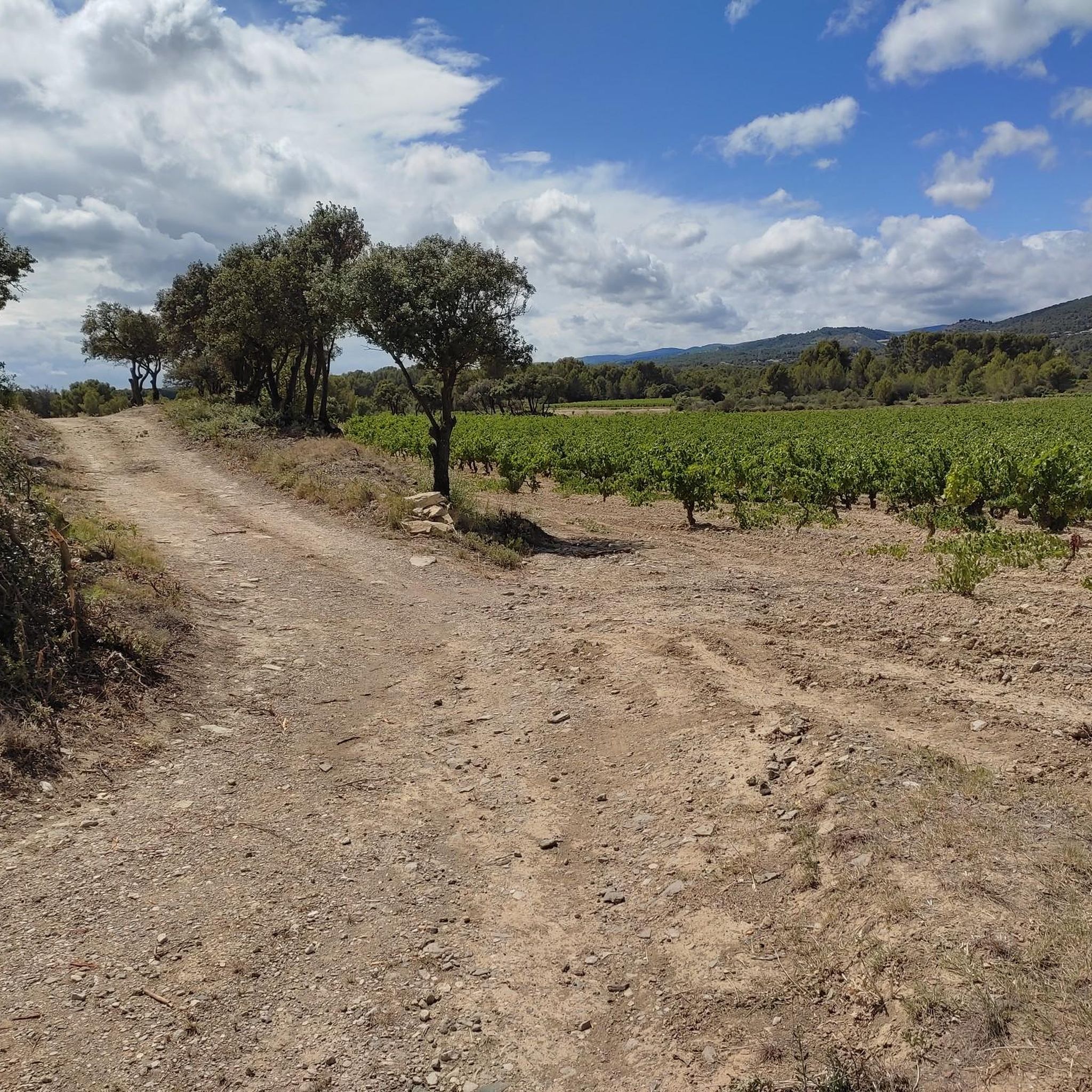
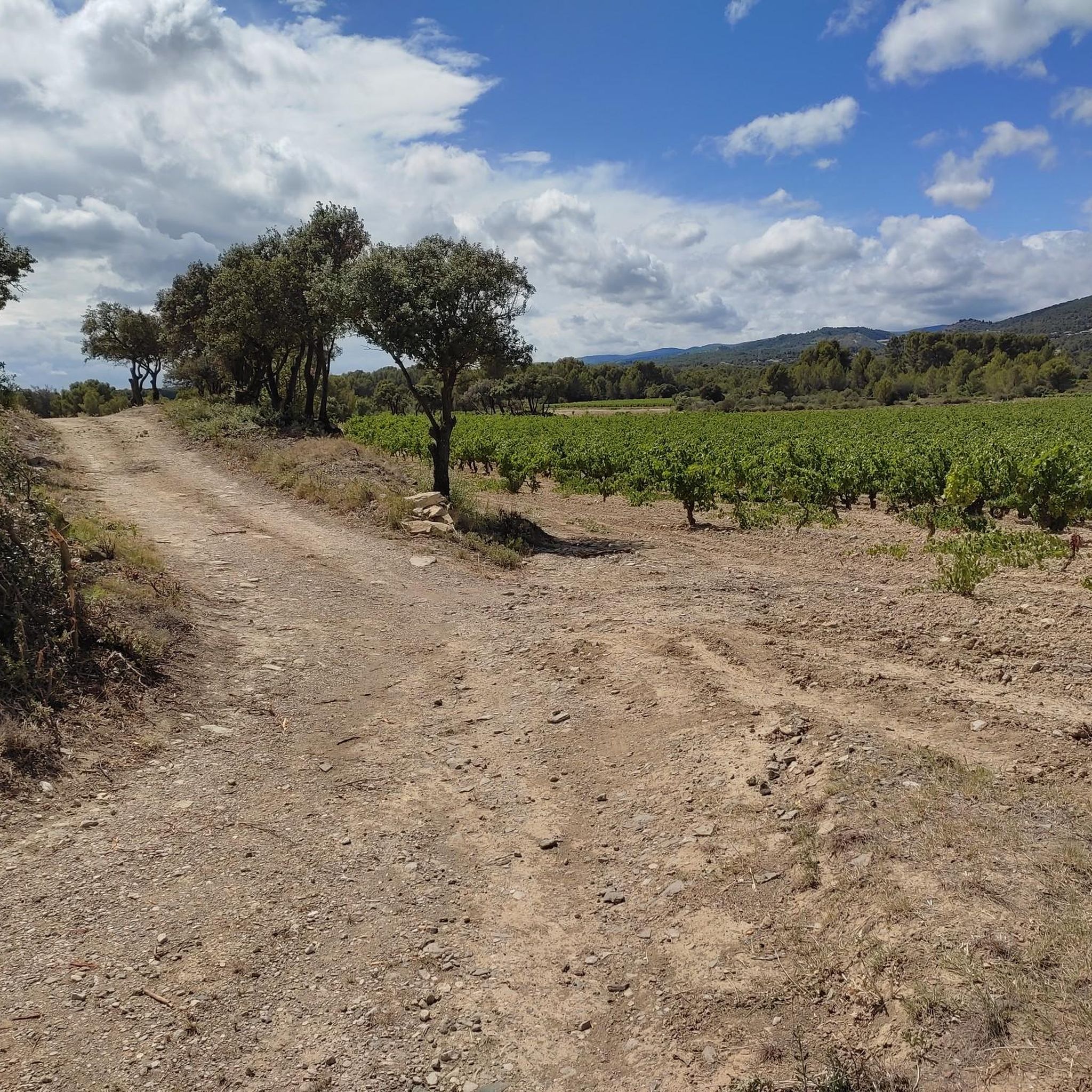
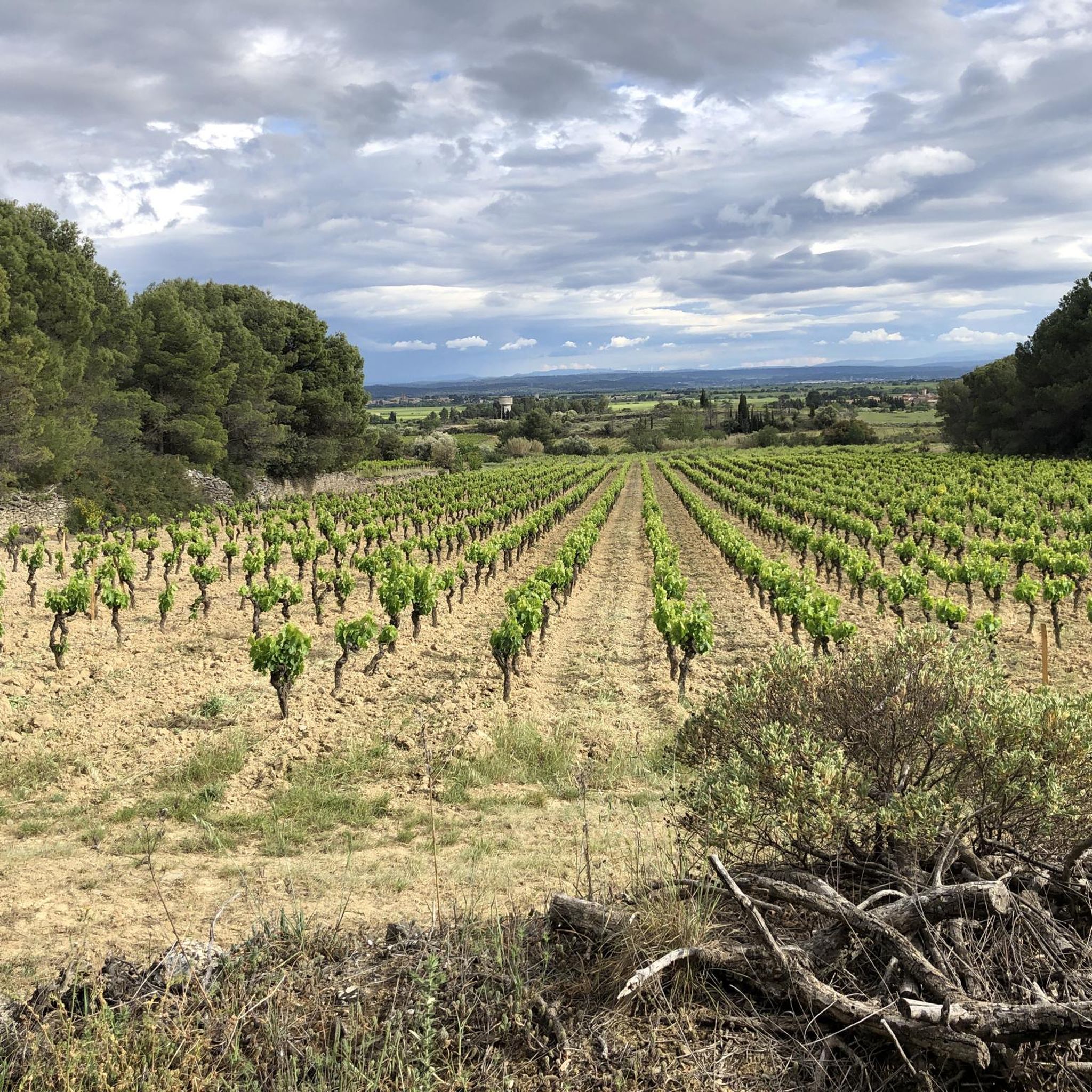
Road cycling around Pépieux, located in the Minervois region of Occitanie, France, offers diverse terrain for cyclists. The area is characterized by rolling hills and expansive vineyards, providing scenic routes through agricultural landscapes. Proximity to the Canal du Midi, a UNESCO World Heritage site, offers flat, paved options, while the surrounding Minervois region includes more challenging climbs. This varied topography supports road cycling routes suitable for different fitness levels.
Best road cycling routes around Pépieux
- The most popular road cycling…
Last updated: October 8, 2026
30
riders
46.5km
02:01
350m
350m
Moderate road ride. Good fitness required. Some segments of this route may be unpaved and difficult to ride.
5.0
(1)
18
riders
53.7km
02:20
450m
450m
Moderate road ride. Good fitness required. Mostly well-paved surfaces and easy to ride.

13
riders
86.3km
04:09
810m
810m
Moderate road ride. Good fitness required. Some segments of this route may be unpaved and difficult to ride.
5.0
(1)
9
riders
54.1km
02:15
380m
380m
Moderate road ride. Good fitness required. Mostly well-paved surfaces and easy to ride.
8
riders
40.3km
01:41
230m
230m
Easy road ride. Great for any fitness level. Mostly well-paved surfaces and easy to ride.
Get access to more routes and recommendations from other explorers.
Already have an account?
Our route recommendations are based on thousands of hikes, rides, and runs completed by other people on komoot.
Start today with a free account
Your next adventure awaits.

Tips from the Community

The l'Aiguille lock is a double lock on the Canal du Midi located in the commune of Puichéric.
0
0
Ancient site of Roman thermal baths, Homps later housed a commandery of the Knights of Malta. Then, thanks to the construction of the Canal du Midi, the commune experienced considerable growth in the wine trade and transport. Today, barges make a pleasant stop in its charming pleasure port.
0
0
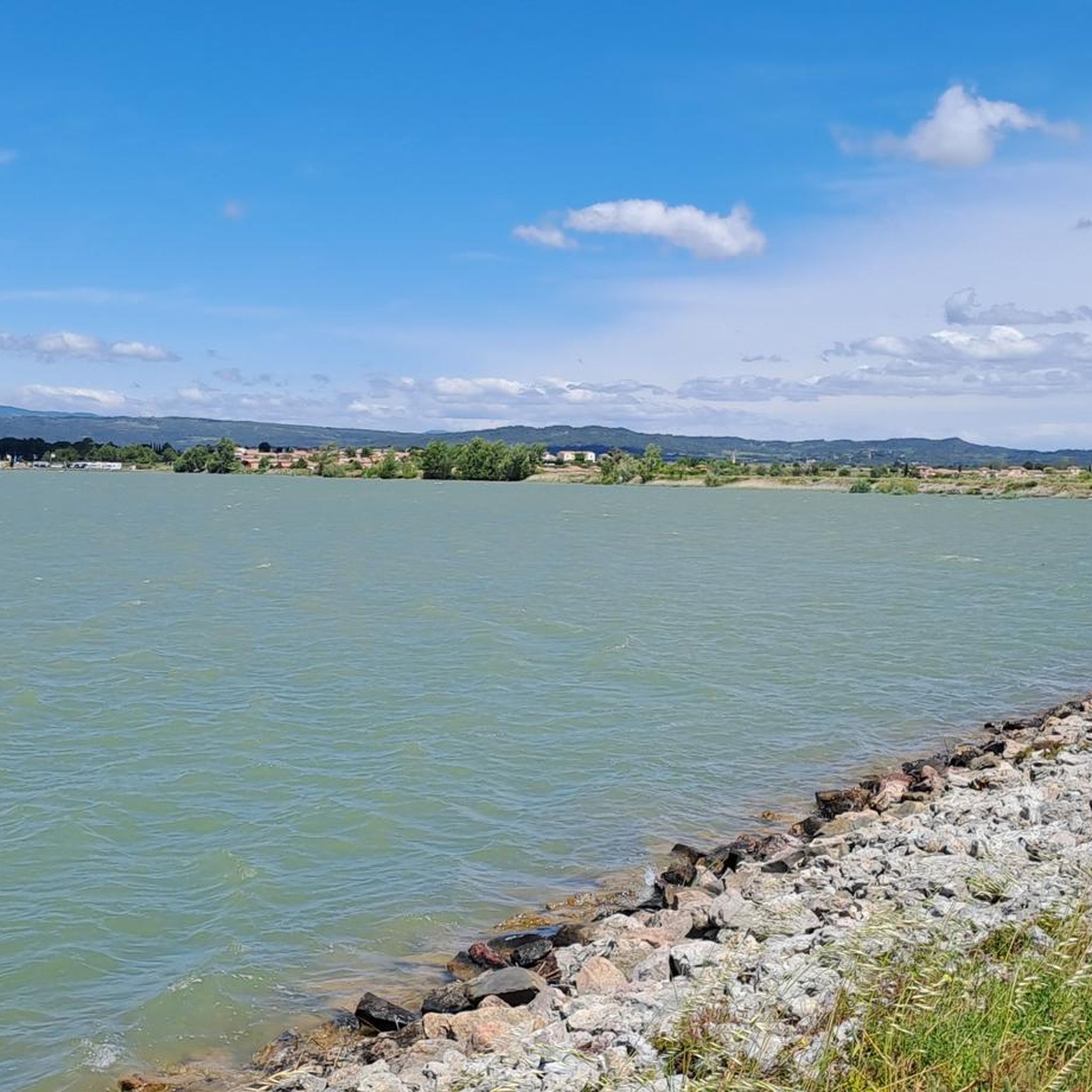
Remarkable site, the village of Argens-Minervois, is built in an amphitheater on a promontory overlooking the Canal du Midi and the Aude river. Besides its old fortress (13th century), taken during the Albigensian Crusade by Simon de Montfort, visitors can consider various walks along the canal (locks), around the lake of Aiguilles, at Pech Laurier or at Mourrel Ferrat, an elysian (pre-Roman) site.
0
0
Paraza is a wine-growing village in the Minervois region of the Aude, rich in its history dating back beyond the Roman period. It is marked by the construction of the Canal du Midi, during which Pierre Paul Riquet resided at the Château de Paraza during the works on the Canal and the Pont canal du Répudre.
0
0

From this viewpoint, the village appears surrounded by the vineyards of Minervois and protected by the relief. The domed bell tower of the Saint-Étienne church stands out clearly above the roofs.
2
0
In the heart of Félines-Minervois, the church of Notre-Dame de l'Assomption is a discreet witness to a history much older than its stones suggest. Built in 1694 in an ogival style and organized around three naves, it preserves a precious relic from the early Middle Ages: a Visigothic lintel, probably from an ancient place of worship that has since disappeared. This stone fragment recalls that a Christian community already existed here more than a thousand years ago. The church is part of a territory shaped by several millennia of history. The first traces of human occupation date back to prehistory, notably with the l'Abeurador cave, where evidence testifies to one of the oldest known agricultural practices in the south of France. Later, the Gallo-Roman period left its mark with installations related in particular to ceramic production, which could be the origin of the village's name, derived from the Latin figulinas, meaning “place where pottery is made”. In the Middle Ages, the heart of local power was not yet in Félines but around the castle of Ventajou, an important fortress mentioned as early as the 9th century. Situated on a promontory overlooking the valley, it controlled the passage routes between the Minervois and the foothills of the Black Mountain. Like many sites in the region, it was affected by the events of the crusade against the Albigensians at the beginning of the 13th century, before gradually losing its importance in favor of the current village.
2
0
At the entrance to La Livinière stands a monument astonishing in its size and history: the Notre-Dame du Spasme basilica. This Marian shrine, which became a minor basilica in 1959, has been a major pilgrimage site in the Minervois for several centuries. Its origin is linked to Nicolas de La Jugie, lord of La Livinière in the 14th century, who is said to have brought back from Jerusalem a statue representing the Virgin at the moment of her swoon at the foot of the Cross. The interior of the building reveals an architecture vaster than one might imagine from the road: three naves and a large space capable of accommodating many pilgrims. A detail that gives the place a unique history: the original statue of Notre-Dame du Spasme, venerated for centuries by the inhabitants and pilgrims, disappeared during a theft in 1960.
2
0
In the heart of Cesseras, the Saint-Geniès church surprises with its elegance and medieval character. Built in the 15th century in the southern Gothic style, it retains a single nave, a polygonal choir, and beautiful stone vaults whose sculpted keystones bear witness to the know-how of the builders of the Minervois. Classified as a Historic Monument since 1933, it succeeded a first place of worship mentioned as early as 844. By lingering for a few moments before its stones, one discovers that the history of Cesseras dates back much further than the Middle Ages: the territory has been occupied since prehistoric times, while the village developed around an old feudal castle. Another interesting detail: the name Saint-Geniès recalls Saint Genès of Rome, a Christian martyr from the 3rd century.
2
0
Frequently Asked Questions
What kind of terrain can I expect for road cycling around Pépieux?
Road cycling around Pépieux offers a diverse landscape. You'll find routes winding through rolling hills and extensive vineyards, characteristic of the region's viticultural identity. For a more relaxed pace, the nearby Canal du Midi provides flat, scenic paths. More challenging excursions with significant climbs are also available, particularly in the Minervois region.
How many road cycling routes are available in the Pépieux area?
There are over 20 road cycling routes available around Pépieux on komoot, catering to various skill levels. This includes 6 easy routes, 14 moderate routes, and 3 difficult routes, ensuring options for every cyclist.
What is the best time of year for road cycling in Pépieux?
Pépieux benefits from a mild climate, making it suitable for year-round exploration. While July is a popular month for cycling, the pleasant weather generally allows for enjoyable rides throughout much of the year.
Are there any family-friendly road cycling routes in Pépieux?
Yes, for families or those preferring a gentler ride, the flat and scenic paths along the Canal du Midi are an excellent choice. Additionally, komoot lists several easy routes, such as the Up to Cesserac loop from Pépieux, which is 31.9 km long with minimal elevation gain.
What historical landmarks or natural features can I see while cycling?
The region is rich in attractions. You can cycle past the historic Argent-Double aqueduct and spillway on the Canal du Midi, or explore routes leading to Minerve, one of France's 'Most Beautiful Villages.' The area also features impressive gorges like the Grotte Pont Petite and the Cesse Gorges at Fauzan.
Are there challenging routes for experienced road cyclists?
Absolutely. For experienced cyclists seeking a challenge, Pépieux offers routes with significant elevation gain. The Minerve – Minerve loop from Pépieux, for example, is a difficult 65.8 km route with over 1150 meters of ascent through the scenic Minervois.
Can I find routes that pass through vineyards or offer wine-tasting opportunities?
Yes, many routes in the Pépieux area wind through extensive vineyards, reflecting the region's strong viticultural heritage. You'll have opportunities to cycle past local wine 'caves' and châteaux, with some offering tastings. The Vineyard – Sainte-Marie Church loop from Pépieux is a great example of a route showcasing these landscapes.
What do other road cyclists say about the routes in Pépieux?
The road cycling routes around Pépieux are highly rated by the komoot community, with an average score of 4.7 stars from over 10 reviews. Cyclists often praise the varied terrain, from flat canal paths to challenging climbs, and the beautiful scenery of rolling hills and vineyards.
Are the road cycling routes around Pépieux typically circular?
Yes, many of the road cycling routes available on komoot around Pépieux are designed as loops, allowing you to start and finish in the same location. Examples include the Entrance to Hérault Department – Col de Coulouma loop from Pépieux and the Villeneuve-Minervois Mill – Villarlong Castle loop from Pépieux.
Are there any routes that lead to other notable towns or departments?
Certainly. The region's network of routes allows for rides that extend to neighboring areas. For instance, the Entrance to Hérault Department – Col de Coulouma loop from Pépieux takes you towards the Hérault department, offering a change of scenery and new challenges.
What kind of surfaces can I expect on the road cycling routes?
The road cycling routes around Pépieux primarily feature paved surfaces, making them ideal for road bikes. Even the scenic paths along the Canal du Midi are well-maintained and suitable for a smooth ride.
Most popular attractions around Pépieux

Get inspired with the komoot mobile app


Explore more
Browse the best Road cycling routes in other regions.
