Attractions and Places To See around La Redorte - Top 20
Best attractions and places to see around La Redorte include a blend of historical landmarks, natural features, and cultural experiences in the Occitanie region of France. Situated along the UNESCO World Heritage-listed Canal du Midi, the village provides a setting for exploring waterways and historical sites. The area is characterized by its vineyards and diverse landscapes. Visitors can find opportunities for outdoor activities and cultural immersion.
Best attractions and places to see around La Redorte
- The most popular attractions is…
Last updated: November 21, 2026
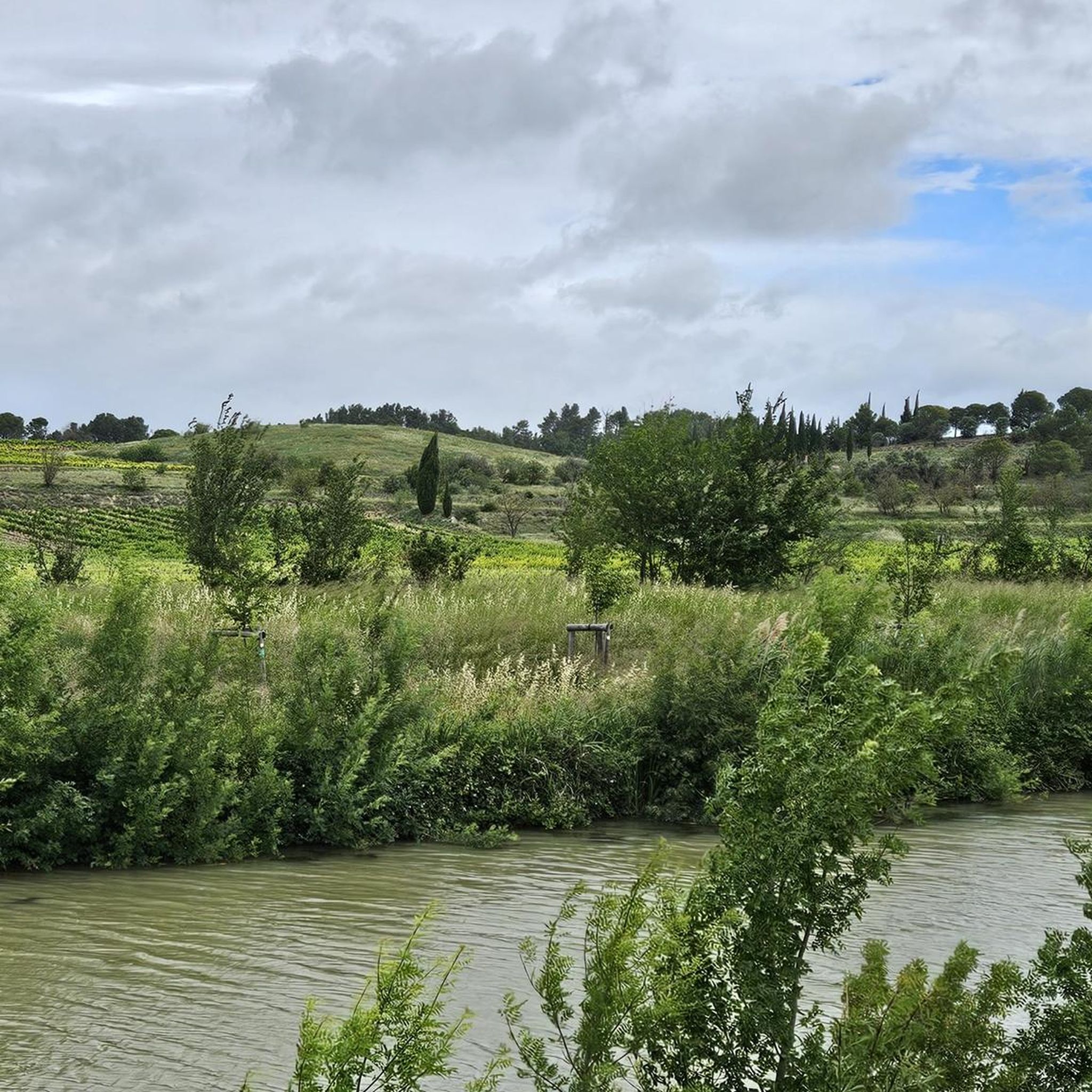
Canal du Midi at Marseillette
Highlight • River
Yes, the canal is a great immersion in history and the region
However, don't hesitate to make a few forays outside the canal... we …
Translated by Google •
Tip by

Canal du Midi Bridge
Highlight • Bridge
Translated by Google •
Tip by

Sign up now to discover places like this
Get recommendations on the best single tracks, peaks, & plenty of other exciting outdoor places.
Écluse de l'Aiguille
Highlight • Other
Translated by Google •
Tip by

Argent-Double aqueduct and spillway
Highlight • Other
Translated by Google •
Tip by

View of Marseillette pond
Highlight • Other
Showing Translation
Tip by

Sign up for free to discover even more attractions around La Redorte.
Already have an account?
Start today with a free account
Your next adventure awaits.

Tips from the Community

• The beginnings (1901): The father, Léon Camman, sent his newly graduated son Joseph to the Étang de Marseillette, where the family held financial shares. Joseph took over the management and gradually acquired around 800 of the total 2,000 hectares of the area. • The Naudy hydroelectric power plant (1912): To operate the complex drainage and irrigation system on a large scale, Joseph Camman designed and built his own small hydroelectric power plant. • Electric plowing: Thanks to the energy generated, Camman revolutionized local agriculture. He introduced electric plowing, which allowed the huge, often heavy and crusted soils of the former lake bed to be mechanically deep-plowed and cultivated. • Infrastructure development: The family systematically built paths, bridges, and access roads to connect the agricultural estates (metaories) with each other and to enable the transport of harvests.
0
0
The Camman era (1900–1941) marks the phase of technological modernization and industrialization of the drained Étang de Marseillette. After the land had been divided among many small farmers in the 19th century and the canals had fallen into disrepair due to a lack of coordination, this family brought back the necessary structure and innovation
0
0
Although she successfully drained the swamp water and made the land arable, her financial resources were ultimately not enough to solve the soil's biggest problem: the salt. The later project of diverting fresh river water from the Aude via a tunnel to wash the salty soil had to be completed later by successor companies.
0
0
• Origin and status: Marie Anne came from the influential Irish-Catholic Coppinger family. After her husband's death, she possessed a considerable fortune. • The purchase of the Etang (1804): During the Napoleonic era, she acquired the vast swamp area as "national property" (domaine national). The authorities gave her a four-year deadline to have the body of water completely drained in order to protect the health of the local population (who suffered from malaria) and to gain new arable land. • The mammoth task: Together with her son, she led a gigantic construction project. She invested almost her entire fortune in the construction of kilometers of drainage canals and ditches
0
0
Madame Lawless (born Marie Anne Coppinger) was a wealthy Irish widow who played a decisive role in the history of the Minervois at the beginning of the 19th century. She went down in history as the woman who, from 1804 onwards, succeeded in permanently draining the uninhabitable and disease-ridden swamp of the Étang de Marseillette and transforming it into a fertile agricultural area.
0
0
The site is also part of a protected natural area (ZNIEFF) due to its rich biodiversity, hosting numerous bird species (herons, egrets, ducks) attracted by this aquatic and agricultural environment.
0
0
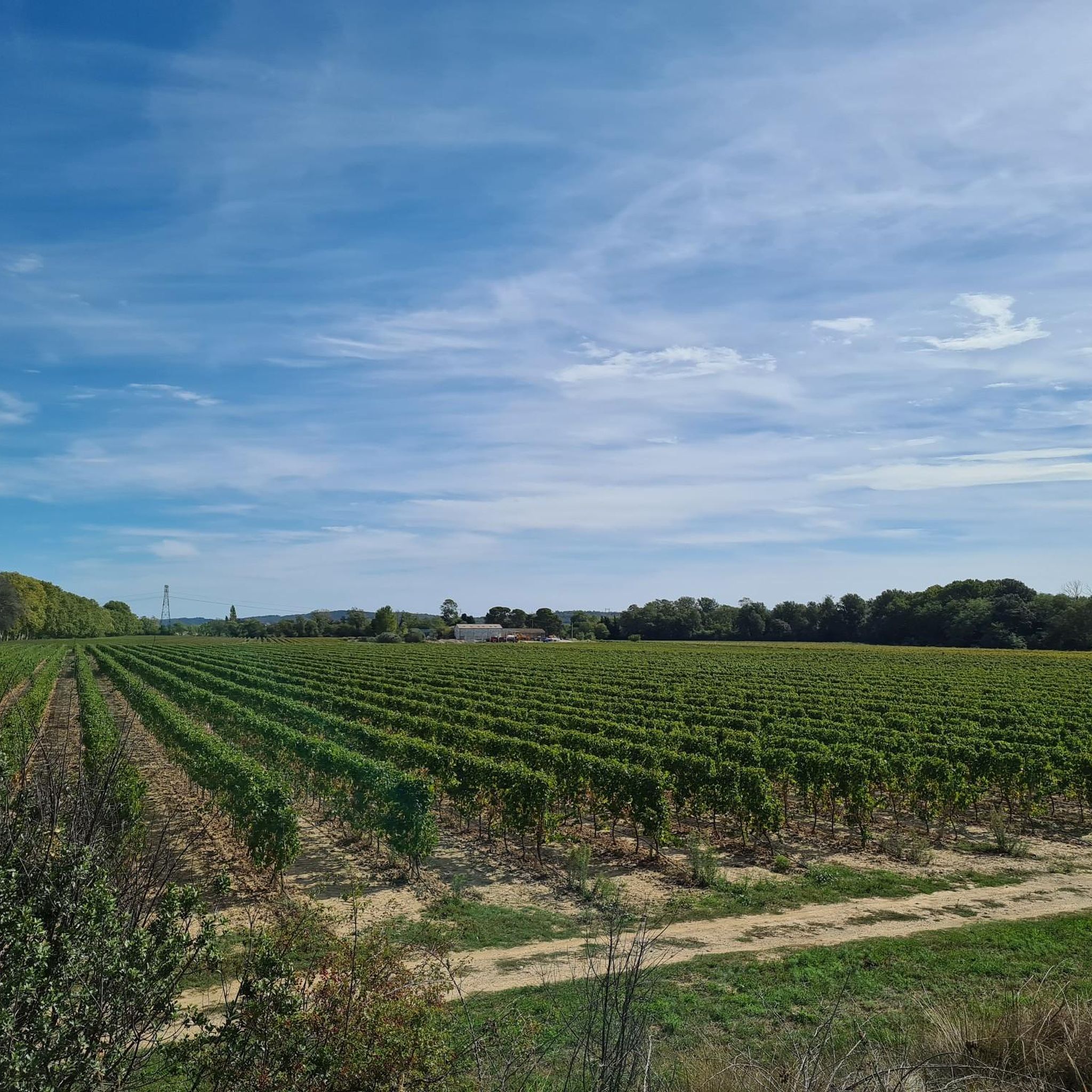
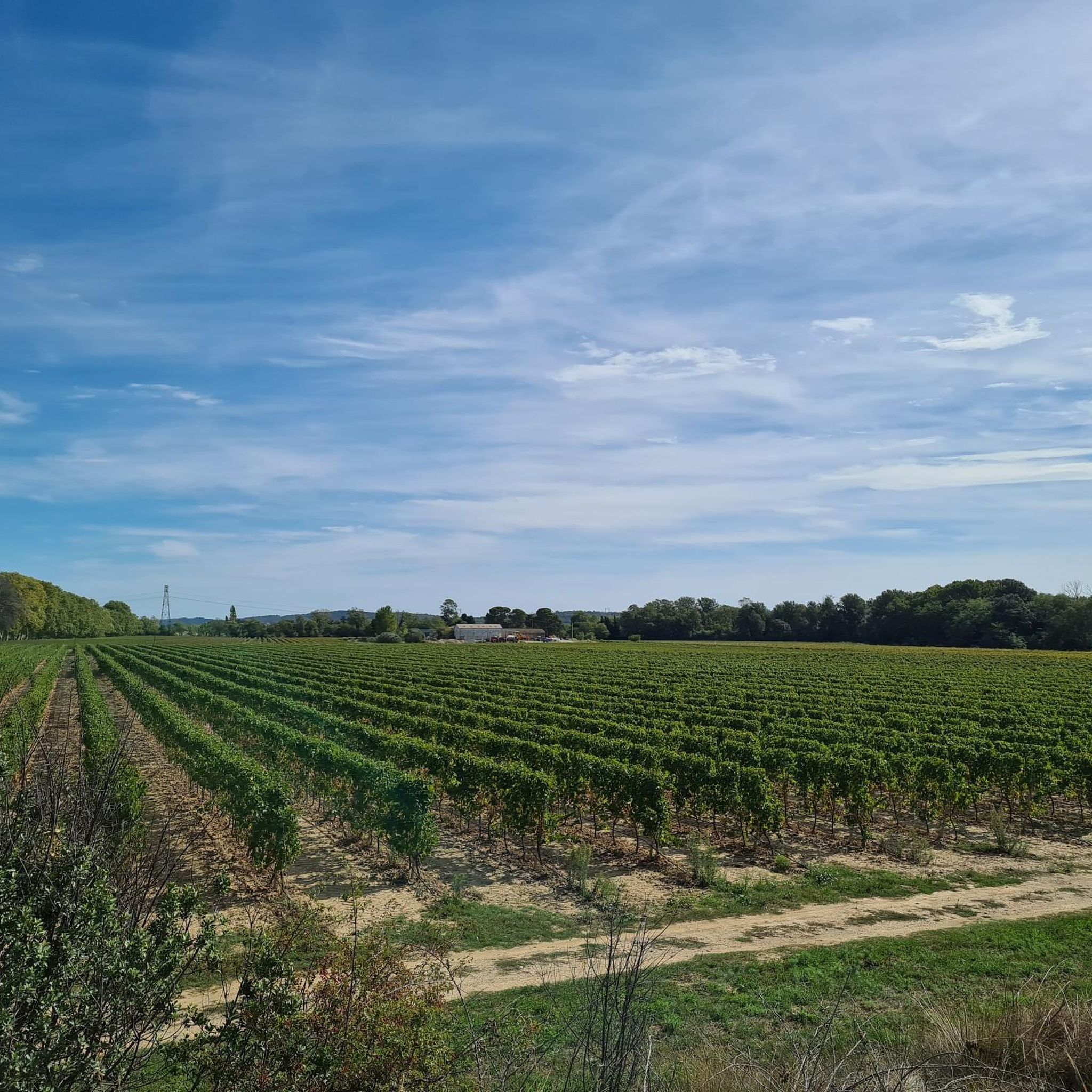
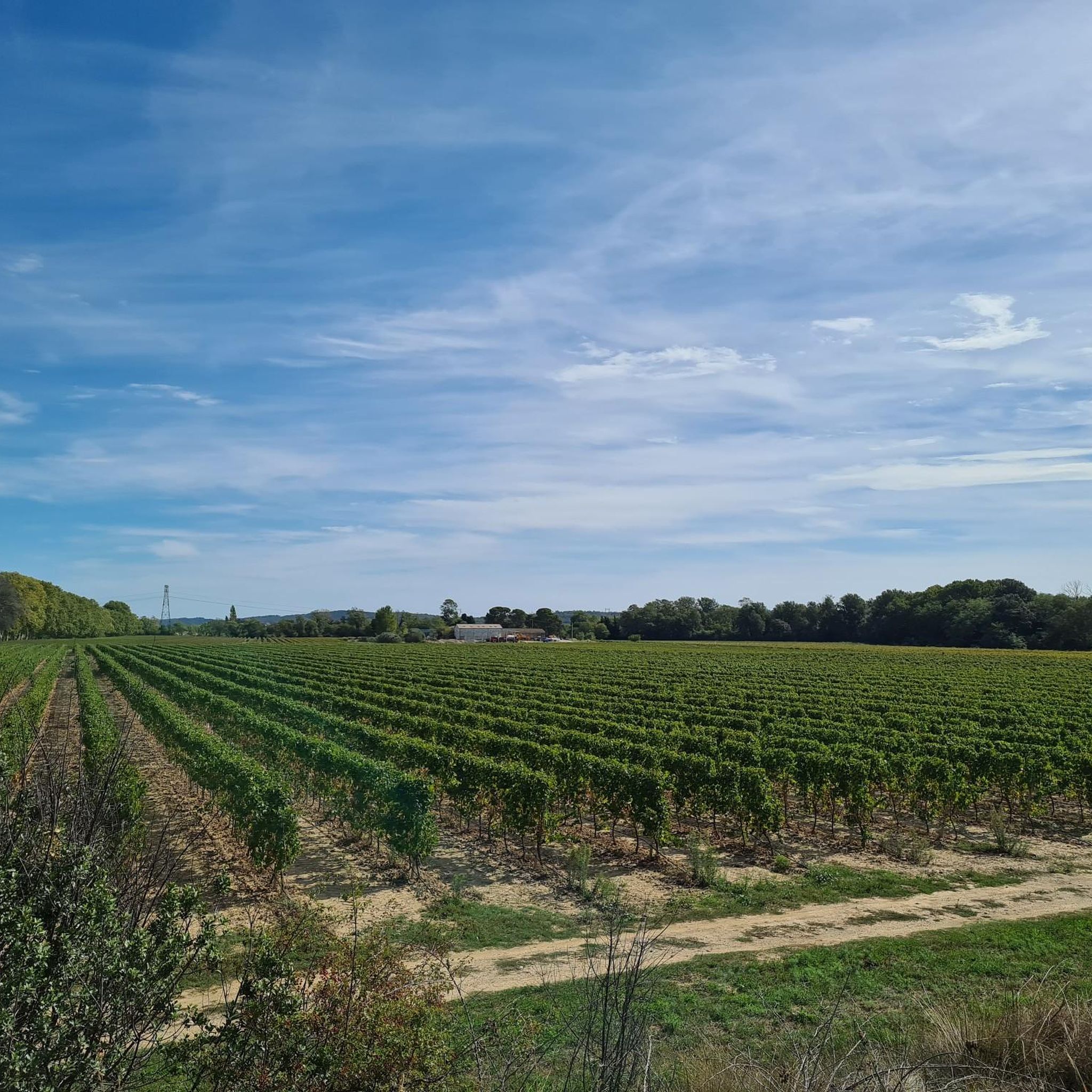
Today, the pond is criss-crossed by dozens of kilometers of drainage and irrigation canals. This network has allowed for the development of crops that are very surprising for the Mediterranean region: • Rice: Rice fields thrive in the heart of the Aude. • Vines: Which produce wines with a unique character, influenced by the salt still present in the subsoil. • Apples: Large orchards cover part of the plain
0
0
It was finally at the beginning of the 19th century, from 1804 onwards, that the project succeeded thanks to the initiative of an Irish woman, Madame Lawless. Later, in the middle of the 19th century, the digging of a tunnel of more than 2 kilometers made it possible to bring water from the Aude to irrigate the pond and, above all, to wash out the salt accumulated in the soil. At the beginning of the 20th century, the engineer Joseph Camman modernized the site by creating, in particular, the Naudy hydroelectric plant to mechanize the work of the land.
0
0
Frequently Asked Questions
What historical sites can I explore around La Redorte?
La Redorte is rich in history. You can visit the majestic 18th-century Château de La Redorte, or explore the significant Saint Jean Baptiste Church. A short distance away, the magnificent Cistercian Fontfroide Abbey offers guided tours to delve into its historical importance. Don't miss the medieval village of Minerve, perched on limestone cliffs, known for its ancient architecture.
Are there family-friendly activities available near La Redorte?
Yes, several attractions around La Redorte are suitable for families. The Canal du Midi Bridge and the Argent-Double Spillway are great for leisurely walks or bike rides along the Canal du Midi. Aiguille Lock - Canal du Midi is also an interesting spot with creations by the lock keeper that can engage younger visitors. Additionally, Lac de Jouarres is perfect for swimming and picnicking.
What outdoor activities can I do along the Canal du Midi near La Redorte?
The Canal du Midi is ideal for various outdoor activities. You can enjoy leisurely strolls, bicycle tours along its banks, or even boat rides. The Canal du Midi Bridge and the Argent-Double Spillway are notable structures to see. For cycling, consider routes like the "Canal du Midi Bridge – Argent-Double Spillway loop from La Redorte" or "Port of Homps – Argent-Double Spillway loop from La Redorte" found in the Cycling around La Redorte guide. For hiking, there's also the "Canal du Midi Bridge – Argent-Double Spillway loop from La Redorte" in the Hiking around La Redorte guide.
Where can I find natural beauty spots or go wild swimming near La Redorte?
For natural beauty and outdoor recreation, Lac de Jouarres is a fantastic spot for swimming, sailing, and picnicking, bordered by olive trees and featuring beautiful beaches. The expansive Regional Nature Park of the Narbonnaise offers opportunities for hiking and bird watching. While sandy beaches are about an hour away, the area also features hot springs, caves, and gorges for exploration.
Are there any less crowded places to visit or hidden gems around La Redorte?
To experience a quieter side of the region, consider exploring the smaller villages and their local markets, such as the vibrant Olonzac Market. The architectural marvel of the Argent-Double aqueduct and spillway, with its eleven-arched bridge, is a technical feat often appreciated by those seeking unique historical engineering. Exploring the numerous trails winding through vineyards can also lead to peaceful discoveries away from main tourist hubs.
What cultural experiences can I have in La Redorte?
La Redorte offers several cultural experiences. The region is renowned for its wines, and many local vineyards provide wine tastings and tours. You can immerse yourself in local life at the vibrant Olonzac Market. The village also celebrates its history with a local festival at the end of July, and hosts Thursday festivals throughout the summer featuring free dance, theatre, or music performances.
What hiking routes are available near La Redorte?
La Redorte and its surroundings offer a variety of hiking trails. You can enjoy easy walks like the "Lake Jouarres – Lake Jouarres loop from Homps" or the "Canal du Midi Bridge – Argent-Double Spillway loop from La Redorte." For moderate options, consider "Wine press and recreation area – Those? loop from Azille" or "Lock loop from Puichéric." Find more details and routes in the Hiking around La Redorte guide.
Can I go cycling around La Redorte?
Absolutely! La Redorte is a paradise for cyclists with numerous trails. You can cycle along the Canal du Midi, exploring highlights like the Canal du Midi at Marseillette. For specific routes, check out the Cycling around La Redorte guide for touring bicycle routes, or the Road Cycling Routes around La Redorte guide for road cycling, which includes routes to places like Minerve.
What do visitors enjoy most about the attractions in La Redorte?
Visitors particularly enjoy the blend of history and nature. The tranquility of the Canal du Midi, with its picturesque banks and engineering marvels like the Argent-Double Spillway, is highly appreciated. Many find the area perfect for cycling and walking, immersing themselves in the historical ambiance and the beautiful vineyard landscapes. The unique creations by the lock keeper at Aiguille Lock - Canal du Midi also receive positive feedback.
Are there any notable bridges or aqueducts to see?
Yes, La Redorte is home to several impressive structures. The Canal du Midi Bridge is a significant landmark allowing cycle paths along the canal. The Argent-Double aqueduct and spillway, built in 1693, is an original structure on the Canal du Midi with eleven arches, designed to regulate water levels and is considered a technical feat.
What is the best time of year to visit La Redorte for outdoor activities?
The region around La Redorte is generally pleasant for outdoor activities from spring through autumn. Summer offers local festivals and warm weather suitable for swimming at Lac de Jouarres and enjoying the Canal du Midi. Spring and early autumn provide milder temperatures, ideal for hiking and cycling through the vineyards and along the canal, avoiding the peak summer heat.
Are there opportunities for wildlife spotting in the La Redorte area?
Yes, the natural settings around La Redorte offer opportunities for wildlife spotting. The Regional Nature Park of the Narbonnaise is a diverse ecosystem perfect for bird watching. Along the tranquil banks of the Canal du Midi and around Lac de Jouarres, you might observe various bird species and other small wildlife in their natural habitats.
Most popular routes around La Redorte

Get inspired with the komoot mobile app


Explore more
Still not found the Highlight you’re looking for? See guides of the top attractions in other regions:
