Top 9 Caves around Peyreleau
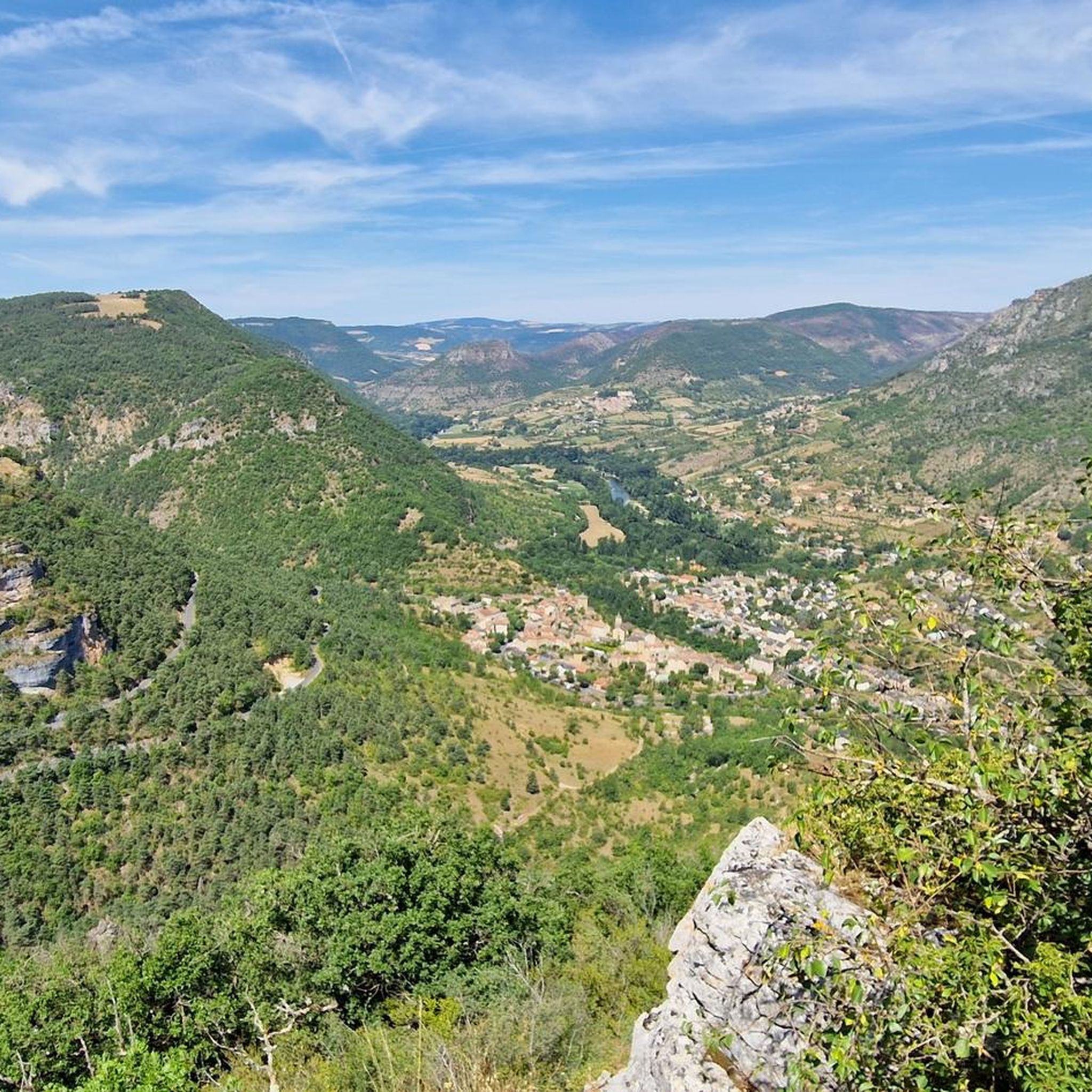
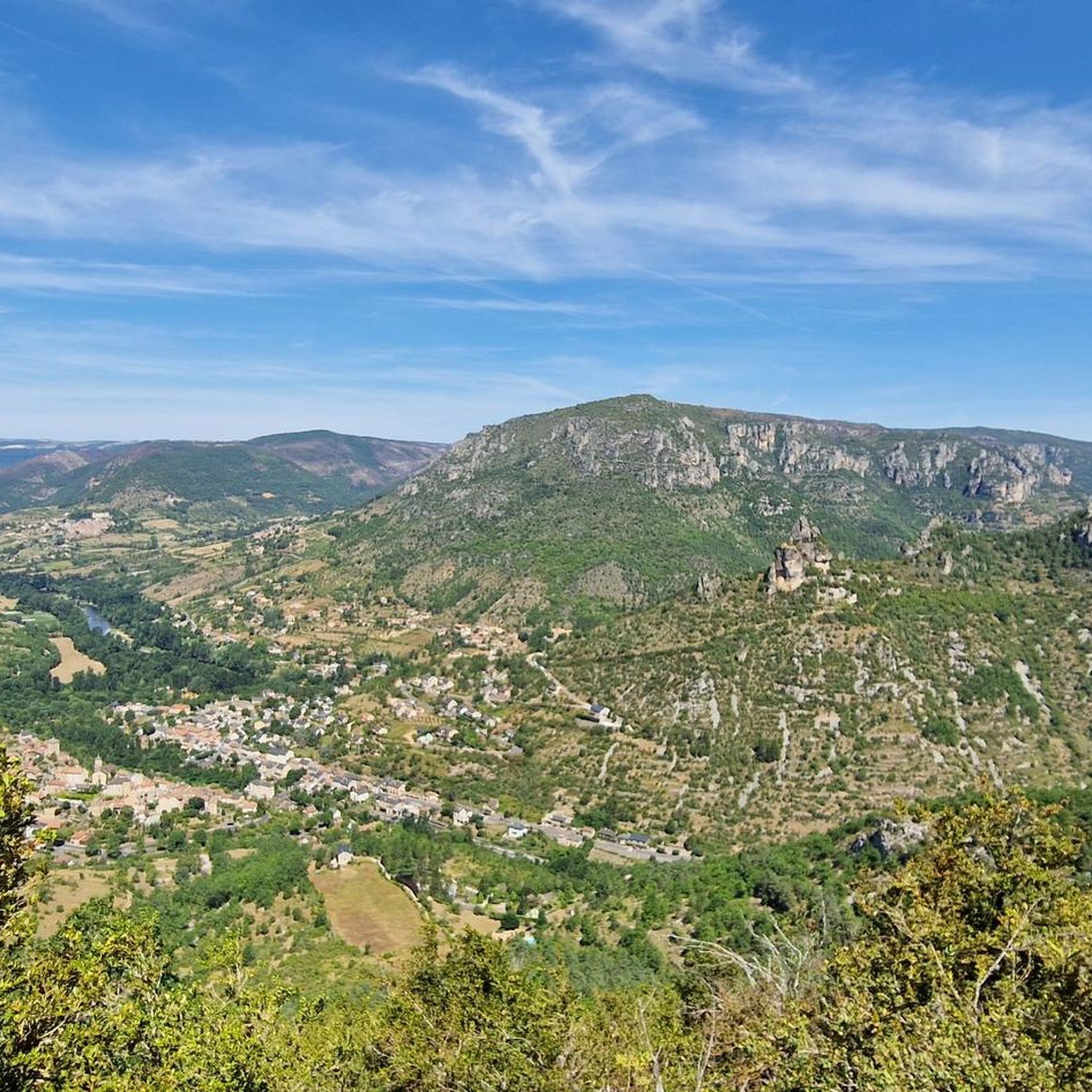
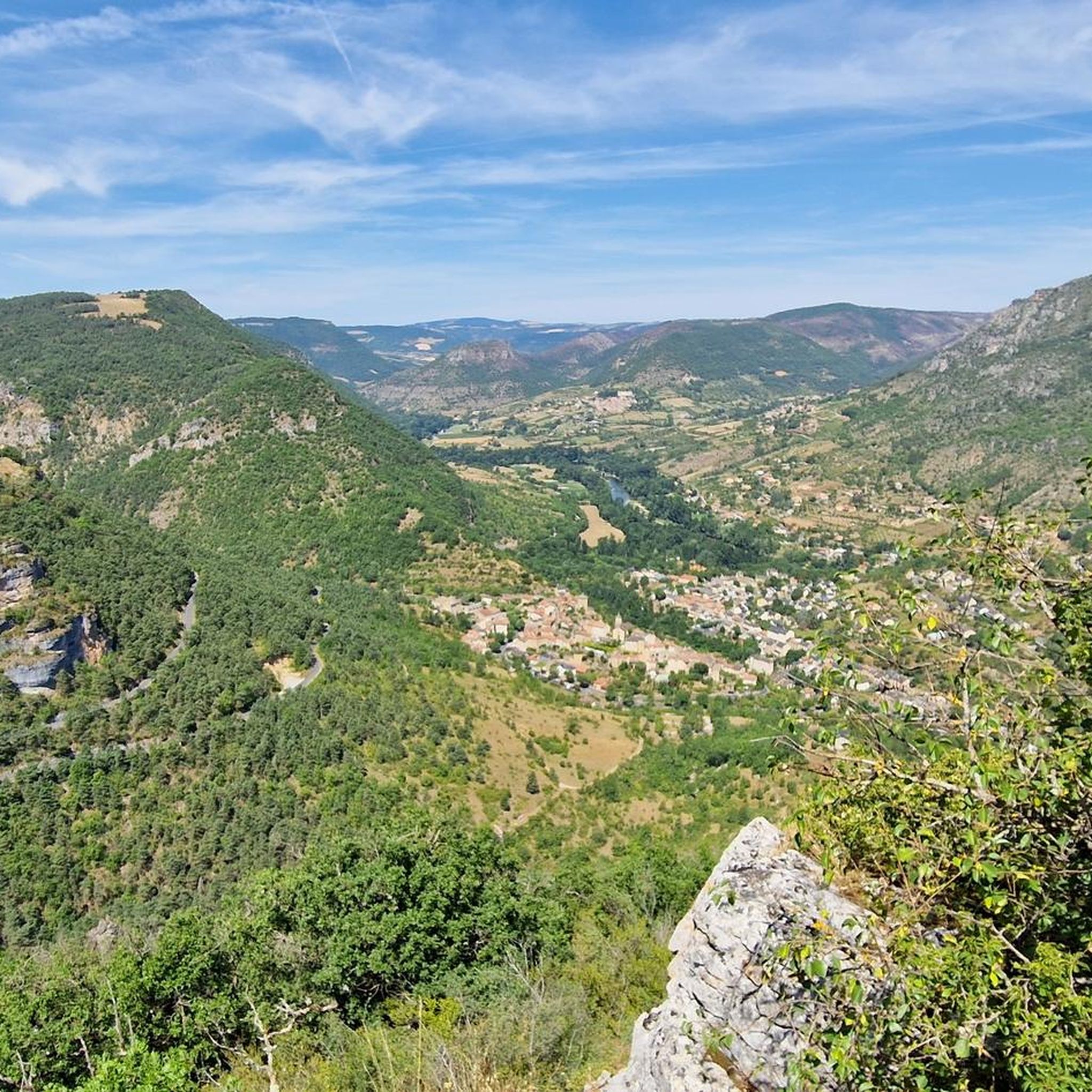
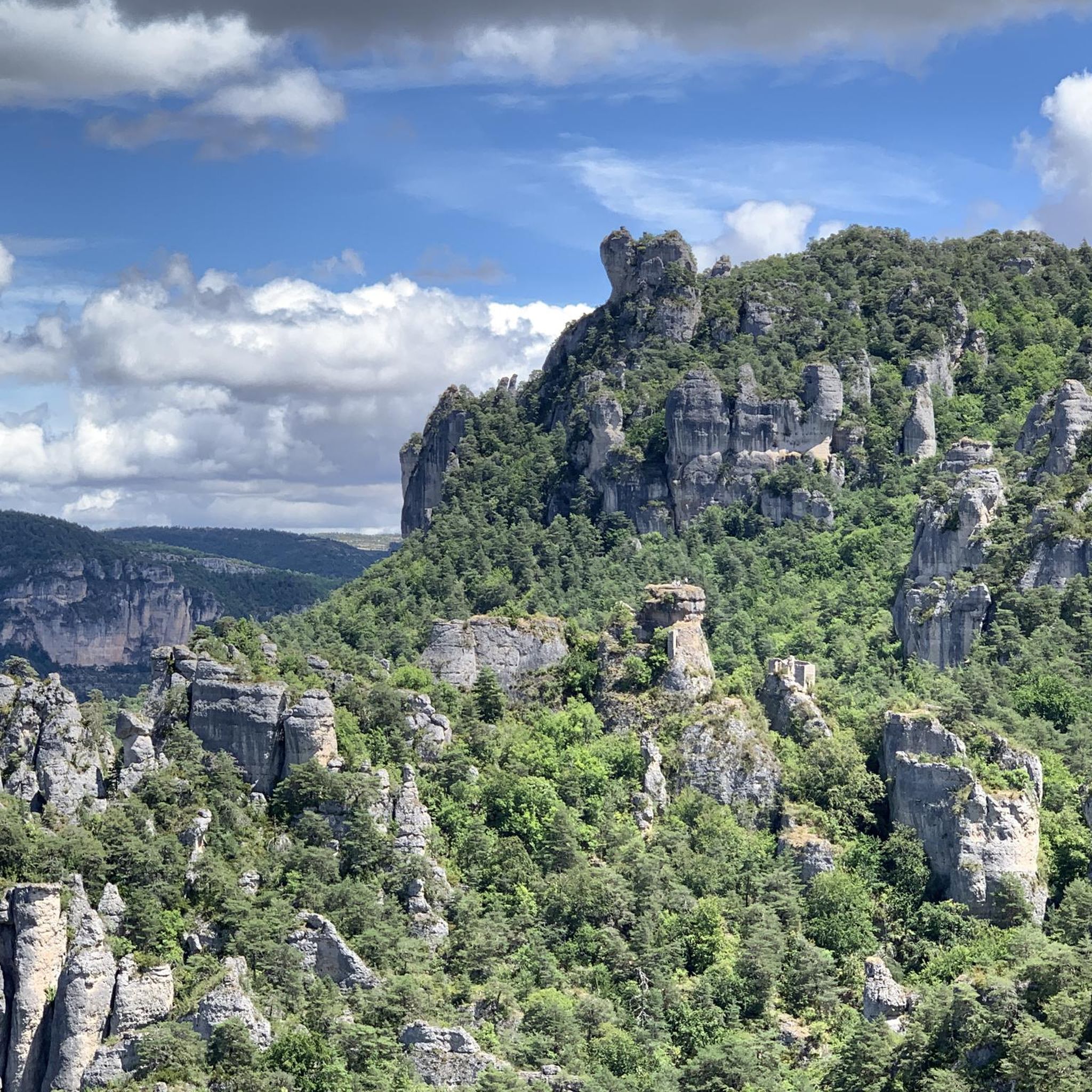
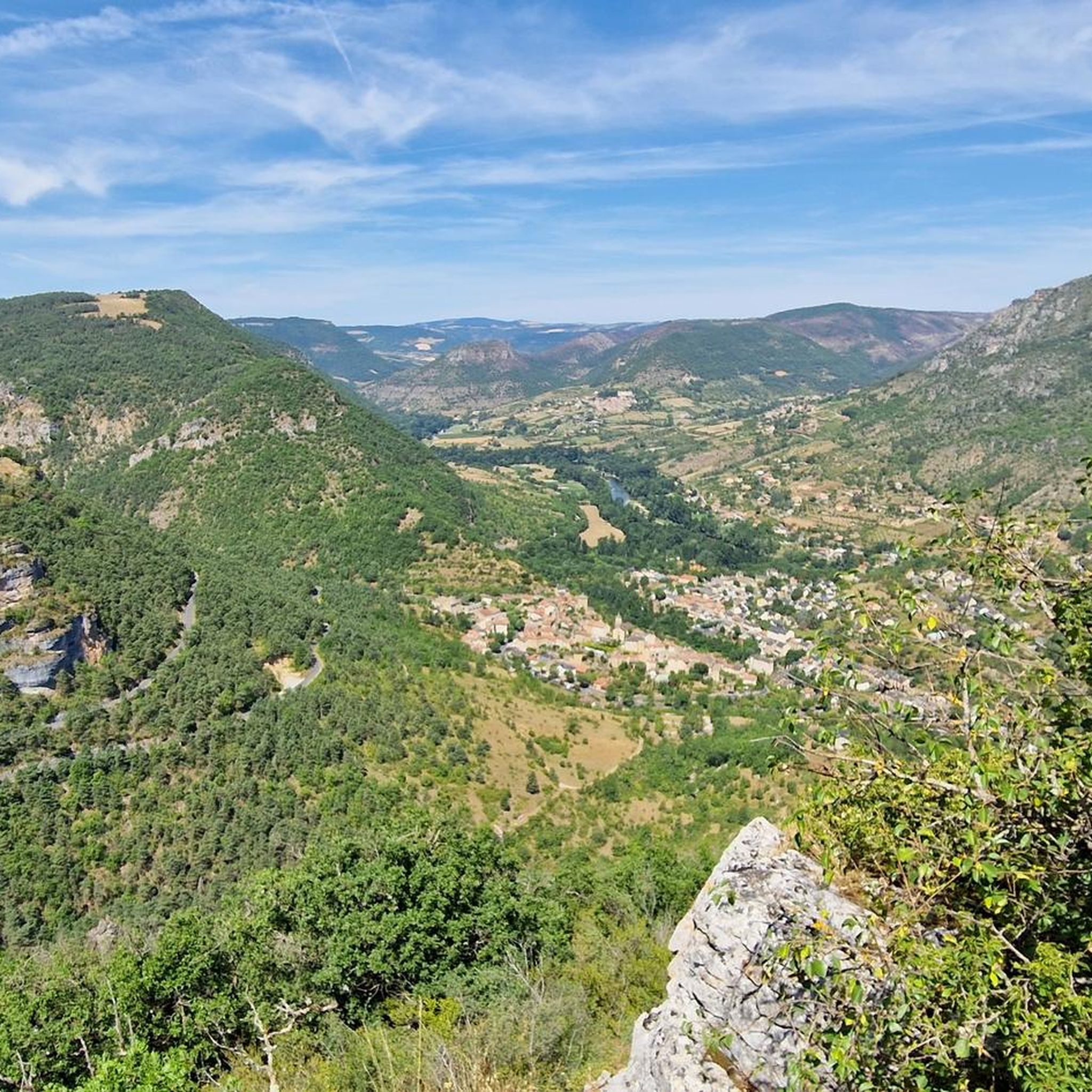
Best caves around Peyreleau are found in a region characterized by its dramatic cliffs and river valleys, such as the Tarn and Dourbie. This area features unique geological formations, including natural arches and troglodyte settlements carved into the rock. The landscape offers a variety of underground attractions, from historical sites to natural caves. Many sites reflect human adaptation to nature, with structures built directly into the rock faces.
Best caves around Peyreleau
- The most popular caves include Saint-Marcellin, a…
Last updated: November 12, 2026
Saint-Marcellin
Highlight • Historical Site
Translated by Google •
Tip by

Arcs de Saint-Pierre
Highlight • Natural Monument
Between …
Translated by Google •
Tip by

Sign up now to discover places like this
Get recommendations on the best single tracks, peaks, & plenty of other exciting outdoor places.
Grotte de l'Homme-Mort
Highlight • Cave
Translated by Google •
Tip by
Paillasses Cave
Highlight • Cave
Translated by Google •
Tip by
Baume du Boffi
Highlight • Cave
Translated by Google •
Tip by
Sign up for free to discover even more caves around Peyreleau.
Already have an account?
Start today with a free account
Your next adventure awaits.
Popular around Peyreleau
From the Alps to the Atlantic — GR 6
The most beautiful walks in Lozère
Trails de Légende in France – Festival des Templiers races
Walking to the rhythm of the Causses — The GRP Tour du Causse Méjean
Hiking around Peyreleau
Running Trails around Peyreleau
MTB Trails around Peyreleau
Road Cycling Routes around Peyreleau
Cycling around Peyreleau

Gravel biking around Peyreleau
Other adventures around Peyreleau


Tips from the Community

very nice hike but some difficult sections.
0
0

Built on the side of a cliff in a natural cirque, Saint-Marcellin, like Églazines, is a magnificent and emblematic site where humans have always adapted to nature to build their habitat. This troglodyte village thus preserves the remains of a rock fortification but also of jasses (caves converted into sheepfolds), a Caussenard house, a chapel, a bread oven...
1
0
La Baume du Boffi is one of the most impressive balms overlooking the Dourbie valley. Like many others, it was once converted into a sheepfold (jasse).
0
0
La Grotte des Paillasses, a converted balm (cave) from which a spring springs, is an ideal place to take a cool break.
0
0
The Grotte de l'Homme-Mort was the site of the discovery of several skeletons dating back to 2000 BC. Some skulls even showed signs of healing trepanation. In short, the first rudiments of surgery.
0
0

Les Arcs de Saint-Pierre are geological curiosities located in the heart of the former Gallo-Roman village of resin workers (professionals who bleed into the pines to harvest the resin). Between the tall pines that occupy the space, erosion has carved curious shapes in the limestone, opening up majestic arches. Nearby, there is a cave-burial where audacious trepanations were performed 3,500 years before our era. The shadows cast by the trees make it the perfect place for a break. However, be very respectful of this place considered as an archaeological jewel.
1
0


The site of Saint Marcellin (alt. 730 meters) is located 4 kilometers northeast of the village of Mostuéjouls. Clinging to the cliffs of the Causse de Sauveterre, it overlooks the white waters of the Tarn river from a height of 400 meters. Saint Marcellin is best known since ancient times for its pilgrimages influencing the meteorology (people came there to ask for rain), to protect themselves from the plague (1653), for its chapel attested in 1400, for its beautiful source called miraculous determining which fixed the first inhabitants in this inhospitable place. A balm on a ledge, a cliff jump of 7 meters by 3 presumed to be the tomb of the saint (Balsan excavations in 1927 unsuccessful), must have added a sacred touch to the place. Finally, a “troglodyte castle” draws attention to the left as you leave the village. It consists of a wall that hermetically closes a cave located in the cliffs that border the Causse. Source: https://www.millavois.com
1
0
Frequently Asked Questions
What are the most historically significant caves around Peyreleau?
The region is rich in historical cave sites. Saint-Marcellin is a notable troglodyte village built into a cliff, preserving remains of rock fortifications, sheepfolds, and a chapel. Another significant site is Grotte de l'Homme-Mort, where skeletons dating back to 2000 BC were discovered, some showing signs of early surgical trepanation.
Are there caves with unique natural formations near Peyreleau?
Yes, the area features impressive natural formations. Arcs de Saint-Pierre is a natural monument with majestic arches carved by erosion in limestone. Paillasses Cave is a converted balm from which a spring emerges, offering a cool natural break.
What kind of archaeological discoveries have been made in the caves?
Archaeological findings highlight ancient human activity. At Arcs de Saint-Pierre, a cave-burial site indicates human presence 3,500 years ago. The Grotte de l'Homme-Mort is particularly known for the discovery of several skeletons from 2000 BC, some exhibiting signs of ancient trepanation.
Are there any caves that were used for traditional purposes?
Many caves in the region show signs of human adaptation and traditional use. Saint-Marcellin was a troglodyte village with sheepfolds (jasses) and a bread oven built into the rock. Similarly, Baume du Boffi, an impressive balm overlooking the Dourbie valley, was also converted into a sheepfold.
What outdoor activities can I combine with a visit to the caves?
The region around Peyreleau offers various outdoor activities. You can find numerous hiking trails, including routes like 'Corniches du Méjean' or 'The Hermitage Saint Michel - loop starting from Peyreleau'. For more options, explore the Hiking around Peyreleau guide. Cycling routes are also popular, such as 'Le Rozier – Jonte Gorge loop from Peyreleau', detailed in the Cycling around Peyreleau guide.
Are there mountain hiking routes that incorporate caves or rock formations?
Yes, there are mountain hikes that feature the region's unique geology. The 'Cave – Via Ferrata Bridge loop from Mostuéjouls' is one such route. You can find more challenging trails and viewpoints in the Mountain Hikes around Peyreleau guide, which includes routes with rock formations and scenic overlooks.
What is the general difficulty level for exploring caves in this area?
Most of the accessible cave sites and natural monuments in the Peyreleau area, such as Saint-Marcellin and Arcs de Saint-Pierre, are generally considered to be of intermediate difficulty for exploration. This often involves walking on uneven terrain or slight inclines.
What do visitors appreciate most about the caves around Peyreleau?
Visitors frequently highlight the unique blend of natural beauty and historical significance. The dramatic cliffs and river valleys, along with the troglodyte settlements and natural arches, showcase human adaptation to nature. The komoot community has shared 84 photos and given 61 upvotes, reflecting the area's appeal.
Are there any caves that offer a cool respite during warmer weather?
Yes, Paillasses Cave is recognized as an ideal spot for a cool break. It's a converted balm from which a spring emerges, providing a refreshing environment.
Can I see examples of human habitation directly integrated into the rock faces?
Absolutely. The region is famous for its troglodyte settlements. Saint-Marcellin is a prime example, a village built directly into a cliff overlooking the Tarn river, showcasing how humans adapted their habitat to the natural environment.
Are there any caves that offer panoramic views of the surrounding valleys?
While not a cave itself, Baume du Boffi is an impressive balm (a large rock shelter or cave) that overlooks the Dourbie valley, offering scenic views of the dramatic landscape.
Most popular routes around Peyreleau
Most popular attractions around Peyreleau

Get inspired with the komoot mobile app


Explore more
Extend your search for the best caves by checking out these guides of the top ones around Peyreleau:
