Top 9 Caves around La Cresse
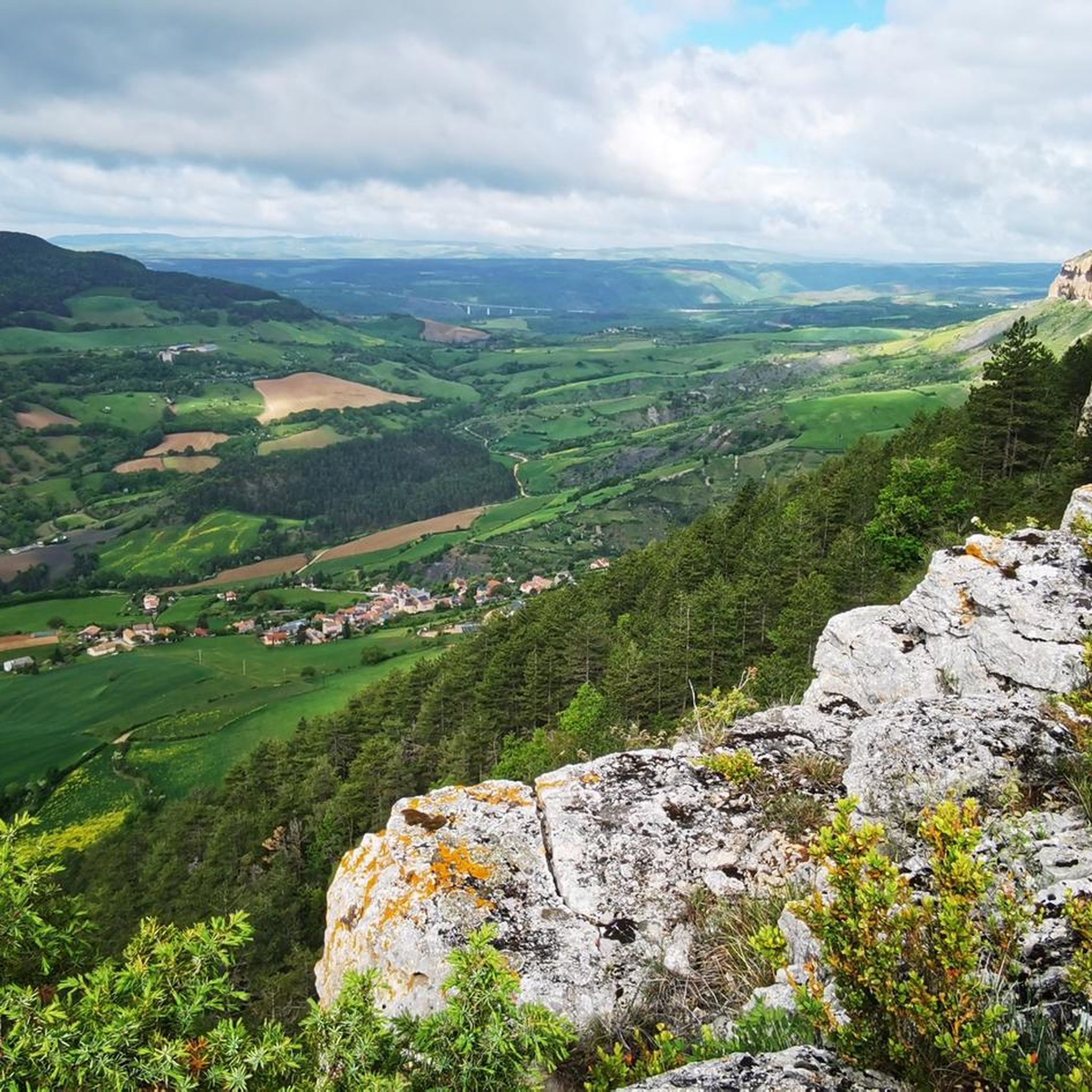
Best caves around La Cresse are found in a region characterized by its limestone geology, part of the Grands Causses in the Aveyron department of France. This geological makeup has resulted in numerous subterranean formations, including caves and avens. The area is known for its natural beauty and geological significance, offering diverse features from large stalagmites to historical sites within caves. These sites provide insights into both natural history and human adaptation to the landscape.
Best caves around La Cresse
…Last updated: November 12, 2026
Saint-Marcellin
Highlight • Historical Site
Translated by Google •
Tip by

Arcs de Saint-Pierre
Highlight • Natural Monument
Between …
Translated by Google •
Tip by

Sign up now to discover places like this
Get recommendations on the best single tracks, peaks, & plenty of other exciting outdoor places.
Grotte de l'Homme-Mort
Highlight • Cave
Translated by Google •
Tip by
Paillasses Cave
Highlight • Cave
Translated by Google •
Tip by
Baume du Boffi
Highlight • Cave
Translated by Google •
Tip by
Sign up for free to discover even more caves around La Cresse.
Already have an account?
Start today with a free account
Your next adventure awaits.

Tips from the Community

very nice hike but some difficult sections.
0
0

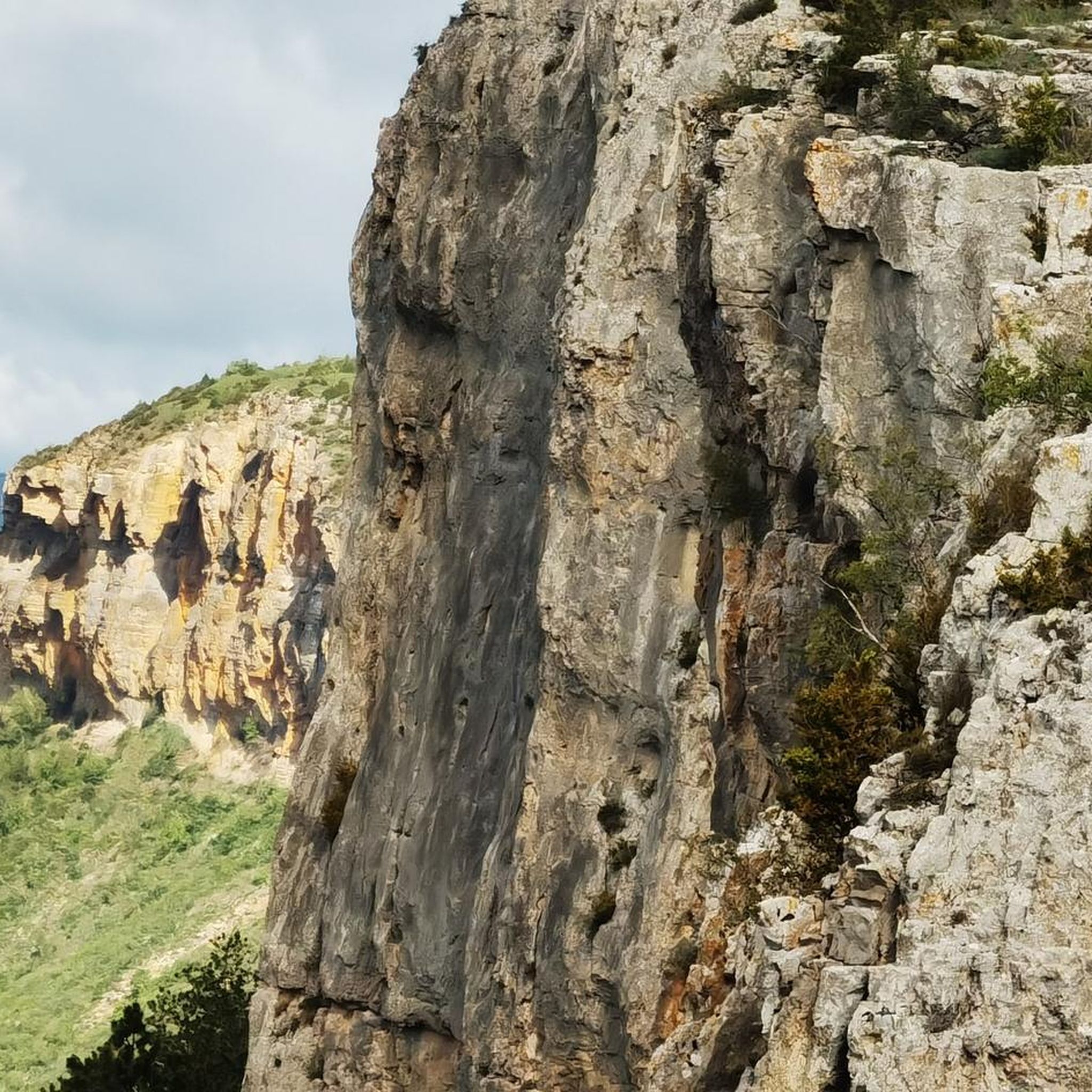
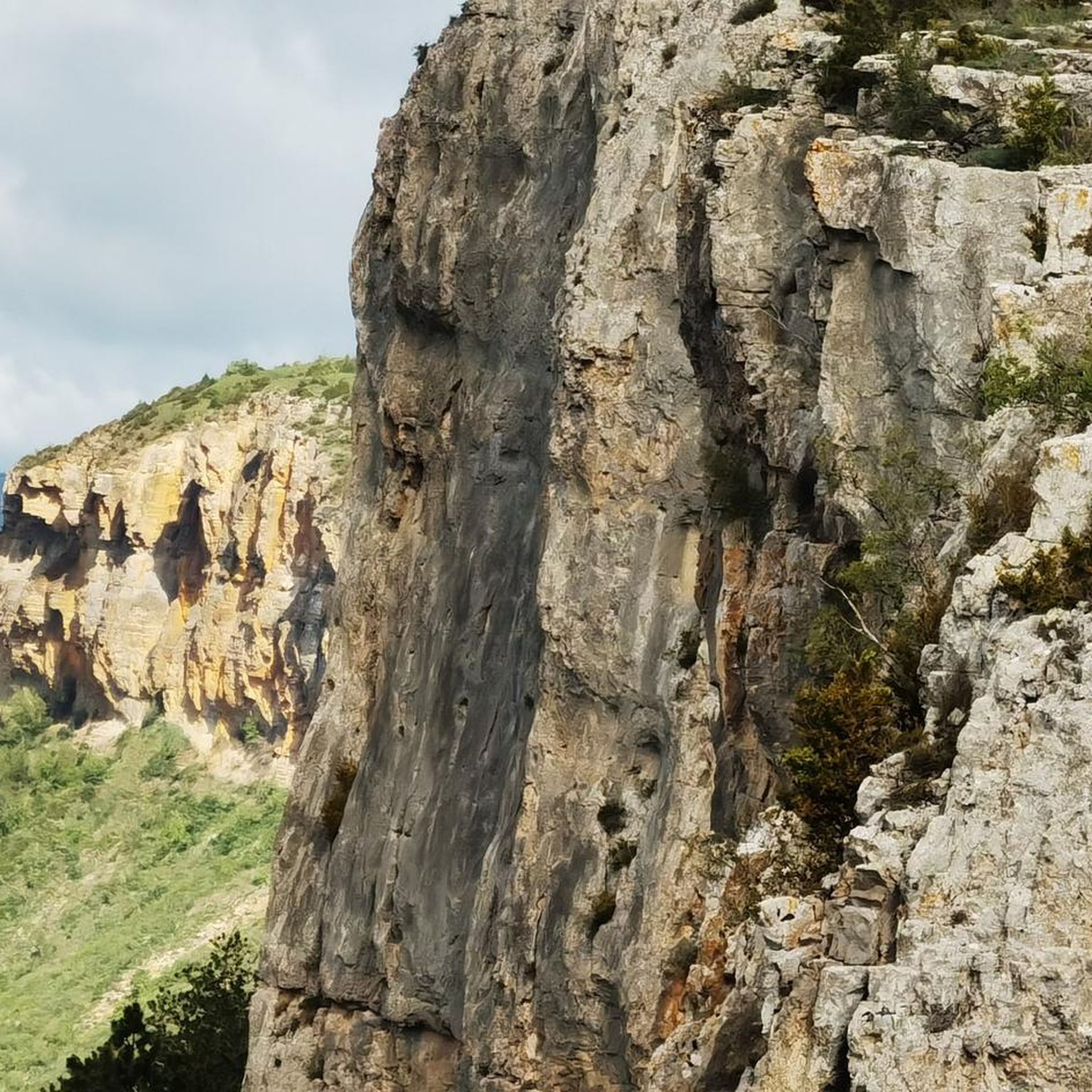
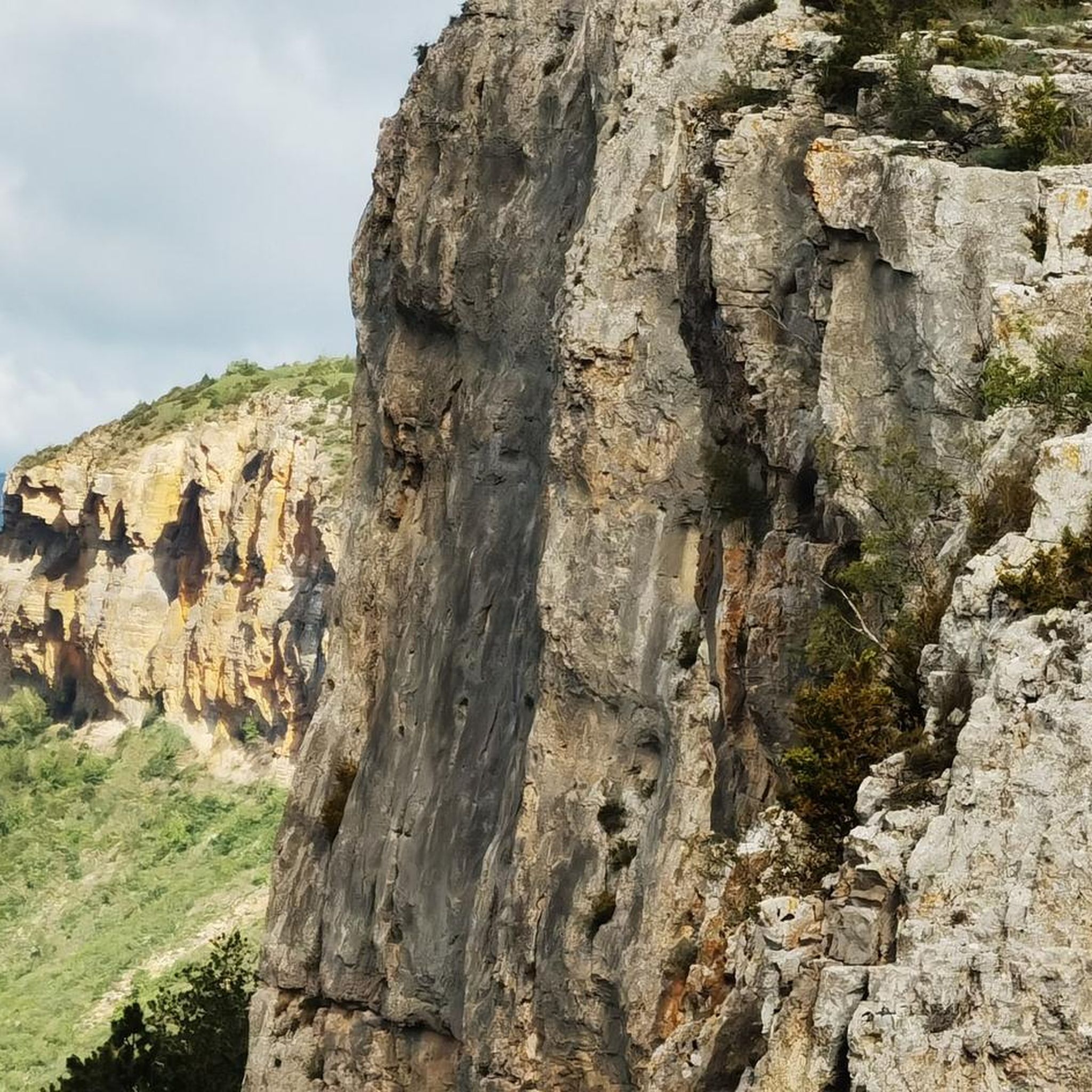
Built on the side of a cliff in a natural cirque, Saint-Marcellin, like Églazines, is a magnificent and emblematic site where humans have always adapted to nature to build their habitat. This troglodyte village thus preserves the remains of a rock fortification but also of jasses (caves converted into sheepfolds), a Caussenard house, a chapel, a bread oven...
1
0
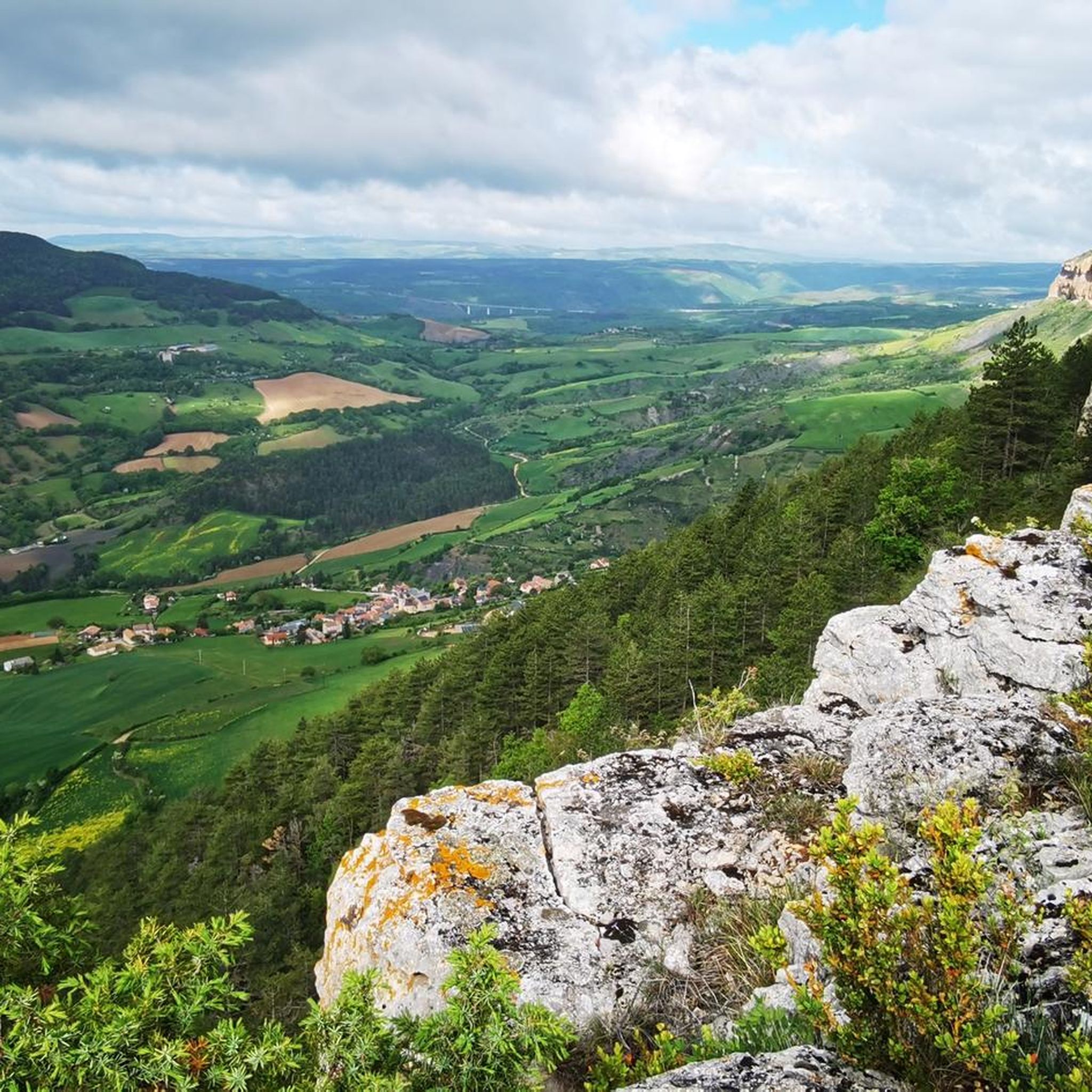
La Baume du Boffi is one of the most impressive balms overlooking the Dourbie valley. Like many others, it was once converted into a sheepfold (jasse).
0
0
La Grotte des Paillasses, a converted balm (cave) from which a spring springs, is an ideal place to take a cool break.
0
0
The Grotte de l'Homme-Mort was the site of the discovery of several skeletons dating back to 2000 BC. Some skulls even showed signs of healing trepanation. In short, the first rudiments of surgery.
0
0

Les Arcs de Saint-Pierre are geological curiosities located in the heart of the former Gallo-Roman village of resin workers (professionals who bleed into the pines to harvest the resin). Between the tall pines that occupy the space, erosion has carved curious shapes in the limestone, opening up majestic arches. Nearby, there is a cave-burial where audacious trepanations were performed 3,500 years before our era. The shadows cast by the trees make it the perfect place for a break. However, be very respectful of this place considered as an archaeological jewel.
1
0


The site of Saint Marcellin (alt. 730 meters) is located 4 kilometers northeast of the village of Mostuéjouls. Clinging to the cliffs of the Causse de Sauveterre, it overlooks the white waters of the Tarn river from a height of 400 meters. Saint Marcellin is best known since ancient times for its pilgrimages influencing the meteorology (people came there to ask for rain), to protect themselves from the plague (1653), for its chapel attested in 1400, for its beautiful source called miraculous determining which fixed the first inhabitants in this inhospitable place. A balm on a ledge, a cliff jump of 7 meters by 3 presumed to be the tomb of the saint (Balsan excavations in 1927 unsuccessful), must have added a sacred touch to the place. Finally, a “troglodyte castle” draws attention to the left as you leave the village. It consists of a wall that hermetically closes a cave located in the cliffs that border the Causse. Source: https://www.millavois.com
1
0
Frequently Asked Questions
What types of caves can I explore near La Cresse?
The region around La Cresse offers a diverse range of subterranean experiences. You can find historical sites like Saint-Marcellin, which features a troglodyte village built into a cliff, or natural monuments such as Arcs de Saint-Pierre, known for its erosion-carved arches and ancient cave-burial sites. Other caves, like Grotte de l'Homme-Mort, hold significant archaeological discoveries.
Are there any caves with impressive geological formations in the area?
Yes, several caves near La Cresse are renowned for their stunning geological features. Aven Armand, for example, boasts nearly 400 stalagmites, including the world-record-holding 30-meter 'La Grande Stalagmite'. The Grotte de Dargilan, also known as the 'Pink Cave', is famous for its vibrant, naturally colored concretions, while the Grotte du Bosc showcases a wide variety of formations like stalactites, stalagmites, discs, and even cauliflower shapes.
Which caves are suitable for families with children?
The Grotte du Bosc is particularly well-suited for families, offering a captivating guided tour with engaging explanations of its spectacular rock formations. Its diverse concretions make it an interesting visit for all ages.
Can I see underground rivers or waterfalls in the caves near La Cresse?
Yes, the Abîme de Bramabiau is notable for its underground river, the Rivière du Bonheur, which disappears into the limestone and re-emerges 800 meters further, creating a spectacular underground waterfall. Guided tours allow visitors to witness this powerful subterranean phenomenon.
What historical or archaeological insights do the caves offer?
The caves around La Cresse are rich in history. Saint-Marcellin preserves the remains of a troglodyte village, rock fortifications, and ancient sheepfolds. Arcs de Saint-Pierre features a cave-burial site with evidence of ancient trepanations from 3,500 years ago. The Grotte de l'Homme-Mort yielded skeletons dating back to 2000 BC, some showing signs of healing trepanation, indicating early surgical practices.
Are there any easily accessible caves for visitors with mobility concerns?
The Grotte de Limousis offers easier access with man-made walkways, making it more accessible for a wider range of visitors to appreciate its beautiful crystal formations. For Aven Armand, visitors can descend into the aven via a funicular, providing a unique and less strenuous entry.
What is the best time of year to visit the caves around La Cresse?
The caves maintain a relatively constant cool temperature year-round, making them a good destination even during warmer months. However, the most popular time to visit the region, including its caves, is typically during the spring and autumn when the weather is mild and comfortable for exploring the surrounding natural landscapes.
What kind of unique experiences do the caves offer?
Beyond standard tours, some caves offer unique experiences. At Gouffre Géant de Cabrespine, you can walk out onto a glass walkway for a breathtaking view into the immense main cavern, or for the adventurous, an underground safari explores deeper sections. Aven Armand provides a 'Journey to the Center of the Earth' experience via its funicular descent.
What outdoor activities can I combine with a visit to the caves?
The region around La Cresse is excellent for outdoor activities. You can find numerous hiking trails, such as the moderate 'Fontaneilles Pedestal Trail' or the easy 'Peyrelade Castle loop'. For cycling enthusiasts, there are MTB trails like the 'Peyreleau loop' or challenging gravel biking routes like 'Ascent to Larzac from Millau'. You can find more details on these activities in the Hiking around La Cresse, MTB Trails around La Cresse, and Gravel biking around La Cresse guides.
Are there any caves with crystal formations?
Yes, the Grotte de Limousis is particularly famed for its beautiful crystal formations found within its various chambers. These natural features have been created over millions of years by seeping water.
What makes the Grotte de Dargilan unique?
The Grotte de Dargilan, often called the 'Pink Cave', is unique due to the accentuated natural colors of its concretions, which give it a vibrant, rosy hue. It is also recognized as a UNESCO World Heritage site, highlighting its exceptional natural beauty and geological significance.
What are 'balms' and 'jasses' in the context of local caves?
In this region, a 'balm' refers to a natural cave or rock shelter, often adapted for human use. A 'jasse' specifically refers to a cave that has been converted into a sheepfold. You can see examples of these at Saint-Marcellin and Baume du Boffi.
Most popular routes around La Cresse
Most popular attractions around La Cresse

Get inspired with the komoot mobile app


Explore more
Extend your search for the best caves by checking out these guides of the top ones around La Cresse:
