The best cycling routes around Saint-Hilaire-De-Brens
4.4
(302)
2,602
riders
258
rides
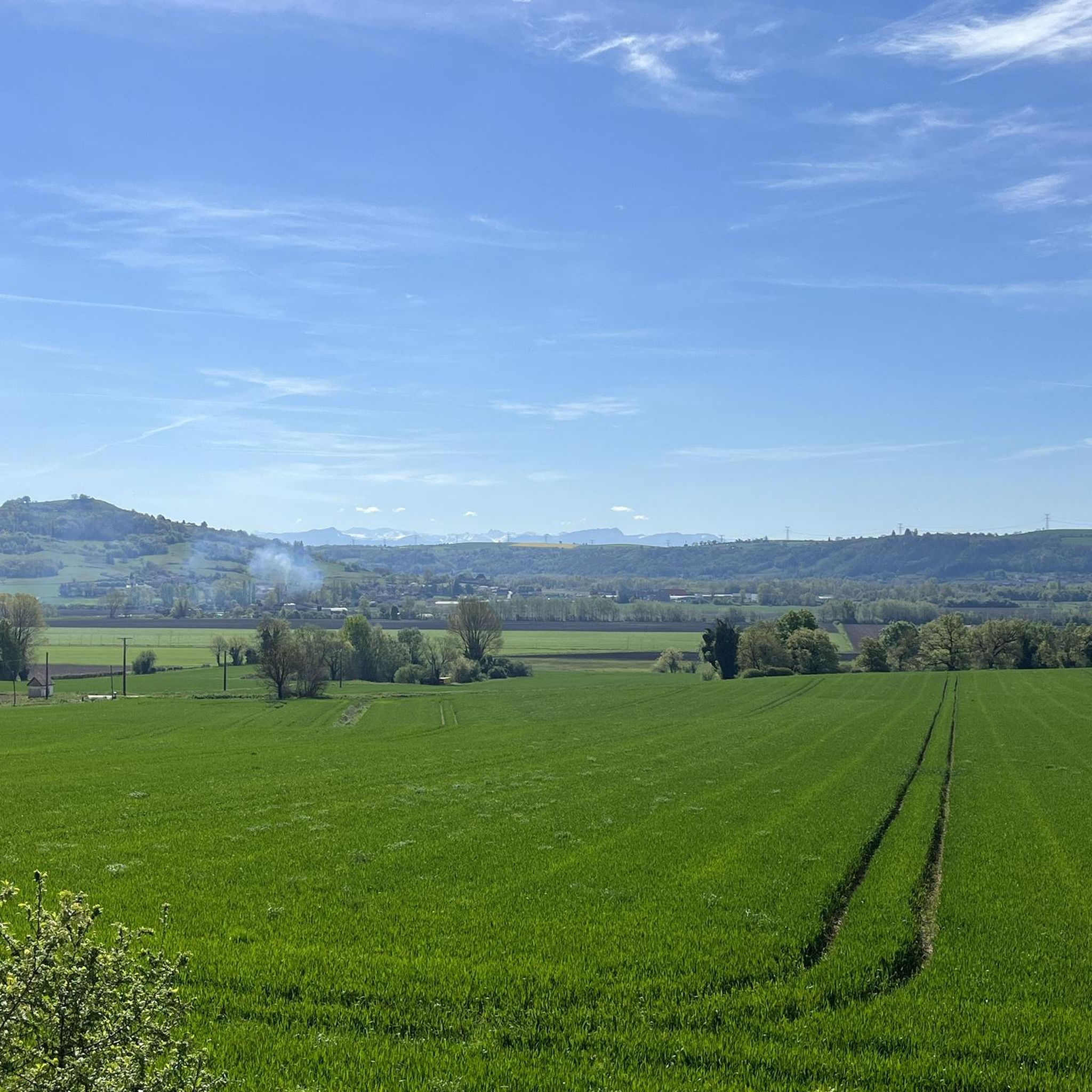
Touring cycling routes around Saint-Hilaire-De-Brens traverse the Balcons du Dauphiné region, offering diverse landscapes for cyclists. The area features a dedicated greenway in its lower sections, providing a safe path for relaxed rides. Terrain varies with elevations ranging from approximately 215 meters to 407 meters, ensuring both undulating paths and more demanding ascents. Cyclists can find routes with both paved and unpaved sections, suitable for different preferences and equipment.
Best touring cycling routes around Saint-Hilaire-De-Brens
- The most popular touring cycling…
Last updated: October 5, 2026
4.5
(13)
75
riders
19.5km
01:14
120m
120m
Easy bike ride. Great for any fitness level. Mostly paved surfaces. Suitable for all skill levels.
4.0
(3)
23
riders
24.5km
01:33
110m
110m
Easy bike ride. Great for any fitness level. Mostly paved surfaces. Suitable for all skill levels.

5.0
(1)
16
riders
25.6km
02:16
530m
530m
Hard bike ride. Very good fitness required. Mostly paved surfaces. Suitable for all skill levels.
4.6
(5)
21
riders
46.6km
02:48
220m
220m
Moderate bike ride. Good fitness required. Mostly paved surfaces. Suitable for all skill levels.
23
riders
22.0km
02:06
420m
420m
Moderate bike ride. Good fitness required. Mostly paved surfaces. Suitable for all skill levels.
Get access to more routes and recommendations from other explorers.
Already have an account?
Our route recommendations are based on thousands of hikes, rides, and runs completed by other people on komoot.
Start today with a free account
Your next adventure awaits.


Tips from the Community

The Voie verte des Balcons du Dauphiné is a 18-kilometer-long secure cycle and pedestrian path, built on the route of the former Est Lyonnais railway line. It connects the medieval town of Crémieu to the municipality of Arandon-Passins, where it connects directly to the ViaRhôna.
0
0
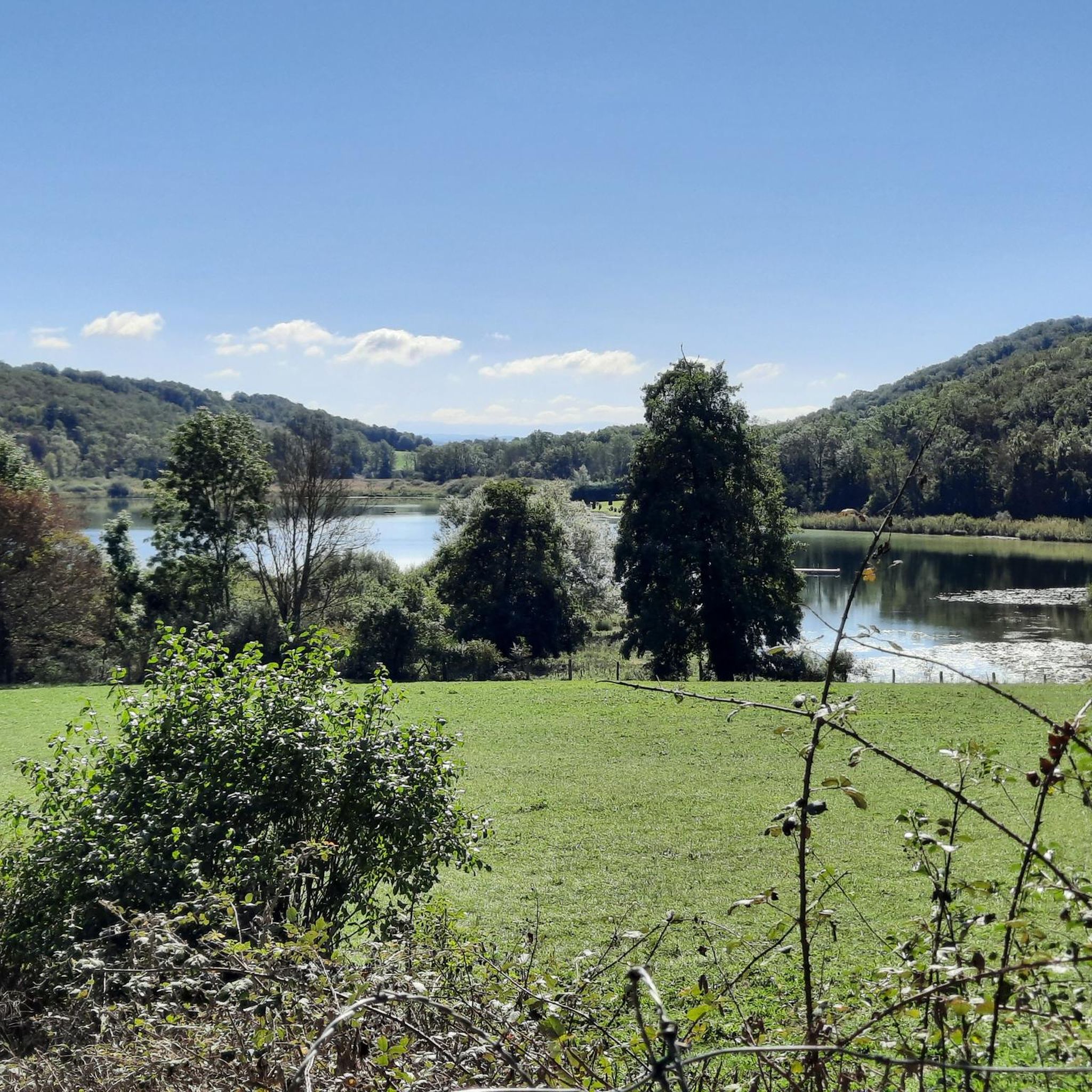
The area includes several bodies of water, including the étang de Pisse-Vieille and the étang des Dames.
0
0


In 1920, after the First World War, the Barron-Vialle company based in Lyon settled on a 100-hectare property on the edge of the Serre ponds [archive]. Founded by Antoine Vialle, it manufactured trucks, coaches, and luxury cars. The "conical gear axle" which replaced the chain drive on trucks was invented in the Vialle foundry in Arandon. Activity ceased in 1937[2],[3]. Between January 1939 and March 1940, the town's inhabitants lived through a little-known episode. After the fall of Barcelona to the Francoists on January 26, 1939, many Spanish refugees arrived in Grenoble, where they were very poorly housed. At the request of the authorities, in February 1939, Mr. Vialle, the mayor, agreed to rent out the premises of his inactive factory; from July 12 onwards, 1300 Spanish Republicans, mainly families[4] of refugees, were welcomed there and stayed until October. Two days after the declaration of war on September 3, 1939, the government of the Third Republic ordered the internment of men "nationals of enemy powers", considered suspicious. These were almost exclusively anti-Nazis, men, mostly Jewish refugees from Germany and Austria, who were interned from October 1939 under particularly harsh conditions. The camp is said to have closed its doors around February 1940, apparently by sending the last occupants, 90 Jews, to the Loriol camp on March 11. The activity of this center then ceased, a few months before the establishment of the Vichy regime on July 7, 1940[8]. Mr. Vialle was subsequently dismissed from his duties as mayor by the Vichy regime. The factory regained its purpose in 1946 with SOFAL (aluminum foundry) until its cessation of activity in 1967, with the factory being transferred to the company Pierre Calignon (cast iron foundry). The latter filed for bankruptcy in 1987 and was taken over by G-H Bouyer foundries, which permanently closed the site in 1993. The site was then used for storing tires and then chlorinated materials until its remediation[9]. srce wikipédia to learn more, https://ajpn.org/internement-Camp-d-Arandon-7.html
0
0

Beautiful cycle path, mostly shaded, unpaved but rideable (I ride it with 23mm tires), which follows the old line of the Chemin de Fer de l'Est Lyonnais (CFEL)
0
0
A nice little village, ideal for a break
0
0
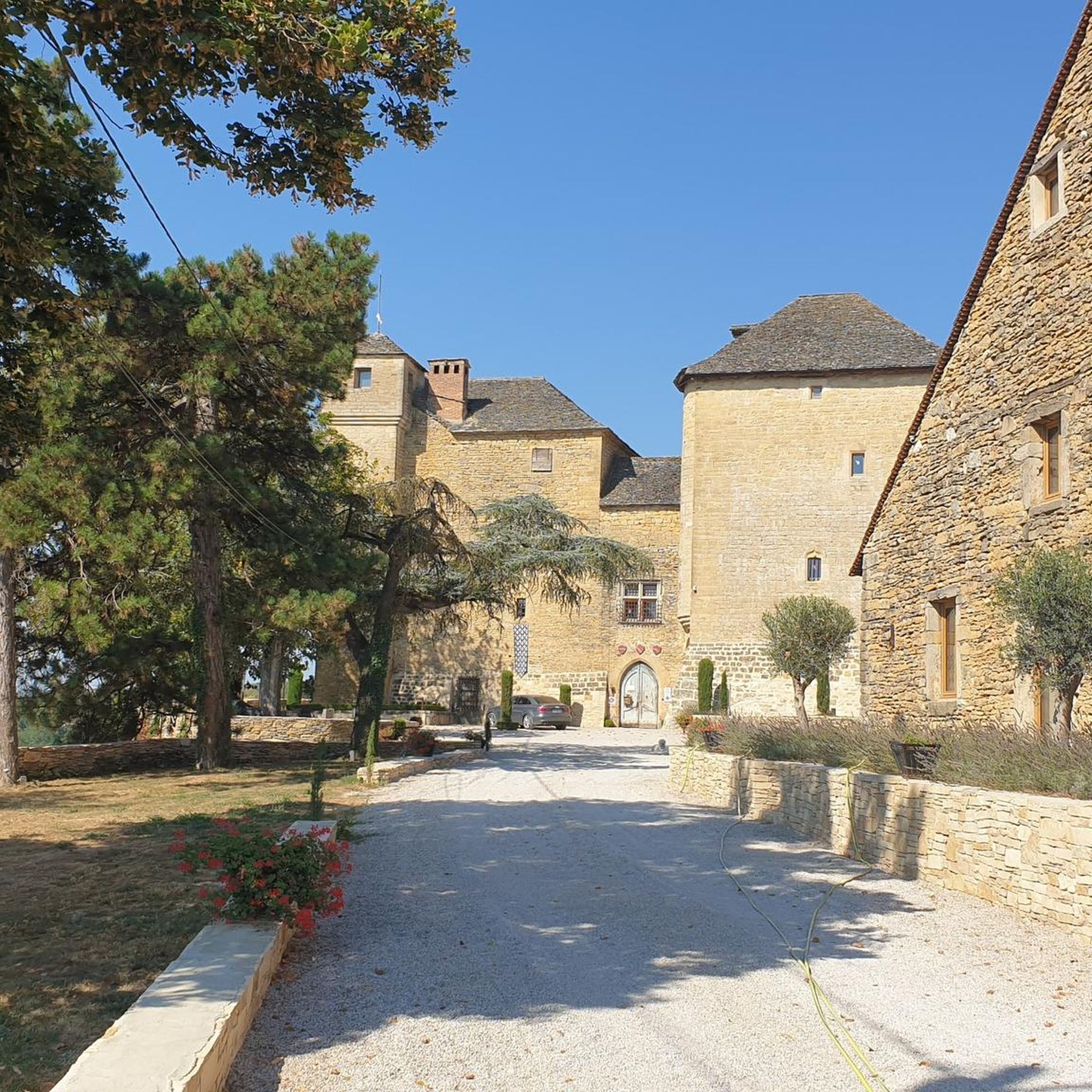
Neither the castle nor the park are open to the public
0
0

Meh, just good for walking around, no difficulty
0
0
Frequently Asked Questions
How many touring cycling routes are available around Saint-Hilaire-De-Brens?
There are over 250 touring cycling routes around Saint-Hilaire-De-Brens, offering a wide range of options for different skill levels and preferences. The komoot community has explored more than 3000 touring cycling trips in the area.
What are the different difficulty levels for touring cycling routes in the region?
The routes around Saint-Hilaire-De-Brens cater to various abilities. You'll find approximately 37 easy routes, 129 moderate routes, and 88 difficult routes, ensuring options for beginners to experienced cyclists.
What do other touring cyclists say about the routes in Saint-Hilaire-De-Brens?
The touring cycling routes in Saint-Hilaire-De-Brens are highly rated by the komoot community, with an average score of 4.4 stars from over 325 reviews. Cyclists often praise the diverse landscapes, dedicated greenways, and the blend of natural beauty with historical landmarks.
Are there any dedicated greenways for cycling in Saint-Hilaire-De-Brens?
Yes, the region features a "voie verte" (greenway) in its lower section, providing a dedicated and safe path ideal for relaxed touring cycling. An example is the Crémieu–Morestel Greenway – Crémieu, medieval town loop from Trept, which utilizes a greenway and passes through the historic town of Crémieu.
Can I find family-friendly touring cycling routes in Saint-Hilaire-De-Brens?
Yes, the presence of greenways and numerous easy routes makes Saint-Hilaire-De-Brens suitable for family cycling. These paths often provide a safe and pleasant environment away from heavy traffic, perfect for all ages.
Are there any circular touring cycling routes available?
Many routes in the area are designed as loops, allowing you to start and end your journey in the same location. Examples include the Crémieu–Morestel Greenway – Crémieu, medieval town loop from Trept and the Vue loop from Vénérieu.
What kind of terrain can I expect on touring cycling routes in this area?
The terrain around Saint-Hilaire-De-Brens is varied, with elevations ranging from approximately 215 meters to 407 meters. You can expect both undulating paths and more demanding ascents. Routes may include both paved and unpaved sections, so consider your equipment accordingly.
Are there routes that feature waterfalls?
Yes, for those seeking routes with natural features, the La Vanne d'Optevoz – La Roche Waterfall loop from Trept is a challenging 50.6 km route that leads to a waterfall, offering a rewarding natural highlight.
What natural attractions can I see along the touring cycling routes?
The region offers several natural attractions. You can find routes passing by tranquil ponds, including an ornithological reserve with an observation hut. The Étang de la Rosière and La Tuille Pond are notable lakes in the vicinity.
Are there any historical landmarks or cultural sites to explore while cycling?
Absolutely. The area is rich in historical heritage. You can cycle past the medieval town of Crémieu, known for its ramparts, and discover historical architecture like the Château de Montplaisant and the Saint-Hilaire parish church. The region also showcases vernacular heritage with stone walls and old wash houses.
Are there any routes that offer scenic viewpoints?
Many routes traverse varied landscapes that offer picturesque views. For specific viewpoints, consider routes that pass by the View of the Étang de Moras, providing scenic vistas of the surrounding nature.
What is the best time of year for touring cycling in Saint-Hilaire-De-Brens?
The Balcons du Dauphiné region, where Saint-Hilaire-De-Brens is located, is generally pleasant for cycling from spring through autumn. Spring offers lush greenery, while autumn provides comfortable temperatures and beautiful foliage. Summer is also suitable, though it's advisable to cycle during cooler parts of the day.
Are there any longer touring cycling routes for advanced cyclists?
Yes, for advanced cyclists seeking a challenge, routes like the La Vanne d'Optevoz – La Roche Waterfall loop from Trept, at over 50 km with significant elevation changes, provide a more demanding experience. The Vigne – Montbernier Fretignieu loop from Saint-Savin is another difficult option, covering 25.5 km through varied landscapes.
Most popular routes around Saint-Hilaire-De-Brens
Most popular attractions around Saint-Hilaire-De-Brens

Get inspired with the komoot mobile app


Explore more
Browse the best Cycling routes in other regions.
