The best cycling routes around Saint-Fiacre-Sur-Maine
4.4
(520)
3,948
riders
321
rides
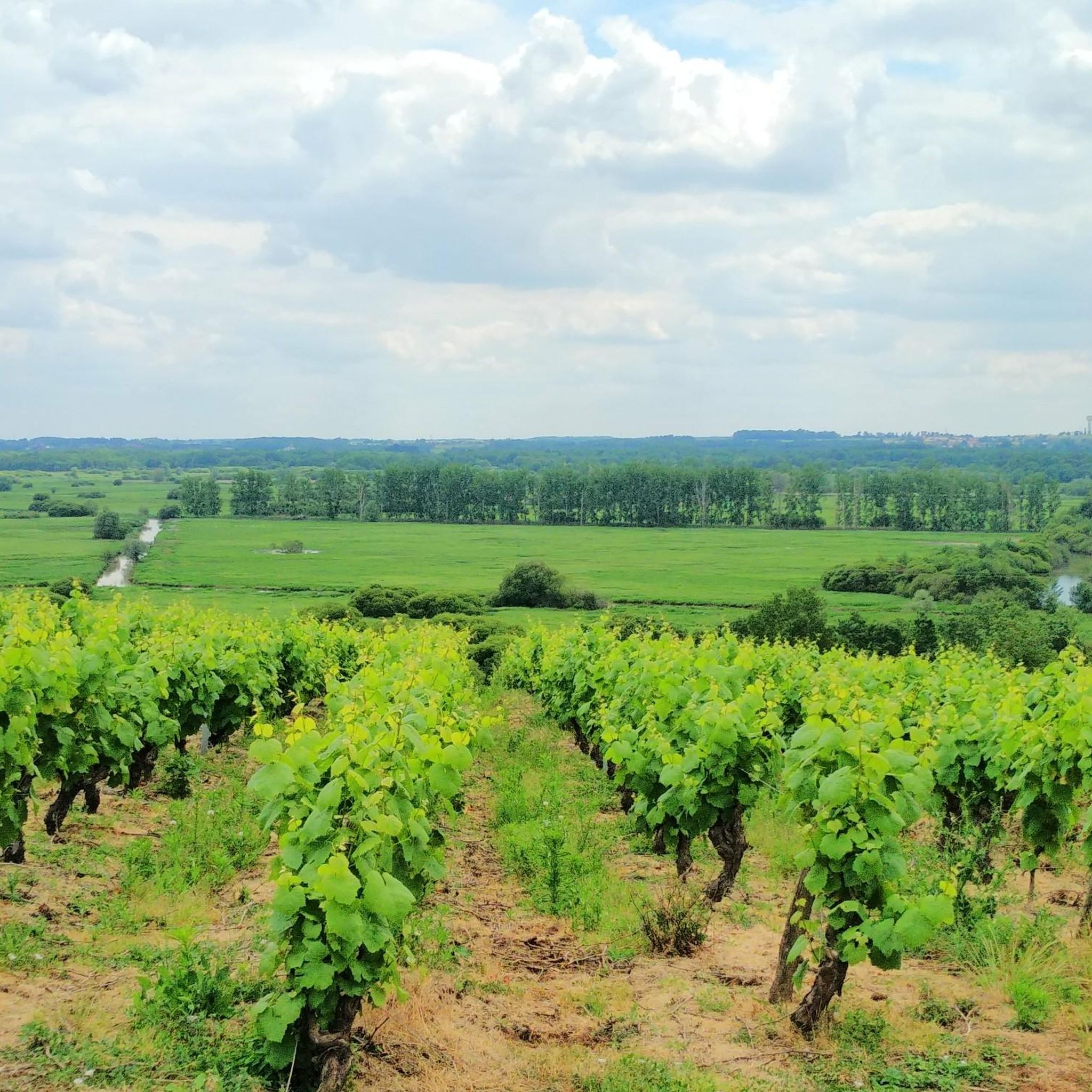
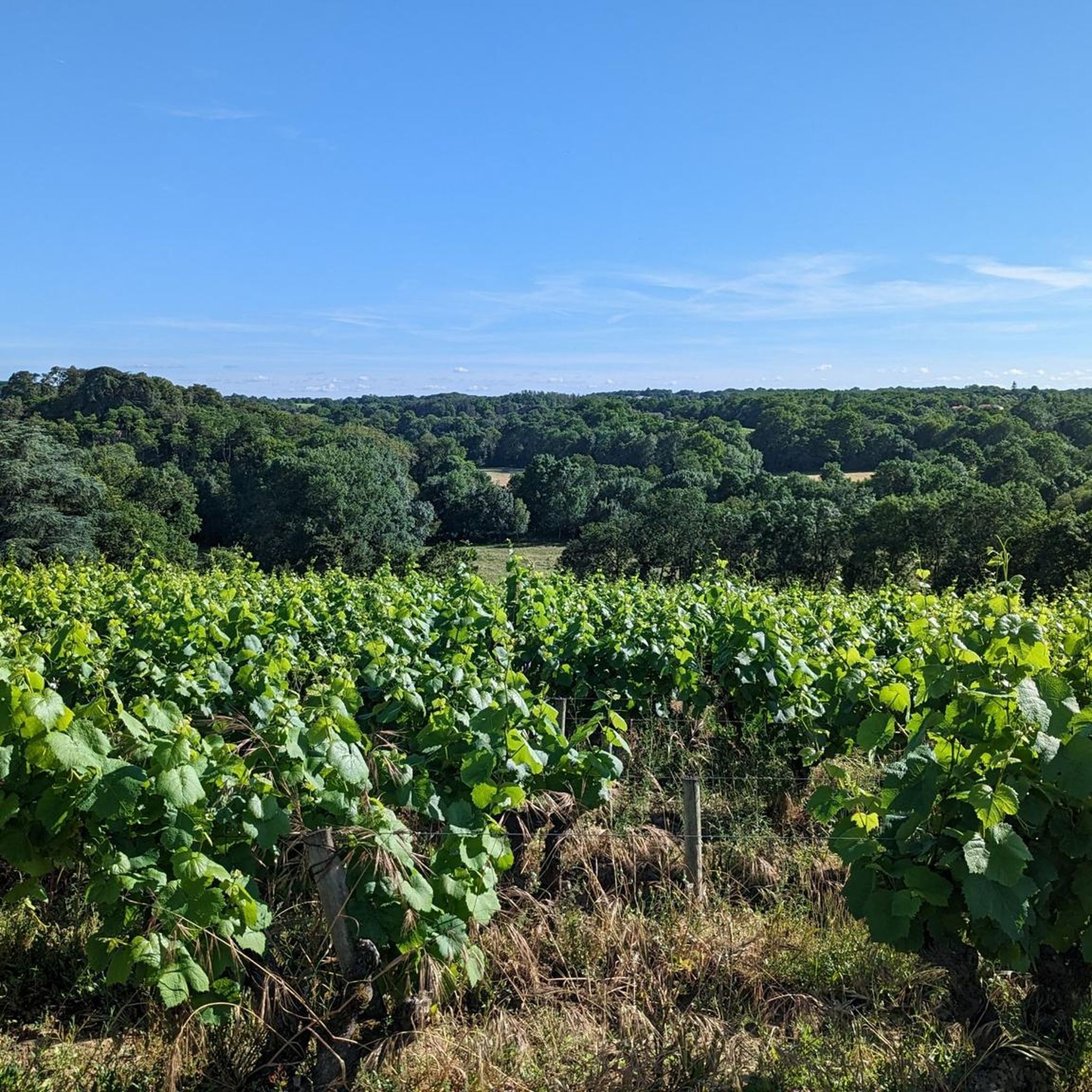
Touring cycling around Saint-Fiacre-Sur-Maine is characterized by its wine-growing hillsides, offering expansive panoramas across the landscape. The region features the confluence of the Sèvre and Maine rivers, carving out valleys and providing varied routes through vineyards and market garden plains. Elevations include ascents like the "Col" of St Fiacre sur Maine, which presents gradients up to 20%. The terrain combines relatively flat paths along the rivers with more challenging routes through the vineyards.
Best touring cycling routes around Saint-Fiacre-Sur-Maine
- The…
Last updated: October 28, 2026
4.6
(59)
294
riders
59.6km
03:45
430m
430m
Moderate bike ride. Good fitness required. Mostly paved surfaces.
4.6
(8)
48
riders
50.9km
03:09
340m
340m
Moderate bike ride. Good fitness required. Mostly paved surfaces.

24
riders
Moderate bike ride. Good fitness required. Mostly paved surfaces.
8
riders
Hard bike ride. Good fitness required. You may need to push your bike for some segments of this route.
15
riders
33.8km
02:40
330m
330m
Hard bike ride. Good fitness required. You may need to push your bike for some segments of this route.
Get access to more routes and recommendations from other explorers.
Already have an account?
Our route recommendations are based on thousands of hikes, rides, and runs completed by other people on komoot.
Start today with a free account
Your next adventure awaits.


Tips from the Community

Beautiful trail along the banks of the Sèvre. The section before this trail is quite rough, with a section where you have to carry your bike, so it's a bit dangerous. But if you like adventure, go for it :)
0
0
The Port de la Ramée is a lovely place to take breaks during your bike ride. However, the climb is steep, as is the descent, so remember to use your brakes wisely ;)
0
0

It's a particularly steep climb, even if it's short it stings!
0
0

Clisson Castle has quite a story to tell: first an impregnable fortress overlooking the Sèvre, then a ducal residence, and finally a romantic ruin. In the 12th century, the powerful lordship of Clisson built this stone castle with highly elaborate defensive architectural systems: arrow slits, gun ports, and slits. A strategic point protecting the border of the Duchy of Brittany in the 15th century, it was abandoned by its owners from the second half of the 17th century onward before being burned down by Republican troops in 1793. But, beyond its grand history, this castle also has a more historic significance! In 1807, François-Frédéric Lemot, creator of the Garenne Lemot estate (a picturesque landscape located on the other side of the river), was captivated by these ruins and purchased it to turn it into an ornamental factory. The château was declared a historic monument in 1924, before being acquired by the Loire-Atlantique department in 1962. Today, visitors can visit it, take a guided tour, or simply experience its history. A stop on the Journey through the Vineyard, it's a stopover during the wine tourism tour of Nantes' wine country, featuring natural sites, heritage features, characterful villages, and unique cellars.
1
0
The modest Chapel of Saint Anne is the last vestige of the parish church of Saint Vincent. In the second half of the 11th century, the Chapel of Saint Anne was built. It adjoins the southern flank of a pre-existing castle chapel, probably contemporary with the keep, which dates from the late 10th or early 11th century. At an undetermined date, the two chapels were extended westward and became the chevet of the parish church of Saint Vincent. This extension was completed before 1646, the date at which a drawing by L. Doomer, preserved at the Dobrée Museum in Nantes, shows the complete building. In 1683, Archdeacon Binet described the dilapidated Church of Saint Vincent and the choir on the verge of ruin. No one dared touch it because it belonged to the lord of La Galissonnière and Le Pallet. We can therefore assume that the nave itself belongs to the parish, which is responsible for its upkeep. The choir, a former castle chapel, disappeared during the Revolution. The old church was razed in 1853, and only the Sainte-Anne chapel was spared thanks to the intervention of Prosper Mérimée. A new church was built on a new site in the village, reusing the stones from the old building. In addition to its dilapidated condition, the old church had the disadvantage of being located far from the village. The chapel was listed as a historical monument in 1941 (decree of August 9). It was restored in 1957. NOTE: THE CHURCH HAS BEEN CLOSED SINCE JULY 23, 2018, FOR INDEFINITE WORK.
1
0
The flower-filled hamlet of Pé de Sèvre, with its 17 exterior staircases, is a typical winegrowing village. The old stone houses are all built according to the same model: the ground floor is used for storing wine, and the upper floor is for living.
1
0

Fording depends on the water level of the river. Very nice place for lunch or a picnic.
0
0

An absolutely beautiful site, but difficult to access by bike. You can cross, but the footbridge is too narrow (for my bike anyway) and you have to push the bike vertically. Obviously impossible with panniers.
1
0
Frequently Asked Questions
How many touring cycling routes are available around Saint-Fiacre-sur-Maine?
There are over 330 touring cycling routes in the Saint-Fiacre-sur-Maine area, offering a wide range of options for different skill levels and preferences. You'll find everything from easy rides along the rivers to more challenging ascents through the vineyards.
What kind of terrain can I expect on touring cycling routes in Saint-Fiacre-sur-Maine?
The terrain around Saint-Fiacre-sur-Maine is quite varied. You can expect picturesque wine-growing hillsides with expansive panoramas, as well as routes along the Sèvre and Maine rivers. Some paths are relatively flat, especially near the water, while others, particularly through the vineyards, include notable ascents like the 'Col' of St Fiacre sur Maine, which can have gradients up to 20%.
Are there routes suitable for beginners or those looking for an easy ride?
Yes, Saint-Fiacre-sur-Maine offers many easy touring cycling routes. Over 150 routes are classified as easy, often following river valleys or less undulating terrain. An example is the Pont Caffino Recreation Area – Moulin de la Minière loop from Château-Thébaud, which is 13.0 miles (21.0 km) and leads through river valleys and vineyards.
What about more challenging touring cycling routes in the area?
For those seeking a challenge, there are 36 difficult touring cycling routes around Saint-Fiacre-sur-Maine. These often feature significant elevation changes through the vineyard hills. A good example is the Moulin de la Minière – Saint Fiacre Wall loop from Château-Thébaud, a 16.4 miles (26.4 km) path with notable ascents.
What do other touring cyclists say about the routes in Saint-Fiacre-sur-Maine?
The touring cycling routes in Saint-Fiacre-sur-Maine are highly rated by the komoot community, with an average score of 4.5 stars from nearly 400 reviews. Cyclists often praise the varied terrain, the beautiful vineyard landscapes, and the scenic paths along the rivers.
Are there any circular touring cycling routes around Saint-Fiacre-sur-Maine?
Many of the touring cycling routes in the region are designed as loops, allowing you to start and finish in the same location. For instance, the popular Picture frame by Emmanuel Ritz – Porte-Vue by Emmanuel Ritz loop from Saint-Fiacre-sur-Maine is a 16.1 miles (25.9 km) circular route that showcases the local countryside.
What are some notable landmarks or viewpoints I can see while cycling?
While cycling, you can discover several interesting landmarks and viewpoints. The Picture frame by Emmanuel Ritz offers a unique perspective. You might also encounter historical sites like La Frémoire Castle or Château du Coing de Saint Fiacre. The confluence of the Sèvre and Maine rivers also provides beautiful natural vistas.
Are there any lakes or rivers to explore along the cycling paths?
Yes, the region is defined by the Sèvre and Maine rivers, and many routes follow their banks, offering serene views. You can also find several ponds and lakes, such as Filée Park Pond or Claude Dupas Pond, which are great spots for a break.
Is Saint-Fiacre-sur-Maine a good destination for family-friendly cycling?
Yes, the area offers family-friendly cycling options, particularly on the flatter sections along the rivers and through market garden plains. Routes with less elevation gain are ideal for families. Look for easy-rated tours that avoid the steeper vineyard climbs.
What is the best season for touring cycling in Saint-Fiacre-sur-Maine?
The spring and autumn months generally offer the most pleasant conditions for touring cycling in Saint-Fiacre-sur-Maine. During these seasons, the weather is typically mild, and the vineyards are either bursting with new growth or displaying beautiful autumnal colors. Summer can also be enjoyable, but it's advisable to cycle earlier in the morning or later in the afternoon to avoid the midday heat.
Are there places to eat or stay near the cycling routes in Saint-Fiacre-sur-Maine?
Saint-Fiacre-sur-Maine and the surrounding villages offer various options for refreshments and accommodation. You'll find local cafes, restaurants, and wine cellars where you can enjoy regional specialties and wine tastings. There are also B&Bs and hotels in the area for overnight stays, particularly in nearby towns like Clisson or Nantes.
Can I access Saint-Fiacre-sur-Maine by public transport for cycling trips?
While Saint-Fiacre-sur-Maine is a smaller commune, it is situated within the Loire-Atlantique department, which has public transport links. For specific connections to Saint-Fiacre-sur-Maine, especially if traveling with a bicycle, it's best to check regional bus or train services that connect to larger hubs like Nantes, which is within cycling distance.
Most popular routes around Saint-Fiacre-Sur-Maine
Most popular attractions around Saint-Fiacre-Sur-Maine

Get inspired with the komoot mobile app


Explore more
Browse the best Cycling routes in other regions.
