The best road cycling routes around Lepuix
4.6
(599)
24,470
riders
140
rides
Road cycling routes around Lepuix traverse a region characterized by its dramatic volcanic topography within the Massif Central. The landscape features towering basalt formations, basaltic plateaus, and river valleys, offering diverse terrain for cyclists. Routes often include challenging ascents and exhilarating descents across ancient lava flows and surrounding plateaus. The area's geology provides a varied backdrop for road cycling adventures.
Best road cycling routes around Lepuix
- The most popular road cycling route is Grand Ballon – Markstein loop from Saint-Maurice-sur-Moselle…
Last updated: October 2, 2026
4.7
(26)
1,047
riders
97.9km
05:49
2,410m
2,400m
Hard road ride. Very good fitness required. Some segments of this route may be unpaved and difficult to ride.
4.8
(13)
430
riders
59.7km
02:59
880m
880m
Moderate road ride. Good fitness required. Mostly well-paved surfaces and easy to ride.

5.0
(1)
94
riders
109km
05:56
2,130m
2,120m
Hard road ride. Very good fitness required. Mostly well-paved surfaces and easy to ride.
44
riders
18.7km
01:11
480m
480m
Moderate road ride. Good fitness required. Some segments of this route may be unpaved and difficult to ride.
4.0
(1)
81
riders
56.6km
02:35
580m
580m
Moderate road ride. Good fitness required. Mostly well-paved surfaces and easy to ride.
Get access to more routes and recommendations from other explorers.
Already have an account?
Our route recommendations are based on thousands of hikes, rides, and runs completed by other people on komoot.
Start today with a free account
Your next adventure awaits.
Popular around Lepuix
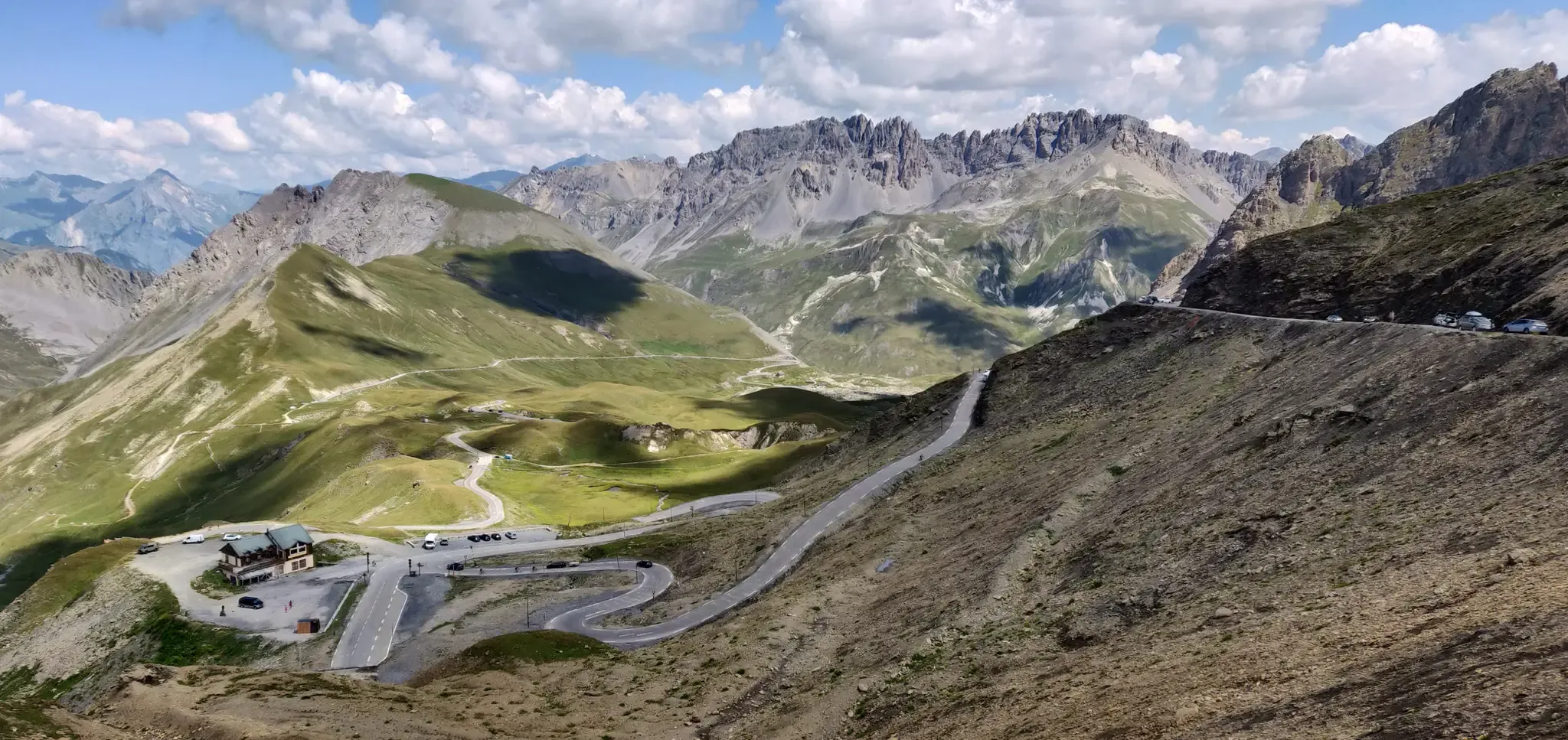
Legendary passes of the Tour de France
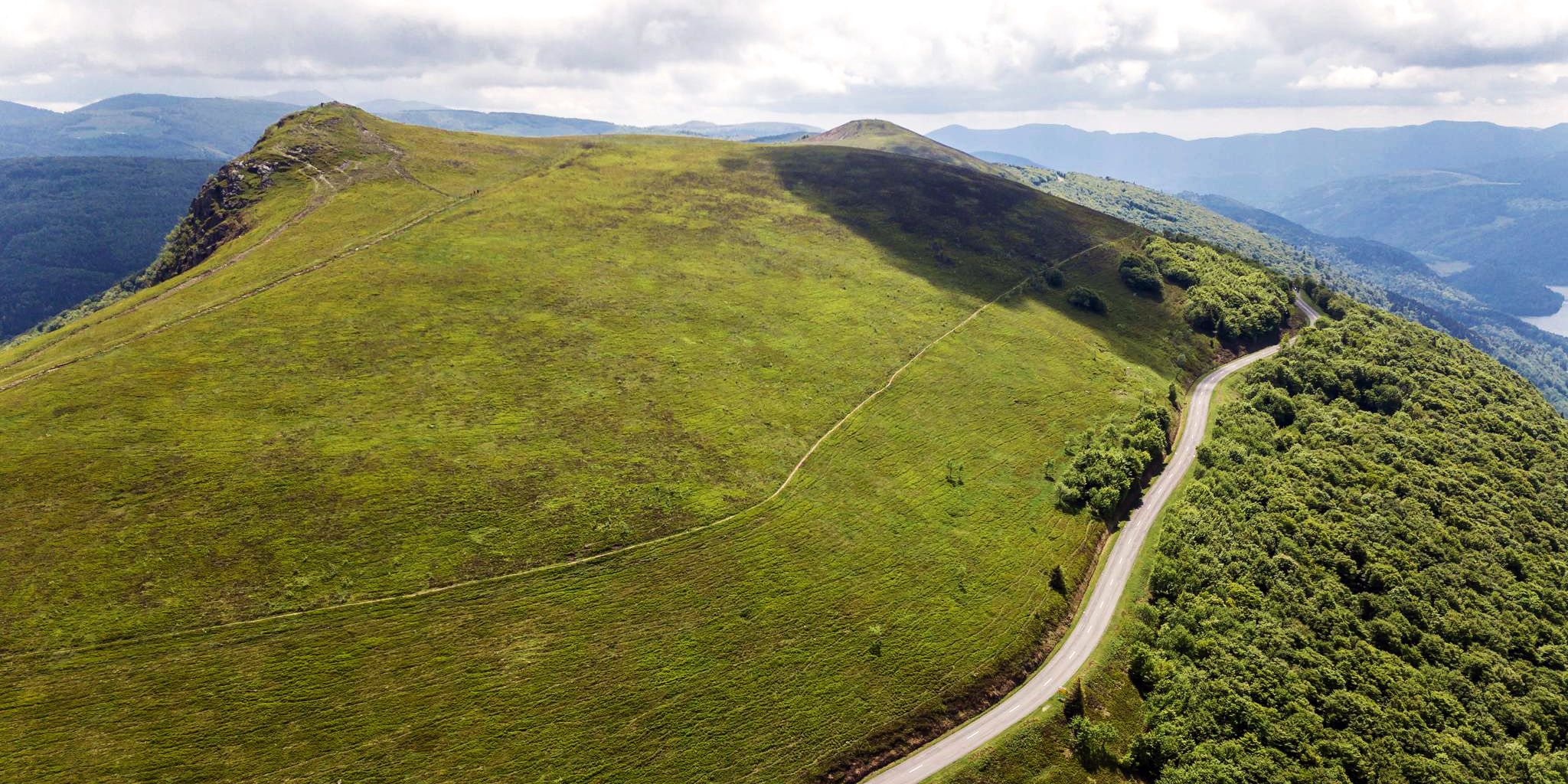
Beautiful passes In the Vosges Mountains
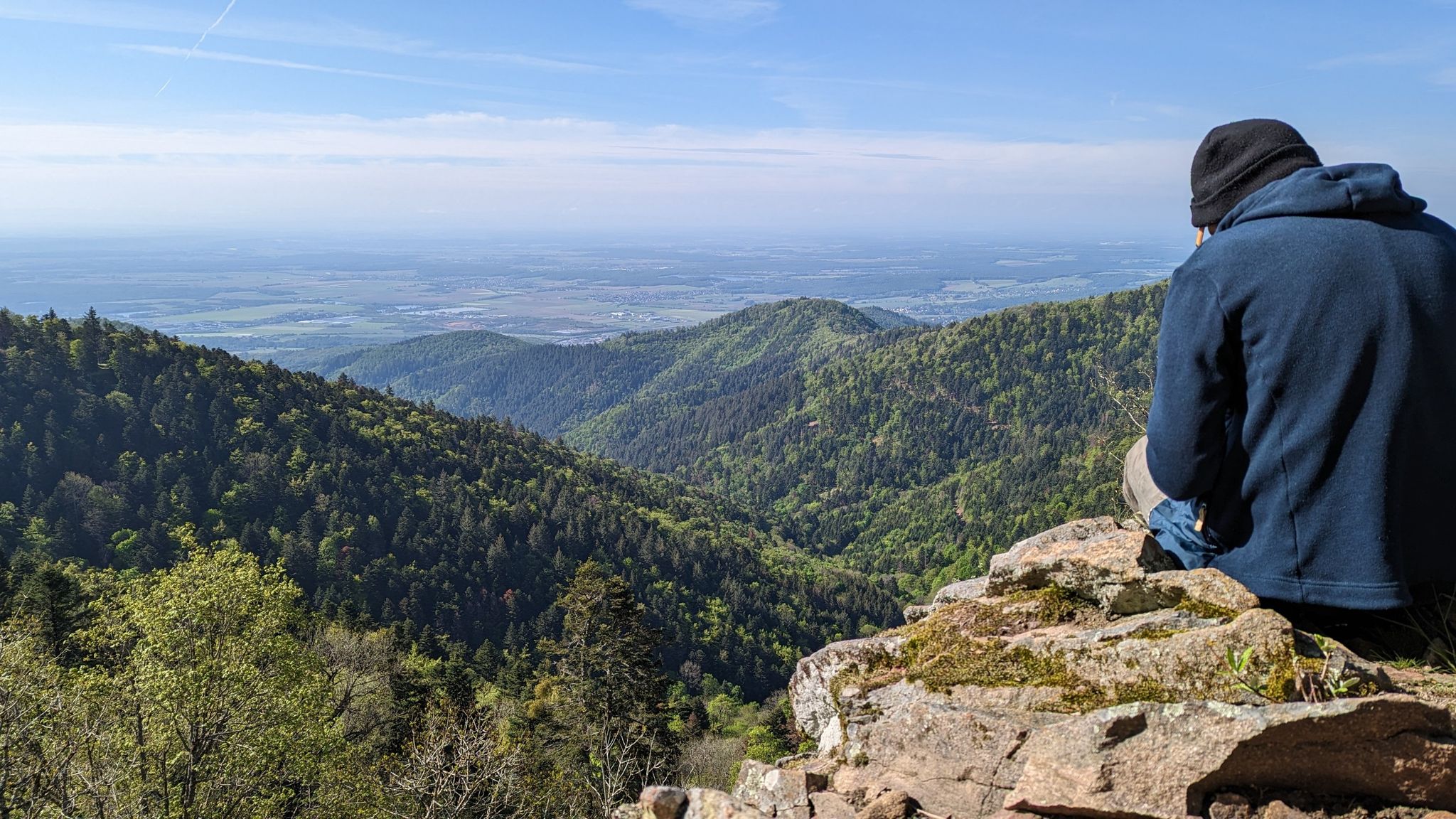
Sentier de l'Europe (GR 5) – Montbéliard to Abreschviller
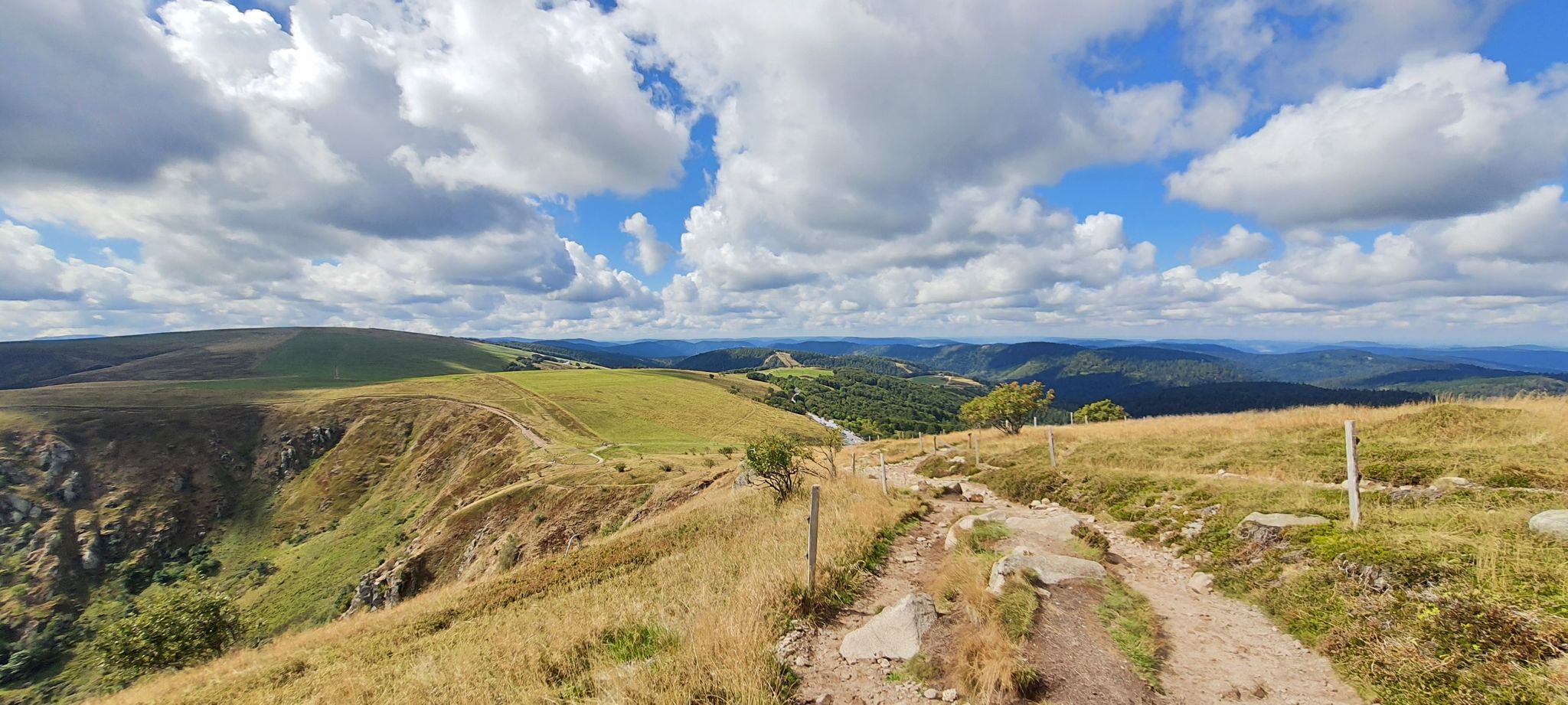
Thatches, lakes and forests – Tour des Ballons des Vosges
From the Vosges to the Jura mountains – Hexatrek, le Grand Est
Hiking around Lepuix
Running Trails around Lepuix
Cycling around Lepuix
MTB Trails around Lepuix
Gravel biking around Lepuix
Other adventures around Lepuix


Tips from the Community

This large lake is a popular stop along the cycling routes around Belfort, with beautiful views over the water and the surrounding nature.
4
0
The Étang du Malsaucy (often also called Lac du Malsaucy) is, with an area of 55 hectares, the largest lake in the French department of Territoire de Belfort. It is nestled in the Parc naturel régional des Ballons des Vosges, spread across the municipalities of Évette-Salbert, Lachapelle-sous-Chaux, and Sermamagny. Originally built at the end of the 15th century for fish farming, it is now one of the most important recreational and natural areas in the region.
4
0
When you drive from the Route des Crêtes towards Le Grand Ballon, you pass the Col du Haag (1233 m) almost unnoticed. Yet, this pass marks a special point on the southern flank of the highest mountain in the Vosges. Here, steep roads from the Thurdal leave the wooded slopes and reach the open heights of the massif. From the col, a typical Vosges landscape unfolds with mountain meadows, scattered farms, and sweeping views. The proximity of the Grand Ballon is felt everywhere: the imposing summit towers above the pass and forms the natural goal of the final climbing kilometers. For cyclists, the Col du Haag is mainly known as the point where difficult climbs from the valleys converge before the road continues to rise to the highest point of the Vosges.
4
0
Le Markstein (1184 m) is meer dan alleen een kruispunt op de Route des Crêtes. Het is echter een echte bergpas en het hoogste punt van de oversteek tussen het Lauch- en Thurdal. Het ligt in het hart van het Vogezenmassief, midden een populair wintersportgebied dat nauw verbonden is met de Grand Ballon
4
0
There are no restaurants or cafes at the summit of the Col de Bramont itself. However, the pass serves as a strategic junction. From the summit, you can directly connect to the famous Route des Crêtes (the D431), which links the main mountain peaks of the Vosges. This allows you to easily cycle or hike to larger attractions nearby, such as the Col de la Schlucht, the Hohneck, or the Grand Ballon. The climb is enjoyable due to its 12 hairpin bends on the southern flank (Kruth).
5
0
The climb starts relatively calmly; the first 4.5 kilometers hardly show any significant incline, while the road runs slightly undulating along the Lac de Kruth-Wildenstein reservoir. Only after that does the real climbing work begin over a distance of about 3.5 to 4 kilometers. From that moment on, the road winds its way up via 12 characteristic hairpin bends. The gradient during this section is very constant and fluctuates almost continuously around 5 to 6%, making the climb ideal for finding a steady rhythm. The road is well-asphalted and leads entirely through a dense pine forest. This allows you to cycle delightfully in the shade, although due to the dense vegetation at the top and during the climb, there are few sweeping views of the valley. Once at the top (955m), you can descend directly to the north side towards La Bresse or join the well-known Route des Crêtes to extend the ride to, for example, the Col de la Schlucht or the Grand Ballon.
4
0
The Col d' Oderen is an 8.2 kilometer climb. This is a category 3 climb. It is located in Cornimont, Lorraine, France. The average gradient of this climb is 3.9% with a maximum of 6%. The Col d' Oderen rises from 573 meters at the start to 885 meters at the top, with a total of 312 meters of elevation gain.
5
0

Brilliant ascent to the pass relatively quiet with a pleasant gradient
4
0
Frequently Asked Questions
How many road cycling routes are available around Lepuix?
There are over 115 road cycling routes around Lepuix, catering to various skill levels. You'll find everything from easy loops to challenging climbs.
What kind of terrain can I expect when road cycling near Lepuix?
Road cycling around Lepuix offers a diverse landscape characterized by rolling hills, river valleys, and mountainous terrain. Routes often feature challenging ascents and exhilarating descents, especially around prominent peaks like the Ballon d'Alsace.
Are there any easy road cycling routes suitable for beginners or families around Lepuix?
Yes, Lepuix offers several easy routes. For instance, the Étang du Malsaucy – Véronne Pond loop from Lepuix is an easy 35 km trail that takes about 1 hour 34 minutes to complete, leading through local ponds and gentle countryside. Another easy option is the Grosmagny - eau – Étang du Malsaucy loop from Lepuix.
What are some challenging road cycling routes for experienced cyclists?
Experienced cyclists seeking a challenge can tackle routes like the Grand Ballon – Markstein loop from Saint-Maurice-sur-Moselle, a difficult 96.6 km trail with significant elevation gain. Another demanding option is the Col du Bramont (Southwest) – Col de Bramont loop from Ballon d'Alsace, which features extensive climbing over 109 km.
What landmarks or viewpoints can I see along the road cycling routes in Lepuix?
Many routes offer scenic views and pass by notable landmarks. You can cycle past mountain passes like the Ballon d'Alsace or the Col de Bussang (731 m). The region also features picturesque waterfalls such as the Rummel Waterfalls and the Champe Waterfalls.
Are there any circular road cycling routes available?
Yes, many routes around Lepuix are designed as loops, allowing you to start and end in the same location. Examples include the Étang du Malsaucy – Véronne Pond loop from Lepuix and the Ballon d'Alsace – Col du Ballon d'Alsace loop from Col du Ballon d'Alsace.
What do other road cyclists say about the routes in Lepuix?
The road cycling routes in Lepuix are highly rated by the komoot community, with an average score of 4.6 stars from over 390 reviews. Cyclists often praise the varied terrain, the challenging climbs, and the beautiful natural scenery.
Can I find routes that include mountain passes?
Absolutely. The region around Lepuix is known for its mountain passes. Routes frequently incorporate ascents to points like the Ballon d'Alsace, Ballon de Servance, and Chevrères Pass, offering rewarding climbs and panoramic views.
Are there any routes that pass by waterfalls?
Yes, you can find routes that lead to or near beautiful waterfalls. The area features attractions such as the Rummel Waterfalls, Small and Large Seebach Waterfalls, and the Champe Waterfalls, providing scenic stops during your ride.
What is the best time of year for road cycling around Lepuix?
While specific weather conditions vary, the spring, summer, and early autumn months generally offer the most favorable conditions for road cycling in the region, with milder temperatures and less chance of snow on higher passes.
How many visitors explore the road cycling routes in Lepuix using komoot?
Over 18,500 road cyclists have used komoot to explore the varied terrain and routes around Lepuix, highlighting its popularity among the cycling community.
Most popular attractions around Lepuix

Get inspired with the komoot mobile app


Explore more
Browse the best Road cycling routes in other regions.
