Attractions and Places To See around Artolsheim - Top 20
Best attractions and places to see around Artolsheim include a blend of historical landmarks, natural features, and cultural sites. This commune in the Bas-Rhin department of France is characterized by a rich hydraulic network, including streams like the Muhlbach de Schoenau and the Ischert, as well as numerous ponds and gravel pits. The area offers insights into local heritage through its architecture and historical sites, providing diverse Artolsheim points of interest for visitors.
Best attractions and places to see around…
Last updated: August 2, 2026
Marktplatz Endingen
Highlight • Historical Site
Showing Translation
Tip by

Königschaffhauser Gate
Highlight • Monument
Translated by Google •
Tip by
Sign up now to discover places like this
Get recommendations on the best single tracks, peaks, & plenty of other exciting outdoor places.
Sign up for free
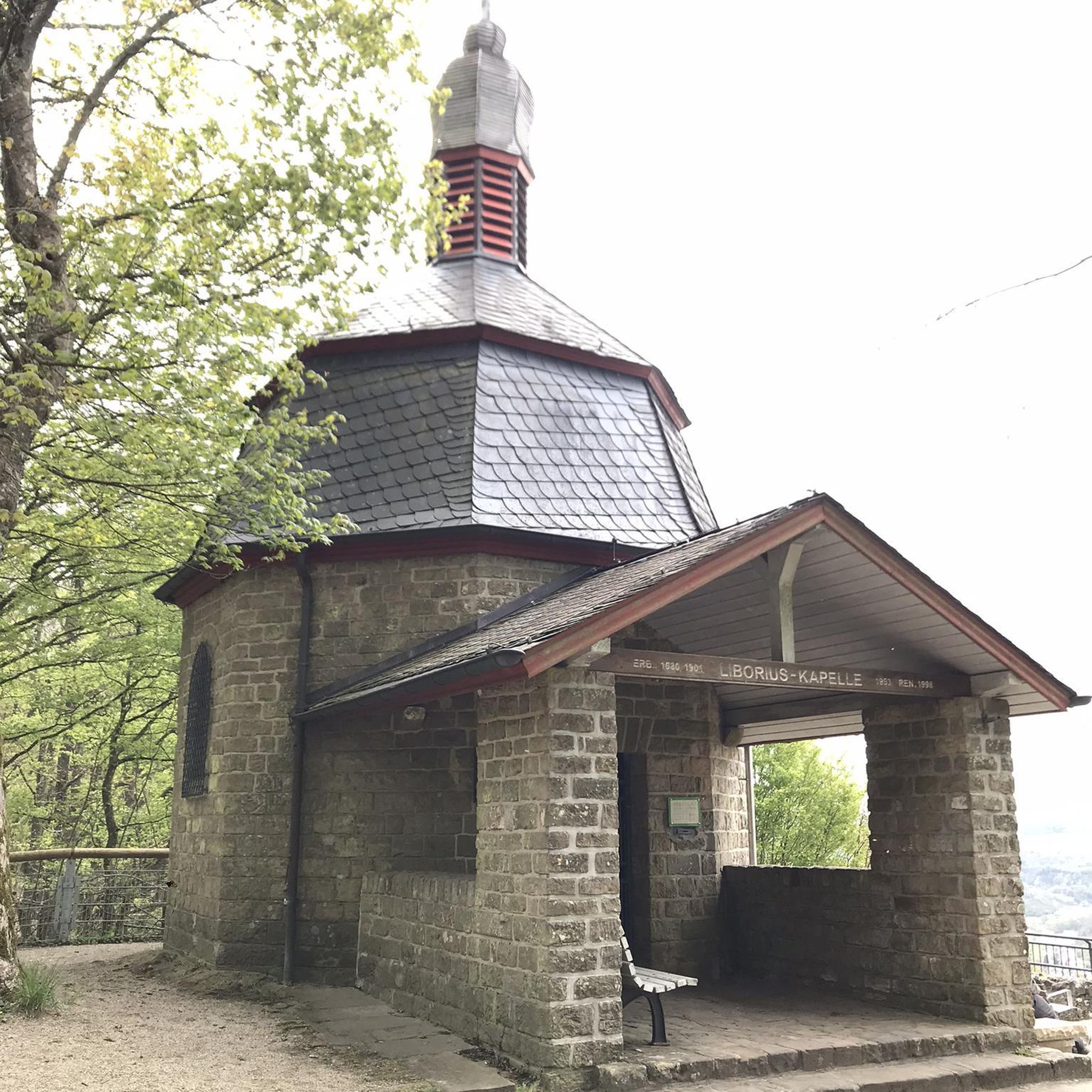
St. Catherine's Chapel on Katharinenberg
Highlight • Religious Site
Translated by Google •
Tip by

Texaspass (Auf dem Eck) switchbacks, Kaiserstuhl
Highlight (Segment) • Mountain Pass
Translated by Google •
Tip by

Sponeck Castle
Highlight • Castle
Translated by Google •
Tip by

Sign up for free to discover even more attractions around Artolsheim.
Sign up for free
Already have an account?
Start today with a free account
Your next adventure awaits.
Login or Signup
Tips from the Community

The first lord of the castle was Hildebrand Spenlin from Breisach. The word "Spenlin" means "little shavings" (from a plane). In Alemannic usage, Spenlin is called "Spänle." Without the diminutive, Span = Spon. The castle is mentioned in documents as Spenlins Eck, Span-Egge, or the Sponeck.
10
0

Beautiful view and great route
1
0

It's OK. But you don't have to make too much noise about this stretch of road.
2
0

Beautiful little wine town on the Kaiserstuhl... ideal starting point for discovery tours
7
1

Since March 2022, the kiosk has been run by a new team. Opening times are from March to July and September to the end of November on Saturdays, Sundays and public holidays from 11:00 a.m. to 5:00 p.m. Large selection of drinks, coffee, tea and small but very tasty snacks.
9
0

Endingen was first mentioned in a document in 862. For several centuries, it belonged to the Lords of Endingen, who had their seat at the nearby Koliburg Castle, until it passed to the Lords of Üsenberg, who granted Endingen town rights between 1285 and 1286. After the Üsenbergs died out in 1379, the Küchlins were enfeoffed with it in 1425. The town came into Habsburg possession and was assigned to Vorderösterreich, briefly enjoying the status of a free imperial city at the beginning of the 15th century. In 1751, one of the last witch trials in Europe took place in Endingen: on April 24, Anna Schnidenwind was burned at the stake. After the Peace of Pressburg in 1805, Endingen, along with the entire Breisgau region, which had previously been Vorderösterreich, became part of Baden. The citizens of Endingen are very tradition-conscious. Old customs have survived to this day. For centuries, on Christmas Eve, during the midnight chimes of the church bells in Endingen, running water has been drawn from the numerous fountains and drunk as "Heiliwog." The saying goes: "Heiliwog – God's gift, good luck in the house, bad luck out!" Source: Wikipedia
6
0
The Königschaffhauser Tor is the only remaining city gate of Endingen am Kaiserstuhl and was first mentioned in 1319. The current appearance of the city gate, popularly known as "Torli", goes back to the expansion of 1581. For a long time, the tower housed a city jail, today the other rooms are used by the Endingen fools' guild as a guild room. A small fools' guild museum was set up in some of the former detention cells, in which old Endinger carnival clothes, carnival utensils, pictures and programs as well as the Endinger carnival figures can be seen. Source: https://www.alemannische-seiten.de/deutschland/endingen_koenigschaffhauser-tor.php
2
0

Beautiful old town with restaurants and shops surrounded by vineyards that are ideal for walking and cycling.
6
0
Frequently Asked Questions
What historical landmarks can I explore within Artolsheim itself?
Within Artolsheim, you can visit the Saint-Maurice Church, built in 1850 on the site of an older church. The historic Baths of Artolsheim, known since the Middle Ages for their healing spring, and the Artolsheim House (or "Fisherman's House"), a remarkable example of late Medieval architecture from 1561, are also significant. Additionally, the Chapelle de la Croix and the late 19th-century Spritzenhaus-Waschtaus contribute to the local heritage.
Are there any notable natural features or waterways in Artolsheim?
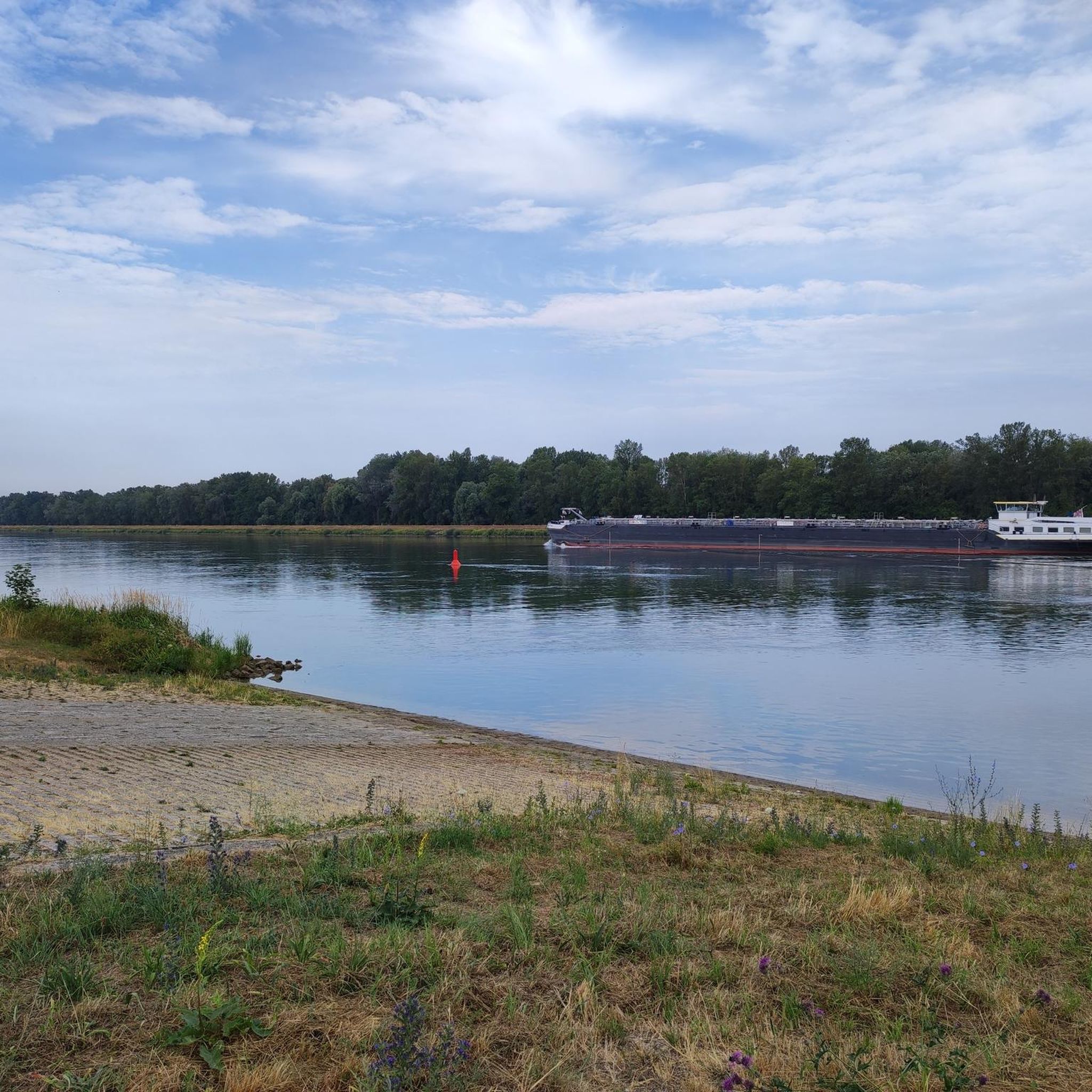
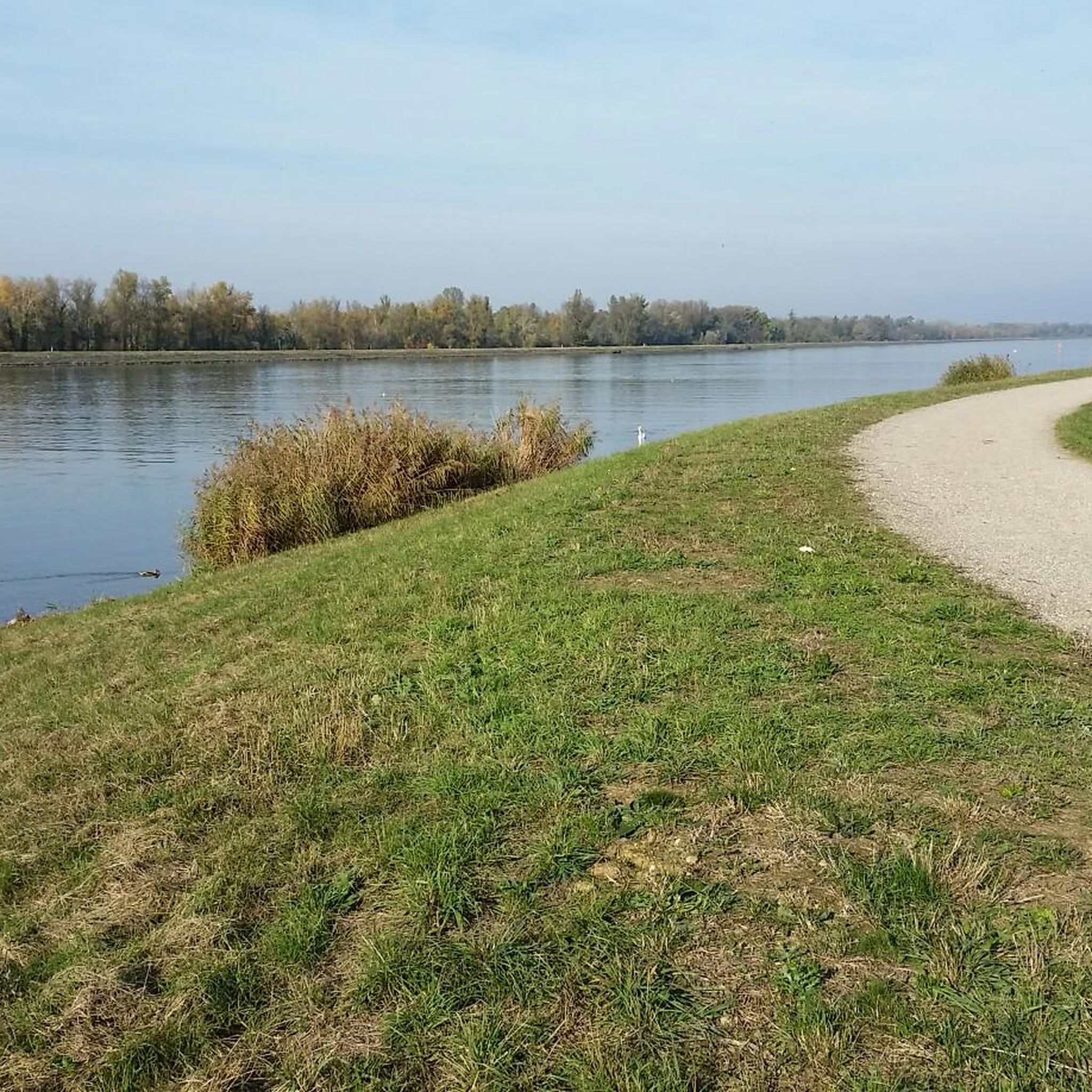
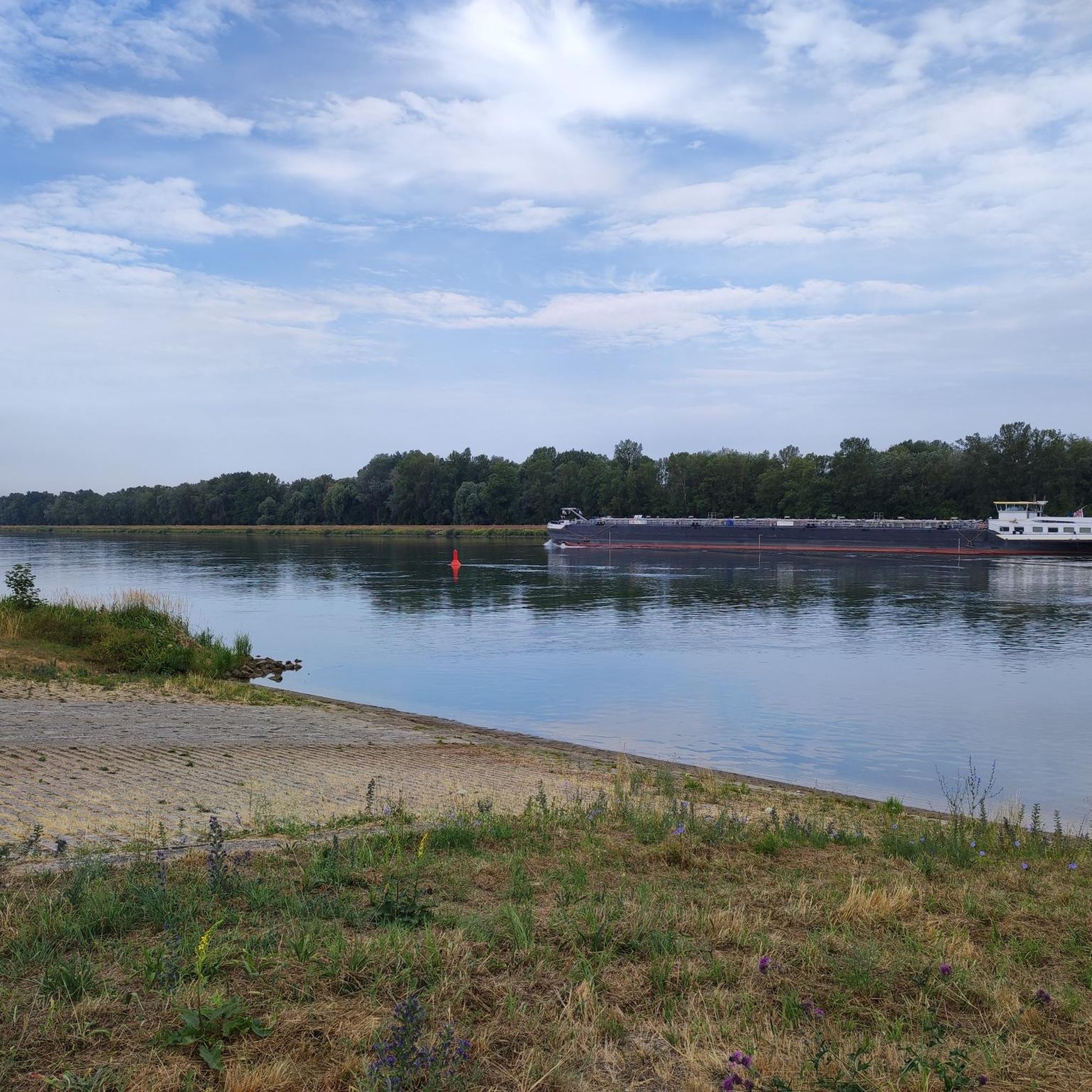
Artolsheim is characterized by a rich hydraulic network. You can discover the Muhlbach de Schoenau, a 31 km long stream, and the Ischert, another 26 km stream, both feeding into the Plobsheim Basin canal. The Canal du Rhône au Rhin also passes through the area. The commune features several ponds and gravel pits, particularly within the forest, which are managed by the local fishing association.
What are some popular historical towns or sites near Artolsheim?
Several historical towns are easily accessible. Sélestat, about 11 km away, offers cultural visits and markets. The impressive Château du Haut-Koenigsbourg, one of the region's most visited castles, is about 18 km west-north-west. You can also explore Neuf-Brisach, a unique town entirely designed by military engineer Vauban, located about 21 km south-south-west.
Where can I find picturesque villages with traditional architecture near Artolsheim?
The region boasts several of France's "Most Beautiful Villages." Ribeauvillé, around 19 km west, is known for its traditional colored houses. Hunawihr, Riquewihr, and Mittelbergheim are also within 19-23 km of Artolsheim, offering picturesque scenery and cultural experiences.
Are there any family-friendly attractions or amusement parks nearby?
Yes, for family entertainment, Europa-Park and Rulantica, popular amusement and water parks, are within a reasonable distance from Artolsheim, offering fun for all ages.
What kind of outdoor activities can I do near Artolsheim?
The area around Artolsheim is great for outdoor activities. You can find various routes for hiking, running, and mountain biking. For example, there are easy hiking routes like the Rheinauen – Sculpture Trail loop from Wyhl, or moderate running trails such as the Running loop from Artolsheim. Mountain bikers can explore routes like the Litzelberg Chapel – Limberg Nature Reserve loop from Weisweil.
Are there any viewpoints or scenic spots to enjoy the landscape?
Yes, for panoramic views, consider visiting St. Catherine's Chapel on Katharinenberg, which offers a rest area and the opportunity to climb the bell tower for an elevated perspective. The Texaspass (Auf dem Eck) switchbacks also provide scenic views, especially during the climb through the forest.
What is there to see in Colmar, which is near Artolsheim?
Colmar, located approximately 21 km west-south-west, is famous for its medieval center. It features brightly painted half-timbered houses along its canalside, often referred to as "La Petite Venise," offering a charming and picturesque experience.
What is special about Sponeck Castle?
Sponeck Castle has historical significance as a Roman fort that secured the Rhine crossing. While the interior is privately owned and has limited visiting hours, its garden with artworks and the remains of the Roman fort are always accessible, making it an interesting site for history and art enthusiasts.
What do visitors enjoy about Endingen am Kaiserstuhl Market Square?
Visitors appreciate Endingen am Kaiserstuhl Market Square for its picturesque setting and lively atmosphere. It's a delightful place with outdoor gastronomy, shops, and a market on Saturdays, making it ideal for lingering and enjoying the local charm. Many also enjoy the ice cream parlors and cafes.
Is there a good time of year to visit Artolsheim for outdoor activities?
For outdoor activities like cycling the Texaspass or visiting St. Catherine's Chapel, the warmer seasons are generally preferable. The forest climbs are particularly enjoyable in summer, even at midday, due to the shade.
Are there any historical city gates or unique architectural features to see?
Yes, the Königschaffhauser Gate is a notable city gate that provides a glimpse into the historical architecture of the nearby towns. It's the last of four original goals and gives an idea of the beauty of the town it guards.
Most popular routes around Artolsheim
Most popular attractions around Artolsheim

Get inspired with the komoot mobile app


Explore more
Still not found the Highlight you’re looking for? See guides of the top attractions in other regions:
