The 9 Most Amazing Peaks around Ban-De-Laveline
Best mountain peaks around Ban-De-Laveline are found in the Vosges Massif, offering diverse landscapes and elevations. The region provides access to several notable mountain features, including significant peaks and scenic passes. These areas are known for their natural beauty, hiking opportunities, and historical importance. The terrain elevation in the vicinity ranges from approximately 400 meters to over 1000 meters.
Best mountain peaks around Ban-De-Laveline
- The most popular mountain peaks is Gazon du Faing, a summit that forms a plateau…
Last updated: July 22, 2026
Gazon du Faing
Highlight • Summit
Translated by Google •
Tip by

Hans Rock
Highlight • Summit
Translated by Google •
Tip by

Sign up now to discover places like this
Get recommendations on the best single tracks, peaks, & plenty of other exciting outdoor places.
Sign up for free
Belmont observatorium Viewpoint
Highlight • Summit
Translated by Google •
Tip by

Little Brézouard
Highlight • Summit
Translated by Google •
Tip by

Tête des Faux Summit and World War I Memorial
Highlight • Summit
Translated by Google •
Tip by

Sign up for free to discover even more peaks around Ban-De-Laveline.
Sign up for free
Already have an account?
Start today with a free account
Your next adventure awaits.
Login or Signup


Tips from the Community

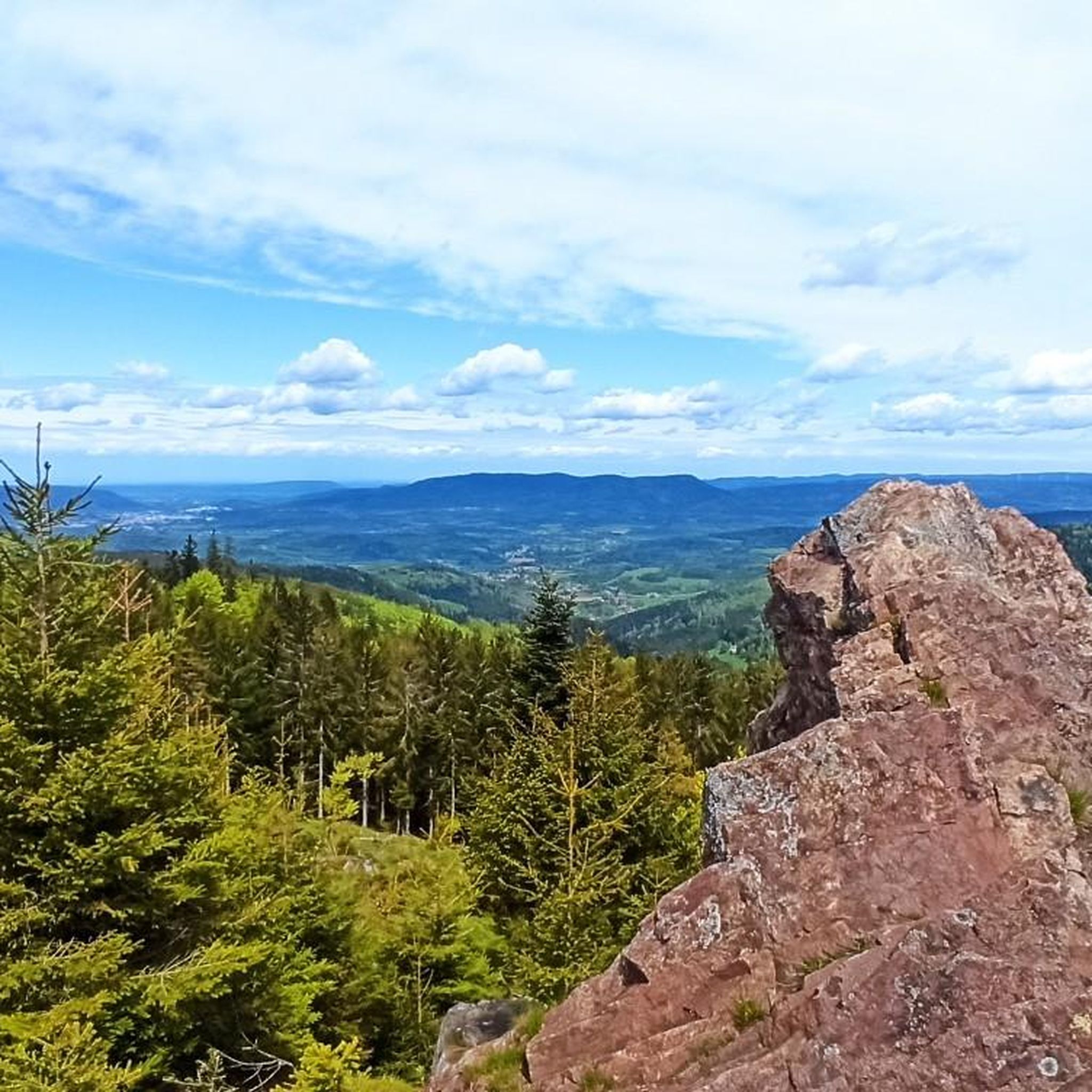
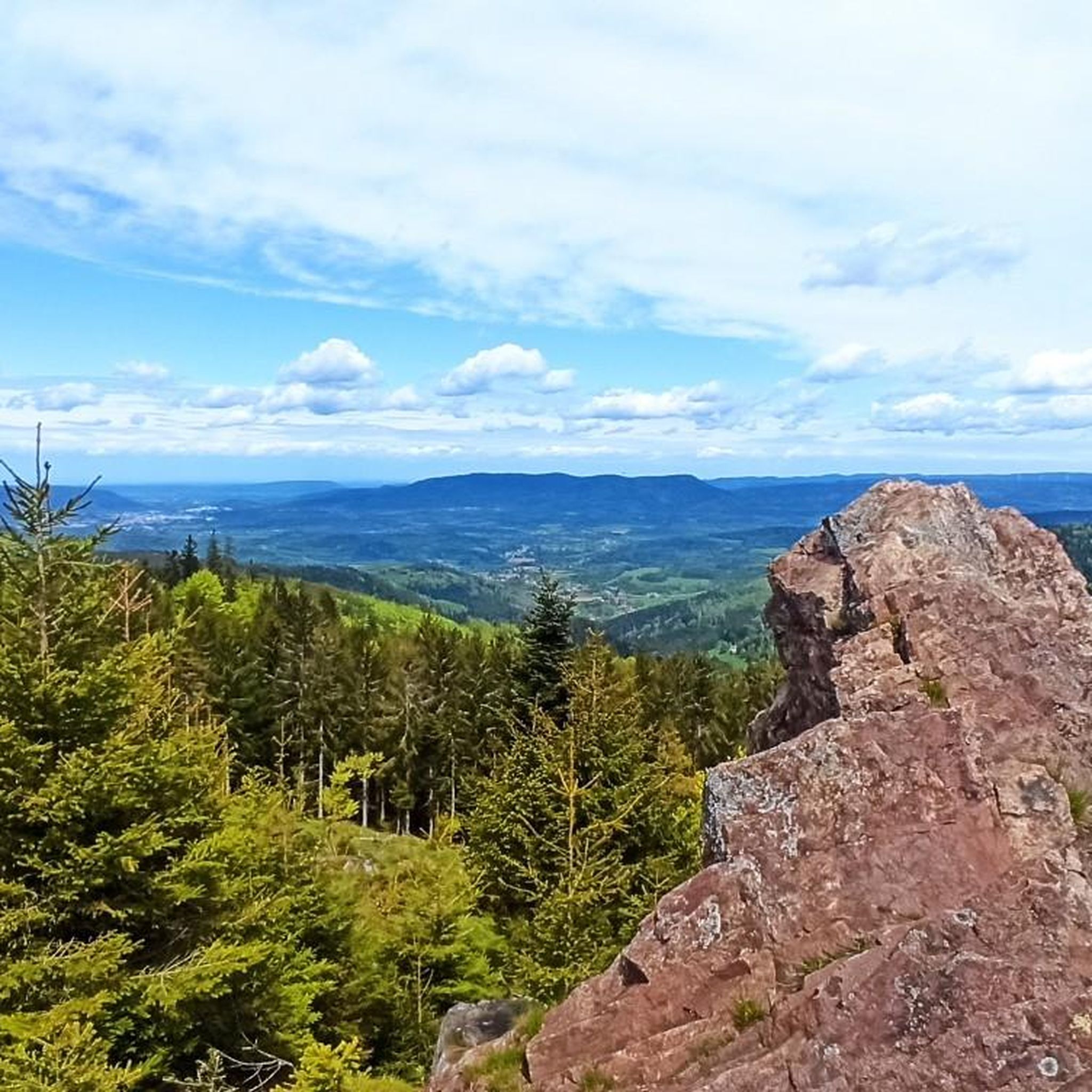
Magnificent 360° view, there is a refuge 100m further down in case of bad weather
0
0


Quite a steep climb. Sturdy footwear is recommended.
1
0

This rocky path from the Rocher Hans upwards is uniquely beautiful.
4
1
If you hike through up there, you're gripped by the naked horror. Bunkers, trenches and bomb craters alternate constantly.
3
0
Great views of the Ballons and Le Climont to the north.
2
0

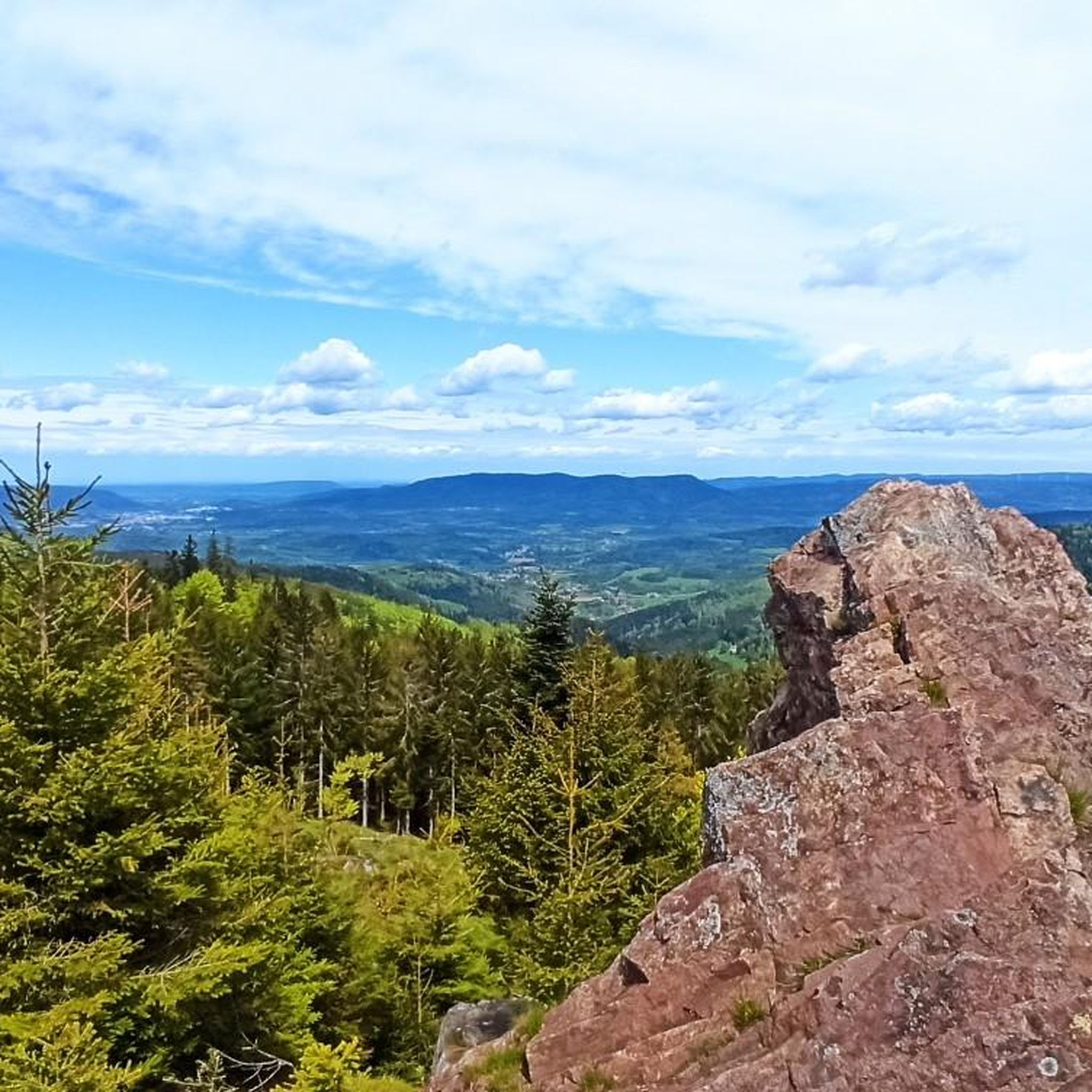
The rock is crowned with a statue of the Madonna 4 . This is a donation from 1977. There are several legends about the Hans Rock, including the assumption that an unbelieving prince named Hans saw his castle sink into the water of the lake.
5
0

Central spot good for a picnic.
1
0
Frequently Asked Questions
What are some of the most notable mountain peaks to visit around Ban-De-Laveline?
The region around Ban-De-Laveline offers several significant peaks. Among them are Gazon du Faing, known for its high stubble plateau and views over four lakes, and Tête des Faux Summit, which features World War I memorials. Other prominent peaks include Little Brézouard, offering unobstructed views of the Vosges, and Tête du Violu, which provides superb views and historical insights into WWI.
What kind of historical significance do the mountain peaks in this region hold?
Many peaks around Ban-De-Laveline have significant historical importance, particularly related to the First World War. For instance, Tête du Violu was a site of fierce fighting, with visible remains of shelters and trenches. Similarly, Tête des Faux Summit is rich in military history, featuring ruins of bunkers and forts. Even Col du Pré de Raves, primarily a mountain pass, was a site of significant fighting during the war.
Are there good hiking opportunities on these mountain peaks?
Yes, the mountain peaks around Ban-De-Laveline offer diverse hiking opportunities. Tête du Violu, for example, is traversed by the GR 531 long-distance footpath and provides a rewarding experience with panoramic views. The area around Tête des Chats is also popular for walks and hikes, catering to various skill levels. You can find many routes that incorporate Col du Pré de Raves, suitable for different abilities. For more detailed hiking routes, explore the Hiking around Ban-De-Laveline guide.
Which mountain peaks offer the best panoramic views?
For exceptional panoramic views, Col du Pré de Raves provides 360-degree vistas, complemented by informative panels. Little Brézouard offers an unobstructed view of the Vosges peaks and the Grand Ballon. Gazon du Faing also provides magnificent views overlooking four lakes. Additionally, Belmont observatorium Viewpoint is a lookout point with great views.
Can I find family-friendly options among the mountain peaks near Ban-De-Laveline?
While some ascents can be challenging, many areas around the peaks offer trails suitable for families. The diverse landscapes mean there are easier sections for walks, especially around the base of the mountains or on less steep paths. For specific family-friendly routes, it's best to check individual trail descriptions for difficulty ratings. The Hiking around Ban-De-Laveline guide lists easy routes like the 'Birch Forest loop from Coinches' and 'Birch Forest loop from Ban-de-Laveline'.
What are the best times of year to visit the mountain peaks around Ban-De-Laveline?
The best time to visit for hiking and enjoying the natural beauty is typically from spring through autumn. During these seasons, the weather is generally milder, and trails are more accessible. In winter, areas like Col du Pré de Raves transform into cross-country and alpine ski trails, and some roads may close to traffic, offering opportunities for winter sports enthusiasts.
Are there any specific natural features or unique landscapes to look out for?
Yes, the region boasts several unique natural features. Gazon du Faing is a nature reserve characterized by a plateau of high stubble and typical Vosges shrubs. The area around Tête du Violu features beautiful forests and magnificent meadows. The Vosges Massif, where these peaks are located, is known for its diverse landscapes, including forests, meadows, and rocky outcrops.
What other outdoor activities can I do near these mountain peaks besides hiking?
Beyond hiking, the region offers opportunities for mountain biking and running. The Bagenelles station on Tête des Chats provides alpine ski slopes in winter. You can find various routes for mountain biking in the area, such as the 'Liberty's tree – Bagenelles Pass loop from Wisembach'. For running, there are challenging routes like the 'View of Ban de Laveline – Ban-de-Laveline loop'. Explore these options in the MTB Trails around Ban-De-Laveline and Running Trails around Ban-De-Laveline guides.
Is there parking available near the trailheads for these mountain peaks?
While specific parking details for every trailhead are not listed, the accessibility of areas like Col du Pré de Raves via the Departmental Road 148 suggests that parking facilities are generally available for visitors accessing these popular mountain areas. It's advisable to check local signage or specific route information for designated parking spots before your visit.
What is the elevation range of the mountain peaks around Ban-De-Laveline?
The terrain elevation in the vicinity of Ban-De-Laveline ranges from approximately 403 meters to over 1031 meters. Tête du Violu reaches 993 meters, Tête des Chats is 1,082 meters, and the area above Col du Pré de Raves reaches 1,031 meters. These varying altitudes contribute to the diverse landscapes and hiking experiences in the region.
Are there any specific points of interest related to World War I besides the summits?
Yes, beyond the summits themselves, there are specific points of interest. For example, Roche des Abris is a historic rock shelter linked to a fort, which served as a command post during WWI. These sites offer a tangible link to the past and provide deeper insight into the region's military history.
What do visitors enjoy most about the mountain peaks around Ban-De-Laveline?
Visitors frequently appreciate the blend of natural beauty, challenging hikes, and historical intrigue. The panoramic views from peaks like Col du Pré de Raves and Little Brézouard are highly rated. The historical remnants from World War I, particularly at Tête du Violu and Tête des Faux Summit, also provide a unique and thought-provoking experience for many.
Most popular routes around Ban-De-Laveline
Most popular attractions around Ban-De-Laveline

Get inspired with the komoot mobile app


Explore more
See even more amazing summits around Ban-De-Laveline with these guides:
