The best road cycling routes around Saint-Saturnin
4.5
(129)
3,680
riders
692
rides
Road cycling routes around Saint-Saturnin traverse diverse landscapes within the Luberon Regional Nature Park. The terrain features expansive vineyards, orchards, and the more rugged Monts de Vaucluse and Luberon mountains. Roads also wind through natural features such as the Gorges de la Nesque and the Plateau de Vaucluse, offering varied elevation profiles. This region provides a mix of routes from rolling hills to more challenging ascents.
Best road cycling routes around Saint-Saturnin
- The most popular road cycling route is Château…
Last updated: October 30, 2026
35
riders
24.0km
01:10
250m
250m
Easy road ride. Mostly well-paved surfaces and easy to ride.
6
riders
70.0km
02:52
340m
340m
Moderate road ride. Good fitness required. Mostly well-paved surfaces and easy to ride.

7
riders
45.5km
02:02
380m
380m
Moderate road ride. Good fitness required. Mostly well-paved surfaces and easy to ride.
6
riders
75.1km
03:20
720m
720m
Moderate road ride. Good fitness required. Mostly well-paved surfaces and easy to ride.
5
riders
47.2km
02:02
350m
350m
Moderate road ride. Good fitness required. Mostly well-paved surfaces and easy to ride.
Get access to more routes and recommendations from other explorers.
Already have an account?
Our route recommendations are based on thousands of hikes, rides, and runs completed by other people on komoot.
Start today with a free account
Your next adventure awaits.
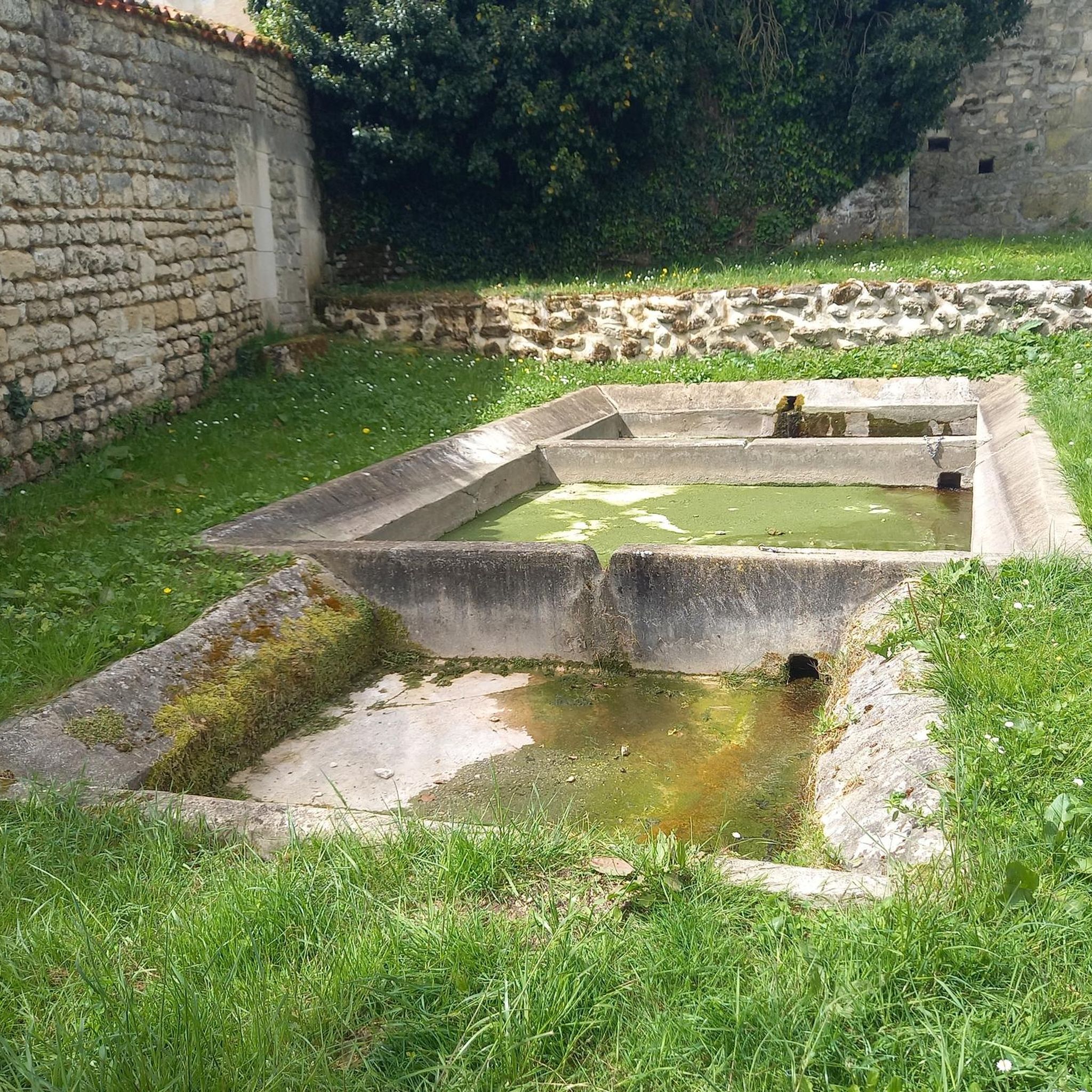
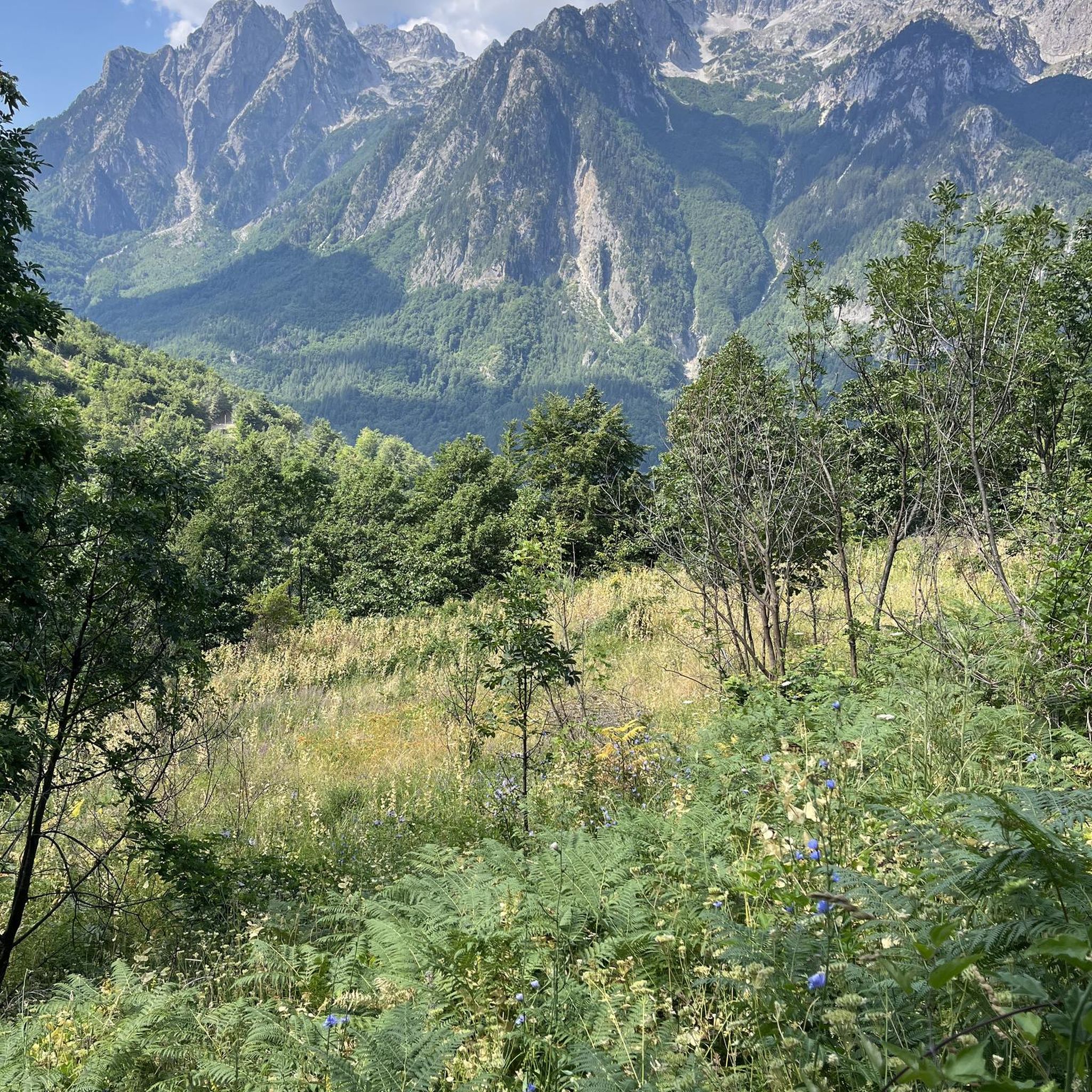
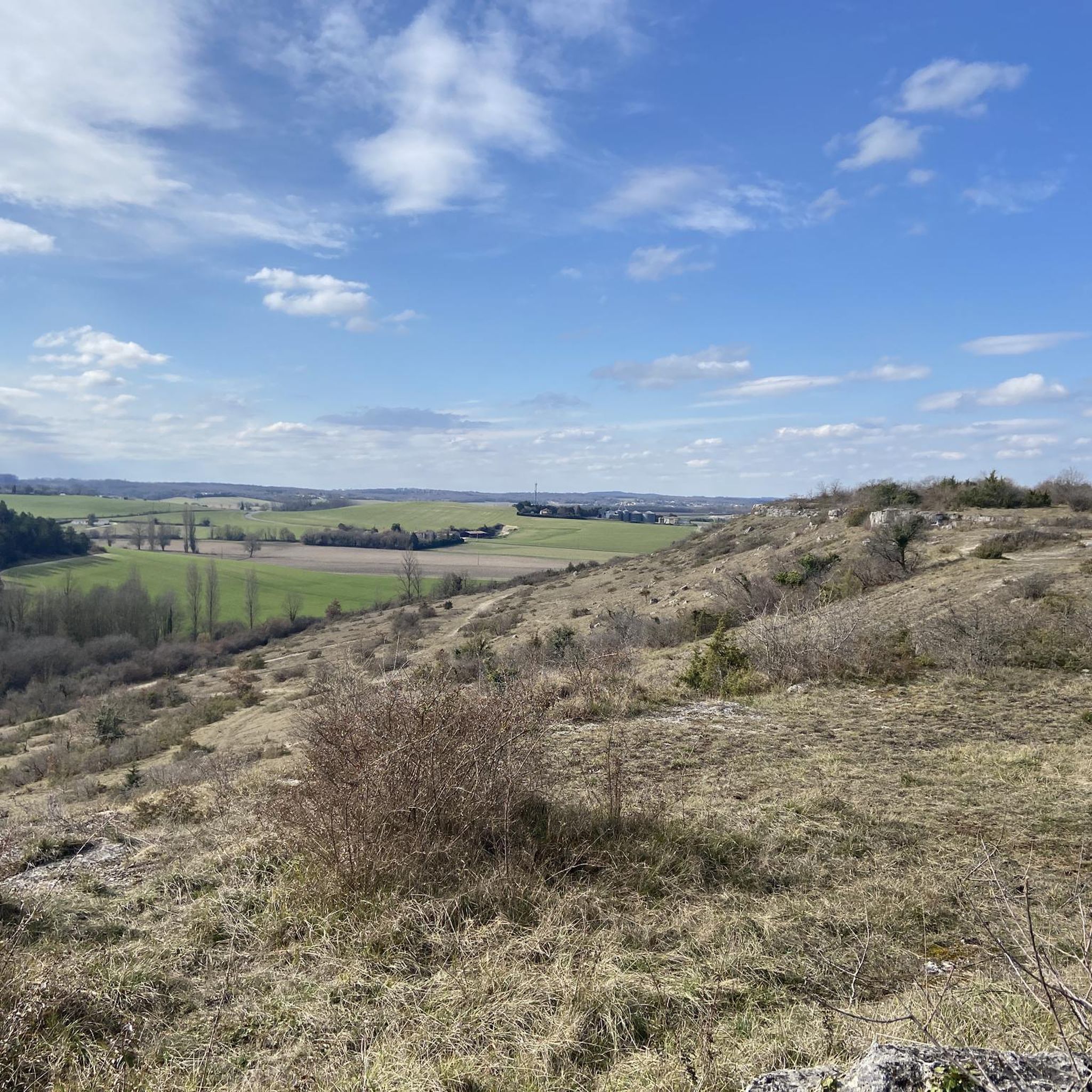
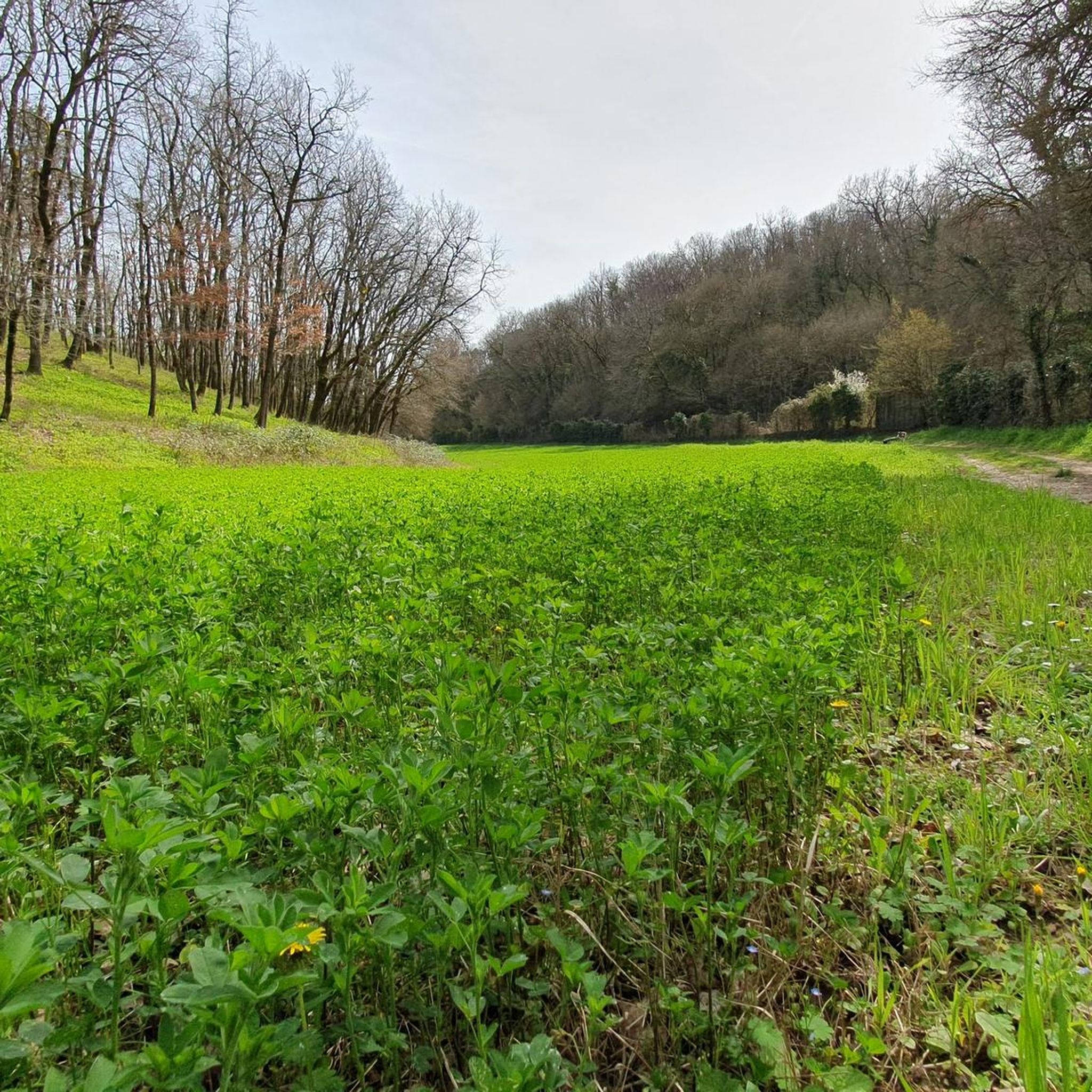

Tips from the Community

Nice as a town: rustic, calm and pleasant.
0
0

Bourge medieval style, very pretty
0
0


Beautiful little town center
0
0
The Abbey of Notre-Dame de La Couronne is an exceptional monumental complex, composed of the remains of the old abbey church and the convent buildings. A major building representing the introduction of Gothic in Angoumois at the end of the 12th century. In the 12th century, the Abbey of Notre-Dame de la Couronne was founded (from 1118, laying of the first stone). The work was carried out quickly and on March 12, 1122, the monks (of the regular order of Saint Augustine) settled in the presence of Bishop Girard de Blay and the Count of Angoulême. From its creation, the abbey was a great success: a new church was built at the end of the 12th century (choir and nave: 1171-1194; the end of the work was slowed down by wars, famines, etc.): it was dedicated in 1201, in the presence of the Archbishop of Bordeaux. The convent buildings were also renewed at the end of the 12th and beginning of the 13th century: cloisters, dormitory, refectory, infirmary, etc. A surrounding wall surrounded the abbey. During the 13th century, the furnishings were enriched, the Saint-Nicolas chapel was built and the bell tower was built. During the Hundred Years' War, the monks were dispersed and the bell tower collapsed (1450). At the end of the 15th century, the abbey was reborn: part of the collapsed church was rebuilt, a new abbey building was built (the work was completed after 1514). The Wars of Religion affected the abbey again: it was pillaged in 1562, part of its furniture was burned. The convent buildings were restored in 1571. At the beginning of the 17th century, the abbey, which now had only eight monks, was united with the Jesuit order; it was then placed under the obedience of the congregation of Sainte-Geneviève in 1644. In the 18th century, a final campaign of works (1750-1778) transformed the convent buildings. During the Revolution, the abbey became national property. It was sold in 1807, used as a quarry and was gradually dismantled and divided into several properties. This religious establishment is now in ruins and inaccessible to the public. But it is possible to imagine it thanks to a virtual reality tour with the Legendr application. Municipal website: https://www.lacouronne.fr/abbaye-notre-dame 3D reconstruction: https://www.rendr.fr/portfolio/reconstitution-3d-abbaye-notre-dame-la-couronne Heritage of Charente: https://patrimoine16.lacharente.fr/sites-du-departement/la-couronne/
0
0

avoid during rain... there is a path in the grass for a few meters/km and suddenly wet feet ++
1
0
The parish church of Notre-Dame is Romanesque and dates from the 12th century. It has a Romanesque bell tower with two floors of arched bays and a conical spire. A dome is at the crossing and the capitals are decorated with sculptures. On the gable of the façade, bas-reliefs depict Christ between evangelical symbols. Its façade was damaged during the Revolution, and heavily restored in the 19th century10. It was classified as a historic monument on July 12, 1886 https://www.angouleme-tourisme.com/patrimoine-culturel/eglise-notre-dame-de-trois-palis/ A little history of the town of Trois Palis by following this link: http://trois-palis.fr/histoire-et-patrimoine/
0
0
Notre Dame de Trois-Palis is a small church located in the center of the town of Trois-Palis. From the Romanesque period, it was listed as a historic monument in 1886. The conical spire covered with pine cone scales that rises above the square bell tower can be seen from afar. It dominates a small Romanesque building located in the heart of the town. Its façade is divided into three floors: At the top, in the triangular gable wall, Christ in Majesty is surrounded by the tetramorph (set of four symbolic representations of the evangelists: the bull of Saint Luke; the eagle of Saint John; the lion of Saint Mark; the angel of Saint Matthew). This theme is directly inspired by the Saint-Pierre cathedral in Angoulême. The central space, between the gable and the portal, is occupied by modern high reliefs representing Christ surrounded by the Virgin and Saint John. On the ground floor, the sculpture made of foliage and animals is present on the arches of the portal. Restored in 1891 century, the small church of Notre-Dame has undergone major modifications. A semicircular apse replaced a flat chevet and the nave was vaulted. Inside, the building consists of a single nave, split into three bays. The walls of the nave are clad with large pointed arches. The south wall of the nave is pierced by three bays, while the north wall is blind. In the extension of the nave, a bay under a bell tower deserves attention. The columns arranged in this space are all endowed with a rich sculpted program that develops in the capitals. They are all historiated and represent the themes frequently deployed near the sanctuary: original sin and the fight between Good and Evil. The semicircular apse replaced a flat chevet in the 19th century. It has a cul-de-four vault. Listed as a Historic Monument in 1886. Open every day from 9 a.m. to 5:30 p.m.
1
0
Frequently Asked Questions
What kind of terrain can I expect when road cycling around Saint-Saturnin?
Road cycling around Saint-Saturnin offers a diverse landscape within the Luberon Regional Nature Park. You'll find routes winding through expansive vineyards and orchards, especially beautiful in spring. The iconic lavender fields provide a stunning purple tapestry during blooming season. For more challenging rides, the Monts de Vaucluse and Luberon mountains offer dramatic backdrops and significant ascents. You can also experience roads carved into the canyon walls of the Gorges de la Nesque or traverse the rugged Plateau de Vaucluse.
How many road cycling routes are available around Saint-Saturnin?
There are over 18 road cycling routes available around Saint-Saturnin, catering to various skill levels. The komoot community has explored these routes extensively, with over 2000 road cyclists using komoot to discover the area's varied terrain.
Are there routes suitable for beginners, or are they all challenging?
While most routes are moderate, there are options suitable for beginners. For instance, the View of Saint-Simeux loop from Saint-Saturnin is an easy 28.8 km ride with a modest 229 meters of elevation gain, perfect for those looking for a more relaxed experience through rural settings.
What are some of the more challenging road cycling routes in the area?
For those seeking more demanding rides, the region offers routes with significant elevation. The Route forestière du Coussadeau loop from Saint-Saturnin is a moderate 84.3 km path featuring 733 meters of climbing through forested areas and open countryside. The broader Luberon mountains and Monts de Vaucluse also provide opportunities for challenging ascents.
What natural features or landmarks can I see along the road cycling routes?
The region is rich in natural beauty and historical landmarks. You can cycle through the striking ochre formations of the Provençal Colorado of Rustrel, or along the spectacular Gorges de la Nesque. Historically, the ancient Pont Julien, a Roman bridge dating back to 3 AD, is still passable by bike and offers a unique sight. Additionally, you might encounter highlights such as the View of Saint-Simeux or the Church of Notre-Dame de Trois-Palis.
What is the best time of year for road cycling in Saint-Saturnin?
The spring and summer months are particularly popular. Spring brings vibrant pink and white blossoms to the orchards, while summer showcases the breathtaking purple tapestry of the lavender fields. The climate is generally favorable for cycling, though it's always wise to check local weather forecasts, especially for warmer summer days.
Are there any circular road cycling routes available?
Yes, many of the road cycling routes around Saint-Saturnin are designed as loops, allowing you to start and finish in the same location. Examples include the popular Château de la Mercerie – Saint-Pierre Church of Fléac loop from Saint-Saturnin, which covers 69.5 km, and the Vindelle Swimming Area loop from Saint-Saturnin, a 64.9 km ride through rural settings.
Where can I find parking for road cycling trails near Saint-Saturnin?
Saint-Saturnin-lès-Apt, being a village within a popular cycling region, typically offers public parking areas. It's advisable to look for designated parking within the village center or near common starting points for routes. Specific parking information for individual trailheads may vary, but general village parking is usually available.
Can I find places to stop for refreshments or accommodation along the routes?
Yes, the region is dotted with charming villages like Saint-Saturnin-lès-Apt itself, which features medieval houses and ancient windmills. These villages often have cafes, restaurants, and local shops where you can stop for refreshments. Accommodation options, including hotels and gîtes, are also available in and around the villages, catering to cyclists.
What do other road cyclists enjoy the most about road cycling in Saint-Saturnin?
The road cycling routes in Saint-Saturnin are highly rated by the komoot community, with an average score of 4.5 stars from nearly 90 reviews. Cyclists often praise the diverse landscapes, from vineyards and orchards to the more rugged mountain terrain, and the well-maintained routes that offer options for different ability levels. The cultural and natural attractions, such as the ochre formations and historic villages, also contribute to a memorable cycling experience.
Are there any specific routes that showcase the famous ochre landscapes?
Yes, the region is renowned for its ochre formations. A popular 51 km 'ochre route' circuit connects Saint-Saturnin-lès-Apt with other ochre-rich villages like Rustrel, Villars, Roussillon, and Gargas. This route allows cyclists to fully immerse themselves in the distinctive, colorful landscapes of the Provençal Colorado of Rustrel.
Most popular routes around Saint-Saturnin
Most popular attractions around Saint-Saturnin

Get inspired with the komoot mobile app


Explore more
Browse the best Road cycling routes in other regions.
