Attractions and Places To See around Pair-Et-Grandrupt - Top 20
Best attractions and places to see around Pair-Et-Grandrupt include a mix of historical sites, natural landscapes, and outdoor activity points. Located in the Vosges department of France, the area serves as a gateway to diverse points of interest. Visitors can explore ancient fortified plateaus, significant historical battlefields, and scenic mountain passes. The region offers opportunities for hiking and cycling amidst its natural features.
Best attractions and places to see around Pair-Et-Grandrupt
- The most popular attractions is La Bure Celtic Camp…
Last updated: May 9, 2026
Col de Mandray
Highlight • Mountain Pass
Translated by Google •
Tip by

Trail of the Hamlets Fallen for France – La Fontenelle
Highlight • Historical Site
Here are buried some French soldiers who lost their lives on the battlefield of Hill 627, as the military name goes, defending France …
Translated by Google •
Tip by

Sign up now to discover places like this
Get recommendations on the best single tracks, peaks, & plenty of other exciting outdoor places.
Sign up for free
Col du Pré de Raves
Highlight (Segment) • Mountain Pass
The road …
Translated by Google •
Tip by

La Bure Celtic Camp
Highlight • Historical Site
Translated by Google •
Tip by
Saint-Dié Cathedral
Highlight • Religious Site
Translated by Google •
Tip by
Sign up for free to discover even more attractions around Pair-Et-Grandrupt.
Sign up for free
Already have an account?
Start today with a free account
Your next adventure awaits.
Login or Signup

Tips from the Community

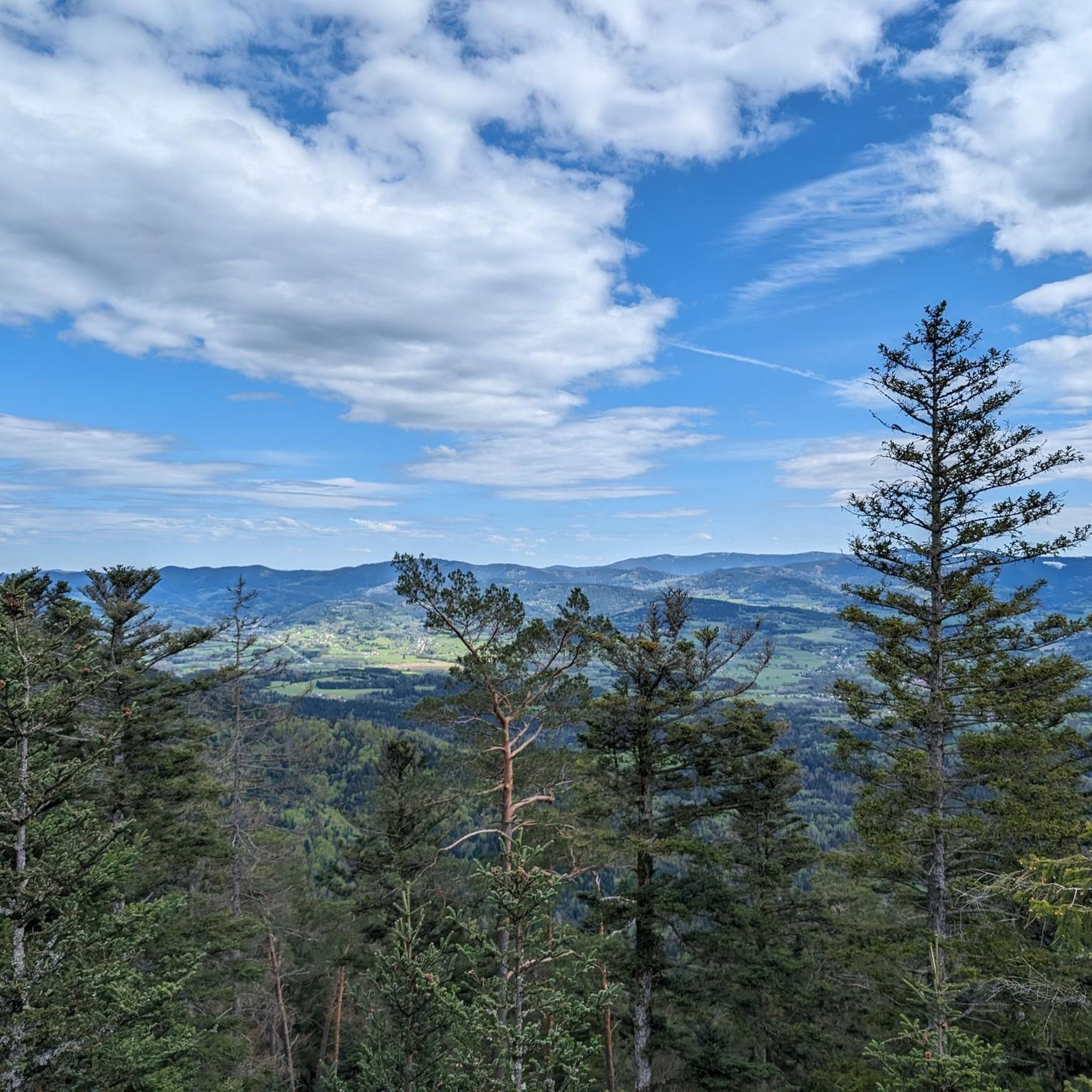
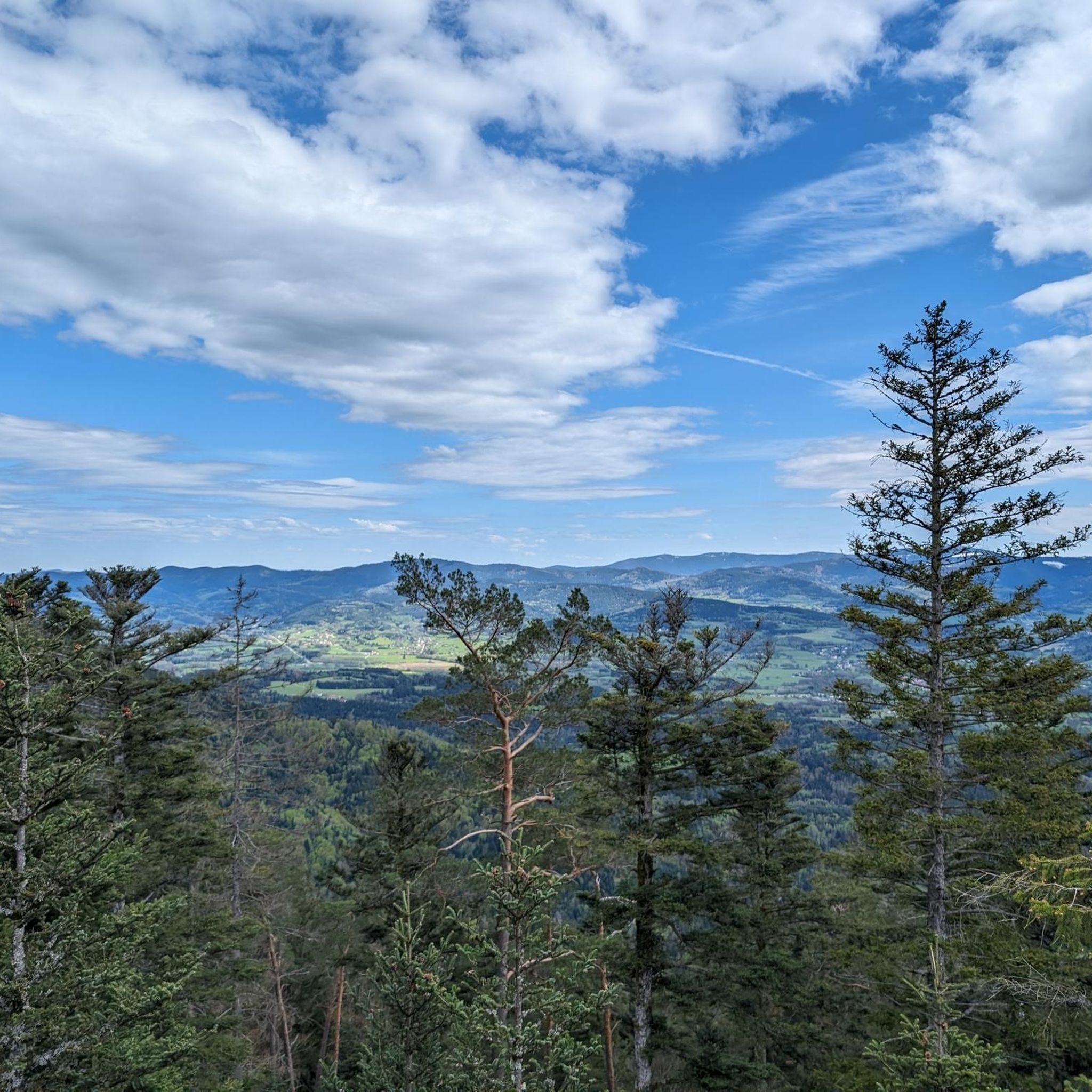
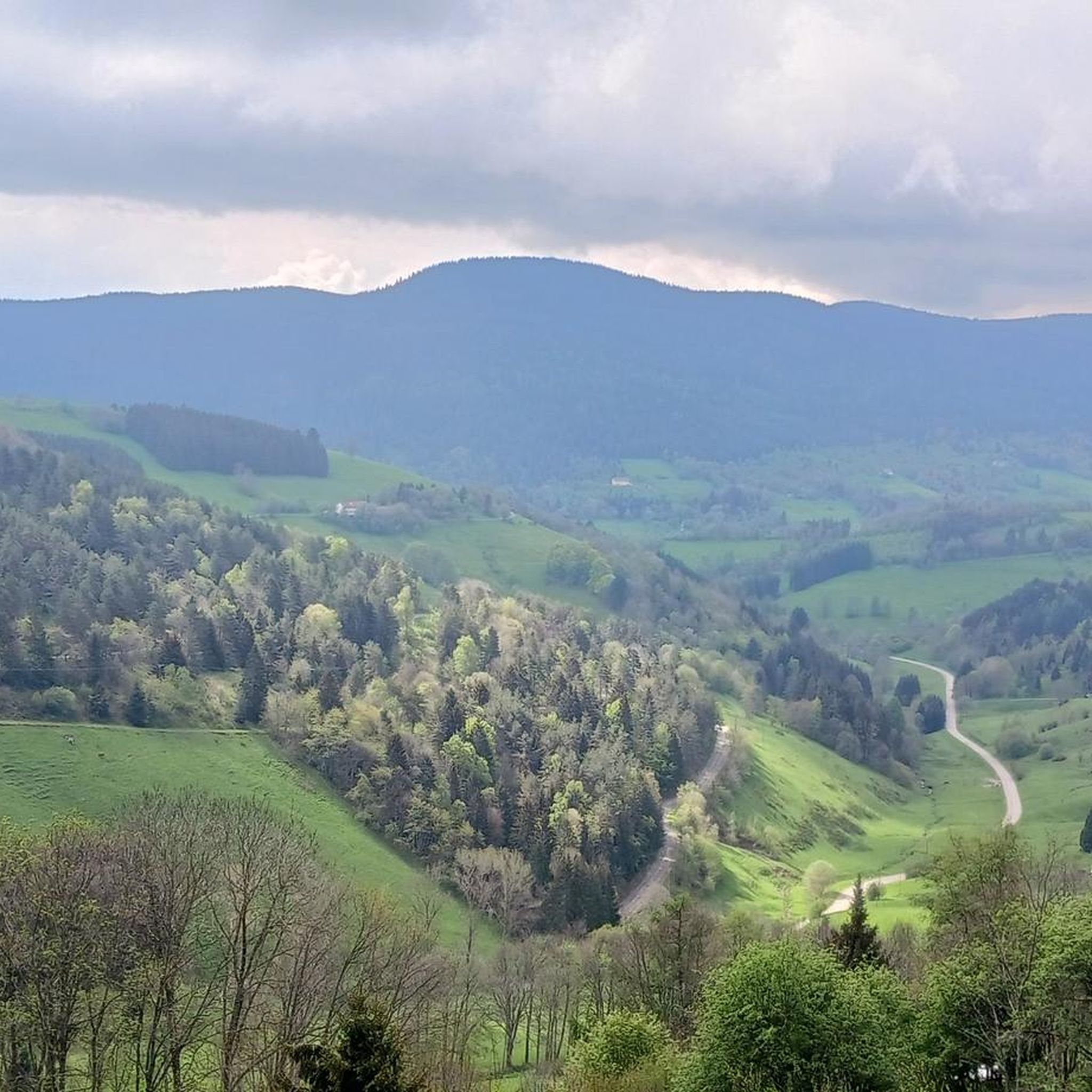
Col de Mandray (694 m) is a quiet and steady climb in the Vosges, ideal for a relaxing ride or as a warm-up for more difficult cols. From Fraize you climb over 4.5 km with an average gradient of 4.2%. The road is well passable, with little traffic and beautiful views over the Meurthe valley. A hidden gem for those who love quiet, natural climbs.
11
0

The surface isn't the best in some places, but you can still ride downhill well.
0
0

If you are coming from the direction of the Col de Bonhomme or the Route de Cretes, this is the best alternative to the busy yellow road. Going the other way... phew 😁
0
0
Instead of driving down the Col de Bonhomme on the yellow road, there is an option to drive into the "forest" further up the Route de Cretes in the bend. You drive on tarred roads through the forest to the Col de Mandray. Simply great...
0
0

I recommend riding uphill (towards east) because the asphalt is very nasty in some places.
0
0

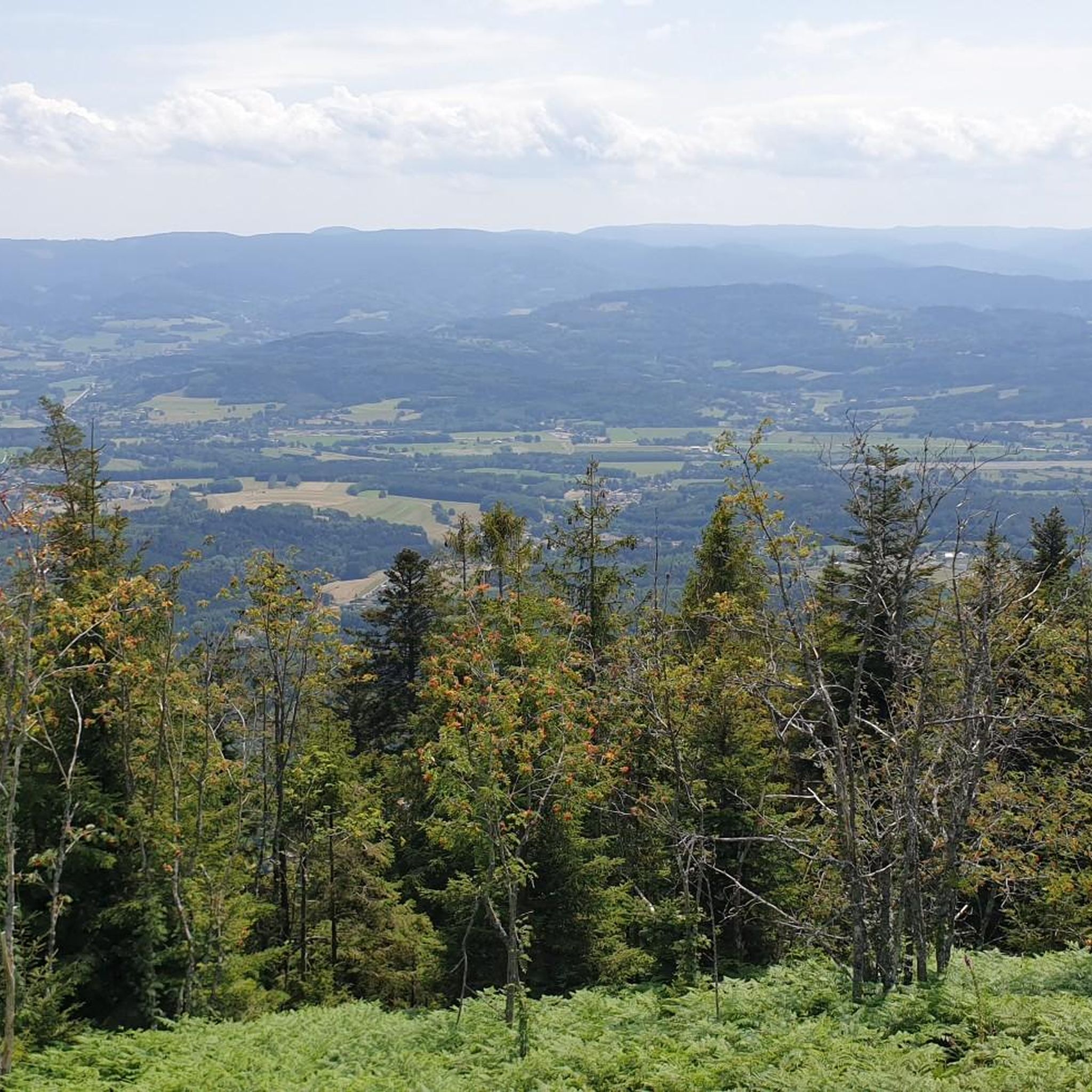
The Celtic camp of the Bure is a fortified plateau bordering the Haute-Meurthe valley in the Grand-East of France. The plateau, now wooded, lies between the communes of Saint-Dié-des-Vosges and that of Hurbache, at the western end of the Ormont massif. This site, known for 23 years of archaeological research from 1964 to 1986, has been classified as a Historical Monument since August 6, 1982. The site has been inhabited since at least the Neolithic period. Then used intensively by the Celts and later by the Romans. There is a lot to see from that time, also because there have not been any settlement activities worth mentioning for a long time. More information e.g. here: https://fr.wikipedia.org/wiki/Camp_celtique_de_la_Bure
6
0
La Fontanelle - military cemetery and battlefield Here are buried some French soldiers who lost their lives on the battlefield of Hill 627, as the military name goes, defending France against the German invaders in the First World War. There are several paths here, including around the old battlefield. The shortest way is about 600 meters long and also suitable for wheelchairs. There are some information boards with photos from the period 1914/15, when a cruel trench warfare took place here, which also killed three hamlets that were never rebuilt. At the car park there are large information boards in three languages (French, English and German). Ancient trenches and fortified positions can still be found throughout the area. Unfortunately, also ammunition that did not detonate and can therefore pose a great danger to the curious person. Take care of your children and leave any finds lying around. Here is some information in German: https://de.wikipedia.org/wiki/La_Fontenelle
2
0
As early as the 7th century, Deodatus (French Dieudonné), who was revered by the people as a saint, is said to have founded a monastery here, from which a community of canons then developed in the 10th century. At that time the church wore the patron saint of St. Mauritius. The diocese of Saint-Dié was only established in 1777 by Pope Pius VI. († 1799) built. The church building, which was built in different architectural styles, was blown up by the Germans in 1944, destroying the entire nave and the choir area along with their vaults. The reconstruction lasted until 1974; in this year the church was newly consecrated. Most of the stained glass windows were made and inserted in the 1980s. https://en.wikipedia.org/wiki/Cathedral_of_Saint-Di%C3%A9
2
0
Frequently Asked Questions
What historical sites can I visit near Pair-et-Grandrupt?
The region offers several significant historical sites. You can explore the ancient La Bure Celtic Camp, a fortified plateau inhabited since the Neolithic period and used by Celts and Romans. Another poignant site is the Trail of the Hamlets Fallen for France – La Fontenelle, a World War I battlefield and military cemetery with informative boards. Additionally, the Saint-Dié Cathedral, with its origins in the 7th century, showcases diverse architectural styles and a rich history.
Are there any natural attractions or viewpoints worth visiting?
Absolutely. The area is rich in natural beauty. The Col de Mandray offers a quiet mountain pass with beautiful views over the Meurthe valley, ideal for a relaxing bike ride. Another scenic route is the Col du Pré de Raves, a magnificent forest road. You can also explore the Massif du Kemberg, known for its natural rock formations like the Roche Saint-Martin and Roche d'Anozel, or the Massif de l'Ormont which features the beautiful Cascade des Molières.
What outdoor activities are popular around Pair-et-Grandrupt?
The region is excellent for outdoor enthusiasts. Cycling is popular, with passes like Col de Mandray and Col du Pré de Raves offering scenic routes. There are numerous hiking trails, particularly around the Massif de l'Ormont and the Kemberg. For more structured routes, you can find various options for mountain biking, cycling, and road cycling. For example, explore MTB trails like the 'Pépinière du Paradis – Molières Waterfall loop' or road cycling routes such as the 'Fave Valley – Coinches Hill Climb loop'. You can find detailed routes in the MTB Trails, Cycling, and Road Cycling guides for the area.
Are there any family-friendly attractions in the vicinity?
Yes, the Saint-Dié Cathedral is considered family-friendly, offering a glimpse into centuries of history and architecture. For a different kind of family outing, the Scierie Hydraulique-Musée de Mandray provides an interesting look at local industrial heritage, often with guided tours in summer. Aquanova America in Saint-Dié-des-Vosges also offers a leisure option for families.
Which attractions are accessible for wheelchairs?
The Trail of the Hamlets Fallen for France – La Fontenelle offers a wheelchair-accessible path, approximately 600 meters long, allowing visitors to explore the historical battlefield and military cemetery. Information boards at the car park are also available in multiple languages.
What is the best time of year to visit Pair-et-Grandrupt for outdoor activities?
The spring, summer, and early autumn months (roughly April to October) are generally ideal for outdoor activities like hiking and cycling, as the weather is milder and the natural landscapes are at their most vibrant. For winter sports, several ski resorts like Station du Lac Blanc and La Bresse-Hohneck are within a reasonable distance, making winter a good time for snow-related activities.
Are there any museums or cultural heritage sites nearby?
Beyond the historical sites, you can visit the Scierie Hydraulique-Musée de Mandray, which showcases the region's industrial past with a hydraulic sawmill. The Tellure mining museum in Sainte-Marie-aux-Mines also offers insights into the area's mining history. For a broader cultural experience, the charming Old Town of Colmar, known as 'La Petite Venise,' is about 34 km away and features beautiful architecture and canals.
Can I find dog-friendly trails or attractions?
Many of the natural trails and forest roads in the region, such as those around the Massif de l'Ormont and the Kemberg, are generally dog-friendly, allowing you to enjoy hikes with your canine companion. Always ensure your dog is on a leash and that you clean up after them to preserve the natural environment for everyone.
Where can I find information about parking for attractions?
For the Trail of the Hamlets Fallen for France – La Fontenelle, there is a dedicated car park with large information boards. For the La Bure Celtic Camp, parking is typically available near the site's access points. For other attractions, it's advisable to check local signage or specific attraction websites for parking details.
What do visitors enjoy most about the attractions around Pair-et-Grandrupt?
Visitors frequently praise the quiet and steady climbs of mountain passes like Col de Mandray, noting the beautiful views and low traffic. The historical significance and well-preserved nature of sites like the La Bure Celtic Camp and the Trail of the Hamlets Fallen for France – La Fontenelle are also highly appreciated, with many finding the information boards and trails very engaging. The scenic forest roads, such as Col du Pré de Raves, are also popular for their natural beauty.
Are there any notable gardens to visit in the area?
Yes, the region features several beautiful gardens. The Jardins de Callunes are about 7km away, offering a pleasant horticultural experience. Further afield, you can find the Jardin botanique de Gondremer (22km) and the Jardins de l'Abbaye Notre-Dame (24km), both providing serene natural settings for a leisurely visit.
Most popular routes around Pair-Et-Grandrupt
Most popular attractions around Pair-Et-Grandrupt

Get inspired with the komoot mobile app


Explore more
Still not found the Highlight you’re looking for? See guides of the top attractions in other regions:
