Top 4 Castles around Lormont
Castles near Lormont France include several historic châteaux, each with distinct features and histories. Lormont, a commune overlooking the Garonne River, offers a blend of architectural styles and historical significance. The area provides views of the Garonne and the Bordeaux metropolis, featuring structures that have evolved from medieval fortresses to modern civic spaces. These sites contribute to the region's cultural landscape.
Best castles around Lormont
- The most popular castles is Château du Hâ, Palais Justice & École nationale magistrature,…
Last updated: November 12, 2026
Château du Hâ, Palais Justice & École nationale magistrature
Highlight • Castle
Translated by Google •
Tip by

Château du Dragon
Highlight • Castle
Translated by Google •
Tip by

Sign up now to discover places like this
Get recommendations on the best single tracks, peaks, & plenty of other exciting outdoor places.
Château Haut-Brion, Pessac
Highlight • Castle
Tip by
Blanquefort Fortress
Highlight • Castle
Translated by Google •
Tip by

Start today with a free account
Your next adventure awaits.


Other adventures around Lormont

Tips from the Community

The Blanquefort fortress dates from the 12th century. It played a crucial role in the defense of the region. Originally, the castle was built on a rocky islet in the heart of a marsh. Today in ruins, the fortress is worth the detour.
1
0

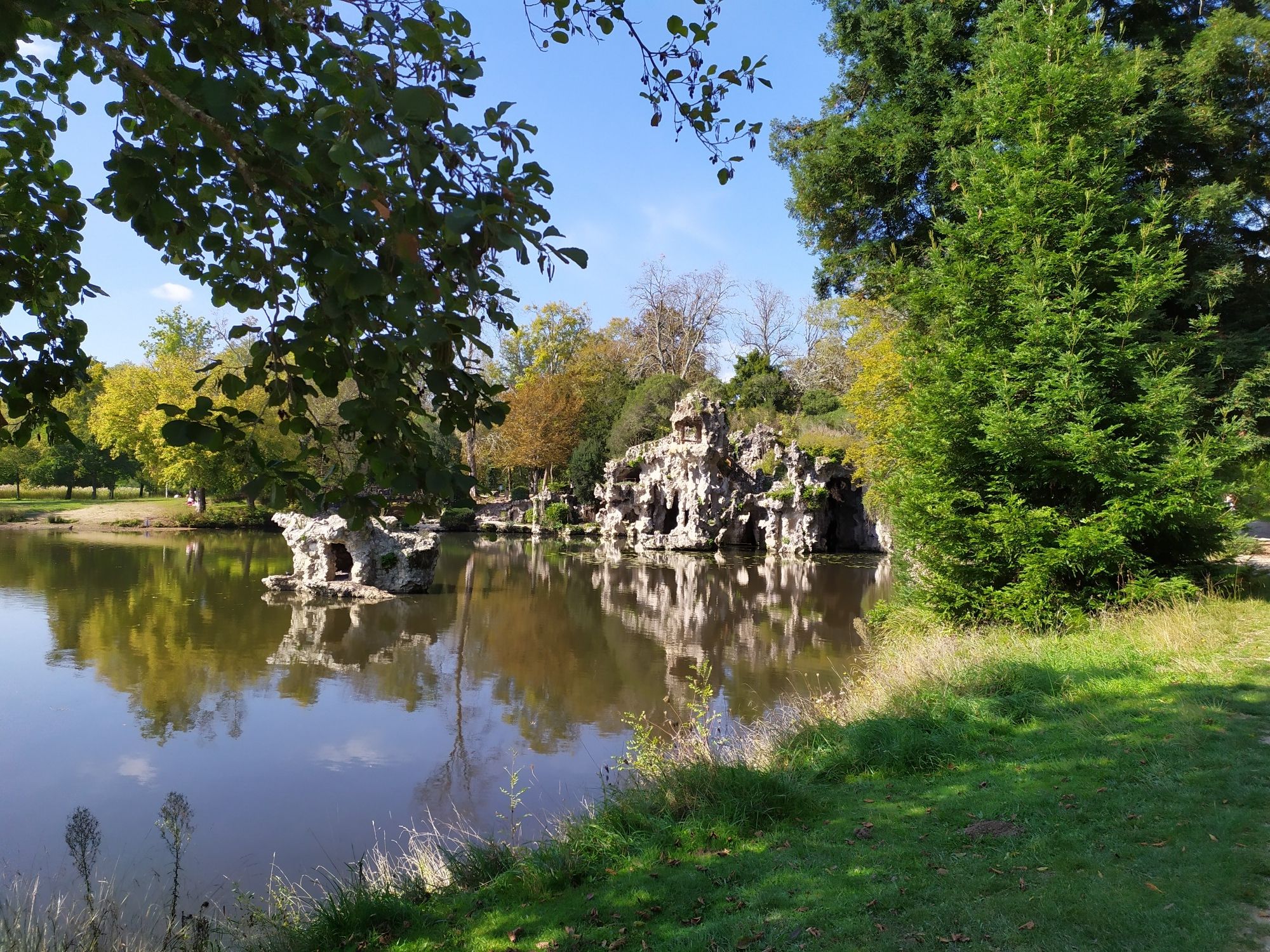
Superb ruined castle in the middle of paths and tall grass. Vegetation has taken over the castle and you can see trees growing on the roof. It takes its name from the plot where it was built. But its origin remains mysterious! All the more reason to let yourself be haunted by this building.
1
0

After lingering at Place Pey-Berland in front of Saint André cathedral, return to Pessac via rue des frères Bonie. Passage in front of the courthouse and its 7 courtrooms with pointed domes in reference to the seven deadly sins!
2
1
Superb castle in ruins in the middle of paths and tall grass. Vegetation has taken over the castle and you can see trees growing on the roof. It takes its name from the plot where it was built. But its origin remains mysterious! All the more reason to be haunted by this building.
0
0

The fence is mostly closed, but lucky visitors are in for a treat in this formal wine chateau on the western outskirts of Bordeaux.
2
1
The castle of Hâ, also named Fort Hâ, is an old fortress of Bordeaux, on the site of which are currently erected the Palace of Justice and the National School of the Judiciary. It was built by decision of King Charles VII, immediately after the final resumption of Bordeaux to the English in 1453. Its two towers (English and Minimes) are preserved. https://fr.wikipedia.org/wiki/Ch%C3%A2teau_du_H%C3%A2
5
1
Frequently Asked Questions
What historical castles can I explore near Lormont?
Lormont and its surroundings offer several historically significant châteaux. The Château du Hâ, for instance, is an ancient fortress in Bordeaux, built after the Hundred Years' War, with two of its original towers still standing. Another notable site is the Blanquefort Fortress, a 12th-century ruin that once played a crucial role in regional defense, originally situated on a rocky islet.
Are there any châteaux in Lormont with panoramic views?
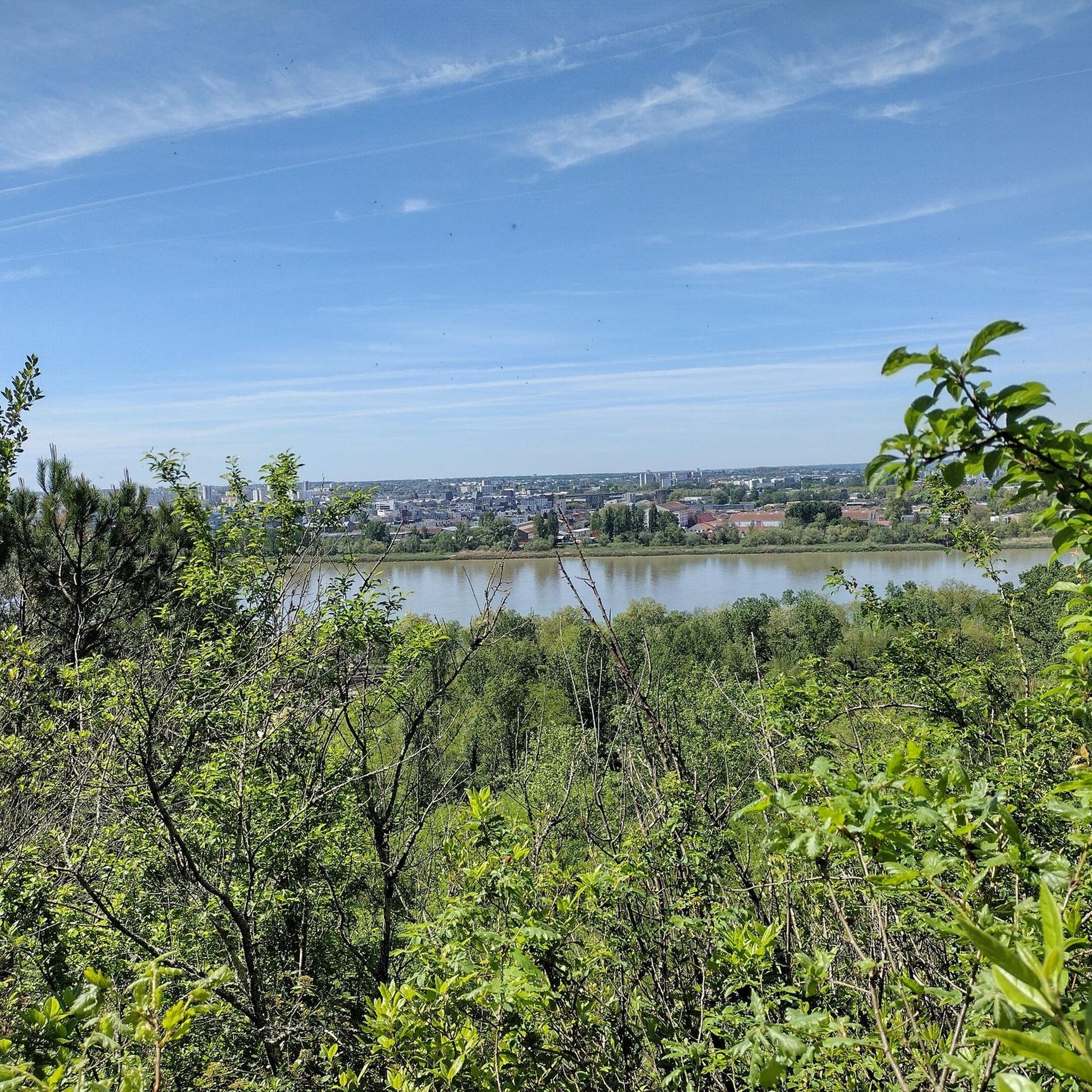
Yes, the region boasts châteaux offering stunning vistas. The historic Château de Lormont, also known as Château du Prince Noir, is perched on a bluff with panoramic views of the Garonne River and the entrance to Bordeaux. Similarly, the magnificent Louis XIII-style Château des Iris provides one of the most beautiful viewpoints over the Garonne and the Bordeaux metropolis.
Can I visit any ruined or atmospheric castles in the Lormont area?
For those interested in atmospheric ruins, the Château du Dragon is a superb ruined castle where vegetation has reclaimed its structure, with trees growing on its roof. Its origins remain mysterious, adding to its haunting charm.
What outdoor activities can I do near the castles around Lormont?
The area around Lormont offers various outdoor activities. You can find numerous cycling routes, including traffic-free options, and hiking trails. For detailed hiking routes, explore the Hiking around Lormont guide, which features trails like the 'View of the Garonne – Hermitage Park loop'. For cycling, check out the Cycling around Lormont guide for routes like the 'Jacques Chaban-Delmas Bridge – Great wide cycle path loop'.
Are there any châteaux in Lormont that have been repurposed or adapted for modern use?
Yes, several châteaux in Lormont have found new life. The historic Château de Lormont, after extensive renovation, now houses offices, a renowned gastronomic restaurant, and a local drama school. Château Génicart, originally a 17th-century construction, now serves as the city's civic space, with its former vineyards replaced by urban development and public gardens.
What is the best time of year to visit castles around Lormont?
Visiting castles around Lormont is pleasant throughout much of the year. Spring and autumn offer mild weather, ideal for exploring both the châteaux and the surrounding natural landscapes. Summer can be warm, but the views over the Garonne are particularly clear. Winter visits are also possible, though some sites might have reduced hours.
Are there any family-friendly activities or parks near the châteaux in Lormont?
While specific family-friendly activities directly within the châteaux vary, the Château des Iris serves as a remarkable entrance to the Parc de l'Ermitage, where its outbuildings host children's leisure centers and cultural workshops. This park offers green spaces for families to enjoy near the historic site.
What are the public transport options for reaching castles in Lormont?
Lormont is well-connected within the Bordeaux metropolis. Public transport, including trams and buses, can take you to various points in Lormont, making it possible to access areas near the châteaux and the Parc de l'Ermitage. Specific routes and stops would depend on your starting location and the château you wish to visit.
Can I find any wine-related châteaux in the Lormont vicinity?
Yes, the Bordeaux region is famous for its wine. While not directly in Lormont, the renowned Château Haut-Brion in Pessac, a formal wine château, is located on the western outskirts of Bordeaux and is a significant site for wine enthusiasts.
Are there any châteaux around Lormont that are known for their architectural style?
The Château des Iris stands out for its magnificent Louis XIII-style architecture, built in 1864. The Château de Lormont also showcases an interesting architectural blend, having been rebuilt multiple times throughout its history, including a notable neo-Gothic restoration in the 19th century.
Where can I find cafes or restaurants near the castles in Lormont?
Lormont town center and areas around the Parc de l'Ermitage offer various cafes and restaurants. The Château de Lormont itself houses a renowned gastronomic restaurant, providing an opportunity for a meal in a historic setting. You'll find options ranging from casual eateries to more formal dining experiences.
What is the historical significance of Château de Lormont?
The Château de Lormont holds immense historical significance, dating back to an 11th-century fortress. It reportedly hosted Eleanor of Aquitaine and served as a residence for the Prince of Aquitaine, the Black Prince. It was also the site of negotiations in 1453 that led to the end of the Hundred Years' War, making it a pivotal location in French history.
Most popular routes around Lormont
Most popular attractions around Lormont

Get inspired with the komoot mobile app


Explore more
Looking for the best castles somewhere else? Discover other guides around Lormont:
