Attractions and Places To See around Dannemois - Top 20
Best attractions and places to see around Dannemois include a blend of historical landmarks, cultural sites, and natural features. This charming village in the Essonne department of France is known for its connection to famous personalities and its tranquil setting along the École River. The surrounding region offers opportunities for nature walks amidst pine trees and rocky landscapes.
Best attractions and places to see around Dannemois
- The most popular attractions is Cross of Lorraine on the Maquisards' Pignon, a…
Last updated: July 29, 2026
Cross of Lorraine on the Maquisards' Pignon
Highlight • Monument
Translated by Google •
Tip by

Barbizon Village
Highlight • Settlement
Translated by Google •
Tip by

Sign up now to discover places like this
Get recommendations on the best single tracks, peaks, & plenty of other exciting outdoor places.
Sign up for free
Fleury-en-Bière Castle
Highlight • Castle
Translated by Google •
Tip by

The Cyclop
Highlight • Monument
Translated by Google •
Tip by

Sequoia Avenue at Villeroy Park
Highlight (Segment) • Natural Monument
A little history: the Mennecy sequoia avenue was planted in Villeroy park in 1887 at the request of the Darblay family, owner of …
Translated by Google •
Tip by

Sign up for free to discover even more attractions around Dannemois.
Sign up for free
Already have an account?
Start today with a free account
Your next adventure awaits.
Login or Signup
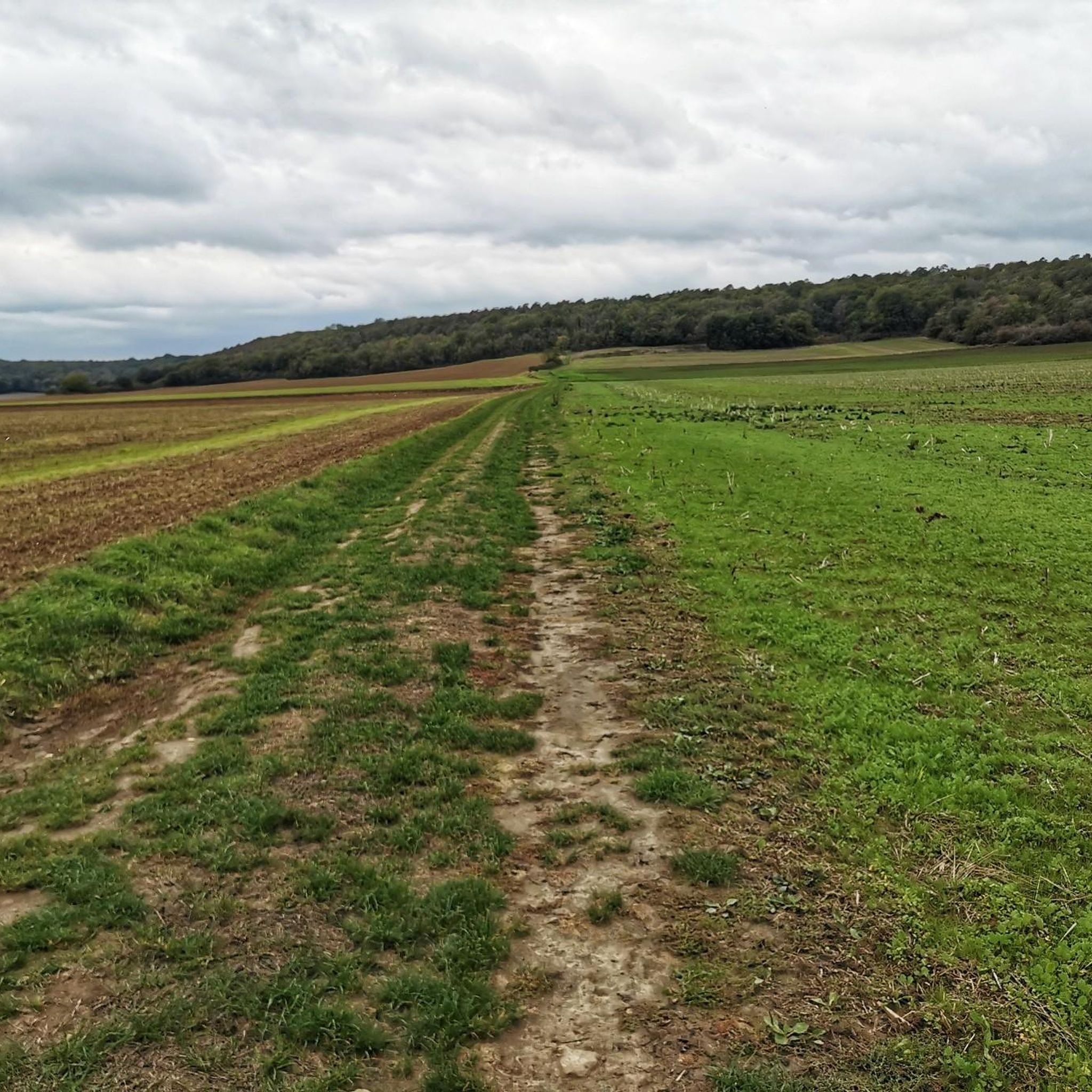
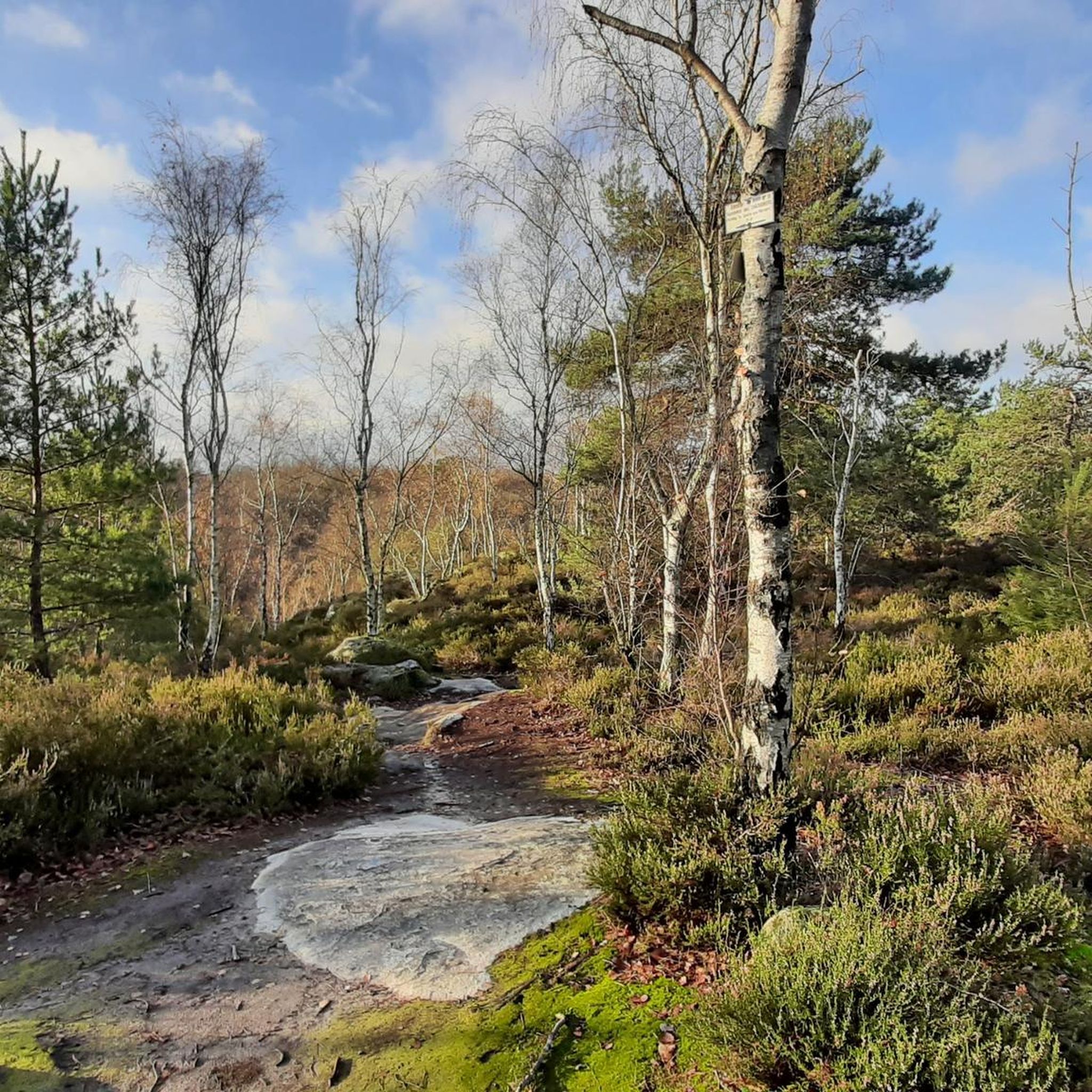
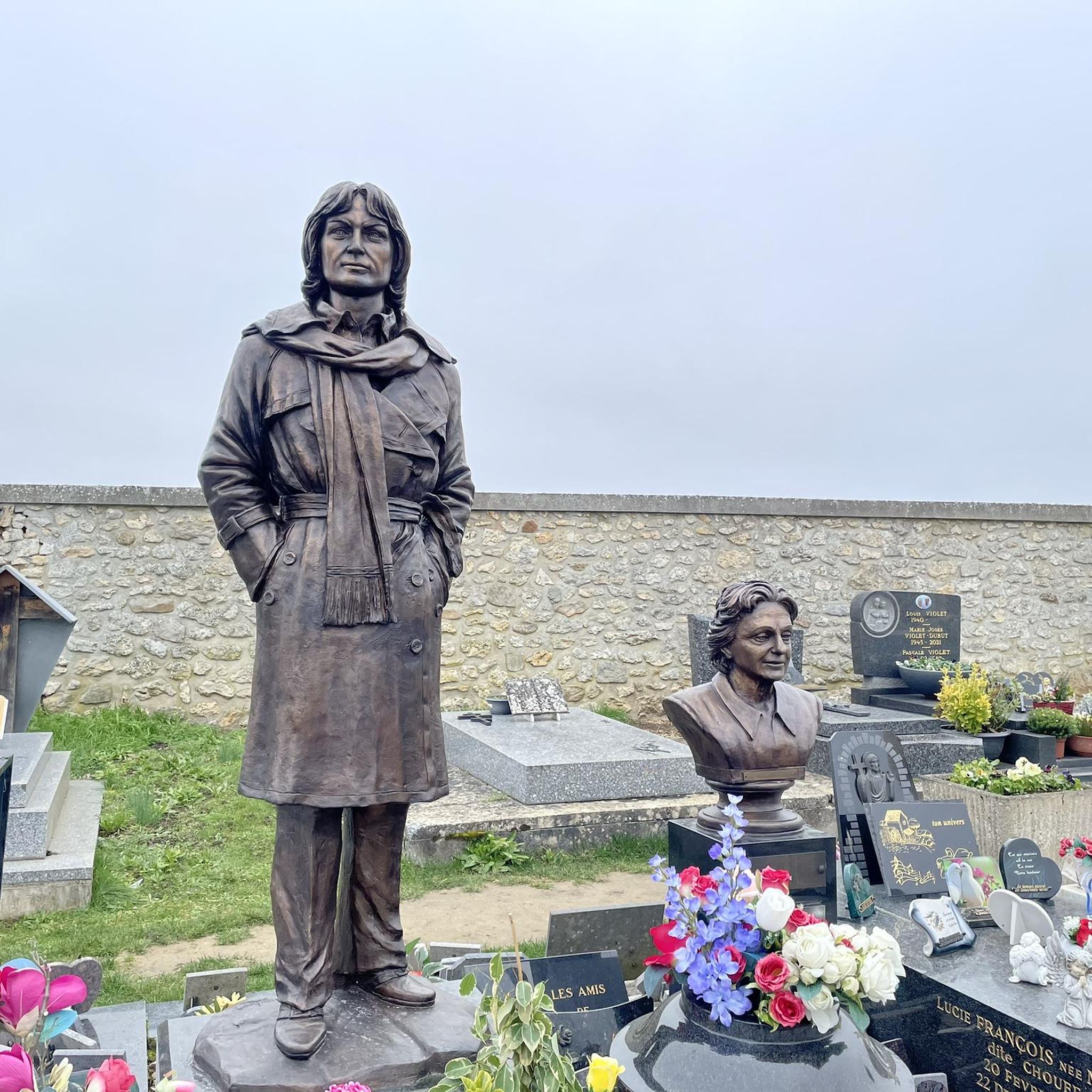

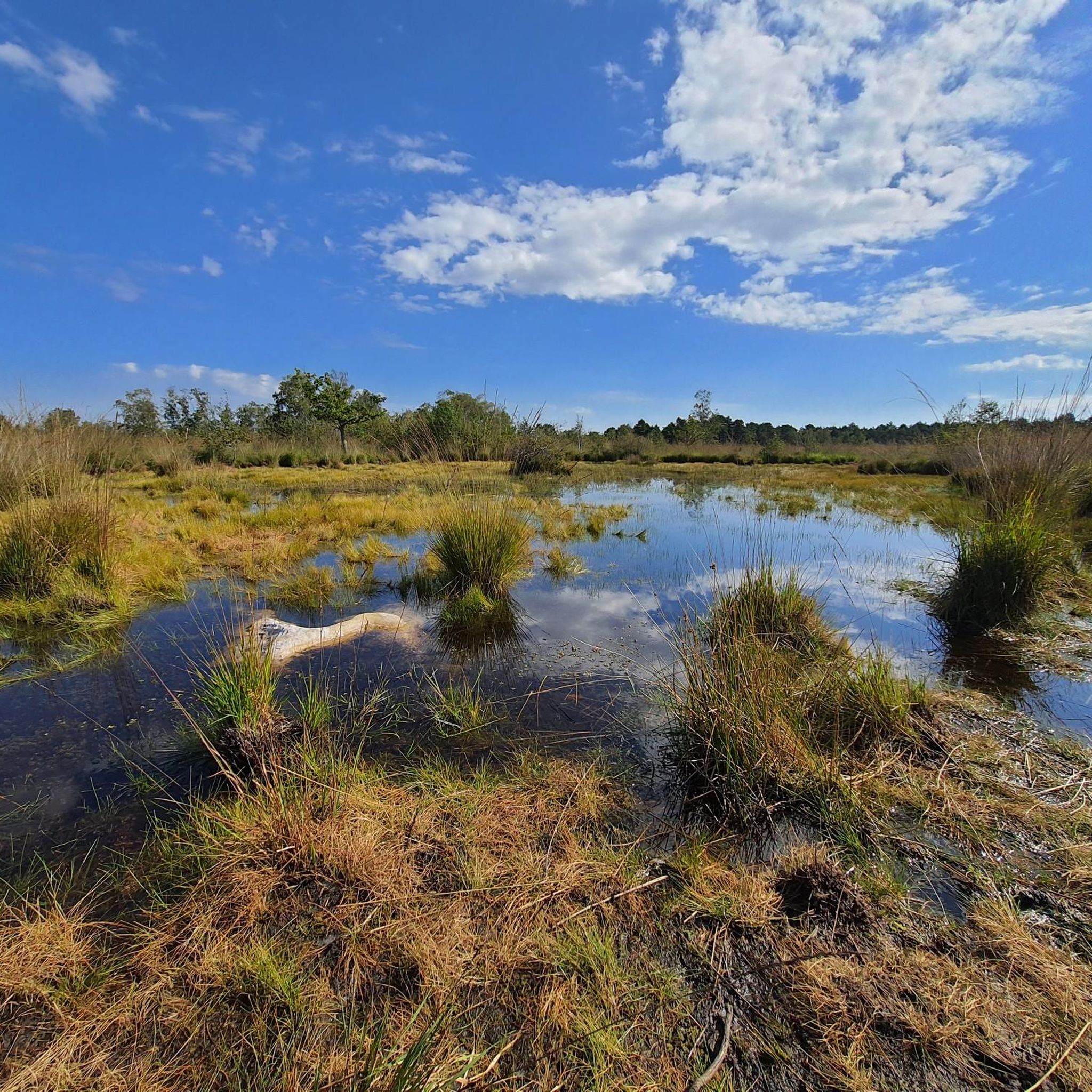
Tips from the Community


Barbizon, a must-see of must-sees! Even the streets are decorated with mosaic paintings! Unclassifiable!
0
0

This Lorraine cross is actually located on the gable of the maquisards. There is a beautiful view of Fontainebleau. This place also serves as a break/photo point for trailers/hikers.
0
0


The cyclops visit is not free, 12 euros entry but it lasts 45 minutes and is very interesting. Limit of 25 people at a time. Please note that photos inside are prohibited. I recommend the first visit at 10:30 a.m. (less crowded)
2
0

This was one of the locations used for the filming of the 3 Mousquetaires with Vincent Cassel, François Civil, Romain Dursis & Pio Marmai
0
0

there are also exhibitions, workshops, pretty pottery for sale https://www.la-juxtaposition.com/
1
0
Great tea room in Barbizon. Warm welcome, which is not the case everywhere in this slightly upscale town where there are more SUVs than gravels. Very good cheesecakes. A stove to warm your feet in winter.
1
0
Frequently Asked Questions
What historical and cultural sites can I explore in Dannemois and the surrounding area?
Dannemois is rich in history. You can visit the famous Le Moulin de Dannemois, once the home of singer Claude François, which now serves as a museum. The 12th-century Church of Saint-Mammès with its distinctive Gothic choir is also notable. Nearby, in Milly-la-Forêt, is the Maison Jean Cocteau, a cultural site dedicated to the artist. The village of Barbizon Village, known for its painters, is also a significant historical spot. Further afield, you can find the impressive Fleury-en-Bière Castle and the grand Fontainebleau Palace.
Are there any natural attractions or viewpoints near Dannemois?
Yes, the region offers beautiful natural spots. The École River flows through Dannemois, providing tranquil settings for walks. You can also visit the Sequoia Avenue at Villeroy Park in nearby Mennecy, which is the second-longest of its kind in Europe. For panoramic views, head to the Cross of Lorraine on the Maquisards' Pignon, which commemorates resistance fighters and offers stunning vistas towards Fontainebleau.
What kind of outdoor activities can I do around Dannemois?
The area around Dannemois is perfect for outdoor enthusiasts. You can find numerous routes for hiking, mountain biking, and cycling. For example, there are easy hiking routes like the "Mardelas Washhouse – Domaine de Courances loop from Dannemois" (6.9 km) or moderate MTB trails such as the "Champcueil Descent – Buisson Tower loop from Dannemois" (44.2 km). You can explore more options for hiking, MTB, and cycling on komoot.
Are there family-friendly attractions or activities in Dannemois?
Absolutely! Many attractions cater to families. The Barbizon Village is described as family-friendly with picturesque settings and restaurants. The Countryside and Nature Walks along the École River and through the surrounding pine trees and rocky landscapes offer a serene escape for families. The Fleury-en-Bière Castle, while private, is still appreciated for its grandeur by visitors of all ages.
What are some easy walking routes near Dannemois?
For easy walks, consider the "Mardelas Washhouse – Domaine de Courances loop from Dannemois," which is about 6.9 kilometers long. Another easy option is "The Garnet Mill – Domaine de Courances loop from Moigny-sur-École," spanning approximately 4.6 kilometers. These routes offer a gentle way to experience the local scenery. You can find more easy hiking options in the hiking guide for Dannemois.
What do visitors enjoy most about the attractions around Dannemois?
Visitors particularly appreciate the blend of history and nature. The Cross of Lorraine on the Maquisards' Pignon is loved for its magnificent views and peaceful atmosphere. Barbizon Village is praised for its picturesque charm and lovely restaurants, making it an ideal stop after a hike. The Sequoia Avenue at Villeroy Park is admired for its impressive giant trees and historical significance.
Are there any unique natural features or monuments to see?
Beyond the general countryside, the Sequoia Avenue at Villeroy Park stands out as a unique natural monument. Planted in 1887, this 800-meter-long avenue features 134 giant sequoias, some over 30 meters tall and 4 meters in circumference, making it the second-longest sequoia avenue in Europe.
Can I find cafes or places to eat near the attractions?
Yes, especially in the charming villages. Barbizon Village is known for its very nice restaurants, perfect for a meal or an ice cream. Milly-la-Forêt also has amenities, including a historic market hall, where you might find local treats. While specific cafes along walking trails aren't detailed, these villages offer good options for refreshments.
What is Milly-la-Forêt and what can I see there?
Milly-la-Forêt is a nearby town with significant historical and cultural sites. It features "La Halle," a historic market hall classified as a Historic Monument since 1923. You can also visit the Maison Jean Cocteau, where the famous artist lived, and the Chapel of Saint-Blaise-des-Simples. The town's collegiate church, Notre-Dame de l’Assomption, also has a rich history dating back to the 11th century.
Are there any specific historical buildings or structures in Dannemois itself?
Within Dannemois, you can find the 12th-century Church of Saint-Mammès, notable for its Gothic choir and ancient tombstones. The village also preserves several traditional Historic Wash-houses along the École River, such as the Mardelas Wash-House and the Croix de Loutre Wash-House, offering a glimpse into the village's past.
What are some notable castles or châteaux in the wider region around Dannemois?
Beyond Dannemois, the region boasts several magnificent castles. The Fleury-en-Bière Castle is a grand, impressive structure, though it is private property. Further afield, you can visit the UNESCO World Heritage site of Fontainebleau Palace, known for its royal apartments, and the classical Château de Vaux-le-Vicomte, which inspired Versailles.
Are there any viewpoints that offer scenic vistas?
Yes, the Cross of Lorraine on the Maquisards' Pignon is a highly recommended viewpoint. It offers beautiful panoramic views towards the Fontainebleau forest and is a great spot to sit down and take a break while enjoying the scenery.
Most popular routes around Dannemois
Most popular attractions around Dannemois

Get inspired with the komoot mobile app


Explore more
Still not found the Highlight you’re looking for? See guides of the top attractions in other regions:
