Top 18 Natural Monuments around Romansweiler
Best natural monuments around Romansweiler are found in the Grand Est region, nestled within the Alsatian countryside. This area serves as a gateway to the Parc Naturel Régional des Vosges du Nord, offering a rich natural diversity. The landscape features winding trails through forests and hills, alongside granite rock formations. It provides opportunities for exploring diverse flora and fauna, making it a destination for nature enthusiasts.
Best natural monuments around Romansweiler
- The most popular natural monuments is Haut-Barr Castle,…
Last updated: May 29, 2026
Haut-Barr Castle
Highlight • Castle
Translated by Google •
Tip by

Ruins of Nideck Castle
Highlight • Castle
Translated by Google •
Tip by
Sign up now to discover places like this
Get recommendations on the best single tracks, peaks, & plenty of other exciting outdoor places.
Sign up for free
Brotsch Cave
Highlight • Natural Monument
Also popular with climbers, which is evident not only from the steel eyelets, but also from the residue of magnesia ...
Translated by Google •
Tip by

Schneeberg Summit
Highlight • Summit
Translated by Google •
Tip by

Rocher de Dabo and Chapel Saint-Léon IX
Highlight • Viewpoint
Translated by Google •
Tip by

Sign up for free to discover even more natural monuments around Romansweiler.
Sign up for free
Already have an account?
Start today with a free account
Your next adventure awaits.
Login or Signup
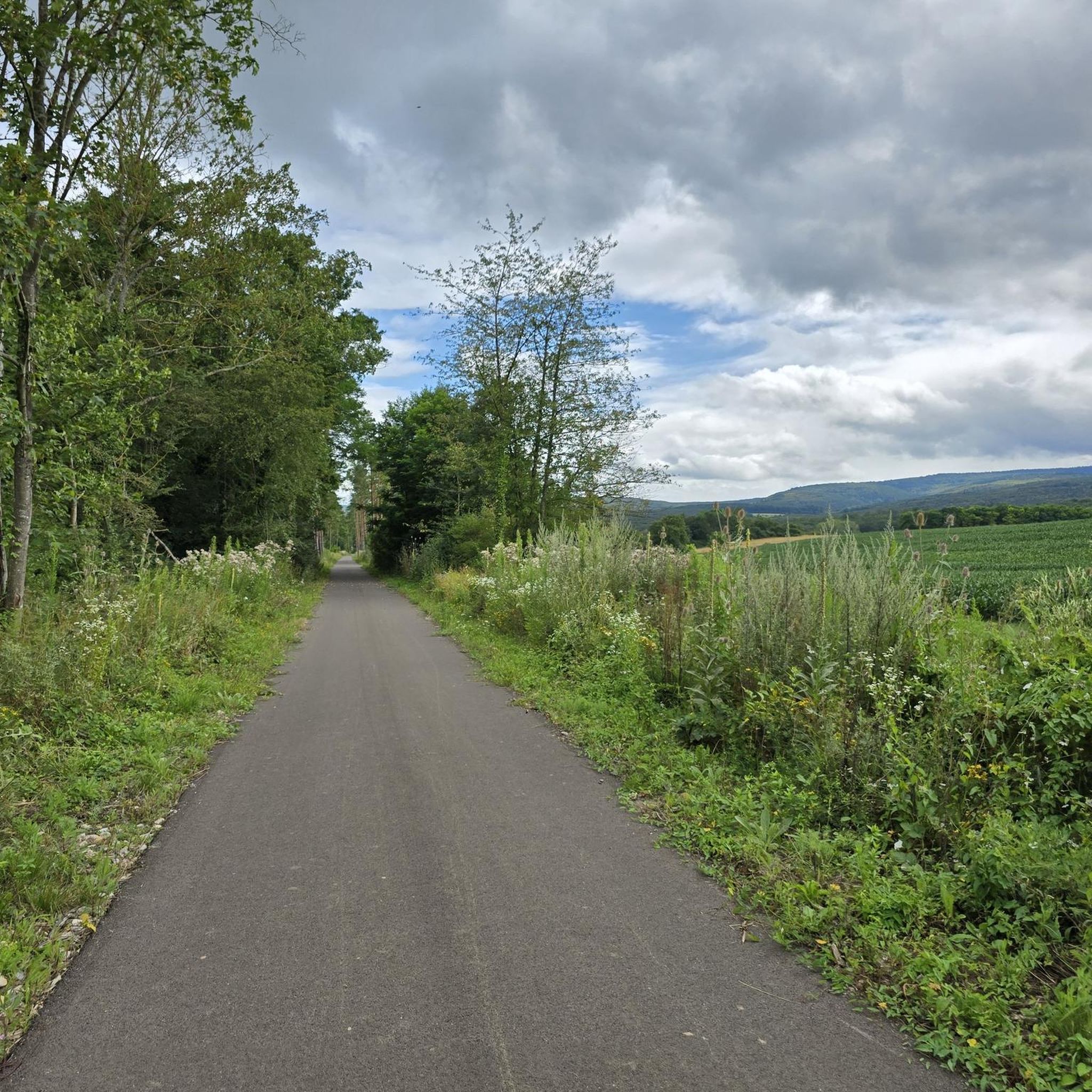
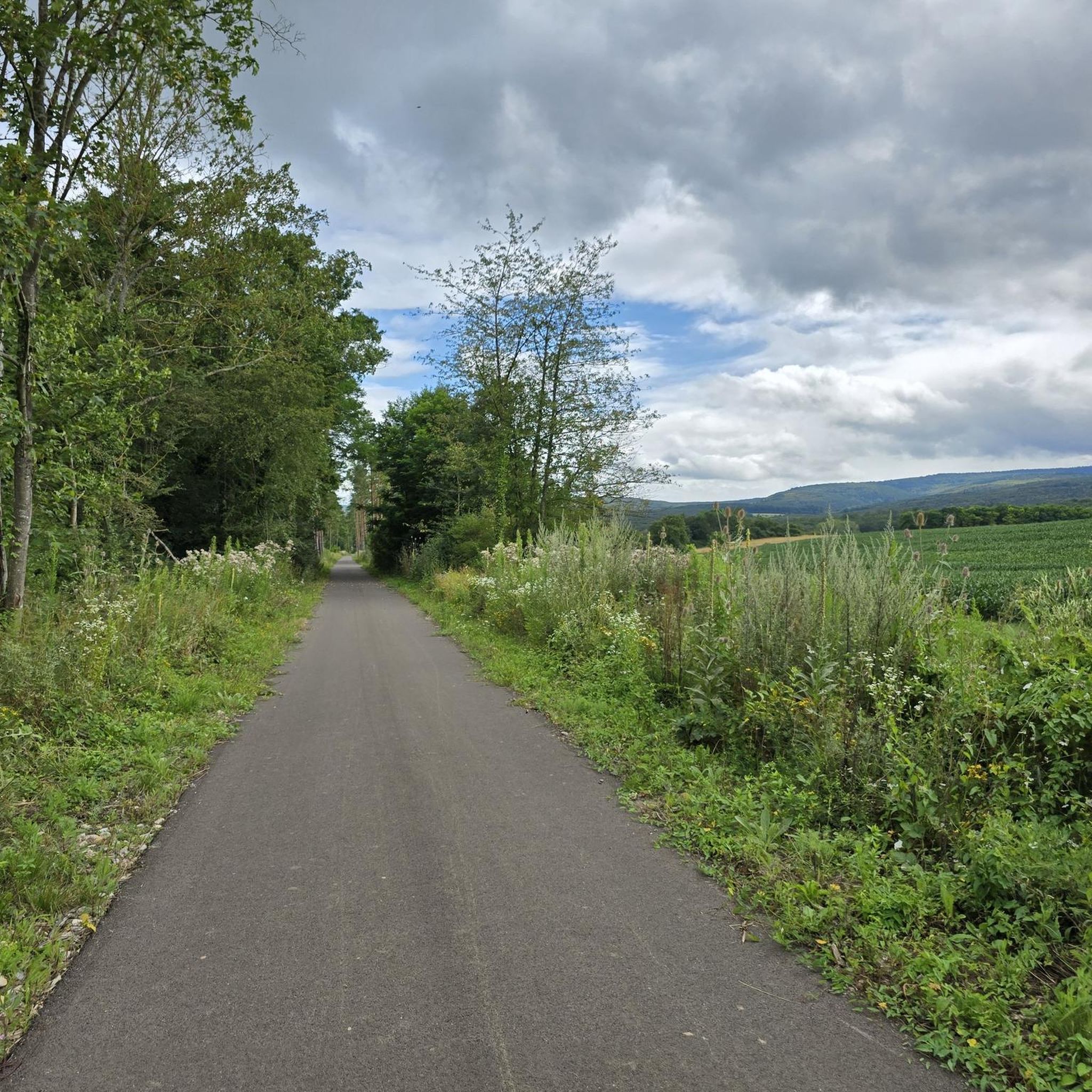
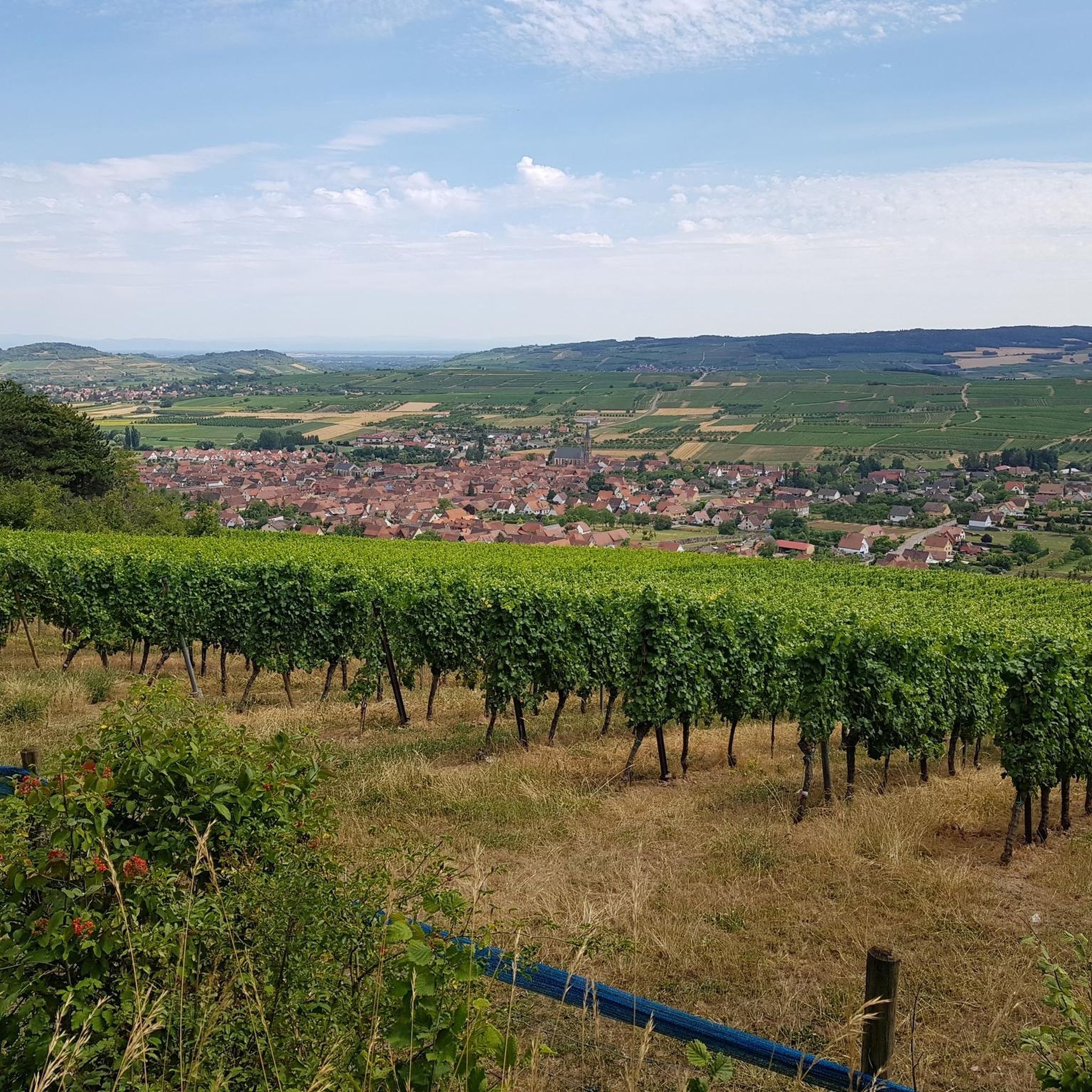
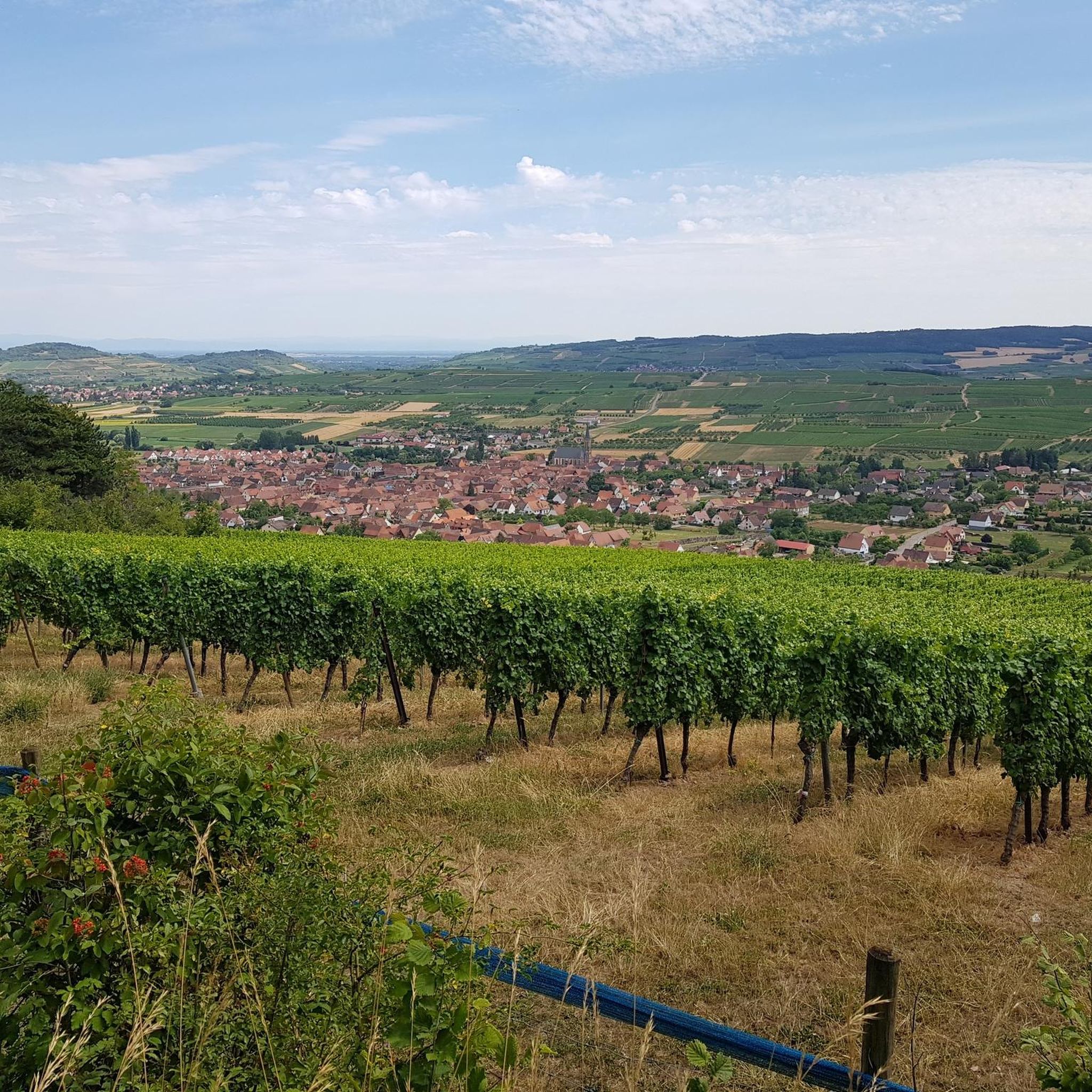

Tips from the Community

Fantastic view. Anyone attempting this should be free from vertigo. The descent is very steep and deep.
1
0

Elongated rock castle above the Zorn valley, southwest of Saverne. After a varied history, it has been state property for approx. 150 years. Varied structures from different eras in the inner courtyard. Great view over the Rhine valley and the northern Vosges.
3
0

It is worth climbing the steep steps of the ruins to the top of the remains of the tower... From the top you have a wonderful view over the wooded hills of the Vosges...
2
0

The castle ruins in the natural area, which have been listed as a historical monument since 1898, are not the remains of one but of two castles. The lower castle (Unternideck) was probably built in the first half of the 13th century. Today, the square keep and a fortified wall that separated the residential building can still be seen. The keep shows a change in the structure that indicates an interruption in construction (formats and unevenness of the stones, structure of the vaults...). The upper castle (Obernideck) was probably built in the 14th century. Its ruins are less well preserved, only a few heavily restored walls can still be seen. A castle on the Nideck was first mentioned in 1264. Sire Burckart lived here at that time. From 1336, the castle was a fief of the Diocese of Strasbourg and was then given to the citizens of Strasbourg. The inhabitants of both castles concluded several truces, especially in 1393 and 1422. These "peace treaties", which bear witness to the history of the place, laid down the rules for coexistence, supplies and armament of the fortress. From the 15th century onwards, the castle changed hands several times in successive attacks. The castle was finally destroyed in 1636 in the Thirty Years' War. Text of the information board
2
0

The Schneeberg is a Vosges summit which rises to an altitude of 961 meters and offers a superb view of the Champ du Feu plateau to the south. It also allows you to admire the upper Mossig valley and the Oedenwald forest.
5
0

Emerging from the forest, from a height of 664 meters, the pink sandstone rock is a unique site. Places of Celtic worship, the Rock was topped in medieval times by a powerful castle, seat of the legendary county of Dabo. It was destroyed in 1690 on the orders of Louis XIV when the county was annexed to France. The current neo-Romanesque chapel is dedicated to Pope Leo IX, a native of the country. The Rocher de Dabo offers a grandiose view of the vast Vosges forest and the Lorraine plateau. The Rock is visible all year round but access to the platform is regulated during the winter. https://www.visit.alsace/ An observation tower is also integrated into the chapel, from where you can probably admire one of the most beautiful panoramas of the Vosges (weather permitting).
4
0

This singular castle uses the rocks as elements of fortification. A belvedere located at the top constitutes a high point, as well as a bridge between two rocks.
2
0

In the country of Dabo, this rock seems to spring from the forest massif to offer a magnificent 360 degree panorama of the surroundings. Between Alsace and Lorraine, it allows you to admire the two regions for miles around. The chapel that culminates at its summit further enhances the landscape.
3
0
Frequently Asked Questions
What kind of natural features can I expect to see around Romansweiler?
The area around Romansweiler is rich in natural diversity, characterized by winding trails through forests and hills, and impressive granite rock formations. You'll find a variety of flora and fauna, especially within the nearby Parc Naturel Régional des Vosges du Nord. Highlights include the 25-meter high Nidecker waterfall near the Ruins of Nideck Castle, and the vast forests visible from various viewpoints.
Are there any historical natural monuments in the Romansweiler area?
Yes, several natural monuments are intertwined with historical sites. For instance, Haut-Barr Castle, often called the “Eye of Alsace,” is a castle built on and between three rocks, offering extensive views. The Ruins of Nideck Castle also provide a historical backdrop to the natural beauty of the upper Bruchetal forests.
What are some popular viewpoints to experience the natural beauty near Romansweiler?
For breathtaking panoramas, consider visiting Haut-Barr Castle, which offers views over the Vosges and the Rhine Valley. Another excellent spot is the Rocher de Dabo and Chapel Saint-Léon IX, providing a magnificent 360-degree panorama of the Vosges forest and the Lorraine plateau. The Schneeberg Summit also offers a superb view of the Champ du Feu plateau.
Are there opportunities for rock climbing near Romansweiler?
Yes, the local granite rock formations provide opportunities for rock-climbing. The Brotsch Cave, the largest natural cave in the Northern Vosges, is particularly popular with climbers, as evidenced by the steel eyelets and magnesia residue found there.
What outdoor activities can I do near these natural monuments?
The region offers diverse outdoor activities. You can explore numerous hiking trails, with options for various skill levels. Mountain biking is popular in warmer months, and during winter, the hills are suitable for Nordic skiing and other snow sports. For more specific routes, you can find detailed guides for road cycling, running, and mountain biking around Romansweiler.
Are there family-friendly natural monuments or activities around Romansweiler?
Many natural monuments in the area can be enjoyed by families. Exploring the grounds of Haut-Barr Castle with its “Devil's Bridge” walkway can be an exciting adventure. Gentle trails through the forests of the Parc Naturel Régional des Vosges du Nord are also suitable for family outings. Always check the difficulty of specific routes before heading out with children.
What is the best time of year to visit the natural monuments around Romansweiler?
The Parc Naturel Régional des Vosges du Nord and surrounding areas are ideal for outdoor activities throughout the year. Warmer months are perfect for hiking and mountain biking, while winter transforms the hills into spots for Nordic skiing and snow sports. The views from high points like the Rocher de Dabo are visible all year round, though access to its platform may be regulated in winter.
What makes the Parc Naturel Régional des Vosges du Nord a significant natural attraction near Romansweiler?
The Parc Naturel Régional des Vosges du Nord is a major draw due to its extensive marked hiking and cycling trails, catering to various skill levels. It boasts a wide variety of flora and exceptional fauna, including protected species. Its diverse landscapes, from forests to hills and granite formations, make it a prime destination for nature enthusiasts seeking outdoor activities.
What do visitors enjoy most about the natural monuments around Romansweiler?
Visitors frequently appreciate the stunning panoramic views, especially from locations like Haut-Barr Castle and the Rocher de Dabo. The combination of natural beauty with historical sites, such as the castle ruins and the Nidecker waterfall, also receives high praise. The opportunities for hiking and exploring the diverse landscapes are also a significant draw.
Are there any hidden natural gems or less-known spots worth exploring?
While not explicitly 'hidden,' the Brotsch Cave offers a unique experience as the largest natural cave in the Northern Vosges, combined with climbing opportunities and views. Exploring the less-trafficked trails within the broader Parc Naturel Régional des Vosges du Nord can also lead to discovering serene and less-known natural spots.
Can I find information about wildlife in the natural monuments area?
The Parc Naturel Régional des Vosges du Nord is known for its exceptional fauna, including protected species. While specific wildlife viewing spots are not detailed, exploring the forests and trails, particularly during quieter times, increases your chances of observing local wildlife in their natural habitats.
Most popular routes around Romansweiler
Most popular attractions around Romansweiler

Get inspired with the komoot mobile app


Explore more
Extend your search for the best caves by checking out these guides of the top ones around Romansweiler:
