The best road cycling routes around Boeschepe
4.3
(178)
9,063
riders
660
rides
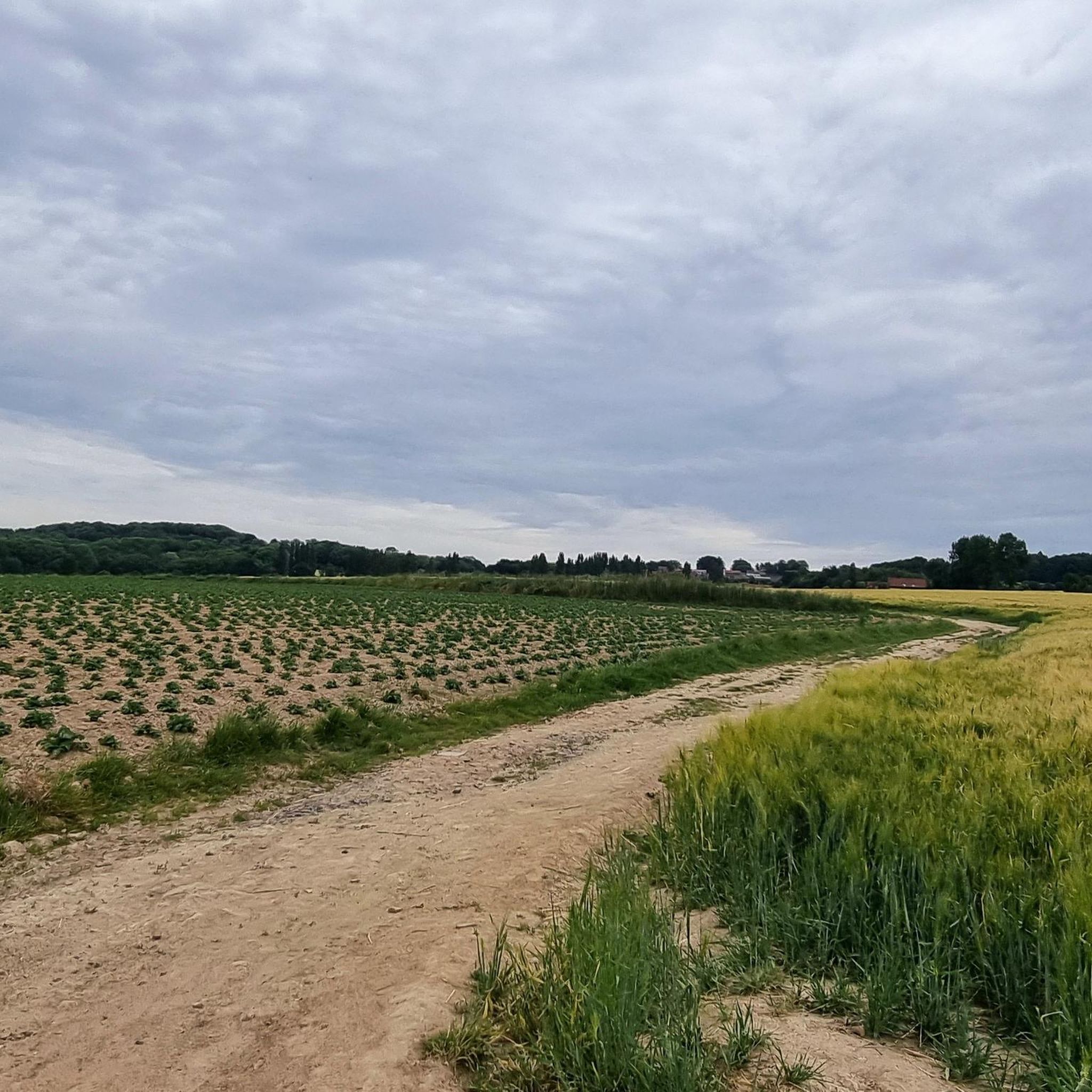
Road cycling around Boeschepe offers routes through the rolling hills of French Flanders, characterized by agricultural fields, small villages, and historic sites. The region features varied terrain, including gentle ascents and descents, with the prominent Mont des Cats hill providing some elevation. Canals and open landscapes are common features, making for diverse road cycling experiences.
Best road cycling routes around Boeschepe
- The most popular road cycling route is Poppy Field in Heuvelland loop from Westouter, a 5.3 miles (8.6…
Last updated: November 21, 2026
5.0
(1)
61
riders
60.6km
03:22
140m
140m
Moderate road ride. Good fitness required. Mostly well-paved surfaces and easy to ride.
92
riders
8.68km
00:25
70m
70m
Easy road ride. Mostly well-paved surfaces and easy to ride.

5.0
(1)
13
riders
78.1km
03:41
640m
640m
Moderate road ride. Good fitness required. Some segments of this route may be unpaved and difficult to ride.
17
riders
71.9km
03:00
250m
250m
Moderate road ride. Good fitness required. Some segments of this route may be unpaved and difficult to ride.
4.7
(3)
14
riders
18.2km
00:58
200m
200m
Moderate road ride. Some segments of this route may be unpaved and difficult to ride.
Get access to more routes and recommendations from other explorers.
Already have an account?
Our route recommendations are based on thousands of hikes, rides, and runs completed by other people on komoot.
Start today with a free account
Your next adventure awaits.
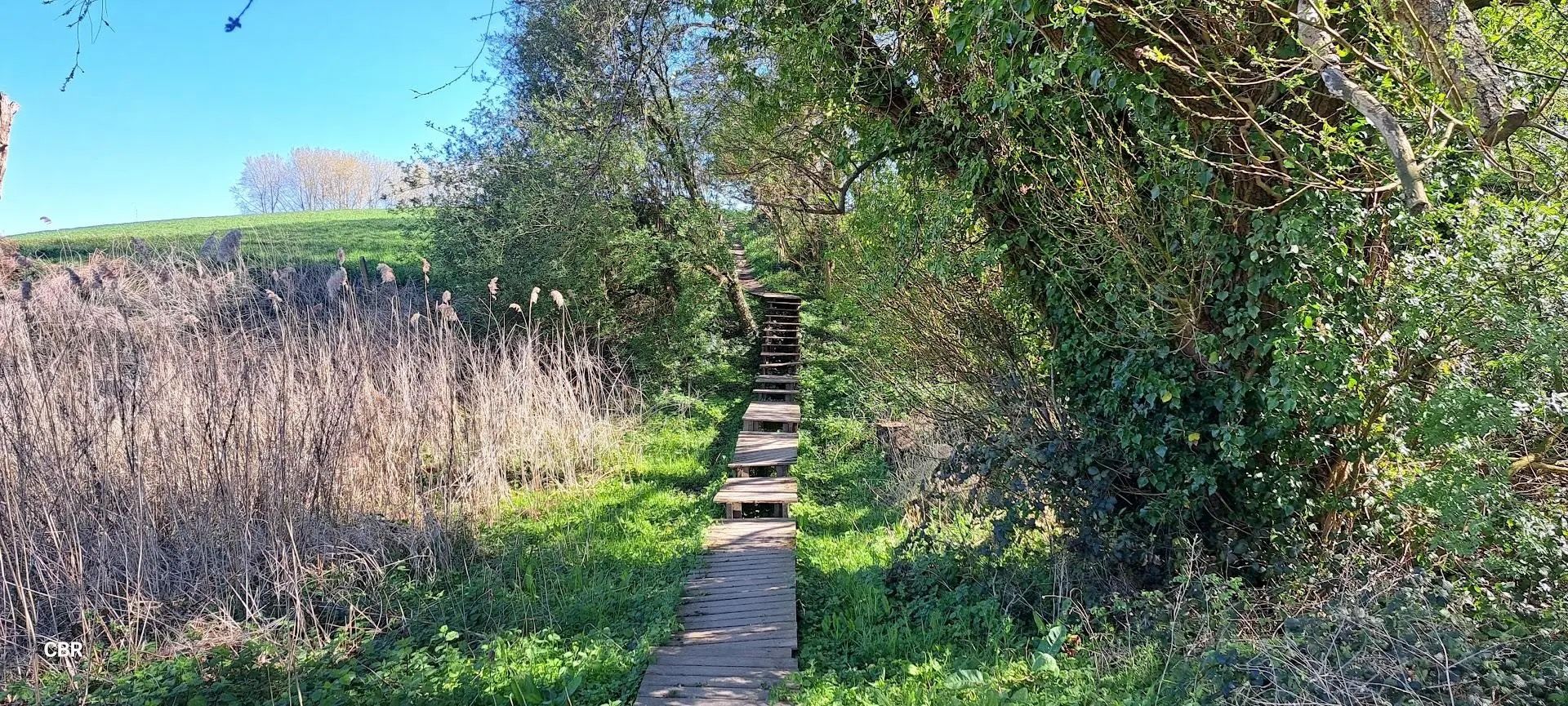
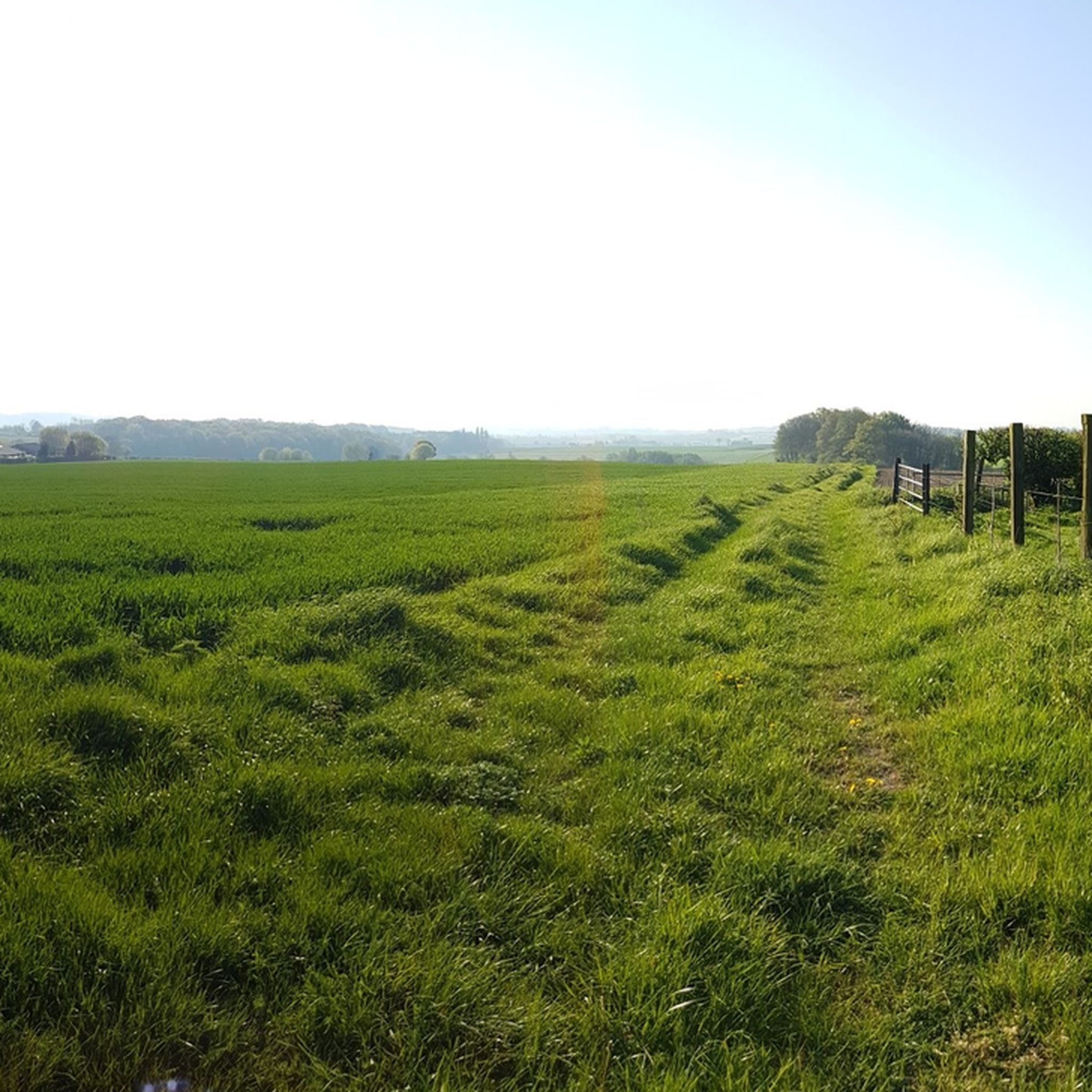
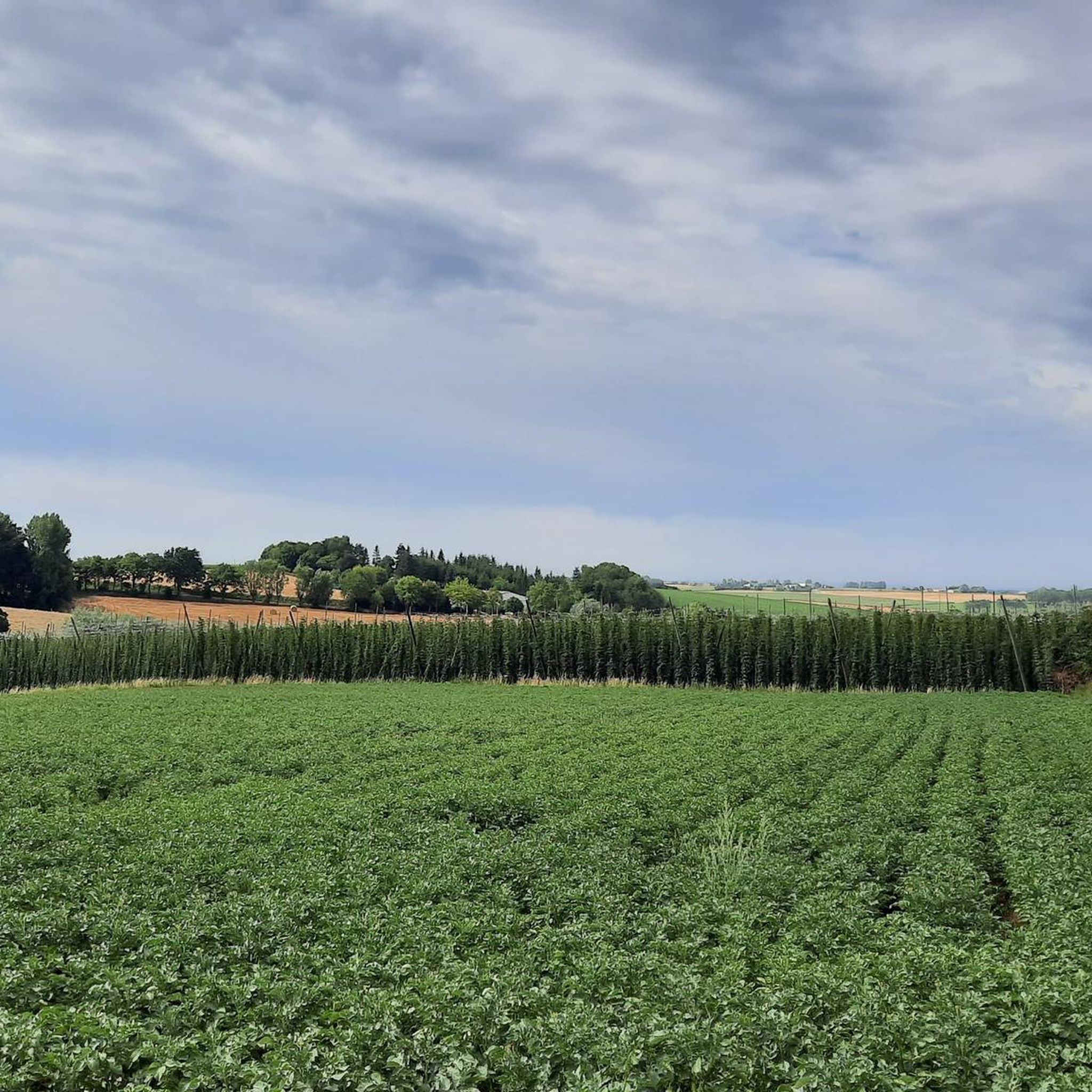

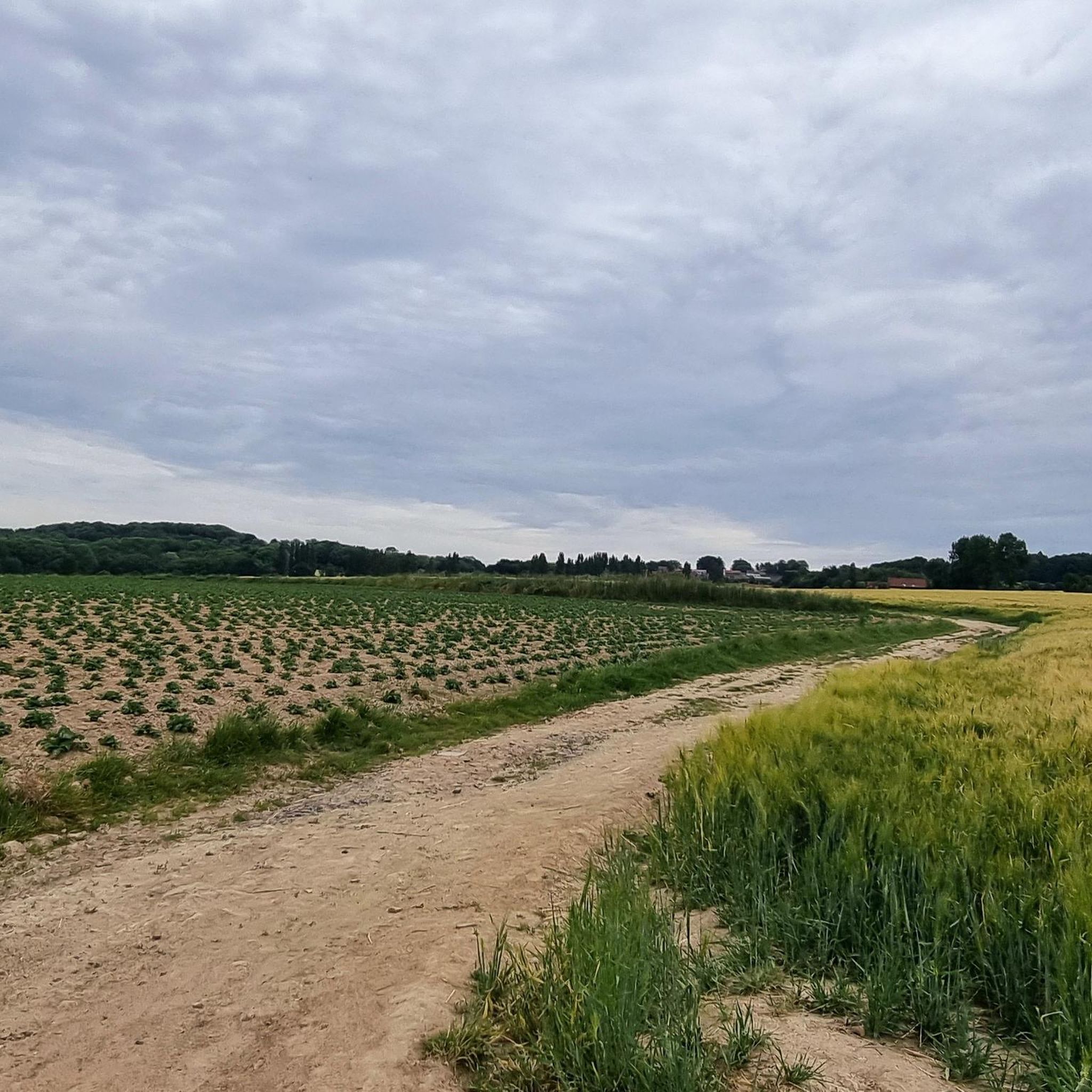
Other adventures around Boeschepe

Tips from the Community

St. Eligius Church: a church with scars ⛪ The St. Eligius Church in Westouter has a history dating back to the Middle Ages. The striking Romanesque octagonal east tower largely survived the devastation of the First World War. The bricked-up arch at the bottom still reveals the origin of the former basilica church. The rest of the church was rebuilt in 1922-1923 to a design by Jules Coomans, in the typical yellow polder brick. Around the church lie the Westouter British Cemetery and an impressive bluestone war memorial. A place where centuries of history and the scars of the Great War meet.
3
0
St. Eligius Church of Westouter: a church that remained standing ⛪ The St. Eligius Church of Westouter appears at first glance to be a neo-Gothic church, but a closer look reveals a much older story. The octagonal Romanesque east tower largely survived the destruction of the First World War. The bricked-up arch at the bottom still recalls the medieval cruciform church. After the war, the church was rebuilt in 1922-1923 to a design by Jules Coomans, with the typical yellow polder brick. This was not superfluous luxury, as the church had already experienced setbacks: in 1794, a fire destroyed the building, after which it was extended in the early 19th century. Even today, the war is still palpable here. The Westouter British Cemetery lies around the church, and in front of the church stands an impressive bluestone war memorial. A place where centuries of history and the scars of the Great War meet beautifully.
3
0
Het Weeuwhof: a hidden oasis in Poperinge At the Sint-Annaplein in Poperinge, this whitewashed facade with dark shutters and a monumental entrance gate immediately catches the eye. This is where the Weeuwhof is hidden, one of the most atmospheric historical spots in the city. A weeuw is the old West Flemish word for widow. The courtyard was founded in 1769 by the sisters of the nearby Sint-Jansgasthuis as a place to live for needy widows and single women. They could live there independently and provide for their own living, including through lacework – the so-called spellerwerken. Tip: put your bike aside for a moment and walk through the gate. Behind the facade, you will discover a surprisingly quiet courtyard with whitewashed houses and a green inner garden. A small piece of Poperinge where time seems to stand still.
3
0
At the entrance to the historic Weeuwhof on Sint-Annaplein stands this charming bronze statuette: ‘De Spellerwerkege’. A beautiful reminder of a craft that was once an important part of daily life in Poperinge. Spellerwerken is West Flemish for lace-making with pins. Generations of women sat for hours over their lace cushions, creating fine patterns with angelic patience to earn an income. The location of the statue is no coincidence. Many widows and single women used to live in the former Weeuwhof. Saint Anne, the namesake of the square, was also the patron saint of lace-makers. Tip: feel free to make a photo stop here and then walk through the entrance gate into Sint-Annaplein. Behind the gate, a surprisingly quiet corner with whitewashed houses awaits, where the atmosphere of old Poperinge can still be fully felt.
2
0

Bridge closure: The bridge at Fintele is closed to all traffic until October 2, 2026 due to works. New lock gates are being installed, among other things. I came from the Diksmuide direction, had to turn back and continued cycling along Reninge. I haven't seen the situation on the other side yet (whether you can continue to Veurne, for example)
0
0

A recreation area with a lookout tower. A work of art by Te Gek!? stands along the path. A nice resting spot with picnic benches.
3
0

The harbor in Ypres, known locally as "De Kaaie," is actually the Ieperlee, which runs beneath the city of Ypres and becomes visible again there. At the Drie Grachten (Three Canals), the Ieperlee is joined by the Martjevaart canal, which originates in Merkem. Drie Grachten is a hamlet in the west of Merkem where the three canals converge: the Martjevaart canal, the Ypres-IJzer canal (also known as the Ieperlee Canal), and the Ieperlee itself. Drie Grachten is also known for the battles during World War I, in which the French, including the Zouaves, fought against the Germans. After a failed attack on the German outpost at Luigem, the Germans captured a number of Zouaves. They launched a counterattack but hid behind the captured Zouaves to prevent the French Zouaves from firing on them, thinking they were their own men returning. At one point, one of the captured Zouaves reportedly shouted: "Tirez donc au nom de Dieu, ce sont les Boches!" (For God's sake, these are the Boches!). Immediately after the warning, a French salvo erupted, mowing down both the Germans and the captured Zouaves. The Zouaves of Northern France (Union des Zouaves du Nord) continued to commemorate this after the war. Luigem is a hamlet 1 kilometer east of Drie Grachten and 1 kilometer west of the center of Noordschote. The Zouaves (French: zouaves) were a light infantry unit of the French Army, associated with French North Africa.
1
0

nice little town with old ramparts. very well known in France for the film Bienvenue chez les ch'tis of course
0
0
Frequently Asked Questions
How many road cycling routes are available around Boeschepe?
There are over 680 road cycling routes available around Boeschepe. This includes a wide range of options, with approximately 100 easy routes, over 560 moderate routes, and 24 difficult routes for more experienced cyclists.
What is the general difficulty level of road cycling routes in Boeschepe?
Road cycling around Boeschepe offers a diverse range of difficulties. You'll find many routes with gentle ascents and descents through agricultural fields and small villages, suitable for all levels. For those seeking more challenge, routes like the Mont des Cats Abbey – Menin Gate Memorial loop from Abele Callicannes incorporate the prominent Mont des Cats hill, providing greater elevation gain.
Are there any family-friendly road cycling routes near Boeschepe?
Yes, there are several family-friendly options. An excellent choice for an easy ride is the Poppy Field in Heuvelland loop from Westouter, which is 5.3 miles (8.6 km) long and explores the scenic Heuvelland area with minimal elevation.
What kind of terrain can I expect on road cycling routes in Boeschepe?
The terrain around Boeschepe is characterized by rolling hills, extensive agricultural fields, and charming small villages. You'll encounter varied landscapes, including gentle ascents and descents, with the notable Mont des Cats hill offering more significant climbs. Canals and open vistas are also common features, providing diverse and picturesque cycling experiences.
Are there any loop road cycling routes around Boeschepe?
Yes, many road cycling routes in the area are designed as loops. For instance, the Ypres Canal – Poperinge Main Square loop from Westouter is a moderate 37.6-mile (60.5 km) path that takes you along the Ypres Canal and through Poperinge before returning to your starting point.
What are some scenic viewpoints or attractions along the road cycling routes?
Many routes offer scenic views and pass by interesting attractions. You could cycle towards Mont des Cats for panoramic vistas, or visit the historic Mont des Cats Abbey. Other notable sites include the Pool of Peace (Spanbroekmolen Crater) and the Lijstermolen on the Baneberg.
What is the best time of year for road cycling in Boeschepe?
The region is generally pleasant for road cycling from spring through autumn. During these seasons, the weather is typically mild, and the agricultural landscapes are vibrant. While winter cycling is possible, be prepared for colder temperatures and potentially wet conditions.
What do other road cyclists enjoy the most about road cycling in Boeschepe?
The road cycling routes around Boeschepe are highly rated by the komoot community, with an average score of 4.4 stars from over 130 reviews. Cyclists often praise the varied terrain, which includes rolling hills and open landscapes, as well as the charming small villages and historic sites encountered along the way.
Are there any longer, more challenging road cycling routes for experienced riders?
Yes, for experienced riders seeking longer distances and more elevation, routes like the View of Mont des Cats – Mont des Cats loop from piscine offer a substantial challenge. This route covers over 100 km and includes significant climbs around Mont des Cats.
Can I find routes that pass through historic towns or sites?
Absolutely. Many routes weave through historic areas. For example, the Schomminkel Climb – Bergues, town of the Ch'tis loop from Westouter takes you through the picturesque town of Bergues, known for its historic charm and canals.
What kind of natural monuments can I discover while road cycling?
Beyond the scenic landscapes, you can find several natural monuments. Consider routes that pass near the Pool of Peace (Spanbroekmolen Crater), a significant historical and natural site, or explore areas around The Gallows Woods.
Most popular attractions around Boeschepe

Get inspired with the komoot mobile app


Explore more
Browse the best Road cycling routes in other regions.
