Attractions and Places To See around Saint-Pey-De-Castets - Top 20
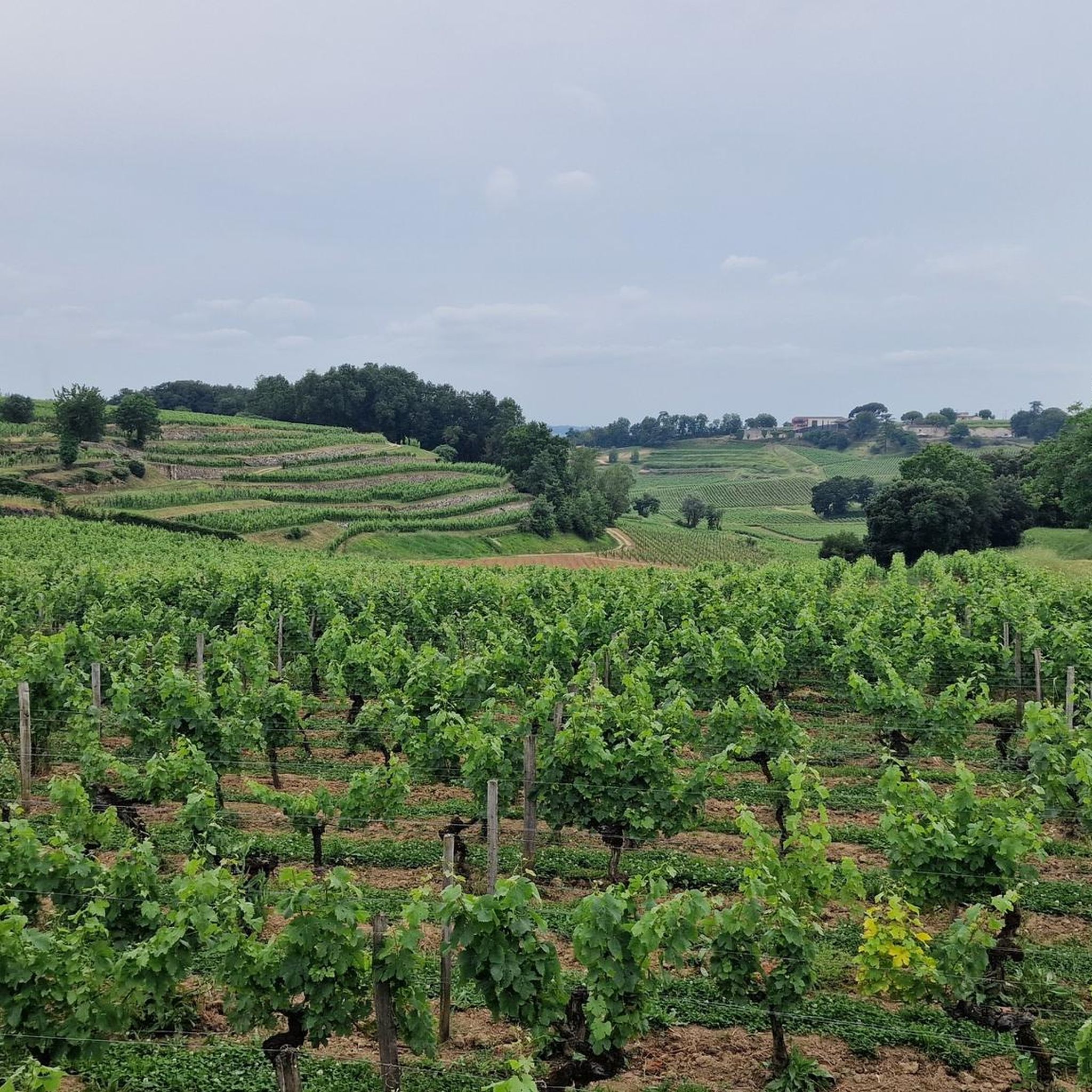
Best attractions and places to see around Saint-Pey-De-Castets, a commune in the Gironde department of Nouvelle-Aquitaine, offers a rich blend of historical, cultural, and natural sites. This region is characterized by its prominent wine-growing landscape and proximity to the Dordogne River. Visitors can explore local Romanesque churches and châteaux, alongside significant nearby landmarks. The area serves as a base for discovering the heritage of the wider Gironde region, including UNESCO World Heritage sites.
Best attractions and places to see around…
Last updated: May 9, 2026
Saint-Émilion Village
Highlight • Settlement
Translated by Google •
Tip by

Saint-Christophe Church
Highlight • Religious Site
Translated by Google •
Tip by

Sign up now to discover places like this
Get recommendations on the best single tracks, peaks, & plenty of other exciting outdoor places.
Sign up for free
Collegiate Church and Cloister of Saint-Émilion
Highlight • Religious Site
Translated by Google •
Tip by

Church of Branne
Highlight • Religious Site
Showing Translation
Tip by

Saint-Émilion
Highlight • Settlement
Translated by Google •
Tip by

Sign up for free to discover even more attractions around Saint-Pey-De-Castets.
Sign up for free
Already have an account?
Start today with a free account
Your next adventure awaits.
Login or Signup
Tips from the Community

The Saint-Étienne church of Branne is a true haven of peace in the heart of the village, offering a setting conducive to recollection and prayer. The architecture, both sober and majestic, bears witness to the deep faith that has inhabited these places through the centuries. The beauty of the sanctuary naturally invites the elevation of the soul and contemplation of the divine mysteries. One feels an atmosphere of serenity that helps each faithful to find themselves before the Lord in silence and dignity. It is a living place of worship where the presence of Christ is felt, recalling the importance of our Christian roots in the Gironde landscape. A spiritual stopover highly recommended for all those who seek to nourish their faith within a beautifully maintained church.
0
0

The name of Saint-Christophe, to whom this church in the village, which also bears his name, is dedicated, translates as "Christ-bearer." According to the saint's legend, he was a giant man who carried people across a river. One day, a small child called to him, and he carried it on his shoulders to the other bank. Amazingly, the child became heavier and heavier, and he said he felt as if the weight of the entire world were resting on his shoulders. Then the child revealed himself to him as Jesus Christ, Savior and Redeemer of the world.
1
0

pretty
0
0
stunning
3
0
beautiful church
3
0

I find St Emilion to be very pretentious and focused on fleecing tourists. For a more authentic French town, visit Castillon.
0
1

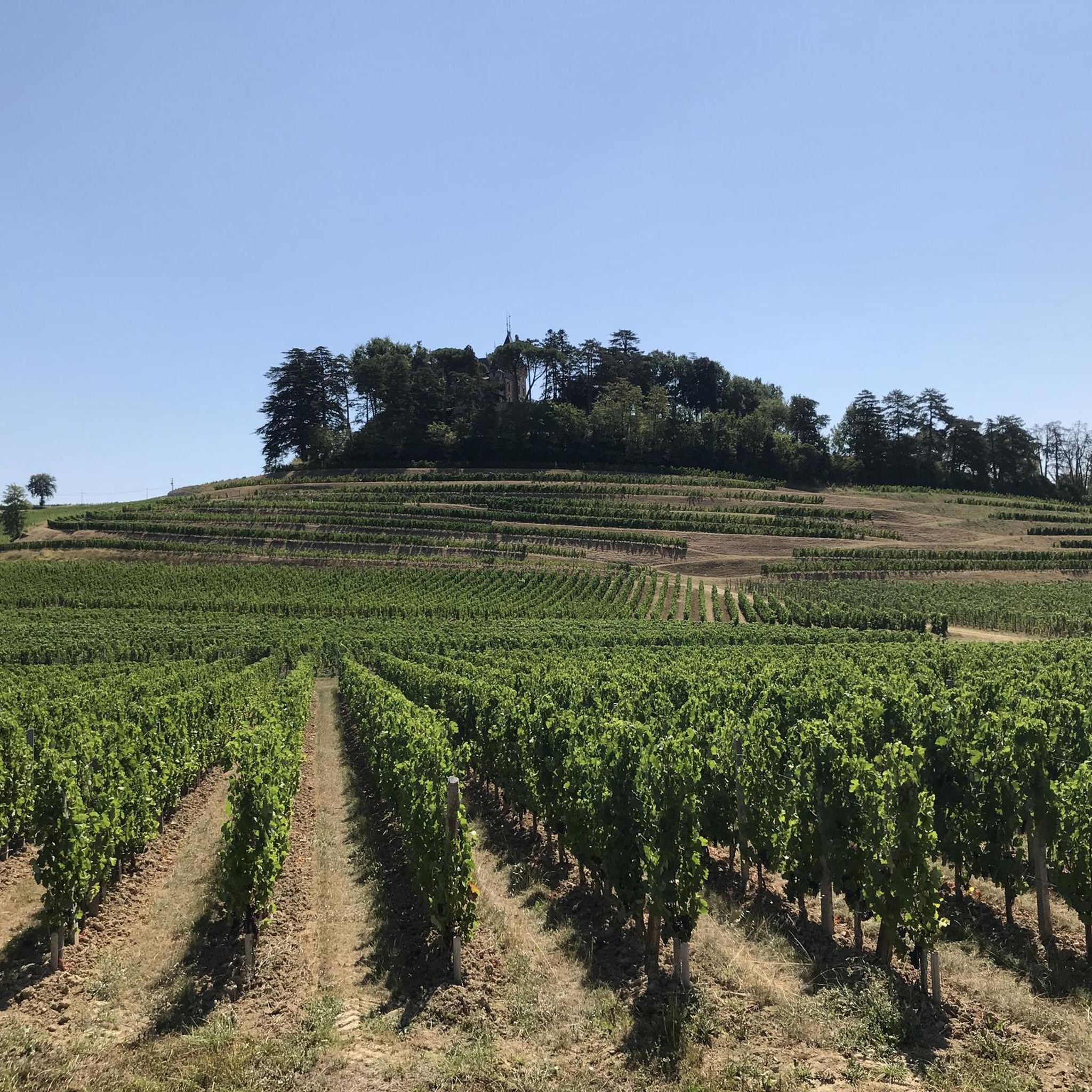
Perched on a rocky promontory and surrounded by the famous vineyard of the same name, Saint-Émilion is a magnificent village. Very popular with tourists and wine lovers, it is crowded in summer and I recommend that you come and discover it out of season. The medieval city is a UNESCO World Heritage Site and many cycling events take place there, in the small, steep, cobbled streets.
2
0
This church in Saint-Emilion has a very unusual architecture: it is not built stone on stone, but the church was - in the truest sense of the word - beaten out of the stone, which is why it is also called the "rock church".
2
0
Frequently Asked Questions
What historical sites can I explore around Saint-Pey-de-Castets?
The region is rich in history. You can visit the UNESCO World Heritage site of Saint-Émilion Village, known for its medieval architecture and rock church. Other notable historical sites include Cordeliers' Cloister, a former monastery now offering wine experiences, and the impressive Château de Monbadon with its 12th-century Romanesque church. Nearby, you'll also find the archaeological remains of a Roman villa at Montcaret and the ruins of Sauve-Majeure Abbey.
Are there any family-friendly attractions in the Saint-Pey-de-Castets area?
Yes, several attractions are suitable for families. Cordeliers' Cloister is listed as family-friendly, offering a blend of history and a pleasant setting. Exploring the medieval streets of Saint-Émilion Village can also be an engaging experience for all ages, though it can be crowded in summer. The tranquil Country lane along the Dordogne provides a peaceful setting for walks or drives with children.
What outdoor activities are available near Saint-Pey-de-Castets?
The area is excellent for outdoor enthusiasts. You can enjoy hiking on trails like the Dolmen de Curton loop or the Abbaye de Blasimon loop. Cycling is also popular, with routes such as the Saint-Émilion Village – Vines loop. For more options, explore the dedicated guides for hiking, cycling, and running around Saint-Pey-de-Castets.
Where can I find scenic views or natural beauty spots?
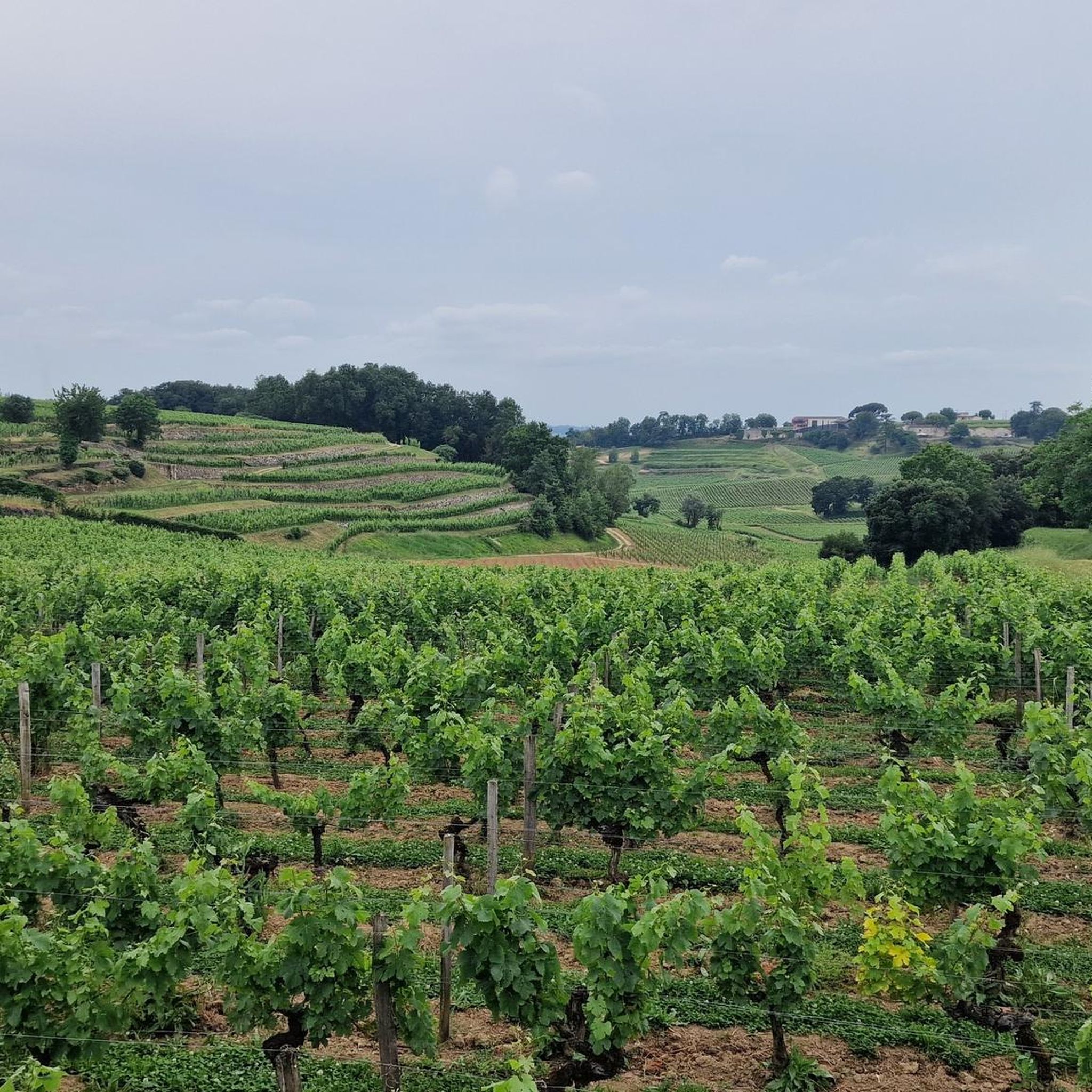
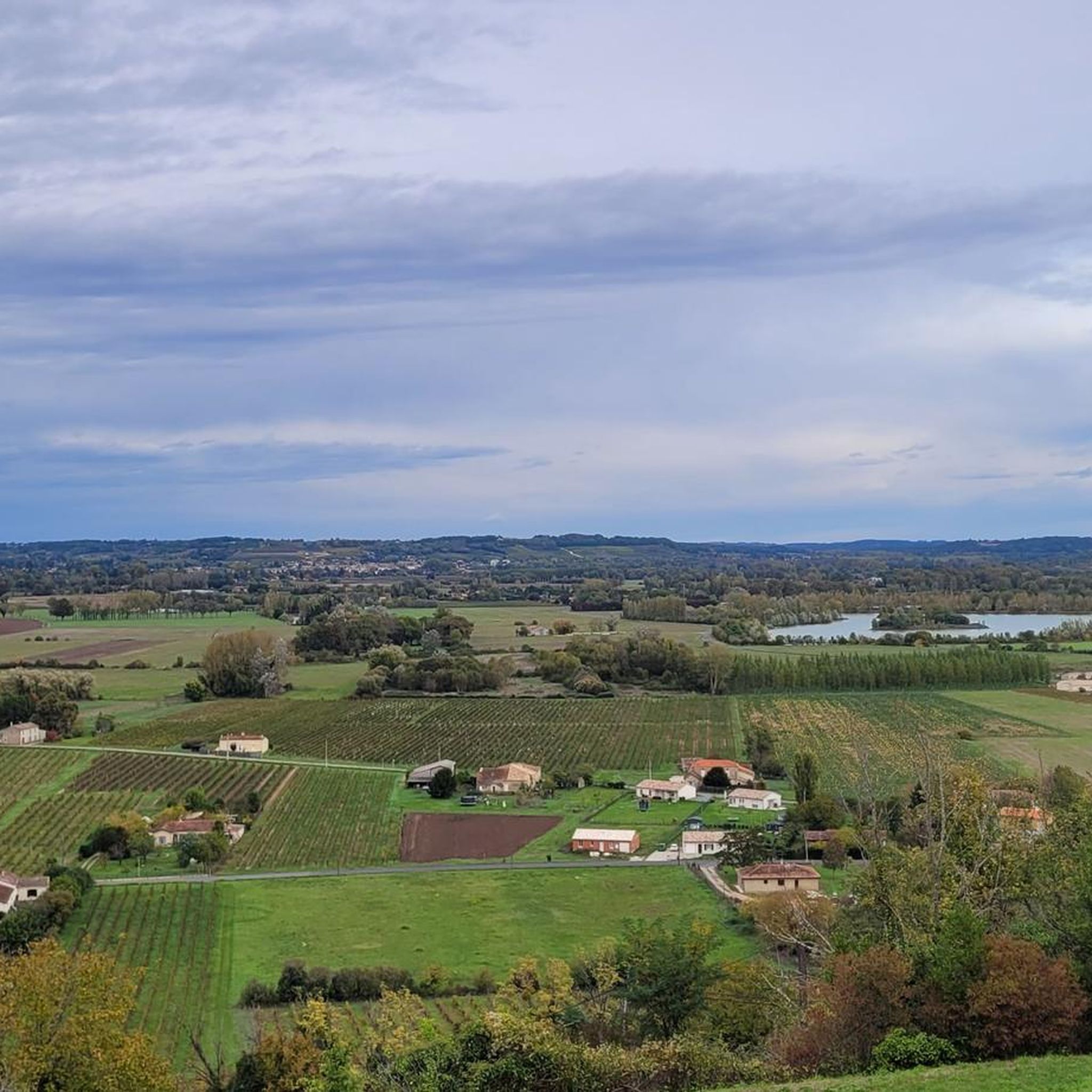
For scenic views, the Country lane along the Dordogne offers idyllic, peaceful stretches away from traffic. The entire region is characterized by its prominent wine-growing landscape, providing picturesque vineyard vistas. The area around Château de Monbadon also offers great sights as you approach it through the landscape.
Are there any hidden gems or lesser-known attractions worth visiting?
Beyond the well-known sites, consider exploring the Château de Monbadon, which is well hidden and offers a glimpse into medieval history with its 12th-century Romanesque church. The Saint-Christophe Church also provides a charming, atmospheric experience, especially around sunset. For a tranquil escape, the Country lane along the Dordogne is a peaceful route frequented by locals.
What is the best time to visit Saint-Pey-de-Castets attractions?
While the region is beautiful year-round, visiting outside of peak summer months is often recommended, especially for popular spots like Saint-Émilion Village, which can get very crowded. Spring and autumn offer pleasant weather for outdoor activities and exploring the vineyards, with fewer tourists.
Can I find local markets in the vicinity of Saint-Pey-de-Castets?
Yes, several nearby towns host vibrant local markets. You can visit Castillon-la-Bataille on Mondays, Branne on Thursdays and Saturdays, and Cadillac on Saturdays to experience local produce and crafts.
What kind of churches or religious buildings can I see?
The area features several significant religious buildings. The Saint-Émilion Village is home to a unique monolithic rock church. You can also visit Saint-Christophe Church and the Cordeliers' Cloister. Within Saint-Pey-de-Castets itself, the Église Saint-Pierre is noted for its magnificent Romanesque portal, and in Saint-Pey-d'Armens, there's a small 13th-century Romanesque church with finely crafted capitals.
Are there opportunities for wine tasting or vineyard tours?
Absolutely. Saint-Pey-de-Castets is situated in a prominent wine-growing region. Saint-Émilion Village is world-renowned for its vineyards, and the Cordeliers' Cloister offers opportunities to taste local wines. Many châteaux in the area, such as Château Saint-Pey (Saint-Pey-d'Armens), have extensive vineyards and may offer tours or tastings.
What is there to do in the town of Libourne, which is nearby?
Libourne, located about 18 km from Saint-Pey-de-Castets, is worth exploring for its charming town center, lively markets, and riverside atmosphere. It's a great place to experience local life and enjoy a meal by the water.
Are there any gardens or parks to visit?
Yes, about 15 km away in the Dordogne department, you can visit Les Jardins de Sardy, a beautiful garden. Additionally, Château Saint-Pey (Saint-Pey-d'Armens) boasts a large 2-hectare park alongside its vineyards, offering a pleasant space for a stroll.
Most popular routes around Saint-Pey-De-Castets

Get inspired with the komoot mobile app


Explore more
Still not found the Highlight you’re looking for? See guides of the top attractions in other regions:
