The best cycling routes around La Garenne-Colombes
4.2
(3295)
41,043
riders
927
rides
Touring cycling around La Garenne-Colombes benefits from its location within a region offering diverse cycling routes and natural features. The area provides access to both local green spaces and extensive regional cycling paths, including connections to the Seine à Vélo route. Terrain includes a mix of paved and unpaved surfaces, with routes traversing urban environments, countryside paths, and riverside landscapes.
Best touring cycling routes around La Garenne-Colombes
- The most popular touring cycling route is A bench by the water –…
Last updated: May 23, 2026
4.5
(89)
469
riders
31.2km
01:55
90m
90m
Easy bike ride. Great for any fitness level. Mostly paved surfaces. Suitable for all skill levels.
4.6
(13)
174
riders
34.6km
02:31
230m
230m
Moderate bike ride. Good fitness required. Mostly paved surfaces. Suitable for all skill levels.

Sign up for free
4.4
(11)
61
riders
Easy bike ride. Great for any fitness level. Mostly paved surfaces. Suitable for all skill levels.
4.5
(11)
273
riders
Easy bike ride. Great for any fitness level. Mostly paved surfaces. Suitable for all skill levels.
58
riders
Easy bike ride. Great for any fitness level. Mostly paved surfaces. Suitable for all skill levels.
Get access to more routes and recommendations from other explorers.
Sign up for free
Already have an account?
Our route recommendations are based on thousands of hikes, rides, and runs completed by other people on komoot.
Start today with a free account
Your next adventure awaits.
Login or Signup
Popular around La Garenne-Colombes

Other adventures around La Garenne-Colombes

Tips from the Community

Located between the districts of Paris-La Défense and Nanterre, the Parc du Chemin-de-l'Ile gives pride of place to water. Its filtering basins, fed by the Seine, are omnipresent. The site also has the appearance of a landscaped park. The regular, mineral shapes of the basins gradually give way to meadows, to the winding banks of the counter-ditch, to isolated trees and hedges of various species. This park was designed so that visitors can relax in a place made up of lawns, pontoons by the water, large meadows where fauna and flora evolve without constraint, filtering basins, aquatic gardens, as well as family gardens. Children are not forgotten with three play areas.
1
0

The Luxor Obelisk on the Place de la Concorde is the oldest monument in Paris. It is well over 3,000 years old and originally came from Egypt. Here are the most important facts about its history and the monument: Origin and Age Location in Egypt: It originally stood with a second obelisk in front of the entrance to the Luxor Temple. Time: It was made during the reign of Pharaoh Ramses II (13th century BC). The Gift: The viceroy of Egypt, Muhammad Ali Pasha, gave the obelisk to France in 1829 as a sign of friendship. The second obelisk remained in Egypt and was only officially "returned" by France in the 1990s (so it is still in Luxor). Transport to Paris The Journey: The transport was a technical masterpiece. The over 220-ton monolith of granite had to be shipped across the Nile, the Mediterranean Sea, and the Atlantic Ocean to Paris. The journey took almost three years. Erection: It was finally erected in 1836 under King Louis-Philippe I in the center of the Place de la Concorde. This location was deliberately chosen as a "neutral" monument to cover up the bloody history of the square during the French Revolution. Special Features Hieroglyphs: The inscriptions praise the deeds of Ramses II. The Golden Tip: The original tip was missing (it was probably stolen in ancient times). In 1998, France placed a new pyramid tip covered with gold leaf on the obelisk, as it would have looked in ancient Egypt. The Base: Diagrams are engraved on the base, explaining with which lifting devices and machines the obelisk was erected in the 19th century. Dimensions It is about 23 meters high and consists of a single piece of yellow granite.
0
0
Two fountains: There are two identical magnificent fountains, located to the left and right of the Egyptian obelisk. The names: The northern one is called Fountain of the Rivers (river navigation), the southern one Fountain of the Seas (sea navigation). Material: They are made of green lacquered and gilded cast iron, which was a technical specialty at the time. Symbolism: The fountains are richly decorated with figures of river and sea gods, dolphins, tritons and nereids. Architect: They were designed by Jacques Ignace Hittorff and inaugurated between 1836 and 1840. Background: The fountains were intended to beautify the square after the bloody period of the French Revolution (when the guillotine stood there) and create a peaceful, majestic atmosphere.
8
0
On the Île de Chatou, the Maison Fournaise is a former riverside inn and hotel. It now houses a restaurant. In 1880, Renoir wrote, "It is the prettiest place in the vicinity of Paris." Renoir painted about thirty canvases in Chatou. The most famous painting is Luncheon of the Boating Party, which was painted from the restaurant's balcony. Next door, the municipal museum houses collections on the history of the site and of boating, one of the first modern leisure activities on the water.
0
0

The Petit Palais is a former exhibition pavilion of the 1900 Universal Exposition held in Paris. It was built between 1897 and 1900 and now houses the municipal Museum of Fine Arts. It is one of the 14 museums of the city of Paris.
6
0

Know how to ride a bike and position yourself well, always make sure that the cars have seen you. And it works.
0
1
A beautiful cycling and pedestrian area to enjoy and use, it's great
0
0
Frequently Asked Questions
How many touring cycling routes are available around La Garenne-Colombes?
There are over 10 touring cycling routes around La Garenne-Colombes, offering a variety of experiences for different skill levels. These routes are highly rated by the komoot community, with an average score of 4.3 stars from more than 30 reviews.
What kind of terrain can I expect on touring cycling routes in La Garenne-Colombes?
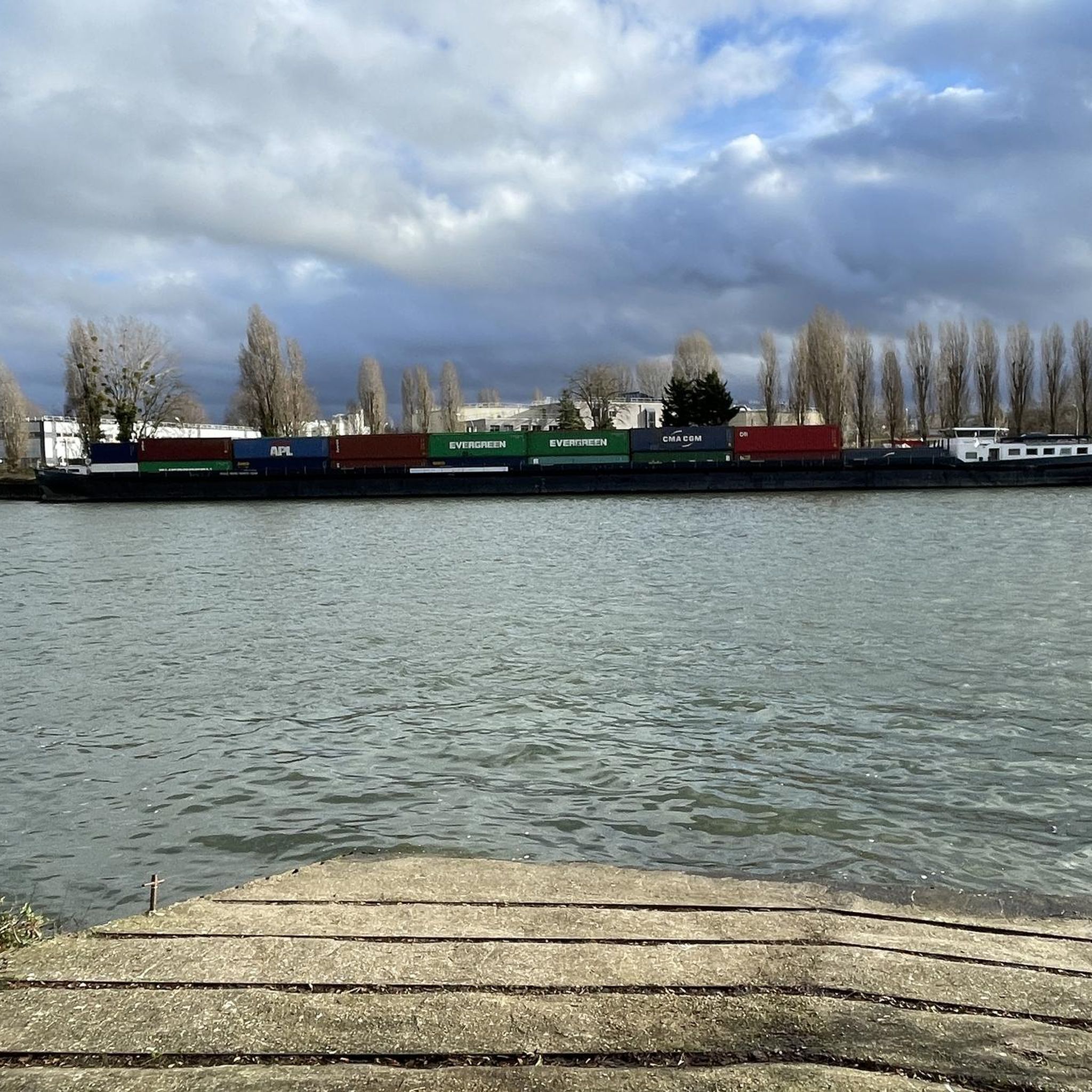
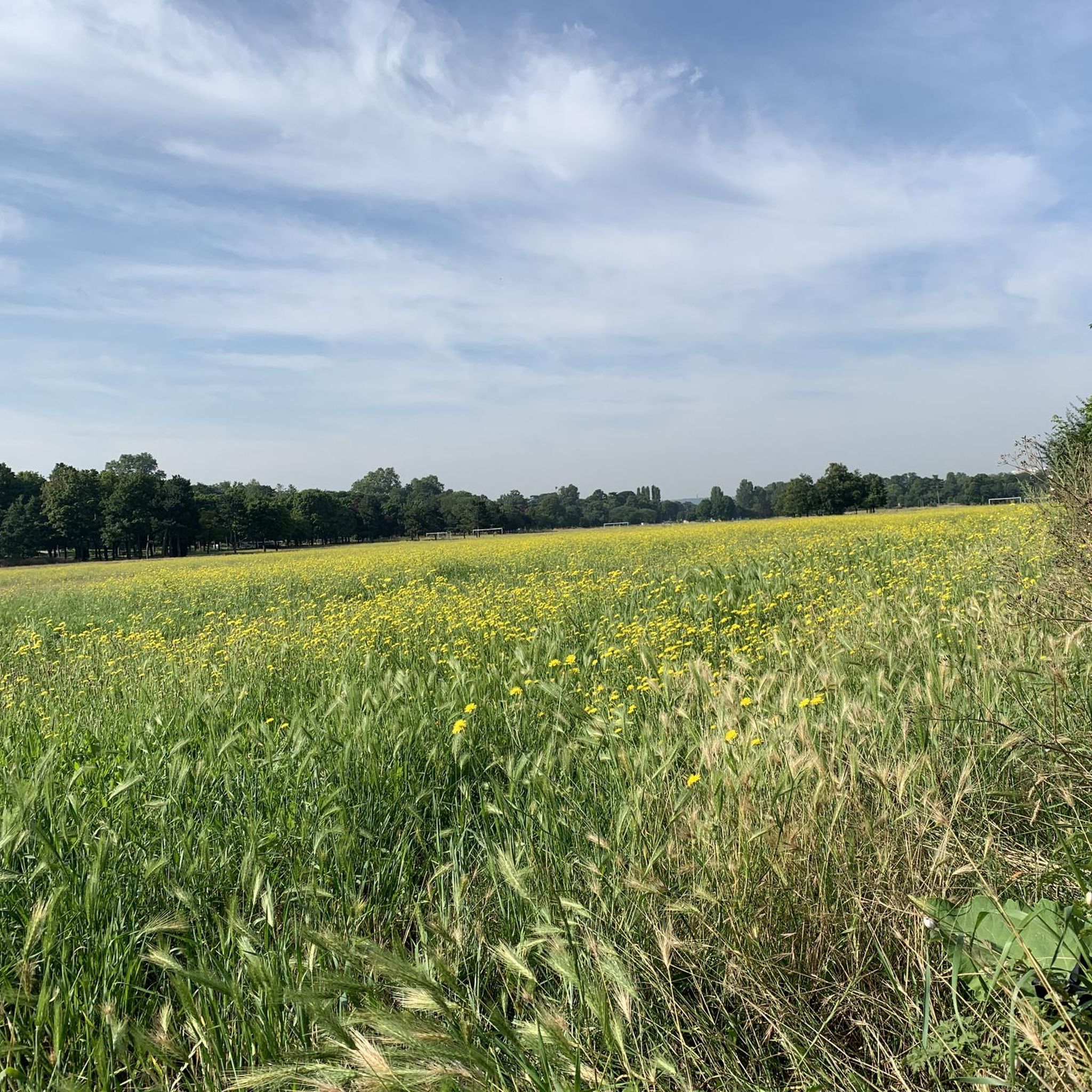
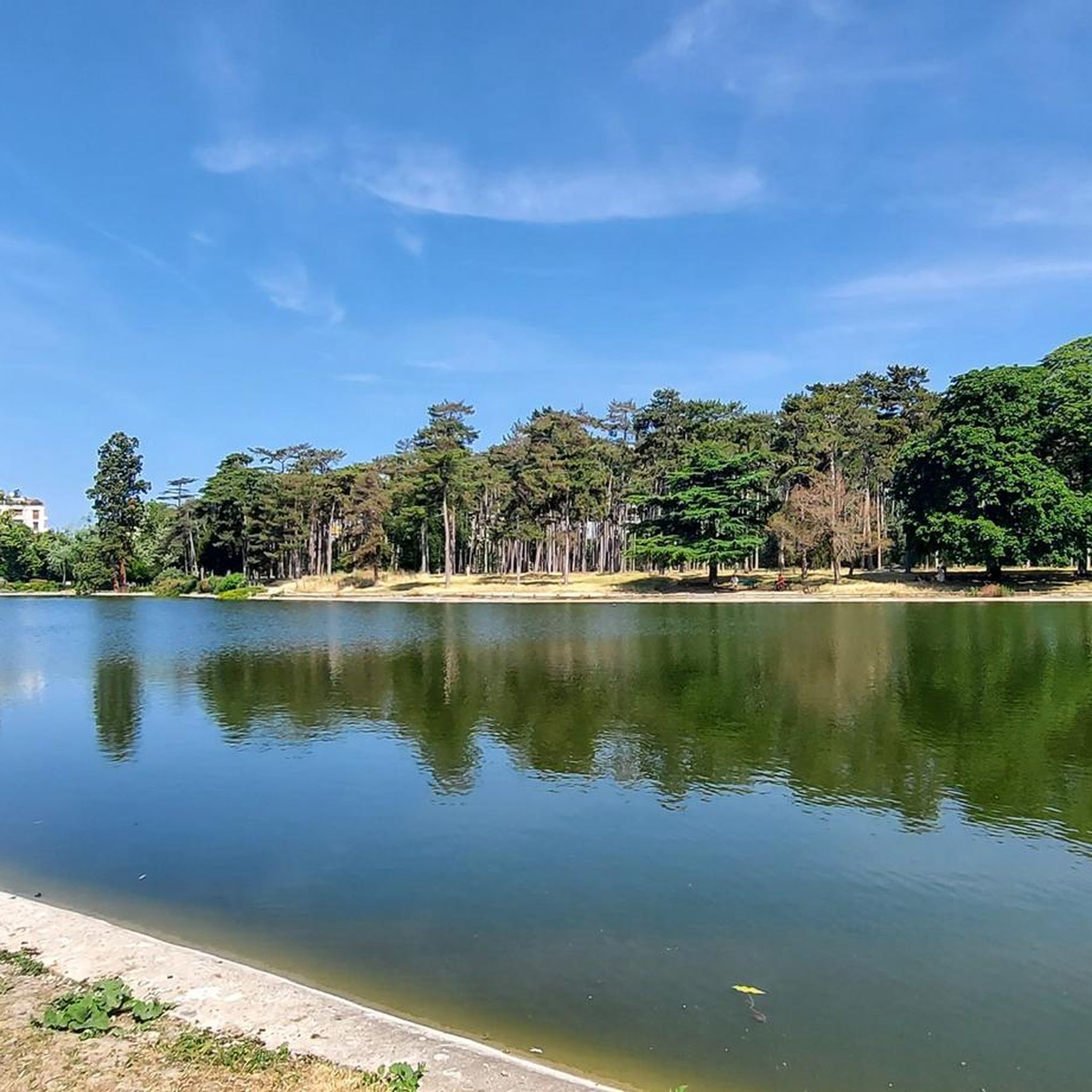
The routes around La Garenne-Colombes feature a diverse mix of terrain, including paved and unpaved surfaces. You'll find paths traversing urban environments, countryside landscapes, and picturesque riverside areas, especially along the Seine.
When is the best time of year for touring cycling in La Garenne-Colombes?
The region is generally pleasant for cycling from spring through early autumn. These seasons offer mild weather, making it ideal for exploring both the local green spaces and the extensive regional cycling paths.
What do other touring cyclists enjoy about the routes in La Garenne-Colombes?
Touring cyclists frequently praise the diverse scenery, from urban green spaces to the tranquil banks of the Seine. The accessibility to significant areas like the Domaine national de Saint-Cloud and the variety of routes catering to different abilities are also highly appreciated.
Are there any notable natural features or landmarks to see while cycling near La Garenne-Colombes?
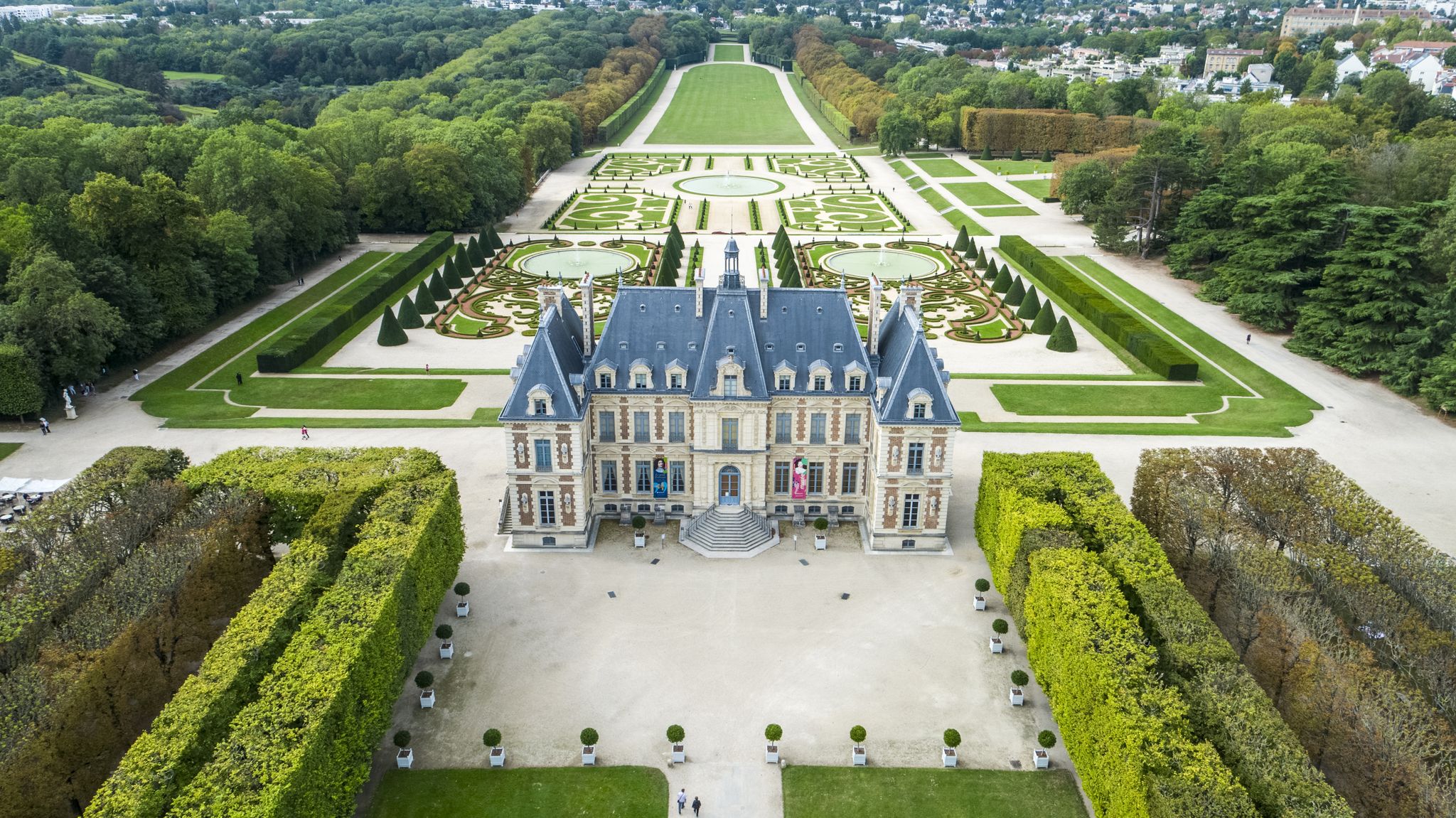
Yes, the area offers several points of interest. You can cycle near the beautiful Grande Cascade of Saint-Cloud Park, or enjoy views overlooking the Oise loop. The proximity to the Seine River also provides picturesque scenery.
Can I find historical sites or cultural attractions along the cycling routes?
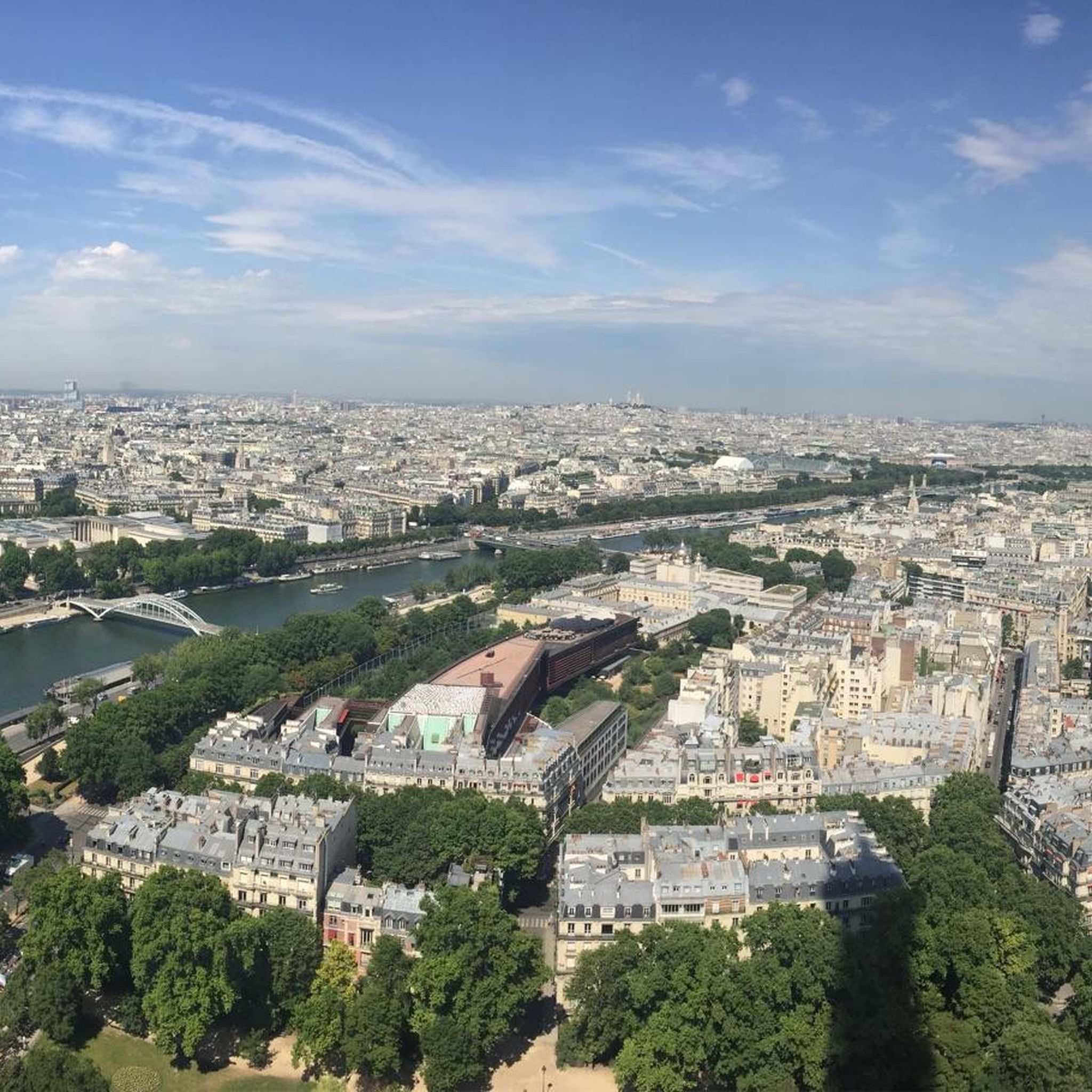
Absolutely. While cycling, you can pass by significant landmarks such as the Basilica Sacré Coeur, the Notre-Dame Cathedral, Paris, and the Eiffel Tower, especially on routes extending towards central Paris.
Are there easy touring cycling routes suitable for beginners or families?
Yes, there are several easy routes perfect for beginners or families. For instance, the Square of Latin America loop from Les Vallées is an easy 8.3-mile (13.3 km) trail through urban green spaces. Another option is the Colombes – Chemin de l'Île Park loop from La Garenne-Colombes, which is also an easy route.
Are there any challenging touring cycling routes for experienced riders?
For experienced cyclists seeking a challenge, the Hunting Castle – Château de la Chasse and Pond loop from La Garenne-Colombes is a difficult 51.7-kilometer route with significant elevation gain, offering a more demanding ride.
Can I find circular touring cycling routes in the area?
Yes, many routes are designed as loops, allowing you to start and end in the same location. Examples include the Saint-Cloud Farm – Petite Gerbe Basin loop from Les Vallées and the Square of Latin America loop from Les Vallées.
Is it possible to access the Seine à Vélo route from La Garenne-Colombes?
La Garenne-Colombes is strategically located near the Seine à Vélo route, a major cycling itinerary that follows the Seine River. This allows cyclists to easily connect to this extensive network and explore the heritage of the Seine Valley. For more information, you can visit francevelotourisme.com.
What are the options for public transport to reach cycling areas like Saint-Cloud Park from La Garenne-Colombes?
La Garenne-Colombes benefits from good public transport links, making it convenient to reach nearby attractions. You can use local public transport services to access areas like the Domaine national de Saint-Cloud, which is a significant attraction with paths suitable for cyclists.
Are there any specific regulations for cycling with dogs on trails near La Garenne-Colombes, especially in parks like Saint-Cloud?
While specific regulations can vary, generally, dogs are permitted in many public parks and natural areas if kept on a leash. For specific rules regarding the Domaine national de Saint-Cloud or other municipal parks, it's advisable to check their official websites or signage upon arrival.
Where can I find places to rest or eat along the touring cycling routes?
Given La Garenne-Colombes' urban and suburban setting, you'll find numerous cafes, restaurants, and shops within the town and in nearby communities along the routes. Many routes pass through or near areas with amenities, especially those that follow the Seine or urban green spaces.
Most popular routes around La Garenne-Colombes
Most popular attractions around La Garenne-Colombes

Get inspired with the komoot mobile app


Explore more
Browse the best Cycling routes in other regions.
