The 5 Most Amazing Peaks around Lampertsloch
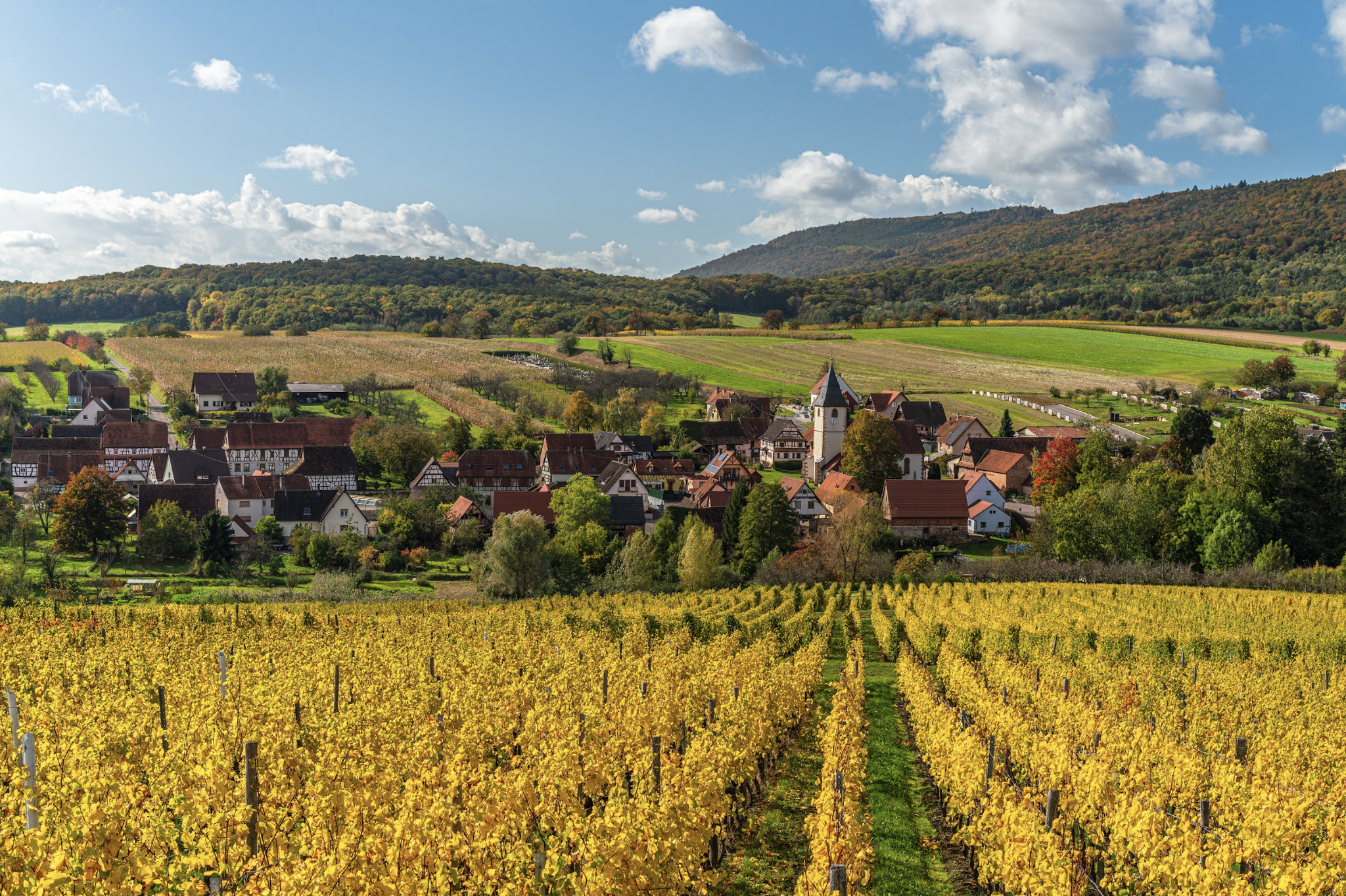
Mountain peaks around Lampertsloch are found in a village nestled in the Outre-Forêt region, at the foot of the Hochwald massif within the Northern Vosges Regional Nature Park. The area is characterized by orchards, fields, and vast forest domains, providing a green and scenic environment. While not known for towering peaks, the region offers several elevated points. These locations provide accessible opportunities to experience the natural beauty and historical context of the region.
Best mountain peaks around Lampertsloch
- The most…
Last updated: August 4, 2026
Krappenfels
Highlight • Viewpoint
Translated by Google •
Tip by

Pfaffenfelsen (with long ladder)
Highlight • Viewpoint
Translated by Google •
Tip by

Sign up now to discover places like this
Get recommendations on the best single tracks, peaks, & plenty of other exciting outdoor places.
Sign up for free
Kappelstein
Highlight • Summit
Translated by Google •
Tip by

Scherhol Refuge
Highlight • Mountain Hut
Translated by Google •
Tip by

Eselsberg Telecommunications Tower and Pokémon Trail
Highlight • Trail
Translated by Google •
Tip by

Start today with a free account
Your next adventure awaits.
Login or Signup
Other adventures around Lampertsloch

Tips from the Community

The rock is located approximately 500 meters southeast of the southern summit, on the French side of the Schlossberg with the Hohenburg Castle. The mountain is located directly on the German-French border in the Wasgau mountain range, the French part of which is known there as the Northern Vosges. A mountain ridge runs from the southern summit over the Löwenstein to the rock.
5
0

The nexus from which to drop into several great trails. You can explore the single trail network, meet likeminded people and take a well deserved break here.
0
0

A steep climb up to the castles that stand here like radishes in a field...😊
16
1
Great rock massif for dreamy moments… beautiful views
12
1


Good place to shelter in the rain.
1
0
Great trails towards the hamlet.
1
0

The Kappelstein is a large red sandstone rock on which the border between Germany and France runs in the middle. There is a plaque here that says there used to be a watchtower here. The four concrete anchorages can be seen, the rotted beams lie next to them. From here you can see the border village of Nothweiler and the French castle ruins of Hohenbourg and Löwenstein.
3
0
Frequently Asked Questions
What are the most popular elevated points to visit around Lampertsloch?
The region around Lampertsloch offers several popular elevated points. The Kappelstein is a summit with a gentle incline, where the border between France and Germany runs. Another favorite is the View from Pfaffenfels of Schönau, offering great views after a short ladder climb. The Krappenfels is also highly regarded for its scenic viewpoint.
What kind of views can I expect from the mountain peaks near Lampertsloch?
From elevated points like the Soultzerkopf, you can enjoy expansive panoramic views stretching from the Black Forest in Germany to the Southern Vosges mountains in France. Liebfrauenberg offers vistas over Alsace and the Upper Rhine Plain. From Kappelstein, you can see the castle ruins of Wegelnburg, Hohenbourg, and Löwenstein.
Are there historical sites or features on these elevated points?
Yes, several elevated points have historical significance. The Soultzerkopf is part of historical walking trails that include remnants of the Maginot Line. The Krappenfels is believed to have served as an observation post for the nearby Loewenstein castle. The Scherhol Refuge is near the remains of an observation tower from 1708, which was later an optical telegraph station.
What are the best hiking opportunities near Lampertsloch's elevated points?
The Northern Vosges Regional Nature Park, where Lampertsloch is located, offers numerous hiking opportunities. You can find a variety of trails, from easy to moderate, that lead to viewpoints and summits. For detailed routes and options, explore the hiking guide for Lampertsloch.
Are there family-friendly trails to these elevated points?
Many trails in the region are suitable for families. The ascent to Soultzerkopf, for instance, is not overly strenuous and offers rewarding vistas. The path to View from Pfaffenfels of Schönau is well secured and safe, even with its ladder. The Kappelstein also features a beautiful path with a gentle incline, making it accessible for many.
What is the best time of year to visit the mountain peaks around Lampertsloch?
The region is beautiful throughout the year. Spring and autumn offer pleasant temperatures for hiking and vibrant natural colors. Summer is ideal for enjoying the panoramic views, and on Sundays, a hut operated by the Club Vosgien is open on the Soultzerkopf. Even in winter, some trails can be enjoyed, though conditions may vary.
Can I find amenities like huts or cafes near the trails?
Yes, on Sundays, a hut operated by the Club Vosgien is open on the Soultzerkopf. The Scherhol Refuge is another hut available, though it typically does not offer food. For more extensive amenities, you'll find cafes and restaurants in nearby villages.
What other outdoor activities can I do in the Lampertsloch area besides hiking?
Beyond hiking, the Lampertsloch area is excellent for cycling. You can explore various routes for gravel biking and mountain biking, with trails ranging from moderate to difficult. The region's vast forest domains and scenic landscapes provide a perfect backdrop for these activities.
What natural features characterize the area around Lampertsloch's elevated points?
The region is part of the Northern Vosges Regional Nature Park, characterized by orchards, fields, and vast forest domains. Between Soultzerkopf and Liebfrauenberg, you'll find beautiful, species-rich beech forests. The area also features unique rock formations and natural monuments like the Kappelstein.
What do visitors enjoy most about the elevated points near Lampertsloch?
Visitors particularly appreciate the rewarding panoramic views without overly strenuous climbs. The blend of natural beauty, such as the species-rich beech forests, and the historical context, including remnants of the Maginot Line and old observation posts, makes the experience unique. The well-maintained and safe paths, even those with ladders like at Pfaffenfels, are also frequently praised.
Are there any challenging trails for experienced hikers?
While many trails are moderate, some routes offer more challenge. For example, the ascent to the castles near Krappenfels can be steep. You can find more challenging options within the broader hiking guide for Lampertsloch, which includes routes with varying difficulty grades.
Is the Wegelnburg Castle Ruins accessible from Lampertsloch, and what does it offer?
The Wegelnburg Castle Ruins, though technically in Germany, is a notable elevated attraction near Lampertsloch. At 571 meters, it's the highest castle in the Palatinate and offers a superb panorama over the gently rolling hills of the Wasgau region. It's a worthwhile destination for those looking to explore a bit further afield.
Most popular routes around Lampertsloch
Most popular attractions around Lampertsloch

Get inspired with the komoot mobile app


Explore more
See even more amazing summits around Lampertsloch with these guides:
