Attractions and Places To See around Champniers - Top 20
Best attractions and places to see around Champniers include a blend of historical sites and natural beauty in the Charente department of New Aquitaine, France. The area features significant landmarks and opportunities for outdoor activities. Visitors can explore natural features such as valleys and islands, alongside historical structures. Champniers offers a variety of attractions for those interested in history and the outdoors.
Best attractions and places to see around Champniers
- The most popular attractions is Saint-Pierre d'Angoulême Cathedral, a…
Last updated: May 9, 2026
Vallée des Eaux claires
Highlight (Segment) • Other
Translated by Google •
Tip by

Fleurac Islands
Highlight • Other
Translated by Google •
Tip by

Sign up now to discover places like this
Get recommendations on the best single tracks, peaks, & plenty of other exciting outdoor places.
Sign up for free
Saint-Pierre d'Angoulême Cathedral
Highlight • Monument
The construction of a replacement church …
Translated by Google •
Tip by

Town Hall
Highlight • Other
It is built on the …
Translated by Google •
Tip by
Saint-Amant-de-Boixe Abbey
Highlight • Other
Possibility of …
Translated by Google •
Tip by
Sign up for free to discover even more attractions around Champniers.
Sign up for free
Already have an account?
Start today with a free account
Your next adventure awaits.
Login or Signup
Tips from the Community

Its location, near the city walls and an old city gate, corresponds to that of a primitive sanctuary, predating Christianity, probably a temple dedicated to Jupiter. A first cathedral was built during the 4th century, dedicated to Saint Saturninus. The building disappeared when Clovis captured Angoulême in 508, after he drove out the Visigoths following the victory at Vouillé in 507. Clovis and then King Charibert ordered the cathedral's reconstruction in honor of Saint Peter.[2] This second cathedral was consecrated in 566 by Saint Germain, Bishop of Paris, and Saint Euphronius, Bishop of Tours, and is mentioned in Gregory of Tours' History of the Franks.[Note 1] It was burned down, probably by the Normans. The third cathedral was the work of Grimoard of Mussidan, Bishop of Angoulême (991-1018). He was also Abbot of Brantôme in Périgord and used the abbey's revenues to finance its construction. Begun around 991 and consecrated in 1015, it lasted only a century, its dimensions being too small. Only the north wall remains in the second and third bays of the nave, beneath the windows.
0
0


The biblical accounts of the New Testament, which describe the events in the life of Jesus and his disciples, paint a very nuanced picture of the Apostle Peter (Saint-Pierre), to whom the church of Angoulême is dedicated: On the one hand, he is a convinced and determined disciple of Jesus, but also not free from human weakness and fear. In the Garden of Gethsemane, he falls asleep (like the other disciples) when Jesus turns to God the Father after the Last Supper and asks the disciples to pray as well; and after Jesus' arrest, Peter denies three times that he even knows him. But he also weeps over his weakness and, upon encountering the risen Christ, professes his love and loyalty to him. His real name is Simon, but Jesus gives him the name Peter (which means rock), upon which the church is to be built, and he gives him—according to the account of the Evangelist Matthew—the "keys to the kingdom of heaven."
0
0

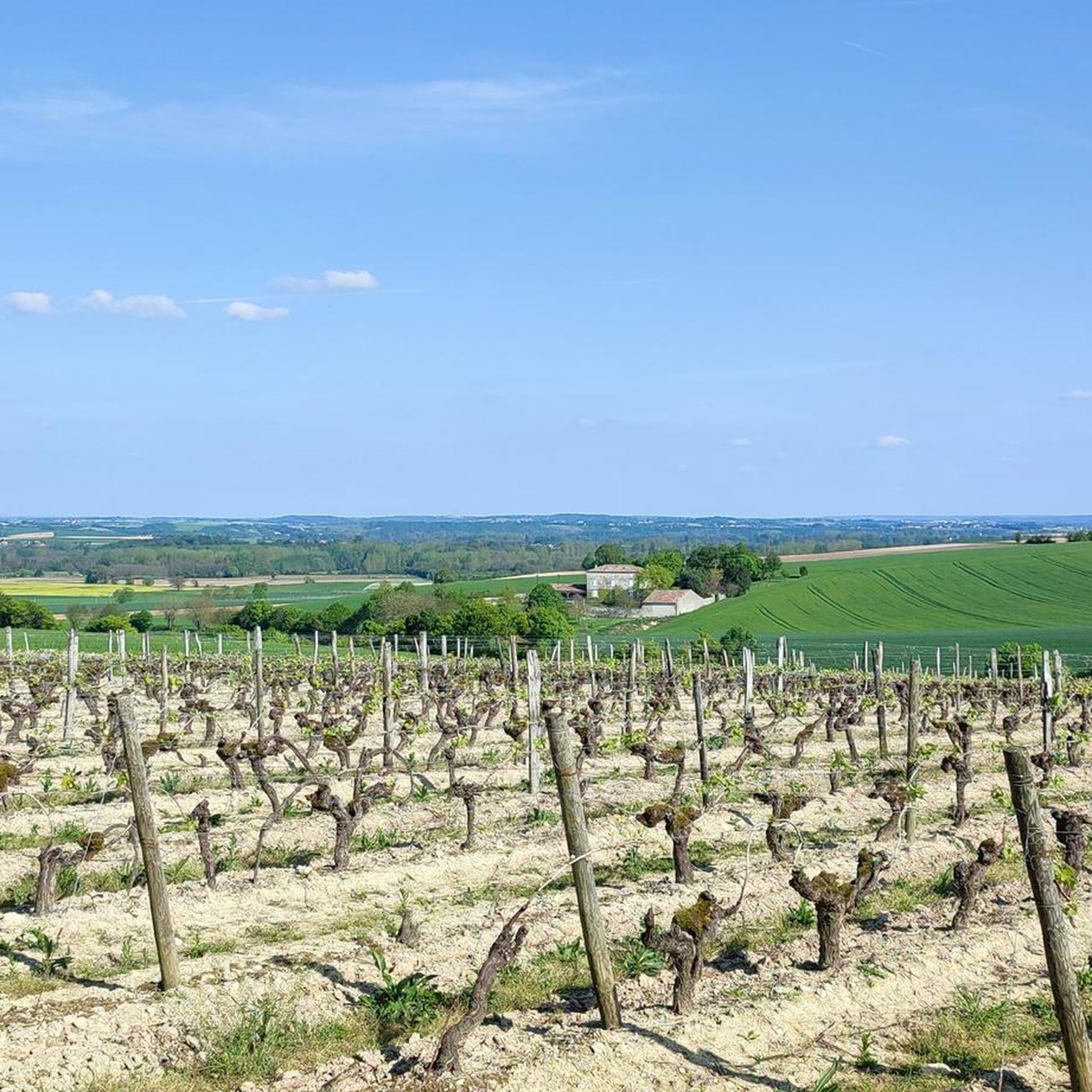
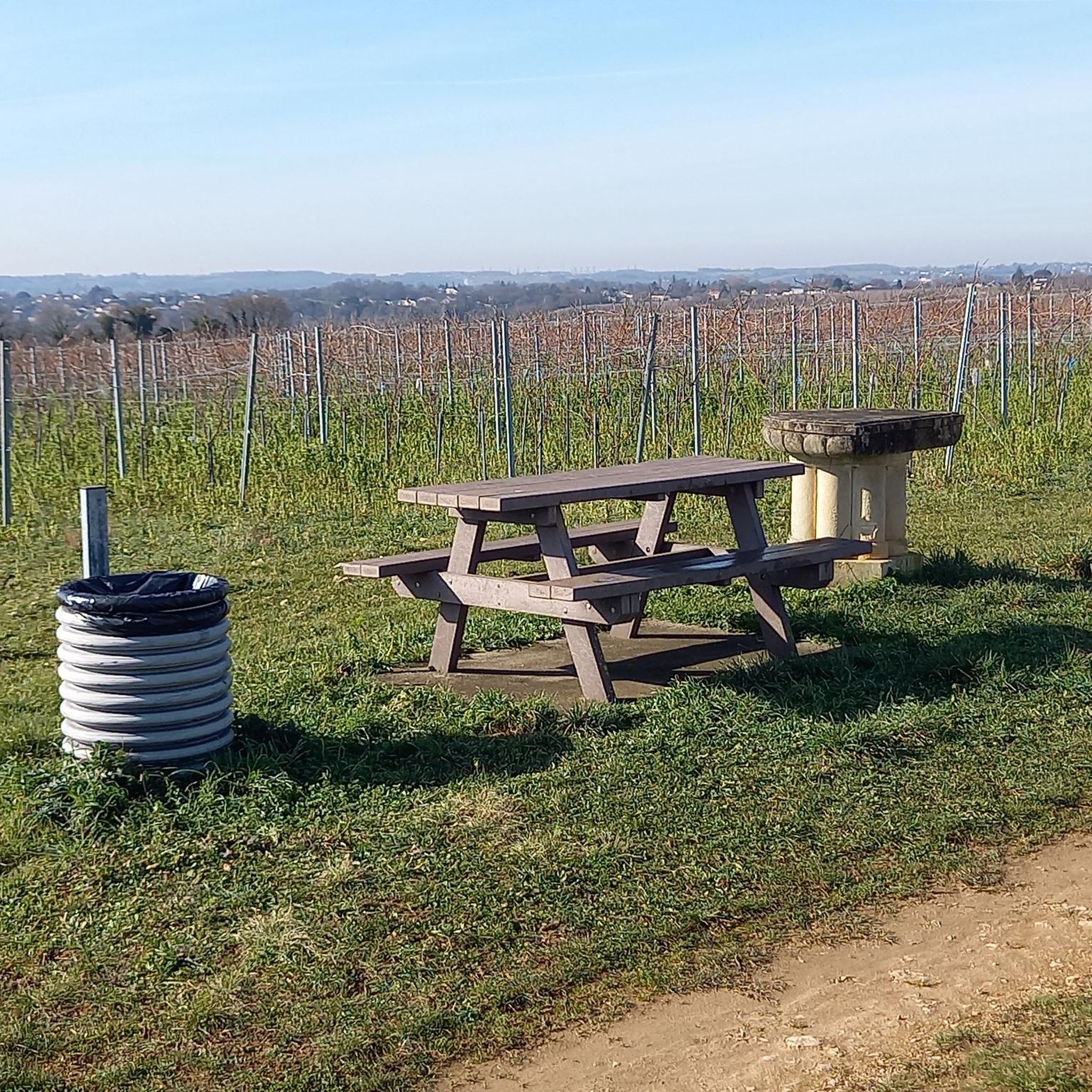
Superb spot to relax on the Charente, before going from one bank to the other. No car, but lots of steps to access the footbridges and locks.
1
0

In the heart of the city, this town hall is truly impressive. This public building, the former castle of the Counts of Angoulême, was built in ten years starting in 1858. Paul Abadie Fils, the architect, will preserve two towers, one from the 13th century, the other from the 15th century. The monument presents different architectural styles, witnesses to the history of the city.
5
0

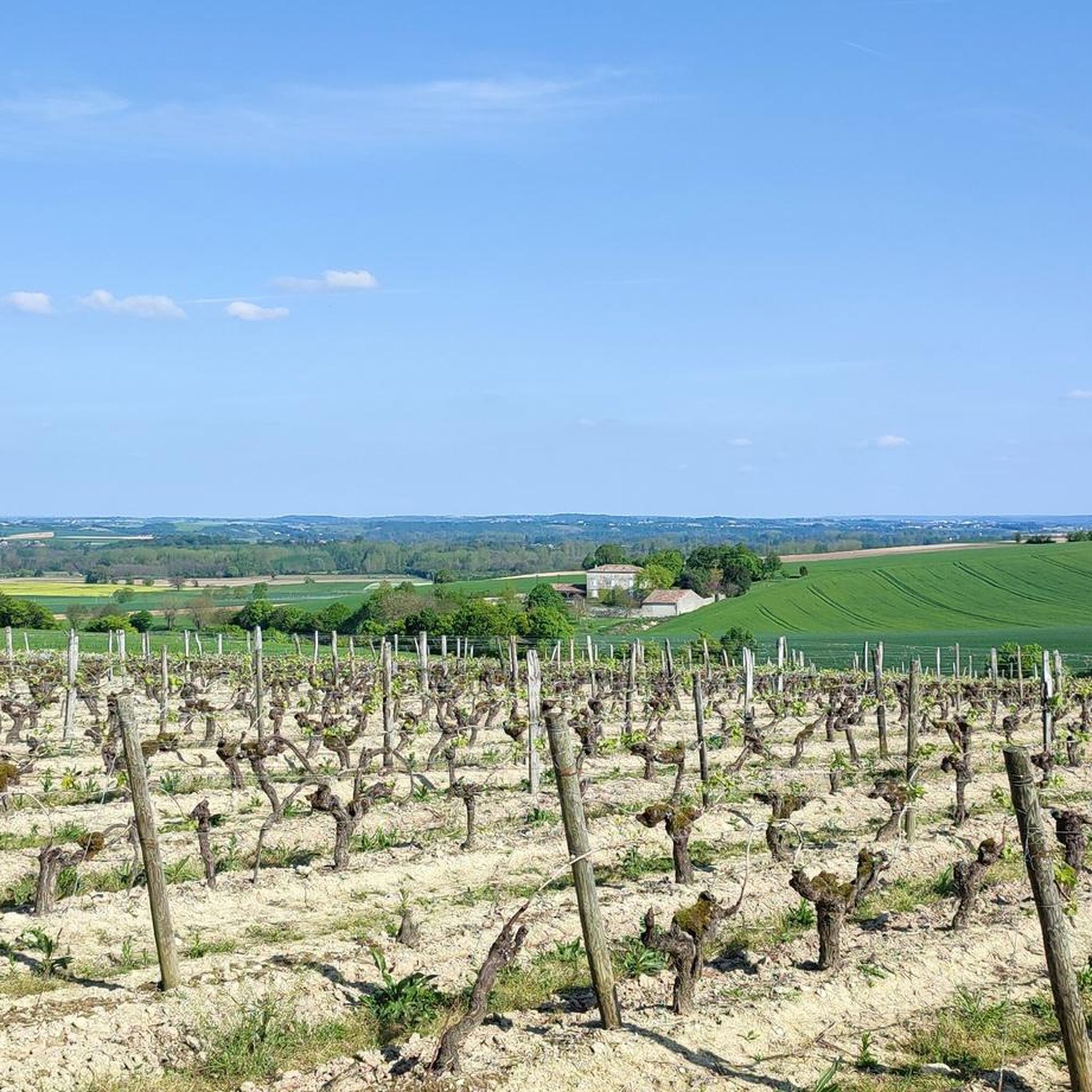
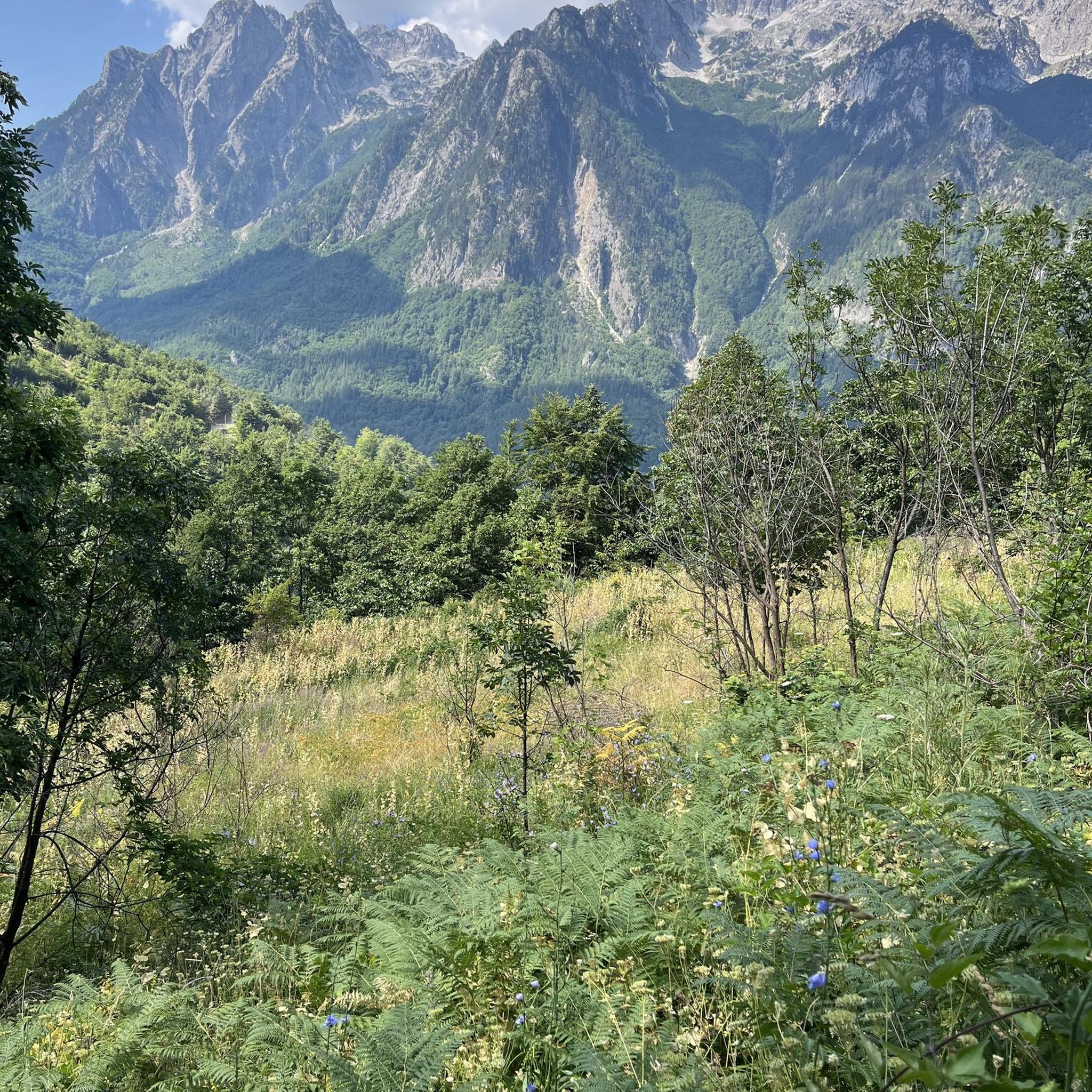
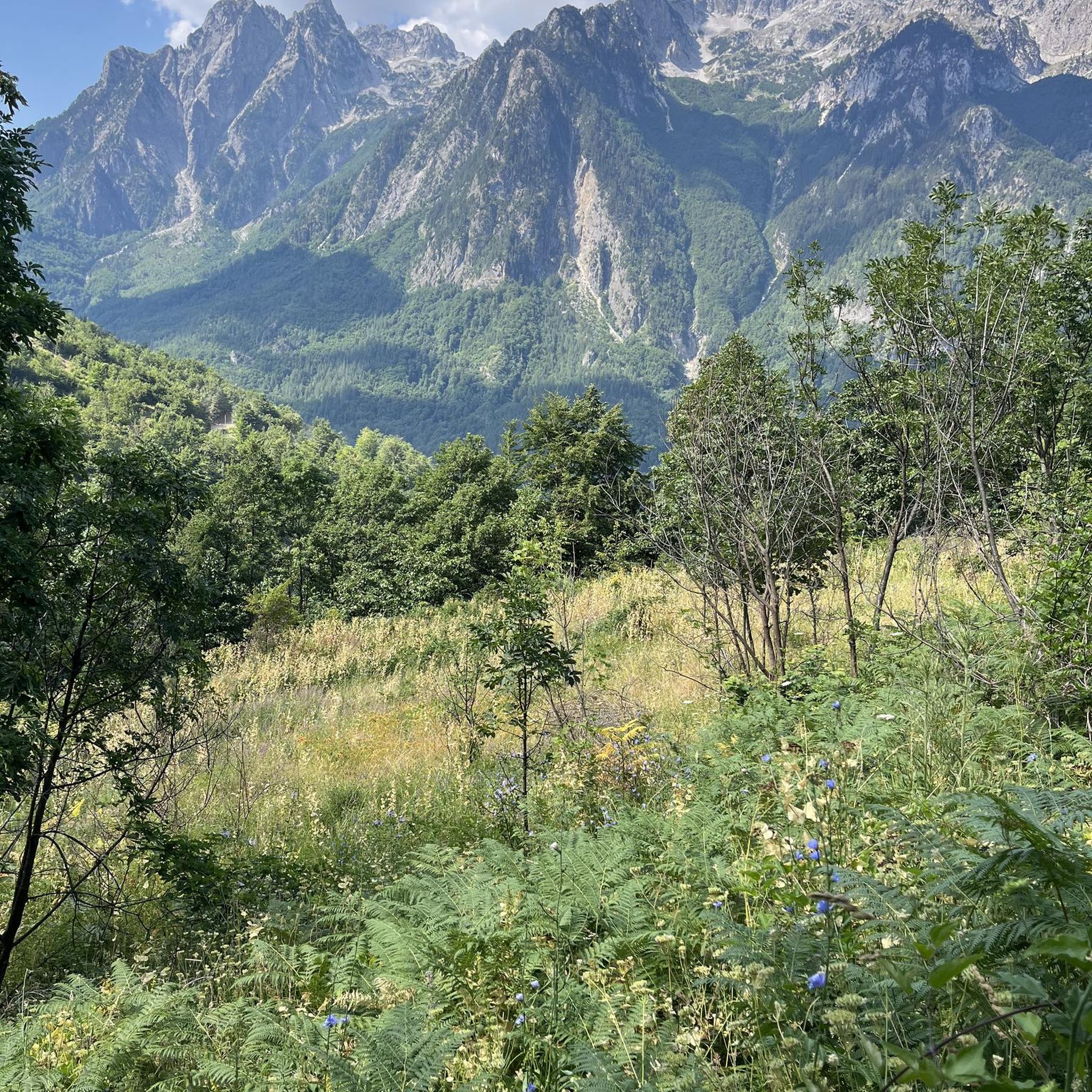
This beautiful valley is classified as a Site of European Interest due to its limestone cliffs and Mediterranean vegetation. The southern slopes are dry grassland which favors a warmer climate, while the northern slopes and valley floor are cooler and wetter. As a natural climbing site, it is known all over the world.
2
0
This beautiful valley is classified as a Site of European Interest due to its limestone cliffs and Mediterranean vegetation. The southern slopes are dry grassland which favors a warmer climate, while the northern slopes and valley floor are cooler and wetter. As a natural climbing site, it is known all over the world.
5
1

A temple dedicated to Jupiter would have been erected on the site of Angoulême cathedral in Gallo-Roman times. In the 4th century, a cathedral dedicated to Saint Peter was built. The Visigoths destroy it. The cathedral was rebuilt in the 6th century. This second building was destroyed in 981 following a fire linked to the Norman raids in the region. A new cathedral was then built by Bishop Grimoard de Mussidan. Nevertheless, the current cathedral is due to the eminent bishop Girard, legate of the Pope. The latter manages the site himself. He chose to cover his cathedral with cupolas as he observed similar ones in Périgueux and Cahors. It also shows originality by covering its facade with sculptures. Work began in 1110. The cathedral was probably almost completed in 1138, when it was consecrated. The cathedral is looted during the Wars of Religion. It served as the Temple of Reason under the Revolution. It underwent a radical restoration by the architect Paul Abadie who added to the facade its gable, its pinnacles and its equestrian statues. He also reconstructed the dome of the crossing and the bell tower.
3
0
Frequently Asked Questions
What natural attractions can I explore around Champniers?
The region offers several beautiful natural spots. You can visit the Vallée des Eaux claires, a Site of European Interest known for its limestone cliffs and Mediterranean vegetation, which is also a popular climbing site. Another great option is the Fleurac Islands, a natural area perfect for walkers and cyclists, where you can cross the Charente river.
Are there any historical sites or cultural landmarks to visit near Champniers?
Yes, the area is rich in history. The most prominent is the Saint-Pierre d'Angoulême Cathedral, a magnificent man-made monument consecrated in 1017 with a facade adorned with over 70 sculptures. You can also explore the Saint-Amant-de-Boixe Abbey, an imposing Romanesque building on the route of Saint-Jacques de Compostelle. In Champniers itself, don't miss the 12th-century Church of Sainte-Eulalie and the 16th-century Chapel of the Leper.
What outdoor activities are available for visitors in the Champniers area?
Champniers and its surroundings are ideal for outdoor enthusiasts. You can enjoy various activities like hiking, running, and gravel biking. There's a marked ten-kilometer hiking trail connecting the village to the Nightingale. For more options, check out the numerous hiking trails around Champniers, running routes, or gravel biking tours, including routes around the Fleurac Islands and Lac de Saint-Yrieix.
Are there family-friendly attractions or activities near Champniers?
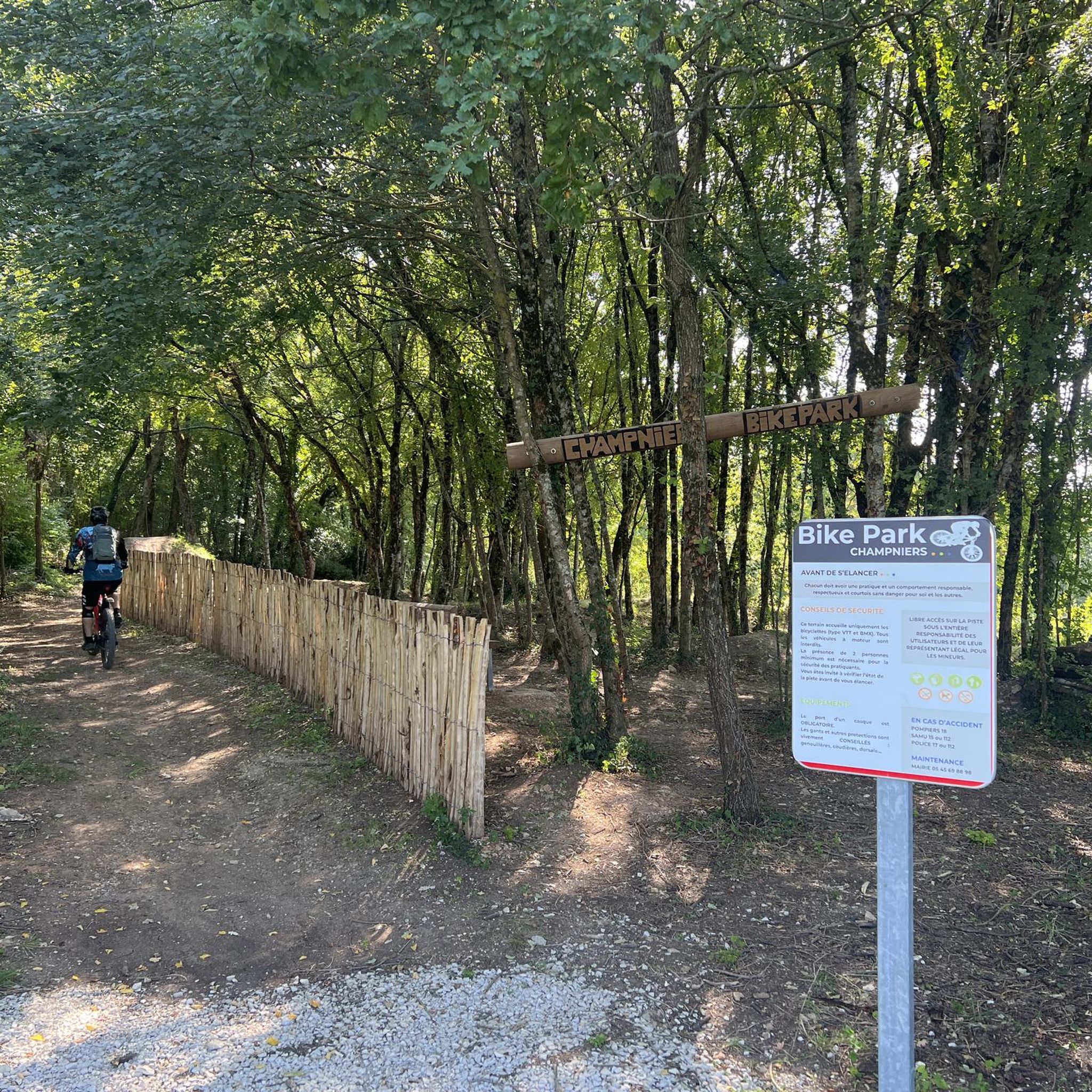
Absolutely! The Fleurac Islands are a popular spot for families, easily reachable by bike from Angoulême, offering a refreshment bar during the season. The Chapel of the Leper, situated in a forest clearing, is now part of a leisure park, providing a pleasant setting for families. Many of the local hiking and cycling paths are also suitable for family outings.
What is the best way to get around and access attractions in Champniers?
While specific public transport details for Champniers attractions are limited, many natural sites like the Fleurac Islands are easily accessible by bike, especially from Angoulême. For other attractions, driving is often the most convenient option, with parking generally available. Angoulême, a larger city nearby, offers more comprehensive transport links.
What are some unique cultural points of interest in the wider region?
Beyond Champniers, the nearby city of Angoulême, approximately ten kilometers away, is famous for its international comic strip festival and boasts historical monuments like the Saint-Pierre d'Angoulême Cathedral and the impressive Town Hall, which was formerly a castle. About forty kilometers away, Cognac is renowned for its namesake brandy and offers a different cultural experience.
Can I find good hiking trails around Champniers?
Yes, Champniers offers a variety of hiking opportunities. There's a marked ten-kilometer hiking trail within Champniers itself. For more extensive options, you can explore numerous hiking trails around Champniers, including routes like the 'Tour of Lac de Saint-Yrieix' or the 'Saint-Yrieix and Angouleme - loop', catering to different difficulty levels.
What do visitors enjoy most about the attractions near Champniers?
Visitors particularly appreciate the blend of historical depth and natural beauty. The Vallée des Eaux claires is loved for its stunning landscapes and unique Mediterranean vegetation, while the Fleurac Islands are cherished for their peaceful atmosphere and accessibility for walks and bike rides. The historical significance and architectural grandeur of sites like the Saint-Pierre d'Angoulême Cathedral also receive high praise.
Are there any specific cycling routes or areas for cyclists?
Cyclists will find the area very welcoming. The Fleurac Islands are easily accessible by bike from Angoulême, making for a pleasant ride. Additionally, there are several gravel biking routes around Champniers, including scenic loops like the 'Greenway – Fleurac Islands loop' and 'Greenway – Lake Saint-Yrieix loop', offering diverse terrain and distances.
What are some lesser-known or 'hidden gems' in Champniers?
Beyond the main highlights, Champniers itself holds charm. You can discover various washing areas and fountains as you stroll through the heart of the town. The 12th-century Church of Sainte-Eulalie and the 16th-century Chapel of the Leper, nestled in a forest clearing, offer a glimpse into local history and are less frequented than the larger Angoulême attractions.
How long should I plan for visiting the attractions around Champniers?
To fully appreciate the main attractions, consider dedicating at least a full day, or even a weekend. You could spend a morning exploring the historical sites in Angoulême, such as the Cathedral and Town Hall, and then an afternoon enjoying the natural beauty of the Vallée des Eaux claires or the Fleurac Islands. If you plan to include hiking or cycling, allocate extra time for those activities.
Most popular routes around Champniers

Get inspired with the komoot mobile app


Explore more
Still not found the Highlight you’re looking for? See guides of the top attractions in other regions:
