Top 4 Castles around Quinsac
Best castles around Quinsac are found in a commune situated on the right bank of the Garonne River, southeast of Bordeaux. This region is known for its wine-growing heritage, where the term "château" often refers to stately homes or wine estates. The landscape offers a blend of historical architecture and viticultural significance.
Best castles around Quinsac
- The most popular castles is Château La Louvière, a castle known for its magnificent architecture. It is also a site for the production…
Last updated: October 30, 2026
Château du Hâ, Palais Justice & École nationale magistrature
Highlight • Castle
Translated by Google •
Tip by

Château du Dragon
Highlight • Castle
Translated by Google •
Tip by

Sign up now to discover places like this
Get recommendations on the best single tracks, peaks, & plenty of other exciting outdoor places.
Château La Louvière
Highlight • Castle
Translated by Google •
Tip by

Château Haut-Brion, Pessac
Highlight • Castle
Tip by
Château de La Brède
Highlight • Castle
Translated by Google •
Tip by

Start today with a free account
Your next adventure awaits.
Tips from the Community

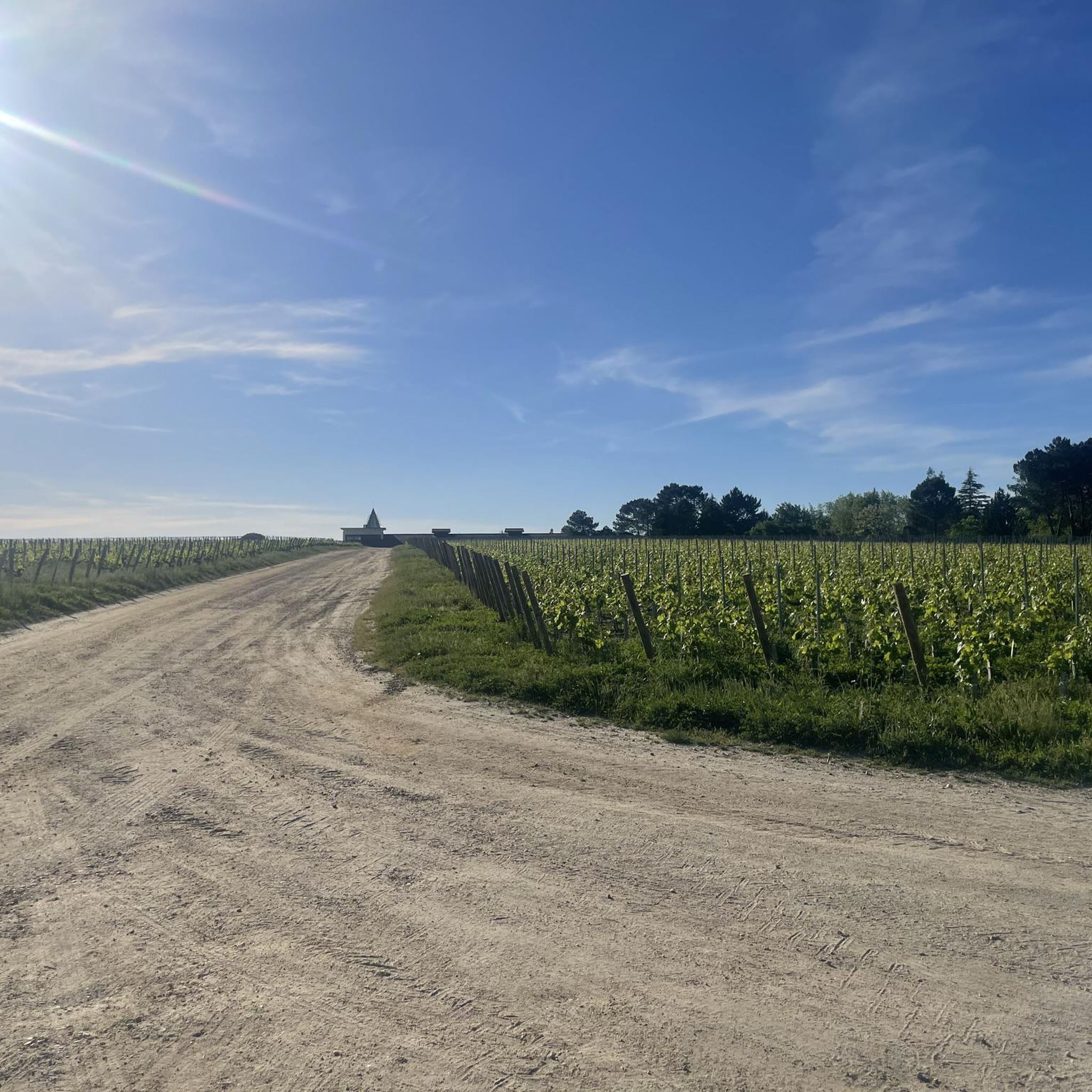
Magnificent castle, and production of a very good wine in Pessac-Léognan. The detour from the road to the castle is worth it.
0
0

Former centuries-old property of Baron de Montesquieu, a brilliant French thinker of the eighteenth century, this marvelous castle with an almost circular plan nestles with its feet in the water on a 150 hectare property.
0
0

Superb ruined castle in the middle of paths and tall grass. Vegetation has taken over the castle and you can see trees growing on the roof. It takes its name from the plot where it was built. But its origin remains mysterious! All the more reason to let yourself be haunted by this building.
1
0

After lingering at Place Pey-Berland in front of Saint André cathedral, return to Pessac via rue des frères Bonie. Passage in front of the courthouse and its 7 courtrooms with pointed domes in reference to the seven deadly sins!
2
1
Superb castle in ruins in the middle of paths and tall grass. Vegetation has taken over the castle and you can see trees growing on the roof. It takes its name from the plot where it was built. But its origin remains mysterious! All the more reason to be haunted by this building.
0
0

The fence is mostly closed, but lucky visitors are in for a treat in this formal wine chateau on the western outskirts of Bordeaux.
2
1
The castle of Hâ, also named Fort Hâ, is an old fortress of Bordeaux, on the site of which are currently erected the Palace of Justice and the National School of the Judiciary. It was built by decision of King Charles VII, immediately after the final resumption of Bordeaux to the English in 1453. Its two towers (English and Minimes) are preserved. https://fr.wikipedia.org/wiki/Ch%C3%A2teau_du_H%C3%A2
5
1
Frequently Asked Questions
What types of 'castles' can I expect to find around Quinsac?
In the Quinsac region, the term 'château' often refers to stately homes or wine estates rather than traditional medieval fortifications. You'll discover a blend of historical architecture, such as the 17th-century Château La Louvière, and numerous wine-producing châteaux like Château Quinsac and Château Bel-Air Quinsac, which are integral to the region's viticultural heritage.
Are there any historical fortresses or ruins to explore?
Yes, you can visit the remnants of an old Bordeaux fortress at Château du Hâ, Palais Justice & École nationale magistrature, where its English and Minimes towers are preserved. For a more mysterious experience, Château du Dragon offers superb ruins where vegetation has taken over, creating a unique atmosphere.
Which castles offer wine-tasting experiences?
Several châteaux in Quinsac are active wine estates. Château Quinsac is renowned for its Bordeaux Supérieur, and Château Bel-Air Quinsac, established in 1716, practices organic farming and produces elegant red wines. Château La Louvière is also known for producing excellent wine in Pessac-Léognan.
Are there any family-friendly castles in the area?
Yes, Château de La Brède, the former property of Montesquieu, is noted as family-friendly. Its unique almost circular plan and extensive 150-hectare grounds offer a great setting for a family outing.
What kind of views can I expect from the châteaux?
Château Bel-Air Quinsac boasts a particularly advantageous and scenic location on the 'Première Côte' of Bordeaux, offering expansive 180-degree views of the Garonne River. On exceptionally clear days, you might even catch a glimpse of the Pyrenees.
What outdoor activities can I do near these castles?
The area around Quinsac offers various outdoor activities. You can find numerous running trails, gravel biking routes, and road cycling routes. Options range from easy to moderate, allowing you to explore the scenic landscapes and vineyards.
Are there specific hiking or walking routes that incorporate castles?
While specific routes directly through castle grounds vary, many of the nearby running and cycling routes will take you past or near several châteaux and wine estates, allowing you to enjoy the architecture and scenery as part of your outdoor activity.
What is the best time of year to visit the castles around Quinsac?
The region is beautiful year-round, but spring and autumn offer pleasant weather for exploring the estates and vineyards. During these seasons, you can enjoy comfortable temperatures for outdoor activities and potentially witness the grape harvest or blooming landscapes. Some châteaux may have specific events or opening hours during different seasons, so it's always good to check ahead.
Can I visit Château Péconet?
Château Péconet is a private property. However, it houses the Atlantic Wall Museum, and access for visits may be possible during specific events such as Heritage Days. It's advisable to check local listings for these special occasions.
What makes the Quinsac region unique for castle enthusiasts?
Quinsac is unique because its 'castles' are deeply intertwined with its rich winemaking heritage. Beyond historical architecture, you'll find active wine estates, some practicing organic farming, set against the backdrop of the Garonne River. The commune is also celebrated as the 'capital of Clairet,' a light red Bordeaux wine, adding a distinct viticultural dimension to your exploration.
Are there any castles with notable architectural styles?
Yes, Château Péconet is a rare surviving example of a 17th-century dwelling in the Bordeaux region, notable for its intricate Mannerist sculpted decor. Château La Louvière is also admired for its magnificent architecture.
Most popular routes around Quinsac
Most popular attractions around Quinsac

Get inspired with the komoot mobile app


Explore more
Looking for the best castles somewhere else? Discover other guides around Quinsac:
