The best walks and hikes around Blumenholz
4.5
(3763)
13,687
hikers
36
hikes
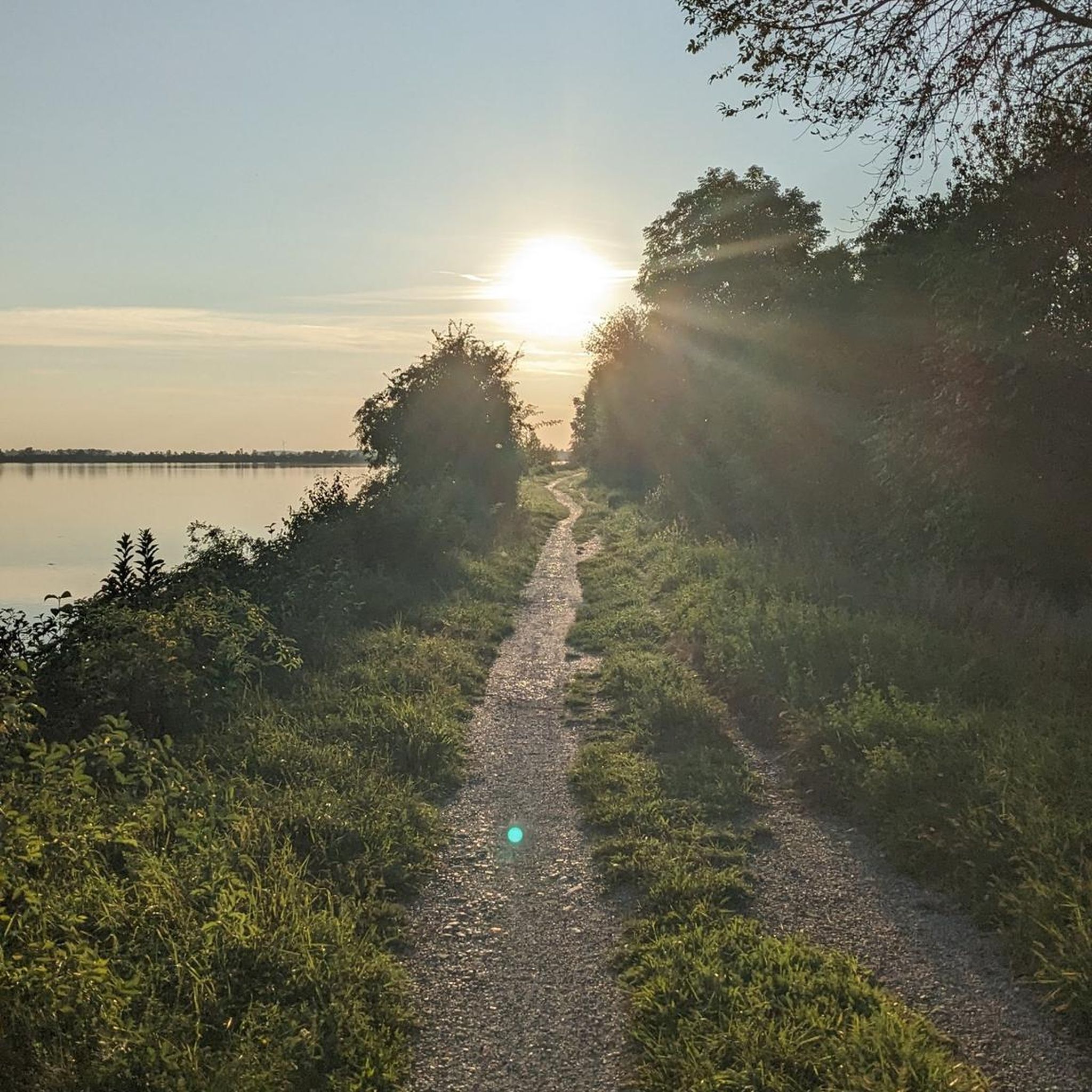
Hiking around Blumenholz offers diverse landscapes within Germany's Mecklenburg Lake District. The region features dense forests, tranquil lakes, and vibrant fields, providing varied terrain for outdoor activities. Hikers can explore unique natural elements such as moors, marshlands, and ancient glacial rock formations. The area's elevation changes, including some steeper ascents, contribute to a range of hiking experiences.
Best hiking trails around Blumenholz
- The most popular hiking route is Wanzkaer Mill Ruins – Rodenkrug Soldiers' Cemetery loop from Nonnenbachtal, a…
Last updated: October 1, 2026
4.7
(7)
17
hikers
Moderate hike. Good fitness required. Easily-accessible paths. Suitable for all skill levels.
4.0
(4)
13
hikers
19.6km
05:09
150m
150m
Hard hike. Very good fitness required. Easily-accessible paths. Suitable for all skill levels.

4.9
(10)
26
hikers
Moderate hike. Good fitness required. Easily-accessible paths. Suitable for all skill levels.
4.0
(2)
8
hikers
Moderate hike. Good fitness required. Easily-accessible paths. Suitable for all skill levels.
4.8
(11)
27
hikers
8.94km
02:20
60m
60m
Moderate hike. Good fitness required. Easily-accessible paths. Suitable for all skill levels.
Get access to more routes and recommendations from other explorers.
Already have an account?
Our route recommendations are based on thousands of hikes, rides, and runs completed by other people on komoot.
Start today with a free account
Your next adventure awaits.
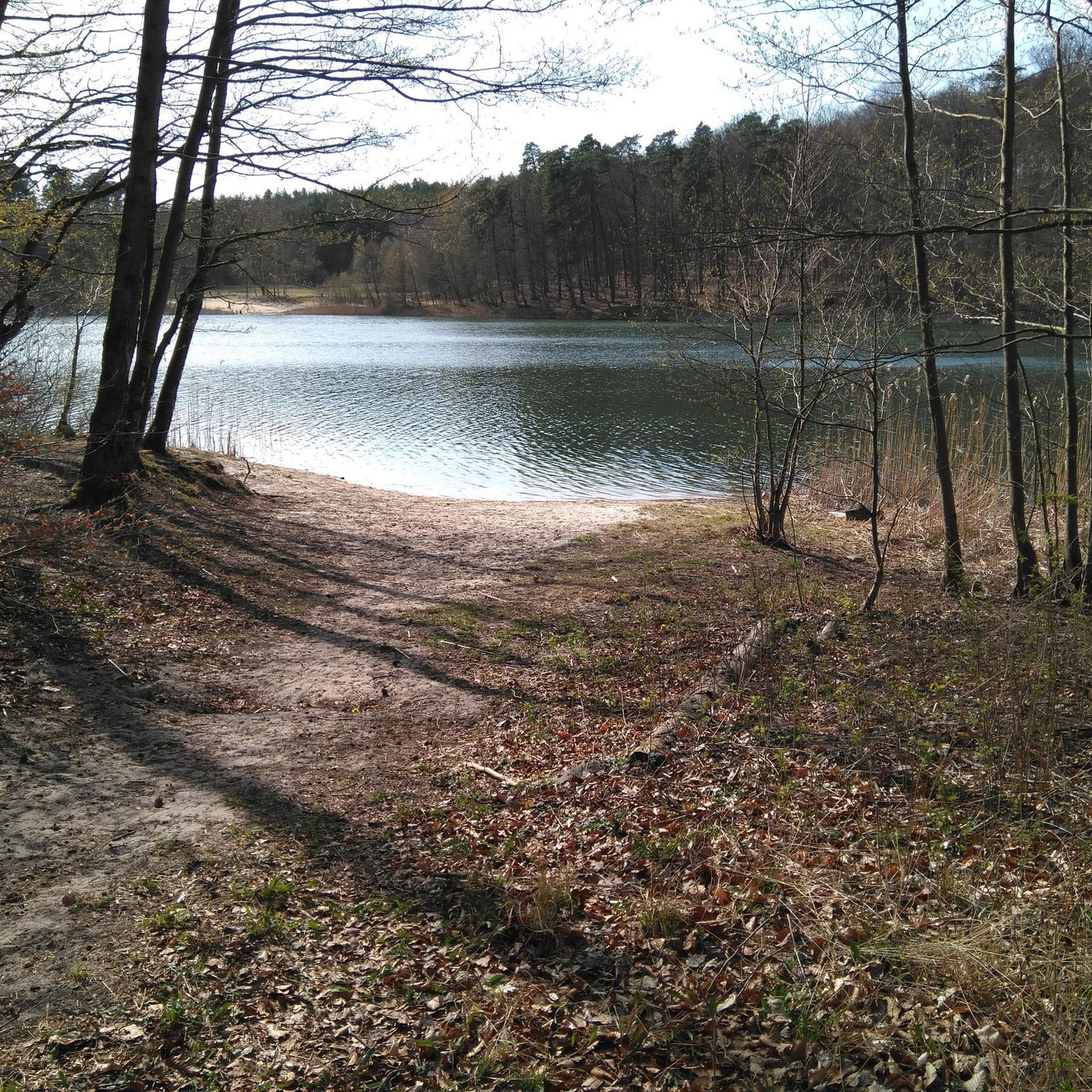
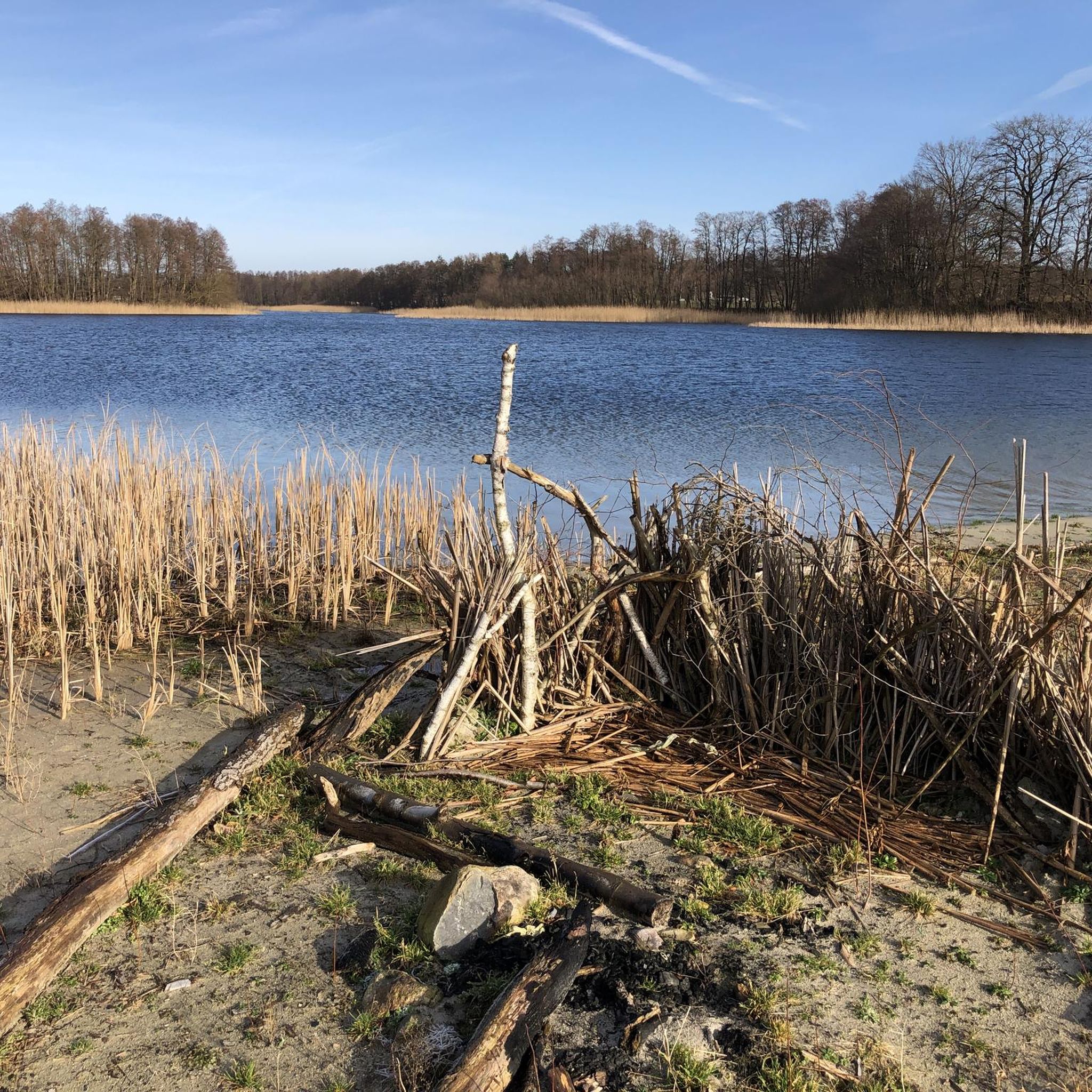
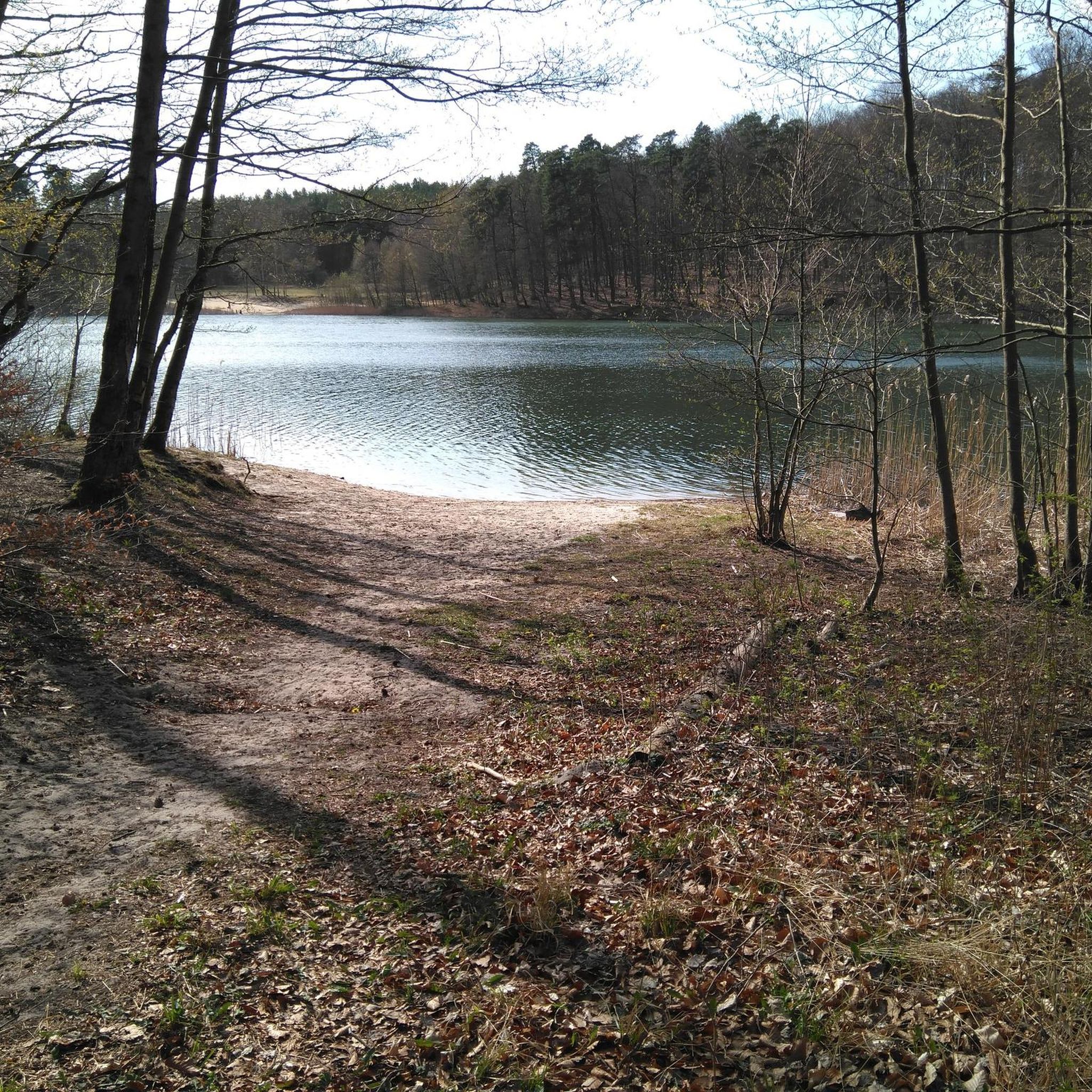
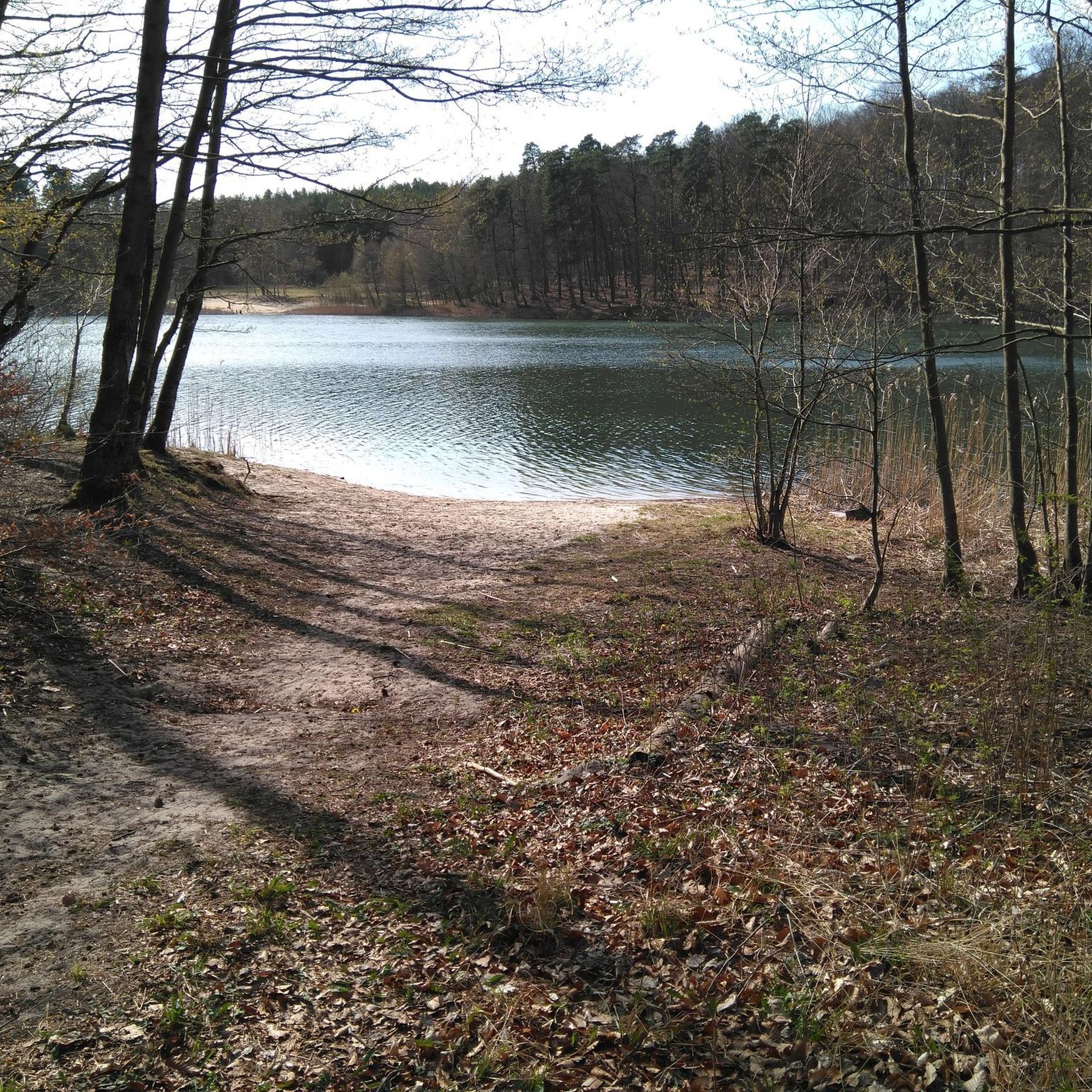
Tips from the Community

A thank you to the trail maintainers.
0
0
In the summer of 2026, for the first time after the ice age, without water.
0
0


The Wanzka Mill is a historic mill ruin in the Wanzka district of the Blankensee municipality. It is located near Lake Wanzka on the Nonnenbach stream, in the heart of the Nonnenbachtal nature reserve. The mill was originally built in the 16th century as a grain mill and later developed into one of the largest milling sites in the Mecklenburg-Strelitz district. Partially destroyed during World War II, the mill remained in operation until the 1950s, continuing to supply electricity to the surrounding area. In the GDR, there were plans to make more intensive use of the Nonnenbach stream's hydropower, which is still evident today in the mill's structural design – with several water chambers for wheels and later turbines. Today, the Wanzka Mill is a three-story ruin and a popular destination for hikers and nature lovers. It offers not only impressive insights into the region's technical and industrial history but also picturesque views of the surrounding lakes and hills.
1
0

Very worth seeing, you have to see it
0
0

Very suitable for a short break to cool down and relax.
0
0
Small bathing establishment...freely accessible, plenty of places to sit. Longer jetty with ladder or direct access to the water...unfortunately a bit overgrown with weeds.
1
0
Take a short break and linger.
0
0
Frequently Asked Questions
How many hiking trails are available in Blumenholz?
Blumenholz offers a wide selection of hiking opportunities, with over 35 trails to explore. These routes cater to various preferences, from leisurely strolls to more challenging treks.
What is the best time of year to go hiking in Blumenholz?
The most enjoyable seasons for hiking in Blumenholz are spring and autumn. During spring, you can experience blooming meadows and trees, while autumn offers vibrant foliage and mild temperatures, making for pleasant conditions on the trails.
What kind of terrain can I expect on hikes around Blumenholz?
Hiking trails in Blumenholz feature a diverse landscape, including dense forests, tranquil lakes, and open fields. You'll also encounter unique natural elements such as moors and marshlands, and some routes may include steeper ascents, like the challenging 'Bergpanorama Route' which offers spectacular valley views.
Are there hiking options for different skill levels in Blumenholz?
Yes, Blumenholz provides a range of trails suitable for all skill levels. There are 12 easy routes perfect for a relaxed walk, 21 moderate trails for those seeking a bit more challenge, and 3 difficult routes for experienced hikers looking for a strenuous adventure.
Are there any family-friendly hiking trails in Blumenholz?
Yes, the region offers several easy, family-friendly walks. For example, the View of the Lake loop from Chausseehaus is an easy 5.4 km route that takes about 1 hour 25 minutes, suitable for families.
Can I bring my dog on the hiking trails in Blumenholz?
While many trails in the Blumenholz region are dog-friendly, it's always advisable to keep your dog on a leash, especially in nature reserves or areas with wildlife. Specific rules may apply in certain protected areas like the nearby Müritz National Park.
Are there circular hiking routes available in Blumenholz?
Yes, many of the hiking routes in Blumenholz are circular, allowing you to start and end at the same point. Popular loop trails include the Wanzkaer Mill Ruins – Rodenkrug Soldiers' Cemetery loop from Nonnenbachtal and the Ruins of Peccatel Castle – Beaver Lodge at Krebssee loop from Blumenholz.
Where can I find scenic viewpoints in Blumenholz?
For breathtaking views, consider trails that lead to higher elevations. The 'Bergpanorama Route' is known for its steep ascent to a vantage point offering spectacular views over the entire valley. Many trails also offer picturesque views of the tranquil lakes and diverse landscapes.
What historical sites or natural landmarks can I see while hiking?
Hiking in Blumenholz allows you to discover a blend of history and nature. You can visit the Ruins of Peccatel Castle, the Wanzkaer Mill Ruins, or the Weisdin Church. Natural highlights include unique ecosystems around the Schreisee, ancient glacial rock formations, and the UNESCO World Natural Heritage Serrahner Beech Forest.
Are there any nearby attractions or national parks worth visiting?
Absolutely. Blumenholz is close to the Müritz National Park, which offers numerous adventure trails. The Tollensesee is also nearby, featuring a 35-kilometer circular path and excellent bathing spots. You can also explore the charming architecture of Blumenholz itself.
What do other hikers enjoy most about hiking in Blumenholz?
The komoot community highly rates the hiking experience in Blumenholz, with an average score of 4.5 stars from over 900 reviews. Hikers often praise the diverse landscapes, the tranquility of the lakes and forests, and the well-maintained trails that offer a mix of historical sites and natural beauty.
Are there any particularly challenging hikes in the area?
For those seeking a more strenuous experience, Blumenholz offers 3 difficult routes. One such challenging hike is the Zachow Shelter – Wanzka Bathing Area loop from Nonnenbachtal, which covers over 19 km and includes significant elevation changes.
Most popular routes around Blumenholz
Most popular attractions around Blumenholz

Get inspired with the komoot mobile app


Explore more
Browse the best Hikes in other regions.
