The best walks and hikes around Cussac-Fort-Médoc
4.3
(115)
871
hikers
88
hikes
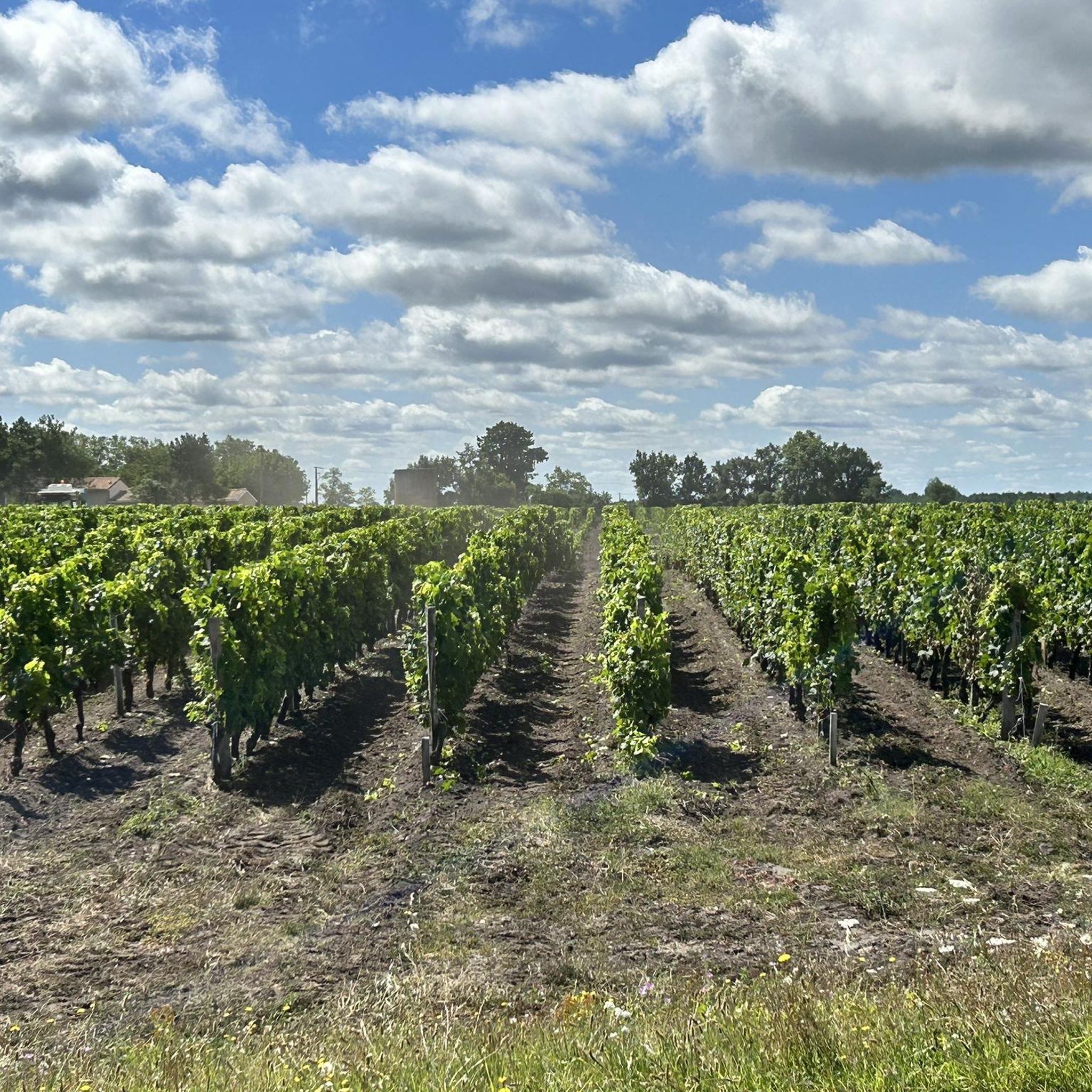
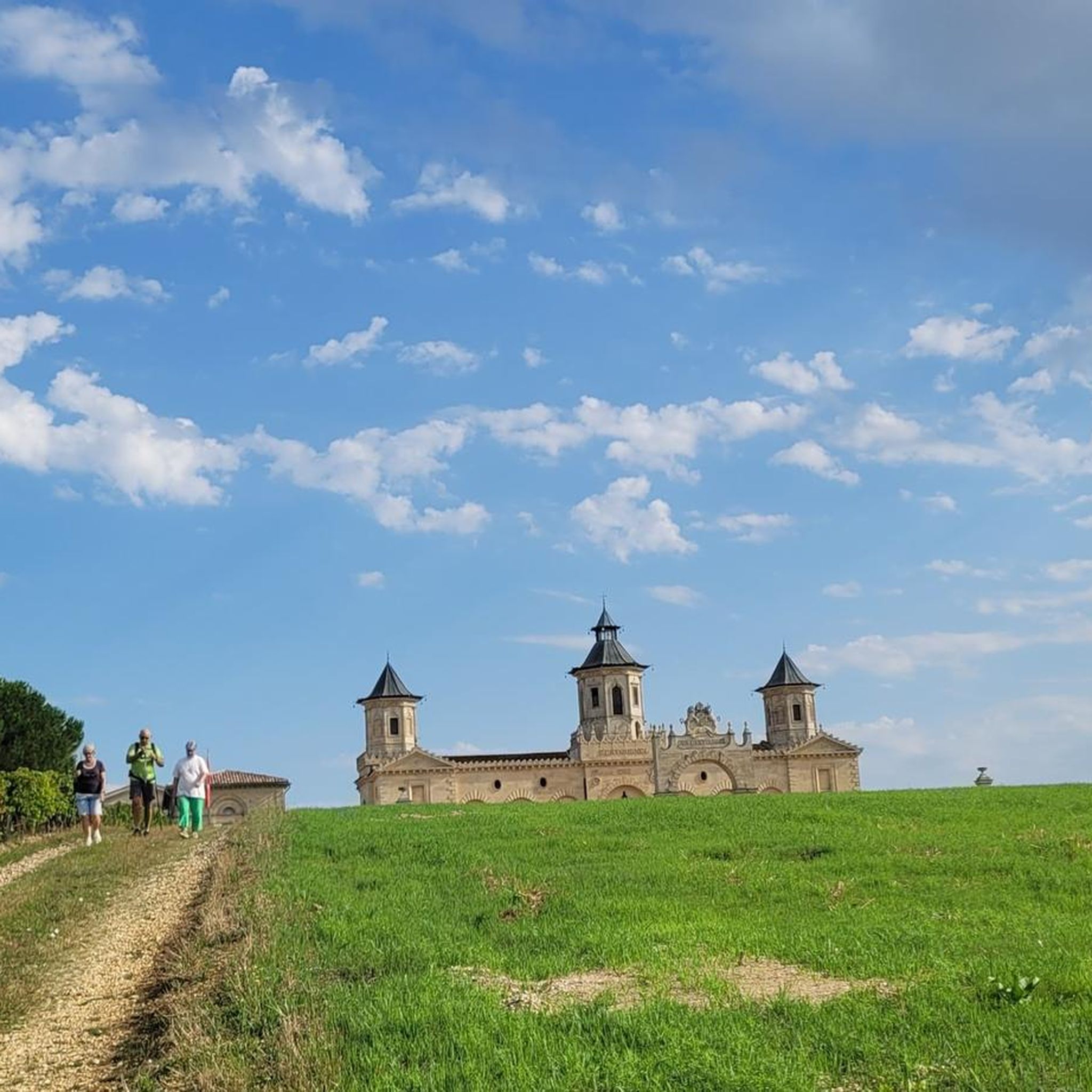
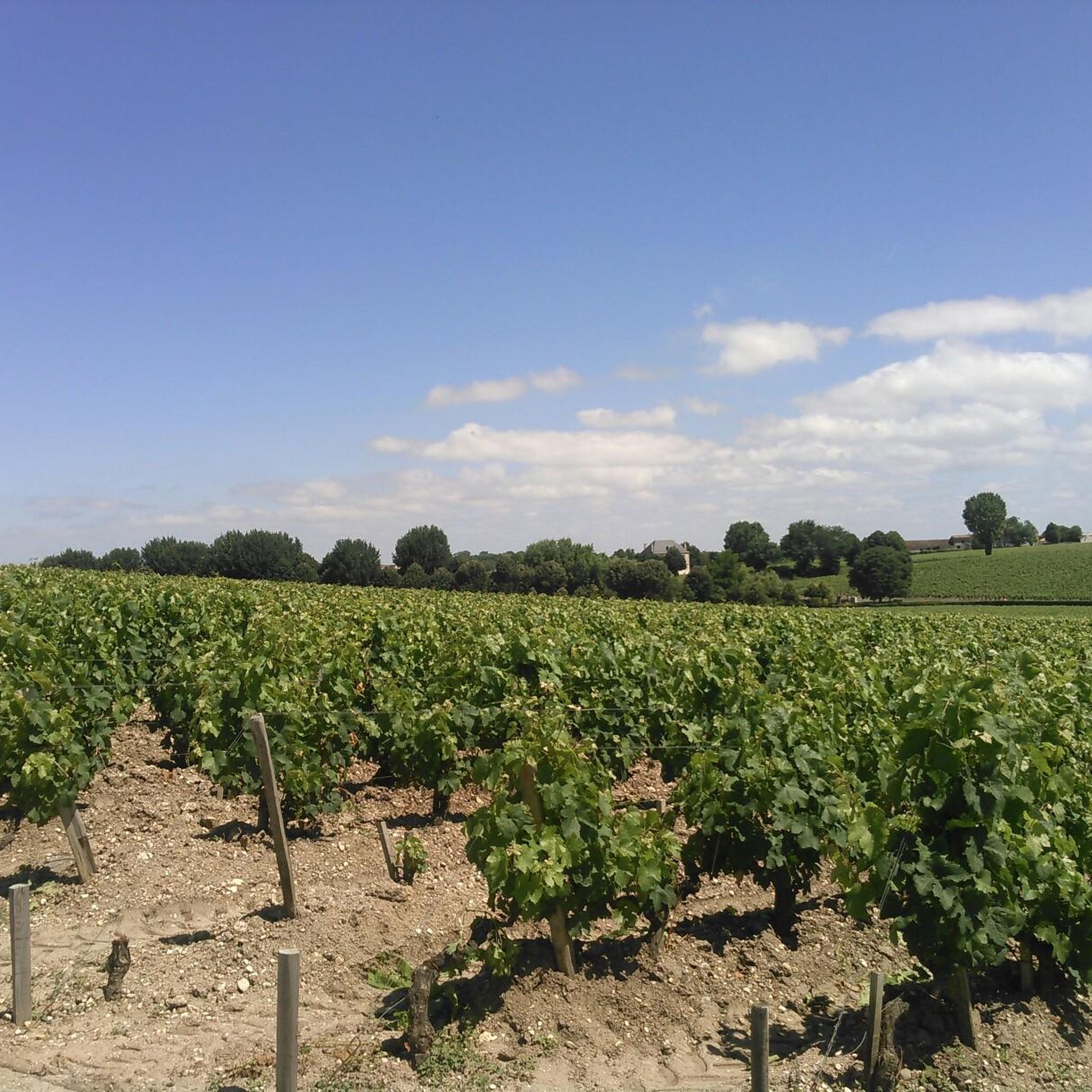
Hiking around Cussac-Fort-Médoc offers exploration of the Gironde estuary's left bank, characterized by extensive vineyards and historical fortifications. The landscape features flat terrain along the estuary, with dikes providing elevated views, and rolling vineyard areas. This region is defined by its viticultural heritage and proximity to one of Europe's largest estuaries.
Best hiking trails around Cussac-Fort-Médoc
- The most popular hiking route is Loop to the medieval city of Blaye, a 8.3 miles (13.3 km) trail that takes 3 hours…
Last updated: November 13, 2026
3.5
(2)
16
hikers
13.3km
03:28
60m
60m
Hard hike. Good fitness required. Sure-footedness, sturdy shoes and alpine experience required.
4.8
(6)
83
hikers
3.00km
00:48
40m
40m
Easy hike. Easily walkable paths.

5.0
(1)
1
hikers
7.68km
01:57
20m
20m
Easy hike. Easily walkable paths.
4.0
(2)
9
hikers
15.6km
04:08
150m
150m
Moderate hike. Good fitness required. Easily walkable paths.
2
hikers
8.86km
02:15
20m
20m
Moderate hike. Good fitness required. Easily walkable paths.
Get access to more routes and recommendations from other explorers.
Already have an account?
Our route recommendations are based on thousands of hikes, rides, and runs completed by other people on komoot.
Start today with a free account
Your next adventure awaits.

Tips from the Community

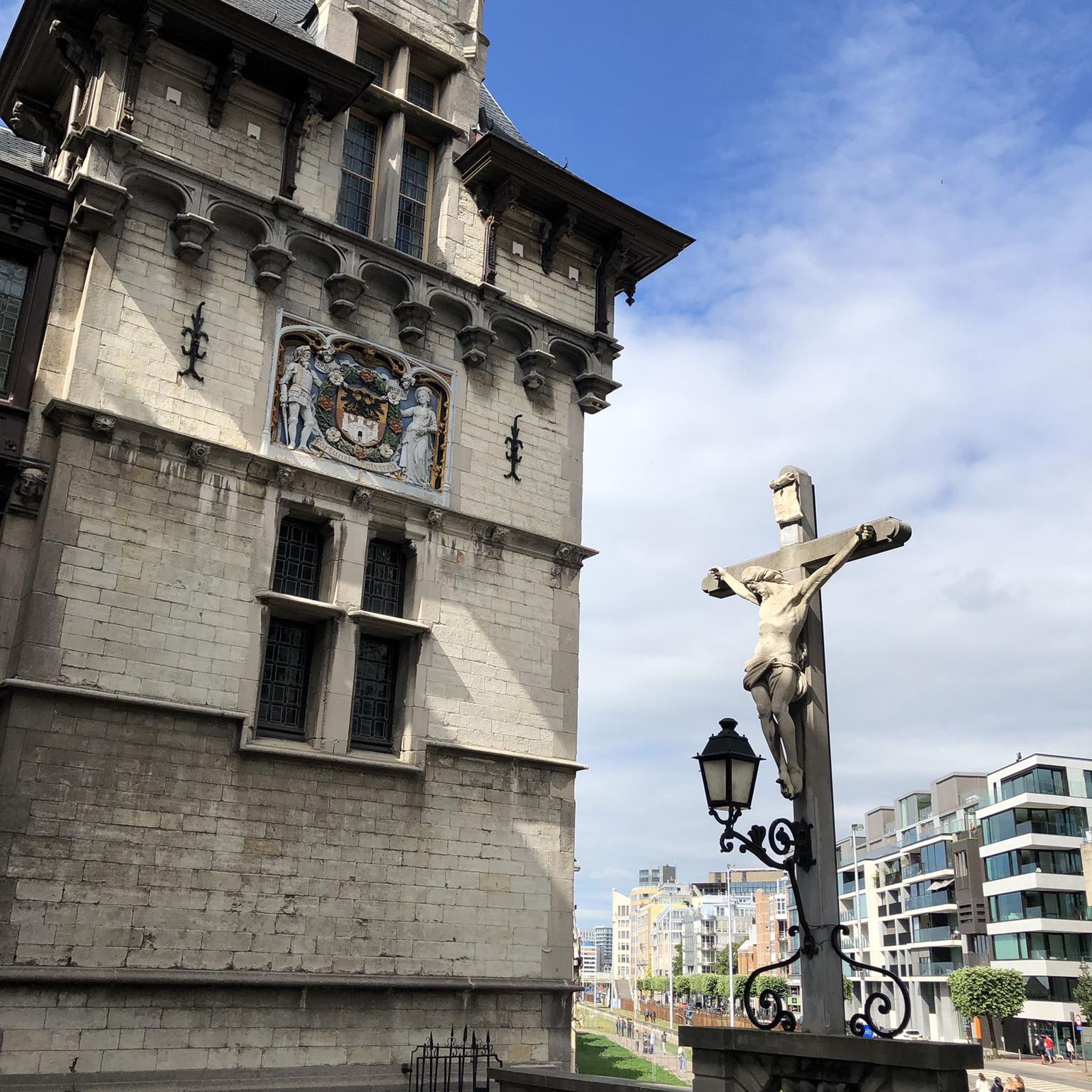
Worth seeing fortress, unfortunately the weather was not nice for further explorations.
4
0

Since we wanted to continue with the ferry, but still had 60 minutes until the next crossing, we looked at this pretty citadel. There is also a café that invites you to linger.
0
0

Citadel built under Vauban to protect the port of Blaye. https://de.m.wikipedia.org/wiki/Zitadelle_Blaye
0
0

In his 56 years of service, Vauban, who was already an Ingénieur de France, designed 33 new forts, delivered over 400 projects for 160 sites and modernized countless existing forts. He is the actual creator of the enceinte de fer, the iron belt, and the pré carré, with which France under Louis XIV secured its external borders. The fortified town of Neuf-Brisach/Neu-Breisach is considered to be his main work Fortifications by Vauban is the name of the World Heritage site that summarizes the important fortifications of the brilliant French master builder. In 2008, UNESCO decided to include twelve particularly exemplary and well-preserved sites in the World Heritage List: * Arras Citadel * Citadel, ramparts and Fort Griffon in Besançon * Citadel of Blaye, Fort Paté on an island in the Gironde and the * Citadel of Cussac-Fort-Médoc * Briançon fortification system (walls, four forts, signal tower and bridge) * Tour dorée (golden tower) in Camaret-sur-Mer * Fortified Upper Town of Longwy * Fortified city of Mont-Dauphin * Mont-Louis, composed of citadel and fortified city * Fortified town of Neuf-Brisach * Saint-Martin-de-Ré fortress with ramparts, port and citadel * Saint-Vaast-la-Hougue: Towers and fortifications in Saint-Vaast-la-Hougue and on the neighboring island of Tatihou * Fort Liberia, city walls and the fortified cave Cova Bastera in Villefranche-de-Conflent” (Source: Wikipedia)
2
0

Blaye is a town in the Gironde department, in the Nouvelle-Aquitaine region in France. It is located on the right bank of the Gironde, approximately 50 kilometers north of Bordeaux. Blaye is known for its citadel, built in the 17th century by Vauban. It has been included on the UNESCO World Heritage List since 2008, with the fortifications of the city of Bordeaux and Fort Paté on Pate Island, which are part of the same defensive ensemble. In addition to the citadel, Blaye is also home to several other historical monuments, such as the Porte Royale, the Porte Dauphine, the Porte de l'Estaple, the Saint-Romain church and the Minimes convent. The city is also known for its vineyards, which produce world-famous red and white wine. Visitors can learn about the region's wine heritage by touring wineries and tasting local wines in the town's many bars and restaurants.
1
0

If you are in the area, a walk in the citadel of Blaye is a must! History, architecture and wine lovers will find what they are looking for. The cultural heritage per square meter is just incredible!
1
0

The port of Blaye which allows you to cross into the Médoc by the Garonne. Here you can also have a drink, in summer tables and food trucks are set up.
0
0
The citadel of Blaye is a military complex of 25 hectares built between 1685 and 1689 by the military engineer François Ferry. There is a ferry to cross to Médoc with bicycles.
0
0
Frequently Asked Questions
What kind of terrain can I expect on hiking trails around Cussac-Fort-Médoc?
The hiking trails in Cussac-Fort-Médoc primarily feature flat terrain, especially along the Gironde estuary where dikes offer elevated views. Inland, you'll find rolling vineyard landscapes characteristic of the Haut-Médoc region. The area is generally not mountainous, making for accessible walks.
Are there many easy hiking routes suitable for beginners in Cussac-Fort-Médoc?
Yes, Cussac-Fort-Médoc offers a good selection of easy routes. Out of 92 available hikes, 34 are classified as easy. An example is the Étang de Donissan loop from Donissan, which is 7.7 km long with minimal elevation gain.
Can I find circular hiking routes in the area?
Yes, many routes in Cussac-Fort-Médoc are circular. For instance, the Hiking loop from Cussac-Fort-Médoc is a moderate 8.9 km loop that takes you through local vineyards. Another option is the Loop to the medieval city of Blaye, a more challenging 13.3 km circular trail.
What historical sites or landmarks can I see while hiking in Cussac-Fort-Médoc?
The region is rich in history. You can explore the 17th-century Fort Médoc, a UNESCO World Heritage site, which offers historical walks and views of the estuary. Many trails also pass by prestigious châteaux. For example, the Citadel of Blaye – Blaye–Lamarque Ferry loop from Blaye can lead you to the impressive Citadel of Blaye.
Are there any family-friendly hiking options in Cussac-Fort-Médoc?
Given the generally flat terrain and numerous easy routes, many trails are suitable for families. The vineyard paths and riverside walks along the Gironde estuary offer pleasant, less strenuous options. Look for routes marked as 'easy' for the most family-friendly experiences.
What is the best season for hiking in Cussac-Fort-Médoc?
The Médoc region is pleasant for hiking during spring and autumn when temperatures are mild, and the vineyards offer beautiful colors. Summer can be warm, but riverside walks provide refreshing breezes. Winter hiking is also possible, though some paths might be muddy after rain.
Are dogs allowed on the hiking trails in Cussac-Fort-Médoc?
While specific regulations can vary by trail, generally, dogs are welcome on many hiking paths in the Cussac-Fort-Médoc area, especially on vineyard and riverside trails. It's always advisable to keep them on a leash, particularly near vineyards or in populated areas, and to clean up after them.
What kind of wildlife might I encounter on hikes in this region?
Along the Gironde estuary, you might spot various bird species, as it's a significant natural habitat. In the vineyard areas and surrounding countryside, you could encounter smaller mammals and diverse insect life. The region's natural features support a range of local flora and fauna.
Where can I find parking near trailheads in Cussac-Fort-Médoc?
Parking is generally available in the village centers, near historical sites like Fort Médoc, and at the starting points of many popular trails. For specific routes, checking the tour details on komoot will often provide information on recommended parking locations.
What do other hikers enjoy most about hiking in Cussac-Fort-Médoc?
The area is highly rated by the komoot community, with an average score of 4.4 stars from over 90 reviews. Hikers often praise the unique blend of picturesque vineyard landscapes, the serene riverside paths along the Gironde estuary, and the historical allure of sites like Fort Médoc and the surrounding châteaux.
Are there any trails that offer views of the Gironde estuary?
Absolutely. Many trails run along the eastern border of Cussac-Fort-Médoc, which is defined by the Gironde estuary. Walking along the dikes provides superb views of the water. The Loop to the medieval city of Blaye is a prime example, offering extensive estuary views.
Can I combine hiking with a visit to a château or vineyard?
Yes, the Médoc region is famous for its vineyards and châteaux. Many hiking routes are designed to pass by or through these estates, allowing you to combine physical activity with cultural discovery and, in some cases, wine tasting. Château Lanessan, for example, features 8 hectares of parkland for exploration.
Are there any trails that involve crossing the Gironde estuary?
While not a hiking trail itself, the Blaye-Lamarque Ferry offers a unique way to experience the estuary and access trails on the opposite bank, such as those around the Citadel of Blaye. You can incorporate a ferry crossing into a longer hiking plan, like the Blaye–Lamarque Ferry – Citadel of Blaye loop from Blaye.
Most popular routes around Cussac-Fort-Médoc
Most popular attractions around Cussac-Fort-Médoc

Get inspired with the komoot mobile app


Explore more
Browse the best Hikes in other regions.
