Top 4 Castles around Listrac-Médoc
Castles around Listrac-Médoc are nestled in the heart of the Médoc wine region, an area renowned for its exceptional wines and historic châteaux. This commune is characterized by clay-limestone hilltops and a unique micro-climate situated between the Atlantic Ocean and the Gironde estuary. The region offers a blend of viticultural heritage, impressive architecture, and historical significance. These structures provide insights into centuries of regional history and winemaking tradition.
Best castles around Listrac-Médoc
- The most popular castles is Citadel of Blaye, a historical site that features a 17th-century citadel with early Roman fortifications. This UNESCO World Heritage site, part of the "Verrou Vauban," was built under the supervision of Sébastien Le Prestre de Vauban.
- Another must-see spot is East Gate, Vauban Citadel 🏰, a castle entrance within the vast 38-hectare citadel. This gate is part of the fortress ordered by Louis XIV to be "the lock of Bordeaux."
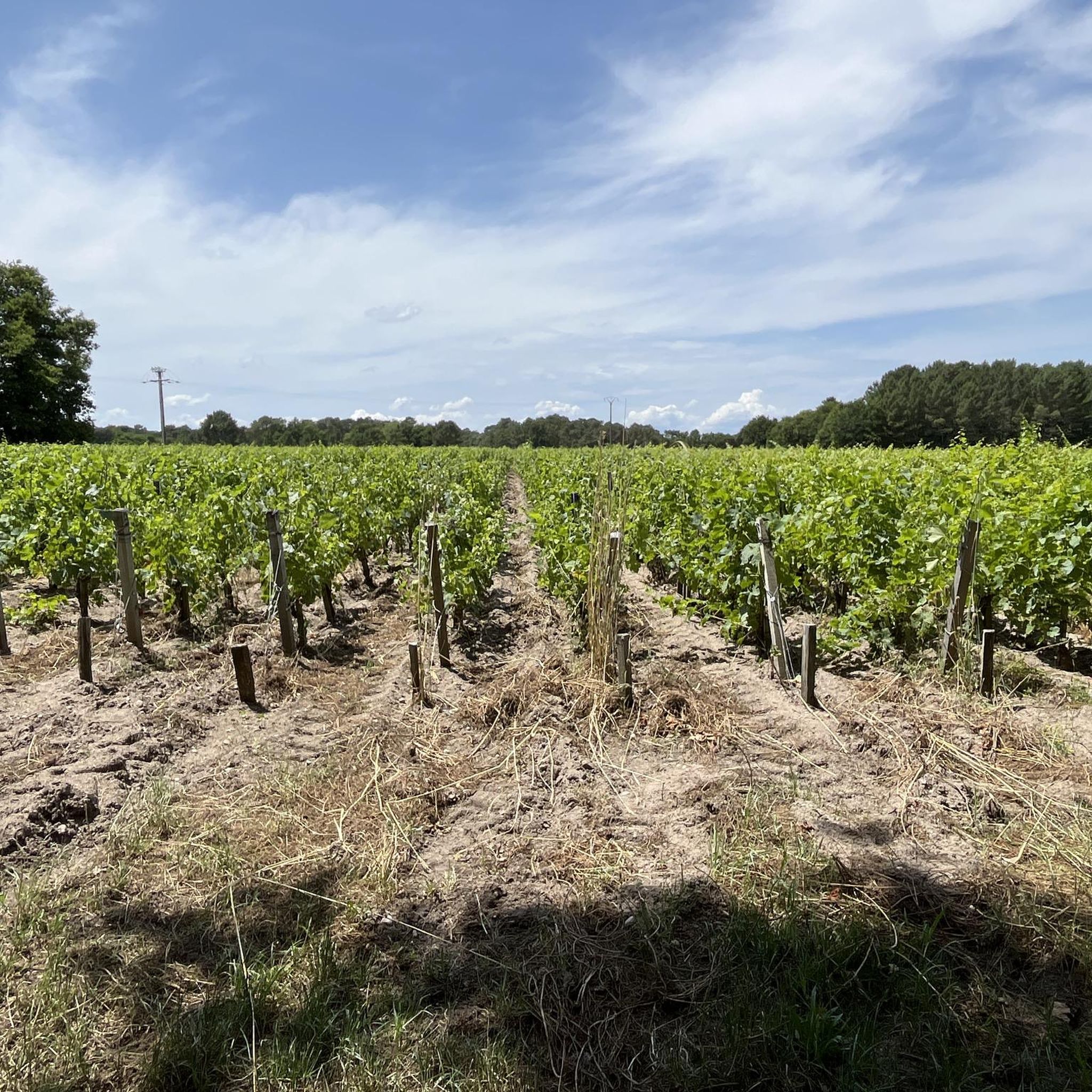
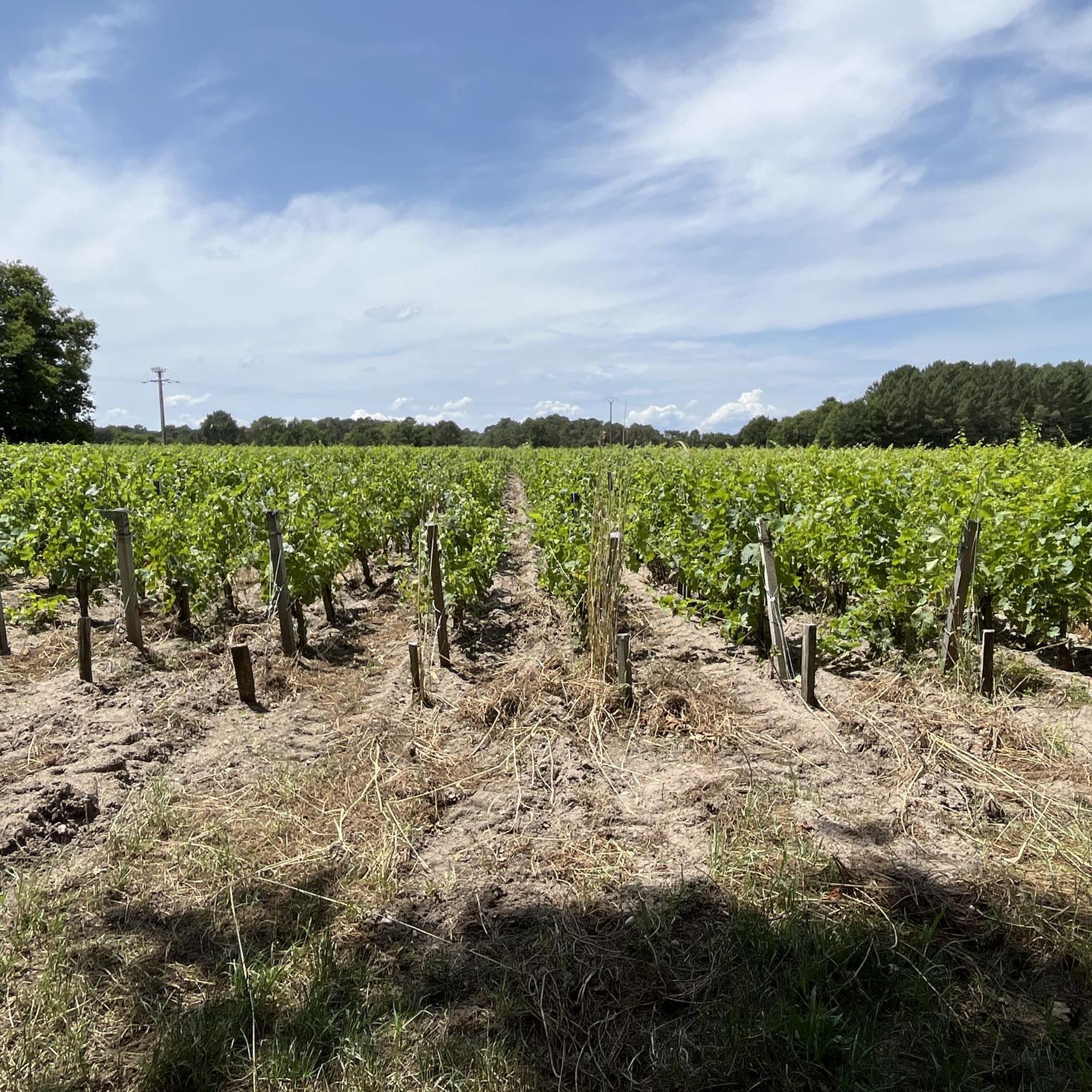
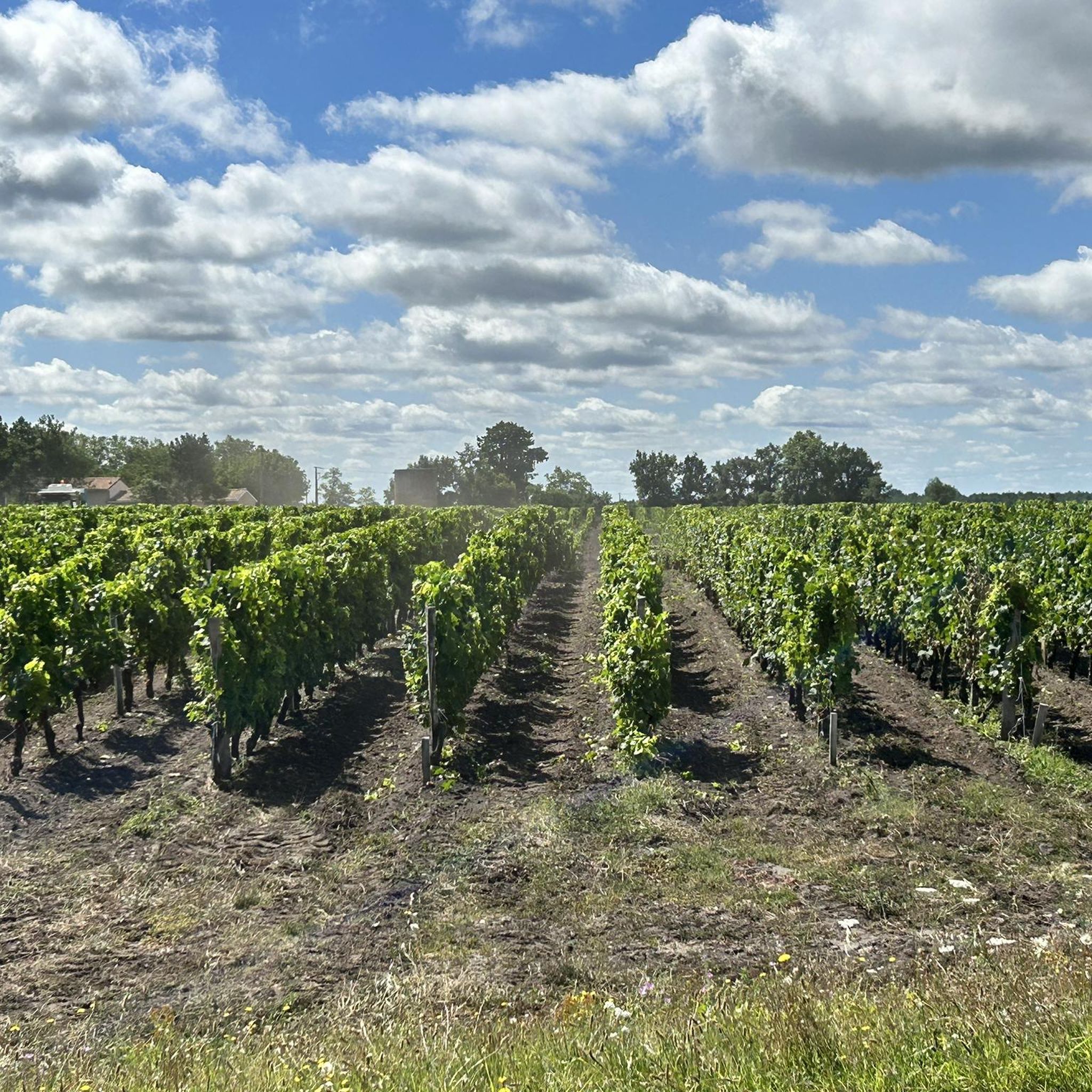
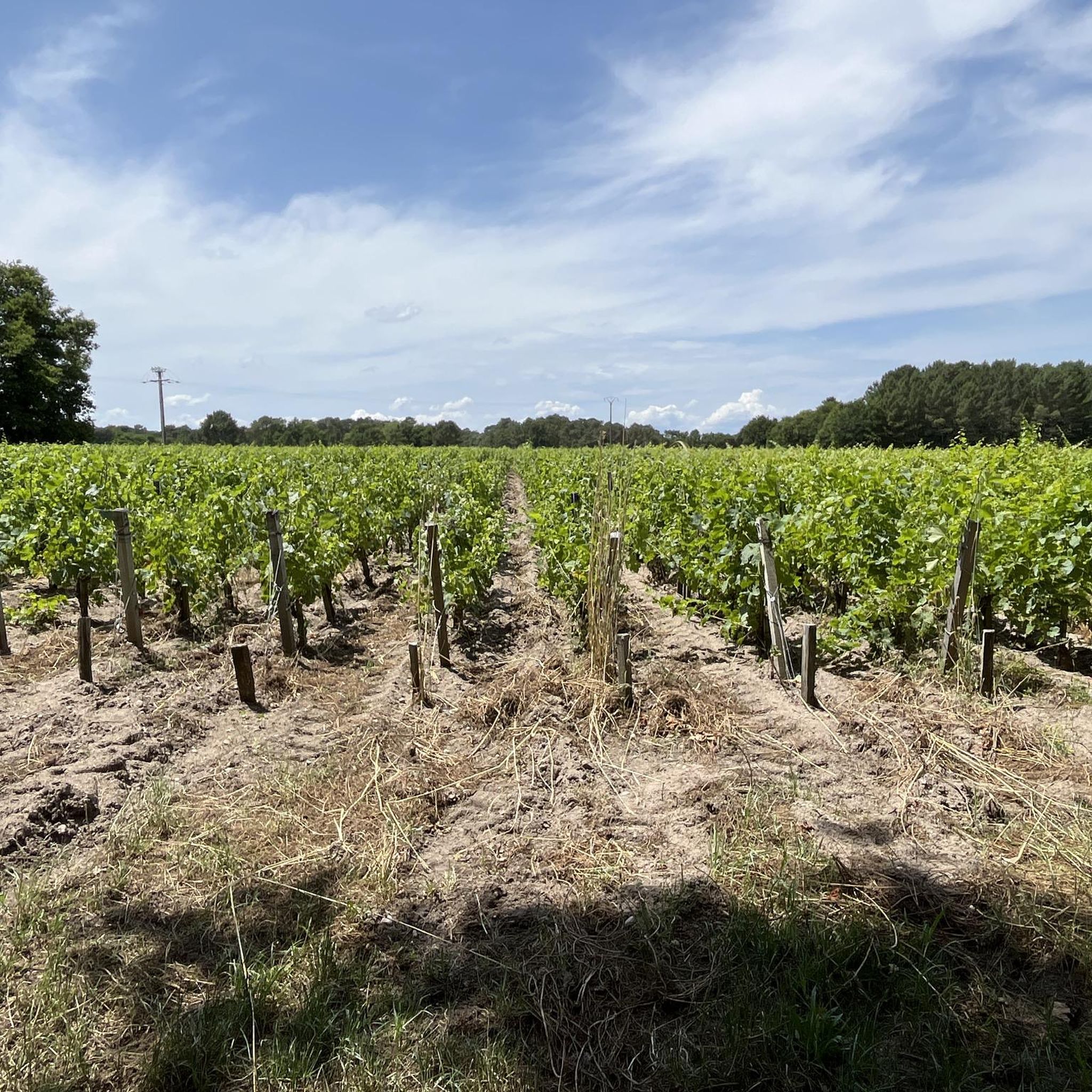
- Visitors also love Château Malescasse, a castle situated amidst vineyards. This château is known for its wine production and offers a classic Médoc experience.
- Listrac-Médoc is known for its historic citadels, châteaux, and medieval ruins. These structures offer insights into the region's rich history and architectural heritage.
- The castles around Listrac-Médoc are appreciated by the komoot community, with more than 90 upvotes and 30 photos shared.
Last updated: May 26, 2026
Citadel of Blaye
Highlight • Historical Site
Translated by Google •
Tip by

Rudel Castle
Highlight • Castle
Le site occupé par l'actuel château semble avoir été fortifié dès la plus haute antiquité. Dès le ive siècle, un castrum est mentionné par le poète Ausone. Quelques siècles plus tard, le roi d'Aquitaine Caribert II fait bâtir une première forteresse, laquelle est prise en 994 par les comtes d'Angoulême, les Rudel. Jaufré Rudel, parfois qualifié dans les textes anciens de « Prince de Blaye », reste l'une des figures emblématiques de ce château. Né vers 1113, ce célèbre troubadour s'illustre par l'écriture de poèmes célébrant l'amour courtois. L'une de ses œuvres les plus connues demeure « l'amor de luenh », poème en occitan dédié, selon la tradition, à une princesse orientale. Parti en croisade, il meurt vers 1162 aux portes de Jérusalem.
Dans la seconde moitié du xiie siècle, la seigneurie de Blaye échoit à Geoffroy II puis à son fils Geoffroy III qui meurt en 1245. Le château est alors confié à des seigneurs anglo-gascons qui administrent la place jusqu'à ce que l'Aquitaine devienne définitivement française.
Le château est assiégé durant les guerres de religion par les armées calvinistes. Il est consolidé sous le règne du roi Louis XIII avant d'être incorporé à la citadelle voulue par son successeur. En 1685, Louis XIV ordonne à Sébastien Le Prestre de Vauban de superviser les travaux d'une vaste citadelle de 38 hectares destinée à être « le verrou de Bordeaux ». Si une partie de la ville médiévale est détruite afin d'édifier la nouvelle forteresse, le château est conservé afin de servir de logis aux gouverneurs militaires de la place. Alors qu'en 1814, les Anglais s'apprêtent à mettre le siège devant la ville, les autorités militaires décident d'araser aux deux tiers les murs de l'ancien château. Une fois la paix revenue, celui-ci n'est plus entretenu et tombe en ruine durant plusieurs décennies. Dans les années 1950, plusieurs pièces du château sont mises à l'abri, notamment une porte en bois de chêne ornée des armes de France datée du xviie siècle, actuellement visible au musée archéologique, de même que le produit de fouilles réalisées ultérieurement aux environs du château. En 2005, une subvention est accordée par le conseil général afin de préserver les ruines. Partie intégrante de la citadelle, les ruines font partie du périmètre classé monument historique le 11 mai 2009, et inscrit en juillet 2008 sur la liste du patrimoine mondial de l'Unesco au titre du Réseau des sites majeurs de Vauban.
Le château des Rudel est un exemple atypique d'architecture castrale en région Aquitaine. Conçu sur un plan triangulaire, il se compose d'une cour centrale autour de laquelle s'articulent trois corps de bâtiments, eux-mêmes protégés par des courtines et six tours circulaires. Une porte équipée d'un pont-levis ouvre sur une barbacane, remaniée ultérieurement. Malgré l'état de délabrement du bâtiment, la structure originelle reste perceptible. C'est ainsi que se retrouvent encore les six tours médiévales : celles-ci sont la tour des Rondes (au nord), la tour de Diane (au sud-ouest), la tour de la porte (à l'ouest), la tour des archives (au sud), la tour de la Cloche (au nord-est) et le donjon. Parmi les bâtiments disparus, les textes anciens mentionnent une chapelle Saint-Nicolas. Des vestiges de celle-ci sont retrouvés lors de fouilles archéologiques en 1959, et sont exposés au musée archéologique. fr.wikipedia.org/wiki/Ch%C3%A2teau_des_Rudel
Tip by

Sign up now to discover places like this
Get recommendations on the best single tracks, peaks, & plenty of other exciting outdoor places.
Sign up for free
East Gate, Vauban Citadel 🏰
Highlight • Castle
Translated by Google •
Tip by
Château Malescasse
Highlight • Castle
chateau-malescasse.com
Translated by Google •
Tip by

Start today with a free account
Your next adventure awaits.
Login or Signup

Tips from the Community

Since we wanted to continue with the ferry, but still had 60 minutes until the next crossing, we looked at this pretty citadel. There is also a café that invites you to linger.
0
0

In his 56 years of service, Vauban, who was already an Ingénieur de France, designed 33 new forts, delivered over 400 projects for 160 sites and modernized countless existing forts. He is the actual creator of the enceinte de fer, the iron belt, and the pré carré, with which France under Louis XIV secured its external borders. The fortified town of Neuf-Brisach/Neu-Breisach is considered to be his main work Fortifications by Vauban is the name of the World Heritage site that summarizes the important fortifications of the brilliant French master builder. In 2008, UNESCO decided to include twelve particularly exemplary and well-preserved sites in the World Heritage List: * Arras Citadel * Citadel, ramparts and Fort Griffon in Besançon * Citadel of Blaye, Fort Paté on an island in the Gironde and the * Citadel of Cussac-Fort-Médoc * Briançon fortification system (walls, four forts, signal tower and bridge) * Tour dorée (golden tower) in Camaret-sur-Mer * Fortified Upper Town of Longwy * Fortified city of Mont-Dauphin * Mont-Louis, composed of citadel and fortified city * Fortified town of Neuf-Brisach * Saint-Martin-de-Ré fortress with ramparts, port and citadel * Saint-Vaast-la-Hougue: Towers and fortifications in Saint-Vaast-la-Hougue and on the neighboring island of Tatihou * Fort Liberia, city walls and the fortified cave Cova Bastera in Villefranche-de-Conflent” (Source: Wikipedia)
2
0

The citadel of Blaye is a military complex of 25 hectares built between 1685 and 1689 by the military engineer François Ferry. There is a ferry to cross to Médoc with bicycles.
0
0

The citadel of Blaye is home to a few bars, restaurants and shops and offers some entertainment on summer evenings.
1
0

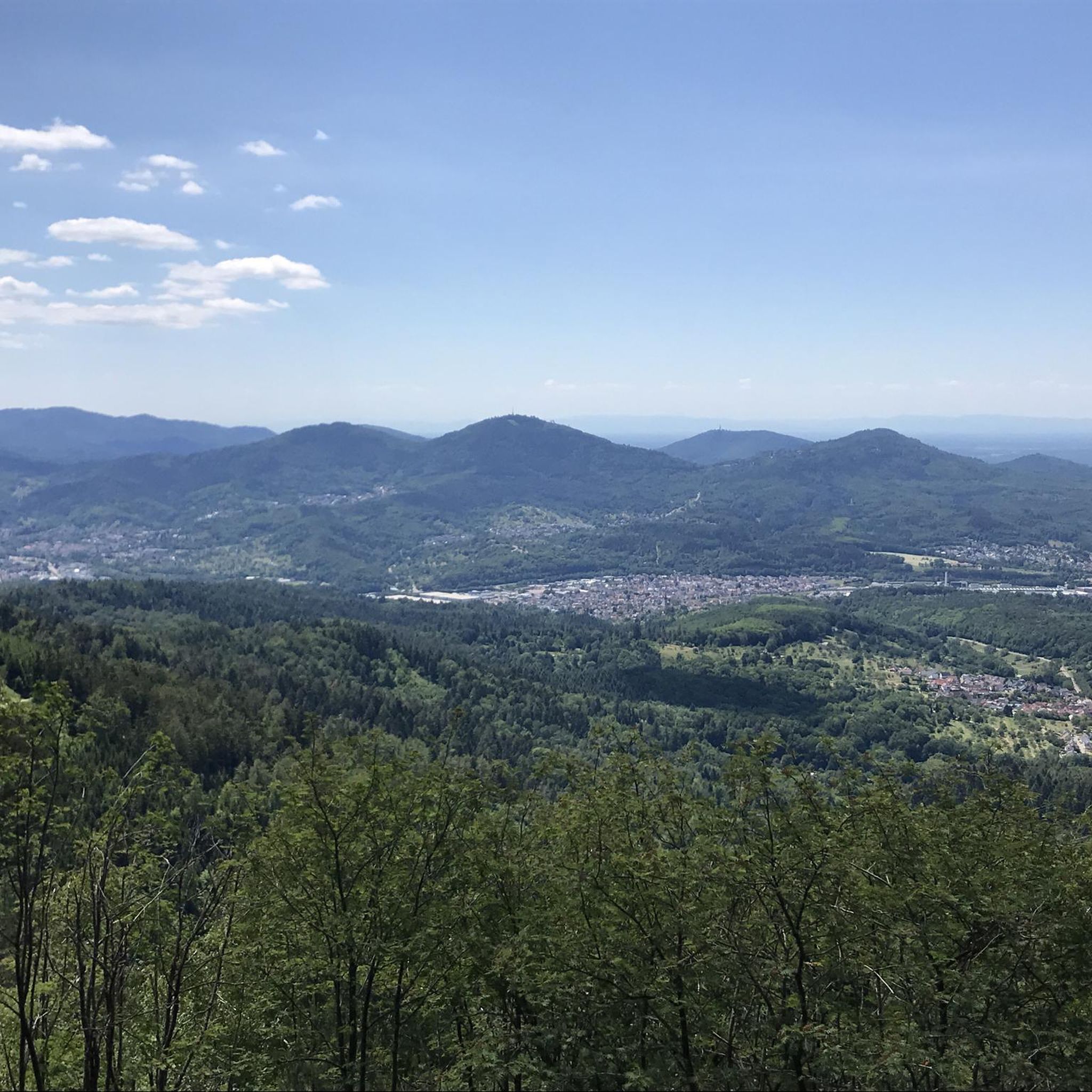
The Citadelle is very worth seeing. You can stroll through it for free and find medieval flair. There is also a very nice view of the surrounding area.
1
0

In 1685, Louis XIV ordered Sébastien Le Prestre de Vauban to supervise the works of a vast citadel of 38 hectares intended to be "the lock of Bordeaux". Part of the medieval town was destroyed in order to build the new fortress.
2
0
Le château des Rudel est l'un des rares vestiges de l'époque médiévale à avoir été conservé lors de l'édification de la citadelle de Blaye au xviie siècle. Aujourd'hui réduit à l'état de ruines, ce château fort date essentiellement des xiie siècle et xiiie siècle. Destiné à protéger la ville-forte de Blaye d'éventuelles incursions ennemies, il est bâti sur un éperon rocheux dominant de près de trente mètres l'estuaire de la Gironde. Le site occupé par l'actuel château semble avoir été fortifié dès la plus haute antiquité. Dès le ive siècle, un castrum est mentionné par le poète Ausone. Quelques siècles plus tard, le roi d'Aquitaine Caribert II fait bâtir une première forteresse, laquelle est prise en 994 par les comtes d'Angoulême, les Rudel. Jaufré Rudel, parfois qualifié dans les textes anciens de « Prince de Blaye », reste l'une des figures emblématiques de ce château. Né vers 1113, ce célèbre troubadour s'illustre par l'écriture de poèmes célébrant l'amour courtois. L'une de ses œuvres les plus connues demeure « l'amor de luenh », poème en occitan dédié, selon la tradition, à une princesse orientale. Parti en croisade, il meurt vers 1162 aux portes de Jérusalem. Dans la seconde moitié du xiie siècle, la seigneurie de Blaye échoit à Geoffroy II puis à son fils Geoffroy III qui meurt en 1245. Le château est alors confié à des seigneurs anglo-gascons qui administrent la place jusqu'à ce que l'Aquitaine devienne définitivement française. Le château est assiégé durant les guerres de religion par les armées calvinistes. Il est consolidé sous le règne du roi Louis XIII avant d'être incorporé à la citadelle voulue par son successeur. En 1685, Louis XIV ordonne à Sébastien Le Prestre de Vauban de superviser les travaux d'une vaste citadelle de 38 hectares destinée à être « le verrou de Bordeaux ». Si une partie de la ville médiévale est détruite afin d'édifier la nouvelle forteresse, le château est conservé afin de servir de logis aux gouverneurs militaires de la place. Alors qu'en 1814, les Anglais s'apprêtent à mettre le siège devant la ville, les autorités militaires décident d'araser aux deux tiers les murs de l'ancien château. Une fois la paix revenue, celui-ci n'est plus entretenu et tombe en ruine durant plusieurs décennies. Dans les années 1950, plusieurs pièces du château sont mises à l'abri, notamment une porte en bois de chêne ornée des armes de France datée du xviie siècle, actuellement visible au musée archéologique, de même que le produit de fouilles réalisées ultérieurement aux environs du château. En 2005, une subvention est accordée par le conseil général afin de préserver les ruines. Partie intégrante de la citadelle, les ruines font partie du périmètre classé monument historique le 11 mai 2009, et inscrit en juillet 2008 sur la liste du patrimoine mondial de l'Unesco au titre du Réseau des sites majeurs de Vauban. Le château des Rudel est un exemple atypique d'architecture castrale en région Aquitaine. Conçu sur un plan triangulaire, il se compose d'une cour centrale autour de laquelle s'articulent trois corps de bâtiments, eux-mêmes protégés par des courtines et six tours circulaires. Une porte équipée d'un pont-levis ouvre sur une barbacane, remaniée ultérieurement. Malgré l'état de délabrement du bâtiment, la structure originelle reste perceptible. C'est ainsi que se retrouvent encore les six tours médiévales : celles-ci sont la tour des Rondes (au nord), la tour de Diane (au sud-ouest), la tour de la porte (à l'ouest), la tour des archives (au sud), la tour de la Cloche (au nord-est) et le donjon. Parmi les bâtiments disparus, les textes anciens mentionnent une chapelle Saint-Nicolas. Des vestiges de celle-ci sont retrouvés lors de fouilles archéologiques en 1959, et sont exposés au musée archéologique. https://fr.wikipedia.org/wiki/Ch%C3%A2teau_des_Rudel
4
0

Fantastic weather and in the middle of the vineyards a veritable castle: https://www.chateau-malescasse.com/
2
0
Frequently Asked Questions
What makes the castles around Listrac-Médoc unique?
The châteaux in Listrac-Médoc are primarily renowned wine estates, blending rich history, impressive architecture, and the art of winemaking. Many are situated on unique clay-limestone hilltops, offering a distinct terroir for their wines. They provide a glimpse into centuries of regional history and viticultural tradition, often with modern winemaking facilities alongside historical structures.
Which castles offer a deep dive into history and heritage?
For a significant historical experience, consider visiting the Citadel of Blaye, a UNESCO World Heritage site with 17th-century fortifications. Within the citadel, you can also explore the ruins of Rudel Castle, which dates back to the 12th and 13th centuries. Château Fonréaud also boasts a captivating legend linked to King Henry II of England and features cellars built in the 17th century.
Are there any castles with a Rothschild family legacy?
Yes, Château Clarke is deeply intertwined with the Rothschild family. Baron Edmond de Rothschild acquired the estate in 1973, initiating significant restructuring and replanting. His passion for wine and expert attention have shaped the château for over 50 years, and he is even buried on the grounds.
Which châteaux are known for their unique grape varieties or terroir?
Several châteaux in Listrac-Médoc are celebrated for their distinctive terroirs and grape blends. Château Clarke's vineyards are predominantly on clay-limestone hilltops, ideal for Merlot. Château Fourcas Dupré's vineyard is mainly composed of Pyrenean Graves, contributing minerality and complexity. Château Saransot-Dupré is notable for its clay-limestone soils and includes a small amount of the rare Carmenère grape in its blend, helping preserve this historical Bordeaux varietal.
Can I visit these châteaux for wine tastings and tours?
Yes, most of the châteaux in Listrac-Médoc welcome visitors for tours and tastings. Château Fonréaud, Château Fourcas Dupré, Château Saransot-Dupré, and Château Mayne Lalande all offer visiting opportunities, often on weekdays and by appointment on weekends. These experiences provide a chance to learn about their winemaking processes and sample their acclaimed wines.
What is the best time of year to visit the castles in Listrac-Médoc?
The best time to visit the castles and vineyards in Listrac-Médoc is typically during the spring (April-June) or autumn (September-October). In spring, the vineyards are vibrant and green, and the weather is pleasant for exploring. Autumn offers the excitement of the harvest season and beautiful fall foliage, though it can be a busier time for the wineries.
Are there family-friendly castles to visit in Listrac-Médoc?
The Citadel of Blaye is categorized as family-friendly and offers a vast historical site to explore, with shops, bars, and entertainment during summer evenings. While many châteaux focus on wine, the historical and architectural aspects can be engaging for older children, and some estates like Château Clarke also produce honey, adding another point of interest.
Are there options for dining or cafes near the châteaux?
Yes, the Citadel of Blaye, for example, is home to a few bars, restaurants, and shops. While specific cafes directly adjacent to every château might vary, the Listrac-Médoc region generally offers dining options in nearby towns and villages, allowing visitors to enjoy local cuisine after their château visits.
What outdoor activities, like cycling or MTB, can I do near the castles in Listrac-Médoc?
The Listrac-Médoc area is excellent for outdoor activities, especially cycling. You can find numerous routes for road cycling, mountain biking, and touring bicycles. For example, there are moderate road cycling routes like the "Château Dauzac – Château Palmer loop" from Listrac-Médoc, and various MTB trails around the Citadel of Blaye. You can explore more options on the MTB Trails around Listrac-Médoc, Road Cycling Routes around Listrac-Médoc, and Cycling around Listrac-Médoc guide pages.
Are there any châteaux that offer guest accommodations or spa facilities?
Yes, Château Mayne Lalande offers guestrooms in its renovated 19th-century country house, which also features a complete spa. This makes it an ideal destination for those looking for a more extended and relaxing visit beyond just wine tasting.
What kind of architectural features can I expect to see at these châteaux?
The châteaux in Listrac-Médoc showcase a range of architectural styles. You'll find historical structures like the 17th-century Citadel of Blaye and the elegant 1850 château building at Fonréaud. Château Fourcas Dupré retains its original 1850s fermenting room and 1843 cellars, offering a glimpse into historical winemaking architecture. Many estates blend traditional charm with modern facilities, reflecting centuries of evolution.
What do visitors particularly enjoy about the castles in Listrac-Médoc?
Visitors appreciate the blend of viticultural heritage, impressive architecture, and historical significance. The komoot community has shown strong engagement with these sites, sharing over 30 photos and giving more than 90 upvotes. The opportunity to explore UNESCO World Heritage sites like the Citadel of Blaye, experience modern winemaking at estates like Château Clarke, and enjoy the picturesque vineyard settings are frequently highlighted.
Most popular routes around Listrac-Médoc
Most popular attractions around Listrac-Médoc

Get inspired with the komoot mobile app


Explore more
Looking for the best castles somewhere else? Discover other guides around Listrac-Médoc:
