Attractions and Places To See around La Balme-Les-Grottes - Top 20
Attractions and places to see around La Balme-Les-Grottes, a village in the northern Balcons du Dauphiné region of Isère, France, offer a blend of natural wonders and historical sites. The area is known for its significant natural cavities, including extensive cave systems, and protected natural areas. Visitors can explore a rich history spanning from prehistory to the Middle Ages, alongside diverse landscapes.
Best attractions and places to see around La Balme-Les-Grottes
- The most popular attractions is La Balme Caves, a cave system featuring over a kilometer of underground galleries, an underground lake, and geological formations. Archaeological finds indicate the caves were inhabited at the end of the Bronze Age, and two chapels were built at its entrance in the 9th and 14th centuries.
- Another must-see spot is Lac Bleu on the Gardon, a lake that owes its name to the bright blue shades of its water. This natural monument is formed by a dam on the Gardon River and is appreciated for its scenic views.
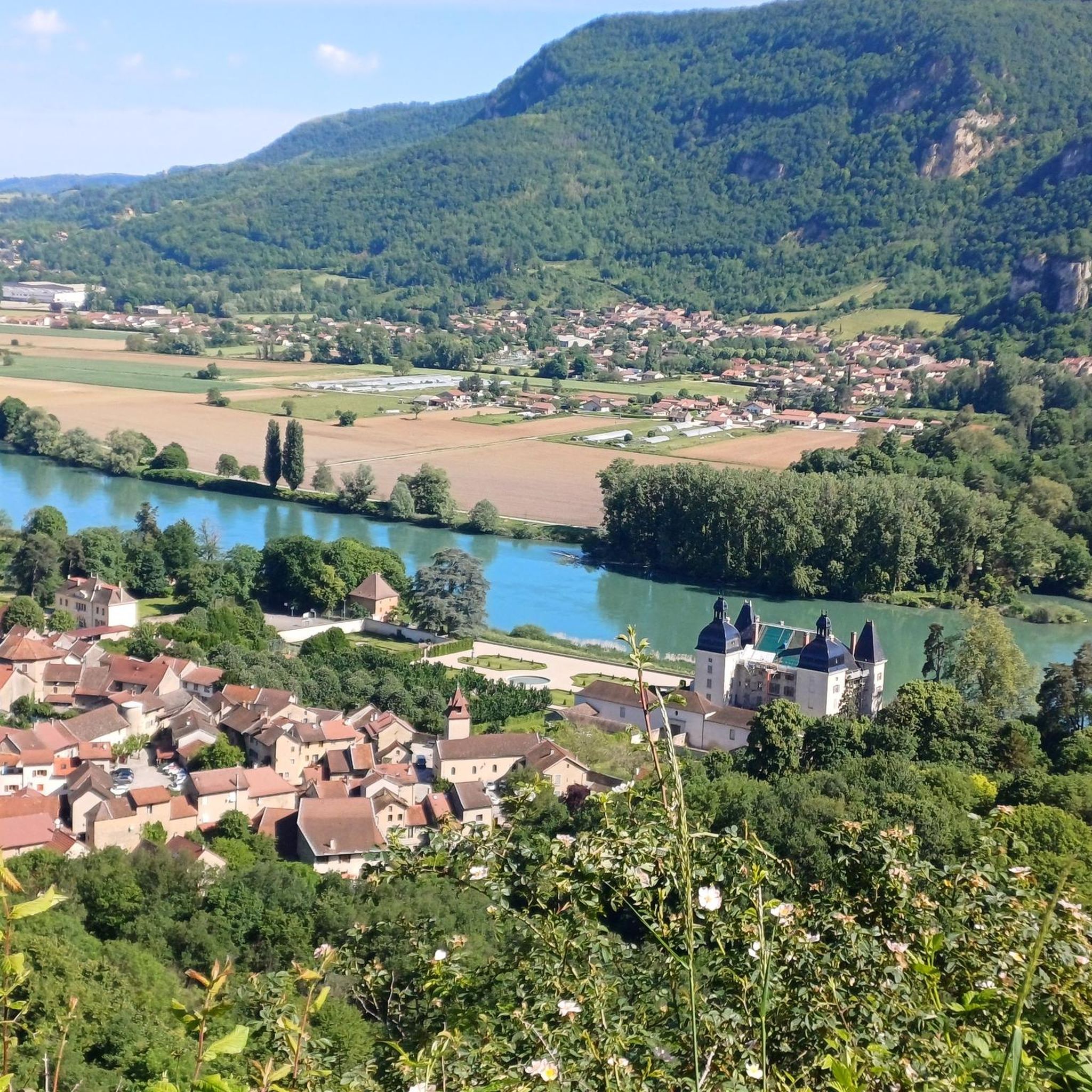
- Visitors also love Château Saint-Germain, a historical site featuring the ruins of an 11th-century fortified castle. Located on a promontory 460 meters above the Albarine valley, it offers historical insights and views of the surrounding area.
- La Balme-Les-Grottes is known for its natural caves, historical castles, and scenic lakes. The region offers a variety of attractions to see and explore, from ancient geological formations to medieval ruins.
- The attractions around La Balme-Les-Grottes are appreciated by the komoot community, with more than 50 upvotes and over 180 photos shared by visitors.
Last updated: July 20, 2026
La Balme Caves
Highlight • Cave
Translated by Google •
Tip by

Lac Bleu on the Gardon
Highlight • Lake
Translated by Google •
Tip by

Sign up now to discover places like this
Get recommendations on the best single tracks, peaks, & plenty of other exciting outdoor places.
Sign up for free
Cingle Castle
Highlight • Castle
Translated by Google •
Tip by

Croix de Bramafan
Highlight • Monument
So I hope that many people ... visit the crosses, whether as places of silence and taking a breath before God, whether as places of community gathering, prayer and praise of God.
(Text source: Dean Rainald M. Ollig
in: “Crosses... Small sacred monuments as signs of popular piety”)
Translated by Google •
Tip by

Château Saint-Germain
Highlight • Historical Site
As a result, the castle underwent numerous seizures in an attempt to take control of it. A nice place to immerse yourself in history, but also to enjoy the view of the valley.
Translated by Google •
Tip by
Sign up for free to discover even more attractions around La Balme-Les-Grottes.
Sign up for free
Already have an account?
Start today with a free account
Your next adventure awaits.
Login or Signup
Popular around La Balme-Les-Grottes
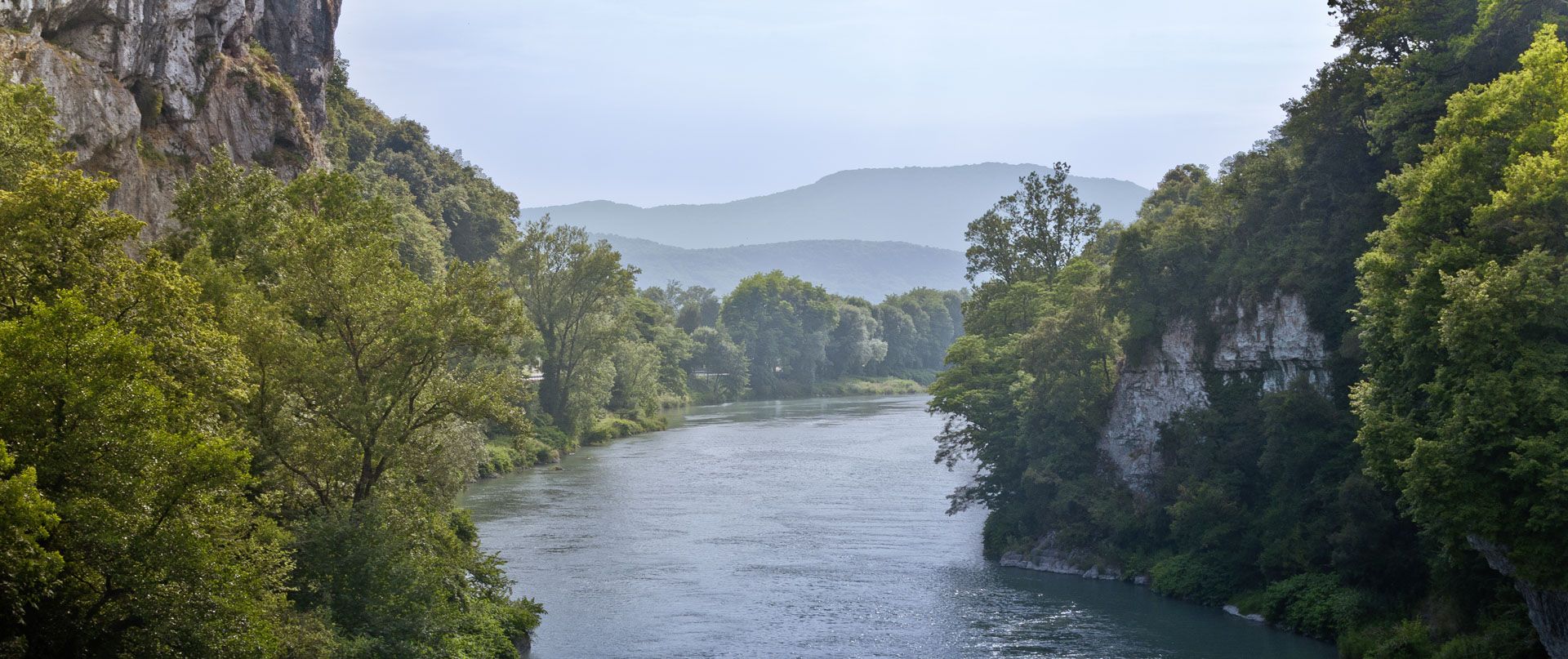
Rhone Cycle Route — From the southern Jura to Lyon
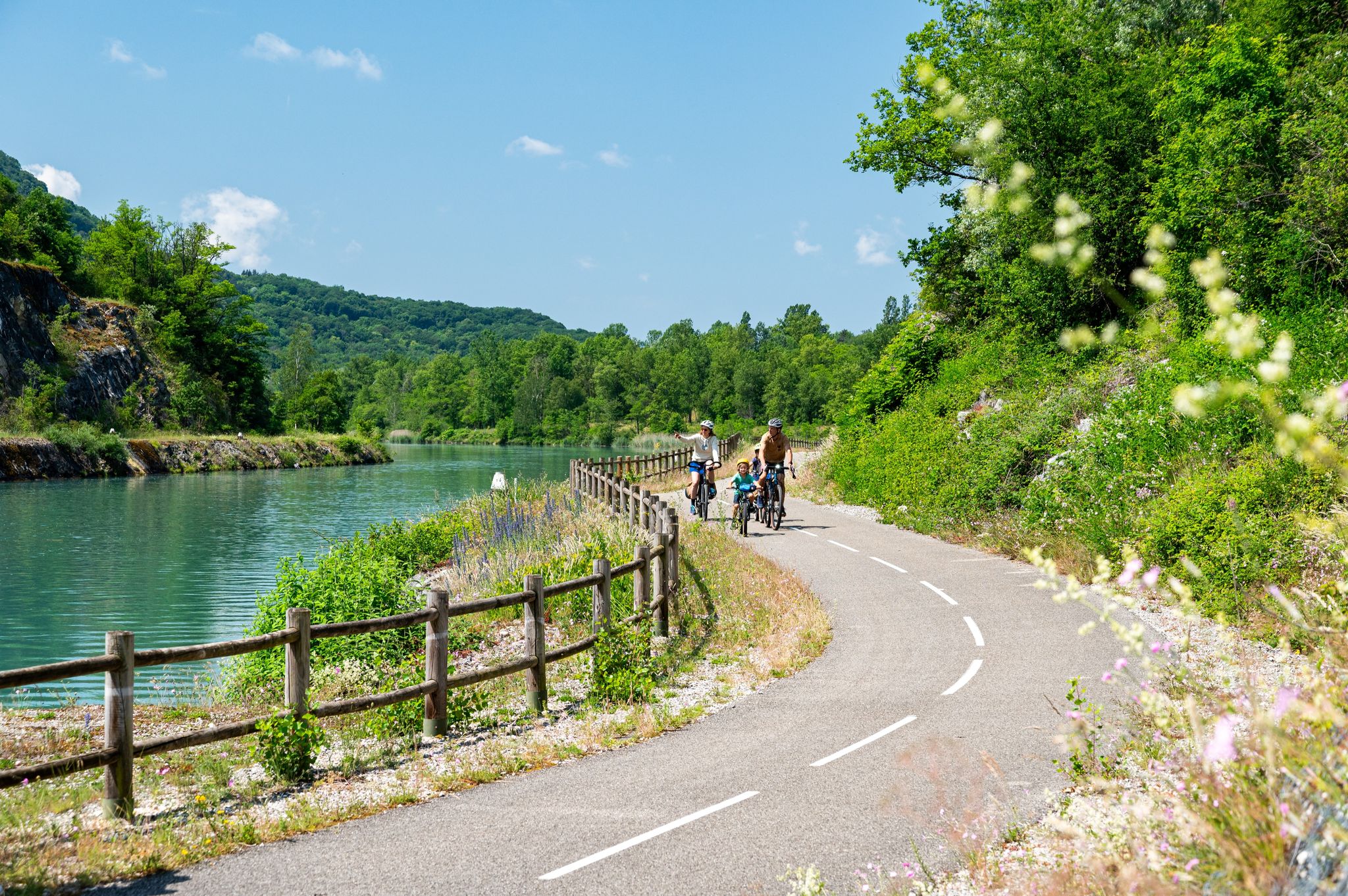
ViaRhôna — ride from the Alps to the Mediterranean
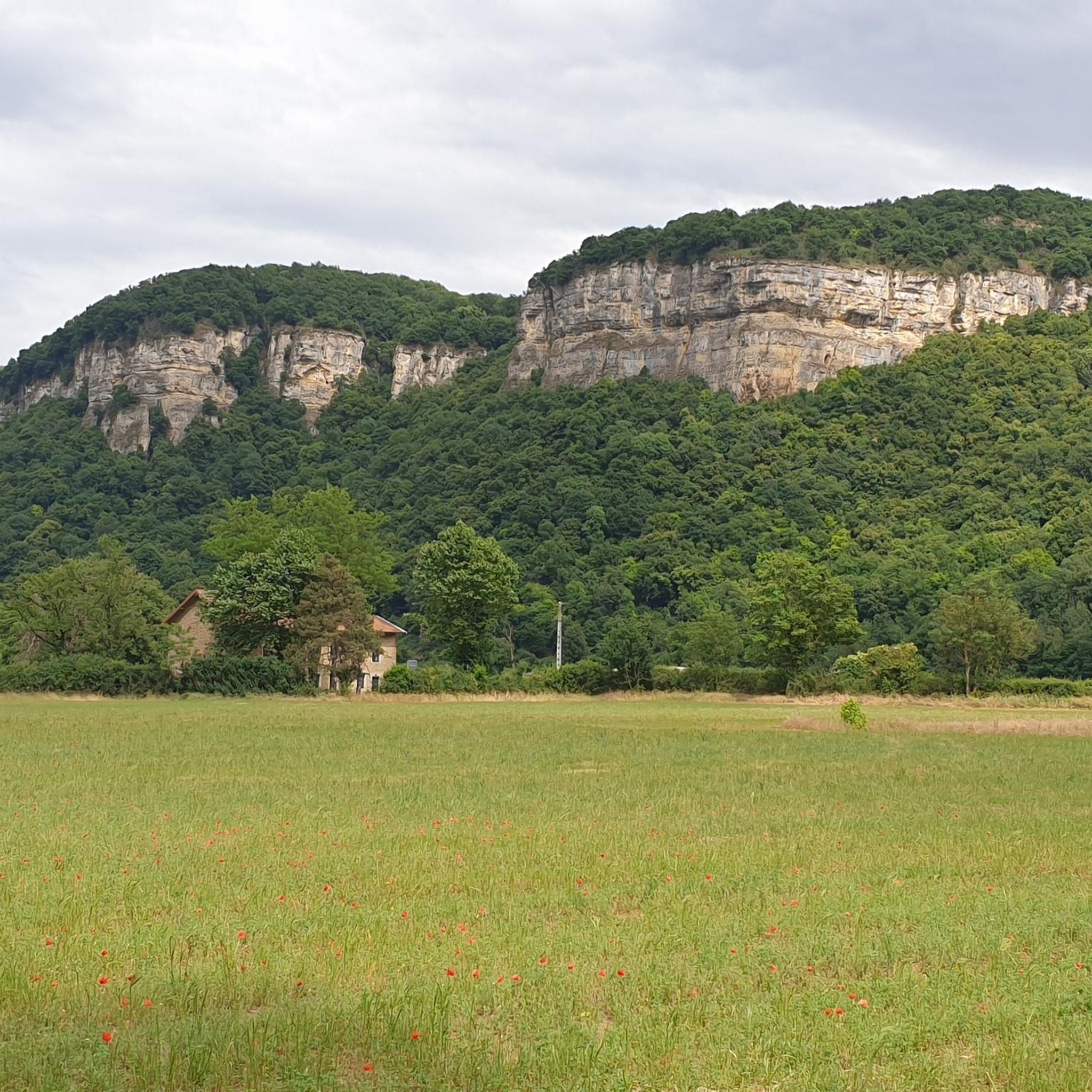
Hiking around La Balme-Les-Grottes
MTB Trails around La Balme-Les-Grottes
Road Cycling Routes around La Balme-Les-Grottes
Cycling around La Balme-Les-Grottes
Running Trails around La Balme-Les-Grottes
Gravel biking around La Balme-Les-Grottes


Tips from the Community

Ruins with explanatory panels. A beautiful view of the Ain plain. A must-see!
0
0
This spot didn't impress me: "blue lake" is an exaggeration, it's a very small reservoir... lots of people on the banks too.
0
1

Cool during the heatwave while visiting the caves
0
0

Smaller pond than lake..more green than blue. Average.
0
0

Information in German: https://www.balconsdudauphine-tourisme.com/de/equipement/les-grottes-de-la-balme/ Website (French): https://www.grotteslabalme.com/ Also closed on certain days, information in the calendar: https://www.grotteslabalme.com/organisation/les-horaires-calendrier/
0
0

Although first mentioned in 1540, the Cingle fortified house was undoubtedly built in the second half of the 14th century by the Pèlerin family. Originally composed of a main tower and a wing back to the west, it perhaps originally included a curtain wall. During the 15th century, the south wing was extended towards the west, a main building comprising a lower room and an upper room was attached to the north of the main tower, while a turret occupied on the first floor by an oratory and on the second by a dovecote is built to the east, projecting. A wing including the kitchen on the ground floor is also built at right angles to the north of the courtyard. The farm itself retains some architectural elements dating from the 16th century. Source: Ministry of Culture
1
0

“Each of these crosses can tell its own story and what motivated people to build “their” cross on this spot. (...) These crosses were erected as visible signs and attract the attention of many people. The cross is a symbol of life. It stands as a sign of our Christian hope and wants to direct our gaze to Jesus Christ, who conquered death (…). The cross is part of our lives, just as it was part of the life of Jesus. So I hope that many people ... visit the crosses, whether as places of silence and taking a breath before God, whether as places of community gathering, prayer and praise of God. (Text source: Dean Rainald M. Ollig in: “Crosses... Small sacred monuments as signs of popular piety”)
2
0
Frequently Asked Questions
What natural wonders can I explore in La Balme-Les-Grottes?
The primary natural attraction is La Balme Caves, featuring over a kilometer of underground galleries, an underground lake, and remarkable geological formations. Surrounding the caves, the Espace Naturel Sensible des Coteaux de Saint-Roch offers a protected area with diverse biodiversity and panoramic views.
Are there opportunities for hiking or walking near La Balme-Les-Grottes?
Yes, the region offers several walking and hiking opportunities. The Espace Naturel Sensible des Coteaux de Saint-Roch, which surrounds the caves, has a beautiful trail with a discovery booklet. For more structured routes, you can explore various options listed in the Hiking around La Balme-Les-Grottes guide, including moderate trails like the 'Small Waterfall loop from Hières-sur-Amby'.
What historical sites are there to visit in La Balme-Les-Grottes?
La Balme-Les-Grottes is rich in history. You can explore the village's heritage through a marked discovery circuit, which includes 22 classified historical sites. Notable historical points include the two Chapels of Notre-Dame-de-la-Balme at the Grottes de La Balme (dating from the 9th and 14th centuries), the Parish Church of Saint-Pierre with its panoramic views, and the ruins of Château Saint-Germain, an 11th-century fortified castle.
Are there any notable castles or fortified houses in the region?
Yes, the area features several historical castles and fortified houses. Besides the ruins of Château Saint-Germain, you can find Cingle Castle, a fortified house first mentioned in 1540. Other private edifices include Château de Salette, a former Carthusian convent, and Château de la Serve, known for its 18th-century structures. The ruins of Château d'Amblérieu, a fortified house from the late 13th century, are also protected as historical monuments.
Are there family-friendly attractions suitable for children?
Absolutely. La Balme Caves are considered family-friendly, offering an engaging exploration of underground galleries. Another great option is Lac Bleu on the Gardon, a scenic lake known for its bright blue waters, which provides a pleasant natural setting for families.
What is the best time of year to visit La Balme-Les-Grottes?
The caves are cool year-round, making them a good option during warmer months. Generally, spring and autumn offer pleasant weather for exploring the outdoor natural areas and historical sites. Summer can also be enjoyable, especially for activities around Lac Bleu and for the refreshing coolness inside the caves.
Where can I find scenic views or viewpoints in the area?
For breathtaking panoramas, head to the highest point of the Espace Naturel Sensible des Coteaux de Saint-Roch, offering views from the Rhône to the Alps. The Parish Church of Saint-Pierre also provides exceptional panoramic views. Additionally, Château Saint-Germain, situated on a promontory, offers historical insights alongside views of the Albarine valley, and Croix de Bramafan is another viewpoint.
What outdoor activities are available besides hiking?
Beyond hiking, you can enjoy mountain biking and running. The region is an essential stop on the ViaRhôna cycling route. For specific routes, check out the MTB Trails around La Balme-Les-Grottes guide and the Running Trails around La Balme-Les-Grottes guide, which list various routes for different skill levels.
Is there a place for swimming or water activities?
Lac Bleu on the Gardon is a beautiful spot that owes its name to the bright blue shades of its water. While primarily appreciated for its scenic views, it's a natural monument formed by a dam on the Gardon River and offers a pleasant setting for enjoying the water.
What do visitors particularly enjoy about the La Balme Caves?
Visitors appreciate the extensive underground galleries and unique geological formations, including concretions, stalactites, and stalagmites. Many find the caves to be a refreshing escape during hot weather. The rich history, including archaeological finds from the Bronze Age and tales of figures like outlaw Louis Mandrin, also adds to the experience. Guided tours are available to enhance the visit.
Are there any lesser-known spots or hidden gems worth discovering?
Beyond the main attractions, consider exploring the Espace Naturel Sensible des Coteaux de Saint-Roch for its protected biodiversity and tranquil trails. The village itself, with its 22 classified historical sites, offers a charming discovery circuit. You might also seek out the birthplace of Laurent Clerc, a significant figure in deaf education, located in the village.
Is parking available at the main attractions?
Parking is generally available at the major attractions, including La Balme Caves. It is advisable to check the specific attraction's website for detailed information on parking facilities and any associated fees before your visit.
Most popular routes around La Balme-Les-Grottes

Get inspired with the komoot mobile app


Explore more
Still not found the Highlight you’re looking for? See guides of the top attractions in other regions:
