Attractions and Places To See around Parmilieu - Top 20
Best attractions and places to see around Parmilieu, a village in Isère, France, offer a blend of natural beauty and historical significance. Situated on the northern tip of the Isle-Crémieu limestone plateau, the area features diverse landscapes from wooded areas to agricultural farms. Its history is marked by stone extraction and a rich vernacular heritage, including unique stone structures and ancient quarries. The region also boasts connections to renowned writers, adding a cultural layer to its natural appeal.
Best attractions…
Last updated: August 2, 2026
La Balme Caves
Highlight • Cave
Translated by Google •
Tip by

Lac Bleu on the Gardon
Highlight • Lake
Translated by Google •
Tip by

Sign up now to discover places like this
Get recommendations on the best single tracks, peaks, & plenty of other exciting outdoor places.
Sign up for free
Cingle Castle
Highlight • Castle
Translated by Google •
Tip by

Croix de Bramafan
Highlight • Monument
Translated by Google •
Tip by

Château Saint-Germain
Highlight • Historical Site
Translated by Google •
Tip by
Sign up for free to discover even more attractions around Parmilieu.
Sign up for free
Already have an account?
Start today with a free account
Your next adventure awaits.
Login or Signup
Tips from the Community

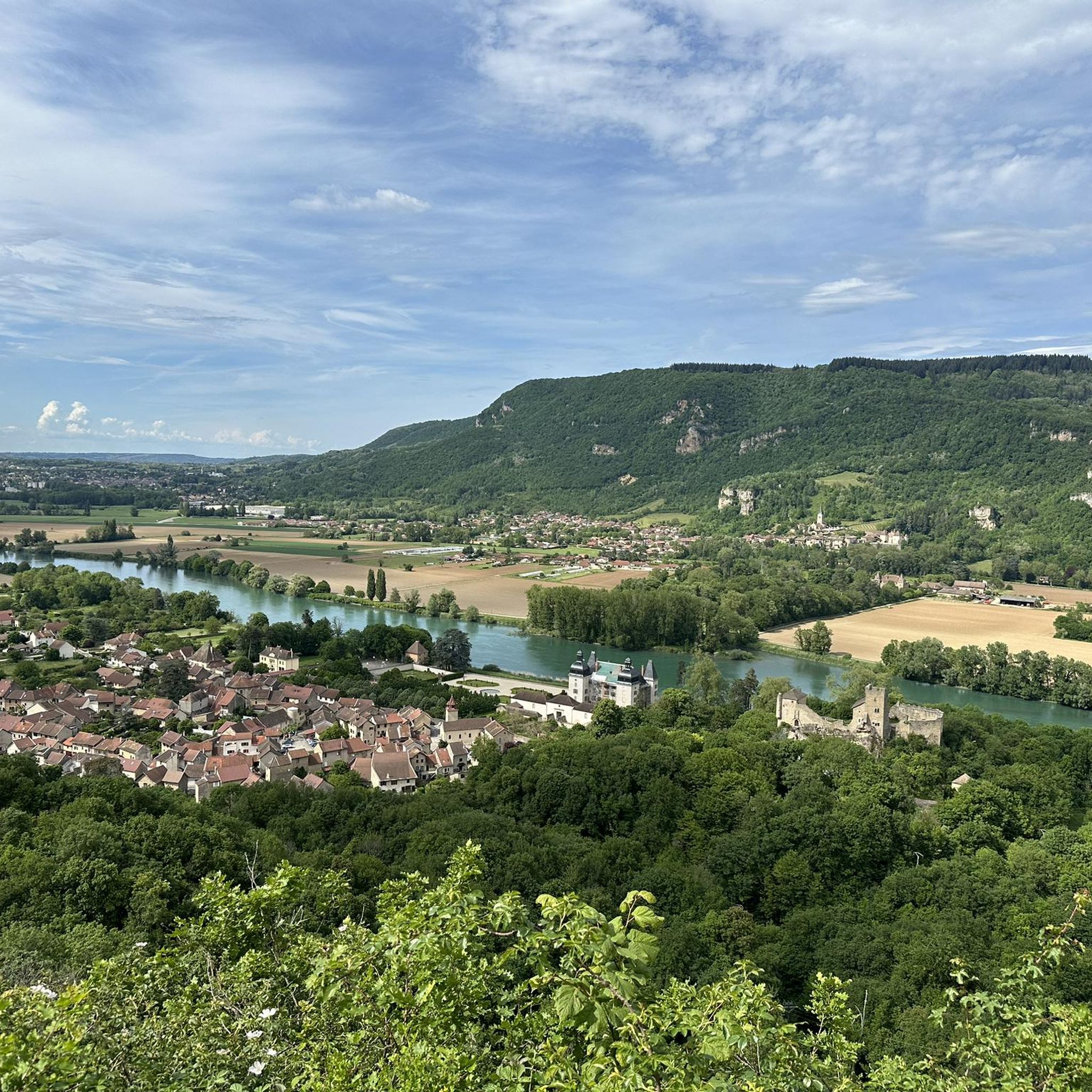
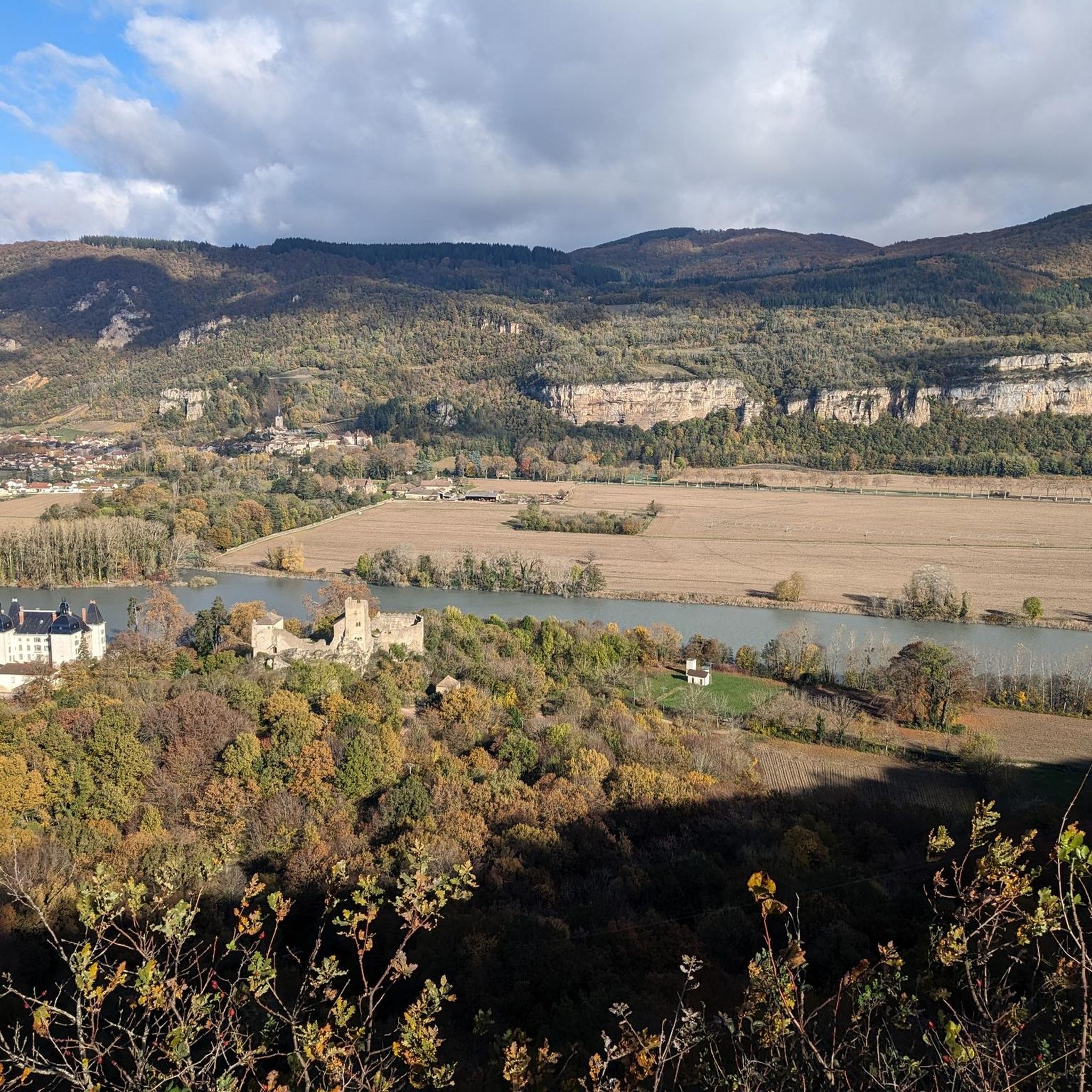
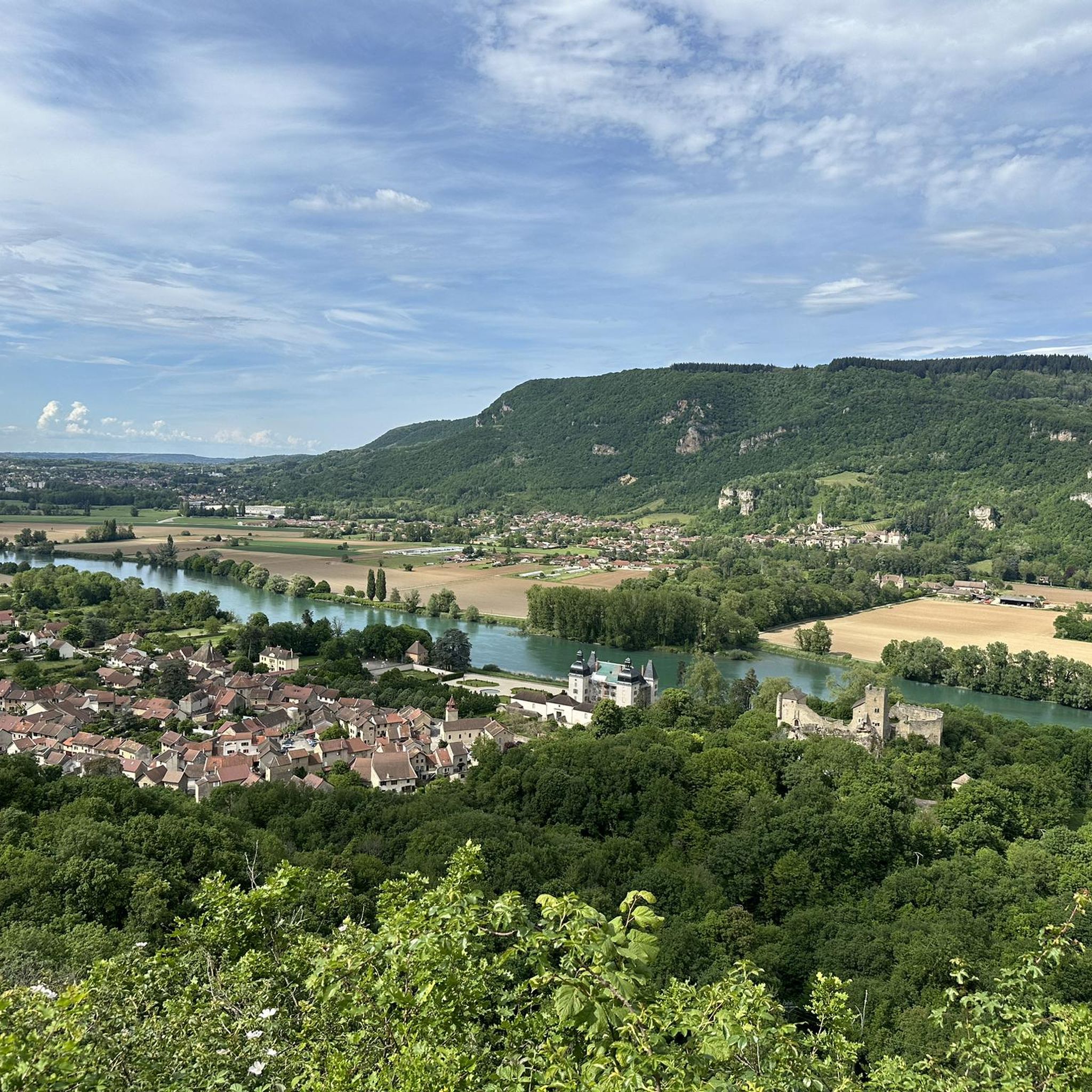
Ruins with explanatory panels. A beautiful view of the Ain plain. A must-see!
0
0
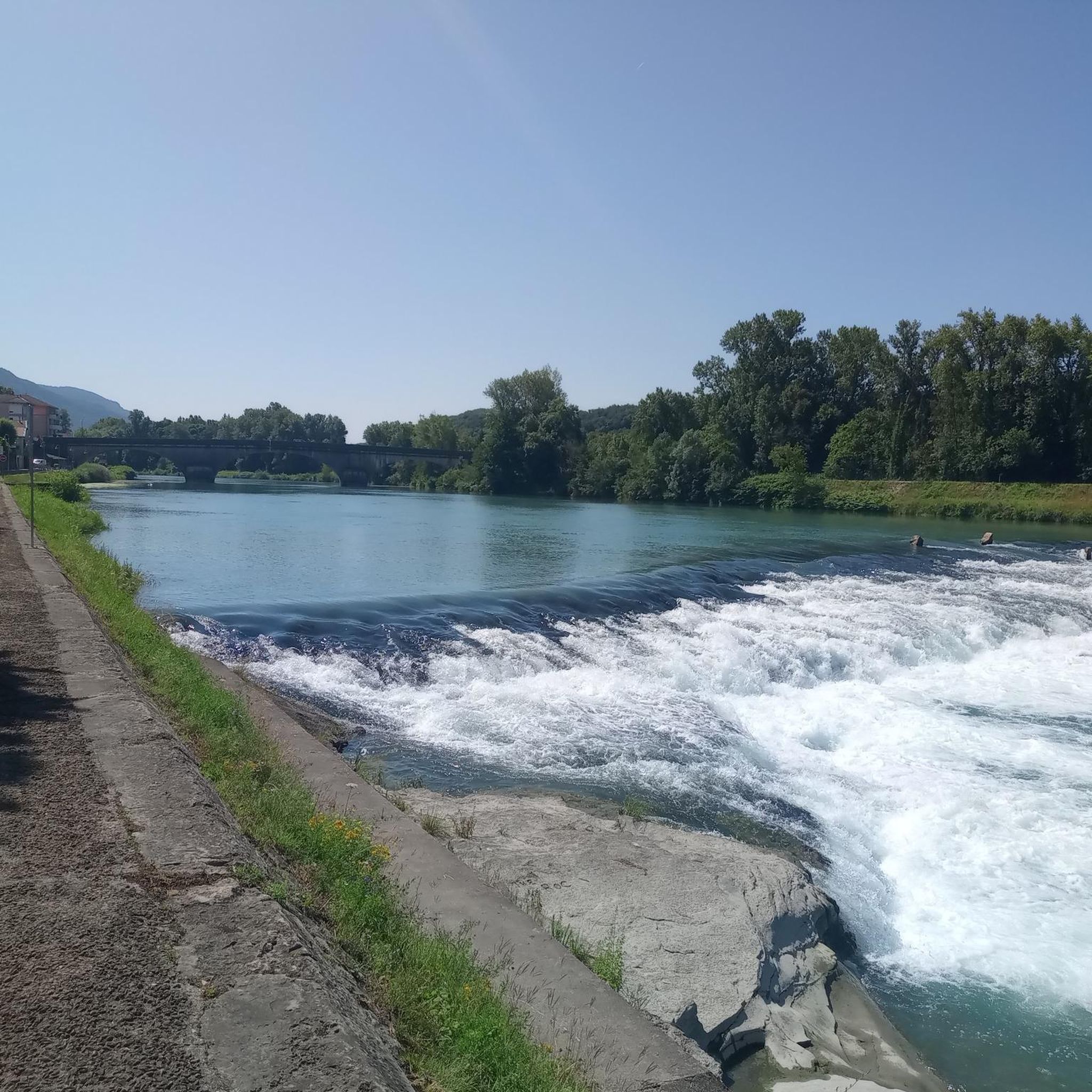
This spot didn't impress me: "blue lake" is an exaggeration, it's a very small reservoir... lots of people on the banks too.
0
1

Cool during the heatwave while visiting the caves
0
0

Smaller pond than lake..more green than blue. Average.
0
0

Information in German: https://www.balconsdudauphine-tourisme.com/de/equipement/les-grottes-de-la-balme/ Website (French): https://www.grotteslabalme.com/ Also closed on certain days, information in the calendar: https://www.grotteslabalme.com/organisation/les-horaires-calendrier/
0
0

Although first mentioned in 1540, the Cingle fortified house was undoubtedly built in the second half of the 14th century by the Pèlerin family. Originally composed of a main tower and a wing back to the west, it perhaps originally included a curtain wall. During the 15th century, the south wing was extended towards the west, a main building comprising a lower room and an upper room was attached to the north of the main tower, while a turret occupied on the first floor by an oratory and on the second by a dovecote is built to the east, projecting. A wing including the kitchen on the ground floor is also built at right angles to the north of the courtyard. The farm itself retains some architectural elements dating from the 16th century. Source: Ministry of Culture
1
0

“Each of these crosses can tell its own story and what motivated people to build “their” cross on this spot. (...) These crosses were erected as visible signs and attract the attention of many people. The cross is a symbol of life. It stands as a sign of our Christian hope and wants to direct our gaze to Jesus Christ, who conquered death (…). The cross is part of our lives, just as it was part of the life of Jesus. So I hope that many people ... visit the crosses, whether as places of silence and taking a breath before God, whether as places of community gathering, prayer and praise of God. (Text source: Dean Rainald M. Ollig in: “Crosses... Small sacred monuments as signs of popular piety”)
2
0
Frequently Asked Questions
What are the most notable natural attractions to explore around Parmilieu?
The region offers several natural highlights. You can visit Lac Bleu on the Gardon, known for its vibrant blue waters, which are created by a dam on the Gardon River. Another significant natural feature is La Balme Caves, offering an exploration of an underground world with labyrinths, an underground lake, and unique geological formations.
Are there any historical sites or castles near Parmilieu?
Yes, Parmilieu is rich in historical sites. You can explore the ruins of Château Saint-Germain, an 11th-century fortified castle offering strategic views above the Albarine valley. Additionally, Cingle Castle, first mentioned in 1540, is another historical monument worth visiting. The Larina Archaeological Site, located about 6.6 km away, also provides insights into the region's past with traces dating back to the Bronze Age.
What kind of unique cultural heritage can I discover in Parmilieu?
Parmilieu is known for its distinctive vernacular heritage. You can find 'chapits' (pastoral stone shelters), 'bigues' (solid stone structures used as vine stakes), old wash houses, wells, and bread ovens. The village also features unique 'quarry houses' built around old farms, reflecting the historical dual activity of quarrying and agriculture. The local 'stone' or 'choin' of Villebois, a resistant limestone, has been extracted here since 1740 and used in prestigious constructions globally.
Are there family-friendly activities available near Parmilieu?
Absolutely. La Balme Caves offer an engaging experience for families, allowing exploration of underground labyrinths. Lac Bleu on the Gardon is also considered family-friendly, providing a scenic spot for relaxation. The Vallée Bleue leisure base, about 5.2 km from Parmilieu, offers various recreational activities suitable for families.
What outdoor activities, like hiking or cycling, can I do around Parmilieu?
Parmilieu offers various outdoor activities. You can find numerous footpaths, including the 'Sentier des Bigues' which allows you to discover local stone heritage amidst nature. For more structured routes, you can explore running trails, MTB trails, and cycling routes in the area. Options range from easy loops like the 'La Balme Caves loop' for running to more challenging MTB and cycling routes.
What is the best time of year to visit Parmilieu attractions?
The region's diverse landscapes and attractions can be enjoyed throughout the year. Summer is ideal for outdoor activities at the Vallée Bleue leisure base and exploring the natural beauty. The caves offer a cool retreat during warmer months. Autumn provides beautiful colors for exploring historical sites and footpaths like the 'Sentier des Bigues'.
Are there any literary connections or famous writers associated with Parmilieu?
Yes, Parmilieu has a rich literary history, having served as a retreat and source of inspiration for many renowned writers. Notable figures such as Paul Claudel, Alphonse Lamartine, Prosper Mérimée, Louis Aragon, and Antoine de Saint-Exupéry have all spent time in the area.
Can I find viewpoints or scenic spots around Parmilieu?
Yes, there are several scenic spots. The ruins of Château Saint-Germain offer strategic views 460 meters above the Albarine valley. Additionally, Croix de Bramafan is a man-made monument that also serves as a viewpoint, providing a magnificent course in the undergrowth with a nice drop.
What do visitors enjoy most about the attractions near Parmilieu?
Visitors particularly appreciate the blend of natural beauty and historical significance. For instance, the La Balme Caves are enjoyed for their historical depth and being a cool escape during heatwaves. The Château Saint-Germain is loved by those who enjoy old stones and aerial views, especially during autumn with its vibrant colors.
Are there any specific trails or paths for walking and exploring the local stone heritage?
Yes, the 'Sentier des Bigues' (Bigues path) is specifically designed for visitors to discover the local stone heritage. This footpath allows you to explore the unique 'bigues' (solid structures carved from local stone used as vine stakes) and other vernacular architecture amidst a vibrant natural setting.
Is there parking available at major attractions like La Balme Caves or Lac Bleu?
While specific parking details for every attraction are not always listed, major sites like La Balme Caves typically have visitor parking facilities. It's always recommended to check the official websites for the most current information regarding parking and access for individual sites.
What is the significance of the 'Stone of Parmilieu'?
The 'Stone of Parmilieu', also known as 'choin' of Villebois, is a highly resistant and easily polished limestone. It has been extracted from local quarries since 1740 and gained international recognition, being used in prestigious constructions worldwide, including the entrance to the Croix-Rousse tunnel in Lyon and the Wall Street stock exchange in New York.
Most popular routes around Parmilieu

Get inspired with the komoot mobile app


Explore more
Still not found the Highlight you’re looking for? See guides of the top attractions in other regions:
