Top 10 Mountain Passes around Saint-Jean-De-Couz
Best mountain passes around Saint-Jean-De-Couz are found in the Savoie department, within the Chartreuse Regional Natural Park. This area serves as a gateway to numerous mountain passes in the Chartreuse massif and the broader French Alps. The region offers diverse terrain, from prominent passes like Col de Couz to higher alpine routes, providing access to varied landscapes. These passes are recognized for their natural features and their role in connecting different valleys.
Best mountain passes around Saint-Jean-De-Couz
- The most popular…
Last updated: November 9, 2026
Granier Pass
Highlight • Mountain Pass
Translated by Google •
Tip by

Col du Cucheron
Highlight • Mountain Pass
Relatively short climb from Saint-Pierre-de-Chartreuse.
Translated by Google •
Tip by

Sign up now to discover places like this
Get recommendations on the best single tracks, peaks, & plenty of other exciting outdoor places.
Crucifix Pass
Highlight • Mountain Pass
Translated by Google •
Tip by

Pas des Barres
Highlight • Mountain Pass
Translated by Google •
Tip by

Alpette Pass
Highlight • Mountain Pass
Translated by Google •
Tip by

Sign up for free to discover even more mountain passes around Saint-Jean-De-Couz.
Already have an account?
Start today with a free account
Your next adventure awaits.
Tips from the Community

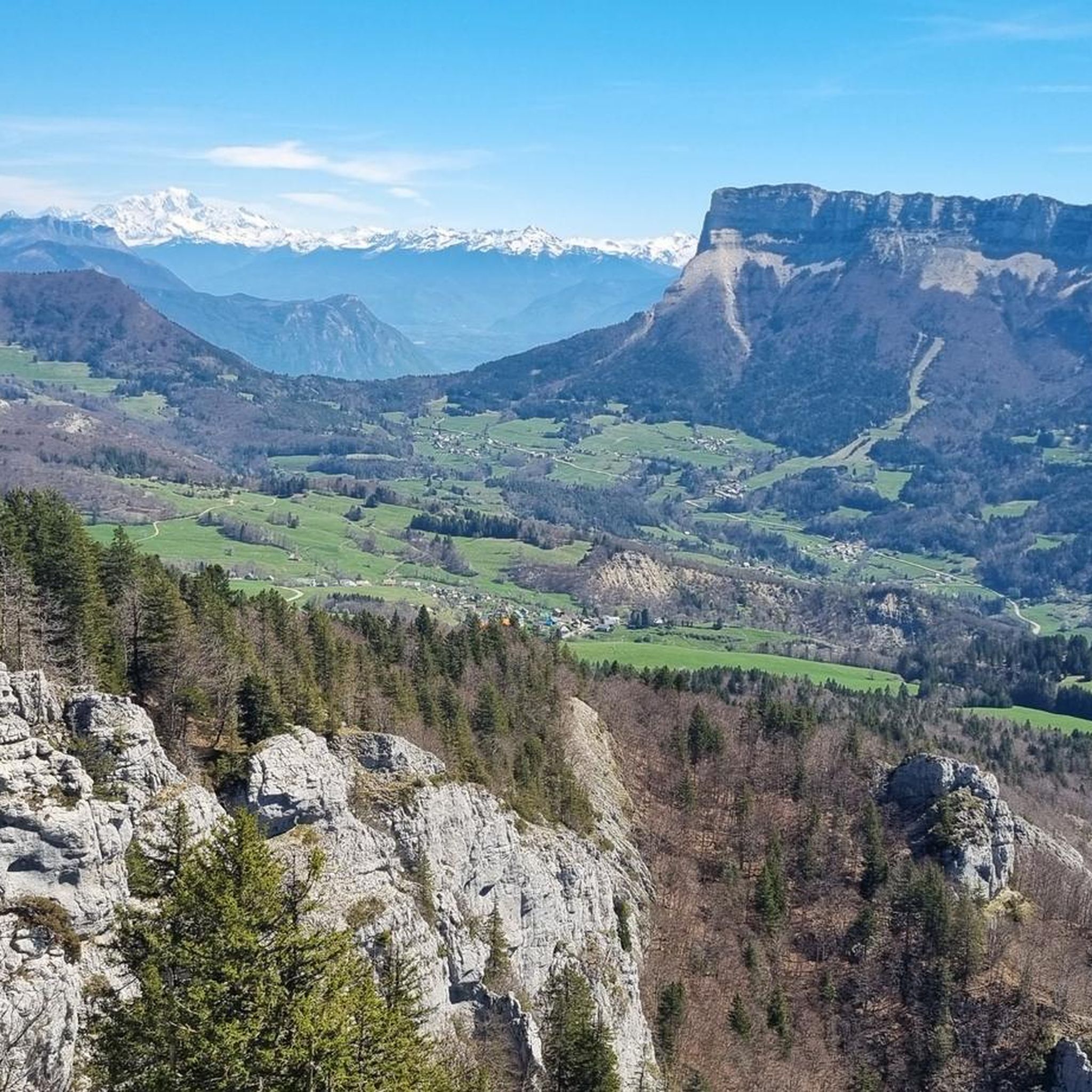
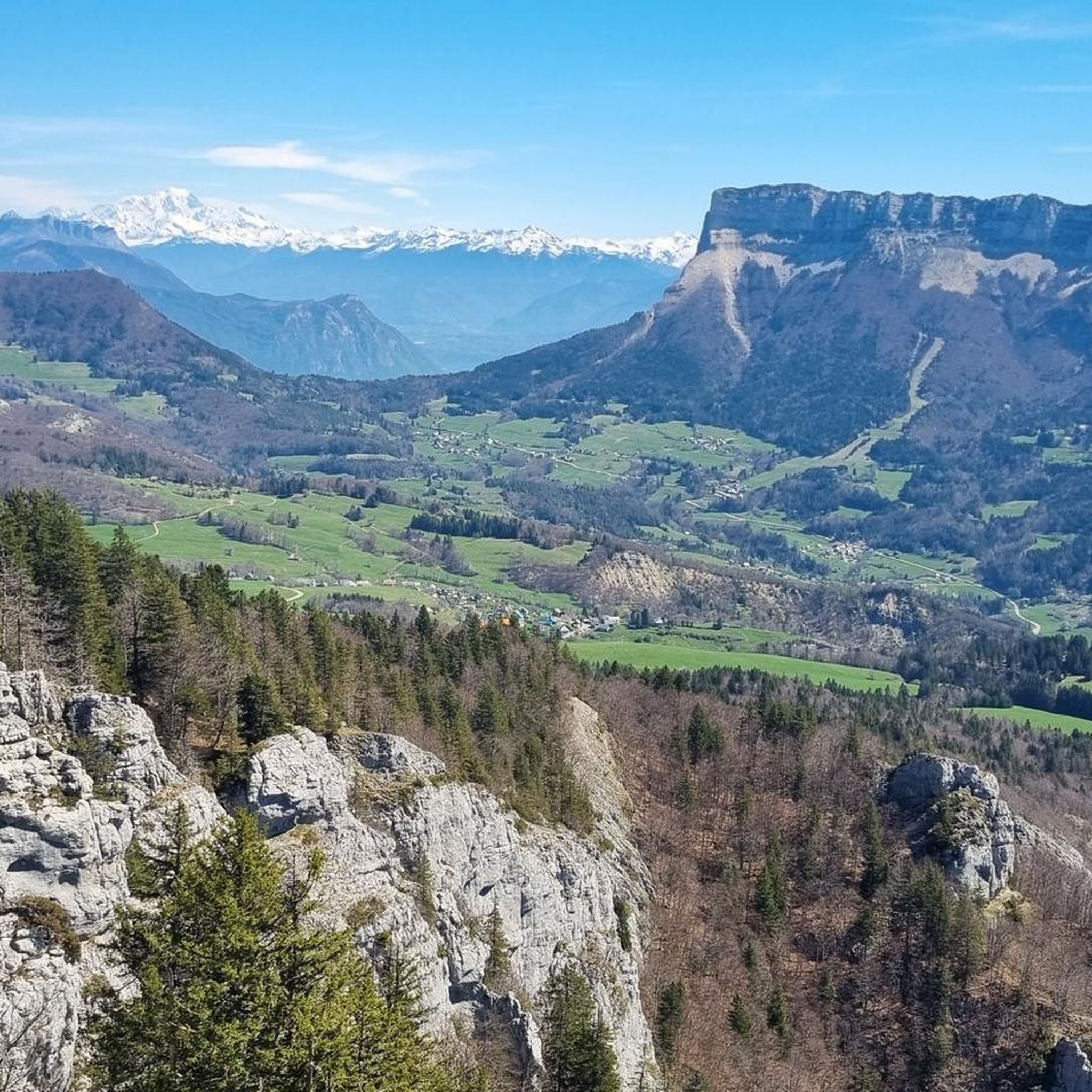
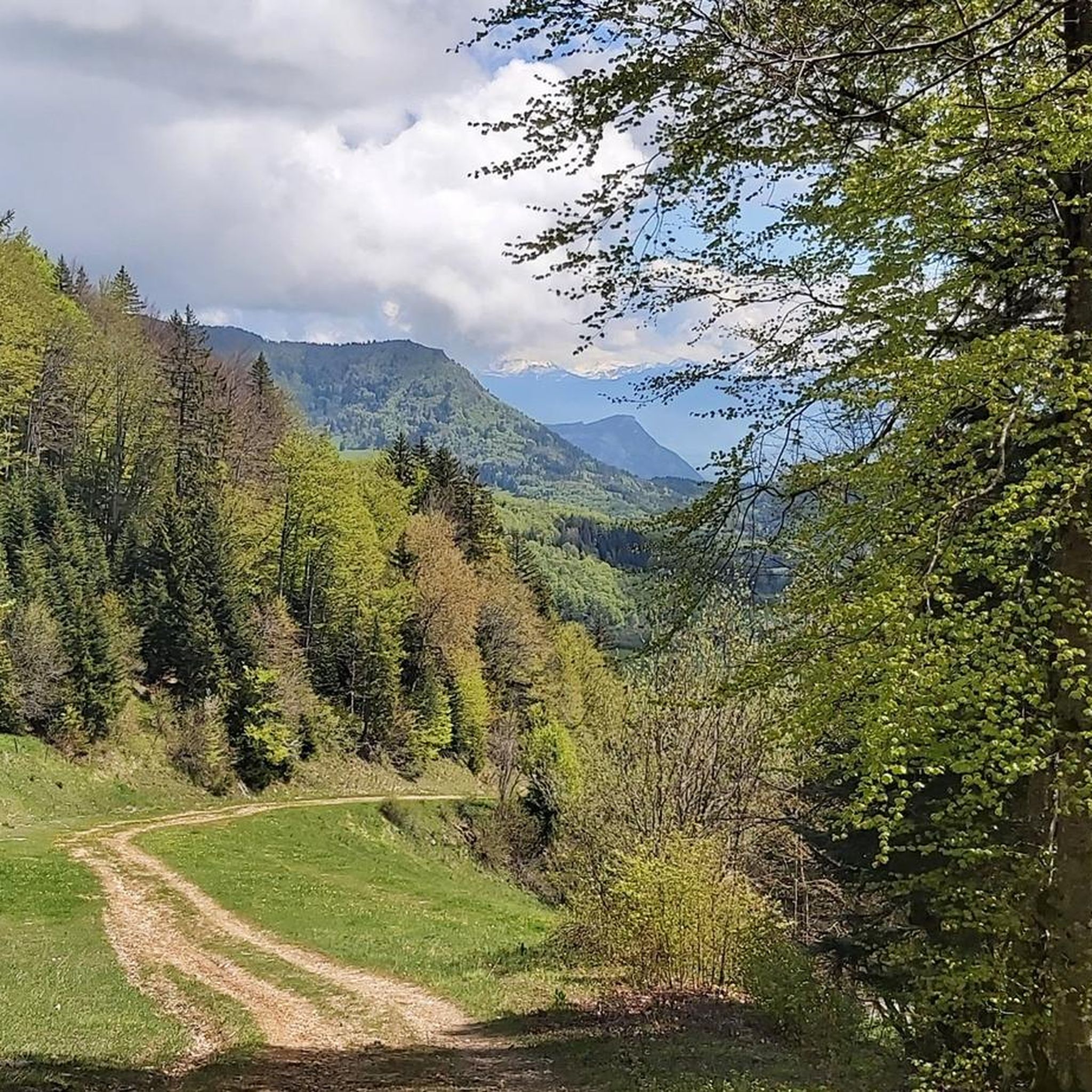
L'Alpette is above all a magnificent alpine pasture at the foot of Mont Granier. Seen from above, the pasture looks like a large golf course with its circular hollows, and large rocky boulders seem to have been scattered everywhere. L'Alpette is surrounded by high cliffs, it's magnificent.
0
0

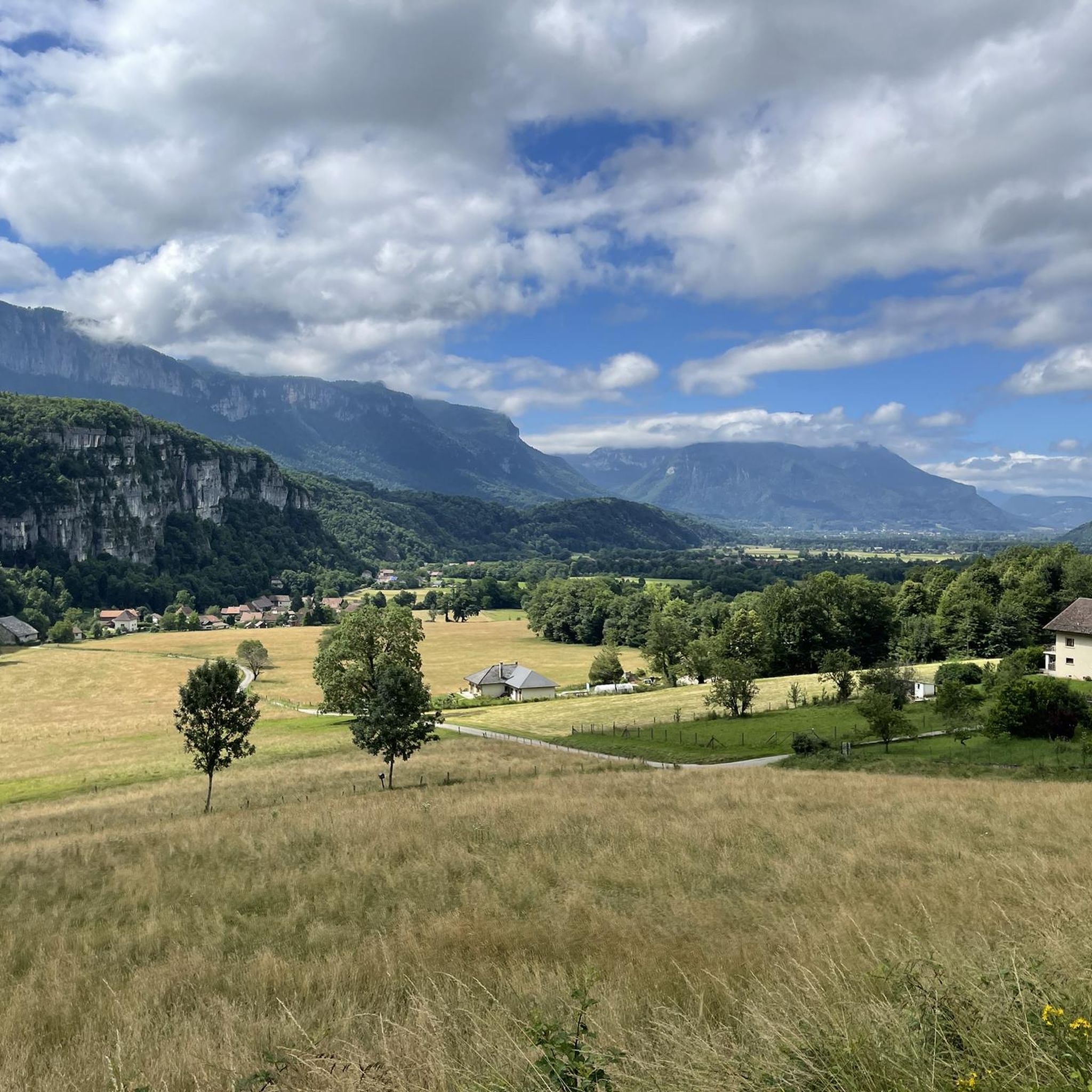
Proper climb from Chambery, beautiful views of the Chartreuse.
0
0
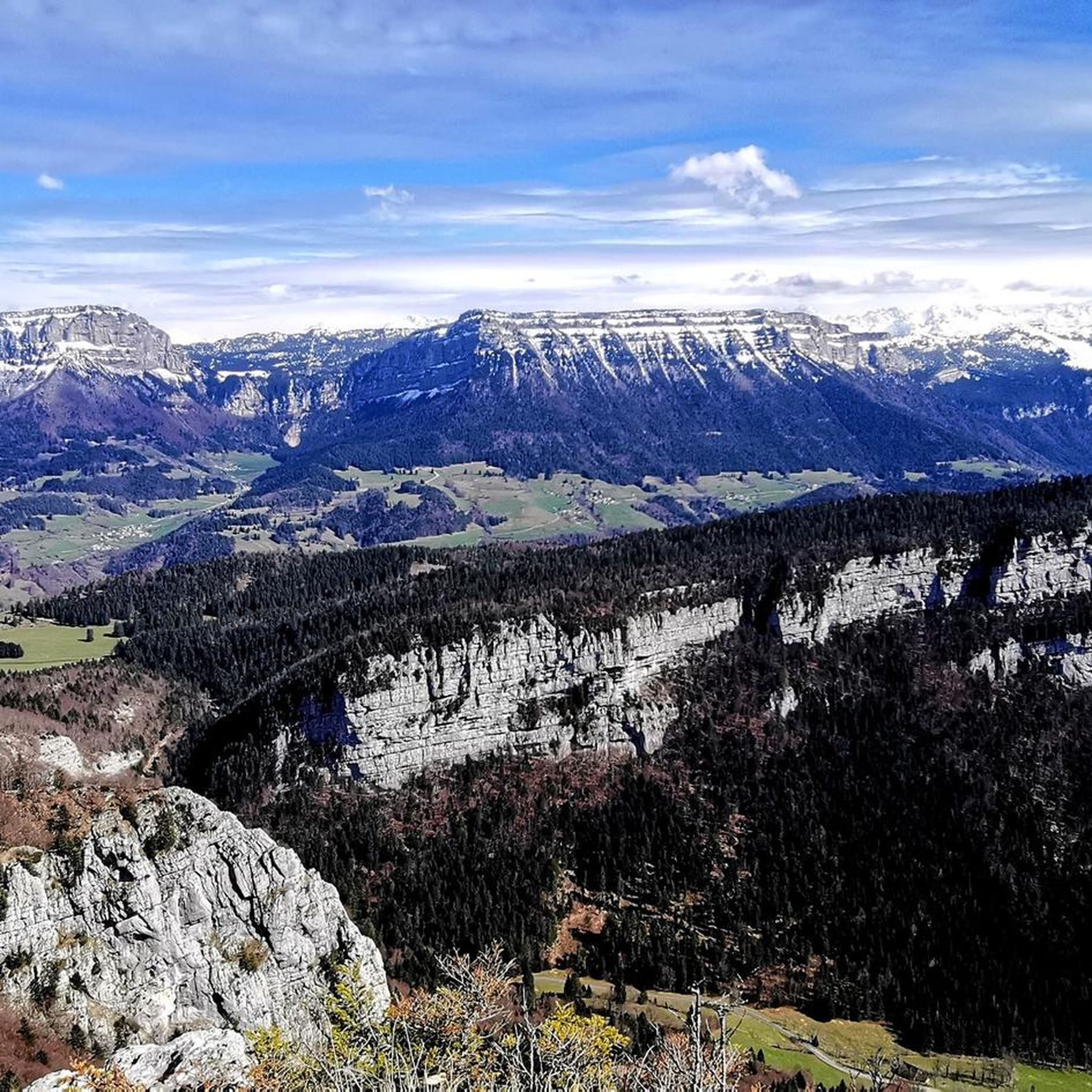
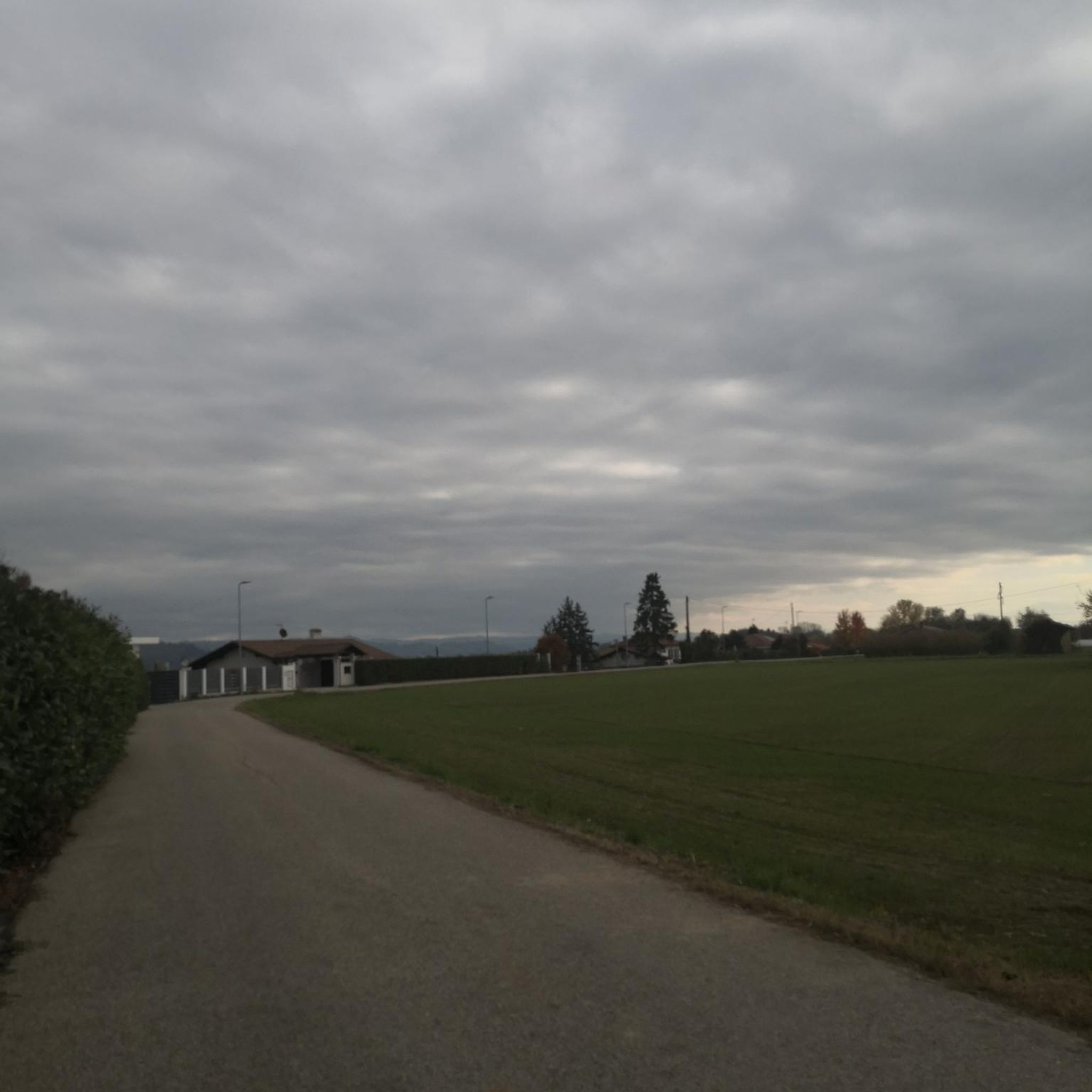
Small pass in the Chartreuse, beautiful views and relatively quiet road.
2
0

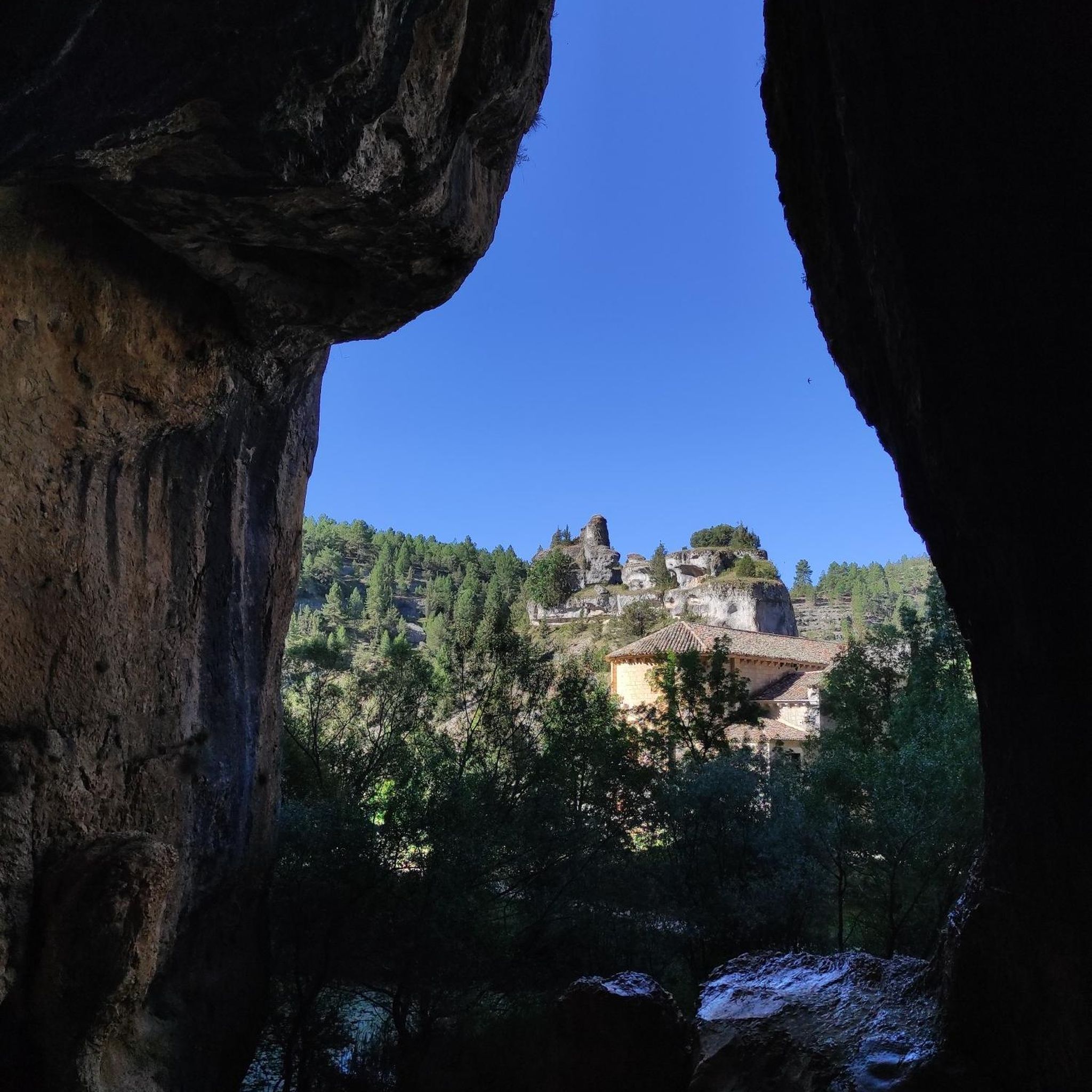
Warning: This section is very technical for about fifteen meters. There are metal ladders, bars, and lifelines. Experience in climbing or via ferrata is required for safety. Personally, there were three of us with rucksacks weighing 10, 12, and 15 kilos respectively, and we had to make three round trips, carrying each bag together (one holding it from above, the other from below). With a fair amount of experience, this was accomplished without any problems, but we had to take our time and reassure one of us, for whom the section was particularly technical. We did it downhill and in very light rain, which didn't help. It took us about 20/30 minutes for our three return trips. Very technical descent, probably easier ascent. → Photos for illustration purposes only, not contractual.
0
0
Warning: The climb from the east side is extremely steep! An average gradient of around 10% over 9-10 km.
2
0

From Saint Laurent du Pont, a demanding 14km climb, with many sections at over 10%. It is divided into three parts: 9km of irregular ascent (6 to 11.5% /100m) to the junction for the Chartreuse Monastery. Then 2km of flat terrain to the foot of St Pierre de Chartreuse and finally a very steep climb (several sections at +12% /100m) to the Col de Cucheron. A pass not to be underestimated! 25 degrees at St Laurent = 15 degrees at the top of the pass and its very shaded slopes. Dress accordingly.
2
0

Very good and quite accessible as a pass. Be careful of overtaking cars.
1
2
Frequently Asked Questions
What are some of the most scenic mountain passes in the Chartreuse Massif near Saint-Jean-De-Couz?
The region offers several passes with stunning views. The Granier Pass is considered a gateway to the Chartreuse Massif, offering a superb panorama, especially of Mont Granier. Col du Cucheron provides magnificent views of the North Chartreuse, with different slopes including ski areas and mountain pastures. For a challenging experience with rewarding views, the Col du Coq is the highest pass in the Chartreuse.
Are there mountain passes with historical significance around Saint-Jean-De-Couz?
Yes, the region has passes with rich history. The Saint-Michel Pass holds historical significance as an important Roman-era crossing, with visible traces of its past. The Crucifix Pass was formerly part of the Sardinian way and features wayside crosses, each telling its own story.
What outdoor activities can I do near these mountain passes?
The area around Saint-Jean-De-Couz is excellent for various outdoor activities. You can find numerous hiking trails, such as 'The Sarde Road' loops, and routes to the Pissoire Waterfall. For cyclists, there are challenging road cycling routes like the 'Granier Pass – Gorges du Guiers Vif loop' and gravel biking options including the 'Charmette Pass – Col de la Charmette loop'. You can explore more routes on the dedicated guides for hiking, road cycling, and gravel biking around Saint-Jean-De-Couz.
What is the best time of year to visit the mountain passes around Saint-Jean-De-Couz?
The best time to visit largely depends on your planned activities. For hiking and cycling, late spring to early autumn (May to October) generally offers the most favorable conditions. Higher alpine passes like Col de l'Iseran are typically open to cars from June to October. Winter activities are popular at passes like Col de Porte, which is known for its winter sports.
Are there family-friendly mountain passes or trails suitable for beginners?
While many passes offer challenging terrain, some areas provide more accessible options. For instance, the Saint-Michel Pass offers a shaded hike with a nice view of Lake Aiguebelette, which can be suitable for families. When planning, look for routes described as 'easy' or 'moderate' on komoot, such as the 'The Sarde Road – Old Saint-Martin Bridge loop from Saint-Christophe' for hiking.
What kind of terrain can I expect on the mountain passes in this region?
The terrain varies significantly across the Chartreuse Massif and Savoie region. You can expect everything from challenging climbs on paved roads, popular with cyclists, to rugged hiking trails through forests and open mountain pastures. Passes like Alpette Pass feature a transition from forest paths to wide green meadows at the foot of limestone cliffs, offering a striking spectacle.
What are some of the more challenging mountain passes for experienced cyclists?
For experienced cyclists, the region offers several demanding passes. The Col du Coq, especially from the north/west side, presents steep sections exceeding 15%. Further afield in Savoie, the legendary Col de l'Iseran (Europe's highest paved road pass), Col du Galibier, Col de la Madeleine, and Col du Glandon are all frequently featured in the Tour de France and offer significant challenges with breathtaking alpine scenery.
Where can I find information about parking and trailheads for mountain passes?
Parking availability varies by pass and trailhead. Many popular passes, such as Granier Pass and Col du Cucheron, have designated parking areas. For specific trailheads, it's best to check individual komoot Tours or Guides, as they often provide details on starting points and access. For example, the climb to Col de Porte can be undertaken from St-Laurent-du-Pont.
Are there any permits required for hiking or accessing certain areas in the Chartreuse Massif?
Generally, permits are not required for hiking on established trails within the Chartreuse Regional Natural Park. However, it's always advisable to respect local regulations, especially concerning protected areas or private land. For specific activities or larger groups, it's recommended to check with the Chartreuse Regional Natural Park authority for any specific requirements.
What do visitors enjoy most about the mountain passes around Saint-Jean-De-Couz?
Visitors frequently appreciate the diverse experiences offered by the passes. The superb panoramas, challenging climbs, and the blend of natural beauty with historical significance are often highlighted. For instance, the Granier Pass is loved for its views, while the Saint-Michel Pass is noted for its shaded hikes and views of Lake Aiguebelette. The komoot community has contributed over 100 photos and more than 300 upvotes, reflecting the area's appeal.
Can I find cafes or restaurants near the mountain passes?
While some passes might have small establishments, it's more common to find cafes, pubs, and restaurants in the villages and towns surrounding the passes, such as Saint-Jean-De-Couz itself or nearby Saint-Pierre-de-Chartreuse. It's always a good idea to plan ahead and check for available services along your chosen route, especially in more remote areas.
Are the mountain passes around Saint-Jean-De-Couz dog-friendly?
Many trails and natural areas in the Chartreuse Massif are dog-friendly, but regulations can vary. It's generally recommended to keep dogs on a leash, especially in protected areas, near livestock, or during wildlife breeding seasons. Always ensure your dog is well-behaved and that you clean up after them. Specific rules might apply in certain nature reserves, so checking local signage is advised.
Most popular routes around Saint-Jean-De-Couz
Most popular attractions around Saint-Jean-De-Couz

Get inspired with the komoot mobile app


Explore more
See even more epic mountain passes by checking out these guides around Saint-Jean-De-Couz:
