Attractions and Places To See around La Cerlangue - Top 20
Best attractions and places to see around La Cerlangue encompass a landscape shaped by the Seine River, featuring both natural wetlands and significant man-made structures. The area is characterized by its unique semi-circular depression, home to wet meadows, marshes, and reed beds. It offers a blend of natural heritage and engineering marvels, making it a destination for various outdoor activities.
Best attractions and places to see around La Cerlangue
- The most popular attractions is Normandy Bridge, a bridge that…
Last updated: July 29, 2026
Normandy Bridge
Highlight • Bridge
The Normandy …
Translated by Google •
Tip by

Marais Vernier Viewpoint
Highlight • Viewpoint
Translated by Google •
Tip by

Sign up now to discover places like this
Get recommendations on the best single tracks, peaks, & plenty of other exciting outdoor places.
Sign up for free
Normandy Bridge
Highlight (Segment) • Bridge
Translated by Google •
Tip by

Pont de Normandie
Highlight • Bridge
Translated by Google •
Tip by

Marais-Vernier Village and Thatched Cottages
Highlight • Settlement
Translated by Google •
Tip by

Sign up for free to discover even more attractions around La Cerlangue.
Sign up for free
Already have an account?
Start today with a free account
Your next adventure awaits.
Login or Signup


Tips from the Community

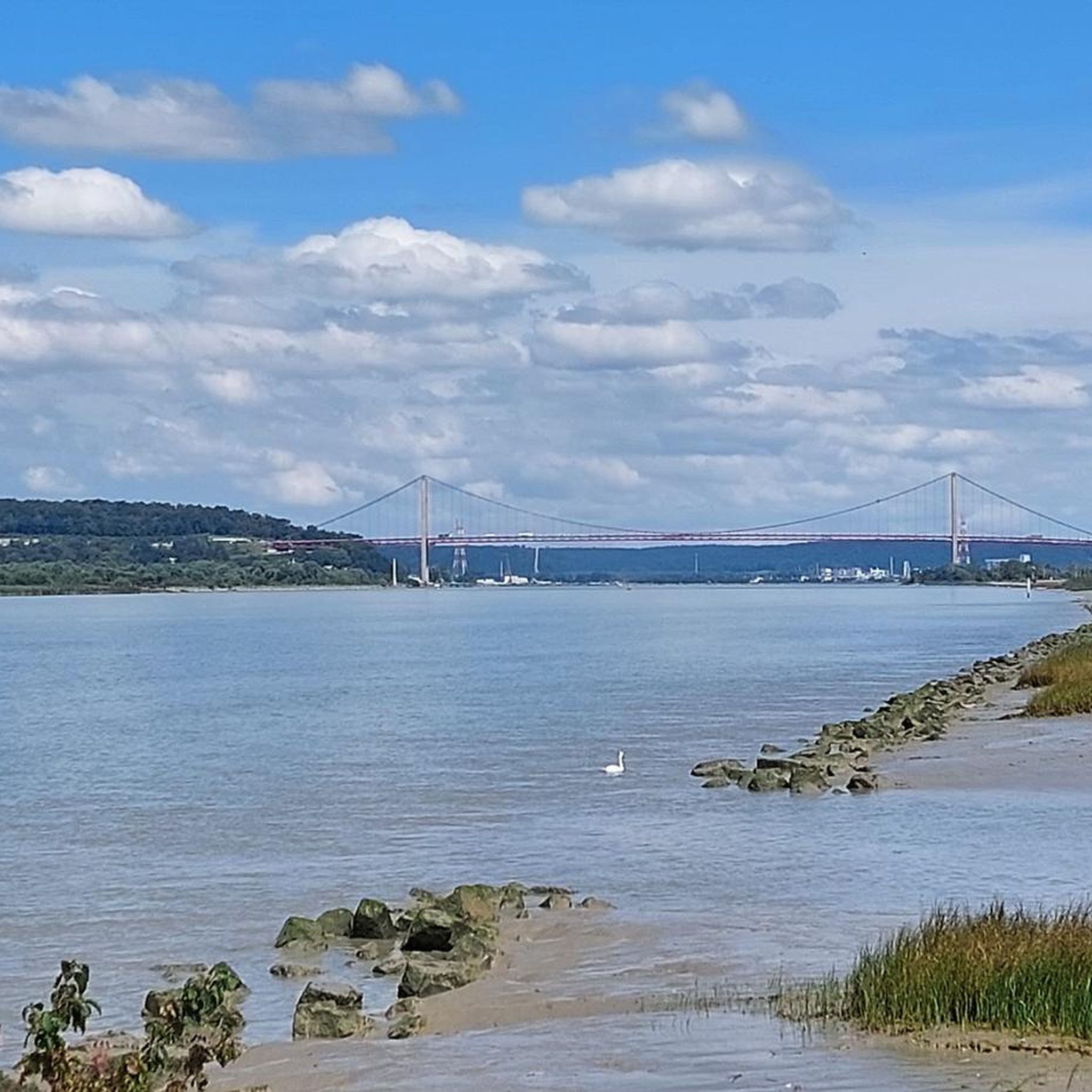
It goes about 1km uphill at a constant 6%, and on the other side about 1km downhill at 6%. And the architecture of the bridge is impressive, the view in good weather great. But the cycle path is simply dangerous. I was very surprised that there is a cycle path, because it is perhaps only 1-1.2m wide, and is only separated from the car and truck traffic, which rushes past at 80-90 km/h, by a white line on the asphalt. Certainly no cycling pleasure. And given the quite strong winds that can make you swerve, it is also not entirely harmless. There is also an almost equally narrow footpath next to it, but it is separated from the roadway by a curb (at least). The crossing of the bridge would certainly be a highlight of any bike tour, but the incredibly narrow strip next to the fast-flowing traffic does not make it a real pleasure.
0
0
It goes about 1km uphill with a constant 6% gradient, and on the other side about 1km downhill with a 6% gradient. And the architecture of the bridge is impressive, the view in good weather is great. I was very surprised that there is a cycle path, because it is perhaps 1~1.2m narrow, and only separated by a white line on the asphalt from car and truck traffic, which rushes past at 80~90 km/h. Certainly no cycling pleasure. And with the quite strong winds that can sometimes make you swerve, it's also not completely harmless. There is also an almost equally narrow footpath, but this is separated from the roadway by a curb (at least). Crossing the bridge is (would be) certainly a highlight of any bike tour, but the incredibly narrow strip next to the fast-flowing traffic makes it no real pleasure.
0
0

The bridge is passable on the cycle lane but I strongly recommend riding on the pedestrian section to avoid overtaking at high speed on the climb.
1
0

There is an existing cycle path, but there is only a white line separating vehicles at 90 km/h. Danger.
1
0

Not exactly a good idea in terms of driving technique - a narrow, divided footpath and cycle path, but separated from the car lane by a curb. Trucks generate a noticeable suction. You may have to push if there is a strong crosswind. But you get across the wide Seine estuary and have a great view!
0
0

It turns out that there is no separate lane for bicycles, as we had expected! There is a narrow footpath separated by a low concrete threshold, on which we push the bikes. Riding on both the road and the narrow footpath seems too dangerous or even forbidden. It is exciting to walk over the 2km long bridge in a strong westerly wind!
0
0

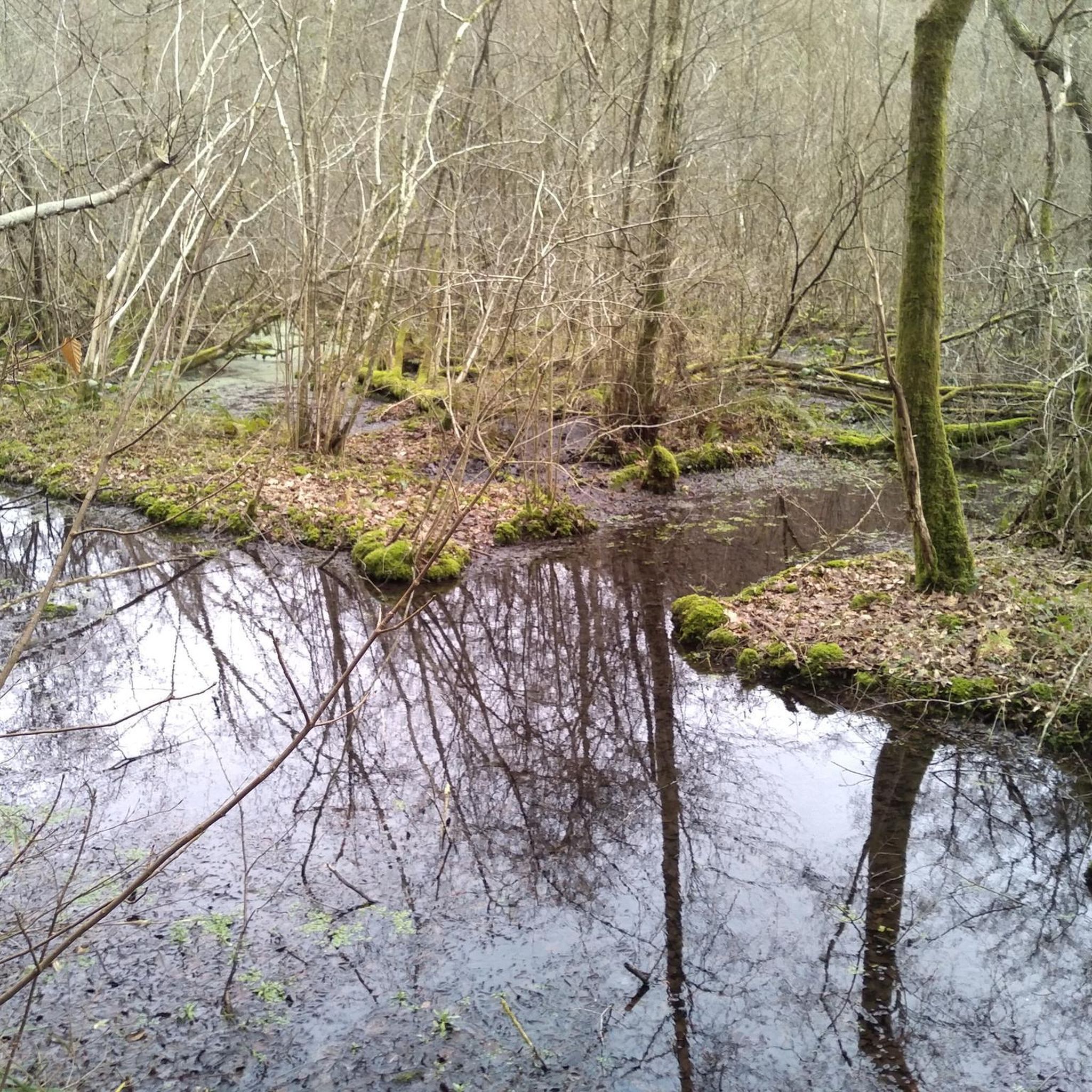
Beautiful view of the Marais Vernier natural site. I had, when I was 18, the honor and the pleasure of working there in the company of several biologists. It is an exceptional site due to the richness of its fauna. On site live Camargue horses, Hyland cattle, Scottish sheep, gray herons and many other species. A few group visits are regularly organised. To participate, you must register in advance on the Marais Vernier nature reserve website.
1
0

The Marais-Vernier Orientation Table is a viewpoint overlooking the Marais Vernier, a vast wetland area home to a very diverse fauna and flora. The orientation table allows you to appreciate the panoramic view of the marsh and its unique agricultural plots, called courtils, by helping you to identify landmarks. You may be able to spot rare birds like osprey, heron, falcon or stork. The Marais Vernier is a natural wonder that offers a variety of landscapes and terrains for runners.
2
0
Frequently Asked Questions
What natural features can I explore around La Cerlangue?
The region is known for its unique wetlands, particularly the Marais Vernier. You can get a panoramic view of this vast 4,500-hectare wetland, rich in biodiversity, from the Marais Vernier Viewpoint. The area features wet meadows, marshes, reed beds, and is home to the largest peat bog in France.
Are there any historical sites or unique settlements to visit in the area?
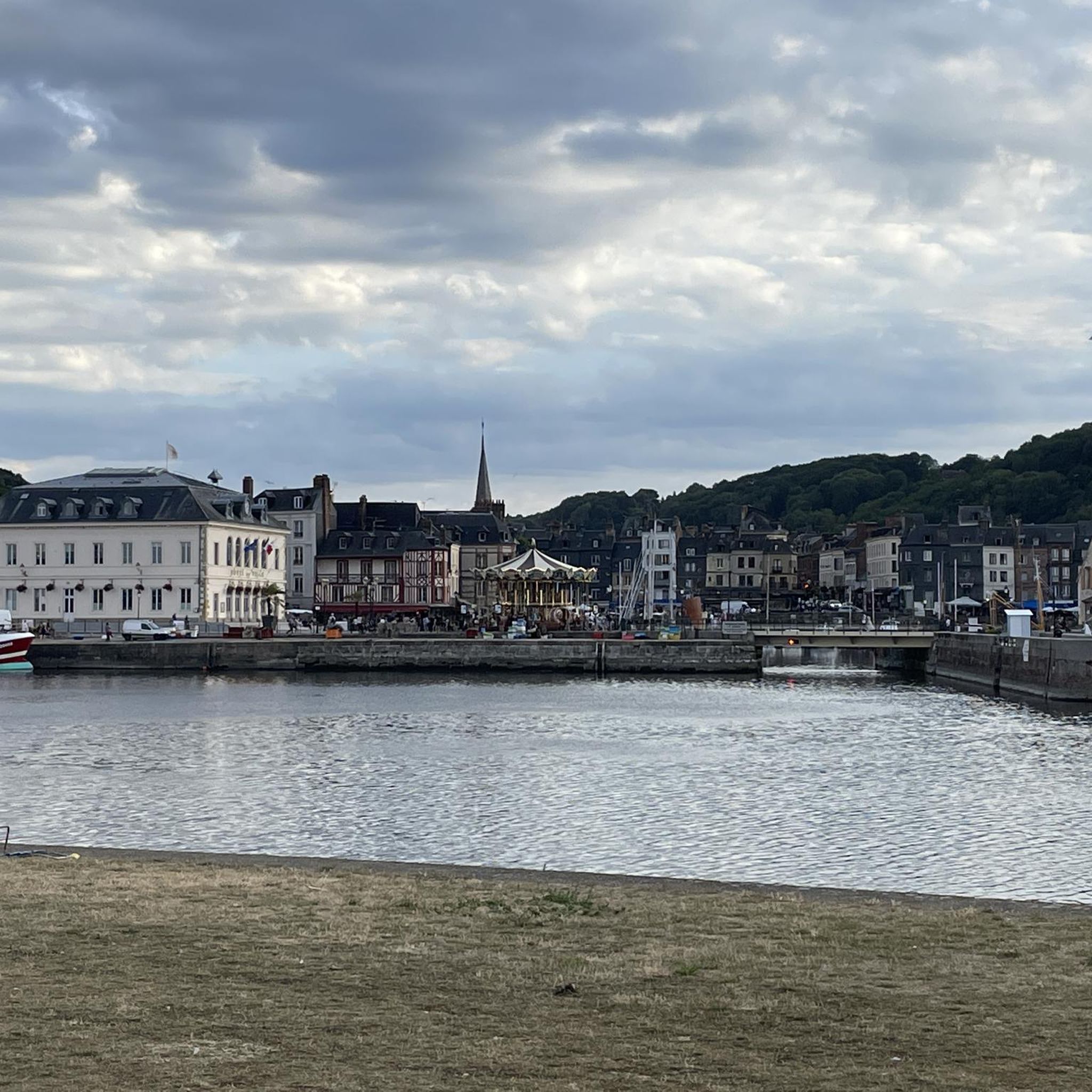
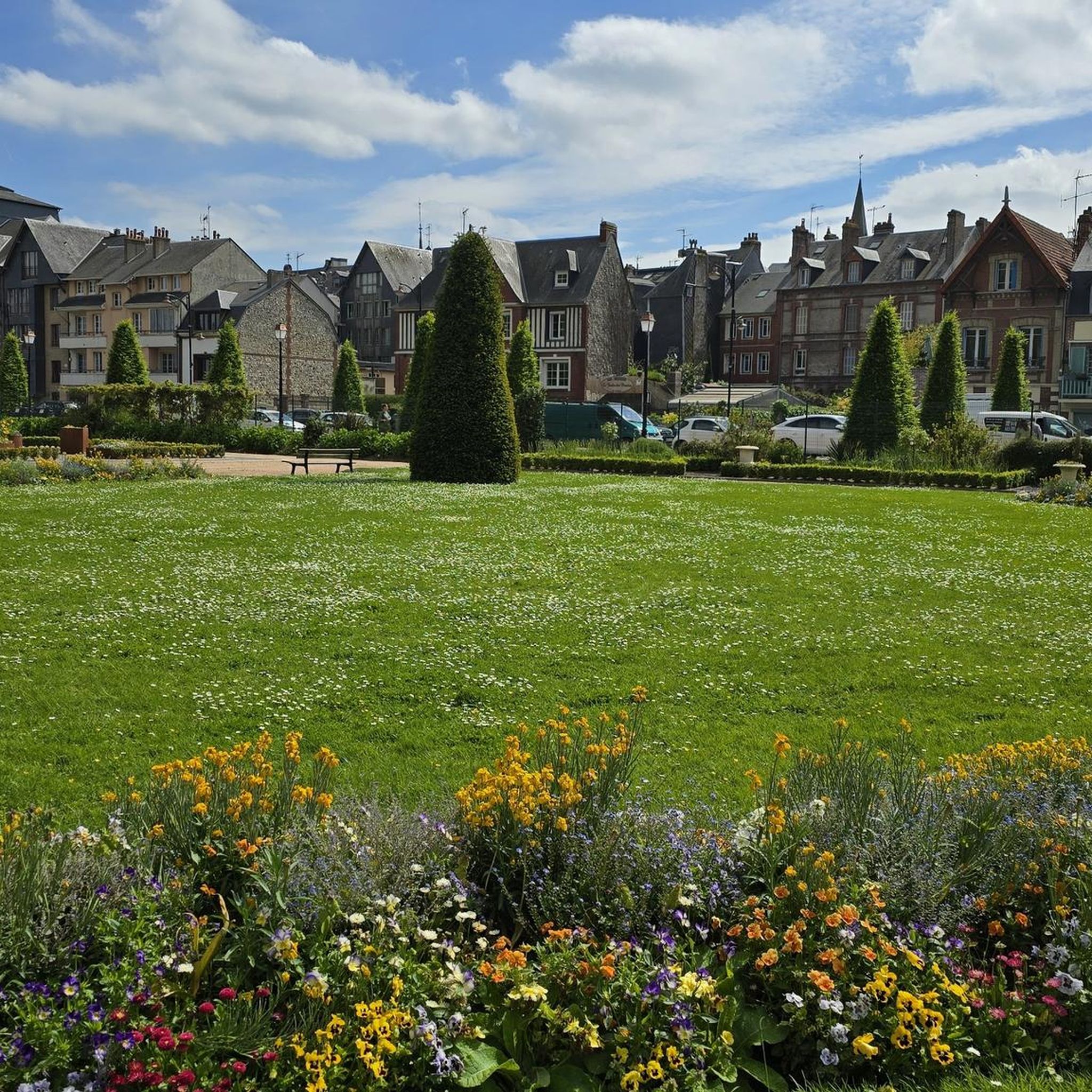
Yes, the Marais-Vernier Village and Thatched Cottages offer a glimpse into the region's history. This elongated village is famous for its traditional thatched houses, known as Chaumières, often adorned with irises on their ridges, and surrounded by apple orchards. It's a testament to the Dutch dike farmers who helped drain the former swamp in 1599.
What engineering marvels or impressive structures can I see near La Cerlangue?
La Cerlangue is notable for its impressive bridges. The Normandy Bridge, which held the record for the longest bridge in the world when built in 1993, spans the Seine estuary connecting Le Havre to Honfleur. Another significant structure is the Tancarville Bridge, an impressive suspension bridge that was once the longest central span in Europe.
Are there family-friendly activities or attractions suitable for children?
Several attractions in the area are considered family-friendly. The Marais Vernier Viewpoint offers an educational experience about local biodiversity. The Marais-Vernier Village and Thatched Cottages provide a charming setting for a family stroll. Additionally, the Mirville Viaduct, an impressive historical railway bridge, is also a great spot for families to explore.
What outdoor activities, like hiking, are available near La Cerlangue?
The area offers various hiking opportunities. You can find moderate trails like the 'Woods and Château de Tancarville' loop or the 'Bois de Tancarville loop from La Cerlangue'. For easier options, consider the 'Tancarville Castle loop from Tancarville'. You can explore more hiking routes on the Hiking around La Cerlangue guide.
Can I go cycling or mountain biking around La Cerlangue?
Yes, there are several routes for gravel biking and mountain biking. For gravel biking, you might enjoy the 'Marais Vernier Viewpoint – Les Chaumières loop from Marais-Vernier' or the 'Valasse Abbey loop from Lillebonne'. Mountain bikers can find routes like the 'Normandy Bridge loop from Conteville'. Discover more options on the Gravel biking around La Cerlangue and MTB Trails around La Cerlangue guides.
What do visitors particularly enjoy about the attractions in La Cerlangue?
Visitors appreciate the blend of natural beauty and impressive engineering. The panoramic views from the Marais Vernier Viewpoint are highly praised for showcasing the vast wetlands. The scale and design of the Normandy Bridge and Tancarville Bridge are also frequently mentioned as highlights, with many enjoying cycling across them.
Is there a historical railway structure in the area?
Indeed, the Mirville Viaduct is a significant historical railway structure. Built in 1846, this impressive brick viaduct features 48 arches, stretches 530 meters long, and stands 32 meters high, carrying the Paris-Le Havre railway line over the Ru de Bolbec valley. Its elegant curves and red brickwork make it a striking sight.
Can I cycle across the bridges in the region?
Yes, both the Normandy Bridge and the Tancarville Bridge accommodate cyclists. The Normandy Bridge has dedicated cycle lanes, offering a great experience. While the Tancarville Bridge can also be crossed by bike, be aware of potential traffic.
What kind of wildlife can I expect to see in the Marais Vernier?
The Marais Vernier is a rich natural habitat, home to diverse flora and fauna. Its wetlands support many protected species, including various birds like storks, hawks, harriers, and owls. The unique landscape of wet meadows, marshes, and reed beds provides an ideal environment for wildlife viewing.
Are there any easy walks or beginner-friendly trails near La Cerlangue?
For those seeking easier walks, the 'Tancarville Castle loop from Tancarville' is an excellent option, rated as an easy hiking trail. Many of the paths around the Marais-Vernier Village also offer gentle strolls through picturesque scenery.
Most popular routes around La Cerlangue
Most popular attractions around La Cerlangue

Get inspired with the komoot mobile app


Explore more
Still not found the Highlight you’re looking for? See guides of the top attractions in other regions:
