Top 8 Castles around Oppède
Best castles around Oppède are found in a region characterized by its dramatic rocky outcrops and historical significance within the Luberon mountains. The area features medieval fortresses, often in a ruined state, perched atop promontories, offering insights into centuries of history. These sites provide a unique blend of cultural heritage and natural landscape, with many castles integrated into picturesque hilltop villages. The terrain around Oppède offers varied exploration opportunities, from ancient village streets to scenic viewpoints.
Best castles around Oppède
…Last updated: July 21, 2026
Gordes
Highlight • Castle
Translated by Google •
Tip by

Château de Gordes and village center
Highlight • Castle
Translated by Google •
Tip by
Sign up now to discover places like this
Get recommendations on the best single tracks, peaks, & plenty of other exciting outdoor places.
Sign up for free
Oppède-le-Vieux
Highlight • Settlement
Translated by Google •
Tip by

Château des Évêques
Highlight • Castle
Translated by Google •
Tip by

Saumane-de-Vaucluse Castle
Highlight • Castle
Translated by Google •
Tip by
Sign up for free to discover even more castles around Oppède.
Sign up for free
Already have an account?
Start today with a free account
Your next adventure awaits.
Login or Signup
Tips from the Community

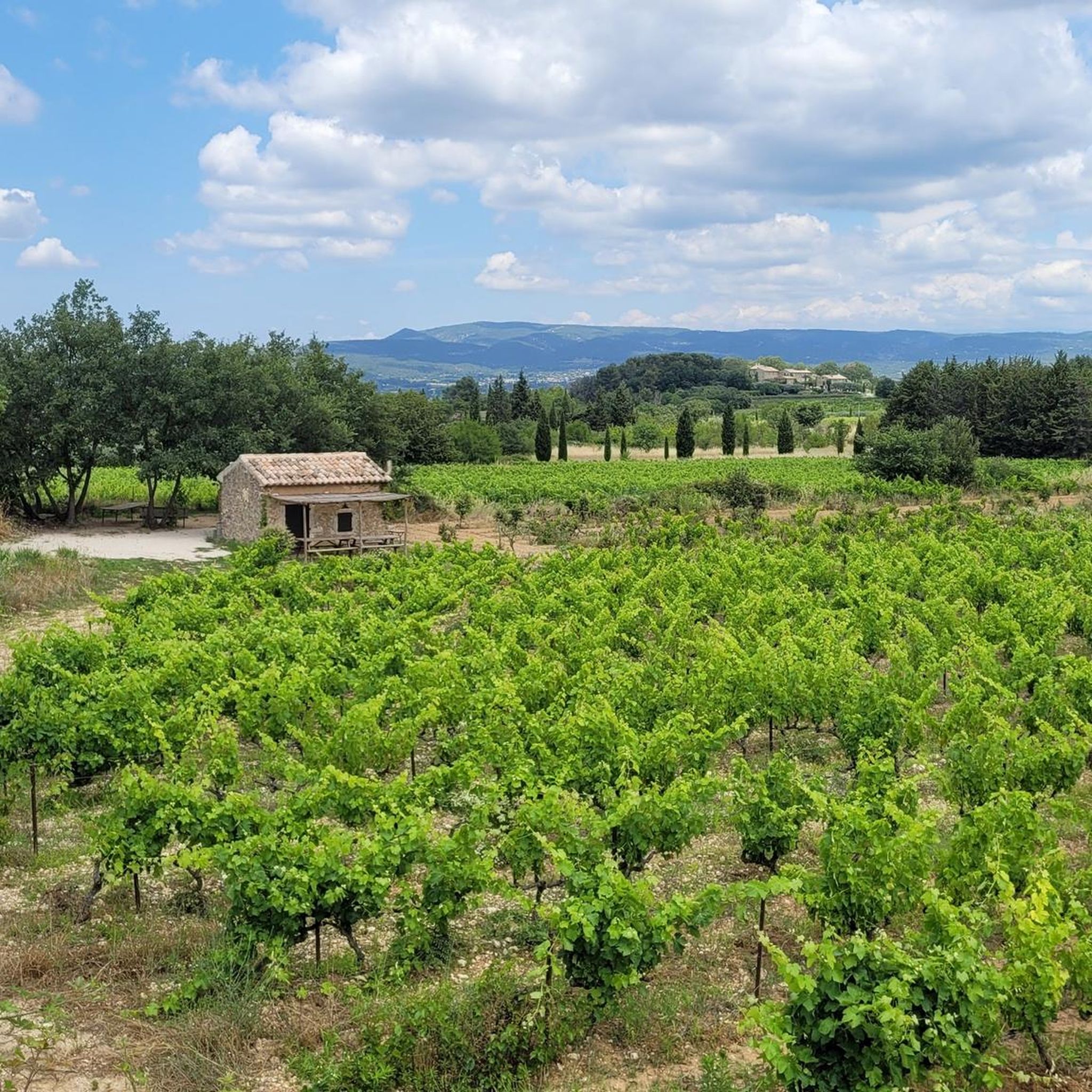
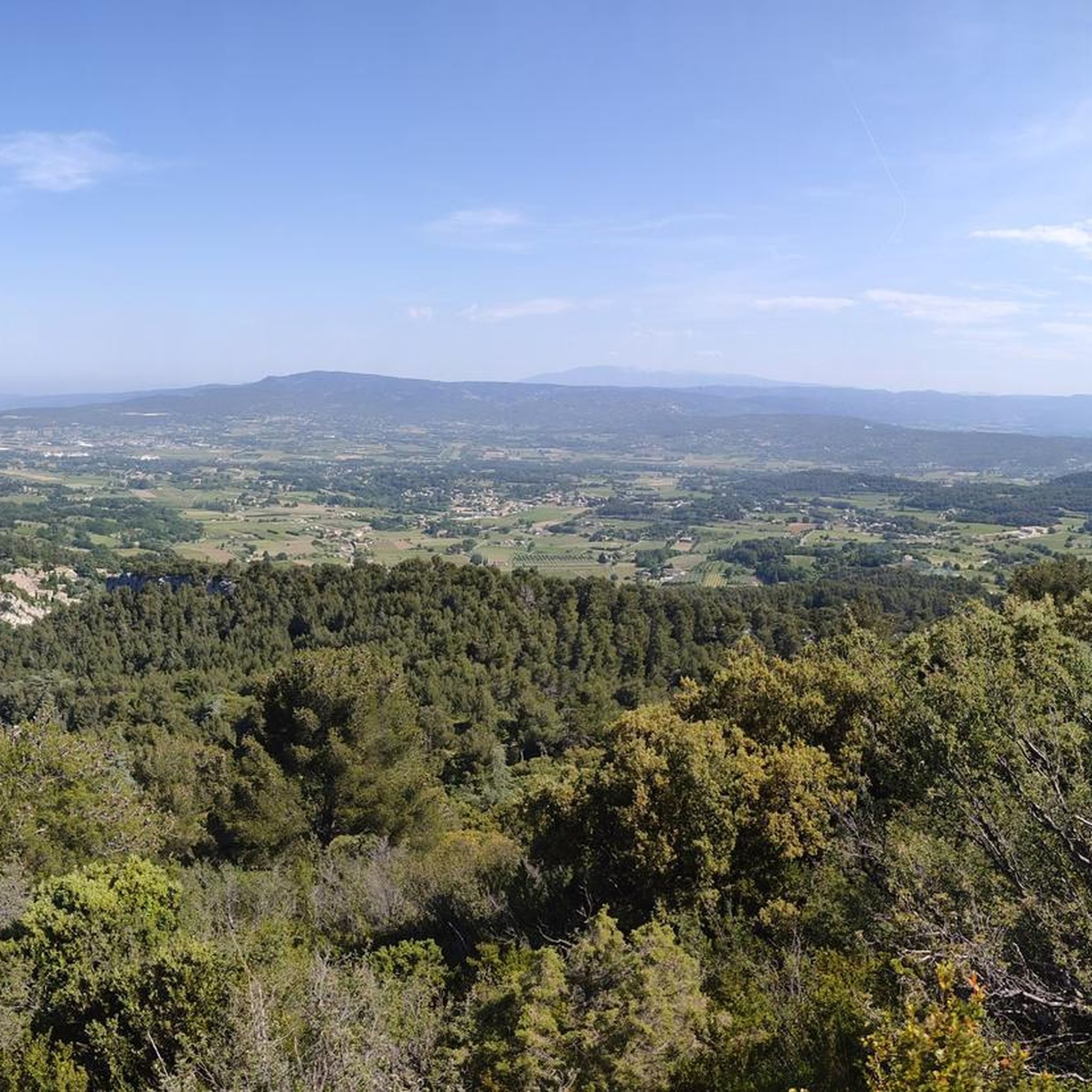
A visit to Château de Gordes is especially worthwhile for the impressive view over the Luberon. Take your time to stroll through the winding alleys of the historic village and enjoy the atmosphere. A visit early in the morning or at sunset is particularly beautiful, when the warm light bathes the light-colored natural stone facades in golden hues and there are significantly fewer visitors. Don't forget your camera – the view is one of the most beautiful in Provence.
0
0

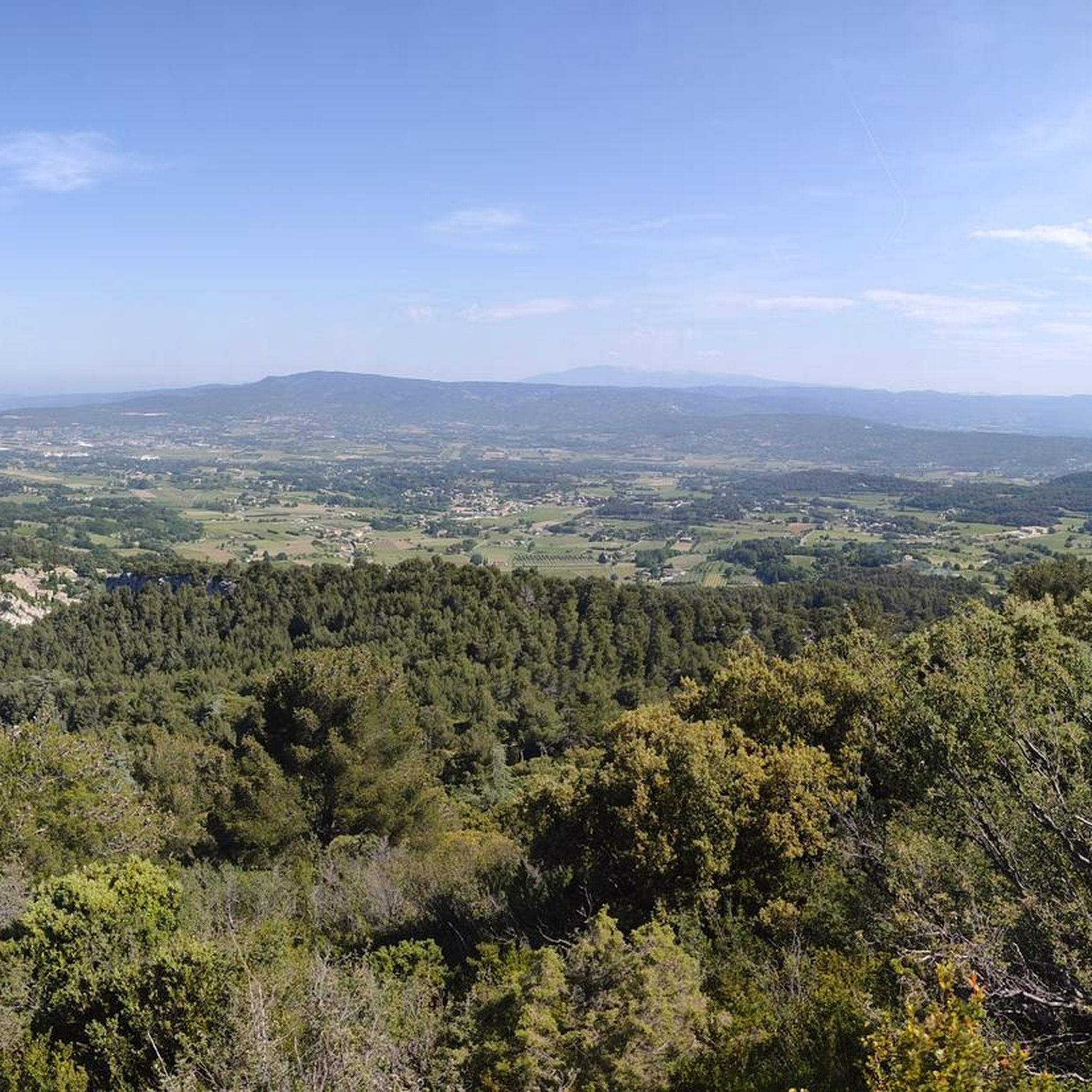
It's just a short walk up to the castle. Even though the path is steep and partly rocky, it's well worth it! From the ruins, you have fantastic views down to the town, the river, and the entire surrounding area. Be careful when climbing on the walls; it's extremely steep down!
1
0

Very beautiful place, typical of the Luberon.
0
0

The old town hall stands on the Place de la Croix. You can walk underneath it. It is very well restored.
1
0

The climb and descent to and from the castle is seriously tough but once at the top the view is breathtaking.
7
1

Built on a rocky outcrop, Oppède-le-Vieux is an authentic and preserved village. The old stones are typical of the region. The ruins of the castle, the old church and the chapel of the white penitents are all treasures to visit.
1
1

A beautiful village as a reward for the climb.
1
0

Do not miss! A stop at Le petit café with a delicious lunch and simply enjoying this impressive place.
2
0
Frequently Asked Questions
What makes the castles around Oppède unique?
The castles in the Oppède region are primarily medieval fortresses, often found in a ruined state, perched atop dramatic rocky outcrops within the Luberon mountains. They offer a unique blend of historical heritage and natural landscape, with many integrated into picturesque hilltop villages. For example, Oppède-le-Vieux, though largely in ruins, showcases structures from the 11th to 16th centuries and holds a rich history, including papal ownership.
Which castles offer the best panoramic views?
For breathtaking panoramic views, Gordes, a castle and hilltop village, is highly recommended. Its elevated position provides magnificent vistas. Similarly, Château des Évêques, despite being a ruin, offers extensive views down to the town, the river, and the surrounding area. The site of Oppède-le-Vieux itself, perched on a rocky promontory, also provides stunning views of the Luberon mountains.
Are there any family-friendly castles to visit near Oppède?
While many castles in the region are ruins, the villages they are part of, like Gordes and Oppède-le-Vieux, offer charming streets and historical exploration suitable for families. The less-known underground caves at Gordes can be an exciting discovery for children. For a more intact experience, Saumane-de-Vaucluse Castle is situated in a magnificent perched village with dry stone houses and cobbled streets, which can be enjoyable for families to explore.
What kind of historical significance do the castles in Oppède hold?
The castles around Oppède are steeped in history, reflecting centuries of regional power struggles and cultural shifts. Oppède-le-Vieux, for instance, was constructed between the 11th and 13th centuries, expanded by popes, and even served as a temporary residence for Antipope Benedict XIII during the Western Schism. It also has connections to figures like Jean Maynier. Saumane-de-Vaucluse Castle is notable for being where the Marquis de Sade spent part of his childhood, and Lagnes Castle, built in the 12th century, still features remnants of its ancient ramparts.
Are there hiking or cycling routes near these castles?
Yes, the region around Oppède offers numerous outdoor activities. You can find various cycling routes, including touring bicycle and road cycling options, with guides like Cycling around Oppède and Road Cycling Routes around Oppède. For mountain biking enthusiasts, there are also MTB Trails around Oppède. Many of these routes pass through or near the historical villages and castle sites, offering a blend of sport and sightseeing.
What is the best time of year to visit the castles around Oppède?
The Luberon region, where Oppède is located, is beautiful in spring (April-May) and autumn (September-October) when the weather is pleasant for exploring and the landscapes are vibrant. Summer (June-August) can be very hot, but early mornings or late afternoons are still suitable for visits. Winter offers a quieter experience, though some amenities might have reduced hours.
Where can I find amenities like cafes near the castles?
The villages associated with the castles often provide amenities. For example, Oppède-le-Vieux has 'Le petit café' where visitors can enjoy a delicious lunch. The village of Gordes also features small streets with nice cafes. Exploring the charming streets of these perched villages will typically lead you to local establishments.
Is there parking available when visiting the castles?
For villages like Oppède-le-Vieux, parking is typically available at the base of the village, often near the Sainte-Cécile Gardens, from where you can walk up to the castle ruins. For other perched villages like Gordes and Saumane-de-Vaucluse, designated parking areas are usually found at the entrance or just outside the historic centers.
Can I explore the castle ruins at Oppède-le-Vieux?
While the site of Château d'Oppède-le-Vieux is largely in ruins, many walls, a few towers, and passages are still visible. The castle itself is currently closed to the public for security reasons due to ongoing restoration efforts. However, the visible remains and the ambiance of the ancient village are highly engaging, and you can wander through the village and enjoy the views from the surrounding areas.
Are there any less crowded or 'hidden gem' castles to discover?
While Oppède-le-Vieux and Gordes are popular, exploring villages like Saumane-de-Vaucluse or Lagnes might offer a quieter experience. These sites still boast significant historical castles and charming village settings but tend to attract fewer visitors than the more famous spots, allowing for a more serene exploration.
What should I wear when visiting the castles and villages?
Given the terrain, which often includes steep paths, cobblestone streets, and rocky ascents to castle ruins, comfortable and sturdy walking shoes are highly recommended. Layers of clothing are also advisable, especially during spring and autumn, as temperatures can vary throughout the day. Don't forget sun protection during warmer months.
How long should I plan for a visit to a castle and its village?
For a site like Oppède-le-Vieux or Gordes, you should allocate at least 2-3 hours to explore the village, walk up to the castle ruins or viewpoint, and perhaps enjoy a coffee or meal. If you plan to visit multiple sites or combine it with a hike, a full day or more would be beneficial.
Most popular attractions around Oppède

Get inspired with the komoot mobile app


Explore more
Looking for the best castles somewhere else? Discover other guides around Oppède:
