The best road cycling routes around Montmirail
4.7
(6)
401
riders
67
rides
Road cycling around Montmirail, located in the Sarthe department of France, offers routes through a landscape characterized by rolling hills and agricultural plains. The area features a mix of open countryside, small villages, and woodlands, providing varied scenery for road cyclists. Elevation changes are generally moderate, making it accessible for different fitness levels. The region's terrain is shaped by its agricultural heritage, with roads winding through fields and past historic churches.
Best road cycling routes around Montmirail
- The most popular…
Last updated: May 20, 2026
5.0
(1)
14
riders
65.0km
03:08
610m
610m
Moderate road ride. Good fitness required. Mostly well-paved surfaces and easy to ride.
8
riders
45.4km
01:51
270m
270m
Easy road ride. Great for any fitness level. Mostly well-paved surfaces and easy to ride.

Sign up for free
7
riders
47.0km
02:07
410m
410m
Moderate road ride. Good fitness required. Mostly well-paved surfaces and easy to ride.
8
riders
47.2km
02:22
370m
370m
Moderate road ride. Good fitness required. Mostly well-paved surfaces and easy to ride.
7
riders
63.9km
02:51
350m
350m
Moderate road ride. Good fitness required. Mostly well-paved surfaces and easy to ride.
Get access to more routes and recommendations from other explorers.
Sign up for free
Already have an account?
Our route recommendations are based on thousands of hikes, rides, and runs completed by other people on komoot.
Start today with a free account
Your next adventure awaits.
Login or Signup

Tips from the Community


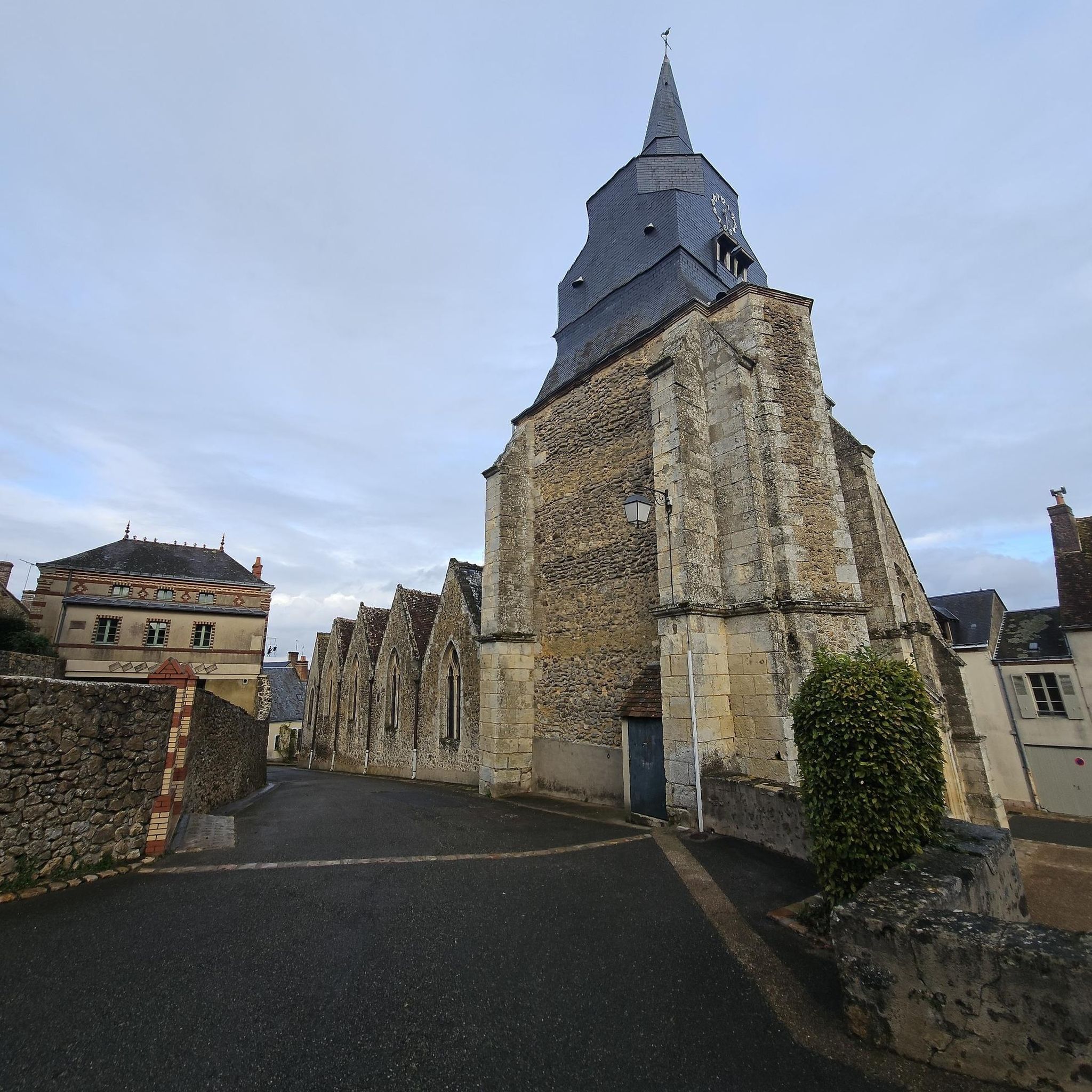
The first mentions of the Saint-Germain church in Sceaux-sur-Huisne appear in the cartulary of the Saint-Vincent abbey in Le Mans: around 1050, Bouchard de Théligny gave the Sceaux church land and a meadow located at proximity. At this time, the building, then "in bad woods", was rebuilt in stone. The nave is considered to be the oldest part of the church and dates back to the 11th century, but it is in reality difficult to date due to multiple alterations and even reconstructions. The masonry shows several repetitions and a confused assembly of elements which could come from older buildings, such as the remains of the Gallo-Roman villa which was exhumed at the end of the 19th century in the valley (small regularly cut rubble stones, debris of roof tiles). There are also traces of old openings, such as a door opening onto the priory. Although it is probable, there is no element to formally identify the Romanesque construction. The current openings are later, such as the small Gothic bay in the western wall and perhaps the south door (15th century?) and the other openings probably made around the first half of the 18th century. Significant masonry and structural work is actually mentioned in the nave in 1709. The choir and the bell tower were probably built in the first half of the 16th century, in a late Gothic style. The factory accounts mention various works in the 1530s and 1540s: roofing, construction of a ballet, stained glass window of the "grant window"... The tower was perhaps built in several stages if we rely on the changes masonry nets in the elevation. It was visibly remodeled at the end of the 16th century or the beginning of the 17th century, as indicated by the semi-circular openings, one of which was walled up. From 1570, the du Bouchets were lords of Sceaux and had their coat of arms, "azure with three rings of sand", affixed to the keystone of the chapel under the bell tower (since replaced by a flower) and on the vault paneled nave and choir. As for the windows on the north wall of the choir, they were undoubtedly open in the 18th century like those in the nave. During the Revolution, the church was seized as national property and sold to a certain René Neveu in September 1796, excluding the furniture. The two bells installed in 1719 and the fittings were handed over to the administration to be melted down. The church was returned to the town after the death of Mr. Neveu in the 1810s. The church underwent some occasional maintenance work (mainly on the roof) in the 19th and 20th centuries, but not an overall restoration. In 1831, an estimate was drawn up to enlarge the church with a chapel, in order to better accommodate all parishioners: this project was not carried out. The same year, the flag which still covers the bell tower was put up. The current sacristy (Gambert architect) was added in 1862 to replace another very dilapidated one, blocking a window now only visible from the inside. The second half of the 19th century also saw the clearing of the surroundings of the church, cluttered with lean-tos and hidden by an imposing washhouse finally moved in 1870. The last work, concerning the roofing, was carried out in 1989. The church of Sceaux-sur-Huisne has been listed as a Historic Monument since 1926.
0
0
Building built in the 15th century, ribbed vaulted, with straight apse; beginning of the 16th century, c. 1530, construction of the Sainte-Barbe chapel on the south side; Renaissance stained glass, not. Tree of Jesse (surviving fragments); 17th century altarpiece and high altar. History of protection: the classification order of April 25, 2003 replaces the classification order of February 11, 1911 and the registration orders on the supplementary inventory of historic monuments of January 20, 1926 and February 4, 2002.
0
0
The Saint-Denis church in the commune of Mondoubleau is a 16th century building, significantly altered in the 19th century by Abbot Brisacier of Tours. Of the 16th century building, only the nave and the flat apse remain. In the 17th century, a chapel was established to the south, while in the 19th century, the choir and the western facade with its bell tower were added. Inside, the vaults and painted decoration date from the remodeling carried out by the Touraine architect.
0
0
Composed of a central nave ending at the apse with a straight wall pierced by an ogival window, and accompanied by side aisles at the end of one of which rises the 58 meter bell tower. The four upper bays are from the 15th century. The church being too small at the end of the 15th century, it was extended by three bays representing approximately 14 m of floor space. The Renaissance facade offers a beautiful sculpted door from the 16th century depicting four scenes from the life of the Holy Virgin, attributed by Abbot Froger to the sculptor Guillaume Le Houx (holly garland, cornucopias and his initials M.G.L.H.).
0
0
The old village church was partly destroyed by fire in 1720; it was rebuilt in the 1780s but without decoration. All of the painted decorations were executed between 1863 and 1865: the scenes and figures by Dubois and the ornamental decoration by Goislard under the direction of Louis Bodin, Count of Galembert. This vast program was sponsored by the allied families of Vanssay and Galembert and the priest Toizard; the factory participated for 5448F. The church was consecrated by Monseigneur Fillion, bishop of Le Mans, on September 5, 1865. (inventory of the heritage of the Pays de la Loire region) A black marble plaque engraved with the names of 30 soldiers per year was inserted into the wall paintings of this church, under the Crucifixion.
0
0
It was Saint Thuribe in the 5th century who dedicated the oratory that preceded the current church to Saint Pierr. Tradition reports that Saint Thuribe, Bishop of Le Mans, ordained on September 30, 490, came to preach Christianity in the region of Saint-Calais where he dedicated other oratories to Saint Peter. In Berofacium (Berfay), he would have "gone down" to a certain Gaïanus, holder of property or exercising military command. The roussard stone buttresses and the walled semi-circular bay bear witness to 11th or 12th century architecture. The Saint Pierre church was originally supposed to consist of a simple nave extended by a straight apse. Like many churches in the surrounding area, it was redeveloped in the 16th century (addition of the north side aisle) and restored around 1876, with the addition of the south side aisle. The work was carried out thanks to a bequest from Mrs. Mercent to the factory, an organization responsible at the time for managing the church's property. The exterior walls were re-coated in 1924.
0
0
Frequently Asked Questions
How many road cycling routes are available around Montmirail?
There are over 60 road cycling routes available around Montmirail. These routes cater to various preferences, ranging from easy loops to more challenging moderate paths through the region's rolling agricultural lands and quiet village roads.
What kind of terrain can I expect when road cycling in Montmirail?
Road cycling in Montmirail, located in the Sarthe department, features routes through a landscape characterized by rolling hills and agricultural plains. You'll find a mix of open countryside, small villages, and woodlands, with elevation changes generally being moderate.
Are there routes suitable for beginners or families in Montmirail?
Yes, Montmirail offers routes suitable for different ability levels. There are 20 easy routes available, providing accessible options for beginners or families looking for a more relaxed ride through the local countryside.
What are the difficulty levels of road cycling routes in Montmirail?
The road cycling routes in Montmirail primarily range from easy to moderate. There are 20 easy routes, 43 moderate routes, and 1 difficult route, ensuring options for various fitness levels and cycling experiences.
Can I find circular road cycling routes in Montmirail?
Many of the road cycling routes around Montmirail are designed as loops, allowing you to start and finish in the same location. For example, the Saint Martin's Church – Porte Saint Julien loop from Vibraye is a popular circular option.
What are some notable landmarks or attractions I can see while cycling in Montmirail?
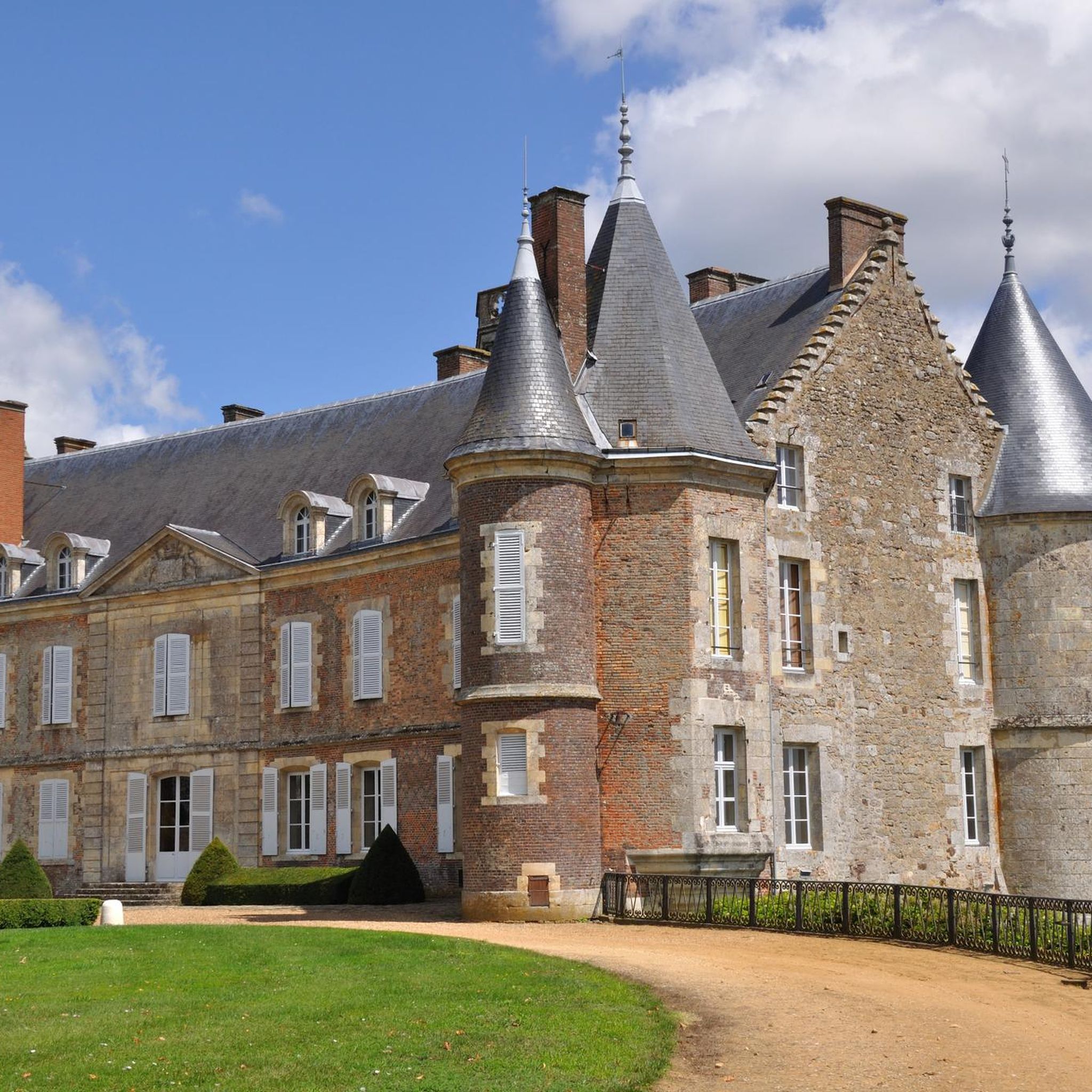
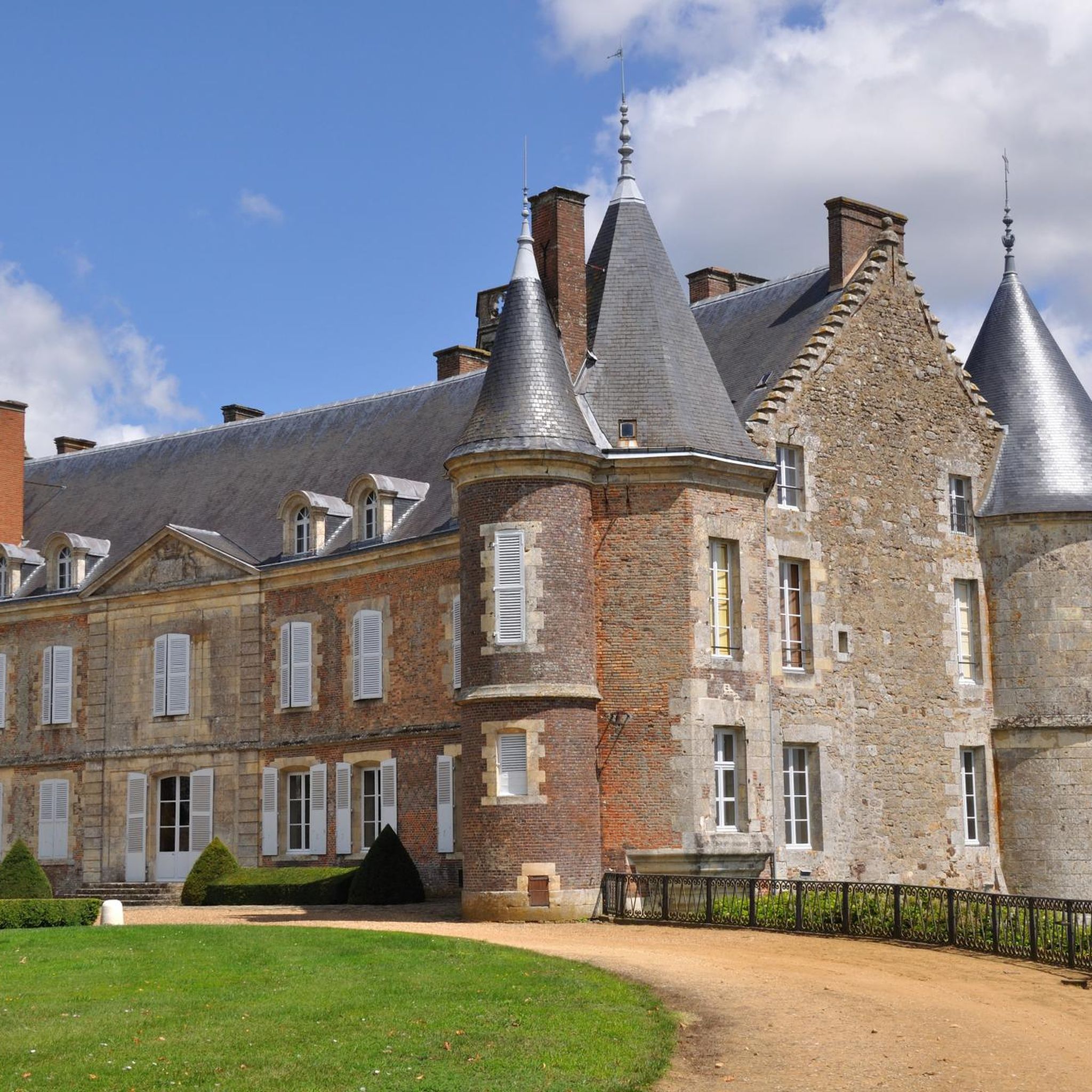
While cycling around Montmirail, you can encounter several historical and religious landmarks. Notable attractions include the Château de Montmirail, the Saint-Denis Church of Cormes, and the Saint Martin's Church. Many routes wind past these and other local churches, connecting historical points.
What do other cyclists say about road cycling in Montmirail?
The road cycling routes in Montmirail are highly rated by the komoot community, with an average score of 4.5 stars from 8 reviews. Cyclists often praise the varied terrain, quiet village roads, and the scenic agricultural landscapes.
Is there parking available near the road cycling routes in Montmirail?
While specific parking locations are not detailed for every route, many routes start from towns like Vibraye or Courgenard, where public parking is generally available. It's advisable to check local parking options in these starting points.
What is the best time of year for road cycling in Montmirail?
The region's climate, typical of the Sarthe department, generally offers pleasant conditions for road cycling from spring through autumn. These seasons provide milder temperatures and less precipitation, making for more enjoyable rides through the open countryside.
Are there any longer routes for experienced cyclists in Montmirail?
Yes, for experienced cyclists looking for longer rides, routes like The talking well – Notre-Dame Church loop from Vibraye offer distances of over 80 km (50 miles) with moderate elevation gains, providing a good challenge.
Where can I find scenic views while road cycling in Montmirail?
Scenic views in Montmirail are characterized by the expansive agricultural plains, rolling hills, and interspersed woodlands. Routes often provide picturesque vistas of the open countryside and charming village architecture, such as those along the Saint John the Baptist Church – Château de Montmirail loop from Vibraye, which offers views of the Château.
Are there any easy road cycling routes in Montmirail?
Yes, Montmirail has 20 easy road cycling routes. An example is the Porte Saint Julien – Saint-Denis Church of Cormes loop from Courgenard, which is an easy 42.6 km (26.5 miles) route with minimal elevation, perfect for a relaxed ride.
Most popular attractions around Montmirail

Get inspired with the komoot mobile app


Explore more
Browse the best Road cycling routes in other regions.
