Attractions and Places To See around Moulins-Le-Carbonnel - Top 20
Best attractions and places to see around Moulins-Le-Carbonnel include a blend of historical landmarks and natural features within the Alpes Mancelles and Normandie-Maine Regional Natural Park. The area offers a preserved natural environment and a rich heritage, characterized by authentic village charm and historical sites. Visitors can explore various cultural insights and natural beauty, including the Sarthe River.
Best attractions and places to see around Moulins-Le-Carbonnel
- The most popular attractions is Château de Fresnay-sur-Sarthe, a castle built on a…
Last updated: July 29, 2026
Château de Fresnay-sur-Sarthe
Highlight • Castle
Translated by Google •
Tip by

Saint-Cénéri-le-Gérei
Highlight • Settlement
Translated by Google •
Tip by

Sign up now to discover places like this
Get recommendations on the best single tracks, peaks, & plenty of other exciting outdoor places.
Sign up for free
Castle of the Dukes of Alençon
Highlight • Castle
Translated by Google •
Tip by

Saint Mathurin Gate and Chapel
Highlight • Historical Site
The …
Translated by Google •
Tip by

Corn Exchange
Highlight • Monument
Translated by Google •
Tip by

Sign up for free to discover even more attractions around Moulins-Le-Carbonnel.
Sign up for free
Already have an account?
Start today with a free account
Your next adventure awaits.
Login or Signup


Tips from the Community

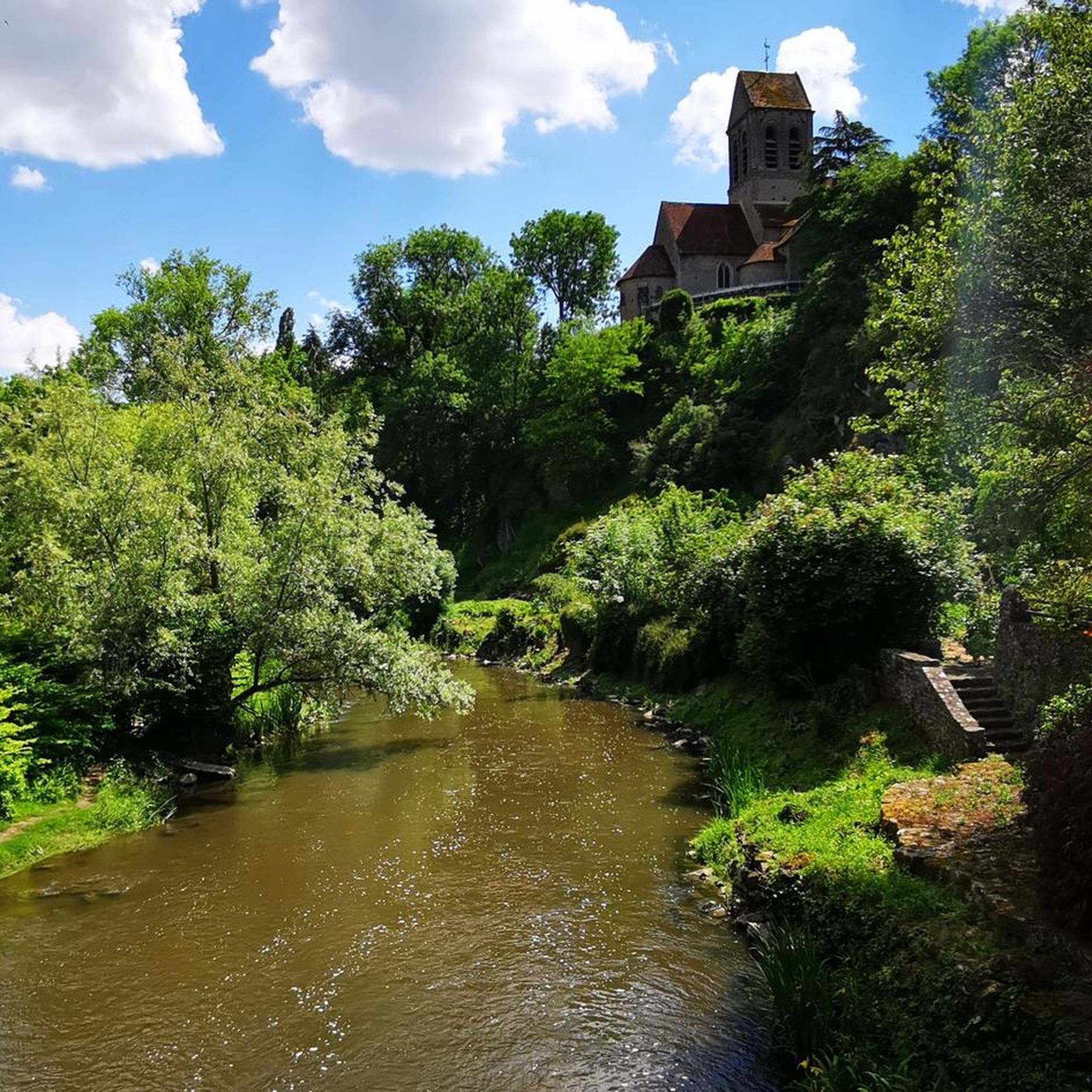
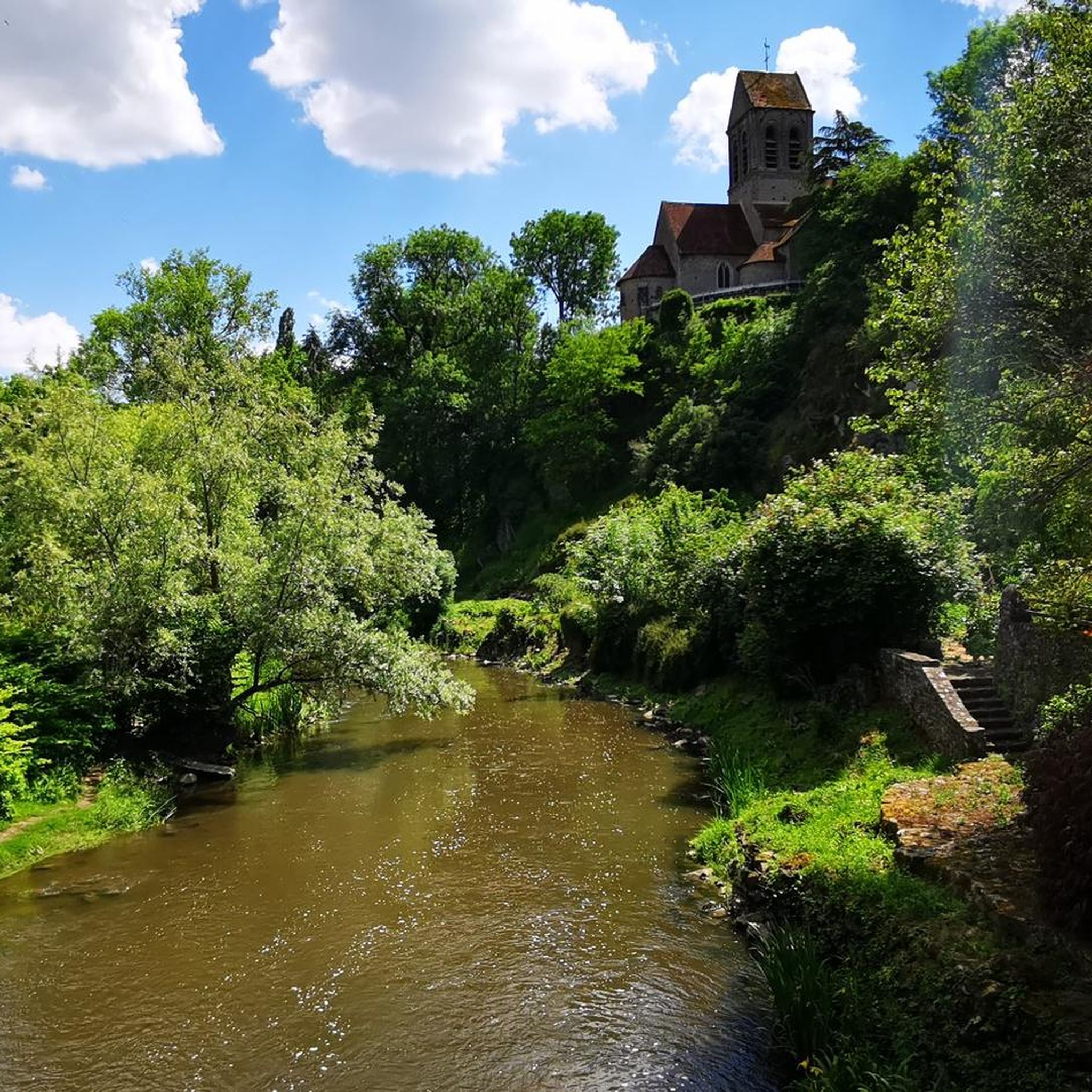
Céneri, then cardinal of Rome, deacon and preacher, undertook around 669 to build a first wooden building that he dedicated to Saint Martin. It was in this church that Céneri was originally buried. The tomb generating miracles, the church soon took the name of its founder, to whom the people awarded the title of saint. This name became that of the village grouped around the Benedictine abbey that surrounds the church. Two centuries later, the Normans made incursions into the region and destroyed the original church. Thus for a long time there was no church in Saint-Céneri. It was in 1089 that the construction of the current church was undertaken. It was completed in 1125 but underwent several modifications and restorations until the beginning of the 20th century. The end of the 19th century saw the arrival of painters and a new life linked to artistic activity began for the village. The beauty of the landscapes and the quality of the light inspired artists such as Corot, Courbet, Harpignies, Cogniet, the Veillon brothers, Mary Renard and Paul Saïn. This artistic activity lasted for more than half a century. It ended on the eve of the First World War and was reborn in the 1950s and 1960s, giving new life and tourist appeal to this small town, ranked among the most beautiful villages in France.
0
0

This small castle is built on a rocky promontory which dominates the main access roads to Alençon, Le Mans and Angers.
6
1

This hall created for the grain trade between the end of the 18th and the beginning of the 19th century has multiplied roles during its history: hospital during the First World War; host of exhibitions, fairs and markets; and today a center dedicated to new technologies and headquarters of the Cité des Métiers de l'Orne. It is distinguished by its large glass dome inspired by that of the old corn exchange in Paris.
0
0
A former 12th century fortified castle, the fortress was gradually destroyed from the 16th century, before being transformed into a prison during the French Revolution. Today, only three towers remain, the gatehouse and the main body. The old courtyards have been requalified to make the current Simone Veil park.
0
0

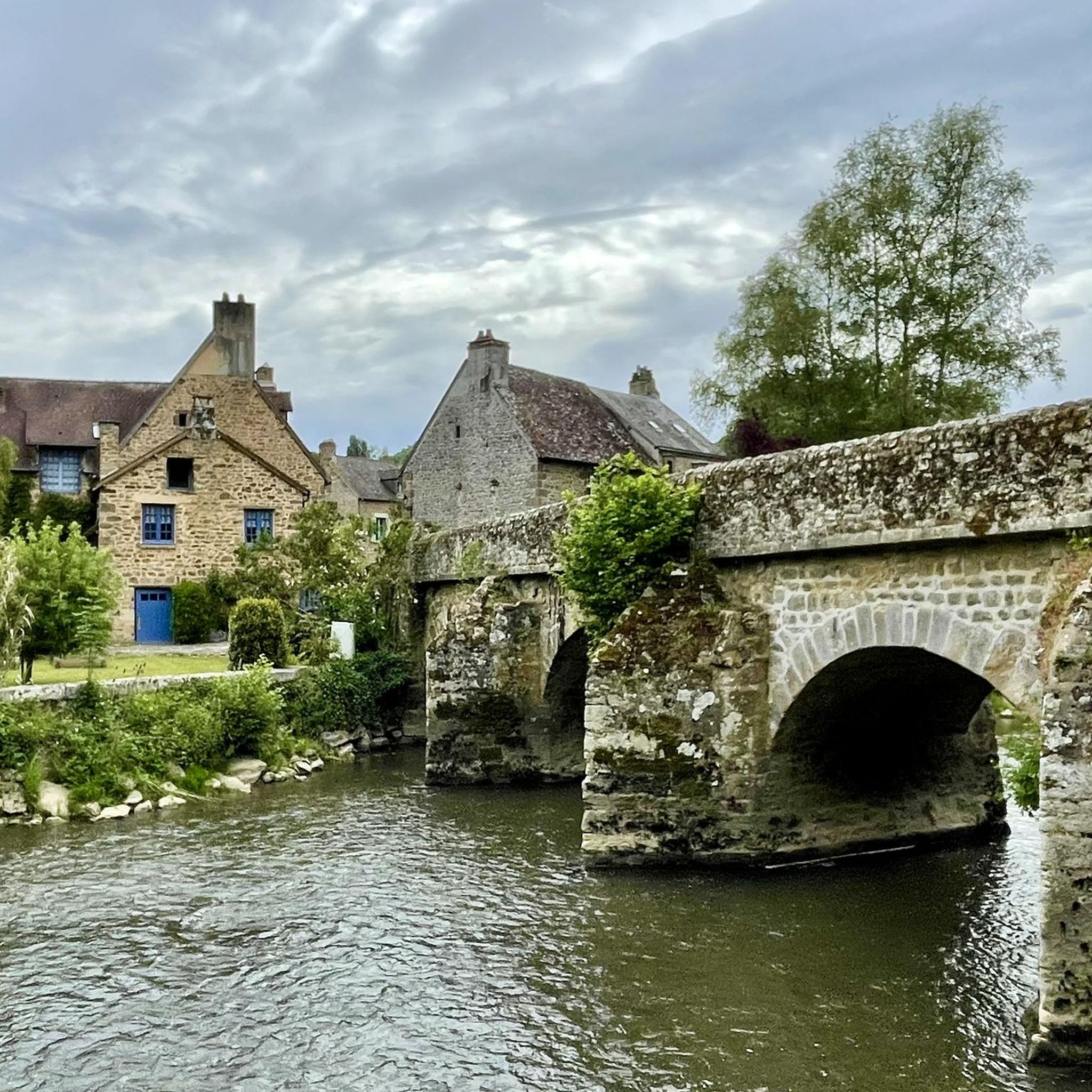
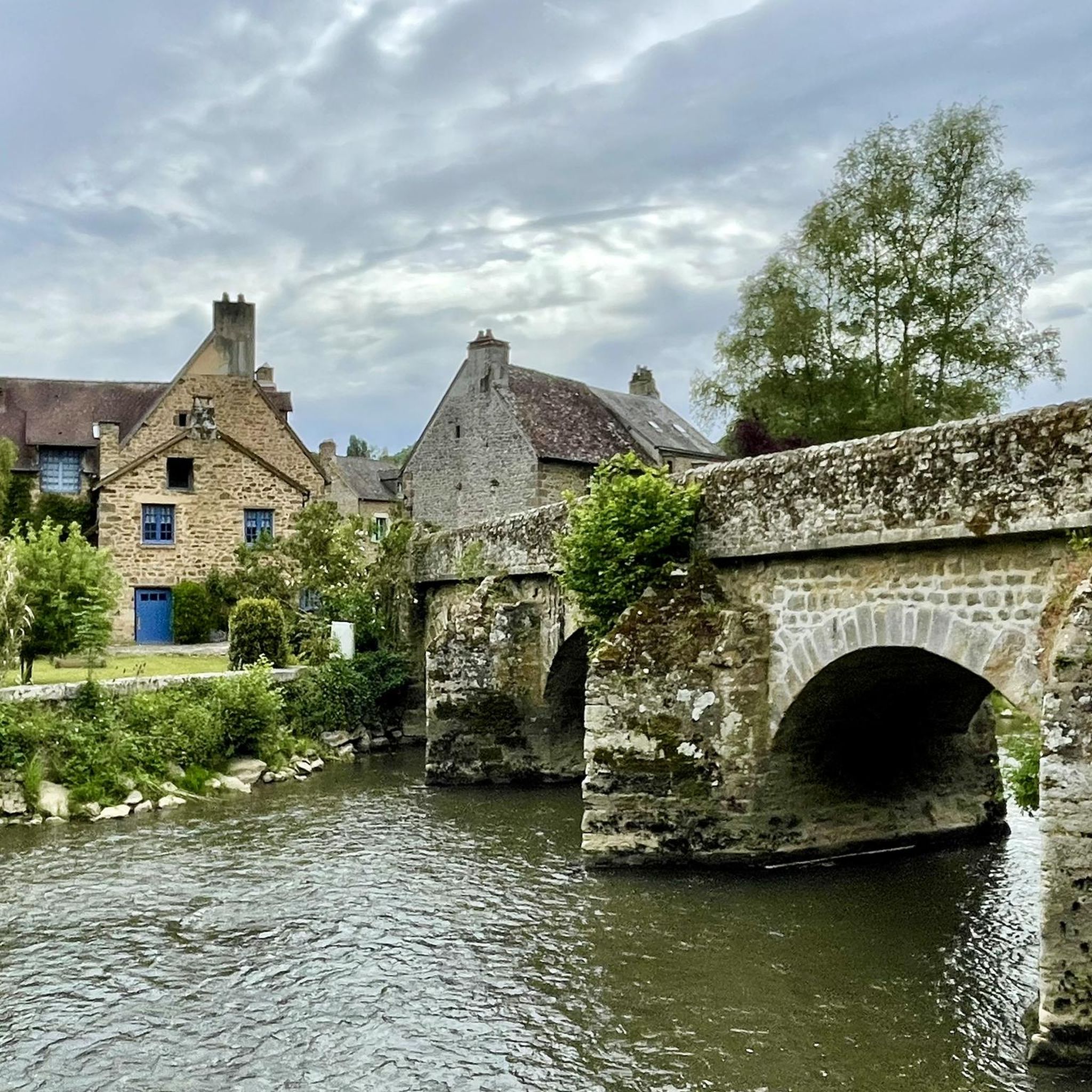
The Château de Fresnay-sur-Sarthe ensured the defense of the city in the Middle Ages. Although its construction dates back to the 10th century, it was modified and enlarged several times during the Middle Ages. From the 18th century, it fell into disrepair due to lack of maintenance. After being purchased by the municipality, the castle now houses the public garden. The two-towered châtelet recalls the physiognomy of the place in the 18th century.
1
0

Who dreams of seeing a castle in the middle of a city? 😍😍😍 Me, me, me! The medieval castle is very well highlighted. We should make movies there!
0
0

Nice place for a break on the terrace
0
0
I really want to see this castle!
0
0
Frequently Asked Questions
What historical landmarks can I explore within Moulins-le-Carbonnel itself?
Within Moulins-le-Carbonnel, you can discover several historical sites. The restored Church of Saint-Symphorien features traditional architecture and contemporary art. The village is also home to a historic Château, the Grandchamp Wash House, and a War Memorial. Exploring the narrow streets of the village also offers a glimpse into its authentic Sarthois heritage.
Are there any notable castles to visit near Moulins-le-Carbonnel?
Yes, the region boasts several significant castles. You can visit the Château de Fresnay-sur-Sarthe, a 10th-century castle built on a rocky promontory that once defended the city and now houses a public garden. Another important site is the Castle of the Dukes of Alençon, an old fortified castle from the late 12th century, whose remains are now classified as a historic monument in Alençon.
What natural features and outdoor activities are available in the area?
Moulins-le-Carbonnel is nestled within the Alpes Mancelles and the Normandie-Maine Regional Natural Park, offering a preserved natural environment. The Sarthe River provides opportunities for activities like canoeing. The surrounding landscape is ideal for various outdoor pursuits, including guided walks, hikes, and botanical excursions to explore local flora and fauna.
Are there family-friendly attractions or activities around Moulins-le-Carbonnel?
Many attractions in the area are suitable for families. Historical sites like the Château de Fresnay-sur-Sarthe and the Castle of the Dukes of Alençon are categorized as family-friendly. The picturesque village of Saint-Cénéri-le-Gérei, with its historical church and charming atmosphere, is also a great spot for a family outing. Additionally, the natural parks offer numerous opportunities for family walks and exploring nature.
What kind of hiking trails can I find near Moulins-le-Carbonnel?
The region around Moulins-le-Carbonnel offers a variety of hiking trails, ranging from moderate to difficult. For example, you can find routes like the 'Saint-Cénéri-le-Gérei loop from Moulins-le-Carbonnel' (moderate, 12.7 km) or the more challenging 'Saint-Léonard-des-Bois – Alpes mancelle viewpoint st léonard des bois loop from Moulins-le-Carbonnel' (difficult, 20.9 km). You can explore more options on the Hiking around Moulins-Le-Carbonnel guide.
Are there cycling or mountain biking routes available?
Yes, the area is well-suited for cycling and mountain biking. You can find numerous routes, such as the 'Saint-Léonard-des-Bois – Saint-Cénéri-le-Gérei loop from La Ferrière-Bochard' (moderate, 36.7 km) for mountain biking. For more detailed information and additional routes, check out the MTB Trails around Moulins-Le-Carbonnel guide.
What is Saint-Cénéri-le-Gérei and why is it a must-see?
Saint-Cénéri-le-Gérei is a charming settlement recognized as one of the Most Beautiful Villages in France, located in the heart of the Mancelles Alps. It attracted many painters in the 19th century, including Corot and Courbet, due to its picturesque landscapes and quality of light. The village features a historic church dating back to 1089 and offers a delightful atmosphere for visitors.
What is the Corn Exchange and its historical significance?
The Corn Exchange is a historically significant building originally created for grain trade between the late 18th and early 19th centuries. Over time, it has served various roles, including a hospital during World War I and a venue for exhibitions. Today, it functions as a center for new technologies and houses the Cité des Métiers de l'Orne, notable for its large glass dome inspired by the old corn exchange in Paris.
Are there any religious or architectural sites of interest?
Beyond the Church of Saint-Symphorien in Moulins-le-Carbonnel, you can visit the Saint Mathurin Gate and Chapel. This site, located south of the village, features an ogival arch believed to be original and a chapel with an incised tombstone from the 14th or 15th century, along with statues and historical escutcheons.
What do visitors enjoy most about the attractions around Moulins-le-Carbonnel?
Visitors particularly appreciate the blend of historical richness and natural beauty. The castles, such as Château de Fresnay-sur-Sarthe, are noted for their historical significance and scenic locations. The charming village of Saint-Cénéri-le-Gérei is loved for its picturesque setting and artistic heritage, often described as a perfect spot for a break. The overall authentic character of the Sarthois villages and the preserved natural environment of the Alpes Mancelles are also highly valued.
What is the best time to visit Moulins-le-Carbonnel for outdoor activities?
The natural environment of the Alpes Mancelles and Normandie-Maine Regional Natural Park makes Moulins-le-Carbonnel an excellent destination for outdoor activities. Spring and autumn generally offer pleasant temperatures for hiking, cycling, and exploring the natural sites, with vibrant foliage in autumn and blooming flora in spring. Summer is also suitable, especially for water activities on the Sarthe River.
Most popular routes around Moulins-Le-Carbonnel

Get inspired with the komoot mobile app


Explore more
Still not found the Highlight you’re looking for? See guides of the top attractions in other regions:
