Attractions and Places To See around Juigné-Sur-Sarthe - Top 5
Attractions and places to see around Juigné-Sur-Sarthe include a mix of natural landscapes and historical sites. The region features the Sarthe River, offering riverside views, alongside historic structures like a 10th-century mill and a 15th-century church. Natural areas such as the Étang de Curécy provide opportunities to observe local wildlife and vegetation.
Best attractions and places to see around Juigné-Sur-Sarthe
- The most popular attractions is Sarthe River Viaduct, a bridge that offers enjoyable riverside walks. It features views of…
Last updated: August 4, 2026
Parcé Mill
Highlight • Other
Translated by Google •
Tip by

Solesmes Abbey
Highlight • Religious Site
Translated by Google •
Tip by
Sign up now to discover places like this
Get recommendations on the best single tracks, peaks, & plenty of other exciting outdoor places.
Sign up for free
Sarthe River Viaduct
Highlight (Segment) • Bridge
Translated by Google •
Tip by
Notre Dame Church
Highlight • Other
Translated by Google •
Tip by

Étang de Curécy
Highlight • Lake
Translated by Google •
Tip by
Start today with a free account
Your next adventure awaits.
Login or Signup
Tips from the Community

The Church of Our Lady of Sablé-sur-Sarthe is believed to have been built in the 15th century. Extensively restored over the centuries, it now boasts a late 18th-century neo-Gothic style, which has helped to highlight its medieval architecture. During the third quarter of the 17th century, the church's high altar was restored, and at the end of the first quarter of the 18th century, three new bells were cast by workshops in Le Mans. Finally, in the mid-18th century, the bell tower was rebuilt, as we can still see it today.
0
0

The Étang de Curécy is a beautiful pond which was once part of a series of seven ponds belonging to the Bellebranche Abbey. The monks practiced fish farming there. Today, these ponds serve as a refuge for migratory birds. A small observatory located on the shore and accessible to all allows you to appreciate the view of the water and the surrounding vegetation. The Curécy Pond is part of a larger natural area which includes the Bellebranche forest and its bocage, where rare plants and animals can be found.
2
0
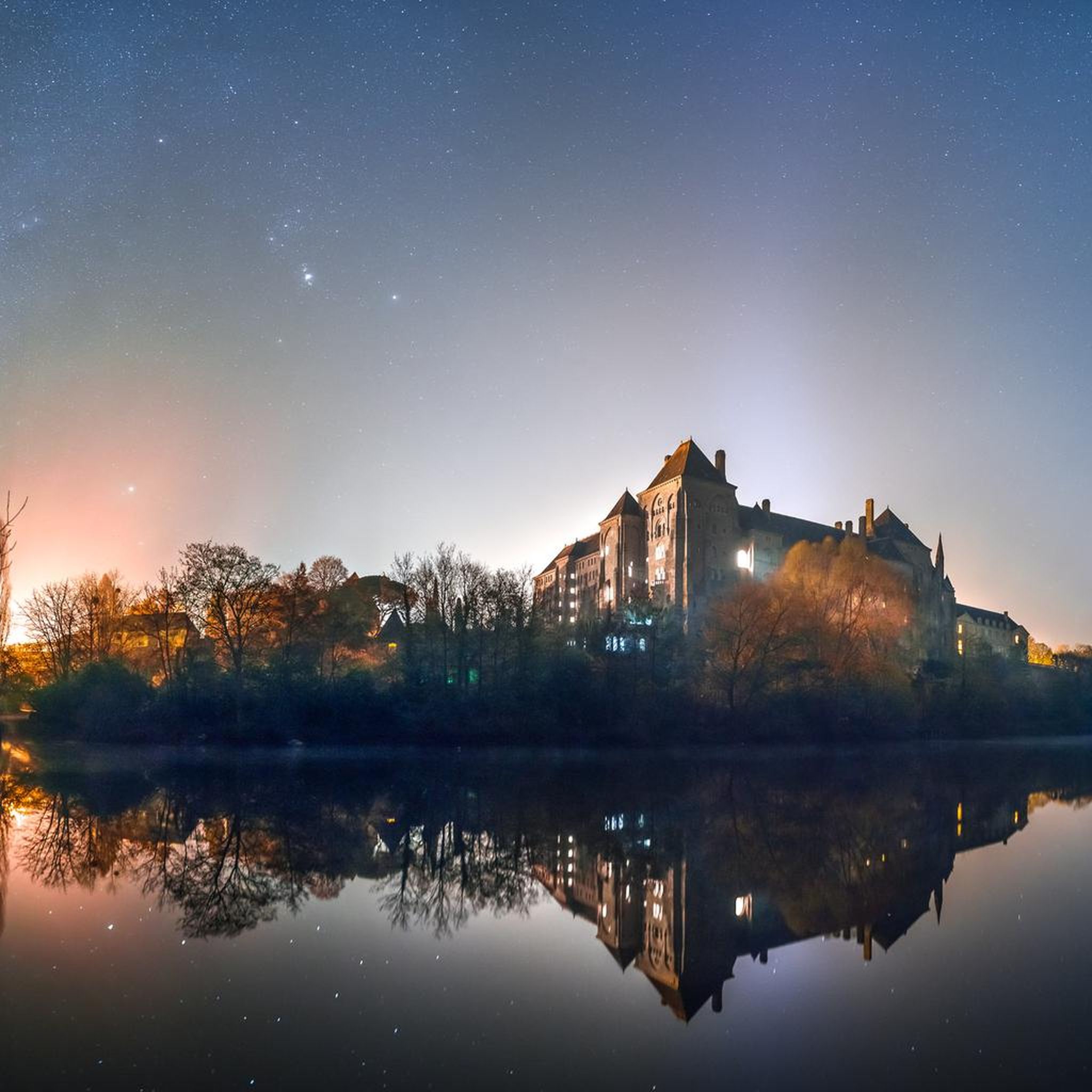
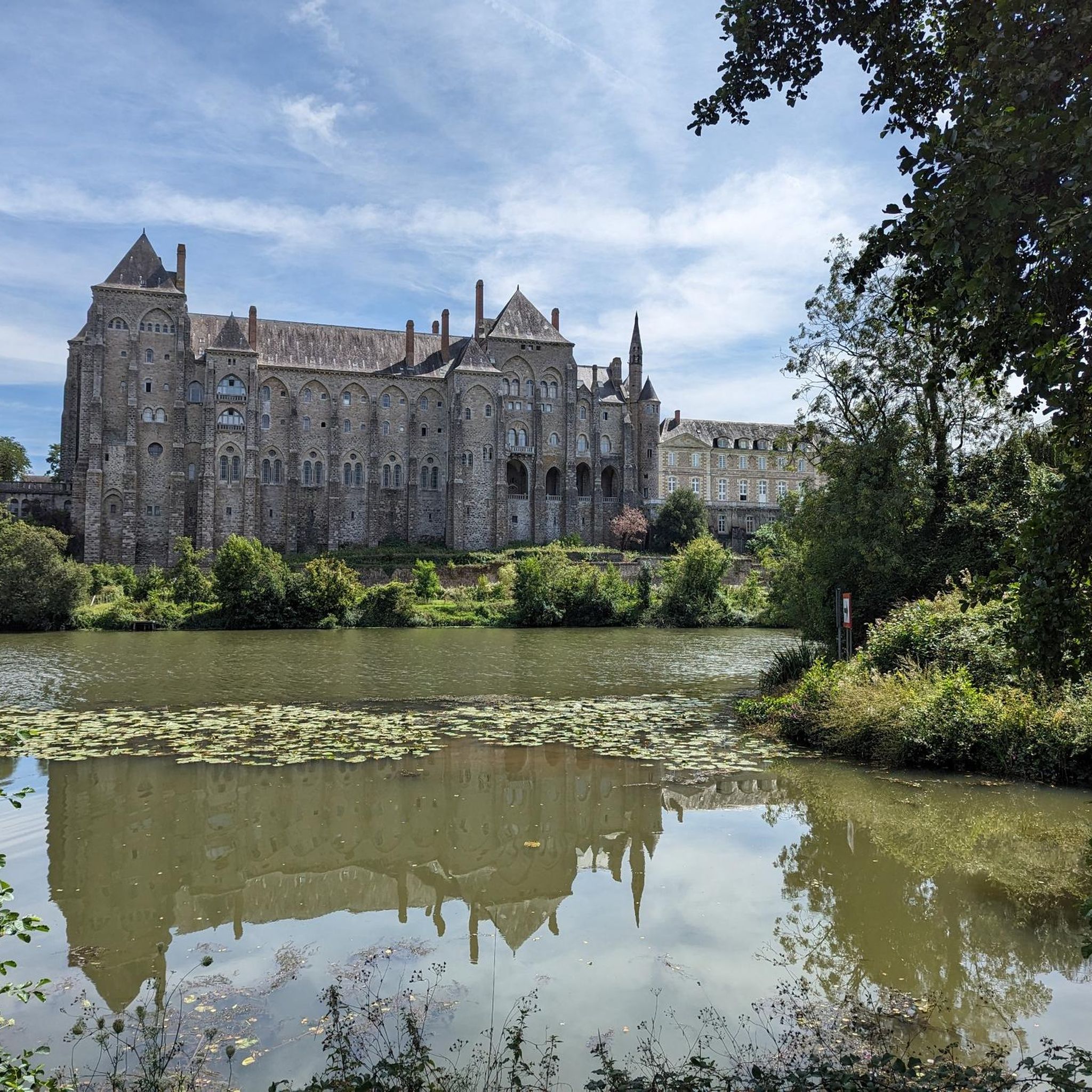
At the beginning of the 11th century it was a Benedictine abbey. It is worth visiting, but also crossing the river to admire it from its elevated position.
2
0
The mill dates from the 10th century. The lords of Champagne allowed the inhabitants of the parish to use the mill for a fee. In the 19th century, three wheels were in service. The smallest was used to grind oak or chestnut bark to tan hides. The other two wheels were used to produce flour. The mill has been beautifully restored over the past decade.
2
0
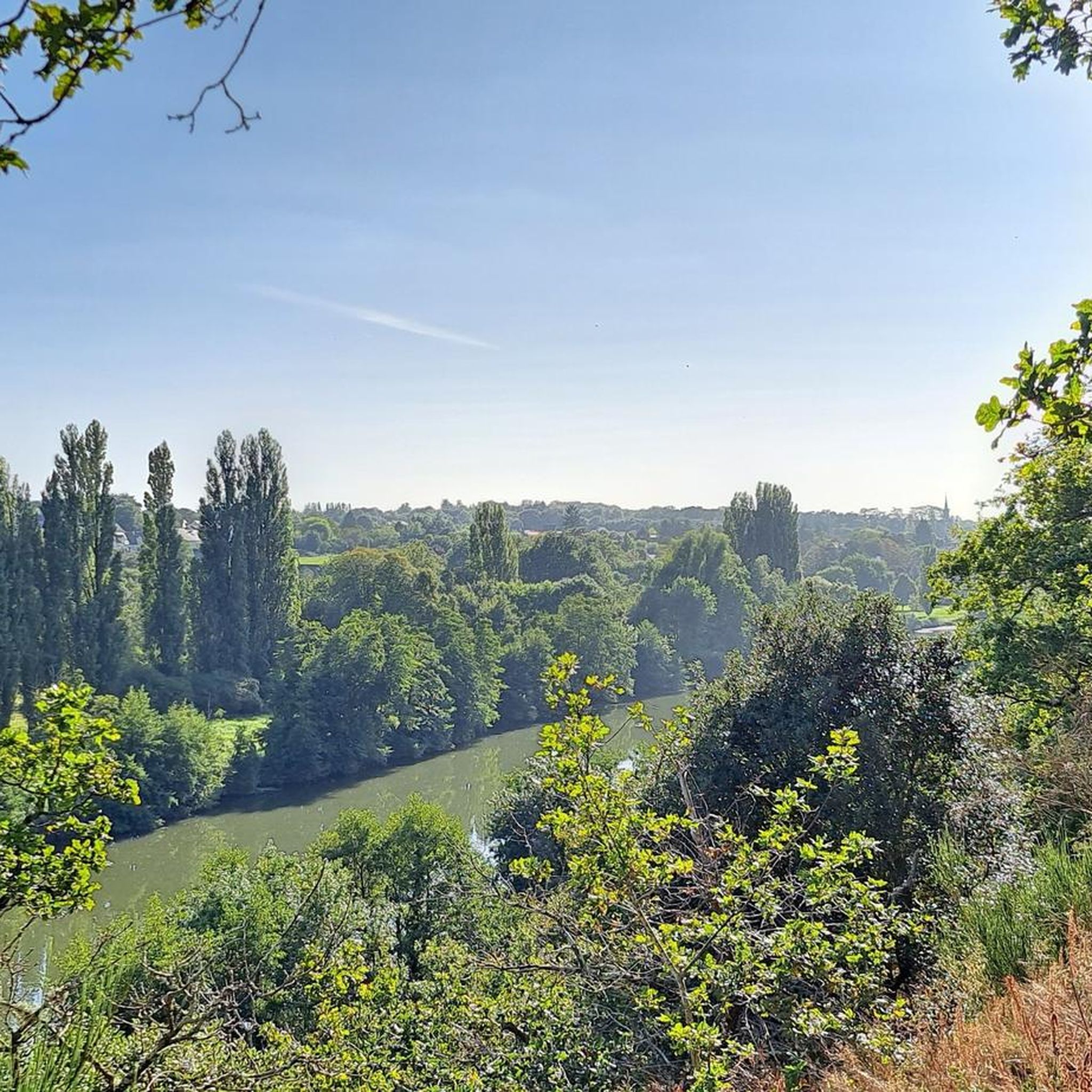
Bridges, trees, dams and wildlife make this riverside walk very enjoyable.
2
0
But at the beginning of the 11th century, this abbey was a Benedictine abbey. It is worth visiting it, but also crossing the river and admiring the abbey from this grandiose angle.
2
0
Frequently Asked Questions
What natural features can I explore around Juigné-Sur-Sarthe?
The region offers a mix of natural landscapes centered around the Sarthe River. You can enjoy riverside views and walks at the Sarthe River Viaduct. Additionally, Étang de Curécy is a beautiful pond surrounded by forest, serving as a refuge for migratory birds.
Are there easy walking trails or hikes near Juigné-Sur-Sarthe?
Yes, there are several easy hiking options. For instance, you can find routes like 'Along the Sarthe and the abbey of Solesmes — loop from Sablé-sur-Sarthe' which is an easy 6.6 km hike. You can explore more hiking trails and their details in the Hiking around Juigné-Sur-Sarthe guide.
What historical sites can I visit near Juigné-Sur-Sarthe?
The area is rich in history. You can visit the Parcé Mill, a historic 10th-century mill that has been beautifully restored. Another notable site is Notre Dame Church, believed to have been built in the 15th century and featuring a neo-Gothic style from later restorations.
Are there family-friendly attractions in Juigné-Sur-Sarthe?
Absolutely. The Sarthe River Viaduct offers enjoyable riverside walks with views of bridges, trees, dams, and local wildlife, making it suitable for families. The Étang de Curécy is also family-friendly, providing opportunities for nature observation with a small observatory.
What is the best time of year to visit Juigné-Sur-Sarthe for outdoor activities?
For outdoor activities like walking, cycling, and enjoying the natural landscapes, the spring and summer months (April to September) are generally ideal. The weather is milder, and the natural areas are in full bloom, offering pleasant conditions for exploration.
Can I go cycling around Juigné-Sur-Sarthe?
Yes, the region offers various cycling routes. You can find options like the 'Parcé Mill – Solesmes Abbey loop from Sablé-sur-Sarthe' which is an easy 28 km route. More road cycling routes are detailed in the Road Cycling Routes around Juigné-Sur-Sarthe guide.
Are there opportunities for birdwatching or wildlife observation?
Yes, Étang de Curécy is an excellent spot for birdwatching. It serves as a refuge for migratory birds, and there's a small observatory on the shore accessible to all, allowing you to appreciate the view of the water and surrounding vegetation.
What do visitors particularly enjoy about the attractions here?
Visitors appreciate the blend of natural beauty and historical significance. The riverside walks along the Sarthe, especially near the Sarthe River Viaduct, are highlighted for their enjoyable views of bridges, trees, dams, and wildlife. The historical restoration of sites like the Parcé Mill is also highly valued.
Are there any circular walks available in the area?
Yes, several circular routes are available for hikers. For example, the 'Solesmes Abbey loop from Sablé-sur-Sarthe' is an easy 5.8 km circular hike. You can find more loop trails and their details in the Hiking around Juigné-Sur-Sarthe guide.
Are the walking trails around Juigné-Sur-Sarthe dog-friendly?
Many natural trails and paths in the region are generally dog-friendly, especially those along the Sarthe River and around natural areas like Étang de Curécy. It's always recommended to keep dogs on a leash, especially near wildlife, and to clean up after them to ensure a pleasant experience for everyone.
What kind of running trails can I find near Juigné-Sur-Sarthe?
There are various running trails available, ranging from moderate to difficult. You can find routes like 'L'abbaye de Solesmes — loop — running from Sablé-sur-Sarthe' which is a moderate 6.5 km run. For more options, check the Running Trails around Juigné-Sur-Sarthe guide.
Are there any scenic viewpoints in the area?
The Sarthe River Viaduct offers scenic views along the river, including bridges, trees, and dams. The Étang de Curécy also provides a beautiful viewpoint over the pond and its surrounding natural vegetation, especially from the observatory.
Most popular routes around Juigné-Sur-Sarthe

Get inspired with the komoot mobile app


Explore more
Still not found the Highlight you’re looking for? See guides of the top attractions in other regions:
