The best MTB trails around Bellevaux
4.2
(709)
9,841
riders
11
rides
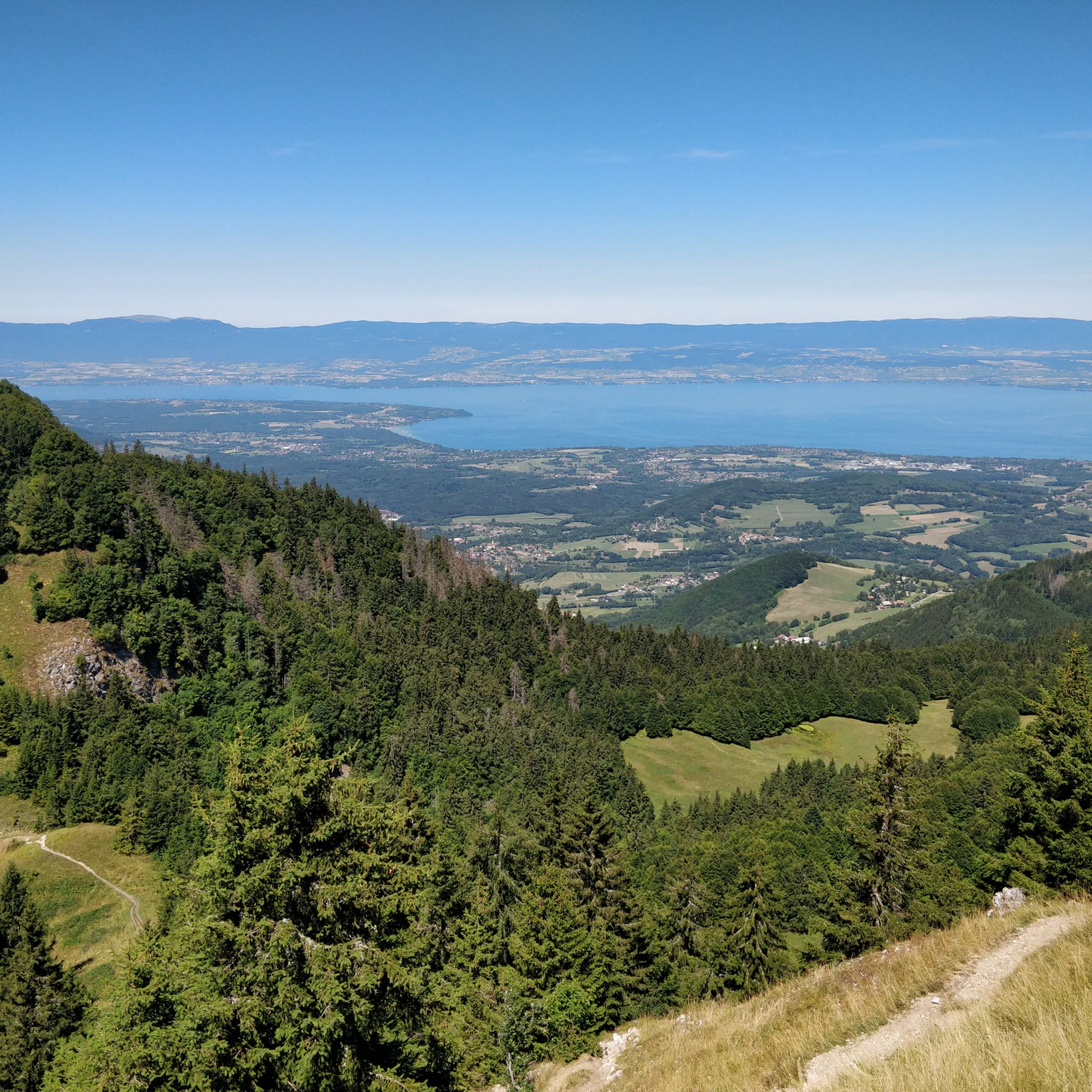
Mountain bike trails around Bellevaux are situated in the heart of the Alps, characterized by diverse landscapes, prominent natural features, and significant elevation changes. The region features numerous mountain passes, peaks, and valleys, alongside natural attractions like Lac de Vallon and Cascade de la Diomaz. This terrain provides a rich network of mountain biking routes, from moderate to very challenging, catering to various skill levels.
Best mountain bike trails around Bellevaux
- The most popular mountain bike trail is La Combe…
Last updated: October 1, 2026
3.8
(4)
25
riders
23.3km
02:30
760m
760m
Hard mountain bike ride. Good fitness required. Advanced riding skills necessary. Some portions of the route may require you to push your bike.
9
riders
21.2km
02:29
860m
860m
Hard mountain bike ride. Good fitness required. Advanced riding skills necessary. Some portions of the route may require you to push your bike.

4
riders
19.4km
02:24
920m
920m
Hard mountain bike ride. Very good fitness required. Advanced riding skills necessary. Some portions of the route may require you to push your bike.
9
riders
37.7km
03:59
1,320m
1,320m
Hard mountain bike ride. Very good fitness required. Advanced riding skills necessary. Some portions of the route may require you to push your bike.
2
riders
18.9km
01:50
520m
520m
Hard mountain bike ride. Good fitness required. Advanced riding skills necessary. Some portions of the route may require you to push your bike.
Get access to more routes and recommendations from other explorers.
Already have an account?
Our route recommendations are based on thousands of hikes, rides, and runs completed by other people on komoot.
Start today with a free account
Your next adventure awaits.

Tips from the Community


This chapel, dedicated to Saint Bruno, founder of the Carthusian Order, was built on the remains of the former convent church of the Carthusian monastery of Sainte-Marie de Vallon[1]. In 1543, the Carthusians of Vallon were forced to leave their monastery, which was dismantled[1]. When they regained possession of their property in 1607, they found only ruins of the old charterhouse. Only a few sections of the walls remained standing[1]. After building their fortified house in Génicot[2] on the right bank of the Brevon (now on the lake), they erected a chapel in the part of the old charterhouse, in homage to Saint Bruno and in memory of the monks who preceded them. Since the walls of the choir of their former convent church and those of the sacristy had not collapsed, a nave surmounted by a wooden vault was built in 1651[3]. In 1793, it was sold as national property[3]. Abandoned by its new owners, it then passed to the Gougain family, along with the entire property known as "La chèvre"[1]. In 1833, the Carthusians returned to work repairing the walls and vault, redoing the roof, and installing a bell tower. Bishop Pierre-Joseph Rey inaugurated the renovated chapel during the summer of 1836[3]. It received various donations, including from Converset David François Marie[citation needed]. In 1847, it was finally transferred to the churchyard[1]. Processions would go there to pray for rain or good weather; but Bishop Louis Rendu banned these events in 1852[citation needed]. In 1855, it was burned to the ground. A violent wind blew as the Abbey building burned and burning embers set it alight in turn[1]. Nothing new remained except the walls. M Chappaz undertook a collection throughout the parish and had repairs carried out during 1856: plaster vault, roof, bell tower, gallery, floor, altar[3]. On July 11, 1857, the renovated chapel was blessed.
1
0
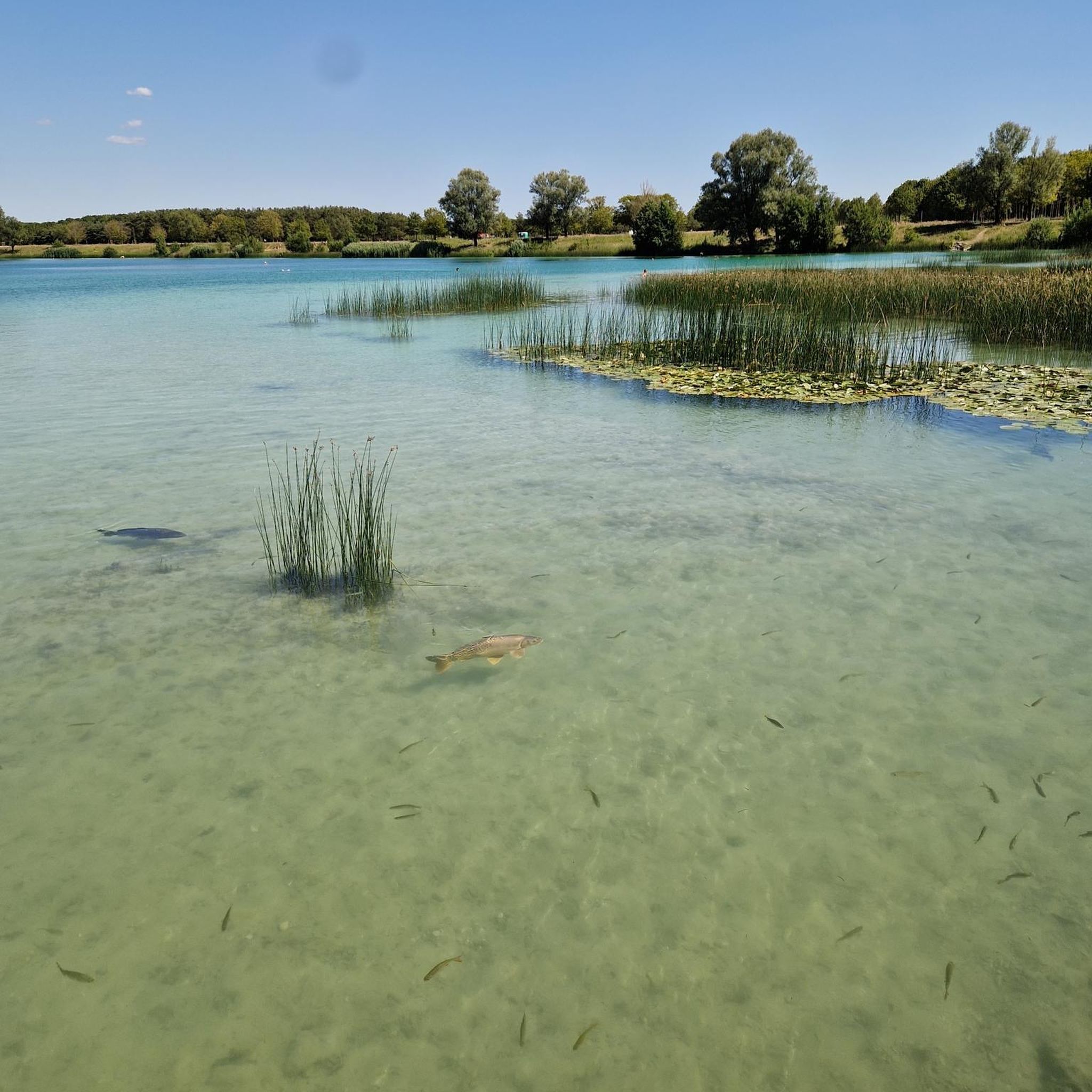
The lake is 900 m long and covers an area of 15 hectares. The northwest shore is marked by a small peninsula, a sign of the advance of the landslide that created the lake. The eastern and western shores are relatively steep, while the northern and southern shores form gentle slopes. The lake was initially named "Lac de Chauronde"[note 1 by Léon Moret[3] in reference to the town of Chauronde where the landslide blocked the Brevon Valley. The name "Lac de Vallon" was finally defined by Bernard Dussart[2] in reference to the name of the valley, Vallon.
1
0
Born on September 6, 1799, in Sévillon, a hamlet of Onnion, son of Marin Jacquard de Sévillon and Marie Monge de Mégevette, he studied at the minor seminary of Mélan, located in the former Mélan charterhouse in Taninges, then at the major seminary of Chambéry. He completed his theological studies at the Seminary of Foreign Missions in Paris, where he was ordained a priest on March 15, 1823. His journey to Cochinchina (Vietnam) lasted two and a half years, arriving in Cochinchina, where he landed clandestinely on January 5, 1826. He took the name Kinh Gan Lam and participated in the life of the Church in this region of the world, where, along with two other missionaries and thirty priests from Cochinchina, he accompanied 70,000 Christians on their journey. King Minh Mang persecuted Christians. He wanted to deprive the Church of its leaders by keeping them under surveillance. Thus, as early as 1829, he detained François near Hué, his capital, asking him to act as his interpreter and explain recent European history; François was thus able to continue his missionary work to a minimum. In 1833, after the king's decree of general persecution, he was held prisoner in the Ai Lao penal colony for nearly two years, then in prison near the capital, where he was nevertheless asked to teach French to nine young men. He stated: "I have not stopped and will not stop preaching when I can." In 1838, he was sentenced to death, chained and given the "cangue" (a type of ladder around the head). On September 21, 1838, he was tortured and strangled, along with an 18-year-old Christian, Thomas Thien. In 1840, two years after his death, Pope Gregory XVI opened the beatification process and declared him Venerable. The Seville Oratory, near the chapel, commemorates this event. In 1900, Pope Leo XIII declared him Blessed. On June 19, 1988, Pope John Paul II canonized him along with 116 other martyrs of Vietnam. Annual pilgrimage to Seville in June and liturgical feast on September 23.
1
0
Intersection point Le Marquisat Altitude 875m
1
0
The Church of Saint Nicholas is a Catholic place of worship located in the commune of Mégevette in Haute-Savoie. The parish was formerly part of the Aulps Abbey. A first church, dating from the 10th century, was too small and dilapidated, and was replaced by the current one, which was built from 1872 to 1880. With its triple nave, it housed a thousand parishioners at the time. It is placed under the patronage of Saint Nicholas and Saint Theodule. Built in a style that blends "pseudo-Romanesque and Italian Renaissance," it is topped by an onion-domed bell tower. Beneath the church, a crypt—the Fernex family's funerary chapel—housed a 17th-century fresco, of which, unfortunately, almost nothing remains. Between 1975 and 1992, the church was completely restored.
0
0


Frequently Asked Questions
How many mountain bike trails are there around Bellevaux?
Bellevaux offers a network of over 10 mountain bike trails, ranging from moderate to very challenging. The komoot community has explored these routes extensively, with over 9,800 mountain bikers using komoot to discover the diverse terrain.
What kind of terrain can I expect on mountain bike trails in Bellevaux?
The terrain in Bellevaux is characterized by diverse alpine landscapes, significant elevation changes, and a mix of mountain passes, peaks, and valleys. You'll encounter everything from forest paths to more exposed mountain trails, with some routes requiring advanced technical skills and even bike pushing sections.
Are there any easy mountain bike routes suitable for beginners in Bellevaux?
While many trails are moderate to difficult, there is an easy 13.2 km MTB loop in the Bellevaux valley that follows the Chéran river at the foot of Mont Pécloz. This route offers a more relaxed ride, suitable for those looking for a less strenuous experience.
Where can I find challenging mountain bike trails in Bellevaux?
For experienced riders seeking a challenge, routes like the Saint Nicholas Church – Saint Bruno Chapel loop from Lac de Vallon (23.3 km, 760m elevation) or the Balme Pass – Col de Seytrouset loop from Bellevaux (21.3 km, 850m elevation) are considered difficult. The Jambaz Pass – View of Hirmentaz loop from Lac de Vallon is particularly demanding, spanning 38.8 km with 1,470m of elevation gain.
Are there mountain bike trails with notable natural features or viewpoints in Bellevaux?
Yes, Bellevaux's trails often pass by stunning natural attractions. You can ride near the picturesque Lac de Vallon, a lake formed by a landslide, or explore routes that offer views of the Roc d'Enfer. Some trails also provide access to the Cascade de la Diomaz waterfall, which is about a 40-minute walk from the Saint Bruno Chapel in summer. For panoramic views, consider routes that traverse mountain passes and peaks like Mount Forchat or Ratti Pass.
Can I find circular mountain bike routes in Bellevaux?
Yes, many of the mountain bike trails in Bellevaux are designed as loops, allowing you to start and finish at the same point. Examples include the La Combe de la Goutte loop from Chez Favier and the Plateau de la Menoge – Swimming Spot by the River loop from Habère-Poche.
What do other mountain bikers say about the trails in Bellevaux?
The mountain bike trails in Bellevaux are highly rated by the komoot community, with an average score of 4.3 stars from over 540 reviews. Riders often praise the diverse landscapes, the challenging ascents, and the rewarding views found throughout the region.
What is the best time of year to go mountain biking in Bellevaux?
The best time for mountain biking in Bellevaux is typically from spring through autumn, when the weather is milder and trails are clear of snow. Summer offers lush scenery, but be prepared for potentially warmer temperatures. Always check local weather conditions and trail status before heading out, especially in higher elevations.
Are there any family-friendly mountain bike options in Bellevaux?
For families or those looking for a gentler ride, the easy 13.2 km MTB loop in the Bellevaux valley along the Chéran river is a good option. It provides a relaxed experience amidst scenic surroundings, suitable for various fitness levels.
Are dogs allowed on the mountain bike trails in Bellevaux?
Generally, dogs are permitted on mountain bike trails in the Bellevaux region, especially if kept on a leash. However, it's always advisable to check specific trail regulations or local signage, as rules can vary in protected areas or private lands. Ensure your dog is well-behaved and doesn't disturb wildlife or other trail users.
Are there any bike parks or dedicated mountain biking facilities near Bellevaux?
Yes, the Bellevaux-Hirmentaz area is close to other outdoor activity hubs. You can find dedicated bike parks and facilities, such as those in Les Gets, which offer various trails and features like jump lines and pump tracks for different skill levels.
What kind of wildlife might I encounter while mountain biking in Bellevaux?
Bellevaux's preserved natural environment means you might encounter diverse flora and wildlife. Keep an eye out for local bird species, deer, and other small mammals. Respecting their habitat by staying on marked trails and keeping noise levels down helps protect these natural encounters.
Most popular routes around Bellevaux
Most popular attractions around Bellevaux

Get inspired with the komoot mobile app


Explore more
Browse the best MTB trails in other regions.
