Attractions and Places To See around Beaumettes - Top 20
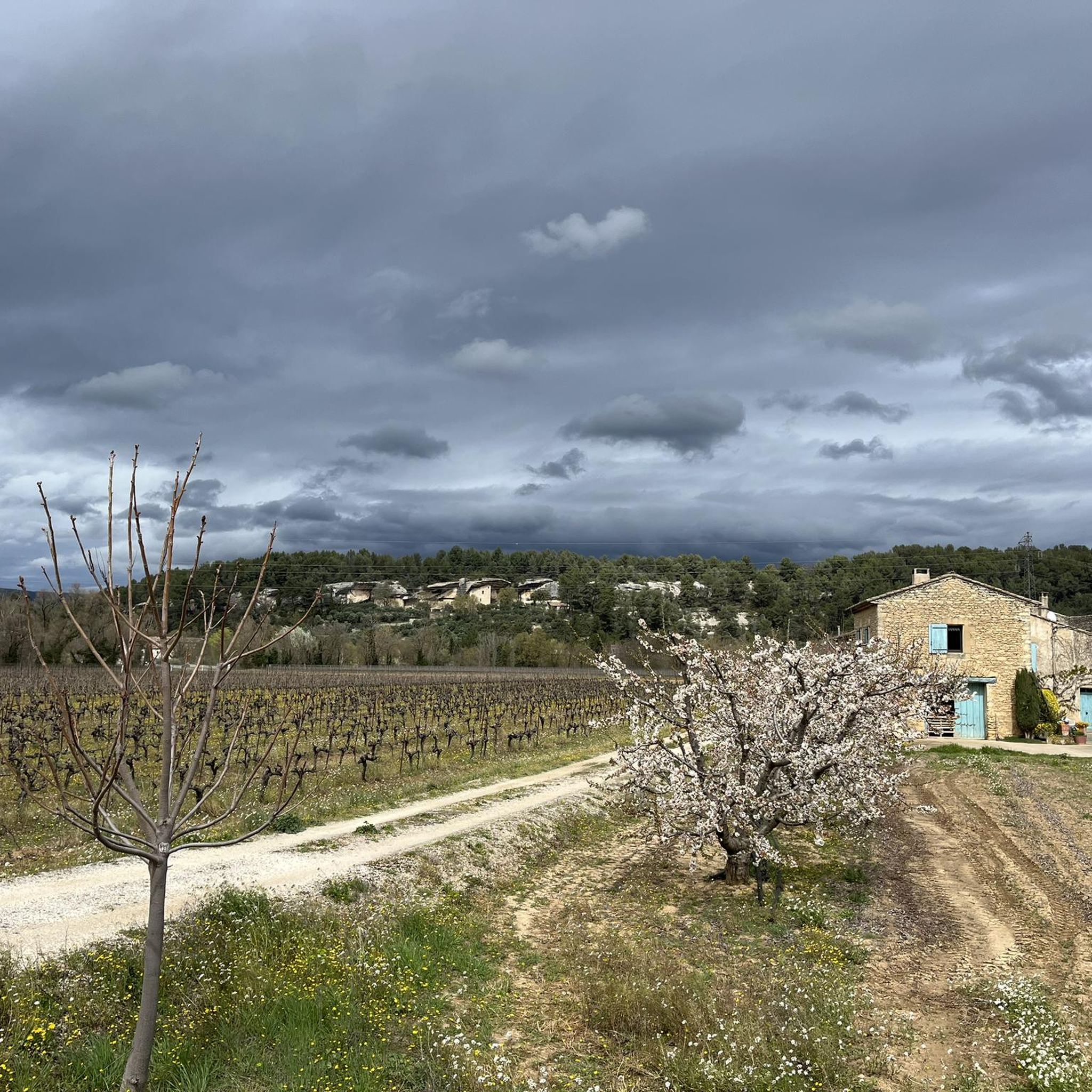
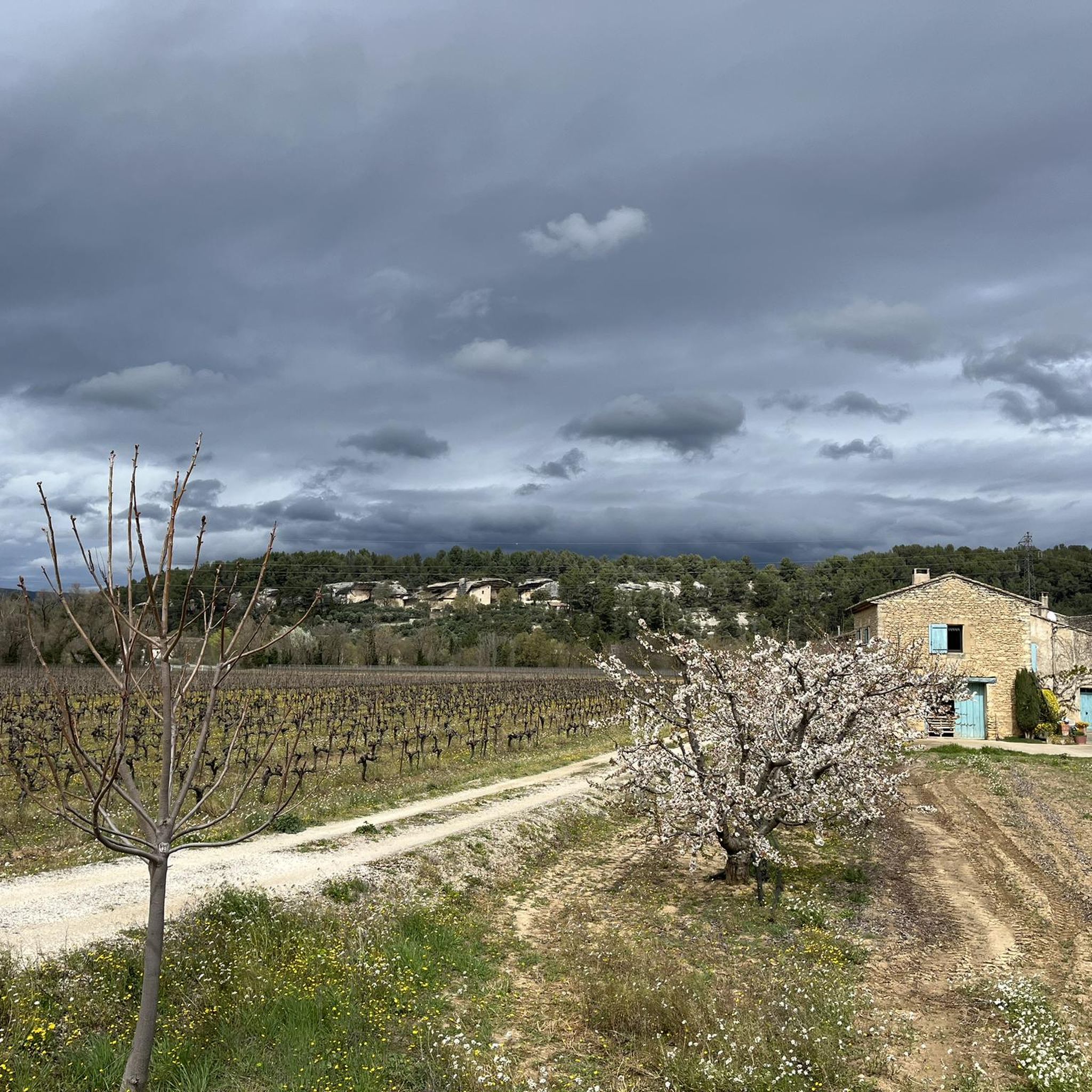
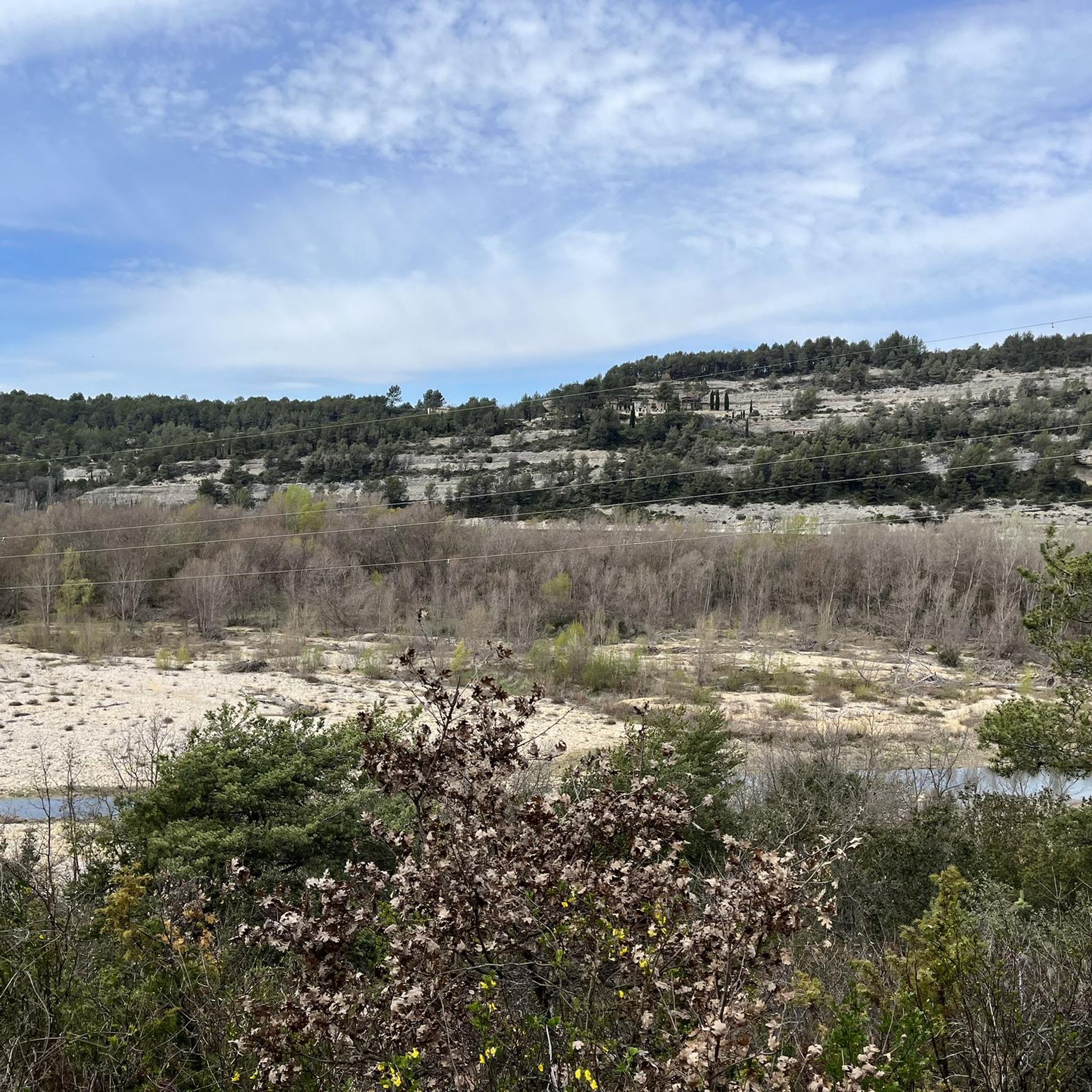
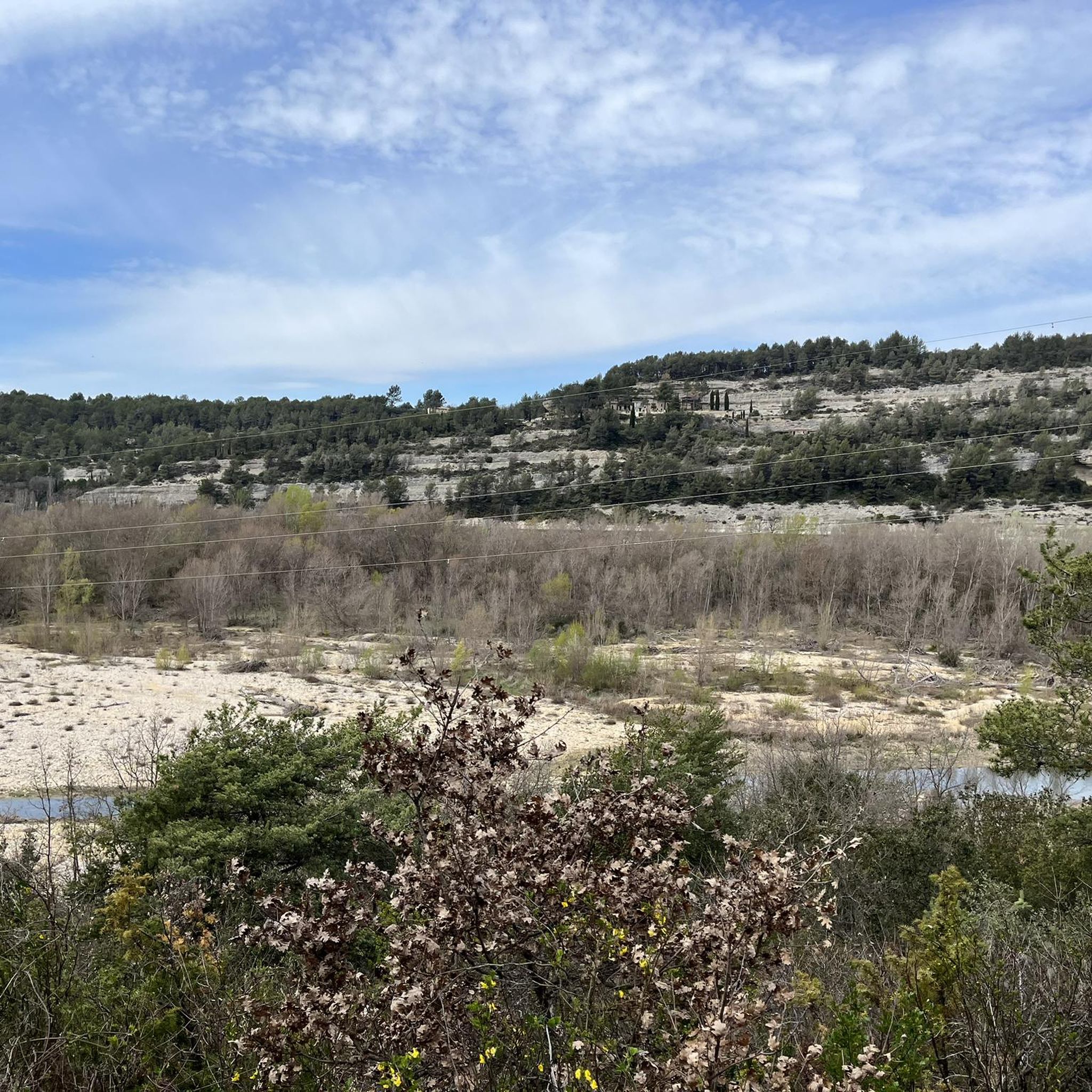
Best attractions and places to see around Beaumettes include historical sites, unique natural features, and opportunities for outdoor activities within the Luberon Regional Nature Park. This tranquil village, known for its authentic Provençal charm, offers a base for exploring the wider Luberon region. Visitors can discover ancient troglodyte houses, Roman historical paths, and picturesque landscapes of hills, vineyards, and olive groves. The area provides a blend of cultural heritage and natural beauty for exploration.
Best attractions and places to see…
Last updated: July 20, 2026
Pont Julien
Highlight • Bridge
Translated by Google •
Tip by

Fontaine-de-Vaucluse
Highlight • Monument
Translated by Google •
Tip by
Sign up now to discover places like this
Get recommendations on the best single tracks, peaks, & plenty of other exciting outdoor places.
Sign up for free
The Ochres of Roussillon
Highlight • Natural Monument
Translated by Google •
Tip by

Gordes
Highlight • Castle
Translated by Google •
Tip by
Ochre Trail
Highlight (Segment) • Trail
Once you've paid the entrance fee and are on your way, you feel like you're in the Brice Canyon. If you have children, please bring old clothes 😉
Translated by Google •
Tip by

Sign up for free to discover even more attractions around Beaumettes.
Sign up for free
Already have an account?
Start today with a free account
Your next adventure awaits.
Login or Signup
Tips from the Community

The view is fascinating. The sunlight can change within a very short time and the rocks can shine in various shades of ochre and even orange. Worth seeing!
2
0

Definitely recommended, the visit: It is called Colorado Provencal
1
0

The place is the namesake of the department of Vaucluse. Until 1946, this was also the official name of the municipality. In order to avoid confusion, it was decided in that year to change the name to Fontaine-de-Vaucluse. Vaucluse is derived from the Latin "Vallis clausa" which means "closed valley". During the Middle Ages, the village church was a place of pilgrimage because of the tomb of Bishop Veranus of Cavaillon.
9
2

The Ochre Trail (Sentier des Ocres) near the mountain village of Roussillon leads through the former quarries and offers remarkable landscapes that have been shaped by the ochre industry and nature over two centuries. For a small entrance fee, you can immerse yourself in the formation of ochre and the history of its use. The beautifully laid out trail through the former quarries is a unique experience. We were here in mid-March in the best weather; the colors were particularly intense and there were hardly any visitors with us.
2
0

This village has a beautiful view of the Luberon, is very touristy and very busy. It is market on Tuesday. Also many art galleries and an open museum about the "bories", a kind of stone hut.
2
0

spectacular views, nice for a stop .. try Cafe Cercle Republican for a stop .. from the terrace you have phantasmic views
2
0

It is in this village that springs from the rocks the source of the Sorgue which is the largest resurgence in Europe. The underground river rises from the depths above a vertiginous cliff 230 meters high. Its flow is enormous: it is ranked fifth in the world with an annual flow of 630 to 700 million cubic meters. The beauty of this natural site makes it one of the most visited places in the department. In the past, it attracted many poets and writers who came to meditate here: Pétrarque, Chateaubriand, Frédéric Mistral and René Char are some examples. A word of advice: in the middle of the tourist season, go visit the source early in the morning, because the flow of tourists is also important.
6
0
The village of Gordes is with Roussillon one of the most visited in all of the Luberon. It must be said that it is impressive perched on its rock. In the past, its economy was based solely on the exploitation of olives. If you want to see this past, then you must absolutely visit the Saint-Firmin cellar, located in one of the many sloping streets of the town. Its castle houses a museum of contemporary art and every year new artists are invited to exhibit their works.
1
0
Frequently Asked Questions
What historical sites can I explore in Beaumettes?
Beaumettes is rich in history. You can discover its unique troglodyte houses, carved into the rock since Neolithic times, which are still inhabited today. The Ubac Dolmen, a significant Neolithic funerary monument, is freely accessible along the Calavon bike path. Other notable sites include the 19th-century Parish Church of the Annunciation, the restored Sainte-Foy Chapel (now an exhibition space), and the 18th and 19th-century Château.
Are there any unique natural features to discover around Beaumettes?
Yes, Beaumettes is nestled within the beautiful Luberon Regional Nature Park, offering picturesque landscapes of hills, vineyards, and olive groves. You can also explore the historic dry-stone terraces (restanques) that shape the slopes, reflecting the region's agricultural past. A short drive away, you can visit Fontaine-de-Vaucluse, home to the source of the Sorgue River, the largest resurgence in Europe, emerging from a dramatic 230-meter-high cliff.
What outdoor activities are available near Beaumettes?
Beaumettes is an excellent base for outdoor activities. You can enjoy hiking on various trails that originate from the village, leading through vineyards and olive groves. The Calavon Cycle Route crosses the village, providing a flat, traffic-free path for cyclists. For more detailed routes, you can explore options like those found in the Hiking around Beaumettes or Cycling around Beaumettes guides.
Is Beaumettes a good destination for families?
Absolutely. Families can enjoy the easy Botanical Trail, an approximately 50-minute walk behind the church that introduces visitors to the local flora. The Calavon Cycle Route offers a safe and flat cycling experience suitable for all ages. Additionally, attractions like Pont Julien, Fontaine-de-Vaucluse, and the Ochre Trail are noted as family-friendly.
Can I find ancient Roman history in the Beaumettes area?
Yes, the area has significant Roman history. The village lies along the route of the ancient Via Domitia, the first major Roman road in Gaul. Evidence of Roman occupation, including remains of mosaics, can be found at the site of a Roman villa in Font-de-Loup. A must-see is Pont Julien, a remarkably well-preserved Roman bridge dating back to 3 AD, which you can even cross by bike.
Where can I go hiking near Beaumettes?
Several hiking trails start directly from Beaumettes, leading towards Saint-Pantaléon or winding through the vineyards, orchards, and olive trees of the Luberon Regional Nature Park. A particularly easy option is the Botanical Trail behind the church. For more extensive options, you can find various routes in the Hiking around Beaumettes guide, including easy trails like the 'Dolmen de l'Ubac loop' and 'Calavon Meanders – Ubac Dolmen loop'.
What other charming villages are close to Beaumettes?
Beaumettes' central location in the Luberon makes it ideal for visiting nearby villages. You can easily reach Ménerbes, just 3 km away, and Gordes, one of the 'Most Beautiful Villages in France,' known for its impressive perch on a rock and its underground 'caves of Saint Saturnin'. Other charming options include Bonnieux and Roussillon, famous for its vibrant ochre cliffs and the Ochre Trail.
What makes the landscape around Beaumettes unique?
The landscape around Beaumettes is unique due to its location within the Luberon Regional Nature Park, characterized by rolling hills, extensive vineyards, and ancient olive groves. The presence of historic dry-stone terraces (restanques), particularly developed in the 18th century, adds to the distinctive charm and reflects centuries of agricultural heritage. The vibrant ochre cliffs near Roussillon also contribute to the region's striking natural beauty.
What do visitors particularly enjoy about the attractions near Beaumettes?
Visitors frequently praise the unique historical and natural beauty. For instance, the Pont Julien is appreciated for its ancient Roman engineering and the interesting comparison it offers with a modern bridge. Fontaine-de-Vaucluse is loved for its powerful natural spring and serene atmosphere. The Ochre Trail captivates with its 'crazy play of colors' and unique, almost 'Brice Canyon'-like landscape.
Are there any attractions accessible for visitors with mobility needs?
Yes, Fontaine-de-Vaucluse, a significant natural monument and settlement, is listed as wheelchair accessible. This site allows visitors to experience the impressive source of the Sorgue River.
What is the best time of year to visit Beaumettes?
The Luberon region, including Beaumettes, is generally pleasant from spring to early autumn. Spring (April-May) offers blooming landscapes and comfortable temperatures for hiking and cycling. Summer (June-August) is warm and ideal for enjoying outdoor activities, though popular sites can be busy. Autumn (September-October) brings beautiful colors and milder weather, perfect for exploring the vineyards and historical sites.
Can I see ancient burial sites in the area?
Yes, you can visit the Ubac Dolmen, a significant Neolithic funerary monument dating from 3300 to 2900 BC. It was discovered in 1994 and rebuilt in 2014, and is freely accessible along the Calavon bike path. This site once held around fifty deceased individuals, offering a glimpse into prehistoric burial practices.
Are there any religious or cultural landmarks within Beaumettes itself?
Within Beaumettes, you can visit the 19th-century Parish Church of the Annunciation, built in a Neo-Romanesque style. The Sainte-Foy Chapel, dating back to 1635, has been restored and now serves as an exhibition space, showcasing a remarkable gemmail (a luminous artwork made of glass fragments).
Most popular routes around Beaumettes
Most popular attractions around Beaumettes

Get inspired with the komoot mobile app


Explore more
Still not found the Highlight you’re looking for? See guides of the top attractions in other regions:
