The best MTB trails around Mieussy
4.3
(1073)
12,842
riders
272
rides
Mountain biking around Mieussy offers diverse terrain within the French Alps, situated in the Vallée du Giffre. The region features significant mountainous landscapes, including various mountain passes and the Giffre River, which carves through the valley. Riders can expect a mix of forest tracks, open ground sections, and trails alongside picturesque lakes, providing varied elevation and technical challenges. This area is part of the Grand Massif, known for its extensive network of mountain bike trails.
Best mountain bike trails around…
Last updated: July 11, 2026
3.8
(4)
26
riders
Moderate mountain bike ride. Good fitness required. Suitable for all skill levels.
4.3
(3)
18
riders
18.8km
01:42
480m
480m
Moderate mountain bike ride. Good fitness required. Suitable for all skill levels.

Sign up for free
4.7
(3)
12
riders
25.3km
02:13
760m
760m
Moderate mountain bike ride. Good fitness required. Suitable for all skill levels.
3.5
(2)
10
riders
16.5km
01:07
200m
200m
Easy mountain bike ride. Great for any fitness level. Suitable for all skill levels.
5
riders
8.99km
00:48
220m
220m
Easy mountain bike ride. Great for any fitness level. Suitable for all skill levels.
Get access to more routes and recommendations from other explorers.
Sign up for free
Already have an account?
Our route recommendations are based on thousands of hikes, rides, and runs completed by other people on komoot.
Start today with a free account
Your next adventure awaits.
Login or Signup
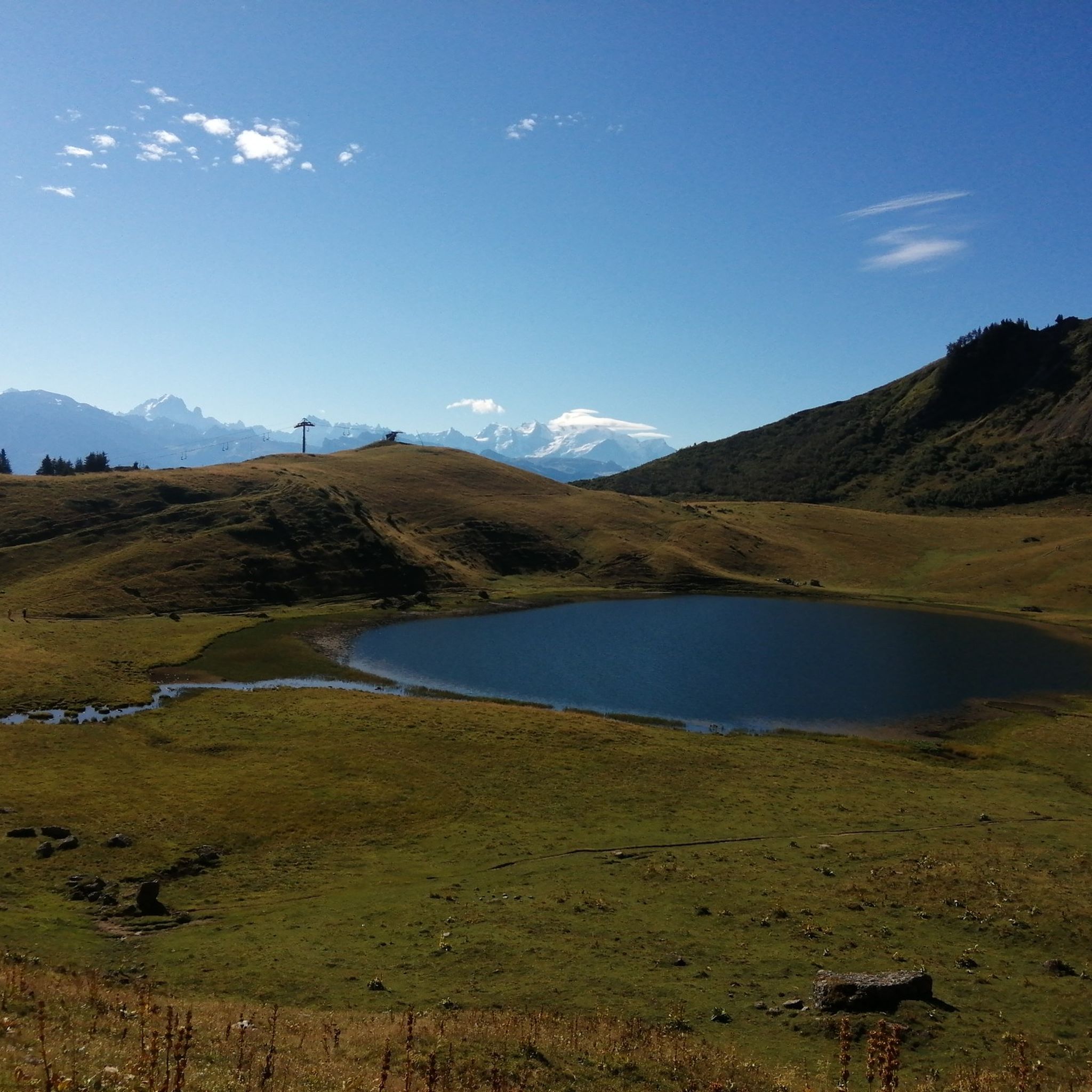
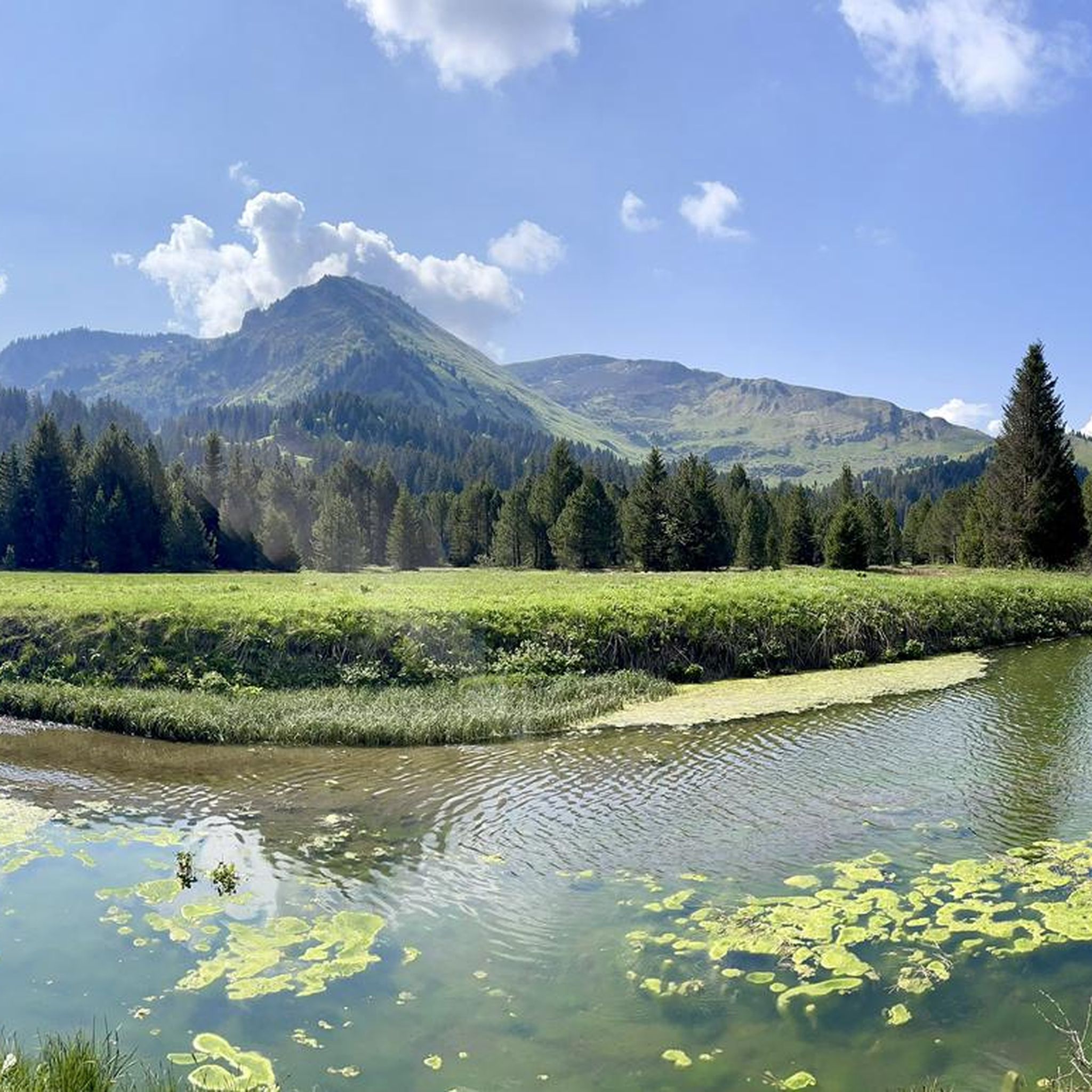
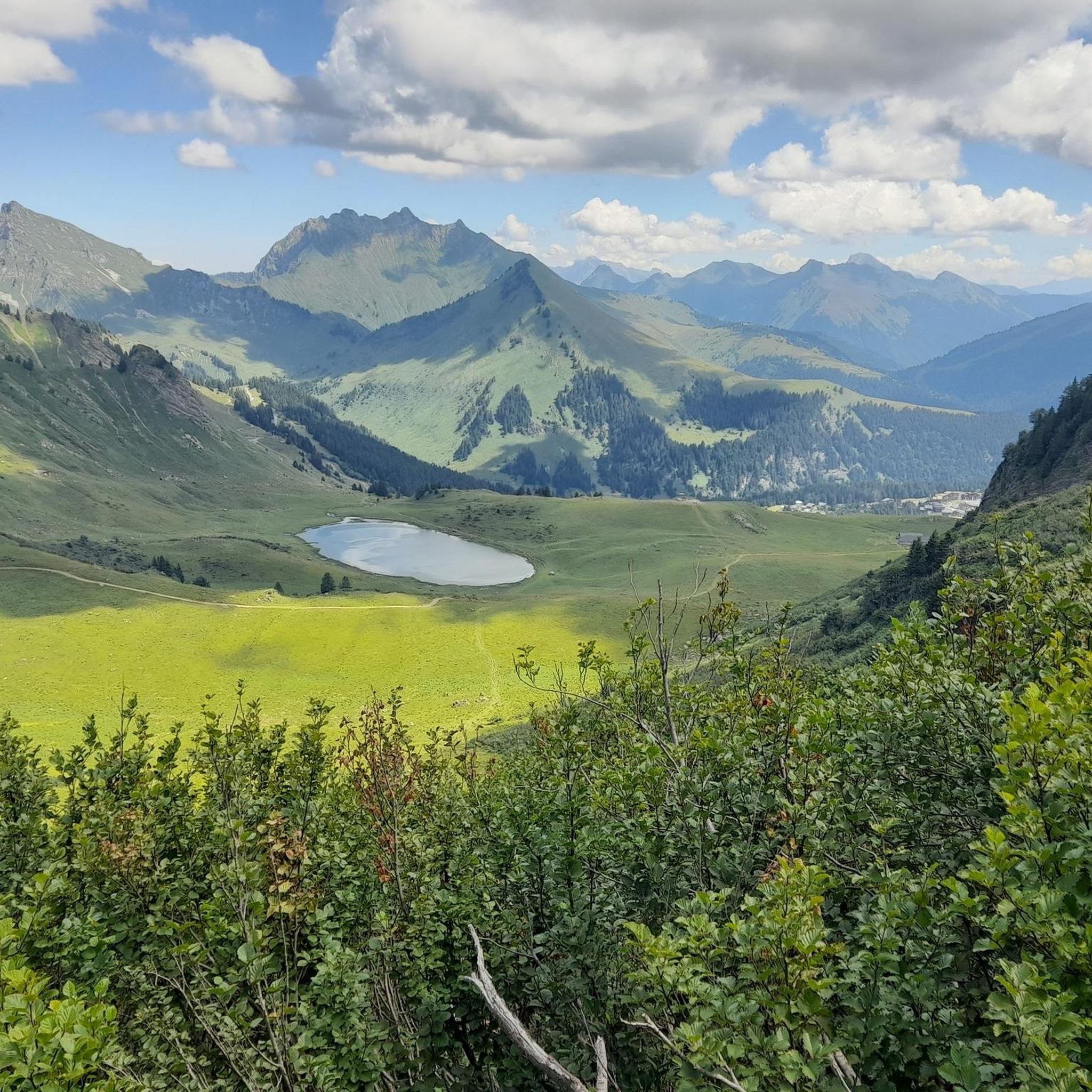
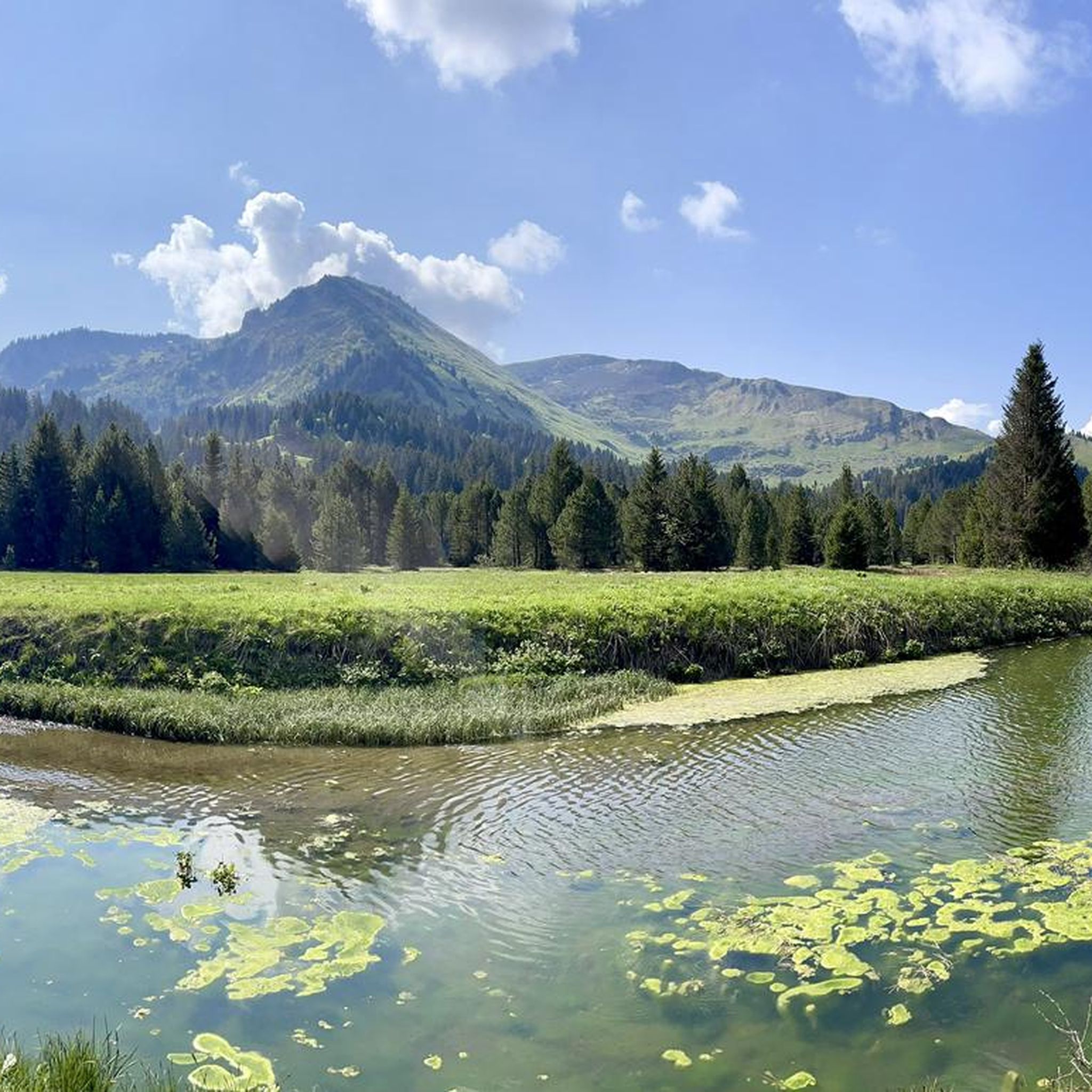

Tips from the Community

Born on September 6, 1799, in Sévillon, a hamlet of Onnion, son of Marin Jacquard de Sévillon and Marie Monge de Mégevette, he studied at the minor seminary of Mélan, located in the former Mélan charterhouse in Taninges, then at the major seminary of Chambéry. He completed his theological studies at the Seminary of Foreign Missions in Paris, where he was ordained a priest on March 15, 1823. His journey to Cochinchina (Vietnam) lasted two and a half years, arriving in Cochinchina, where he landed clandestinely on January 5, 1826. He took the name Kinh Gan Lam and participated in the life of the Church in this region of the world, where, along with two other missionaries and thirty priests from Cochinchina, he accompanied 70,000 Christians on their journey. King Minh Mang persecuted Christians. He wanted to deprive the Church of its leaders by keeping them under surveillance. Thus, as early as 1829, he detained François near Hué, his capital, asking him to act as his interpreter and explain recent European history; François was thus able to continue his missionary work to a minimum. In 1833, after the king's decree of general persecution, he was held prisoner in the Ai Lao penal colony for nearly two years, then in prison near the capital, where he was nevertheless asked to teach French to nine young men. He stated: "I have not stopped and will not stop preaching when I can." In 1838, he was sentenced to death, chained and given the "cangue" (a type of ladder around the head). On September 21, 1838, he was tortured and strangled, along with an 18-year-old Christian, Thomas Thien. In 1840, two years after his death, Pope Gregory XVI opened the beatification process and declared him Venerable. The Seville Oratory, near the chapel, commemorates this event. In 1900, Pope Leo XIII declared him Blessed. On June 19, 1988, Pope John Paul II canonized him along with 116 other martyrs of Vietnam. Annual pilgrimage to Seville in June and liturgical feast on September 23.
1
0
Intersection point Le Marquisat Altitude 875m
1
0
Intersection point Les Touvieres Altitude 650m
1
0
Intersection point Le Platy Altitude 708m
1
0
Frequently Asked Questions
How many mountain bike trails are available around Mieussy?
There are over 19 mountain bike trails around Mieussy, offering a diverse range of experiences. These include 3 easy routes, 9 moderate routes, and 7 difficult routes, catering to various skill levels.
What kind of terrain can I expect on mountain bike trails around Mieussy?
Mountain biking around Mieussy offers a mix of challenging Alpine valleys, scenic mountain passes, and winding forest tracks. You'll find everything from gentle cross-country routes on the valley floor to technical downhill and enduro trails, often with breathtaking views of Mont Blanc and the Giffre River valley.
Are there mountain bike trails suitable for families or beginners in Mieussy?
Yes, Mieussy and the broader Grand Massif area offer gentle cross-country routes on the valley floor that are ideal for families and beginners. These trails provide a great way to enjoy the scenery without overly technical challenges.
What are some challenging mountain bike trails for experienced riders in Mieussy?
Experienced riders seeking a challenge can explore routes like the Blue Lake – Lac de Joux Plane loop from Mieussy, which covers 89.3 km and involves significant elevation changes through high mountain passes. The region also features technical downhill and enduro trails, particularly in areas like Samoëns and Morillon.
Are there any circular mountain bike routes around Mieussy?
Yes, many routes around Mieussy are designed as loops. A popular moderate option is the Lac des Vernays – Blue Lake loop from Mieussy, which is 35.5 km long and offers scenic riding around two notable lakes. For a more challenging circular route, consider the Morillon's Blue Lake – Le Cirque du Fer à Cheval loop from Mont Orchez.
What natural features or landmarks can I see along the mountain bike trails?
The trails around Mieussy offer stunning natural beauty. You can ride past picturesque lakes like Lac des Vernays and Lac Bleu, and enjoy panoramic views from spots like the Saint Bruno Chapel overlooking Lac de Vallon. The region is also home to dramatic mountain passes such as Jambaz Pass and Col de Joux Plane, and unique formations like the Gorges du Pont du Diable.
What do other mountain bikers enjoy most about mountain biking in Mieussy?
The area is highly rated by the komoot community, with an average score of 4.3 stars from over 500 reviews. Mountain bikers often praise the diverse terrain, from valley floor paths to high mountain passes, and the breathtaking panoramic views, especially of Mont Blanc. The well-maintained network of trails within the Grand Massif is also a frequently highlighted positive aspect.
What is the best time of year to go mountain biking in Mieussy?
The summer months are generally the best time for mountain biking in Mieussy, as the trails are well-maintained and many ski lifts operate to provide easy access to higher elevations. The region's commitment to securing trails throughout the summer ensures a safe and enjoyable experience.
Are there any mountain bike trails that offer exceptional views?
Many trails in Mieussy offer exceptional views. The Grand Massif area is renowned for its panoramic vistas, including awe-inspiring glimpses of Mont Blanc. Routes around Lac de Vallon, particularly from the Saint Bruno Chapel, also provide expansive views of the surrounding mountains. The Ramaz – Chalet Blanc loop from Le Praz de Lys offers scenic mountain views.
Are there any amenities like cafes or pubs near the mountain bike trails in Mieussy?
Mieussy is a traditional Alpine farming village, and you'll find local amenities. The Fruitière des Hauts-Fleury, a cheese dairy, offers local products. The surrounding villages and ski resorts like Praz de Lys Sommand also provide various options for cafes, pubs, and accommodation, especially during the summer season when lifts are operating.
Can I find less crowded mountain bike trails in Mieussy?
While popular routes can see more traffic, the extensive network of over 600 kilometers of marked trails within the Grand Massif means it's often possible to find quieter paths. Exploring some of the less-trafficked moderate routes, such as the Francois Jaccard – Saint Nicholas Church loop from Onnion, might offer a more serene experience.
Most popular routes around Mieussy
Most popular attractions around Mieussy

Get inspired with the komoot mobile app


Explore more
Browse the best MTB trails in other regions.
