Attractions and Places To See around Courtenay - Top 20
Best attractions and places to see around Courtenay include a variety of historical sites, natural monuments, and architectural landmarks. This region offers opportunities to explore ancient castles, significant caves, and serene natural features. Visitors can discover locations with rich histories and diverse landscapes.
Best attractions and places to see around Courtenay
- The most popular attractions is Brive Waterfall, a waterfall that features a beautiful cascade and a turquoise pool. It is a place to visit for swimming and enjoying the sounds of water.
- Another must-see spot is Chateau de Chapeau Cornu, a castle that was originally a fortified house built on the site of an ancient Roman camp. Visitors can appreciate its architecture without needing to go inside.
- Visitors also love La Balme Caves, a cave system with a long history, including archaeological finds from the Bronze Age and chapels built at its entrance. Visitors can explore the caves on a paved path about 1 kilometer long.
- Courtenay is known for its historical sites, natural monuments, and castles. The area offers a range of attractions to see and explore, from waterfalls to ancient fortifications.
- The attractions around Courtenay are appreciated by the komoot community, with 150 upvotes and 105 photos shared by visitors.
Last updated: May 9, 2026
Brive Waterfall
Highlight • Waterfall
Translated by Google •
Tip by

Chateau de Chapeau Cornu
Highlight • Other
Translated by Google •
Tip by

Sign up now to discover places like this
Get recommendations on the best single tracks, peaks, & plenty of other exciting outdoor places.
Sign up for free
Tomb of Paul Claudel
Highlight • Historical Site
Translated by Google •
Tip by
La Balme Caves
Highlight • Cave
Translated by Google •
Tip by

Château de Bienassis
Highlight • Castle
Translated by Google •
Tip by
Sign up for free to discover even more attractions around Courtenay.
Sign up for free
Already have an account?
Start today with a free account
Your next adventure awaits.
Login or Signup
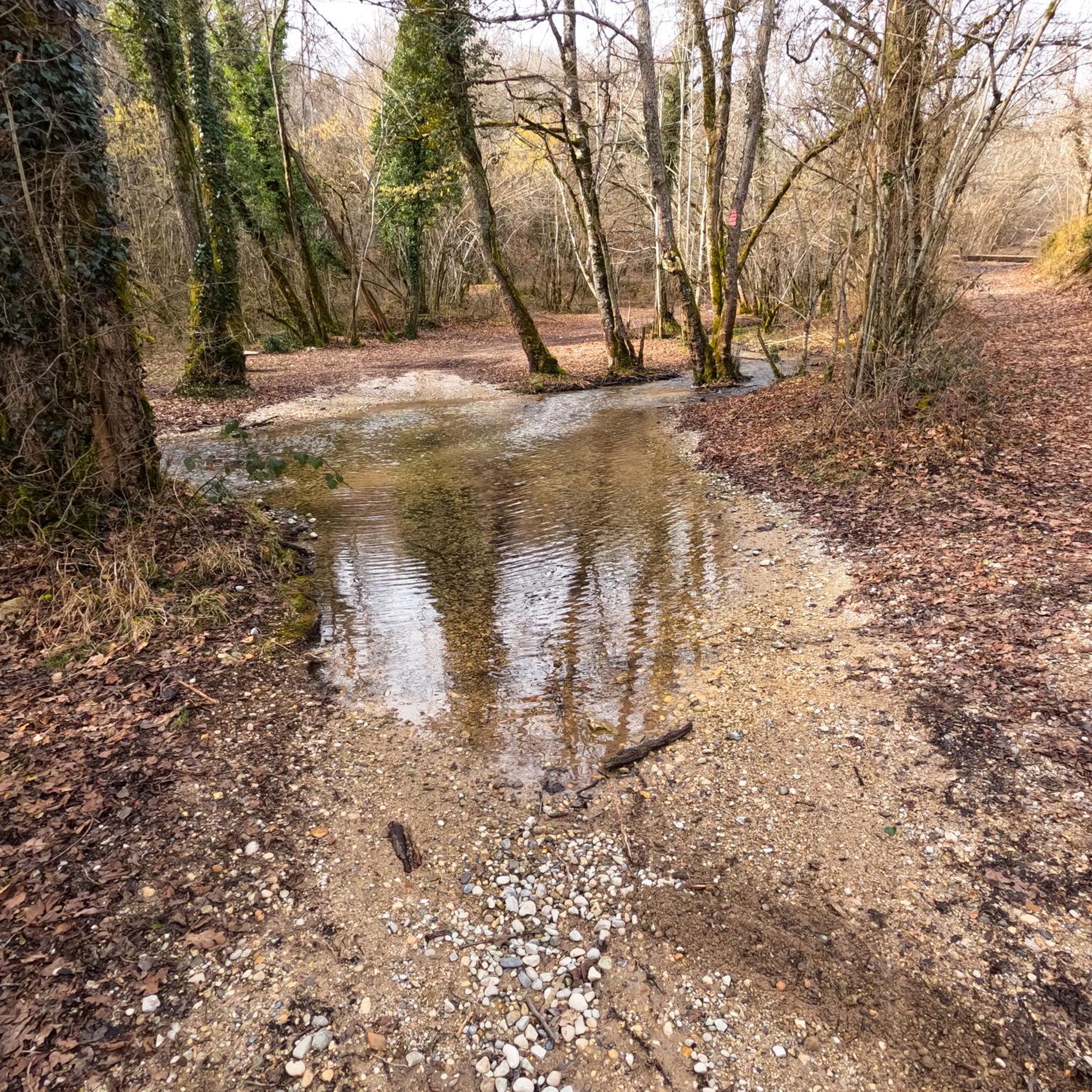
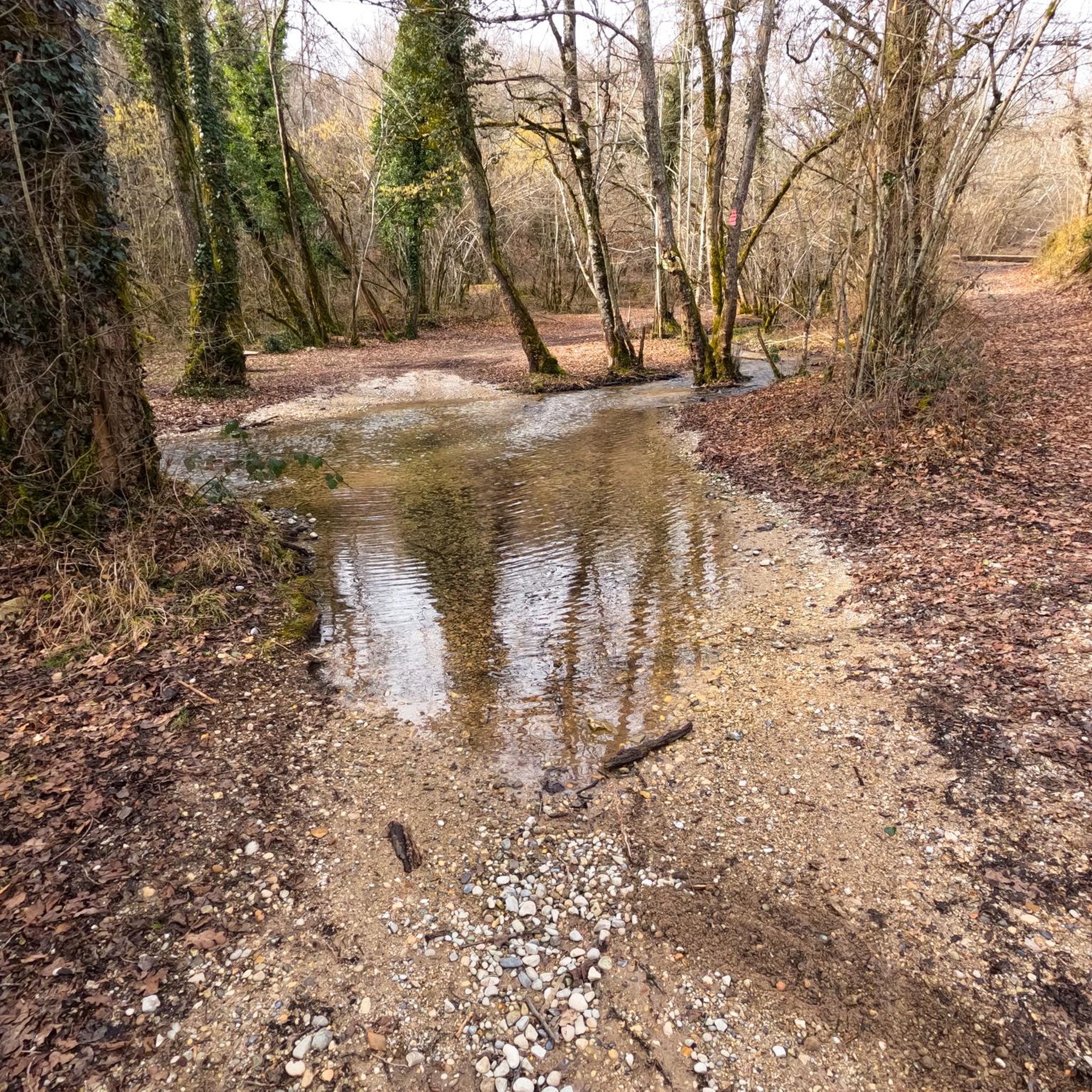
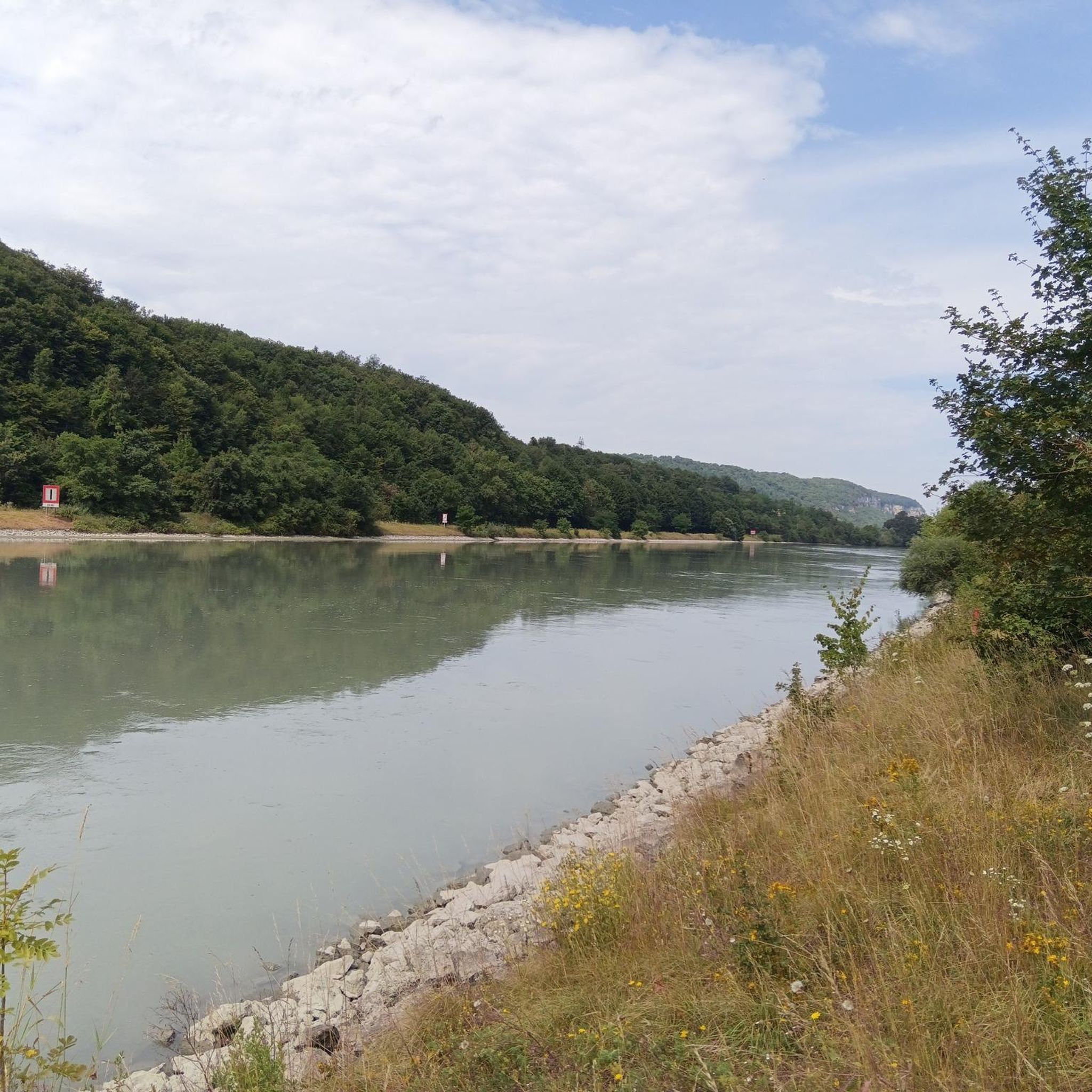
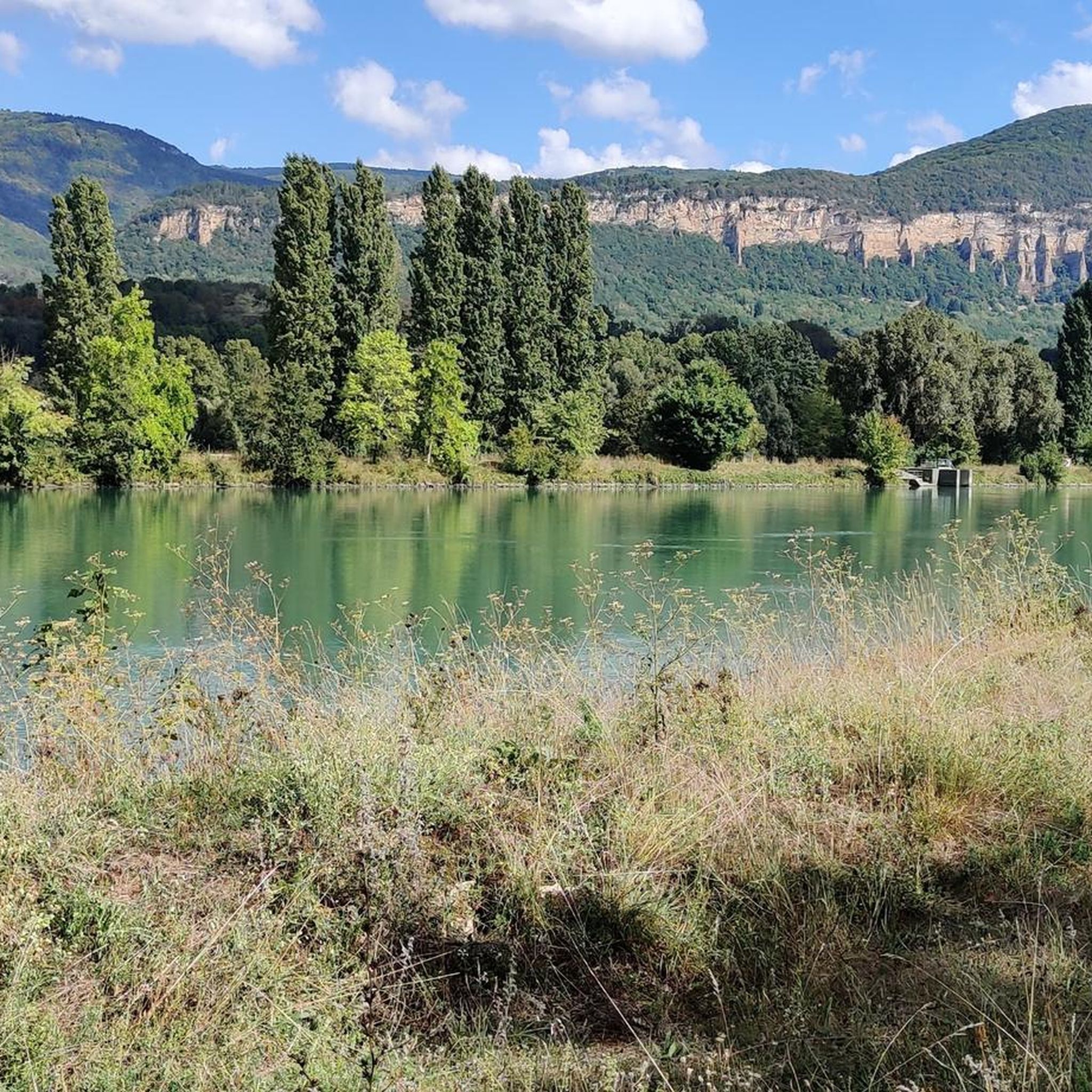

Tips from the Community

Wow, what a beautiful waterfall! 🤩🤩
1
0

Found somewhat by chance and at a very affordable price, this hotel restaurant is a superb stopover for a bike ride!
0
0

Cool during the heatwave while visiting the caves
0
0

A big surprise was the reference to the grave of this poet and philosopher. His grave is located in a corner of the park of the Château de Brangues and is open to the public.
0
0

Information in German: https://www.balconsdudauphine-tourisme.com/de/equipement/les-grottes-de-la-balme/ Website (French): https://www.grotteslabalme.com/ Also closed on certain days, information in the calendar: https://www.grotteslabalme.com/organisation/les-horaires-calendrier/
0
0

It is at the bottom of the park, at the end of a small path that winds through the undergrowth, that the poet's grave is located. In accordance with his wishes, Paul Claudel was buried in Brangues, alongside one of his grandsons, Charles-Henri Paris, who died in 1938 at the age of two. It is in this land of Brangues, next to this child and a tall poplar, that the patriarch rests. His wife, Reine Sainte-Marie-Perrin, was buried next to him in 1973. (Access to the tomb is free and signposted for visitors) The epitaph. “Here lie the remains and the semen of Paul Claudel” This inscription is inspired by the epistle of Saint Paul to the Corinthians: “this seed which we put in the ground in the fall, seems to die during the winter, but germinates and comes back to life in the spring”. This is a message of hope. Already in 1892 Paul Claudel addressed this theme: “Below reason, below consciousness, below sense, Below instinct and every lit part of ourselves, Behold, completely lost in a revolt like that of the Conception, We feel that we can no longer defend this within ourselves, Which is like the germinal nucleus, the intimate grain, the seed of our own name! » (Paul Claudel – The Young Girl Violaine) Source: ABVL
2
0
The Bienassis fortified house, built by the Vallin family at the end of the 14th century, was organized around an enclosed courtyard and included a pavilion surrounded by watchtower turrets. The current building was completed in 1897 for Casimir Gournet, who wanted to give the old feudal residence the appearance of a medieval castle. Alphonse de Lamartine made several stays in Bienassis with his friend Nicolas Prosper Guichard, between 1804 and 1808. The castle, built of limestone rubble, consists of an L-shaped building covered with a long-pitched roof covered with mechanical tiles extended to the south by a high quadrangular tower with a porch in the work. The north wing has four levels of elevation: three cellars on the basement floor, a square floor and an attic floor. The tower rises on three levels: a ground floor with ribbed vaults and two square floors, the buildings are crowned with false machicolation. The corner turrets are covered with conical slate roofs. The stained glass windows of the ground floor living room are decorated with two bust-length women and two bust-length men in rondels. The coat of arms of the Joubert de Montlevon family can be found on one of the windows of the first living room on the ground floor. In the library, two shields with scrolling scroll motifs, a shield decorated with three female heads, a shield decorated with a passing griffin, and a shield decorated with two hammers with the initials C G for Casimir Gournet adorn the windows. Source: Châteaux de France
0
0
Chapeau Cornu Castle was originally a fortified house built on the site of an ancient Roman camp. Between 800 and 1100, feudalism took hold. The sovereigns of Vienna and the Bishop created “rear fiefdoms” to ensure security and repel attackers. In the 12th and 13th centuries, there were two allied families: the Capellas and the Cornutis. It is by derivative of these 2 Latin names that “Chapeau Cornu” was born. In 1300, Amédée de Rossilon was governor of Chapeau Cornu. He left this property to his nephews Pierre and Louis Chapel. After Pierre's death in 1358, Louis succeeded him. Pierre will leave 2 daughters, one of whom Antonia marries the Knight Etienne Laure, Lord of Veyssillieu. The latter was killed by the English while fighting under Duguesclin. His son Jacquemont Laure avenged him and his daughter Béatrice married Imbert de Groslée, Seneschal of the King, in 1413. His sons and descendants remained in Chapeau Cornu until 1650. It was in 1601 that Chapeau Cornu took the name Château. But in 1638, the Castle fell into disuse. The last occupants, the Matthieu de Rame couple, left no children and in 1693, the property passed to Aymard Micha de Burcin. He expanded the estate through multiple purchases and died in 1755, donating all his property to his cousin Philippe Guillaume de Grammont. After the storming of the Bastille on the night of July 25 to 26, 1789, “the great fear” began. A band of rioters, determined to destroy the property of the squires, arrived in Chapeau Cornu at 1 a.m. The steward at the time had the idea of treating them as guests and opened the doors of the wine cellars to them. The damage underground is impressive: the undrinked wine is emptied but the castle remains intact. After the Revolution, the castle was purchased by Jean André Barge from the de Certeau family. He diverted the bed of the stream coming from the hill which then passed into the castle. He had the large buildings to the south-east and east built on the vault. Ruined, he sold part of the land to people from Vignolles. In 1855, the castle and 80 hectares surrounding it were bought by his son Ferdinand de Certeau. The estate remained in the family until 1891. The Bourgoin Court then ordered a judicial liquidation and had the property sold in several lots. Source: Vignieu website
1
0
Frequently Asked Questions
What historical sites can I explore around Courtenay?
Courtenay is rich in history. You can visit the impressive Chateau de Chapeau Cornu, a fortified house built on the site of an ancient Roman camp. Another significant historical site is the Tomb of Paul Claudel, the French poet, playwright, and diplomat, located behind the walls of the Château de Brangues.
Are there any natural monuments or unique geological features to see?
Absolutely! The Brive Waterfall is a beautiful natural monument featuring a cascade and a turquoise pool, perfect for swimming. Additionally, the La Balme Caves offer a fascinating exploration of a cave system with a long history, including archaeological finds from the Bronze Age.
What are some family-friendly attractions in the Courtenay area?
For families, the La Balme Caves are a great option, offering a paved path for easy exploration. The Tomb of Paul Claudel is also considered family-friendly, providing a peaceful historical visit.
What kind of outdoor activities can I do near these attractions?
The Courtenay area offers various outdoor activities. You can enjoy cycling on routes like the 'Lavender field – Fields of 🌻 loop from Courtenay' or the 'Via Rhona loop from Parking Soleymieu'. For running, consider trails such as the 'Étang de Pécoud loop from Parking Soleymieu'. Gravel biking is also popular, with routes like the 'View of the Saut du Rhône – View of Vertrieu castle loop from Porcieu - Pont de Sault-Brénaz'. You can find more details on these activities in the Cycling around Courtenay, Running Trails around Courtenay, and Gravel biking around Courtenay guides.
Are there opportunities for swimming near Courtenay's attractions?
Yes, the Brive Waterfall is a popular spot for swimming. Its beautiful cascade and turquoise pool offer a refreshing experience, allowing you to cool off and enjoy the meditative sounds of the water.
What do visitors enjoy most about the attractions around Courtenay?
Visitors frequently praise the natural beauty and historical significance of the area. The Brive Waterfall is often described as a 'magnificent waterfall' and a 'corner of paradise for a swim'. The historical context of sites like the Chateau de Chapeau Cornu and the ancient history of the La Balme Caves are also highly appreciated.
Can I visit a castle in the Courtenay region?
Yes, you can visit the Chateau de Chapeau Cornu, a historic fortified house with a rich past dating back to ancient Roman times. While you don't need to go inside, its architecture and historical significance are well worth appreciating. Another notable castle is the Château de Bienassis, a fortified house with a medieval appearance.
What kind of terrain can I expect on trails near Courtenay?
The trails around Courtenay offer a variety of terrain. For cycling, you'll find gravel paths and scenic routes through fields. Running trails can range from easy to difficult, with some featuring moderate elevation changes, such as those around Étang de Pécoud. Gravel biking routes often include varied landscapes, from views of castles to river features.
Are there any religious or spiritual sites to visit?
The La Balme Caves have a historical connection to religious practices, with two chapels built at their entrance during the 9th and 14th centuries. This adds a spiritual dimension to the natural wonder of the caves.
What are some unique historical facts about the attractions?
The Chateau de Chapeau Cornu was originally a fortified house on an ancient Roman camp and survived the 'great fear' of 1789 by treating rioters as guests. The La Balme Caves were inhabited in the Bronze Age and were rumored to hide a famous French smuggler in the 18th century. The Tomb of Paul Claudel features a unique epitaph inspired by Saint Paul, conveying a message of hope.
How many attractions are there in total around Courtenay?
There are at least 4 main attractions highlighted in the area, including natural wonders like the Brive Waterfall and historical sites such as the Chateau de Chapeau Cornu and La Balme Caves. The komoot community has shared over 105 photos and given 150 upvotes for these attractions.
Most popular routes around Courtenay

Get inspired with the komoot mobile app


Explore more
Still not found the Highlight you’re looking for? See guides of the top attractions in other regions:
