Attractions and Places To See around Saint-Alban-Sur-Limagnole - Top 20
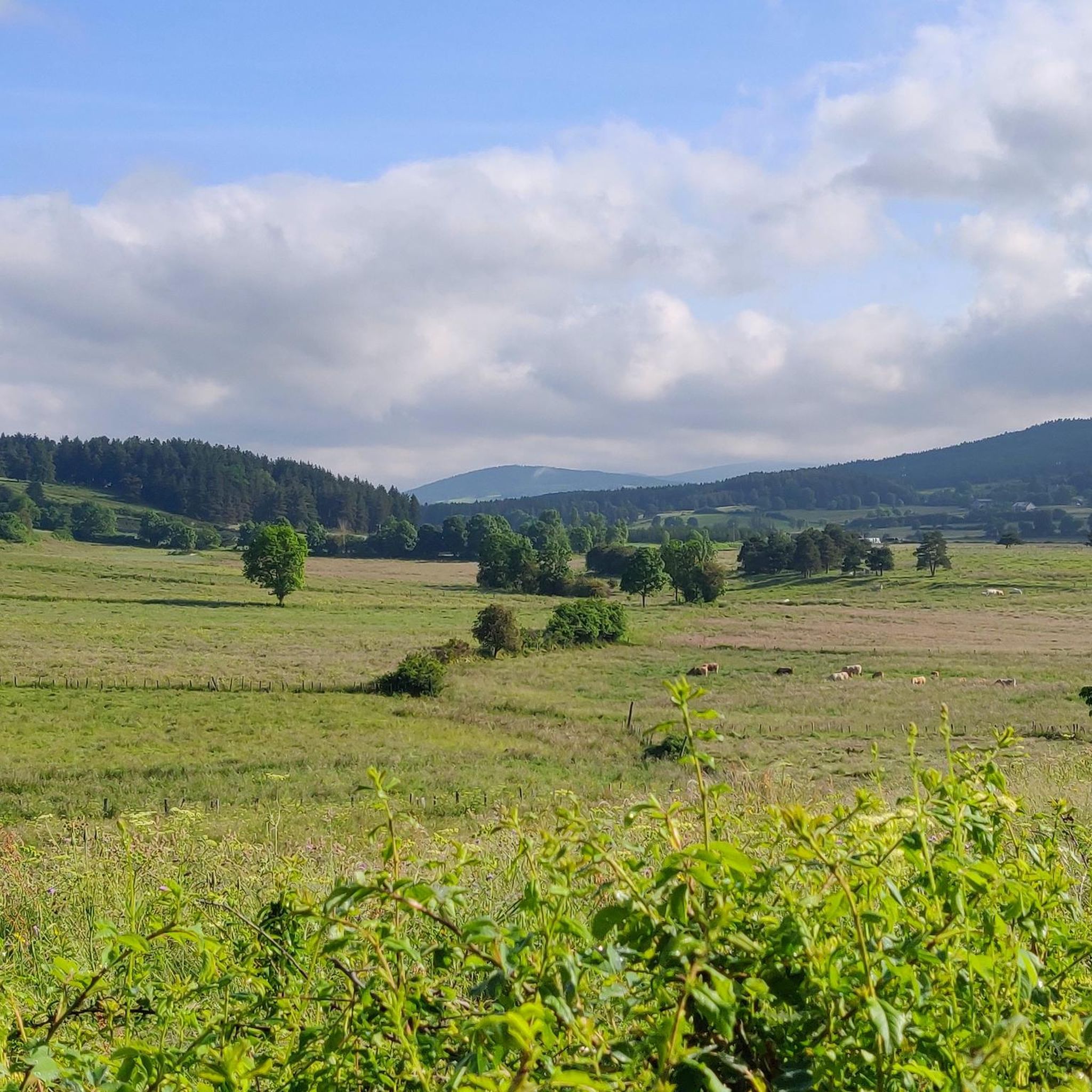
Best attractions and places to see around Saint-Alban-Sur-Limagnole are found in the heart of the granite Margeride massif in Lozère, France. This region, situated at about 950 meters altitude, is a significant stop on the historic Way of St. James (GR65). It features a blend of historical landmarks, natural beauty, and cultural points of interest, including the unique Aubrac plateau. Visitors can explore ancient castles, Romanesque churches, and diverse natural environments like peatlands and waterfalls.
Best attractions and places to…
Last updated: September 26, 2026
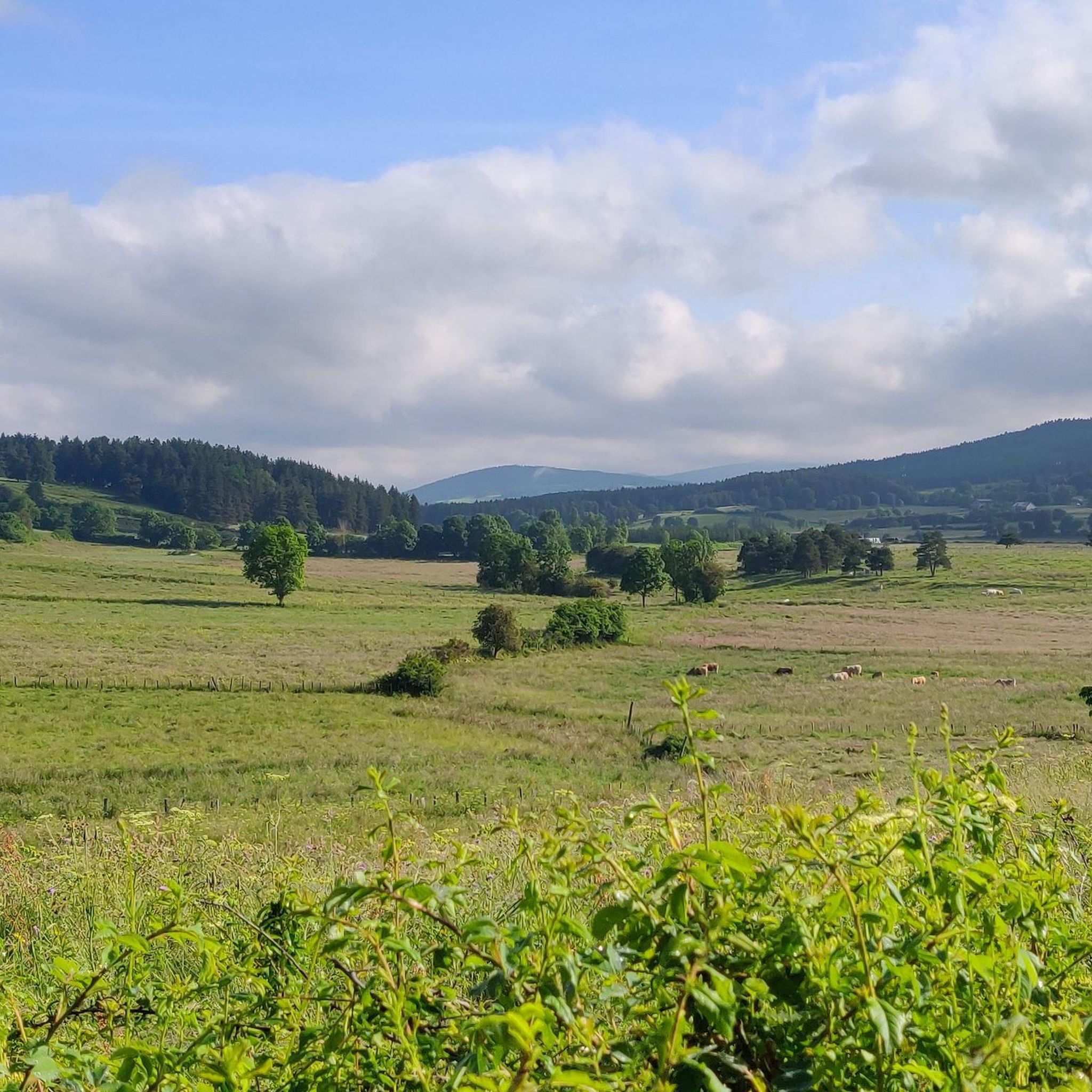
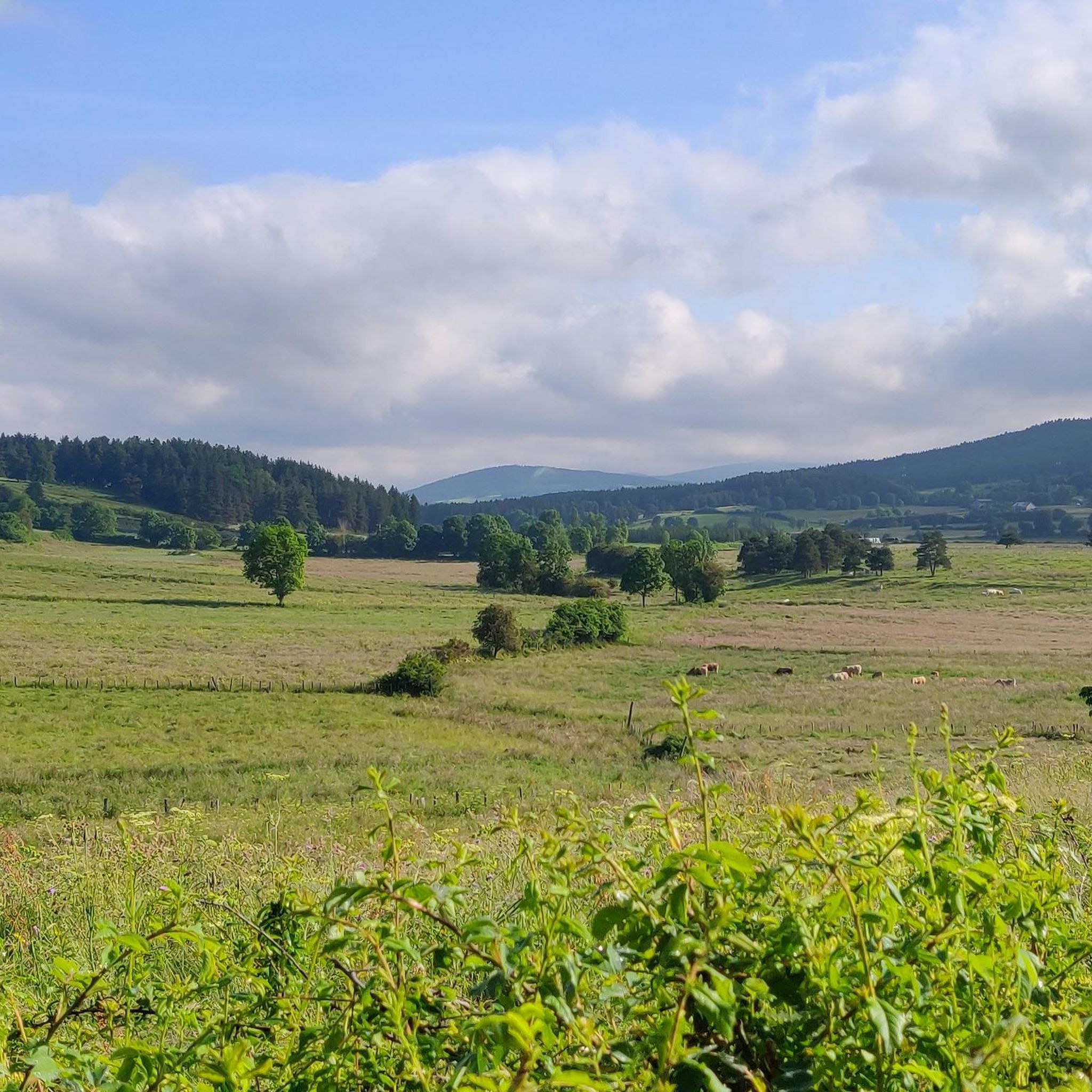
Aubrac Highlands
Highlight • Natural
Translated by Google •
Tip by

Le Sauvage Pilgrims' Hostel
Highlight • Mountain Hut
Translated by Google •
Tip by

Sign up now to discover places like this
Get recommendations on the best single tracks, peaks, & plenty of other exciting outdoor places.
Aubrac landscape
Highlight • Other
Translated by Google •
Tip by
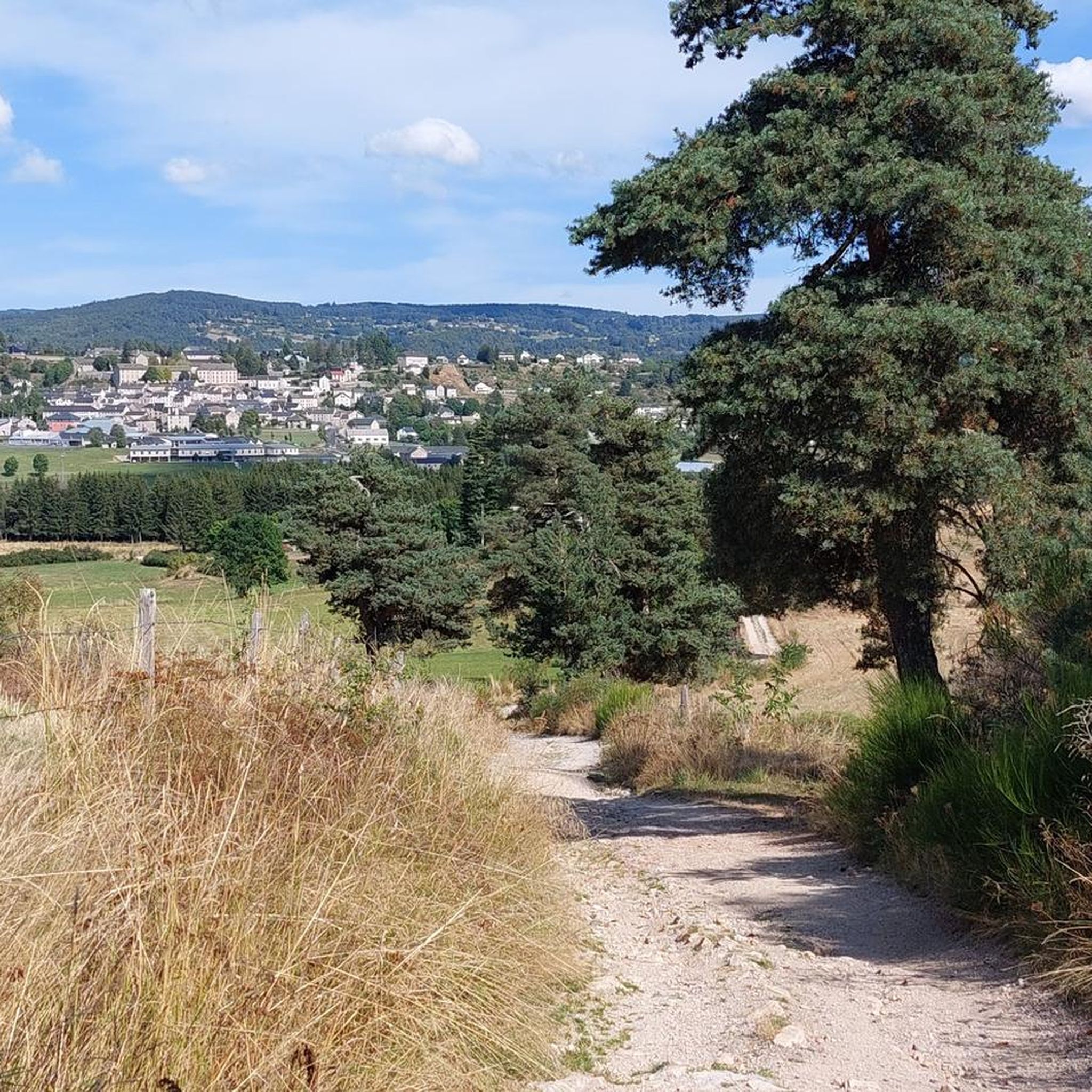
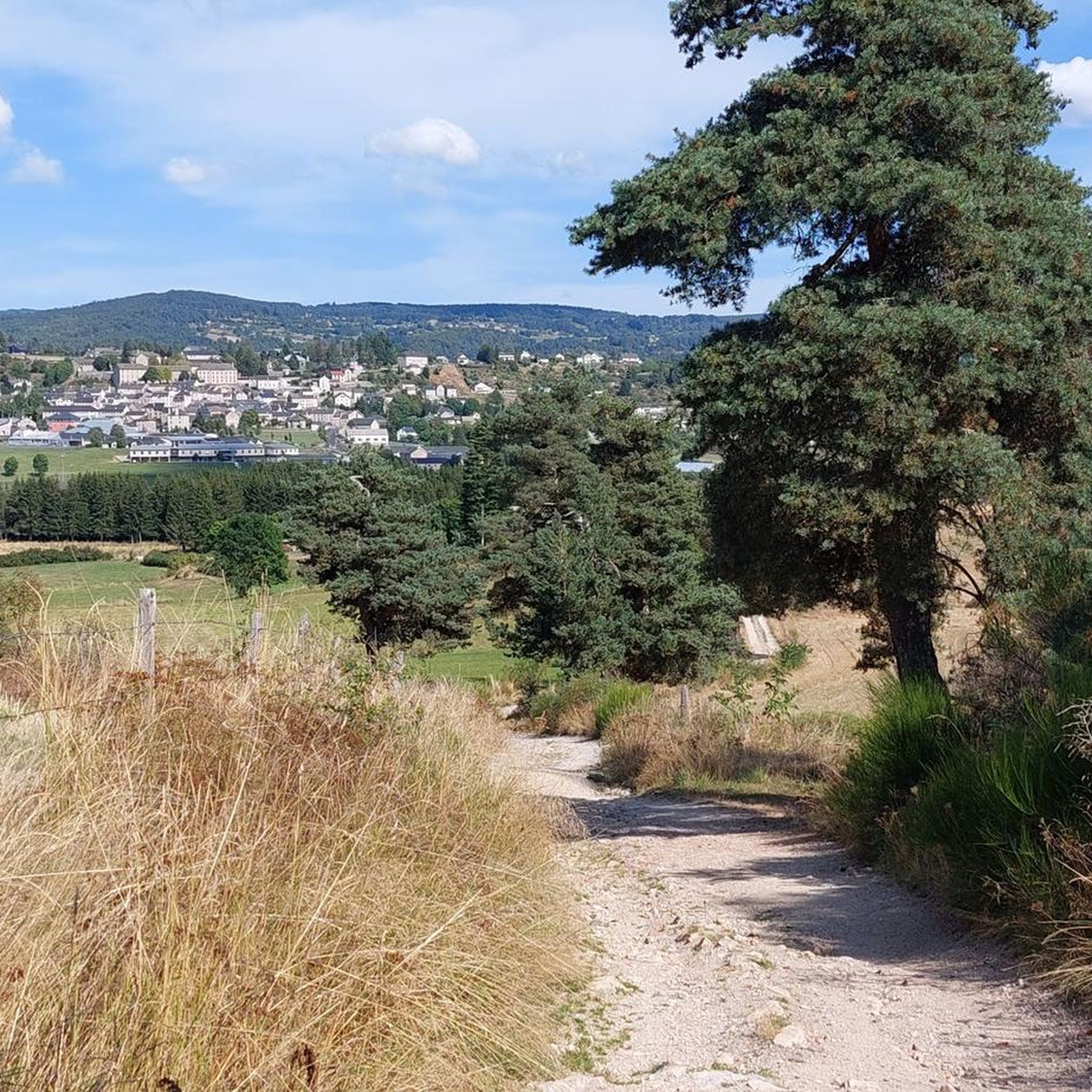
Aumont-Aubrac
Highlight • Settlement
Translated by Google •
Tip by

Saint-Alban-sur-Limagnole
Highlight • Historical Site
During 1764, the castle of Saint-Alban became one of the gathering points to organize the hunts to eliminate …
Translated by Google •
Tip by

Sign up for free to discover even more attractions around Saint-Alban-Sur-Limagnole.
Already have an account?
Start today with a free account
Your next adventure awaits.
Popular around Saint-Alban-Sur-Limagnole

Tips from the Community

We passed and enjoyed this during our Camino trip in 2025: https://youtu.be/xZkbnoCtUzE
0
0
We passed and enjoyed this during our Camino trip in 2025: https://youtu.be/xZkbnoCtUzE
1
0
We passed and enjoyed this during our Camino trip in 2025: https://youtu.be/xZkbnoCtUzE
1
0
We passed and enjoyed this during our Camino trip in 2025: https://youtu.be/xZkbnoCtUzE
1
0
What a spot for lunch ...We passed and enjoyed this during our Camino trip in 2025: https://youtu.be/xZkbnoCtUzE
0
0

The existence of this fortified castle is mentioned as early as the 12th century. It is believed to have been built on an even older fortress. In 1764, the Château de Saint-Alban was requisitioned as headquarters to organize raids aimed at eliminating the Beast of Gévaudan.
1
0

Aumont-Aubrac is located in the Lozère department on the Aubrac plateau and is one of the charming stopping points on the Way of St. James, the Via Podiensis. The village captivates with its narrow streets, traditional granite houses, and a remarkable church. Pilgrims and hikers appreciate the warm atmosphere and the numerous accommodations. Aumont-Aubrac is known for its culinary specialties featuring Aubrac beef. The surrounding landscape of meadows, forests, and expansive plateaus invites hikes and makes the village an ideal starting point for nature lovers.
2
0

Frequently Asked Questions
What historical sites can I explore in Saint-Alban-sur-Limagnole?
Saint-Alban-sur-Limagnole is rich in history. You can visit the impressive Château de Saint-Alban-sur-Limagnole, which dates back to the 12th century and once served as a psychiatric hospital, offering asylum during WWII. Today, it houses the Tourist Information Office. Another significant site is the 12th-century Église Saint-Alban, known for its Romanesque architecture and distinctive three-bay bell tower. For a unique historical perspective, consider the Le Sauvage Pilgrims' Hostel, a historical hut originally built by Templars in the 13th century to protect pilgrims on the Way of St. James.
Are there any natural attractions or viewpoints near Saint-Alban-sur-Limagnole?
Absolutely. The region boasts several natural wonders. The Aubrac Highlands offer a unique, undulating basalt and granite plateau with vast grasslands and panoramic views. You can also discover the picturesque Cascade du Franquet, a natural waterfall near the village. For a truly unique geological feature, visit The Fairy Gate, a surprisingly balanced rock formation perched above the Truyère gorges, offering admirable views of the Malzieu valley.
What kind of outdoor activities can I do around Saint-Alban-sur-Limagnole?
The area is perfect for outdoor enthusiasts. You can enjoy various activities, including running and cycling. For running, explore routes like the 'Saint-Roch Chapel – Saint-Alban-sur-Limagnole loop from Lajo' (22.4 km, difficult) or shorter 'Running loop from Prunières' (4.9 km, easy). Cyclists can tackle challenging routes such as the 'Saint-Alban-sur-Limagnole – Col de la Barte (La Barte Pass) loop' (52.5 km, difficult). Find more options on the Running Trails around Saint-Alban-Sur-Limagnole and Cycling around Saint-Alban-Sur-Limagnole guide pages.
Are there family-friendly activities or attractions in the region?
Yes, there are several family-friendly options. The Château de Saint-Alban-sur-Limagnole is a historical site that can be interesting for families, though its interior is not always open for visits. For wildlife encounters, consider a trip to the Réserve des Bisons d'Europe near Saint-Eulalie, where you can observe Europe's largest terrestrial mammal. A bit further, the Les Loups du Gévaudan park offers an opportunity to see wolves in a natural setting and learn about the legend of the Beast of Gévaudan.
What is the significance of the Way of St. James in Saint-Alban-sur-Limagnole?
Saint-Alban-sur-Limagnole is a crucial stop on the Via Podiensis route of the historic Way of St. James (Chemin de Saint-Jacques de Compostelle - GR65). This pilgrimage trail attracts thousands of hikers and pilgrims annually. The region's landscape, particularly the Aubrac landscape, is characterized by pilgrimage routes following gravel field paths, offering alternating pastures, forest strips, and panoramic views.
Where can I experience the unique natural environment of the Margeride massif?
The Margeride massif, where Saint-Alban-sur-Limagnole is located, offers diverse natural environments. You can explore the unique Tourbières de Lajo (Lajo Peatlands), located a few kilometers from the village, which feature equipped trails for hikers. The surrounding area is characterized by heather, beech trees, wild raspberries, and blueberries, providing numerous hiking opportunities with varied landscapes.
What cultural experiences are available in Saint-Alban-sur-Limagnole?
For an immersive cultural experience, visit the Scénovision de Saint-Alban - La Margeride à la Folie. This site presents the history of Saint-Alban, its landscapes, inhabitants, and particularly the story of the psychiatric hospital and its connection to 'Art brut' and the Resistance. It also delves into the local legend of the Beast of Gévaudan.
Are there any easy walks or trails suitable for beginners near Saint-Alban-sur-Limagnole?
Yes, there are options for easier walks. While many routes can be challenging, you can find shorter, less strenuous paths. For example, the 'Running loop from Prunières' is an easy 4.9 km route. When exploring areas like the Tourbières de Lajo, you'll find equipped trails that are generally accessible. Always check the difficulty ratings for specific routes on the Running Trails around Saint-Alban-Sur-Limagnole guide page.
What is the best time of year to visit Saint-Alban-sur-Limagnole for outdoor activities?
The region is best enjoyed from spring through autumn for outdoor activities. The weather is generally milder, making hiking, cycling, and exploring natural sites like the Aubrac Highlands and Cascade du Franquet more pleasant. Summers are ideal for longer days and warmer temperatures, while spring and autumn offer beautiful landscapes with blooming flora or vibrant fall colors.
Can I find unique local architecture or materials in the area?
Yes, the local architecture often features the region's distinctive materials. You'll notice many traditional buildings, especially in nearby villages like Aumont-Aubrac, constructed from granite blocks. The Chapelle Saint-Pierre is a beautiful example of construction using the rare pink arkose sandstone, typical of the commune, showcasing the unique geological resources of the area.
What do visitors enjoy most about the attractions around Saint-Alban-sur-Limagnole?
Visitors frequently praise the stunning natural beauty and the sense of history. The vast, open landscapes of the Aubrac Highlands and the panoramic views are often highlighted. The historical significance of sites like the Château de Saint-Alban-sur-Limagnole and the unique experience of walking parts of the Way of St. James also resonate deeply with visitors, who appreciate the blend of nature and heritage.
Most popular routes around Saint-Alban-Sur-Limagnole

Get inspired with the komoot mobile app


Explore more
Still not found the Highlight you’re looking for? See guides of the top attractions in other regions:
