Attractions and Places To See around Aumont-Aubrac - Top 20
Best attractions and places to see around Aumont-Aubrac include a mix of historical landmarks and access to the natural beauty of the Aubrac region. This town in the Lozère department of France serves as an important "Village Etape" on the Camino de Santiago pilgrim route. The area features vast open landscapes, ideal for outdoor activities, and a rich natural and cultural heritage. Visitors can explore historical sites and enjoy the diverse flora and fauna of the surrounding plateau.
Best attractions and places to see around Aumont-Aubrac
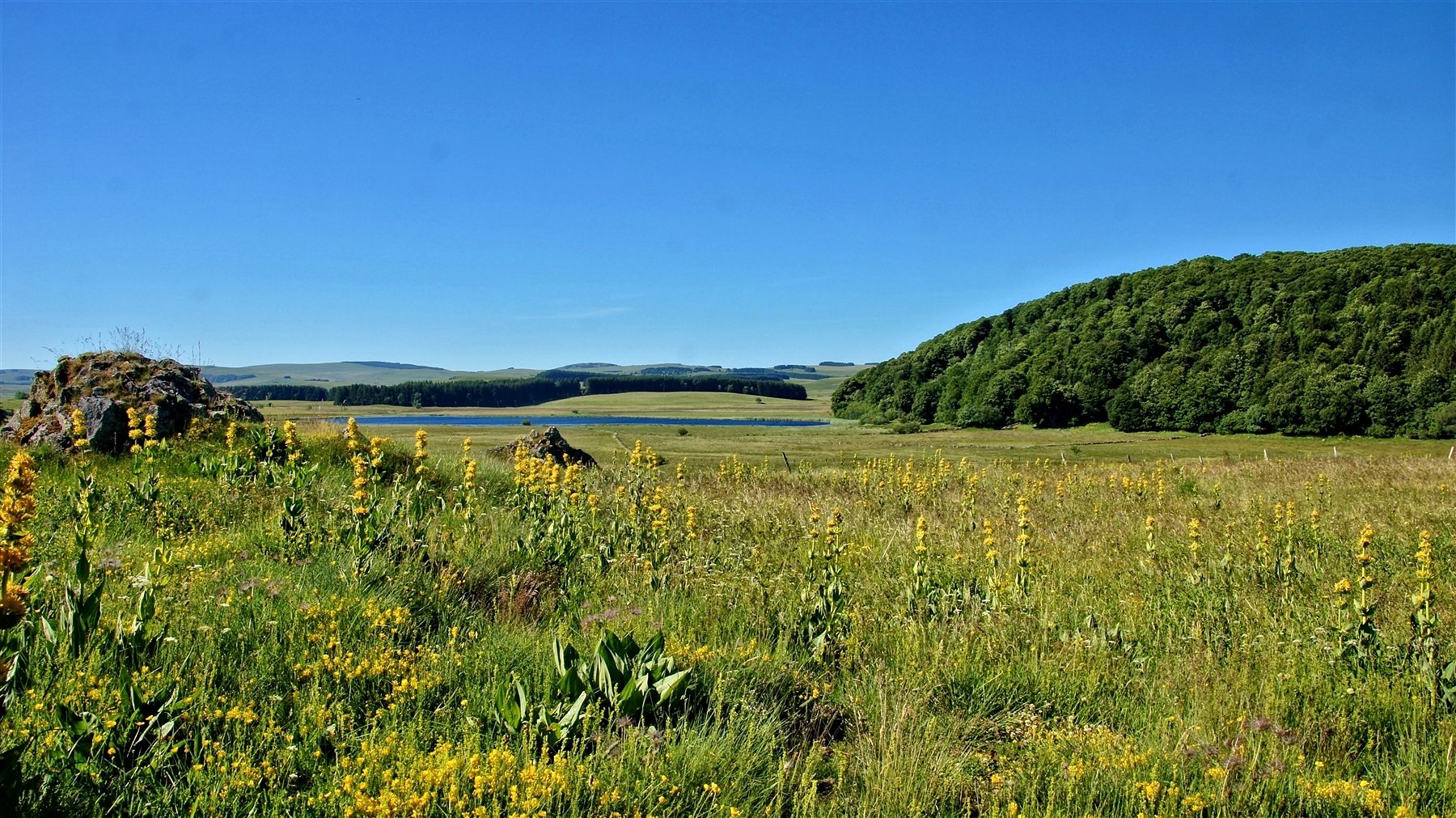
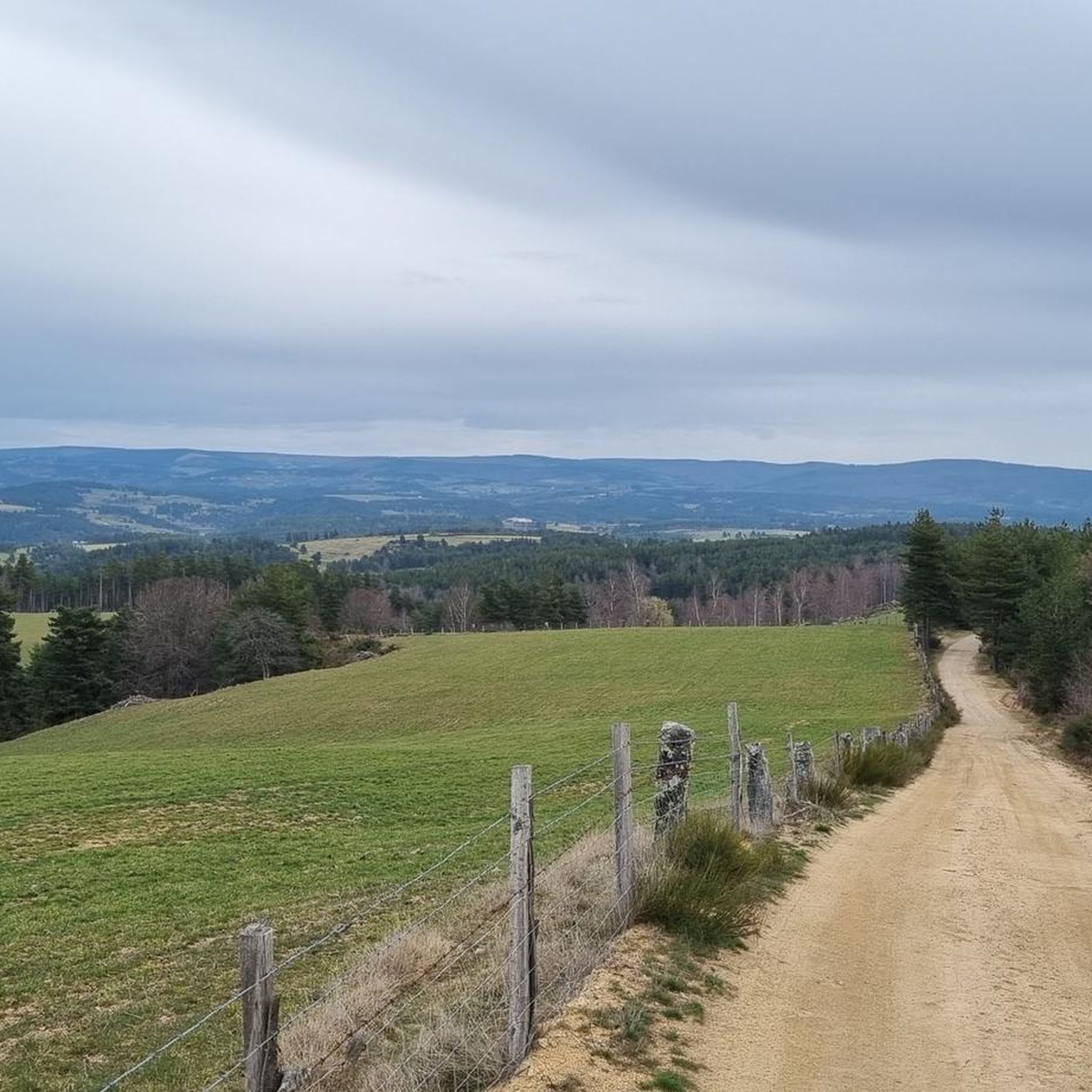
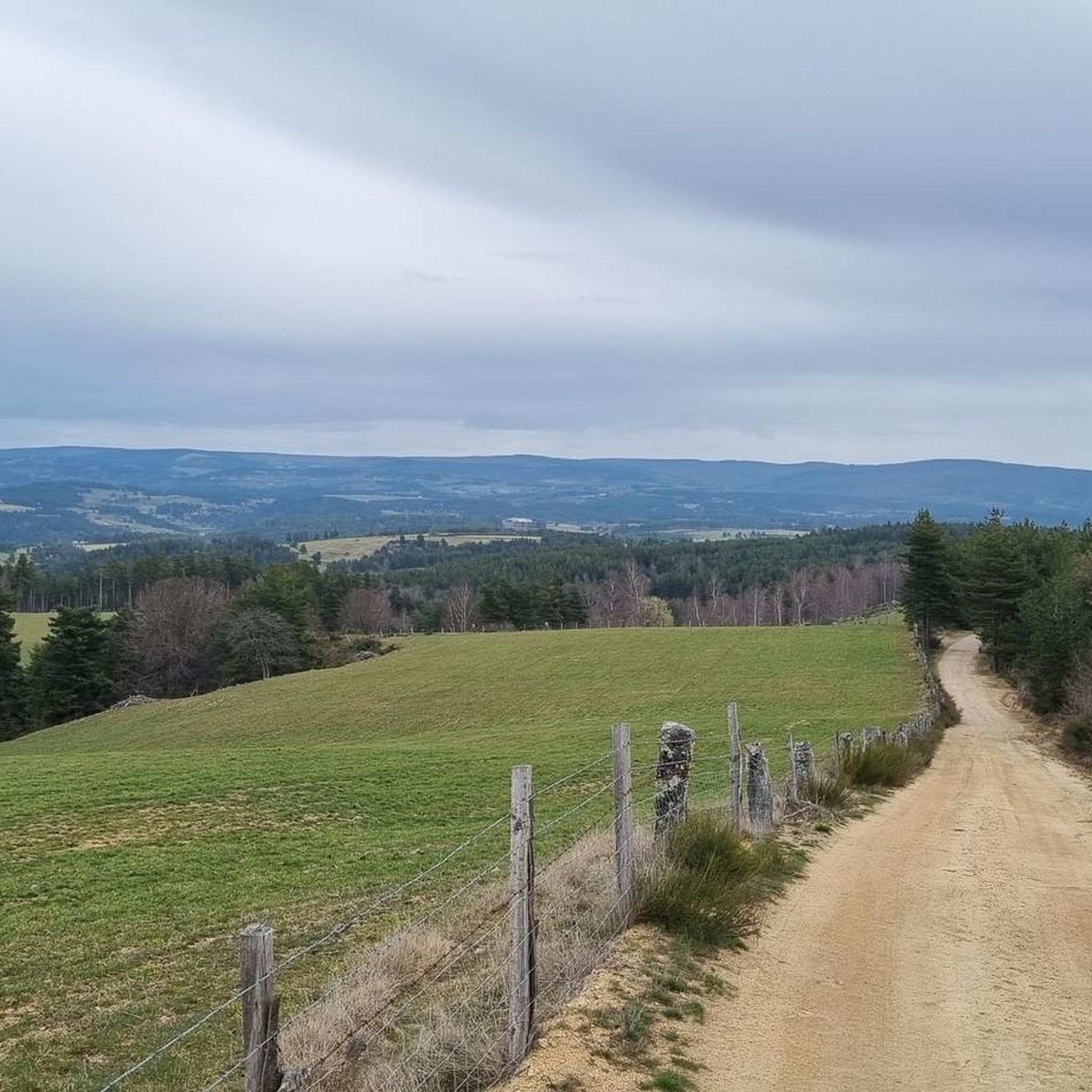
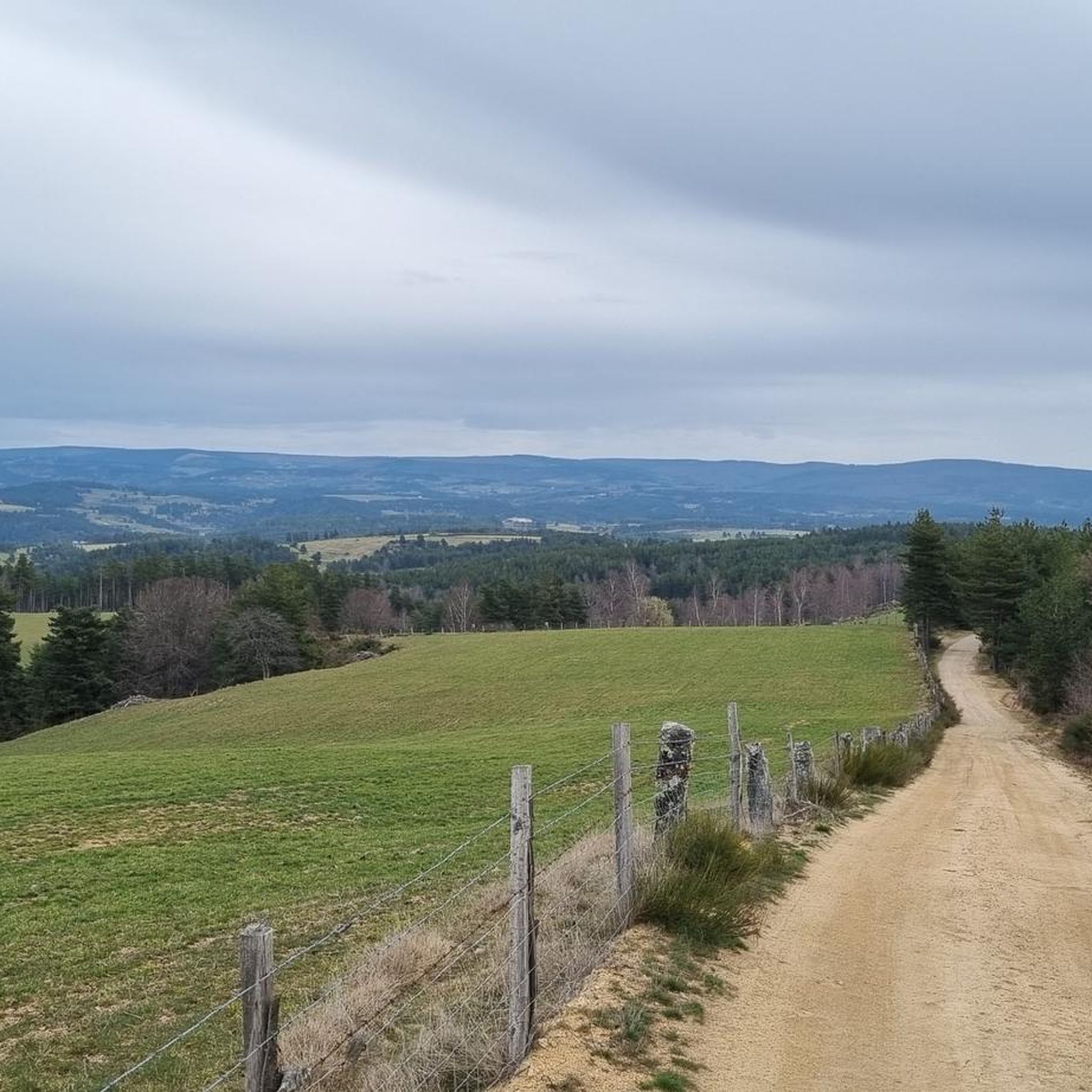
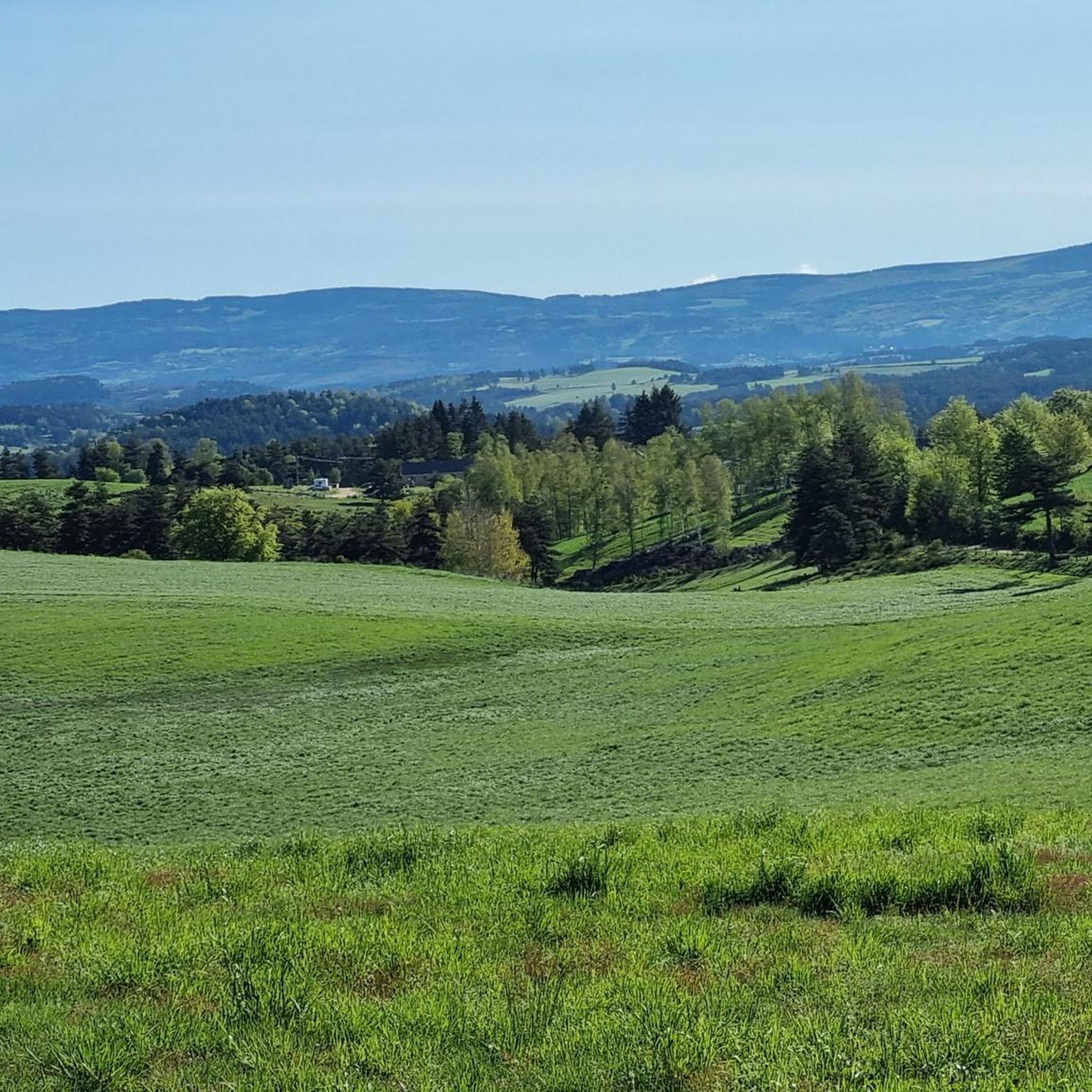
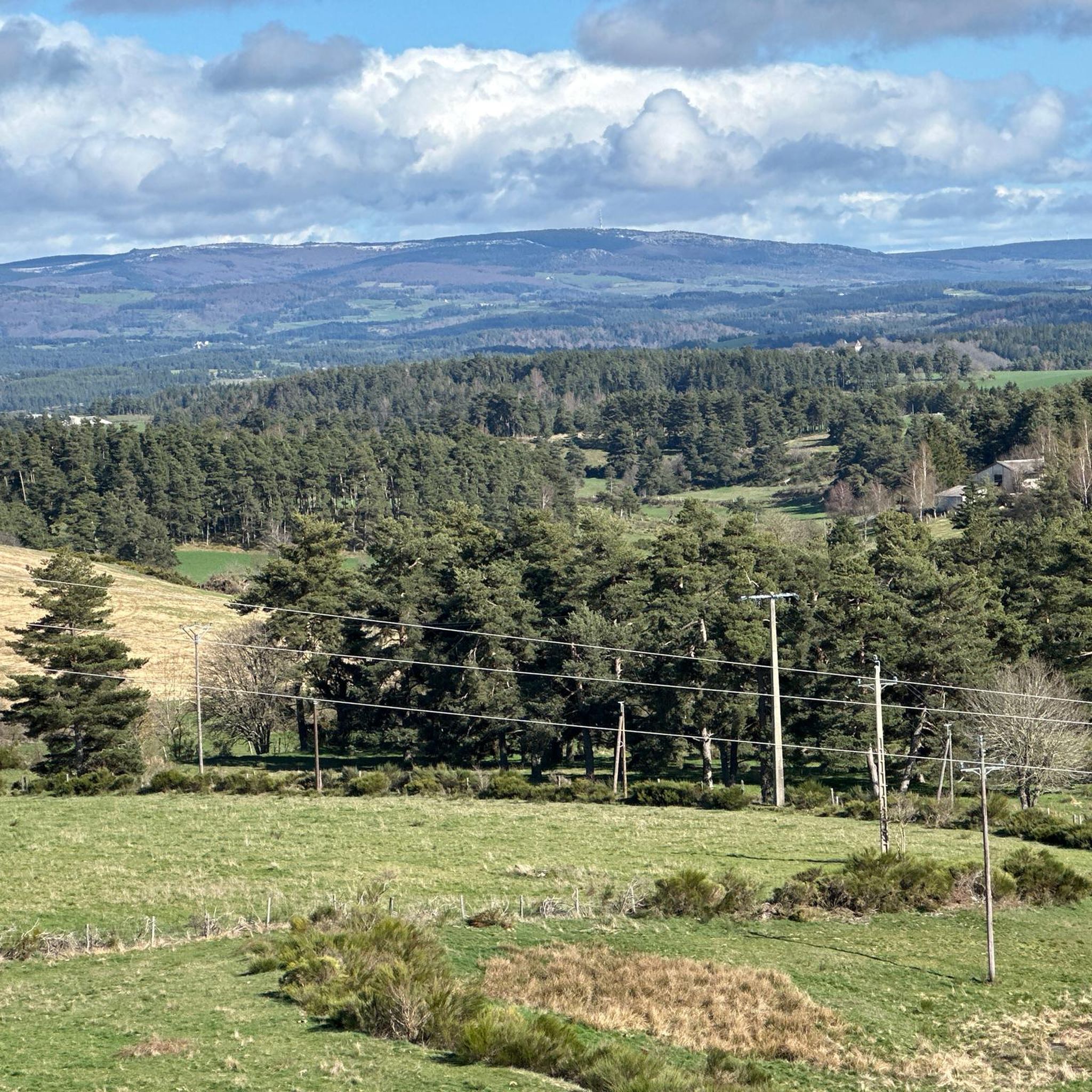
- The most popular attractions is Aubrac Highlands, an other natural area that features a slightly undulating basalt and granite plateau. This region offers panoramic views with horizons extending for many kilometers.
- Another must-see spot is Aubrac landscape, characterized by its focus on pasture farming. Visitors can expect to see lowland areas converted into grasslands and trees primarily in small groups on steeper terrain.
- Visitors also love Saint-Alban-sur-Limagnole, a historical site with a castle first mentioned in the 12th century. The castle currently houses the tourist office and temporary exhibitions.
- Aumont-Aubrac is known for its historical landmarks, cultural insights, and natural beauty. The area offers a variety of attractions to see and explore, from ancient churches to vast natural landscapes.
- The attractions around Aumont-Aubrac are appreciated by the komoot community, with more than 110 upvotes and 20 photos shared by visitors.
Last updated: October 9, 2026
Aubrac Highlands
Highlight • Natural
Hamlets nestle in small valleys in order to be able to withstand the hard, windless winters. The houses are built from granite blocks and covered with coarse slate. They are usually more than 200 years old, still look good and are probably built to last.
Translated by Google •
Tip by

Aubrac landscape
Highlight • Other
Translated by Google •
Tip by
Sign up now to discover places like this
Get recommendations on the best single tracks, peaks, & plenty of other exciting outdoor places.
Saint-Alban-sur-Limagnole
Highlight • Historical Site
During 1764, the castle of Saint-Alban became one of the gathering points to organize the hunts to eliminate the animal of Gévaudan.
This castle was converted into a psychiatric hospital in 1821 with the arrival of Joseph Tissot, said Brother Hilarion, whose calling was to serve the insane. The hospital is known for the quality of its care.
The castle currently houses the tourist office and temporary exhibitions. However, the interior of the castle cannot be visited.
Translated by Google •
Tip by

Saint Stephen's Church, Aumont-Aubrac
Highlight • Religious Site
Remodeled during the 19th century, the church retains a trace of each period of its construction. The apse is the oldest part while the nave seems to predate the 14th century. It has a square bell tower ending in a spire, raised in 1809 with stones from the cemetery.
Its pointed arched south portal is one of the most remarkable in the region. Its granite rubble facade is typical of local architecture.
If the architecture remains sober and typical of the Romanesque style, the decoration lets its contemporaneity shine through.
The magnificent stained glass windows dated 1967 are the work of a contemporary artist named Ménard.
In its nave, at the entrance to the south chapel, is a superb painting representing the Virgin carrying the Child and the young John the Baptist.
Translated by Google •
Tip by

wayside cross
Highlight • Other
(Text source: Dean Rainald M. Ollig
in: “Crossroads. Small sacred monuments as a sign of popular piety ")
Translated by Google •
Tip by

Sign up for free to discover even more attractions around Aumont-Aubrac.
Already have an account?
Start today with a free account
Your next adventure awaits.

Other adventures around Aumont-Aubrac

Tips from the Community

We passed and enjoyed this during our Camino trip in 2025: https://youtu.be/xZkbnoCtUzE
0
0
We passed and enjoyed this during our Camino trip in 2025: https://youtu.be/xZkbnoCtUzE
0
0
We passed and enjoyed this during our Camino trip in 2025: https://youtu.be/xZkbnoCtUzE
1
0
We passed and enjoyed this during our Camino trip in 2025: https://youtu.be/xZkbnoCtUzE
1
0

The existence of this fortified castle is mentioned as early as the 12th century. It is believed to have been built on an even older fortress. In 1764, the Château de Saint-Alban was requisitioned as headquarters to organize raids aimed at eliminating the Beast of Gévaudan.
1
0

The feeling that dominates the most here is space, nature.
3
0

The village of Aumont-Aubrac is home to the Saint-Etienne church with a mix of Romanesque and Baroque styles. Mentioned as early as 1106, it is today an essential stopover for shell hikers. Remodeled during the 19th century, the church retains a trace of each period of its construction. The apse is the oldest part while the nave seems to predate the 14th century. It has a square bell tower ending in a spire, raised in 1809 with stones from the cemetery. Its pointed arched south portal is one of the most remarkable in the region. Its granite rubble facade is typical of local architecture. If the architecture remains sober and typical of the Romanesque style, the decoration lets its contemporaneity shine through. The magnificent stained glass windows dated 1967 are the work of a contemporary artist named Ménard. In its nave, at the entrance to the south chapel, is a superb painting representing the Virgin carrying the Child and the young John the Baptist.
2
0

If you have previously - coming from the German Eifel - made a pilgrimage via Metz, Cluny and Dijon to Le Puy en Velay and now continue here via the southern foothills of the Central Massif, a completely different landscape is revealed once again.
9
0
Frequently Asked Questions
What natural features and viewpoints can I explore around Aumont-Aubrac?
The region offers stunning natural beauty, including the vast Aubrac Highlands, a basalt and granite plateau with panoramic views extending for many kilometers. You can also experience the unique Aubrac landscape, characterized by pasture farming and scattered trees. Further afield, the Aubrac Regional Natural Park provides grandiose natural sites, including rivers, streams, and waterfalls like the Cascade de Plagnes, and breathtaking views from the Roc de Peyre.
What historical and cultural sites are there to visit in Aumont-Aubrac?
Aumont-Aubrac is rich in history. You can visit the 11th-century Church of Saint-Etienne, which features an arched stone roof and a large carved shell of Saint Jacques, symbolizing the Camino de Santiago. Explore the small medieval center with its 16th-century houses, and see the unique "Beast of Gévaudan" sculpture in front of the town hall. Don't miss the Christ-Roi Statue dominating the village from the "Truc del Fabre".
Are there any family-friendly attractions or activities near Aumont-Aubrac?
Yes, families can enjoy the public garden in Aumont-Aubrac, which features a children's play area and a giant sequoia tree. For animal lovers, the Réserve de bisons d'Europe de Sainte-Eulalie and the Parc à loups du Gévaudan (Wolves) offer unique wildlife experiences. The historical site of Saint-Alban-sur-Limagnole, with its castle, also offers temporary exhibitions that can be interesting for older children.
What outdoor activities can I do around Aumont-Aubrac?
The Aubrac region is ideal for outdoor enthusiasts. You can find numerous routes for cycling, running, and gravel biking. For cycling, explore options like the 'Aumont-Aubrac – Aubrac Plateau loop' or the 'Aumont-Aubrac – Lac de Ganivet loop'. Runners can enjoy routes such as the 'Running loop from Aumont-Aubrac'. Gravel biking enthusiasts have trails like the 'Aumont-Aubrac – Truc de l'Homme loop'. You can find more details and routes in the dedicated guides for Cycling around Aumont-Aubrac, Running Trails around Aumont-Aubrac, and Gravel biking around Aumont-Aubrac.
What is the best time to visit Aumont-Aubrac for outdoor activities?
The Aubrac plateau is known for its vast open landscapes, which are particularly beautiful during spring and summer for hiking and cycling. The weather is generally milder, making it pleasant for exploring the natural sites. While specific weather data isn't provided, the region's character suggests these seasons are optimal for enjoying the outdoors.
Are there any archaeological sites or ancient ruins to explore?
Yes, you can visit the Javols Archaeological Site and Museum. This site allows you to discover the fascinating history of "Anderitum," which was the ancient Gallo-Roman capital of Gévaudan. It offers insights into the region's past through its archaeological remains and museum exhibits.
What is the significance of Aumont-Aubrac to the Camino de Santiago?
Aumont-Aubrac serves as an important "Village Etape" on the historic Camino de Santiago pilgrim route. This connection is visible in landmarks like the large carved shell of Saint Jacques above the doorway of the Church of Saint-Etienne, and the St Chely d'Aubrac pont des pèlerins, a heritage site on the French pilgrim routes.
Can I find any unique local legends or stories in Aumont-Aubrac?
Absolutely. Aumont-Aubrac is closely associated with the legendary "Beast of Gévaudan," a creature that terrorized the region in the 18th century. You can see a curious sculpture representing this beast, a mix of a wolf and a dragon, in front of the town hall. This legend is a significant part of the local folklore.
What kind of architecture can I expect to see in Aumont-Aubrac?
The architecture in Aumont-Aubrac reflects its rich history. You'll find 16th-century houses, some with interesting historical carvings, in the medieval center. The Church of Saint-Etienne showcases Romanesque elements, and the Maison de Prieuré, housing the tourist office, is an attractive old priory building from 1684 with a vaulted cellar. The houses in the surrounding Aubrac Highlands are often built from granite blocks and covered with coarse slate, designed to withstand harsh winters.
Are there any notable castles or châteaux nearby?
Yes, the castle of Saint-Alban-sur-Limagnole, first mentioned in the 12th century, is a significant historical site. It currently houses the tourist office and temporary exhibitions. Further afield, the Château de la Baume in Prinsuéjols, known as the "Little Versailles of Gévaudan," is a classified historic monument that can be visited seasonally.
What is the biodiversity like in the Aubrac region?
The Aubrac Regional Natural Park, accessible from Aumont-Aubrac, boasts a diverse flora with over 1000 species, including the famous "Aubrac tea." The fauna is equally rich, featuring deer, roe deer, chamois, and various bird species, making it a great area for nature observation.
What do visitors particularly enjoy about the Aubrac landscape?
Visitors frequently appreciate the vast, open, and slightly undulating basalt and granite plateau of the Aubrac. The landscape, characterized by pasture farming, offers expansive panoramic views with horizons extending for many kilometers. The blend of pastures, forest strips, and the traditional architecture of hamlets built from granite blocks creates a unique and memorable experience.
Most popular routes around Aumont-Aubrac

Get inspired with the komoot mobile app


Explore more
Still not found the Highlight you’re looking for? See guides of the top attractions in other regions:
