Attractions and Places To See around Lexy - Top 20
Attractions and places to see around Lexy offer a blend of historical sites, cultural experiences, and natural landscapes. This region, situated near the French-Luxembourg border, is characterized by its rich industrial heritage and ancient settlements. Visitors can explore a variety of sites, from Roman-era ruins to medieval castles and industrial museums. Lexy provides opportunities to discover its past and enjoy its diverse points of interest.
Best attractions and places to see around Lexy
- The most popular attractions is Fond-de-Gras Railway…
Last updated: May 9, 2026
Ruins of the Titelberg Oppidum
Highlight • Historical Site
Tip by

Cons-la-Grandville Castle
Highlight • Castle
Translated by Google •
Tip by

Sign up now to discover places like this
Get recommendations on the best single tracks, peaks, & plenty of other exciting outdoor places.
Sign up for free
Old Locomotive Shed of the Grôven Mine
Highlight • Historical Site
Translated by Google •
Tip by

Cross of the French
Highlight • Religious Site
Translated by Google •
Tip by

Fond-de-Gras Railway Museum
Highlight • Monument
Translated by Google •
Tip by

Sign up for free to discover even more attractions around Lexy.
Sign up for free
Already have an account?
Start today with a free account
Your next adventure awaits.
Login or Signup
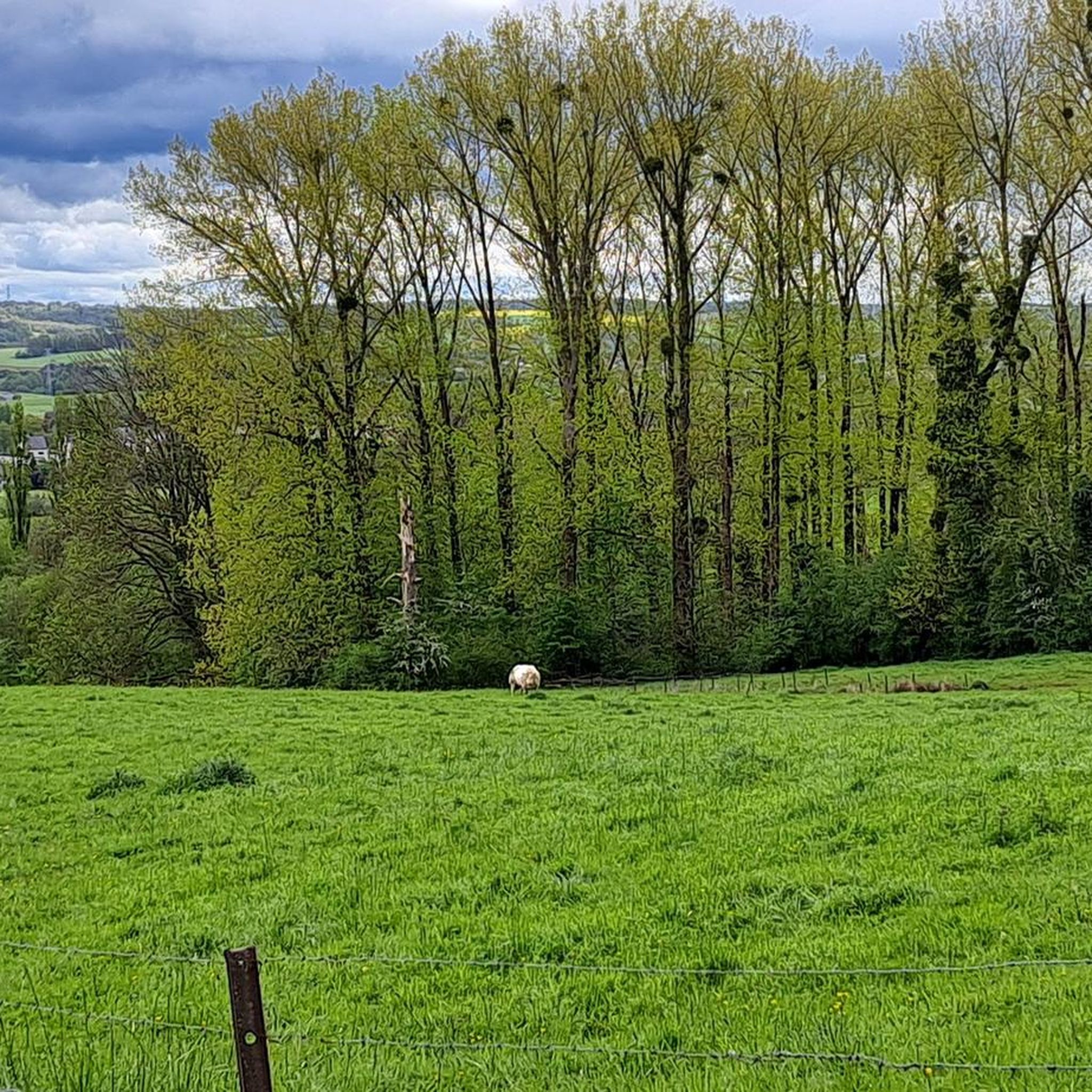
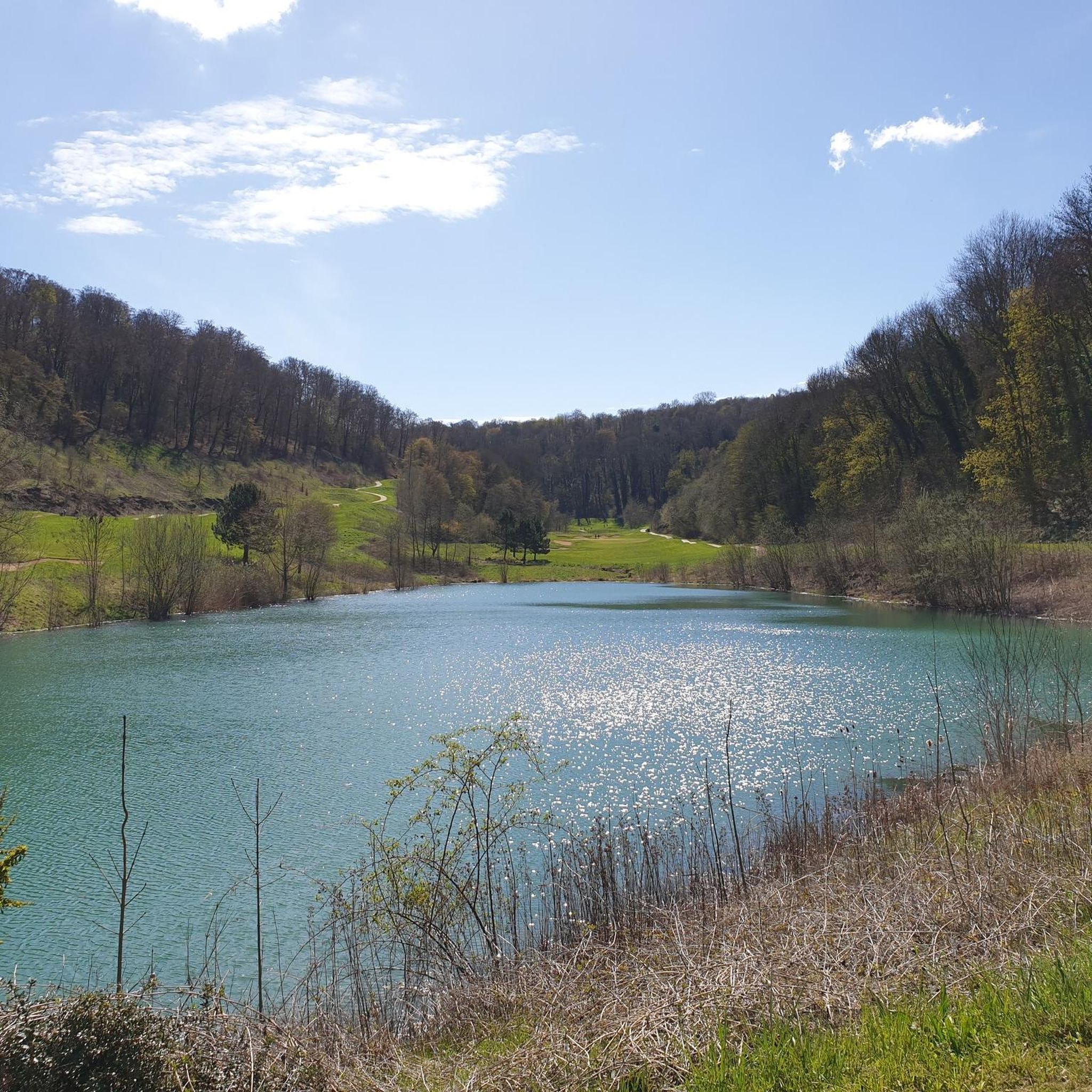
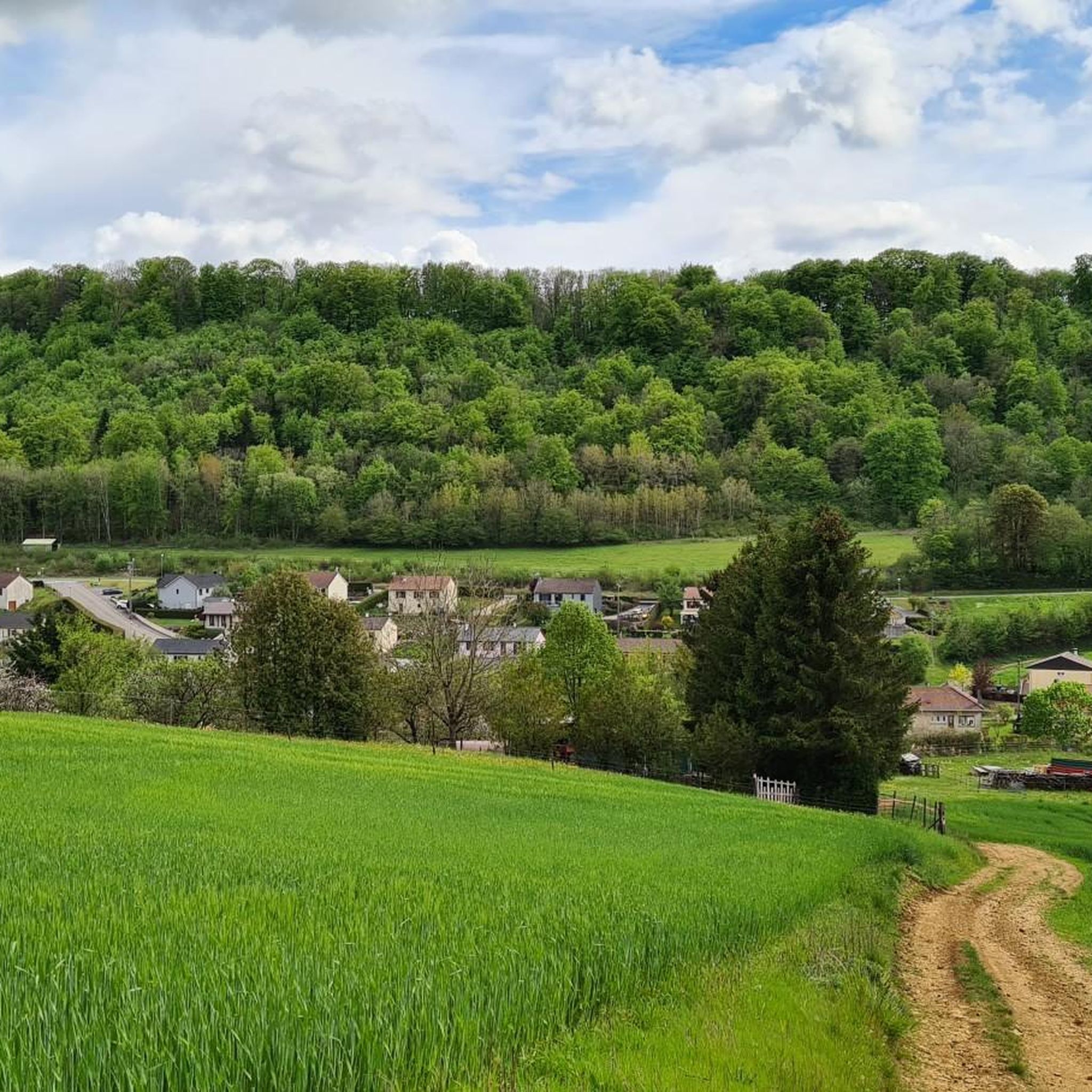
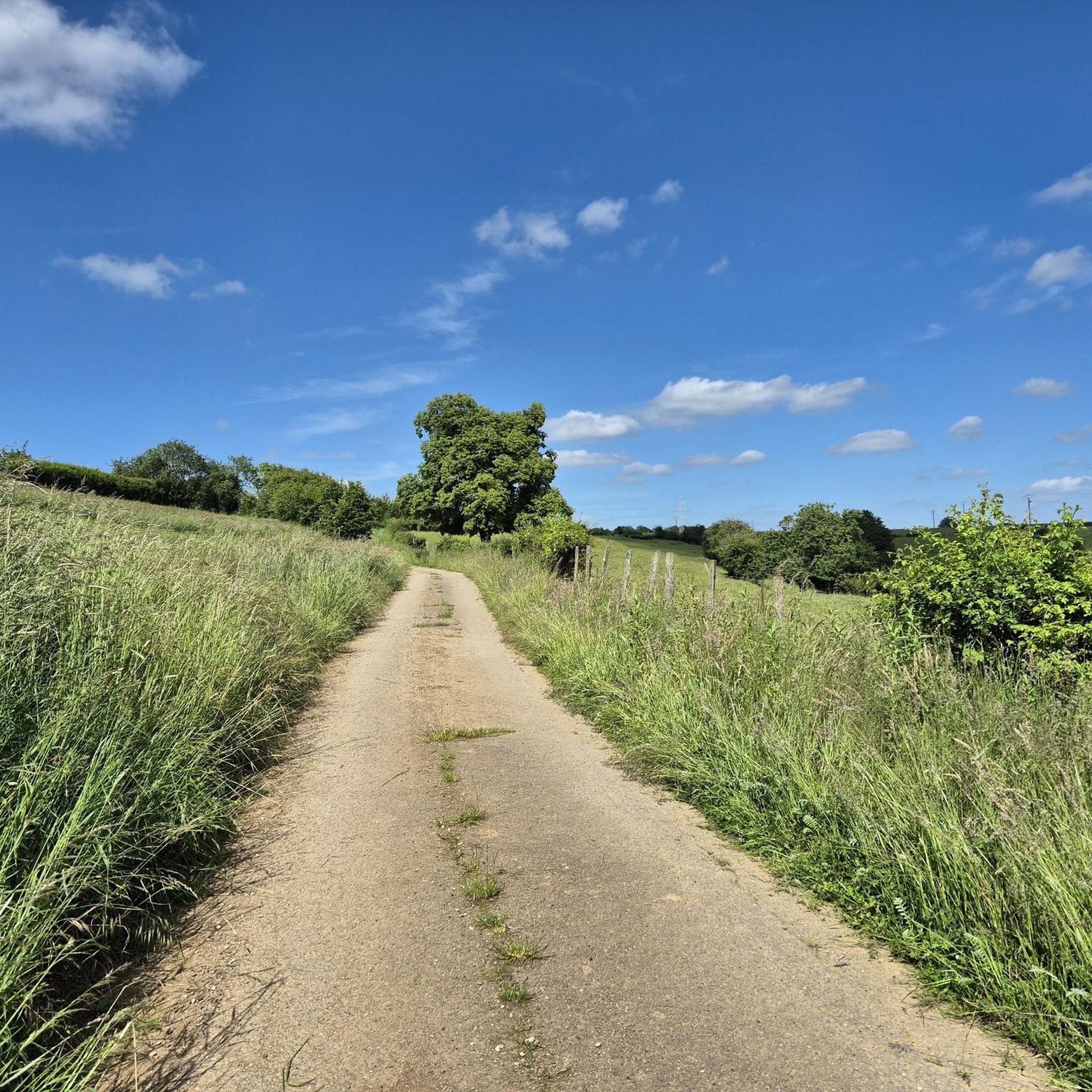
Tips from the Community

🏰 **Château de Cons-la-Grandville – A Journey Through the Centuries** The imposing castle of **Cons-la-Grandville**, near the border with Luxembourg, combines Romanesque origins with Renaissance and Baroque architecture. Built on the foundations of a Gallo-Roman villa, it was expanded and remodeled several times from the 11th century onwards. Particularly worth seeing: the Romanesque cloister, the elegant façade, and the magnificent courtyard. 🕰️ The château was the residence of the noble de Cons family, later also a monastery, and has been lovingly restored. Today it is a listed monument and open to visitors. **Tip:** Be sure to visit the cloister – one of the oldest preserved of its kind in Lorraine. Ideal as a stopover on the way between France and Luxembourg.
0
0

A highlight for railway lovers! But also a cool experience for the whole family. The tickets are day tickets and you can travel on the trains all day 🚂.
1
1

Charming little historic town with an excellent restaurant Le Gras Q
1
0

The castle of Cons-la-Grandville is a castle which dates from the 11th century and which has been transformed and restored over the centuries. You can admire the architecture and sculptures of the castle, which combine Romanesque, Renaissance and classical styles. You can also explore the park and village of Cons-la-Grandville, surrounded by hills and woods.
3
0

Before mining, there was a very active quarry on this site in the 19th century, from which comes the name Grôven. Initially the Grôven Mine was made up of two concessions: a concession of 5 ha that the State had allocated to the Société de Chemins de Fer et Minières Prince Henri and a second of 10 ha, established for the benefit of the Société des Mines du Luxembourg and the Forges de Sarrebrück, the SBS. From 1898, the SBS took over the operation of these two concessions. The inscription SBS is still engraved on the keystone at the entrance to the mine. In 1911, the Société Anonyme des Hauts Fourneaux et Forges de Dudelange, the Société de Forges d'Eich and the Société Anonyme des Mines du Luxembourg et des Forges de Sarrebrück, the SBS, merged. This is how ARBED, the Aciéries Réunies de Burbach-Eich-Dudelange, was born, which then continued to operate the Grôven mine. As the photo shows, next to the two galleries of the Grôven mine, the site was also made up of offices, a forge, a benzol depot, a mine timber depot and a scale serving to weigh the carts. Today only the old locomotive shed remains. Iron ore was extracted from the Grôven mine until 1957, when the definitive cessation of exploitation was decided due to the imminent exhaustion of reserves.
1
0

Very nice place to discover
2
0

Fond-de-Gras is a former transhipment point where iron ore was transferred from the mines to freight traffic. Today there is an open-air museum here, in which visitors are brought closer to the history of ore mining. Various guided tours and a trip on the “Minièresbunn” mine train or the “Train 1900” steam train are possible here.
3
1

“Each of these crosses can tell its own story and what motivated people to build “their” cross on this spot. (...) These crosses were erected as visible signs and attract the attention of many people. The cross is a symbol of life. It stands as a sign of our Christian hope and wants to direct our gaze to Jesus Christ, who conquered death (…). The cross is part of our lives, just as it was part of the life of Jesus. So I hope that many people ... visit the crosses, whether as places of silence and taking a breath before God, whether as places of community gathering, prayer and praise of God. (Text source: Dean Rainald M. Ollig in: “Crosses... Small sacred monuments as signs of popular piety”)
3
1
Frequently Asked Questions
What historical sites can I explore around Lexy?
Lexy and its surroundings are rich in history. You can visit the ancient Ruins of the Titelberg Oppidum, an important Celtic settlement with evidence of metalworking and coin-minting. Another significant historical landmark is the Cons-la-Grandville Castle, an 11th-century fortress showcasing Romanesque, Renaissance, and classical architectural styles, including a notable Romanesque cloister. Don't miss the Old Locomotive Shed of the Grôven Mine, a remnant of the region's industrial past.
Are there any family-friendly attractions near Lexy?
Absolutely! The Fond-de-Gras Railway Museum is a fantastic option for families, offering an open-air museum experience detailing the history of ore mining, complete with steam train rides. The Cons-la-Grandville Castle is also considered family-friendly, allowing visitors to explore its historic grounds and architecture. Additionally, the Cross of the French provides a peaceful historical spot suitable for all ages.
What kind of outdoor activities can I do near Lexy's attractions?
The area around Lexy offers diverse outdoor activities. For cycling enthusiasts, there are routes like the 'Rédange tunnel – Cons-la-Grandville Castle loop' or the 'Saint-Denis Church – Gorcy–Signeulx Greenway loop'. Mountain biking is also popular, with trails such as the 'Wind turbine loop' and the 'Cussignère marsh – La Cussignière Marsh loop'. You can find more details and routes for cycling, gravel biking, and MTB trails in the dedicated komoot guides.
Where can I experience the region's industrial heritage?
The industrial heritage of the Lexy region is best explored at the Fond-de-Gras Railway Museum. This former transhipment point for iron ore now functions as an open-air museum, offering insights into ore mining history and unique steam train rides. You can also see remnants like the Old Locomotive Shed of the Grôven Mine, which marks a site where iron ore was extracted until 1957.
Are there any castles or ancient ruins to visit?
Yes, the region boasts impressive historical structures. The Cons-la-Grandville Castle is a magnificent 11th-century castle that has been transformed and restored over centuries, featuring Romanesque, Renaissance, and classical styles. For ancient history, the Ruins of the Titelberg Oppidum offer a glimpse into a significant Celtic settlement that was continuously occupied for 700 years.
What do visitors enjoy most about the attractions around Lexy?
Visitors particularly appreciate the rich historical context and the unique experiences offered. The Fond-de-Gras Railway Museum is highlighted as a 'very nice place to discover' and a 'highlight for railway lovers' and families. The Cons-la-Grandville Castle is praised for its architecture and the charming historic town surrounding it. The region's attractions have garnered over 150 upvotes and 34 photos shared by the komoot community, indicating a high level of visitor satisfaction.
Can I find religious or spiritual sites in the area?
Yes, the Cross of the French is a notable religious monument in the area. These crosses are erected as visible signs of faith and are considered places of silence and reflection, inviting visitors to pause and appreciate their spiritual significance.
Are there any unique experiences like train rides available?
Indeed! At the Fond-de-Gras Railway Museum, you can enjoy unique steam train rides on the “Train 1900” or take a trip on the “Minièresbunn” mine train, offering an immersive journey into the history of ore mining. Tickets are day tickets, allowing you to travel on the trains all day.
What are some lesser-known historical gems around Lexy?
Beyond the main attractions, the Old Locomotive Shed of the Grôven Mine offers a glimpse into the region's industrial past, marking the site of a former iron ore extraction operation. While not as grand as the castle, it provides a quiet reflection on the area's working history. The Cross of the French also represents a unique cultural and historical element, with each cross telling a story of local piety and community.
What kind of terrain can I expect on outdoor routes near Lexy?
The outdoor routes around Lexy feature varied terrain. For cycling, you'll find moderate to difficult routes, such as the 'Rédange tunnel – Cons-la-Grandville Castle loop' which is considered difficult. Mountain biking trails like the 'Wind turbine loop' and 'Cussignère marsh – La Cussignière Marsh loop' are generally moderate, suggesting a mix of inclines and possibly some technical sections. Gravel biking routes can be quite challenging, with some described as difficult, like the 'Forest Singletrack Trail – Singletrack Trail on the Ridge loop'.
Is there public transport access to attractions near Lexy?
While specific public transport details for each attraction are not provided, Lexy is situated near the French-Luxembourg border, and regional transport options may connect to some larger towns or hubs. For detailed information on reaching specific attractions by public transport, it's recommended to check local transport schedules or consult the official tourism website for the region, such as visitlex.com for general guidance on the wider area.
Are there any attractions that offer a blend of history and nature?
The Ruins of the Titelberg Oppidum provide an excellent example, situated on an oval-shaped plateau that combines historical significance with natural surroundings. While exploring the ancient Celtic settlement, you can also appreciate the landscape. Similarly, the Cons-la-Grandville Castle is surrounded by hills and woods, allowing visitors to enjoy both its historical architecture and the natural beauty of the park and village.
Most popular attractions around Lexy

Get inspired with the komoot mobile app


Explore more
Still not found the Highlight you’re looking for? See guides of the top attractions in other regions:
