The best walks and hikes around Saint-Trojan-Les-Bains
4.5
(242)
1,340
hikers
46
hikes
Hiking around Saint-Trojan-Les-Bains offers diverse natural landscapes at the southern tip of the Île d'Oléron. The region is characterized by extensive state forests, tranquil marshes, natural dunes, and long sandy beaches. These varied environments provide a range of scenic routes for outdoor enthusiasts.
Best hiking trails around Saint-Trojan-Les-Bains
- The most popular hiking route is Saint-Trojan-les-Bains – loop, a 10.4 miles (16.8 km) trail that takes 4 hours 16 minutes to complete. This moderate route explores the varied terrain around…
Last updated: September 28, 2026
5.0
(2)
6
hikers
16.8km
04:17
50m
50m
Moderate hike. Good fitness required. Easily-accessible paths. Suitable for all skill levels.
4.7
(15)
80
hikers
Moderate hike. Good fitness required. Easily-accessible paths. Suitable for all skill levels.

5.0
(2)
55
hikers
Easy hike. Great for any fitness level. Easily-accessible paths. Suitable for all skill levels.
4.6
(14)
77
hikers
Moderate hike. Good fitness required. Easily-accessible paths. Suitable for all skill levels.
5.0
(1)
7
hikers
Moderate hike. Good fitness required. Easily-accessible paths. Suitable for all skill levels.
Get access to more routes and recommendations from other explorers.
Already have an account?
Our route recommendations are based on thousands of hikes, rides, and runs completed by other people on komoot.
Start today with a free account
Your next adventure awaits.
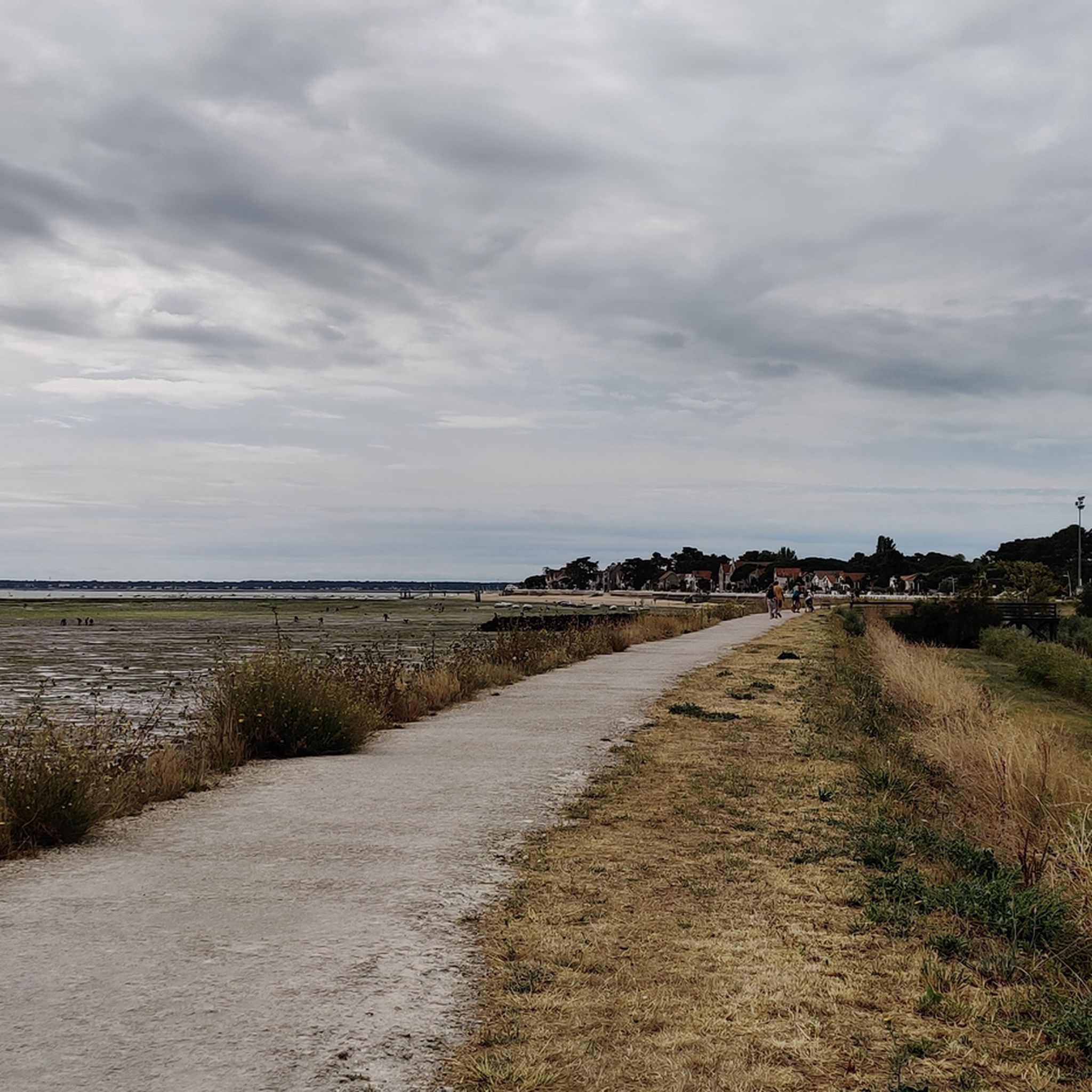
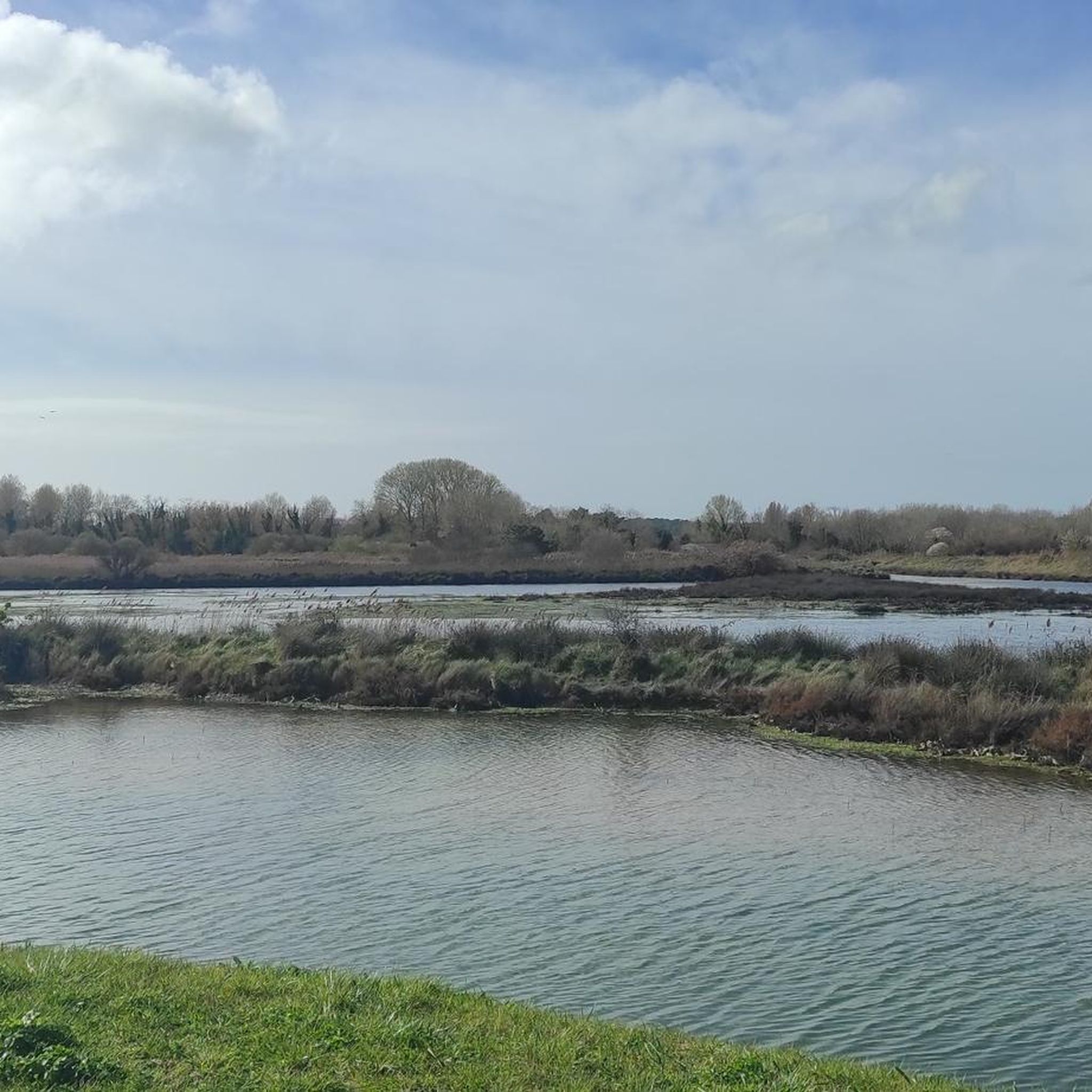
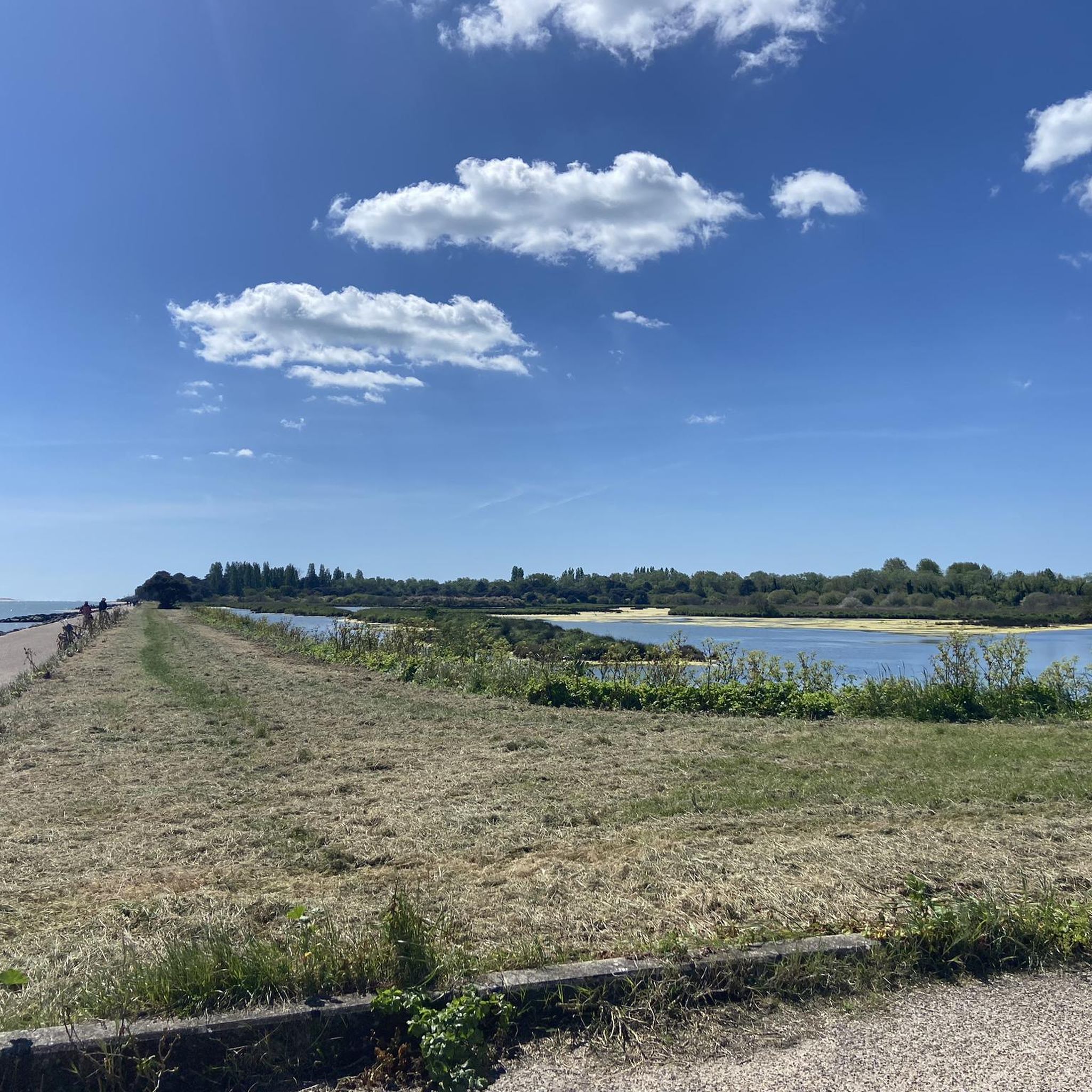

Tips from the Community

Nature and well-being characterize this village, classified as a seaside resort since 1898. Its small, typical houses in the town center, with their winding streets and narrow passages, take us back to the hard life of fishermen; its waterfront, which recalls its old-world charm; its Belle Epoque villas still bear witness to the beginnings of vacation resorts and the first sea bathing. But Saint-Trojan-les-Bains is also a setting where flora and fauna are abundant. On foot, by bike, or by little train, you can explore its national forest. Its location at the southern tip of the island of Oléron, between the Atlantic Ocean and the Coureau d'Oléron, is protected from storms by a magnificent 2,000-hectare forest that can be explored on foot, by bike, or by miniature train. It also offers visitors a wide variety of beaches: La Petite Plage: Sheltered on the coast along the Coureau, lined with Belle Epoque villas, this beach is frequented by regulars who come together for the charm and tranquility of its sheltered setting. Nearby, the Coureau d'Oléron Water Sports Center (CNCO) offers numerous water activities for all ages. A ferry also provides a crossing between Saint-Trojan and La Tremblade. La Plage du Soleil: Located along the Manson promenade, facing Ronce-les-Bains, facing southeast, La Plage du Soleil truly lives up to its name. Its ideal location makes it ideal for children and parents alike. Gatseau Beach: A large, south-facing beach sheltered from the wind and waves, it is very popular with families. Lifeguards are on duty during the summer and it is accessible to people with disabilities. It is served by the "P'tit Train de Saint-Trojan," which ventures into a wild and charming setting. La Grande Plage: On the west coast, facing the Atlantic Ocean, stretching 3 km, beyond the forest and dunes, it is the most famous and popular beach in Oléron. Accessed via a footpath, which can be reached either by the forest road or the cycle path located at the entrance to the village. Lifeguards are on duty during the summer and, due to its size and wild nature, it is popular with surfers and bodyboarders. Many activities are practiced there: surfing, kitesurfing, sand yachting. Saint-Trojan-les-Bains is one of the seaside resorts of character, thanks in part to its oyster port, lined with numerous colorful wooden huts, which offer a real feast for the eyes with every stroll. Today, some of these huts remain a workplace for active oyster farmers. The produce is sold either by shipment or at local markets. Other huts have been restored to accommodate the village's artists, who inspired the painters. They were granted to the municipality by former oyster farmers and underwent a major renovation in 1997. Painters, artists of all stripes, and galleries have thus taken their place in these authentic heritage sites. So if you appreciate painting, art, and the diversity of expression... Saint-Trojan-les-Bains and its artists are ready to welcome you. And don't forget the annual mimosa festival, which perfumes the entire island in early February.
0
0
Born in the late 19th century, seaside architecture developed especially after 1936 with the introduction of paid holidays. This seaside architecture can be seen in Saint-Georges d'Oléron and Saint-Trojan-les-Bains, pioneering towns for tourism in the Oléron region. It is particularly evident in Saint-Trojan-les-Bains, in the neighborhood surrounding Boulevard de la Plage. Whether English-inspired cottages or Basque-inspired chalets, the seaside neighborhood was established along the seafront, completely independent of the original village. The seaside district allows for a variety of materials, combining stone, wood, brick, and colorful earthenware with painted plant or floral motifs, on the same facade.
0
0
In addition to its beaches, what characterizes Saint-Trojan-les-Bains are its numerous seaside villas from the late 19th and early 20th centuries. The establishment of the first steamboat maritime links, the opening of the railway, and the advent of the first sea bathing at the end of the 19th century allowed Saint-Trojan to experience an unprecedented influx of tourists. The shelter provided by the forest, combined with a very favorable climate, made this village a very popular resort for summer visitors. The presence of numerous Belle Epoque villas today bears witness to this glorious period. There are various regionalist inspirations, evocative of travel: English cottage, Basque villa, neo-Gothic castle, etc. They provide indications of the popular and "upscale" seaside resort that it was at that time. Some are also listed. Note the diversity of materials used for construction: rubble, cut stone, bricks, wood, mechanical tiles, slate, etc.
0
0
This 2.3-kilometer course offers the comfort of a soft track thanks to its natural carpet of sand and pine needles, ideal for jogging. The more athletic can enjoy the eight platforms equipped with apparatus (stretching, muscle strengthening, balance, slalom, bounding stride, and obstacle course).
0
0
In Saint-Trojan, in Charente-Maritime, the parish church is dedicated to Saint-Trojan, the fifth bishop of Saintes, and was built around 1140–1150 by the Chapter of Saint-Eutrope of Saintes, although an earlier building, made of rubble, probably existed in the 11th century. This first church (built in the medieval period and covered, like the old village, by sand blown by westerly winds) had a nave and an apse that has now disappeared, as evidenced by the sculpted modillions reused in the current choir and a Romanesque western portal dating from the 1080s. Stones from the old church were used in the reconstruction of the new place of worship, with the exception of the bell tower. In the 12th century, a new semicircular choir with a half-dome vault was built to the east, and the nave was raised with dressed stone. A square bell tower, built to the southwest of the antechoir, was also erected, destroying the southern arcades of the nave in the process. During the Wars of Religion, the church was fortified: the windows were walled up, pierced with arrow slits, and made defensive. The church today consists of a wide timber-framed nave, covered with a plaster ceiling, followed by a narrower bay forming the antechoir and a semicircular chancel. Access to the antechoir is through an unusual saddleback arch. The square transept is marked by a mitered arch, resting on ornate pilasters, with angular fluting and sawtooth patterns to the south, and only sawtooth patterns to the north. The north wall retains two semicircular arcades, surmounted by archaic capitals carved with foliage, birds, figures, and an owl. The bell tower, set back from the south wall, rises in three slightly descending levels, topped by a fourth level pierced by semicircular bays on round columns, forming twin windows inside. In 1824, a campanile equipped with a bell was installed. The western facade, partially rebuilt, retains a 12th-century portal with two arches. Despite modern alterations, particularly in the 19th century, the Saint-Trojan church retains a homogeneous Romanesque ensemble, remarkable for its sculpted decoration and the architectural quality of its bell tower. Inside the church, a sober atmosphere prevails. A beautiful wood-paneled vaulted ceiling and beautiful, relatively undecorated exposed gray stone walls lead to the choir after passing a row of wooden pews. The latter, in a relatively modern and refined style, is entered by a step and features a beautiful white stone altar (which replaced the wooden altars adorned with columns and pediments in 1962) and a pulpit on the right. Behind the altar, a magnificent Christ on the cross is centered on the back wall, surrounded only by two wooden doors surrounded by a cut stone surround, and probably leading to the sacristy. Must-sees include the baptistery and its statue of the Virgin Mary, and the stained-glass windows, including the one depicting the "Miraculous Catch of Fish" created in 1885. The church also contains paintings by Omer Charlet, notably that of "Our Lady of the Sea," as well as an ex-voto from the captain of the three-masted André Félix, which sank in 1847, and a model of the Victory, commanded by Admiral Nelson. This heritage site has been classified as a historic monument.
0
0
It is a tree of the Cupressaceae family. Height: 15 m Circumference (at 1.30 m): 6.2 m St. Trojan - Boulevard F. Faure More than 650 remarkable trees, comprising over 80 different species, were recorded during an inventory conducted between 1995 and 1998 by Nature Environnement 17. A book was published illustrating this work: "Remarkable Trees of Charente-Maritime" by Nature Environnement 17 (October 1999 - Imprimerie Delavaud in Saintes, 17100).
0
0


The small harbor offers several excellent restaurants, and a little further away, there are also oyster farms. A recommended stop while hiking (or anytime).
1
0
Frequently Asked Questions
How many hiking trails are available in Saint-Trojan-Les-Bains?
There are over 40 hiking trails in Saint-Trojan-Les-Bains, offering a wide range of options for exploring the diverse landscapes of the southern Île d'Oléron. These routes traverse extensive state forests, tranquil marshes, natural dunes, and long sandy beaches.
What types of landscapes can I expect to see on a hike in Saint-Trojan-Les-Bains?
Hiking in Saint-Trojan-Les-Bains offers a rich variety of landscapes. You can explore the vast State Forest (Forêt Domaniale de Saint-Trojan-les-Bains), which is a Natura 2000 site, as well as tranquil marshes, natural dunes, and beautiful sandy beaches like La Grande Plage and Plage de Gatseau. Many routes combine these different environments for a comprehensive experience.
Are there any easy hiking routes suitable for beginners or families?
Yes, Saint-Trojan-Les-Bains offers over 20 easy hiking routes. An excellent option for a relaxed walk is the Pertuis de Maumusson Beach loop from Plage de Gatseau, which is an easy 3.9 km trail that takes about an hour to complete, perfect for enjoying the coastal scenery.
What do other hikers enjoy most about the trails in Saint-Trojan-Les-Bains?
The trails in Saint-Trojan-Les-Bains are highly rated by the komoot community, with an average score of 4.6 stars from nearly 200 reviews. Hikers often praise the diverse natural environments, from the peaceful forest paths to the scenic coastal views and marshland serenity. The well-preserved nature and variety of routes are frequently highlighted.
Are there any circular walking routes in the area?
Yes, many of the hiking trails in Saint-Trojan-Les-Bains are circular, allowing you to start and end at the same point. For example, the popular Saint-Trojan-les-Bains – loop is a moderate 16.8 km circular trail that explores the varied terrain around the town.
What are some interesting landmarks or attractions to see near the hiking trails?
Beyond the natural beauty, you can discover several interesting landmarks. Consider visiting the historic Château-d'Oléron Citadel, the unique Baudissière Huts, or the impressive Oléron Island Bridge. These attractions offer cultural and historical insights into the region.
Can I hike with my dog in Saint-Trojan-Les-Bains?
While specific regulations can vary, the extensive State Forest and many natural areas in Saint-Trojan-Les-Bains generally welcome dogs, often on a leash. It's always recommended to check local signage or specific trail rules, especially in protected Natura 2000 sites, to ensure a pleasant experience for everyone.
What is the best time of year to go hiking in Saint-Trojan-Les-Bains?
The Île d'Oléron, including Saint-Trojan-Les-Bains, is pleasant for hiking for much of the year. Spring and autumn offer mild temperatures and fewer crowds, making them ideal for exploring the forests and coastal paths. Summer is also popular, especially for combining hikes with beach activities, though it can be warmer and busier.
Are there any challenging hikes for experienced hikers?
While most routes are easy to moderate, there is at least one challenging hike available for those seeking a more strenuous experience. The varied terrain, including some elevation changes within the forest and dune areas, can provide a good workout. Always check the difficulty grade on individual tour pages for detailed information.
Where can I find parking for hiking trails in Saint-Trojan-Les-Bains?
Parking is generally available at key access points to the hiking trails, particularly near popular beaches like Plage de Gatseau and within the vicinity of the State Forest. Many trailheads, especially for circular routes, are designed with convenient parking options. Specific parking details can often be found on individual komoot tour pages.
Are there opportunities to see wildlife or unique flora while hiking?
Yes, the diverse ecosystems of Saint-Trojan-Les-Bains, particularly the State Forest and marshlands, are rich in biodiversity. The forest is a Natura 2000 site, and you might spot various bird species in the marshes or unique flora like pink dune carnations along the coastal paths. The salt marshes also offer a chance to observe local wildlife.
Can I reach hiking trails using public transport?
The Île d'Oléron has a public transport network that connects various towns and villages, including Saint-Trojan-Les-Bains. While some bus stops might be close to trail access points, it's advisable to check local bus routes and schedules to plan your journey to specific trailheads, as direct access might not always be available for all routes.
Most popular routes around Saint-Trojan-Les-Bains
Most popular attractions around Saint-Trojan-Les-Bains

Get inspired with the komoot mobile app


Explore more
Browse the best Hikes in other regions.
