Attractions and Places To See around Saint-Georges-D'Oléron - Top 20
Best attractions and places to see around Saint-Georges-D'Oléron include a blend of historical landmarks, diverse natural landscapes, and coastal features. The largest commune on the Île d'Oléron, it offers more than 16 kilometers of beaches, extensive pine forests, and traditional salt marshes. Visitors can explore ancient churches, vibrant marinas, and various points of interest across the region.
Best attractions and places to see around Saint-Georges-D'Oléron
- The most popular attractions is Chassiron lighthouse, a man-made monument that is an iconic site of the island of Oléron. It offers panoramic views from its top.
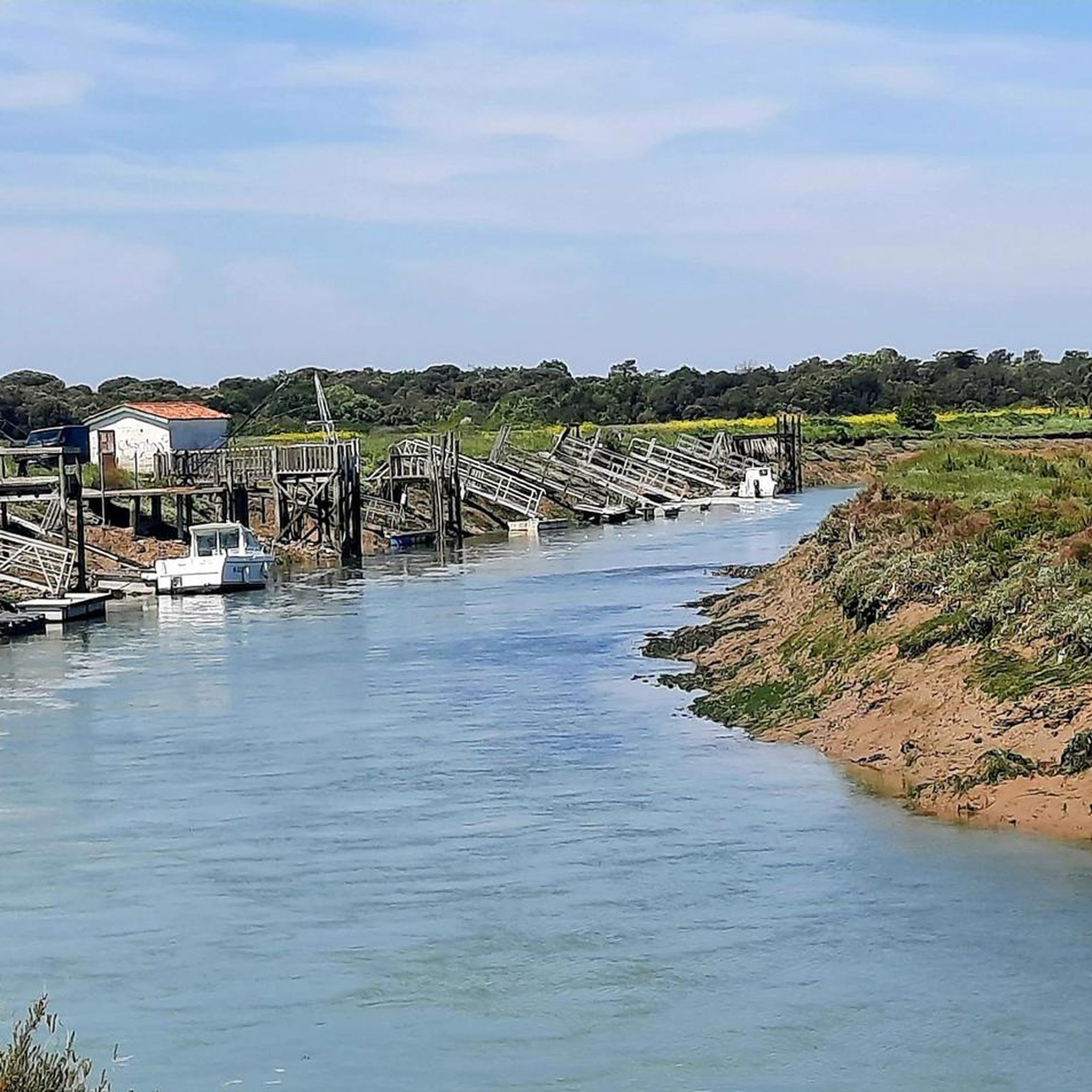
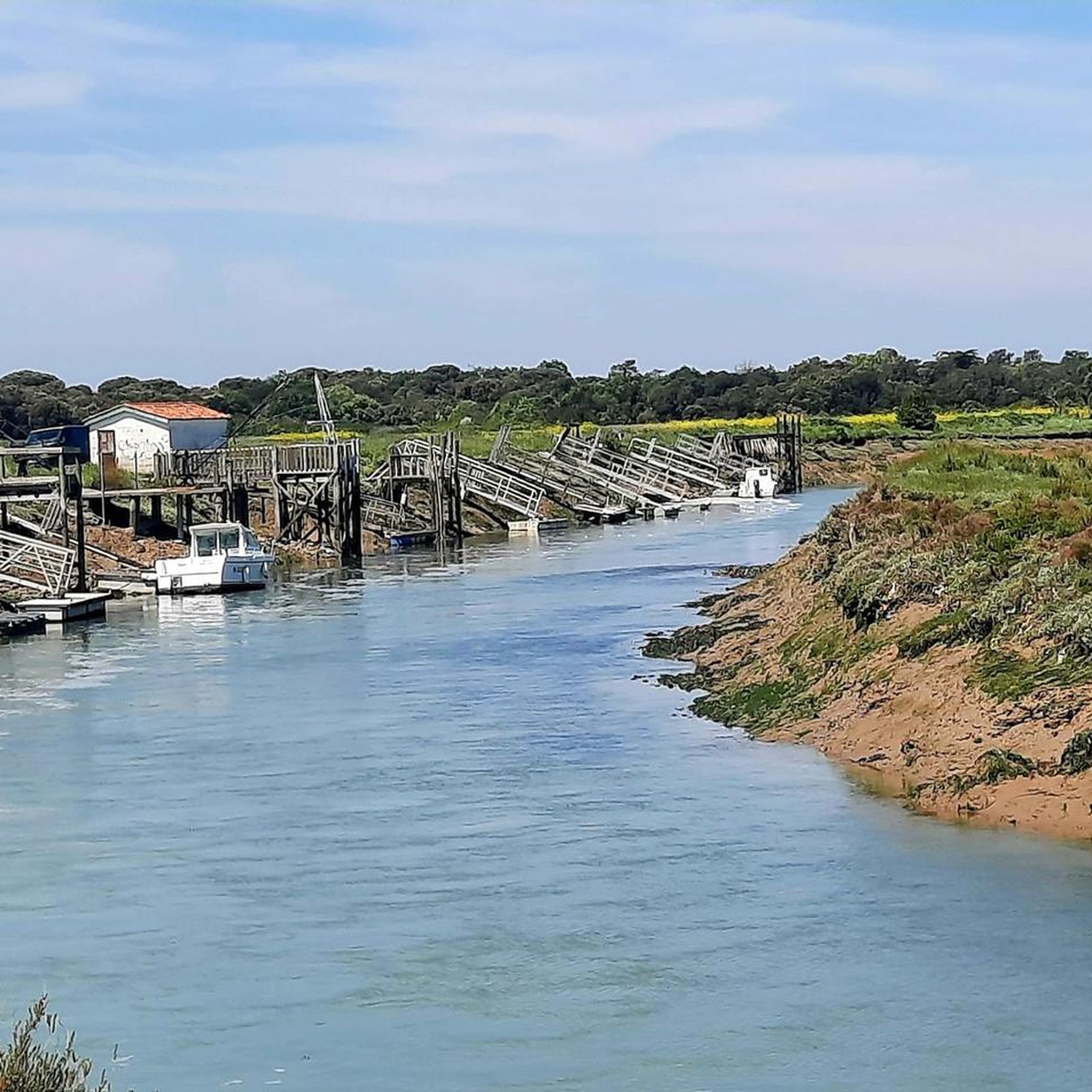
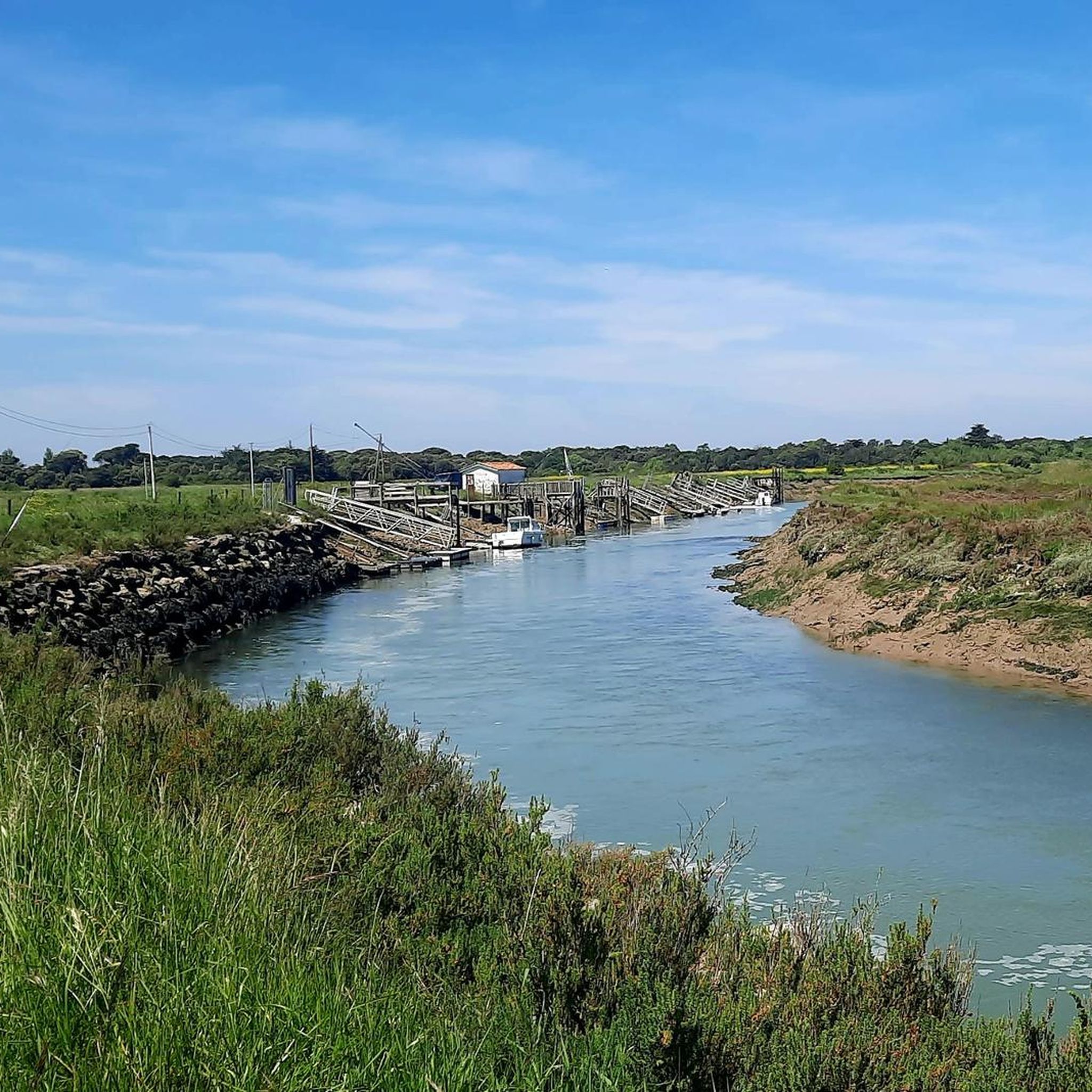
- Another must-see spot is Chenal du Douhet, a canal that is a picturesque site on the island. It is ideal for bike rides, with cycle paths running along the channel, and features a lively marina.
- Visitors also love Fish pass, a traditional fishing structure. These fixed fish traps consist of walls 500 to 700 meters long, where fish enter at high tide and become trapped at low tide.
- Saint-Georges-D'Oléron is known for its historical landmarks, diverse beaches, and vibrant marinas. The region offers a variety of attractions to see and explore, from cultural sites to natural coastal areas.
- The attractions around Saint-Georges-D'Oléron are appreciated by the komoot community, with more than 650 upvotes and 180 photos shared by visitors.
Last updated: July 20, 2026
Chassiron lighthouse
Highlight • Monument
Translated by Google •
Tip by

Port of Douhet
Highlight • Other
Translated by Google •
Tip by

Sign up now to discover places like this
Get recommendations on the best single tracks, peaks, & plenty of other exciting outdoor places.
Sign up for free
Chenal du Douhet
Highlight • Other
1. **Pleisure port**: The port of Douhet is a lively place, especially in summer, with a capacity of around 350 boats. It is equipped with all the amenities necessary for boaters, including a modern harbor master's office.
2. **History**: The channel and port were developed in the 1840s to facilitate commercial salt and wine traffic. Today they are mainly used for pleasure.
3. **Activities**: The site is ideal for bike rides, with cycle paths running along the channel. You will also find restaurants and bars nearby, making it a nice place to relax after a day of sailing or walking.
Translated by Google •
Tip by

Saumonards State Forest
Highlight • Forest
Translated by Google •
Tip by

La Brée Mill
Highlight • Monument
Dating from the 17th century, the Moulin de La Brée is one of the last mills on the island of Oléron to have retained a good part of its original mechanism. Although its date of construction is not known, it is attested for the first time on Guerrier's map of 1686.
Explore this new Oléron museum to discover the cereal traditions of Oléron and the mills that punctuate the island landscape. Discover the history of this flour-producing windmill through a dedicated interactive museum.
The restored mill is intended for the production of flour. It can only be visited by prior reservation.
Translated by Google •
Tip by
Sign up for free to discover even more attractions around Saint-Georges-D'Oléron.
Sign up for free
Already have an account?
Start today with a free account
Your next adventure awaits.
Login or Signup

Tips from the Community

The port of Douhet, located in the commune of Saint-Georges-d’Oléron, is today a pleasant marina, but its history is intimately linked to the salt and wine trade. Origins Until the 19th century, the region's products (notably salt from the salt marshes and wine from Oléron) were difficult to transport by sea. To remedy this, a vast project was launched in the 1840s: a channel over 3 km long was dug between Saint-Georges-d’Oléron and the ocean, opening onto the new port of Douhet. An active commercial port The port quickly became an export center: * barges loaded salt and wine barrels there; * boats also brought building materials and various goods intended for the island. In the 1870s, there were around 400 ship movements per year, with several thousand tons of goods imported and exported. The decline At the end of the 19th century, several factors led to its decline: * the gradual abandonment of the salt marshes; * the improvement of roads and then the arrival of the tram on the island; * the regular silting up of the channel. After the First World War, the channel silted up almost completely and commercial traffic gradually disappeared. The revival In the late 1980s, the basin was completely rehabilitated and transformed into a marina. It now accommodates around 350 to 400 boats and is one of the main marinas on the island of Oléron. Its location, in the cove of Malconche, offers a remarkable view of Fort Boyard and the Île d’Aix. The old channel, although no longer navigable to the village, continues to supply seawater to the old salt marshes and today constitutes a pleasant walking or cycling route. It is a place where the traces of Oléron's maritime past can still be read in the landscape: the quays, the bridge, the channel, and the old hydraulic structures bear witness to the era when salt was the island's main wealth.
0
0

Renovated, always in operation and possibility to visit
0
0

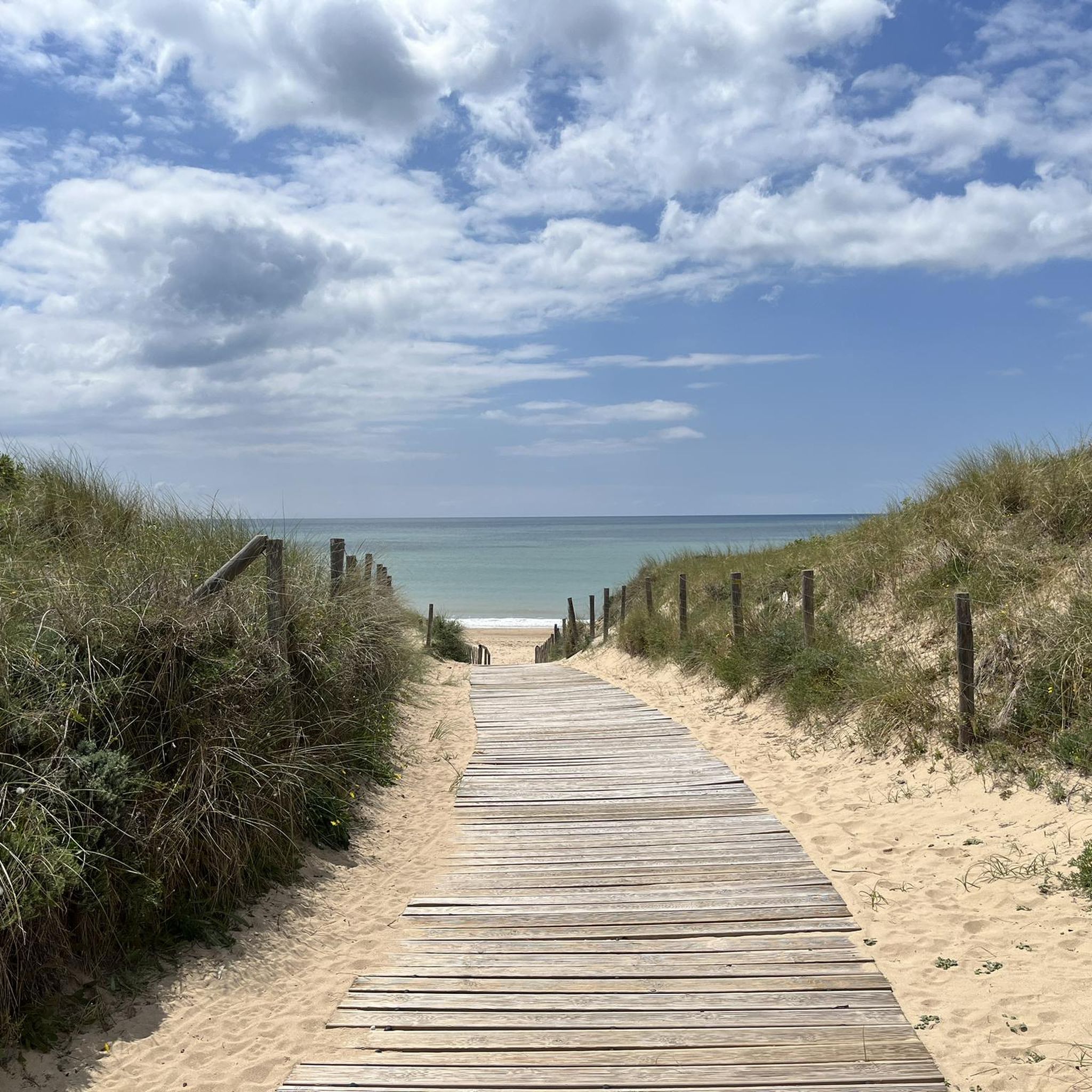
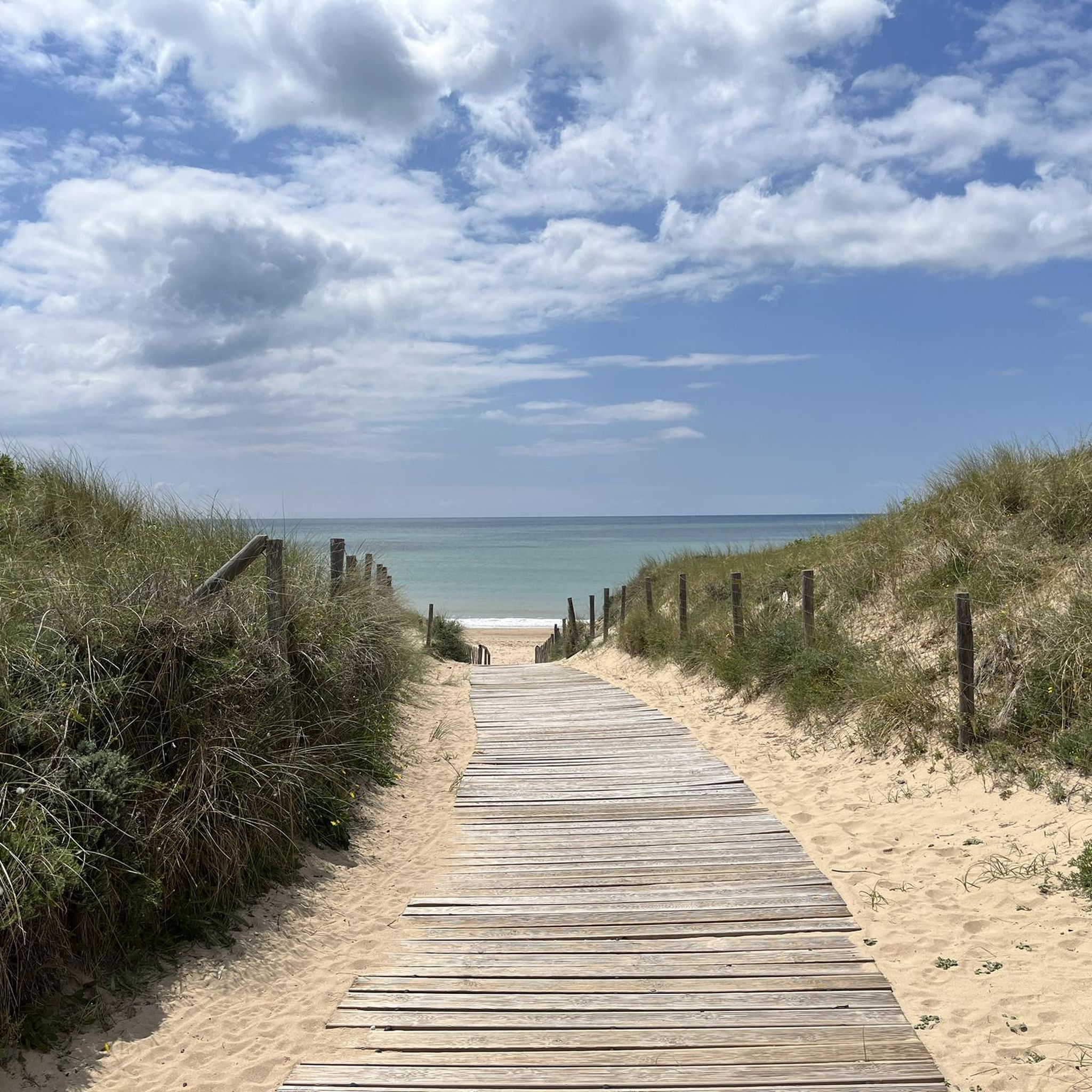
Enjoy cycling in this remarkable dune forest, covering almost 700 hectares. It's the result of a large-scale reforestation campaign in the 19th century, aimed at halting the dune advance, which was gradually encroaching on villages.
1
0

The port of Douhet is essentially the mouth of the Douhet Canal. There are several nice restaurants nearby.
1
0
After approximately 100 years of inactivity, the former "Moulin de la Faintaine" was not only repurchased and restored by the town and municipality, but was even put back into operation. Today, it also houses a museum where you can learn about the mill's workings, for example, and sample products made with the flour produced here. https://moulin-de-la-bree.fr/
2
0

After 224 steps you can enjoy a wonderful panoramic view of the island
1
0

Oléron Island has been nicknamed "the island of a hundred mills", but this one is one of the only ones that is still well preserved. The site includes the production mill and a museum. Back in operation since June 2023, the mill is intended for the production of flour.
1
0
Frequently Asked Questions
What historical and cultural sites can I explore in Saint-Georges-D'Oléron?
The region is rich in history. You can visit the 11th-century Romanesque Church of Saint-Georges-d'Oléron, the oldest edifice on the island. The Halles (Covered Market), built in 1864, offers a glimpse into local commerce. Don't miss the traditional villages like Chaucre, Domino, and Les Sables Vigniers, known for their whitewashed houses. For a unique experience, see the traditional Fish pass structures, some dating back to the Middle Ages.
Are there any unique natural features or viewpoints to discover?
Yes, Saint-Georges-D'Oléron offers diverse natural beauty. The Chassiron lighthouse provides panoramic views of the island and sea. Explore the extensive pine forests, particularly stretching from Domino to Chaucre beaches, which offer pleasant walking trails. The Plage des Saumonards is considered one of the most beautiful wild beaches, bordered by a national forest. You can also discover the historical salt marshes, some now used for oyster farming, and learn about traditional salt harvesting in Sauzelle.
What are the best beaches for swimming and water sports?
Saint-Georges-D'Oléron boasts over 16 kilometers of beaches. Boyardville Beach is popular for supervised swimming and offers stunning views of Fort Boyard, with opportunities for various water sports. Plaisance Beach also provides charming views of Fort Boyard and Île d'Aix, known for safe swimming. For surfing, Chaucre Beach on the northwestern tip is ideal, offering views of the Chassiron lighthouse.
What outdoor activities can I do near these attractions?
The area is perfect for outdoor enthusiasts. You can enjoy cycling along the Chenal du Douhet, which has dedicated cycle paths. For more extensive cycling, explore the Gravel biking routes around Saint-Georges-D'Oléron. Hiking is also popular, with trails like the 'Forêt des Saumonards – loop on L'ile d'Oléron' available. Find more options in the Hiking around Saint-Georges-D'Oléron guide. Water sports like kitesurfing, jet skiing, and sea kayaking are available at Port du Douhet and Boyardville Port.
Are there family-friendly activities or attractions?
Absolutely! Many attractions are suitable for families. The Chassiron lighthouse is a fun visit with its panoramic views. The La Brée Mill, a restored 17th-century windmill, houses a museum where you can learn about its workings and the island's cereal traditions. Beaches like Boyardville Beach and Sables Vigniers Beach are excellent for families, offering safe swimming and fine sand. You can also take boat excursions from Boyardville Port to see Fort Boyard.
Where can I experience local culture and markets?
To immerse yourself in local culture, visit the Halles (Covered Market) in the heart of Saint-Georges-d'Oléron, a lively spot for local commerce. The Chéray market is open year-round, offering fresh oysters, seafood, and artisanal goods. You can also explore the charming Baudissière Huts, which are colorful cottages often housing artists and craftsmen, providing a unique local experience.
What is the best time to visit Saint-Georges-D'Oléron?
The best time to visit Saint-Georges-D'Oléron is generally during the spring (April to June) and early autumn (September to October) when the weather is pleasant for outdoor activities and the crowds are smaller. The summer months (July and August) are vibrant with many activities and events, but also see the highest number of visitors.
Are there any unique experiences related to the island's heritage?
Yes, you can explore the traditional Fish locks (Écluses à poissons), ancient fishing structures where fish are trapped at low tide. While many are near the Chassiron lighthouse, they represent a unique part of the island's heritage. The Distillerie Les Vignerons Oléron offers guided tours to discover the region's unique wines and spirits, connecting you with the island's agricultural history.
Can I see Fort Boyard from Saint-Georges-D'Oléron?
Yes, the iconic Fort Boyard is visible from Boyardville Beach. For a closer look, you can take boat excursions that depart from Boyardville Port, offering views of the fort and opportunities to visit nearby Île d'Aix or even La Rochelle.
What are the options for walking or running trails?
Saint-Georges-D'Oléron is well-equipped with numerous footpaths. You can enjoy easy walks along the coast or through the pine forests. For dedicated running, consider trails like the 'Saumonards State Forest – Saumonards State Forest loop'. More detailed routes can be found in the Running Trails around Saint-Georges-D'Oléron guide, which includes options for various difficulty levels.
Are there any castles or historic residences to visit?
While not always open for public tours, you can observe the historical architecture of Château Fournier, dating from 1877, which offers a glimpse into the past of wealthy viticulturists. Another historical site is Château de Bonnemie, which once served to protect the island and now occasionally hosts exhibitions and cultural events.
Where can I find a lively marina with restaurants and activities?
The Port du Douhet is a vibrant marina that can accommodate nearly 400 boats. It's a hub for restaurants, bars, and various water sports, including kitesurfing and jet skiing. It's an ideal spot to relax, dine, and enjoy the coastal atmosphere.
Most popular routes around Saint-Georges-D'Oléron

Get inspired with the komoot mobile app


Explore more
Still not found the Highlight you’re looking for? See guides of the top attractions in other regions:
