Saint-Julien-Mont-Denis
Saint-Julien-Mont-Denis
Top 17 Mountain Passes around Saint-Julien-Mont-Denis
Best mountain passes around Saint-Julien-Mont-Denis are found in the heart of the French Alps, a region known for its rugged mountains and dramatic landscapes. This area serves as a gateway to iconic mountain passes, many of which hold historical significance in cycling. The terrain features high elevations, often above the treeline, offering panoramic views of surrounding peaks.
Best mountain passes around Saint-Julien-Mont-Denis
- The most popular mountain passes is Col du Télégraphe, a mountain pass that takes its name from…
Last updated: September 29, 2026
Col du Télégraphe
Highlight • Mountain Pass
Translated by Google •
Tip by

Ascent to the Col du Télégraphe from Saint-Michel-de-Maurienne
Highlight (Segment) • Climb
Translated by Google •
Tip by

Sign up now to discover places like this
Get recommendations on the best single tracks, peaks, & plenty of other exciting outdoor places.
Col du Chaussy
Highlight • Mountain Pass
Translated by Google •
Tip by

Mollard Pass
Highlight • Mountain Pass
Translated by Google •
Tip by

Ascent of Col de la Madeleine from La Chambre
Highlight (Segment) • Climb
Translated by Google •
Tip by

Sign up for free to discover even more mountain passes around Saint-Julien-Mont-Denis.
Already have an account?
Start today with a free account
Your next adventure awaits.
Popular around Saint-Julien-Mont-Denis
Cycling around Saint-Julien-Mont-Denis
Road Cycling Routes around Saint-Julien-Mont-Denis
Running Trails around Saint-Julien-Mont-Denis
MTB Trails around Saint-Julien-Mont-Denis
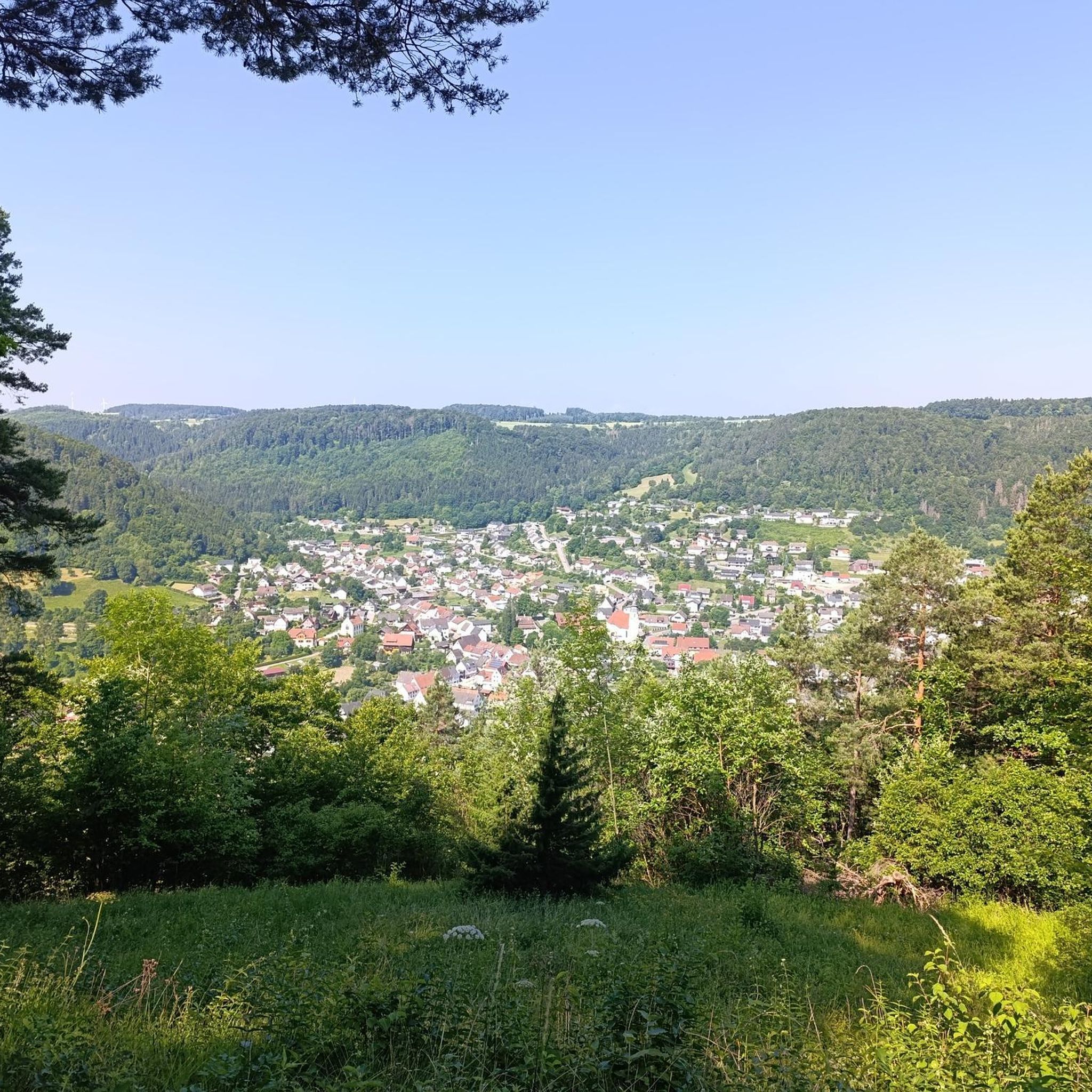
Gravel biking around Saint-Julien-Mont-Denis
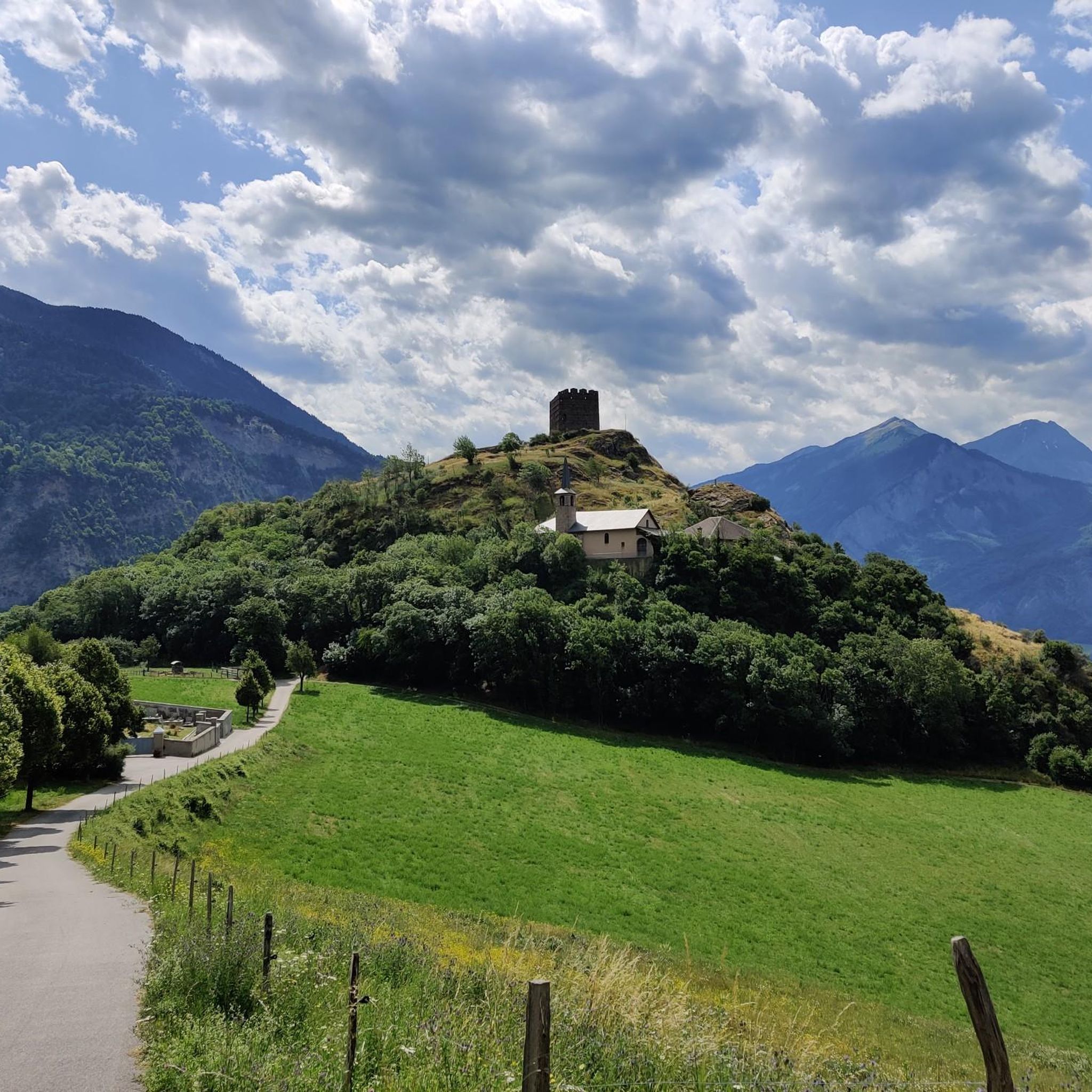
Hiking around Saint-Julien-Mont-Denis
Mountain Hikes around Saint-Julien-Mont-Denis
Tips from the Community

Narrow road, great views. Relatively little traffic.
2
0
Grandiose ascent on the D110, great view at the pass.
2
0

Even more beautiful downhill
3
0


I must say that this climb is no joke with its gradients, very beautiful.
20
0
After the Galibier, if that's not enough for you, you can also get the Tèlègraphe.
21
1

The views at the top of this pass are definitely worth the detour 👍
0
0

The Col du Télégraphe is the eternal 'little brother' of the famous and much higher Col du Galibier. This is the approach to the pass.
2
0
Frequently Asked Questions
What are some of the most iconic mountain passes near Saint-Julien-Mont-Denis?
The region around Saint-Julien-Mont-Denis is home to several legendary mountain passes. Among the most iconic are the Col du Galibier, famous for its dramatic landscapes and frequent inclusion in the Tour de France, and the Col du Télégraphe, often serving as its precursor. The Col de l'Iseran is also notable as the highest paved pass in the Alps, offering breathtaking views within the Vanoise National Park.
Which mountain passes are particularly popular for cycling?
Many passes in this area are legendary among cyclists. The Col du Galibier and Col de l'Iseran are bucket-list destinations due to their challenging climbs and Tour de France history. The Col du Télégraphe offers a steady ascent through alpine forests, while the Col du Chaussy is known for its quiet roads after the famous Lacets of Montvernier. For more cycling routes, you can explore the Road Cycling Routes around Saint-Julien-Mont-Denis guide.
Are there any mountain passes with significant historical importance?
Yes, several passes boast rich history. The Col du Télégraphe is named after a fort built there in the late 19th century. The Col du Mont Cenis was a crucial historical route, used by Napoleon Bonaparte and, legend has it, even Hannibal, and once marked the border between France and Italy. The Col de la Croix de Fer, or 'Pass of the Iron Cross,' has an iconic iron cross at its summit, erected when the road was completed in 1912.
What kind of natural scenery can I expect to see at these passes?
The mountain passes near Saint-Julien-Mont-Denis offer diverse and stunning natural scenery. You'll encounter dramatic, rugged landscapes above the treeline, panoramic views of the Écrins massif, and snow-capped peaks. The Col de l'Iseran, for instance, is located within the Vanoise National Park, featuring waterfalls and wild, intimidating vistas. The Col du Mont Cenis is famous for its crystal-clear lake at the summit, providing numerous photo opportunities.
Are there quieter, less-trafficked mountain passes to explore?
For those seeking tranquility away from the major routes, the climb to Montdenis / Les Villes, starting directly from Saint-Julien-Mont-Denis, offers peace and magnificent views with hardly any traffic. The Mollard Pass is also considered a hidden gem, especially from Villargondran, with numerous hairpin bends through the forest on a very quiet street.
What is the best time of year to visit the mountain passes?
Most of the higher mountain passes, such as the Col de l'Iseran and Col du Galibier, are typically open only during the summer months, generally from June to October, due to heavy snowfall. Visiting during this period ensures clear roads and the best weather for cycling, driving, and enjoying the panoramic views. Autumn can also be visually stunning, especially in wooded sections like the Col du Télégraphe, where larch trees turn golden.
Can I find hiking opportunities near these mountain passes?
Yes, the region offers various hiking opportunities. The Col de l'Iseran, situated within the Vanoise National Park, provides access to numerous trails. The area around Col du Mont Cenis also offers trekking options. For specific hiking routes, you can refer to the Hiking around Saint-Julien-Mont-Denis guide, which includes trails like the Lake Pramol loop.
What makes the Col de l'Iseran so special?
The Col de l'Iseran is often called the 'King of the Alps' because it is the highest paved pass in the Alps, reaching an impressive 2,764 meters. It offers a wild, intimidating, and epic experience with breathtaking panoramas of snow-capped peaks. Located within the Vanoise National Park, it's a key part of the famous Route des Grandes Alpes and has been featured in the Tour de France, adding to its legendary status.
Are there any passes that are good for a 'warm-up' before tackling more challenging climbs?
The Col du Télégraphe is often considered an excellent 'warm-up' for the more challenging Col du Galibier when approaching from Saint-Michel-de-Maurienne. It offers a steady and rhythmic ascent through an alpine forest, providing a good test of stamina before the higher elevations.
What are some of the unique landmarks or features at the summits of these passes?
Many passes feature distinctive landmarks. The Col du Télégraphe has a snack hut and often straw statues in summer. The Col de l'Iseran features the chapel of Notre-Dame de la Toute Prudence at its summit. The Col de la Croix de Fer is recognizable by its famous iron cross. The Col du Mont Cenis is known for its large, crystal-clear lake at the top.
What do visitors enjoy most about the mountain passes around Saint-Julien-Mont-Denis?
Visitors consistently praise the challenging climbs, the exceptional panoramic views, and the sense of accomplishment upon reaching the summits. The historical significance, especially for cycling enthusiasts, is also a major draw. Many appreciate the varied gradients and the opportunity to experience the grandeur of nature, whether through the rugged mountains, alpine forests, or serene lakes. The Mollard Pass, for example, is loved for its quiet streets and views of the Aiguilles d'Arves.
Are there opportunities for gravel biking near these mountain passes?
Yes, the region offers excellent gravel biking opportunities. You can find routes that incorporate some of these passes and the surrounding terrain. For example, the Gravel biking around Saint-Julien-Mont-Denis guide features routes like the 'Col de Chaussy – Col du Chaussy loop' and the 'Saint-Michel-de-Maurienne – Télégraphe Pass loop'.
Most popular routes around Saint-Julien-Mont-Denis
Most popular attractions around Saint-Julien-Mont-Denis

Get inspired with the komoot mobile app


Explore more
See even more epic mountain passes by checking out these guides around Saint-Julien-Mont-Denis:
