The best MTB trails around Birtlingen
4.5
(635)
1,902
riders
215
rides
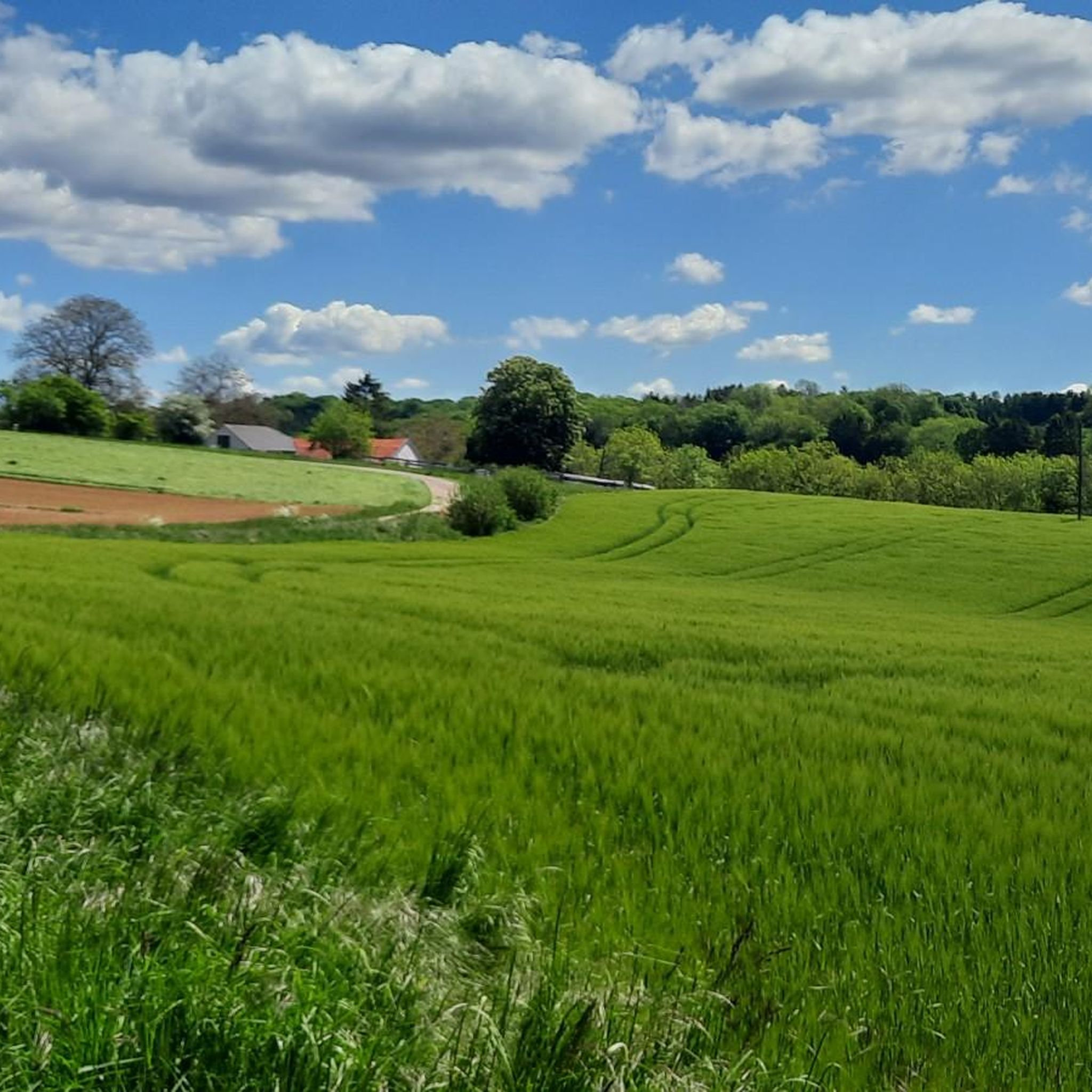
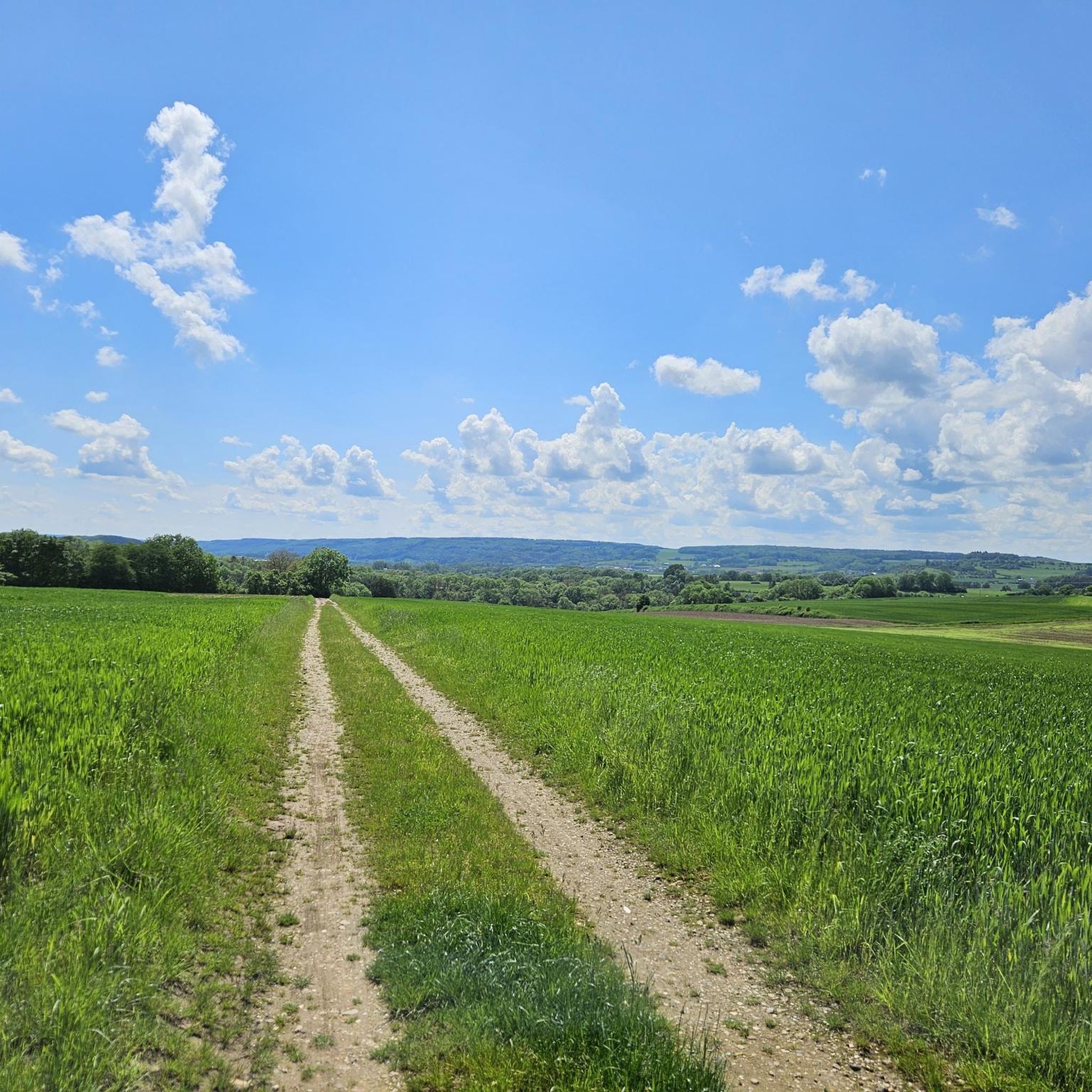
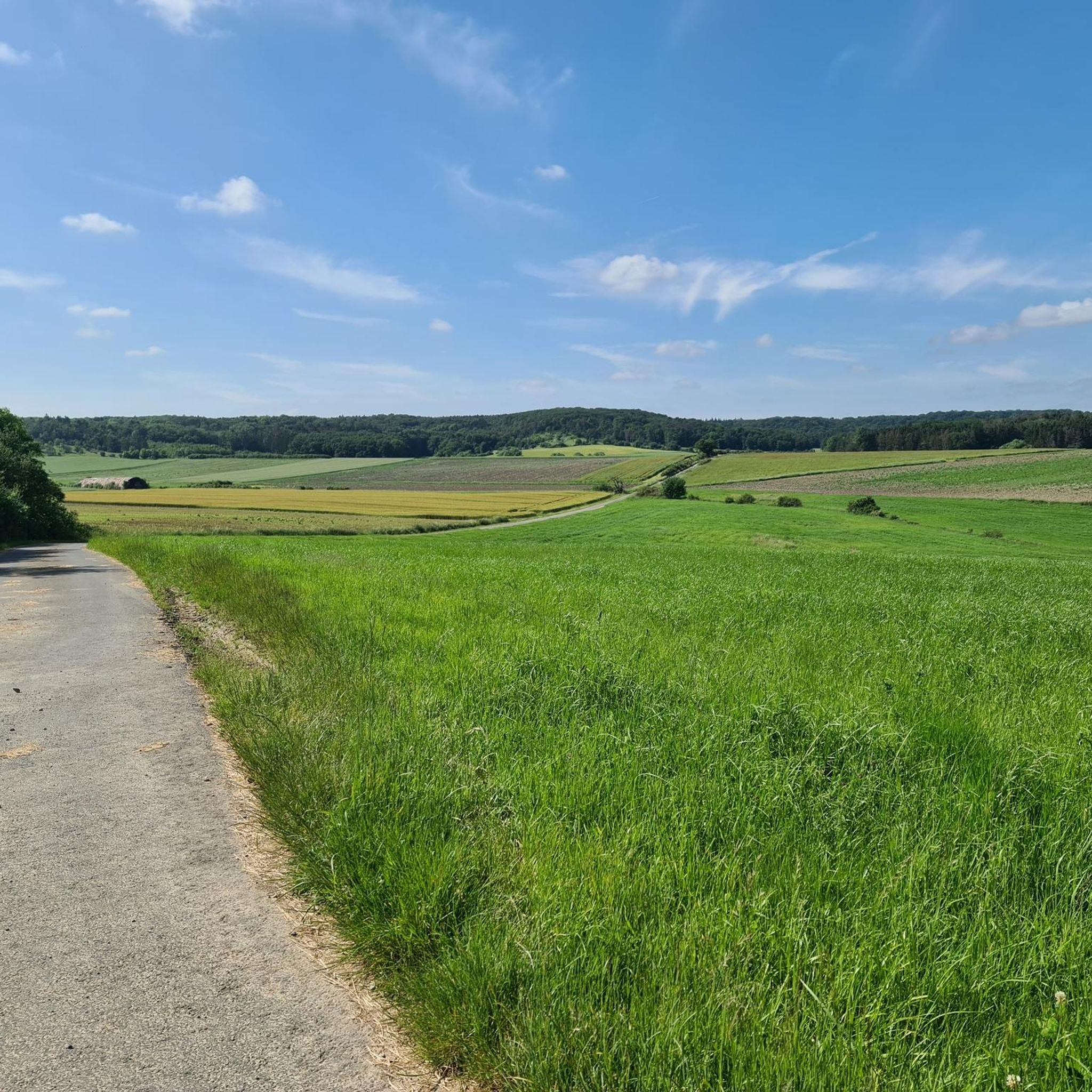
Mountain biking around Birtlingen, located in Germany's Eifelkreis-Bitburg-Prüm region, offers diverse landscapes for outdoor activities. The area features rolling hills, dense forests, and river valleys formed by the Nims, Prüm, and Kyll rivers. Its varied topography includes challenging routes with steep forest slopes and extensive networks of paths, making it a compelling destination for mountain bikers.
Best mountain bike trails around Birtlingen
- The most popular mountain bike trail is Fast Pipe Trail – Forest Trail in the Eifel loop from…
Last updated: November 10, 2026
4.4
(15)
37
riders
12.9km
01:03
220m
220m
Moderate mountain bike ride. Advanced riding skills necessary.
4.7
(6)
24
riders
56.9km
04:35
980m
980m
Hard mountain bike ride. Very good fitness required. Advanced riding skills necessary.

5.0
(20)
44
riders
51.9km
03:02
400m
400m
Moderate mountain bike ride. Good fitness required.
5.0
(4)
12
riders
31.9km
02:28
550m
550m
Moderate mountain bike ride. Good fitness required. Advanced riding skills necessary.
5.0
(5)
17
riders
57.0km
04:36
920m
920m
Hard mountain bike ride. Very good fitness required. Advanced riding skills necessary.
Get access to more routes and recommendations from other explorers.
Already have an account?
Our route recommendations are based on thousands of hikes, rides, and runs completed by other people on komoot.
Start today with a free account
Your next adventure awaits.
Tips from the Community

This Benedictine Abbey was built in the Lorraine style from 1727 to 1736. The facade length of the abbey, built in the shape of a regular quadrilateral, is 75 meters, with a cloister and an inner courtyard. The designer is the Benedictine architect Leopold Durand from the Abbey of St. Avold, and it was built by the Austrian master builder family Mungenast. In 1797 the abbey was dissolved, and since 1899 the Gymnasium has been housed in these buildings. (Echternach Tourist Office)
5
0

The House As early as 1052, a medieval defensive structure in Hamm was mentioned, which was repeatedly adapted to contemporary needs over the centuries through alterations and new constructions. It stands on the site of a much older, early medieval refuge castle, where the inhabitants of the surrounding manors could retreat in times of danger during the Migration Period. The present appearance is significantly shaped by the surrounding and defensive walls as well as a residential complex from the Gothic period. The complex has dimensions of 40 x 80 m. The oldest building, still preserved in its basic structure, can be traced back to the Romanesque period and includes, among other things, the chapel, which was converted in the Baroque style in 1700. Two round towers frame a palace from the 14th century, also dating back to the late Gothic period, which was replaced by a Renaissance building in 1586. After a long period of vacancy around the mid-19th century, a fundamental renovation with some structural changes took place from 1885-1896. The Renaissance palace, like parts of the adjacent Gothic building, fell victim to arson by German troops in 1945, who did not want to let any German cultural heritage fall into the hands of the Allies. The post-war reconstruction secured the courtyard facade of the Renaissance palace, but removed the garden side, which was heavily destroyed by the building fabric, and added a small half-timbered structure in its place. The Family The original owners of Hamm were the Counts of Hamm, who served as vogts of the Abbey of Prüm. It was a fief of the Counts of Vianden, with whom they had close family ties. For a long time, the Bidgau was also administered from here. In 1371, the property was passed on through the marriage of the last of their line, Maria von Hamm, to the von Malberg - Milburg family. The last of her name, Anna von Malberg, married Gerhard von der Horst around 1580, the builder of the Renaissance palace. About 100 years later, the property passed through the marriage of the last von der Horst to the Counts Lannoy, who, after a hall collapse in connection with a fire in 1835, in a part of the building no longer preserved today, retreated entirely to their homeland of Clerf (Clervaux/Luxemburg). After the castle stood empty and the estate fell into disrepair, a descendant of theirs, Baroness Sidonie v. Tornaco, finally received the inheritance. She married Count Friedrich v. Renesse and, with him, carried out the aforementioned fundamental renovation. Their daughter Elisabeth married Egon Graf von und zu Westerholt und Gysenberg in 1909. Their son Otto managed and lived in Hamm with his family. After his death in 1980, his son Ferdinand took over the property and the house. Since 1998, Schloss Hamm has been partially accessible to the public through tours, weddings, registry office branch, festivals and cultural events, and much more.
1
0

Fascinating Roman villa. I visit it regularly when I'm in the area.
1
0

The stone sculpture (called "The Displacement") is one of several located along the cycle path.
0
0

🏛️🍇 Villa Otrang The villa was built in the 1st century AD and reached its zenith in the 2nd and 3rd centuries, when it was expanded several times. It was inhabited until the 4th century, before presumably being destroyed by Germanic tribes. The main building (manor house) covered an area of over 3,600 square meters, and the entire estate encompassed approximately 50,000 square meters, including farm buildings and temple complexes.
2
0
🏛️🍇 Villa Otrang is one of the most impressive and best-preserved archaeological sites of Roman culture in Germany, located in the Southern Eifel region near Fließem (Bitburg-Prüm district, Rhineland-Palatinate). It was a Roman villa rustica (a large Roman country estate) and is among the largest and most magnificent sites of its kind north of the Alps.
2
0
🏰 Rittersdorf Castle Rittersdorf Castle is one of the most valuable and best-preserved medieval sites in the region: a moated castle located in the municipality of Rittersdorf, just about three kilometers north of Bitburg, directly on the Nims River. The almost square structure is surrounded by a moat. Surrounded by the tranquil Nims river landscape, Rittersdorf Castle is a popular destination for history buffs, gourmets, and cyclists in the Eifel region.
1
0
🌊 The Nims River The Nims is an idyllic river that flows through the Bitburg-Prüm district in the Eifel region: The Nims is an approximately 61 km long left tributary of the Prüm. It rises near Weinsheim and flows south, past towns such as Schönecken and Bitburg, before joining the Prüm below Irrel.
1
0
Frequently Asked Questions
How many mountain bike trails are available in Birtlingen?
Birtlingen and the surrounding Eifelkreis-Bitburg-Prüm region offer a wide variety of mountain biking options. There are over 260 mountain bike routes recorded on komoot, catering to different skill levels. This includes approximately 47 easy routes, 198 moderate routes, and 15 difficult trails.
What kind of terrain can I expect on mountain bike trails around Birtlingen?
The terrain around Birtlingen is diverse, characterized by rolling hills, dense forests, and picturesque river valleys formed by the Nims, Prüm, and Kyll rivers. You'll encounter a mix of forest roads, single trails, and sometimes steep forest slopes, offering varied challenges and breathtaking views across the Eifel landscape.
What is the best time of year for mountain biking in Birtlingen?
The best seasons for mountain biking in Birtlingen are spring and summer. During these months, you can enjoy mild temperatures and vibrant nature, which enhance the overall experience on the trails.
Are there any circular mountain bike routes in Birtlingen?
Yes, many routes in the region are designed as loops. For example, you could try the Prüm Viaduct – Minden beach bar on the Sauer loop from Masholder, a moderate 30.5-mile (49.0 km) route, or the Bitburger Siegelhopfen Fields – Hop Plantation Holsthum loop from Masholder, which is 24 miles (38.7 km) long and also moderate.
Are there any family-friendly mountain bike trails in Birtlingen?
While some routes can be challenging, Birtlingen does offer easier paths suitable for families. The region's extensive network includes 47 easy routes. These often follow river valleys or less steep forest roads, providing a more relaxed experience for riders of all ages.
Can I find challenging mountain bike routes in Birtlingen?
Absolutely. The Eifelkreis-Bitburg-Prüm region is known for its varied topography, including routes with significant elevation gains and steep forest slopes. There are 15 difficult routes available, such as the Kyll Riverside Trail – View of Wilsecker and church loop from Bitburg, a demanding 35.4-mile (57.0 km) path with nearly 3,220 feet (980 m) of elevation gain.
What natural features or viewpoints can I see along the mountain bike trails?
The region is rich in natural beauty. You can encounter unique sandstone sculptures, explore the Bitburg Reservoir, or discover impressive rock formations. Don't miss the Tanzlay Waterfall and Rock Formations or the Hüttingen Waterfall for scenic stops.
Are there any historical sites or landmarks to explore near the mountain bike routes?
Yes, the area around Birtlingen is dotted with historical sites. You can cycle past original Eifel villages with traditional farmhouses, or visit historical landmarks like the Prümerburg Ruins and Rittersdorf Castle. The Himmerod Abbey – Bergfeld Castle loop from Bitburg is a great route that passes through varied Eifel landscapes, offering cultural insights.
What do other mountain bikers say about the trails in Birtlingen?
The mountain bike trails around Birtlingen are highly regarded by the komoot community, with an average rating of 4.5 stars from over 590 reviews. More than 2,000 mountain bikers have used komoot to explore the varied terrain, often praising the diverse landscapes, extensive network of trails, and the blend of challenging and scenic routes.
Are there any trails that follow river valleys?
Yes, the region is interwoven with clear rivers like the Nims, Prüm, and Kyll, creating idyllic river valleys that are frequently incorporated into cycling routes. The Kyll Riverside Trail – View of Wilsecker and church loop from Bitburg is a prime example, offering scenic views along the Kyll river.
Can I find routes that are suitable for beginners?
Yes, Birtlingen offers routes suitable for beginners. While some trails are challenging, there are 47 easy routes available. These typically feature less demanding terrain and elevation, making them ideal for those new to mountain biking or looking for a more relaxed ride.
Most popular routes around Birtlingen
Most popular attractions around Birtlingen

Get inspired with the komoot mobile app


Explore more
Browse the best MTB trails in other regions.
