Attractions and Places To See around Egelshardt - Top 20
Attractions and places to see around Egelshardt, also known as Eguelshardt, is a commune located in the Moselle department of the Grand Est region in north-eastern France. Situated in the Falkensteinerbach valley and part of the Northern Vosges Regional Nature Park, the area features a blend of historical landmarks and natural features. Visitors can explore sites like the Waldeck Pond and Castle, the Church of the Exaltation of the Holy Cross, and the Notre-Dame-des-Bois Chapel. Significant natural curiosities include the…
Last updated: July 20, 2026
Altschloss Rocks
Highlight • Natural Monument
Translated by Google •
Tip by

Altschlossfelsen rock formation
Highlight • Natural Monument
Translated by Google •
Tip by

Sign up now to discover places like this
Get recommendations on the best single tracks, peaks, & plenty of other exciting outdoor places.
Sign up for free
Altschlossfelsen sandstone rock formation
Highlight • Natural Monument
Translated by Google •
Tip by
Rössels Pond
Highlight • Lake
This NSG is approximately 39 hectares.
What I liked best was that the …
Translated by Google •
Tip by

Sägmühl Pond
Highlight • Lake
Translated by Google •
Tip by

Sign up for free to discover even more attractions around Egelshardt.
Sign up for free
Already have an account?
Start today with a free account
Your next adventure awaits.
Login or Signup

Tips from the Community

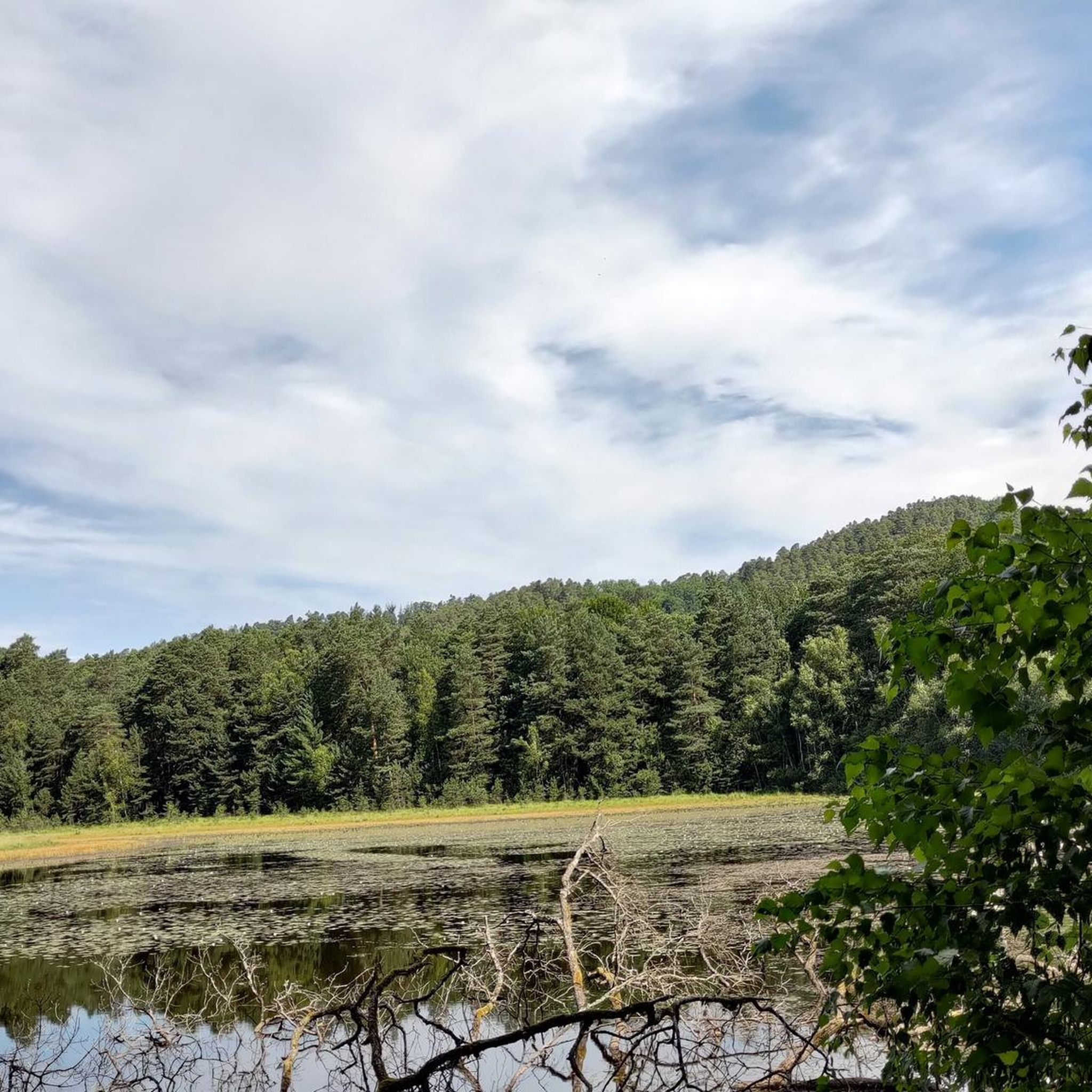
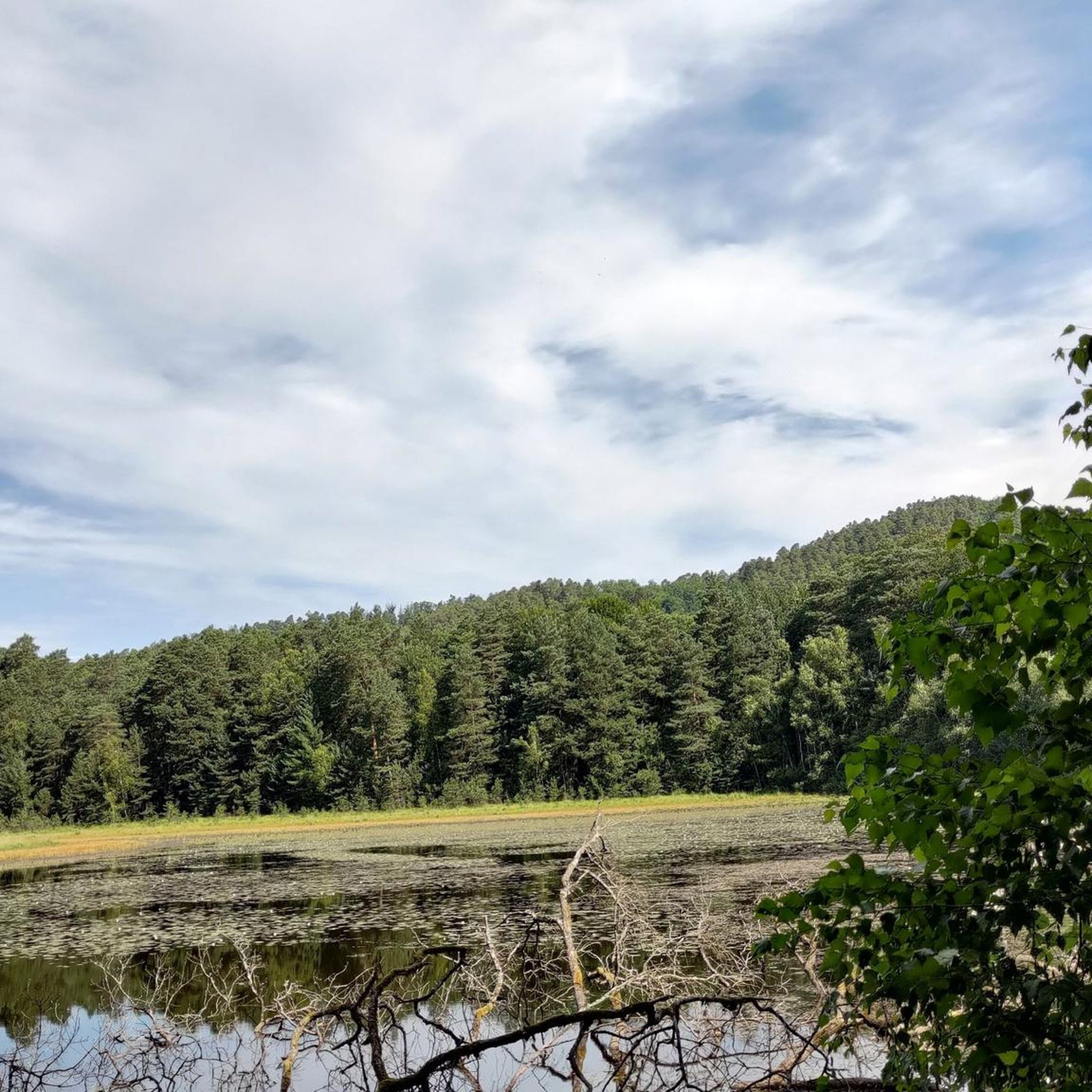
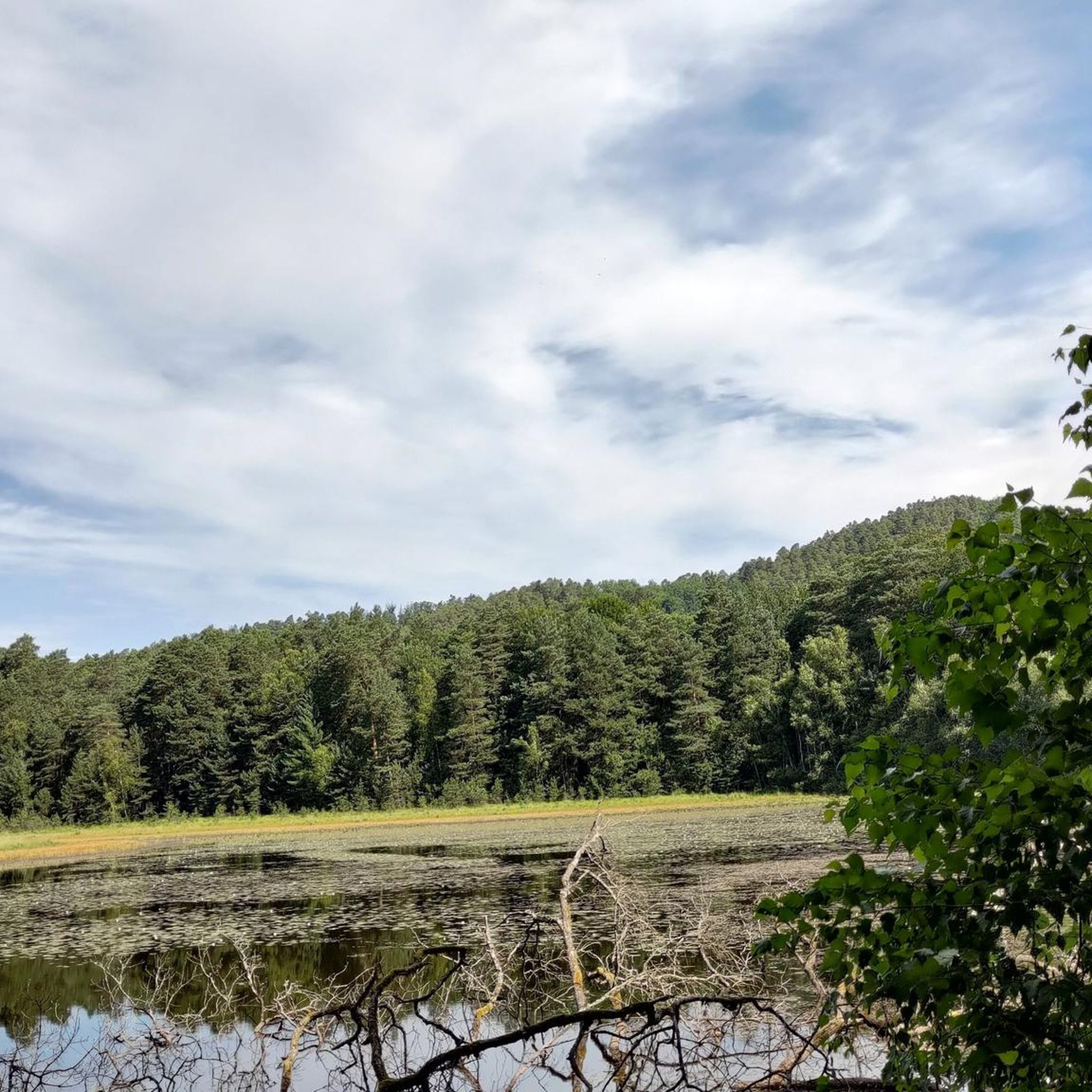
Such an idyllic pond! On the left bank is the former "Kahnhalle". It used to be used for rowing boat rentals, among other things, and is now a private weekend house. Source = Information board on site: https://www.ludwigswinkel.de/pdf/18-kahnhalle.pdf
4
0

The sandstone formation Altschlossfelsen, which is designated as a natural and cultural monument and is also the largest rock reef in the Palatinate, is really fantastic. The name comes from a castle built on the rock towers many hundred years ago was built, but has long since fallen into ruin. Beautiful rocks run through the forest for more than a kilometer. Unfortunately often overcrowded on Sundays and public holidays...
13
0


A truly fantastic view to be enjoyed here in the late evening in silence and solitude.
24
0
It is a scenic highlight. The rocks are worth seeing in terms of size, variety of shapes and color effect. A number of paths can be strolled between the rocks, around the rocks and through crevices in these rocks, and you always discover new places. On the southern ridge there is another viewpoint with a view far into the Northern Vosges.
32
0

These massive rocks never fail to impress me. And what wind, water and sun shapes and leaves behind. Sometimes you can see faces or animals in the rocks. What do you see?
16
1

probably something to go for a walk. But it's true, seating with a view over the pond is available.
4
0

One of the most beautiful rock massifs near the French border.
16
0
Frequently Asked Questions
What natural features can I explore around Egelshardt?
Egelshardt is nestled in the scenic Falkensteinerbach Valley, part of the Northern Vosges Regional Nature Park. You can discover impressive natural monuments like the Altschloss Rocks, known for their spectacular formations and unique patterns. Another significant natural curiosity is the Erbsenfels Rock, a magnificent red sandstone arch sculpted by erosion. The area also features tranquil lakes such as Rössels Pond and Sägmühl Pond, offering peaceful spots to observe local wildlife.
Are there hiking opportunities near Egelshardt's attractions?
Yes, the region around Egelshardt offers numerous hiking trails. You can find routes that take you past natural landmarks like the Erbsenfelsen Rock and Waldeck Pond. For detailed hiking options, including routes like 'The ponds and the castles' or 'Erbsenfelsen Rock – Hanau Pond loop', you can explore the dedicated Hiking around Egelshardt guide.
What historical sites can I visit in and around Egelshardt?
Egelshardt and its surroundings are rich in history. Within the village, you can find the early 13th-century Waldeck Pond and Castle, the neo-Gothic Church of the Exaltation of the Holy Cross, and the secluded Notre-Dame-des-Bois Chapel. Evidence of ancient human activity is visible through prehistoric polishers in the village center. Additionally, the former Cold War-era special weapon camp, "Area One", offers a unique historical perspective with information boards and a barrier-free circular path. Nearby, you can also visit the impressive Citadel of Bitche or the ruined Chateau de Fleckenstein.
Are there family-friendly attractions or activities suitable for children?
Absolutely! Several attractions around Egelshardt are suitable for families. Rössels Pond and Sägmühl Pond are great for a relaxing day by the water, with Sägmühl Pond being an officially declared bathing lake. The "Area One" (monument zone) also features a 1.3 km long, barrier-free circular path that is open all year, making it accessible for families with strollers.
Can I go swimming in any of the ponds or lakes?
Yes, Sägmühl Pond is officially declared a bathing lake and is very shallow, making it suitable for swimming. It also provides seating options for relaxation. Rössels Pond is a peaceful resting place where you can put your feet in the water and observe wildlife, though it's primarily a nature reserve.
What do visitors enjoy most about the attractions around Egelshardt?
Visitors frequently praise the spectacular rock formations of the Altschloss Rocks, especially the intense play of colors during evening visits. The tranquility and natural beauty of Rössels Pond are also highly appreciated, with many finding it a perfect 'soul place' for quiet contemplation. The historical insights provided by sites like "Area One" are also a significant draw for those interested in modern history.
Are there any unique rock formations to see in the area?
Yes, the region is famous for its unique rock formations. The Altschloss Rocks are a natural monument featuring spectacular rock formations with patterns sculpted by rainfall over centuries. Additionally, the Erbsenfels Rock, also known as Arch Rock, is a significant natural curiosity with its distinctive arch-like shape carved from red sandstone by erosion.
What other outdoor activities are available besides hiking?
Beyond hiking, Egelshardt offers excellent opportunities for cycling. You can find numerous MTB trails and gravel biking routes that explore the scenic landscapes. For specific routes and guides, check out the MTB Trails around Egelshardt and Gravel biking around Egelshardt guides.
Is there anything related to the Cold War era in the area?
Yes, the "Area One" (monument zone) is a former, disused special weapon camp of the U.S. Armed Forces from the Cold War era. An interest group ensures its preservation and documentation, offering tours and numerous information boards. It provides a fascinating glimpse into this period of history and features a 1.3 km long, barrier-free circular path.
Are there any notable gardens or parks to visit nearby?
Yes, within a short distance from Egelshardt, you can explore remarkable gardens. These include the Jardin de la ferme bleue (approximately 19 km away) and the Jardin botanique du col de Saverne (approximately 32 km away), offering beautiful botanical experiences.
What is the best time to visit Egelshardt for outdoor activities?
The Northern Vosges Regional Nature Park, where Egelshardt is located, offers natural beauty throughout the year. Spring and autumn provide pleasant temperatures for hiking and cycling, with vibrant foliage or blooming flora. Summer is ideal for swimming in Sägmühl Pond. While some attractions like "Area One" are open all year, checking local weather forecasts is always recommended for optimal planning.
Are there any towns or villages recognized for their beauty nearby?
Yes, Hunspach, located approximately 34 km from Egelshardt, is recognized as one of France's 'Most Beautiful Villages' (Les Plus Beaux Villages de France), making it a charming destination for a visit.
Most popular routes around Egelshardt
Most popular attractions around Egelshardt

Get inspired with the komoot mobile app


Explore more
Still not found the Highlight you’re looking for? See guides of the top attractions in other regions:
