The best walks and hikes around Farschweiler
4.4
(1172)
5,135
hikers
16
hikes
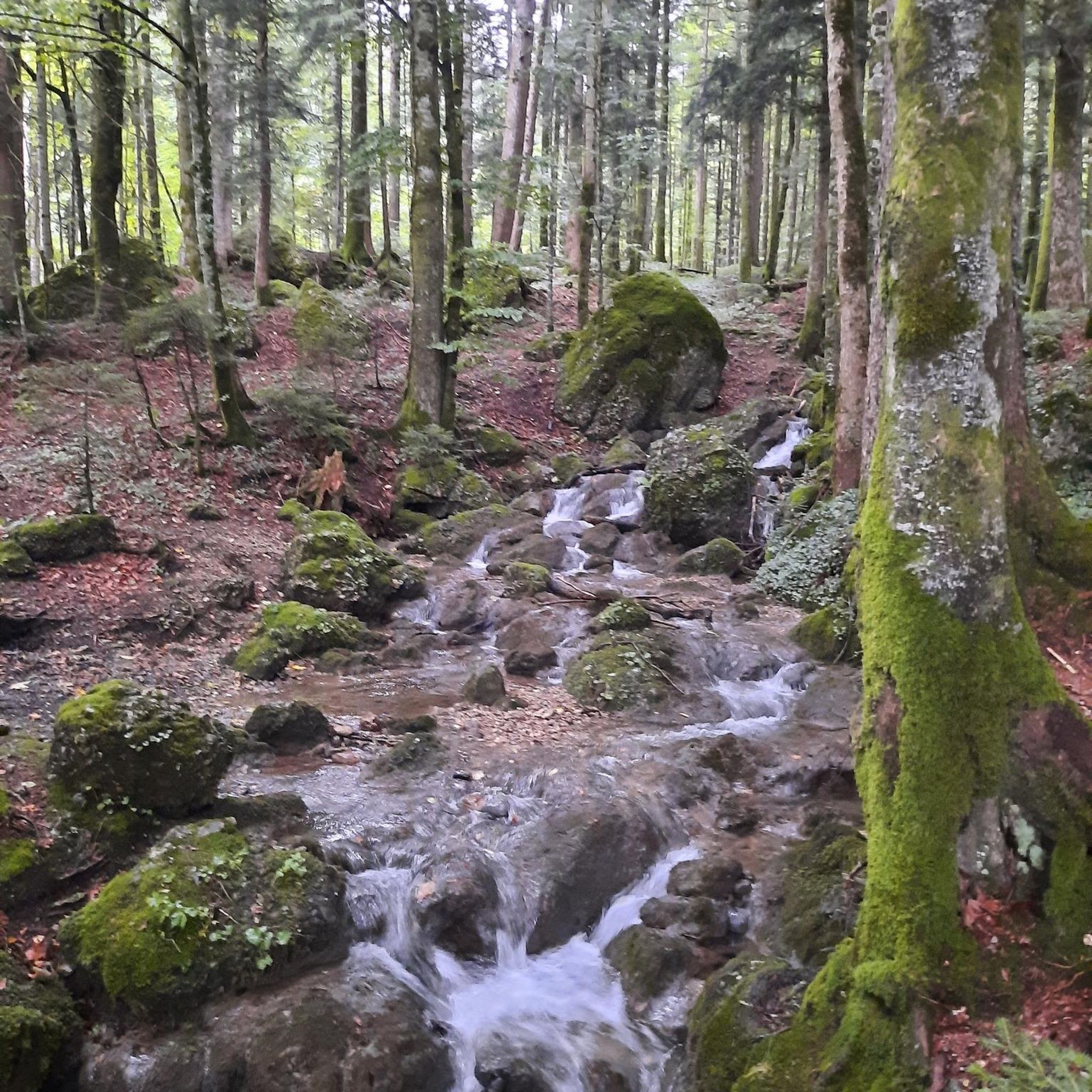
Hiking around Farschweiler offers diverse landscapes characterized by river valleys, rolling hills, and extensive forests. The region is situated near the Moselle and Ruwer valleys, providing varied topography for exploration. Notable natural features include rock formations and deciduous forests, contributing to a scenic backdrop for trails. The area also features the unique occurrence of the Walddistel (European Holly), highlighted by an educational path.
Best hiking trails around Farschweiler
- The most popular hiking route is Wooden Bench – Farschviller Pond loop…
Last updated: May 8, 2026
4.0
(3)
10
hikers
13.5km
03:33
120m
120m
Moderate hike. Good fitness required. Easily-accessible paths. Suitable for all skill levels.
4.3
(3)
12
hikers
9.45km
02:31
100m
100m
Moderate hike. Good fitness required. Easily-accessible paths. Suitable for all skill levels.

Sign up for free
5.0
(1)
12
hikers
3.52km
00:56
30m
30m
Easy hike. Great for any fitness level. Easily-accessible paths. Suitable for all skill levels.
10
hikers
1.48km
00:22
0m
0m
Easy hike. Great for any fitness level. Easily-accessible paths. Suitable for all skill levels.
3.0
(2)
10
hikers
Easy hike. Great for any fitness level. Easily-accessible paths. Suitable for all skill levels.
Get access to more routes and recommendations from other explorers.
Sign up for free
Already have an account?
Our route recommendations are based on thousands of hikes, rides, and runs completed by other people on komoot.
Start today with a free account
Your next adventure awaits.
Login or Signup
Tips from the Community

The history of the picturesque Bonne Fontaine chapel in Hoste began in 1799, when a Marian apparition occurred near a spring, in front of a deaf-mute child, who was cured. Other stories of healing quickly appeared and large pilgrimages were organized, in the context of the French Revolution, which did not appreciate these crowd movements. In 1848, a Calvary was erected, then the spring was developed. Finally, at the dawn of the First World War, the chapel was erected to receive the religious fervor aroused by this place steeped in both belief and legend.
1
0
A three-story round tower dating from the 12th century, known as the "Mutterkirche" tower. At its feet are the tombs of local priests.
0
0

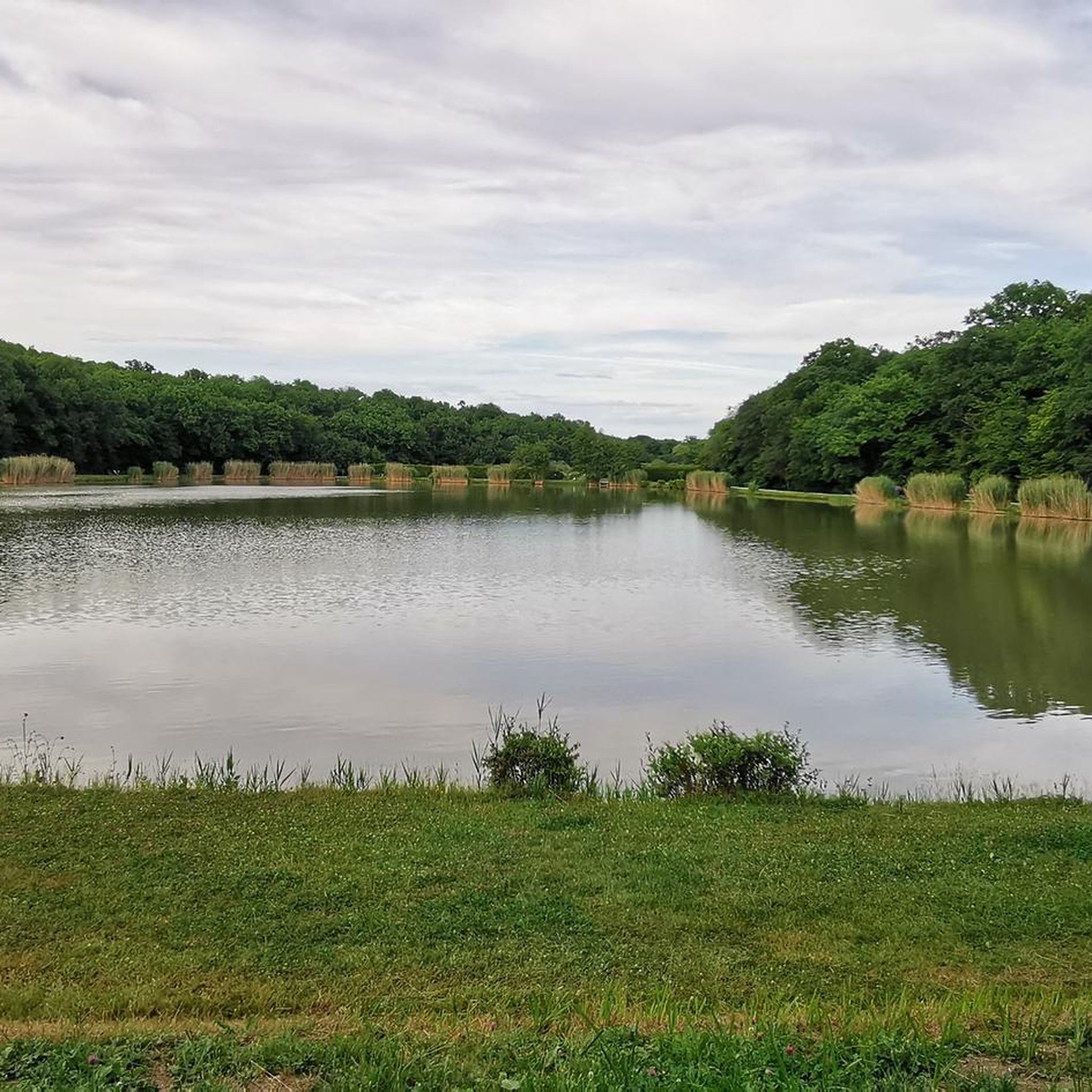
The Hoste Bas pond borders the Hoste Haut pond. It was part of the Maginot Line defense system. Today, they are home to numerous species of fish, much to the delight of anglers.
0
1

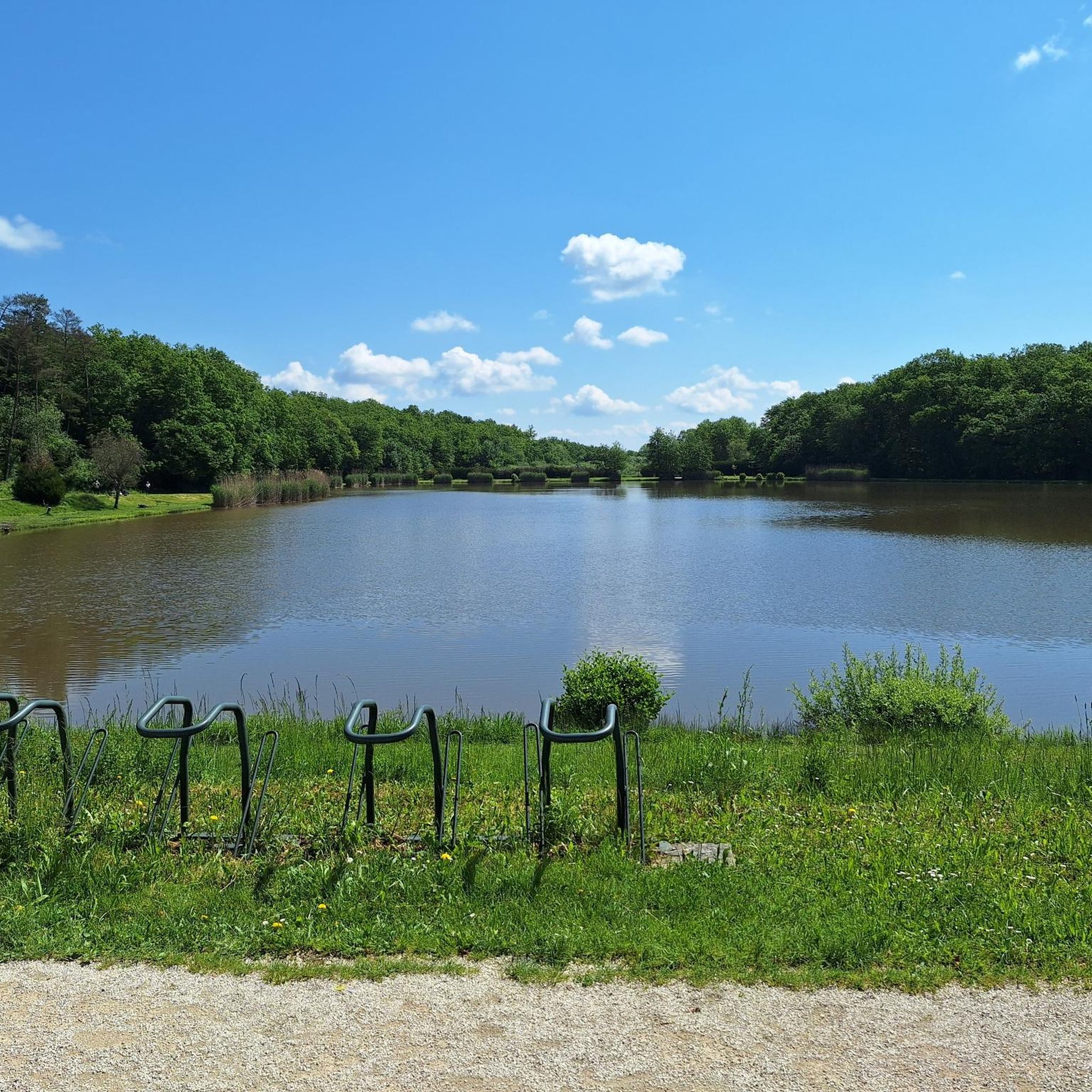
A pleasant setting for a stroll between the water and the forest. The lake is a kilometer and a half long.
0
0


Nice place to let off steam with a view of the lake
0
0
The village church of Hoste with military cemetery
0
0
Frequently Asked Questions
How many hiking trails are available in Farschweiler?
Farschweiler offers a diverse network of over 15 hiking trails, catering to various preferences and fitness levels. These routes traverse river valleys, rolling hills, and extensive forests, providing a scenic backdrop for exploration.
What is the best time of year for hiking in Farschweiler?
The best times for hiking in Farschweiler are spring and autumn. During spring, you'll experience blooming plants and mild weather, while autumn offers vibrant colors from the deciduous forests. Both seasons provide comfortable conditions for exploring the region's natural beauty.
Are there easy hiking trails suitable for beginners or casual walkers?
Yes, Farschweiler has several easy hiking trails. For instance, the 12th-century Romanesque tower – Farschviller Pond loop from Farschviller is an easy 4.3-mile (7 km) route. The Walddistel path, an educational trail, is also an easy option, focusing on nature conservation and featuring interactive elements.
Are there family-friendly hiking trails in Farschweiler?
Absolutely. The Walddistel path is particularly suitable for families, offering an easy 3.5 km educational trail with interactive stations and insights into forest and nature conservation. The Keltenpfad (Celtic Trail) is another accessible circular trail that integrates historical sites, making it engaging for younger explorers.
Can I hike with my dog in Farschweiler?
While specific regulations for dogs on trails are not detailed, the natural landscapes of Farschweiler, with its forests and open areas, are generally welcoming for dogs. It's always recommended to keep your dog on a leash, especially in nature reserves or near wildlife, and to clean up after them.
What kind of terrain can I expect on Farschweiler's hiking trails?
Farschweiler's trails feature a varied terrain, including paths through river valleys (like near the Moselle and Ruwer), rolling hills, and dense deciduous forests. Some routes, such as the Traumschleife Felsenweg, are known for striking rock formations and scenic viewpoints, adding geological interest to your hike.
Are there circular hiking routes available in Farschweiler?
Yes, many of the trails in Farschweiler are circular, offering convenient starting and ending points. Examples include the popular Wooden Bench – Farschviller Pond loop from Farschviller and the Lower Hoste Pond – Farschviller Pond loop from Henriville, both providing diverse landscapes.
What unique natural features can I see while hiking in Farschweiler?
Farschweiler is notable for hosting one of the largest contiguous occurrences of the 'Walddistel' (European Holly) in Rhineland-Palatinate. You can explore this unique feature and learn about forest conservation on the dedicated Walddistel path. The region also boasts impressive rock formations, particularly along the Traumschleife Felsenweg.
Are there historical sites or landmarks to explore on the trails?
Yes, the region has a rich history. The Traumschleife Römer- und Keltenweg allows hikers to discover exciting relics of the past, including Roman aqueducts and Celtic burial mounds. The Keltenpfad (Celtic Trail) also integrates historical sites, offering a glimpse into the region's ancient heritage.
What do other hikers enjoy most about hiking in Farschweiler?
The hiking trails around Farschweiler are highly rated by the komoot community, with an average score of 4.4 stars from over 1100 reviews. Hikers often praise the diverse landscapes, including the scenic pond views, varied forest paths, and well-maintained trail networks that offer a pleasant outdoor experience.
Are there any viewpoints or scenic spots along the hiking routes?
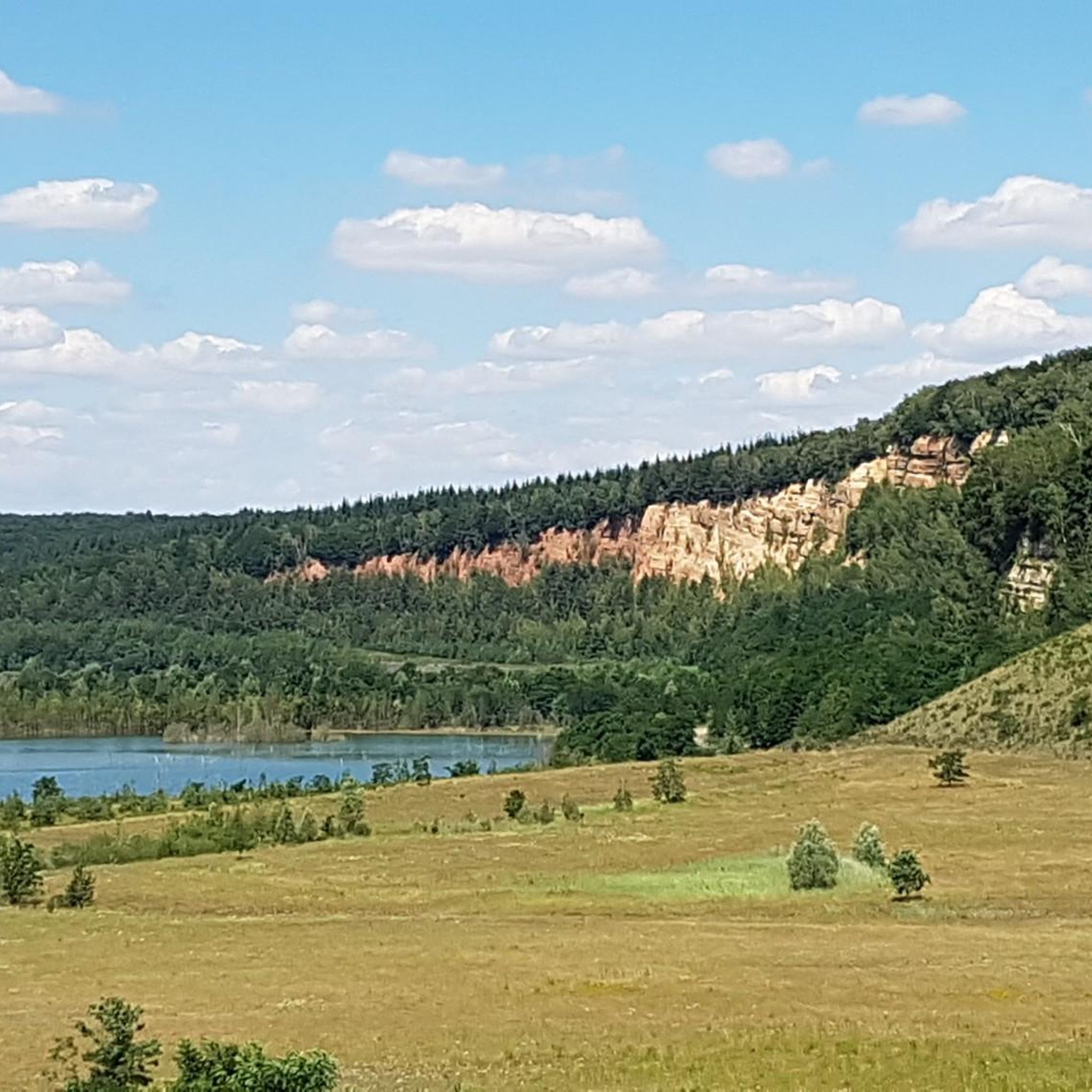
Farschweiler offers several scenic viewpoints. The Traumschleife Felsenweg is renowned for its spectacular outlooks and impressive rock formations. Additionally, the Moselle and Ruwer river valleys provide breathtaking views of vineyards and river loops, especially along segments of the Moselsteig trail. You can also find highlights like the Panoramic Platform at Barrois Quarry.
Is public transport available to reach hiking trailheads in Farschweiler?
While Farschweiler is well-connected by road, specific public transport options directly to all trailheads might be limited. It's advisable to check local bus schedules or regional transport services for connections to Farschweiler itself, and then plan your hike from accessible points within the village or nearby areas.
Are there any places to eat or drink near the hiking trails?
Farschweiler, as a local community, offers some amenities. While specific cafes or restaurants directly on the trails are uncommon, you can typically find options for refreshments and meals within the village itself or in nearby towns. For a wider selection, the historic city of Trier is also accessible from Farschweiler.
Most popular routes around Farschweiler
Most popular attractions around Farschweiler

Get inspired with the komoot mobile app


Explore more
Browse the best Hikes in other regions.
