Attractions and Places To See around Drulhe - Top 11
Attractions and places to see around Drulhe, a commune in Aveyron, Occitanie, France, serve as a gateway to diverse points of interest. The region offers a variety of notable landmarks, historical sites, and natural features. Visitors can explore charming villages, ancient castles, and significant natural formations. The area provides opportunities for discovering the rich heritage and landscapes of Aveyron.
Best attractions and places to see around Drulhe
- The most popular attractions is Peyrusse le Roc, a village with historical…
Last updated: November 20, 2026
Villeneuve-d'Aveyron Medieval Town Center
Highlight • Historical Site
Translated by Google •
Tip by

Villeneuve d'Aveyron
Highlight • Other
Translated by Google •
Tip by

Sign up now to discover places like this
Get recommendations on the best single tracks, peaks, & plenty of other exciting outdoor places.
Pont du Cayla
Highlight • Bridge
Translated by Google •
Tip by

Peyrusse le Roc
Highlight • Other
Showing Translation
Tip by

Peyrusse-le-Roc
Highlight • Settlement
Translated by Google •
Tip by

Sign up for free to discover even more attractions around Drulhe.
Already have an account?
Start today with a free account
Your next adventure awaits.
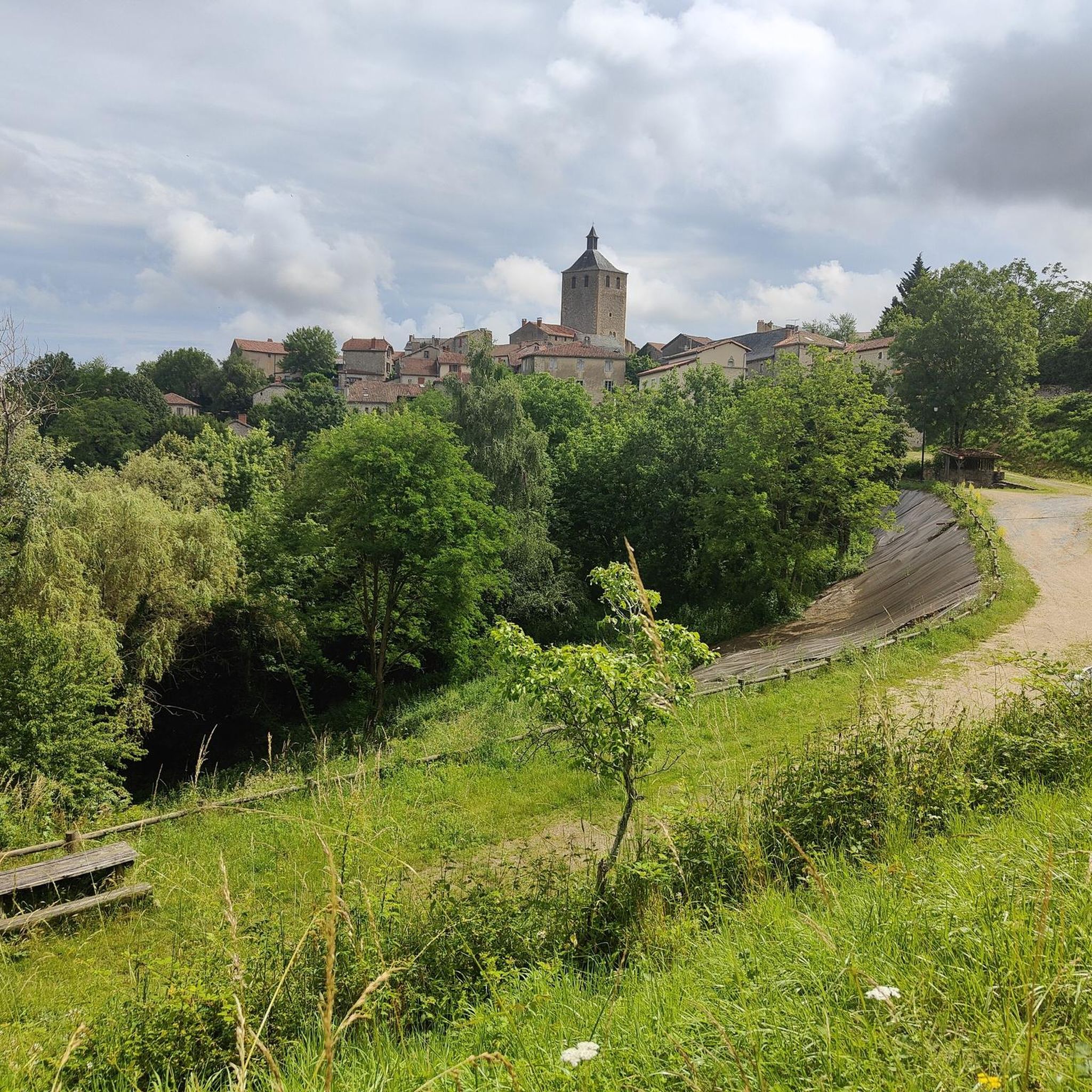
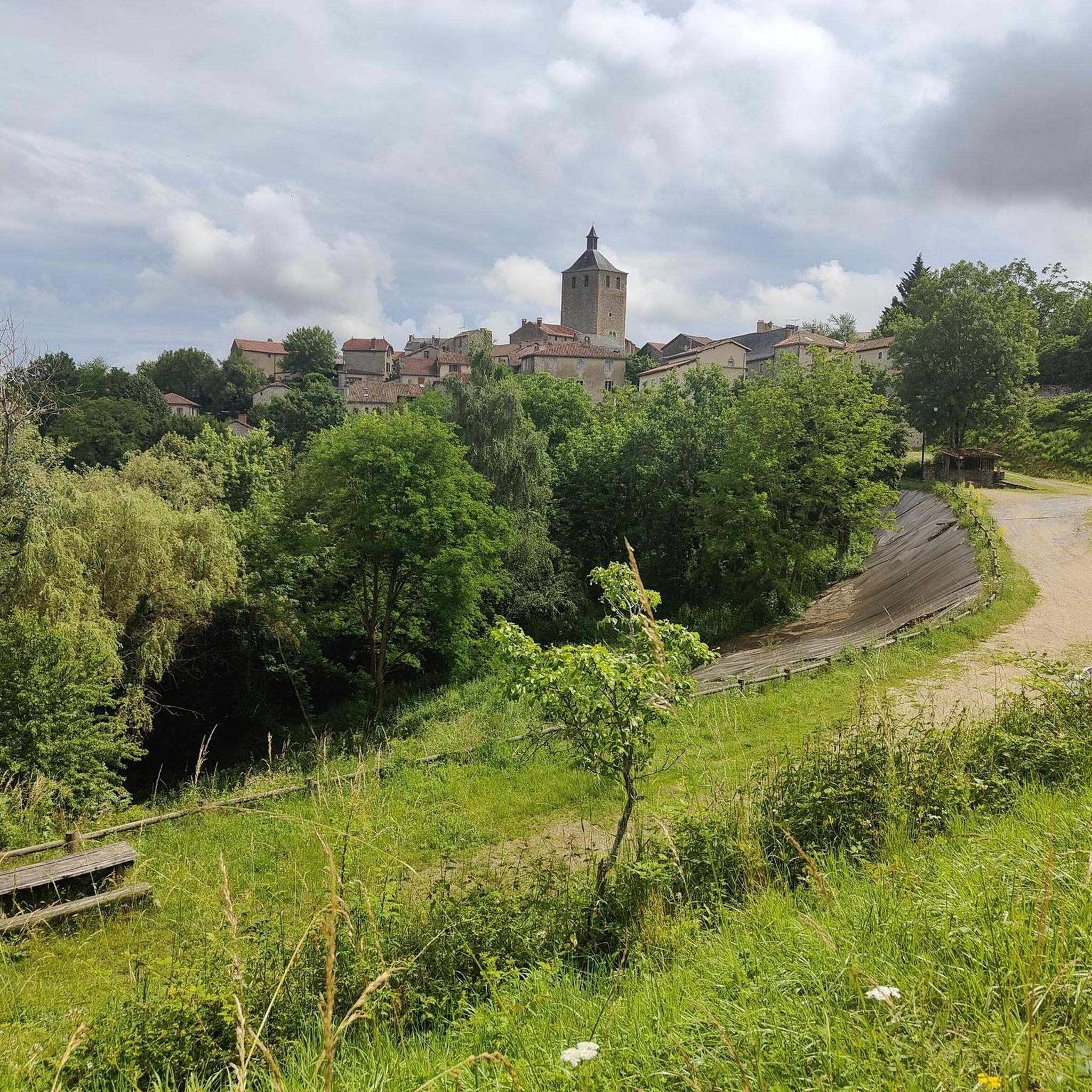

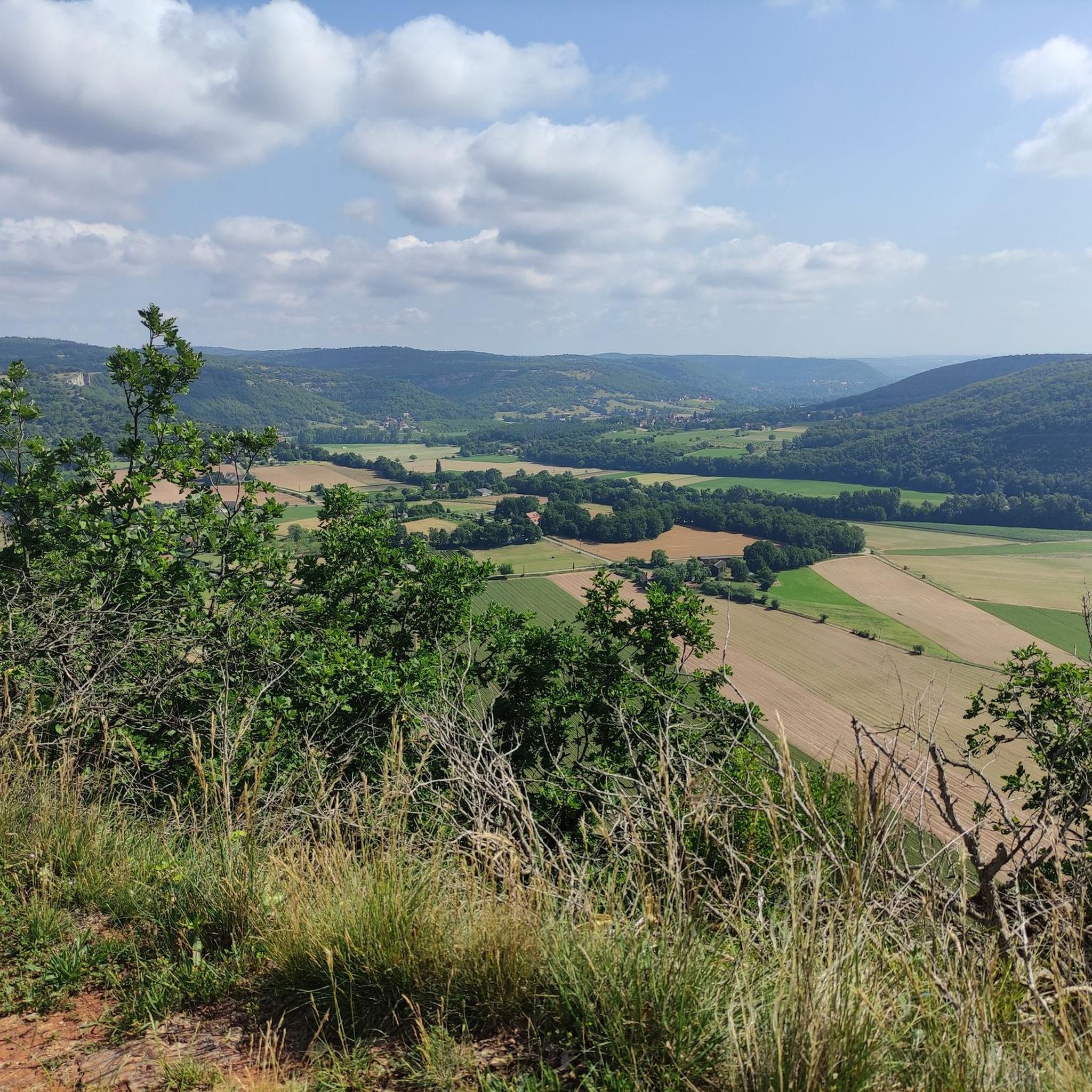


Tips from the Community

Heritage and main monuments The Church of the Holy Sepulchre: A building combining a primitive Romanesque nave (inspired by the Holy Sepulchre in Jerusalem in the 11th century) and a Gothic extension (13th–14th centuries). Inside, 14th-century wall paintings illustrate the legend of the "Hanged-Unhanged" linked to the pilgrimage to Santiago de Compostela. The gate towers: Witnesses to the city's ancient fortifications, including the Cardalhac tower and the Soubirane tower (the upper gate built at the end of the 15th century). Civil architecture: More than 55 remarkable residences from the 14th and 15th centuries, including the Maison des Consuls. The Jean-Marie Périer Gallery: A cultural space housed in a bastide house, exhibiting photographs from the 1960s and 1970s.
0
0
Two unique urban structures La sauveté (11th century): An initial historical core with narrow and winding alleys, developed around religious protection. The bastide (13th century): Founded by Count Raymond VII, it features a regular grid plan organized around a large square with arcades (place des Conques).
0
0
Heritage and main monuments L’église du Saint-Sépulcre (Church of the Holy Sepulchre): A building combining a primitive Romanesque nave (inspired by the Holy Sepulchre of Jerusalem in the 11th century) and a Gothic extension (13th–14th centuries). Inside, 14th-century wall paintings illustrate the legend of the "Hanged-Unhanged" linked to the pilgrimage of Saint-Jacques-de-Compostelle. The gate towers: Witnesses to the city's ancient fortifications, including the Tour Cardalhac and the Tour Soubirane (porte d'Amont built at the end of the 15th century). Civil architecture: More than 55 remarkable residences from the 14th and 15th centuries, including the Maison des Consuls. The Jean-Marie Périer Gallery: A cultural space installed in a house in the bastide, exhibiting photographs from the 1960s and 1970s.
0
0
Two unique urban structures La sauveté (11th century): An initial historical core with narrow and winding alleys, developed around religious protection. La bastide (13th century): Founded by Count Raymond VII, it features a regular grid plan organized around a large square with arcades (place des Conques).
0
0
Formerly known as the ancient Pétrucia, the city drew its wealth from the exploitation of silver-lead and antimony mines as early as the Gallo-Roman era. The site is home to no fewer than seven protected historical monuments. The Towers of Roc del Thaluc (Lower Castle) The Belfry and the King's Tomb The church of Notre-Dame-de-Laval. The old English Hospital The Barbacane gate and the Synagogue
0
0

A real insider tip, you can spend a few hours here exploring, rummaging through the ruins to your heart's content and dreaming of how it once looked here. Everything is in an idyllic valley. The place above is a bit sleepy, but lovely. Since we were all alone here, we liked it better than the more touristically developed Tours de Merle.
2
0

Horseback riding from Ranch des Centaurées (12700 Naussac), to Peyrusse le Roc.
1
0

Striking and beautiful village with the two towers.
1
0
Frequently Asked Questions
What historical sites can I visit near Drulhe?
The region around Drulhe is rich in history. You can explore the well-preserved heritage of Villeneuve-d'Aveyron Medieval Town Center, known for its central square and medieval houses. Another significant historical site is Pont du Cayla, an ancient stone bridge in the Aveyron gorges that served a Gallo-Roman road. Further afield, the 13th-century bastide town of Villefranche-de-Rouergue and the market town of Figeac offer many interesting historic buildings and streets.
Are there any notable castles in the vicinity of Drulhe?
Yes, several impressive castles are located near Drulhe. You can visit the charming Renaissance-style Peyrusse le Roc, which features two towers on a rocky outcrop and offers hours of exploration. Other notable castles include Château de Bournazel, the impressive ruins of Château de Najac, and Assier Château, a national monument.
Which villages near Drulhe are recognized for their beauty or historical significance?
Several villages near Drulhe are renowned for their charm and history. Peyrusse le Roc is a unique village with historical ruins and easy hiking loops. Belcastel and Conques are both recognized as two of France's 'Most Beautiful Villages,' with Conques being particularly famous for its Romanesque abbey and pilgrimage significance. Capdenac-le-Haut is another picturesque village listed among the 'Most Beautiful Villages of France'.
What natural attractions are there to explore around Drulhe?
The area offers several natural beauty spots. The Gorges de l'Aveyron are a notable site of natural beauty. You can also explore unique geological formations like Tindoul de la Vayssière, Gouffre des Vitarelles, and Gouffre de Padirac, which are significant sinkholes or chasms.
Are there opportunities for hiking near Drulhe's attractions?
Yes, the region around Drulhe is excellent for hiking. For example, Peyrusse le Roc offers easy to moderate hiking loops, such as the Peyrusse-le-Roc – Synagogue loop. You can find more hiking options and detailed routes in the Hiking around Drulhe guide, which includes trails like the Peyrusse-le-Roc loop.
What cycling routes are available in the Drulhe area?
Cyclists can enjoy a variety of routes around Drulhe. Options include the challenging Peyrusse-le-Roc – loop in the Lot valley, or longer rides like the Lot à Vélo (V86) Cycle Route. For more detailed information and routes, refer to the Cycling around Drulhe guide.
Can I find mountain biking trails around Drulhe?
Yes, there are several mountain biking trails in the Drulhe area. You can find moderate to difficult routes such as the 'Beautiful country washhouse – La Croix du Causse loop from Naussac' or the 'Col de Laumel – Peyrusse-le-Roc loop from Vaureilles'. Explore more options in the MTB Trails around Drulhe guide.
Are there family-friendly attractions around Drulhe?
Many attractions around Drulhe can be enjoyed by families. The village of Peyrusse le Roc offers ruins to explore, which can be an engaging activity for children. The Villeneuve-d'Aveyron Medieval Town Center often hosts a colorful medieval festival in July, providing a lively experience for all ages. Exploring the natural sites like the Gorges de l'Aveyron can also be a great family outing.
What do visitors enjoy the most about Drulhe and its surroundings?
Visitors particularly appreciate the rich historical heritage and the natural beauty of the area. The opportunity to explore ancient ruins like those at Peyrusse le Roc, described as a 'true insider tip' where one can 'spend a few hours exploring,' is highly valued. The preserved medieval towns and picturesque stone bridges like Pont du Cayla also receive positive feedback for their charm and historical significance.
Are there any gardens or unique natural features to visit?
Beyond the gorges and sinkholes, you can visit the Jardin d'Eden du château du Colombier, a remarkable garden located about 31 km from Drulhe. This offers a different kind of natural beauty to explore.
Are there any ancient heritage sites or pilgrimage monuments nearby?
Yes, the region is home to several ancient heritage sites. The Hopital St Jacques in Figeac and the Pont sur le Dourdou in Conques are both part of the French pilgrim routes. Additionally, the Gréalou dolmen de Pech-Laglaire is an ancient heritage site also included in the monuments on French pilgrim routes, offering a glimpse into prehistoric times.

Get inspired with the komoot mobile app


Explore more
Still not found the Highlight you’re looking for? See guides of the top attractions in other regions:
