Attractions and Places To See around Peyrusse-Le-Roc - Top 18
Attractions and places to see around Peyrusse-Le-Roc offer a journey into a medieval past, set within a wild and verdant valley. This historic village in Aveyron, France, features well-preserved ruins and landmarks perched above the Audierne stream. The area provides a blend of historical exploration and natural beauty, with remnants of a once-thriving medieval town.
Best attractions and places to see around Peyrusse-Le-Roc
- The most popular attractions is Peyrusse le Roc, a historical site that allows visitors to explore…
Last updated: November 16, 2026
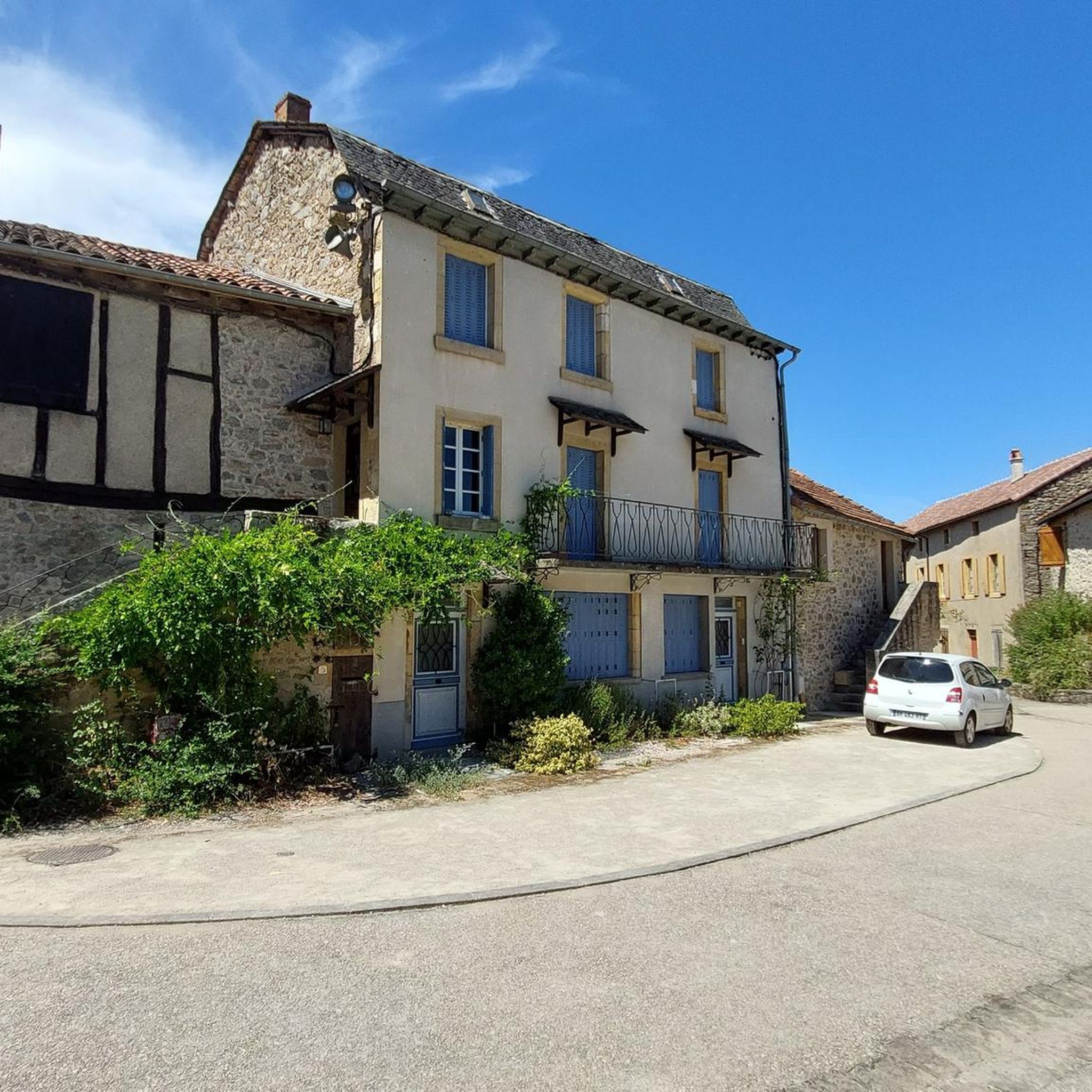
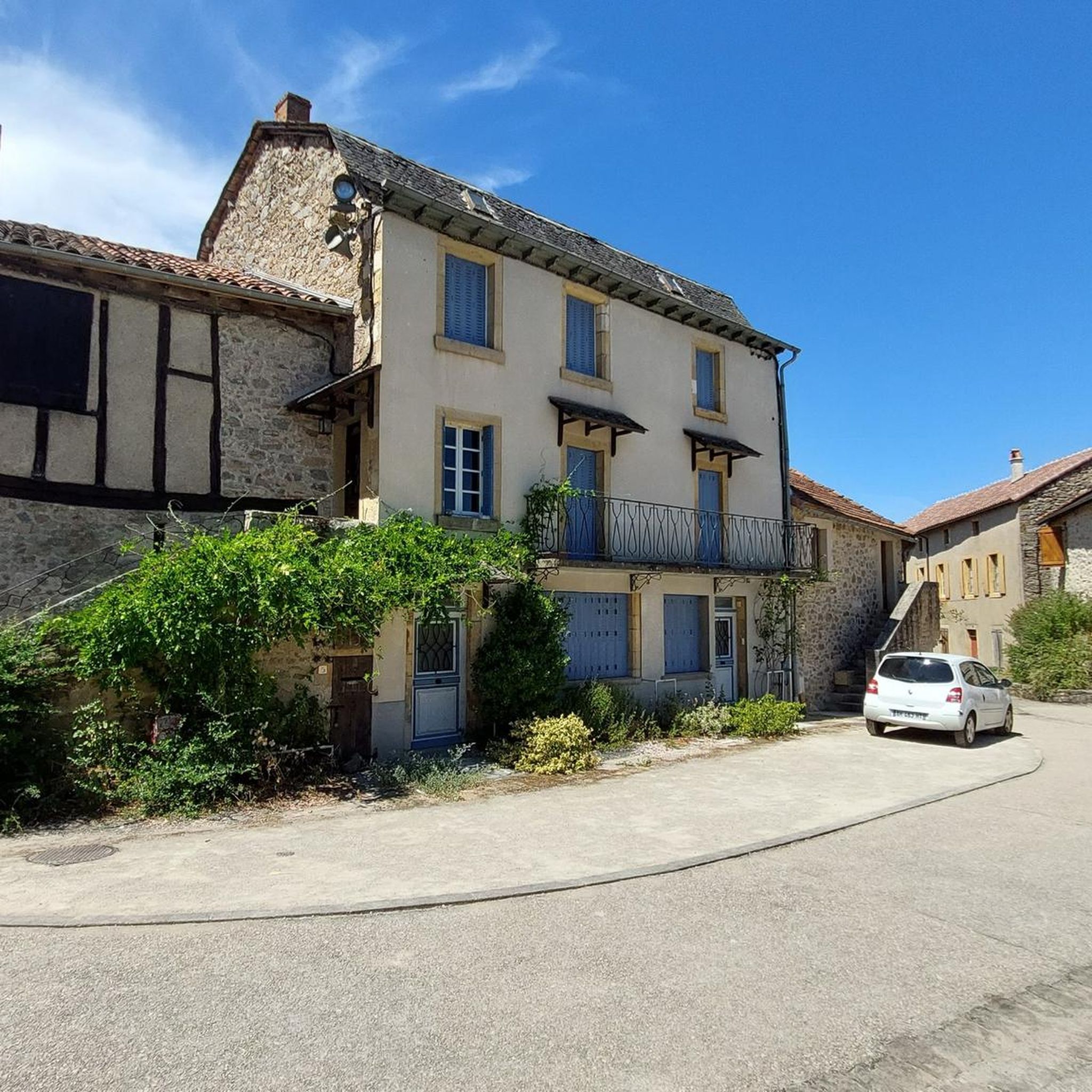
Villeneuve-d'Aveyron Medieval Town Center
Highlight • Historical Site
Translated by Google •
Tip by

Saint-Laurent Church of Livinhac-le-Haut and War Memorial
Highlight • Religious Site
Translated by Google •
Tip by

Sign up now to discover places like this
Get recommendations on the best single tracks, peaks, & plenty of other exciting outdoor places.
Capdenac-le-Haut
Highlight • Settlement
Translated by Google •
Tip by
Villeneuve d'Aveyron
Highlight • Other
Translated by Google •
Tip by

Peyrusse le Roc
Highlight • Other
Showing Translation
Tip by

Sign up for free to discover even more attractions around Peyrusse-Le-Roc.
Already have an account?
Start today with a free account
Your next adventure awaits.

Tips from the Community

Heritage and main monuments The Church of the Holy Sepulchre: A building combining a primitive Romanesque nave (inspired by the Holy Sepulchre in Jerusalem in the 11th century) and a Gothic extension (13th–14th centuries). Inside, 14th-century wall paintings illustrate the legend of the "Hanged-Unhanged" linked to the pilgrimage to Santiago de Compostela. The gate towers: Witnesses to the city's ancient fortifications, including the Cardalhac tower and the Soubirane tower (the upper gate built at the end of the 15th century). Civil architecture: More than 55 remarkable residences from the 14th and 15th centuries, including the Maison des Consuls. The Jean-Marie Périer Gallery: A cultural space housed in a bastide house, exhibiting photographs from the 1960s and 1970s.
0
0
Two unique urban structures La sauveté (11th century): An initial historical core with narrow and winding alleys, developed around religious protection. The bastide (13th century): Founded by Count Raymond VII, it features a regular grid plan organized around a large square with arcades (place des Conques).
0
0
Heritage and main monuments L’église du Saint-Sépulcre (Church of the Holy Sepulchre): A building combining a primitive Romanesque nave (inspired by the Holy Sepulchre of Jerusalem in the 11th century) and a Gothic extension (13th–14th centuries). Inside, 14th-century wall paintings illustrate the legend of the "Hanged-Unhanged" linked to the pilgrimage of Saint-Jacques-de-Compostelle. The gate towers: Witnesses to the city's ancient fortifications, including the Tour Cardalhac and the Tour Soubirane (porte d'Amont built at the end of the 15th century). Civil architecture: More than 55 remarkable residences from the 14th and 15th centuries, including the Maison des Consuls. The Jean-Marie Périer Gallery: A cultural space installed in a house in the bastide, exhibiting photographs from the 1960s and 1970s.
0
0
Two unique urban structures La sauveté (11th century): An initial historical core with narrow and winding alleys, developed around religious protection. La bastide (13th century): Founded by Count Raymond VII, it features a regular grid plan organized around a large square with arcades (place des Conques).
0
0
Occupied since the Neolithic period and later transformed into a Gallic and Gallo-Roman oppidum, the town is often cited as one of the possible sites of the famous Battle of Uxellodunum. A coveted stronghold. In the Middle Ages and during the Wars of Religion, its natural defensive position made it a major citadel and a Protestant safe haven.
0
0

A real insider tip, you can spend a few hours here exploring, rummaging through the ruins to your heart's content and dreaming of how it once looked here. Everything is in an idyllic valley. The place above is a bit sleepy, but lovely. Since we were all alone here, we liked it better than the more touristically developed Tours de Merle.
2
0

Horseback riding from Ranch des Centaurées (12700 Naussac), to Peyrusse le Roc.
1
0

Livinhac is known primarily for its agricultural produce. One dish that is now offered again in the restaurants here is estofinado. This is made from dried cod, which is chopped and mixed with mashed potatoes. Eggs, cream, and nut oil are added. Don't miss it!
1
0
Frequently Asked Questions
What historical sites can I explore in Peyrusse-le-Roc?
Peyrusse-le-Roc is rich in medieval history. You can explore the ruins of the ancient castle, including the dramatic Roc del Thaluc and the Two Towers of the Lower Castle, perched 150 meters above the Audierne stream. Other notable sites include the Barbican Gate, the ruins of the Church of Notre-Dame de Laval, the enigmatic "Synagogue" tower, and the 13th-century Covered Market. Don't miss the Parayre bridge over the Audierne, a Romanesque bridge dating from the 11th or 12th century.
Are there any family-friendly attractions in the Peyrusse-le-Roc area?
Yes, several attractions are suitable for families. Exploring the medieval village paths and the ruins of Peyrusse-le-Roc can be an engaging experience for all ages, offering a glimpse into history. Additionally, the nearby Villeneuve-d'Aveyron Medieval Town Center is a historical site with a charming central square and historic architecture that families can enjoy discovering together.
What natural features can I enjoy around Peyrusse-le-Roc?
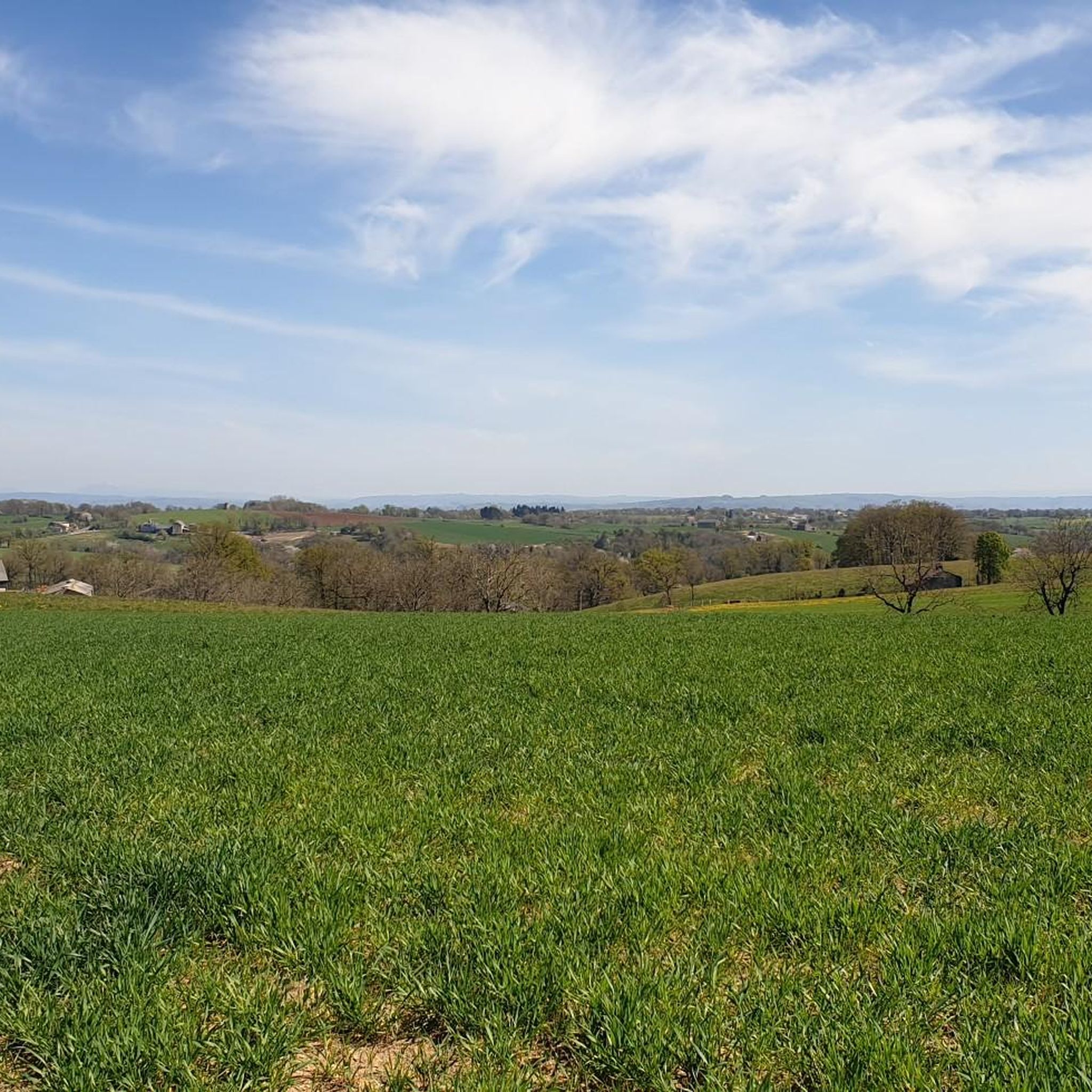
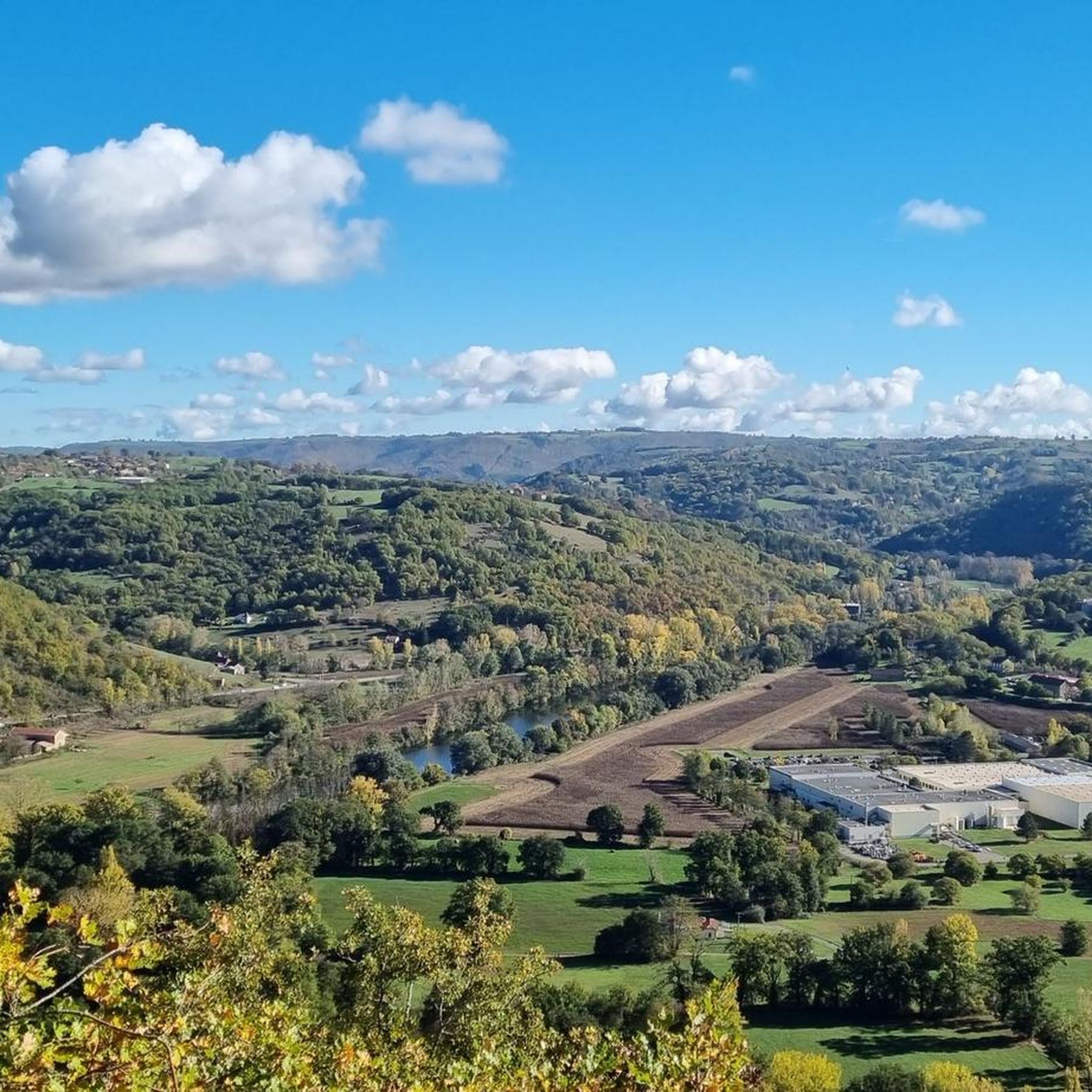
The village is nestled in a wild and verdant setting, with the Audierne River flowing through the valley below. The natural landscape offers breathtaking views, especially from the rocky outcrops where the castle ruins stand. The area is perfect for nature lovers, providing a scenic backdrop for exploration and outdoor activities.
What outdoor activities can I do near Peyrusse-le-Roc?
Peyrusse-le-Roc is surrounded by beautiful natural landscapes, offering various outdoor activities. You can find numerous hiking trails, including an easy 2.4 km loop from Peyrusse-le-Roc to the Synagogue, or more moderate routes like the 9.7 km Peyrusse-le-Roc loop. For cycling enthusiasts, there are road cycling and gravel biking routes available. You can find more details on these activities in the Hiking around Peyrusse-Le-Roc, Road Cycling Routes around Peyrusse-Le-Roc, and Gravel biking around Peyrusse-Le-Roc guides.
How much time should I allocate to explore the historical ruins of Peyrusse-le-Roc?
You can easily spend a few hours exploring the ruins of Peyrusse-le-Roc. Many visitors enjoy taking their time to wander through the ancient paths, discover the various remnants like the Barbican Gate and the "Synagogue," and imagine the village's medieval past. There are also two main circuits departing from the town hall, with an orange circuit taking about 1.5 hours to reach the Roc del Thaluc and the Parayre bridge.
When is the best time to visit Peyrusse-le-Roc?
The region offers a pleasant experience throughout much of the year. For hiking and exploring the outdoor historical sites, spring and autumn generally provide comfortable temperatures. Summer is also popular, though it can be warmer, and you might encounter more visitors. The natural beauty and historical depth can be appreciated in any season.
What is the significance of the "Synagogue" in Peyrusse-le-Roc?
The "Synagogue" is an enigmatic five-story quadrangular tower in Peyrusse-le-Roc. Oral tradition suggests it served as a place of refuge and worship for the Jewish population during medieval times. It is recognized as a historical monument, adding to the village's rich and diverse past.
Are there any notable religious buildings or sites in the area?
Yes, you can visit the ruins of the Church of Notre-Dame de Laval, a Gothic sanctuary from the 13th-14th centuries, which provides insight into the village's religious history. The current Church of Notre-Dame de Laval was established in 1680. Further afield, the Saint-Laurent Church of Livinhac-le-Haut and the Sainte-Radegonde Church are also significant religious sites in the broader region.
What do visitors enjoy most about Peyrusse-le-Roc?
Visitors particularly appreciate the opportunity to step back in time and explore the well-preserved medieval ruins. Many enjoy the sense of discovery while wandering through the ancient paths and imagining what the once-thriving city looked like. The idyllic valley setting and the dramatic views from sites like the Roc del Thaluc are also frequently highlighted as captivating aspects of the experience.
Can I find medieval artifacts or exhibitions in Peyrusse-le-Roc?
Yes, along the paths of the medieval site, visitors can find an exhibition of medieval weapons and machines. This adds an interactive element to the historical exploration, allowing for a deeper understanding of the village's past.
Is Peyrusse-le-Roc suitable for visitors with dogs?
While specific dog-friendly trail information isn't detailed, the numerous hiking trails and outdoor exploration opportunities in the natural landscapes around Peyrusse-le-Roc generally make it a welcoming area for dog owners. It's always advisable to keep dogs on a leash, especially around historical sites and in populated areas.
Most popular routes around Peyrusse-Le-Roc

Get inspired with the komoot mobile app


Explore more
Still not found the Highlight you’re looking for? See guides of the top attractions in other regions:
