The best walks and hikes around Saint-Côme-D'Olt
4.5
(458)
2,728
hikers
23
hikes
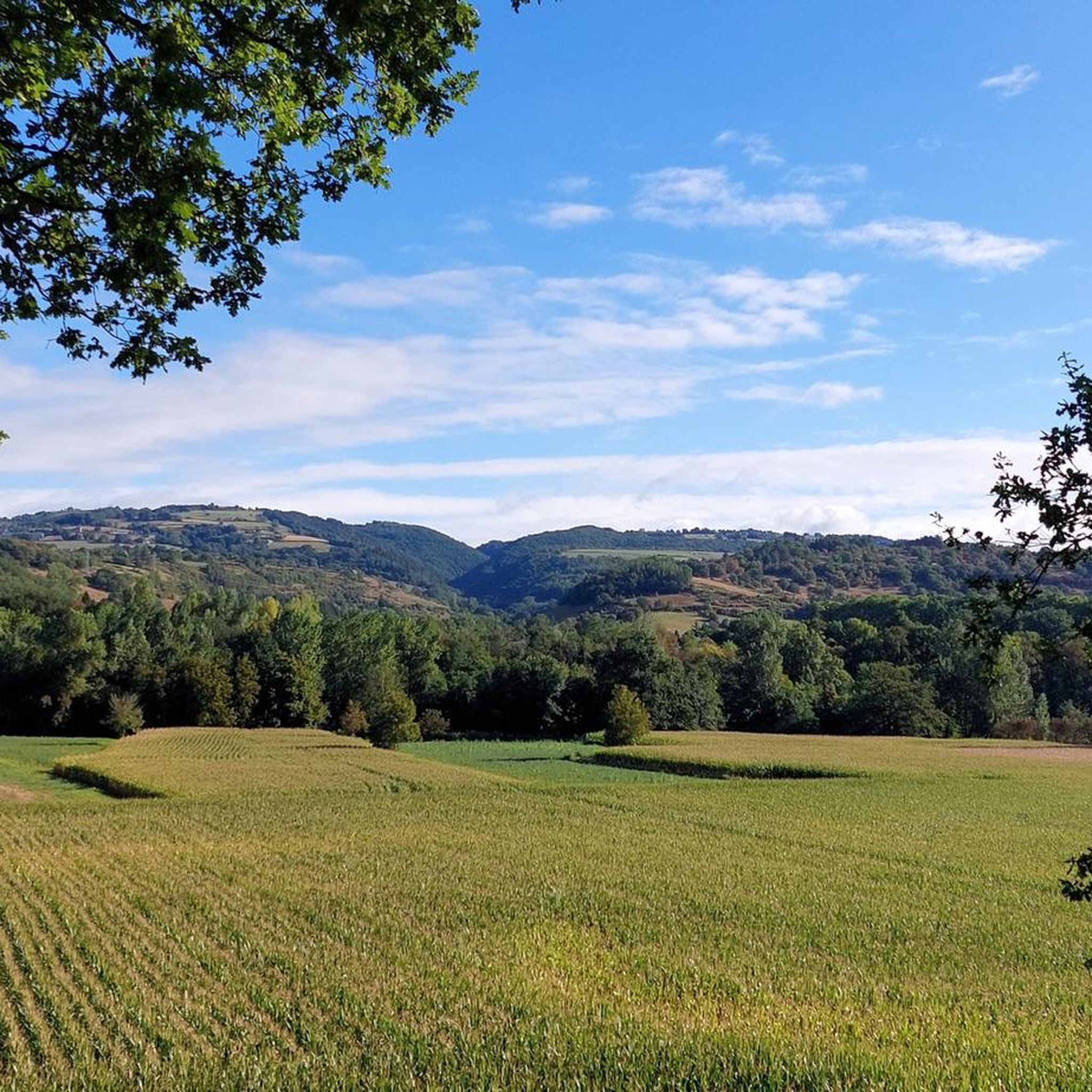
Hiking around Saint-Côme-D'Olt offers diverse terrain within the Lot Valley, situated at the base of the Aubrac mountains. The region features deep gorges, impressive cliffs, and dense forests along the Lot River. Hikers can explore areas with volcanic foothills, basaltic scree, and high plateaus, showcasing a blend of schist, volcanic, and limestone formations. This varied landscape provides a range of experiences for outdoor enthusiasts.
Best hiking trails around Saint-Côme-D'Olt
- The most popular hiking route is Château de Castelnau – Théron…
Last updated: November 22, 2026
4.2
(11)
68
hikers
8.32km
02:22
190m
180m
Moderate hike. Good fitness required. Easily walkable paths.
4.5
(4)
10
hikers
5.36km
01:30
100m
100m
Easy hike. Easily walkable paths.

5.0
(2)
35
hikers
Moderate hike. Good fitness required. Easily walkable paths.
5.0
(1)
16
hikers
10.9km
03:17
360m
360m
Moderate hike. Good fitness required. Easily walkable paths.
12
hikers
4.13km
01:13
110m
110m
Easy hike. Easily walkable paths.
Get access to more routes and recommendations from other explorers.
Already have an account?
Our route recommendations are based on thousands of hikes, rides, and runs completed by other people on komoot.
Start today with a free account
Your next adventure awaits.

Other adventures around Saint-Côme-D'Olt

Tips from the Community

It is one of the two authentic gates still preserved from the village's ancient medieval fortifications (along with the Porte Neuve).
0
0
The building is constructed on the former Porte de la Barrieyre (or Porte Malimande). It includes a corner building and features a characteristic medieval tower. This former outbuilding of the seigneurial castle once served as a watchtower and dovecote for the lord. It is linked to the figure of Pons de Castelnau-Caylus (belonging to the second house of Castelnau-Caylus), baron of Calmont-d'Olt, who died in Saint-Côme-d'Olt at the beginning of the 15th century.
0
0
The Maison du Consul de Rodelle (often called l'ostal del còssol de Rodesla) is a remarkable historic building located in Saint-Côme-d'Olt, and not in the commune of Rodelle itself. Former home of a family of consuls and notaries (including Father Rodelle, a learned Latinist in the 18th century). It features one of the most beautiful Renaissance facades in the village, attributed to the architect Salvanh.
0
0
Built between 1522 and 1532 in flamboyant Gothic style on the foundations of an old Romanesque church, it was directed by the architect Antoine Salvanh (who also worked on the bell tower of the Rodez Cathedral). The twisted (or flaming) bell tower: Its most famous feature is its helical bell tower, whose spire, about 18 to 42 meters high (depending on the measurements of the structure), turns on itself from left to right, giving it the appearance of a flame.
0
0
The building succeeds an initial manor house mentioned as early as 1226. The current castle was built in the 14th century by the barons of Calmont and the powerful lords of the Castelnau-Bretenoux family.
0
0
Ancient medieval town keeping its moats (city tower), its narrow streets and the remains of its fortified gates (Porte Neuve, Barrieyre du Théron).
0
0
Ancient medieval town preserving its moats (city wall), its narrow streets and the remains of its fortified gates (Porte Neuve, Barrieyre du Théron).
0
0
The gate takes its name from the théron, an Occitan word designating the fountain located between the village and the Lot river that once supplied the inhabitants with drinking water. It is one of the three historical entrances to the medieval enclosure, alongside the Porte Neuve and the Porte de la Barrieyre. The passage opens onto typical narrow streets lined with houses from the 15th, 16th, and 17th centuries, particularly along the rue des Fossés.
0
0
Frequently Asked Questions
How many hiking trails are available around Saint-Côme-D'Olt?
There are over 20 hiking routes documented on komoot for the Saint-Côme-D'Olt area, catering to various skill levels. You'll find 11 easy routes, 9 moderate, and 3 difficult trails to explore.
Are there any family-friendly hiking options in Saint-Côme-D'Olt?
Yes, Saint-Côme-D'Olt offers several easy trails suitable for families. These routes often traverse meadows and cultivated lands, providing gentle walks with scenic views. For example, the Saint-Côme-d'Olt – Saint-Côme d'Olt loop from Saint-Côme-d'Olt is an easy 5.4 km path that is popular with local hikers.
What kind of landscapes can I expect to see while hiking near Saint-Côme-D'Olt?
The region boasts a diverse topography, from lush meadows and rich farmlands to deep gorges and impressive cliffs along the Lot River. You can also explore areas with unique geological formations, including volcanic foothills and basaltic scree, such as the 'Clapas de Thubiès', offering panoramic views. The high plateaus of Aubrac add to the varied terrain, showcasing a blend of schist, volcanic, and limestone formations.
Are there any circular hiking routes available?
Yes, many of the trails around Saint-Côme-D'Olt are circular, allowing you to start and end in the same location. An example of a moderate circular route is the Porte Malimande – Saint-Côme-d'Olt loop from Saint-Côme-d'Olt, which covers about 10.5 km.
What are some notable natural attractions or landmarks to see on a hike?
Hikers can discover several interesting natural and historical landmarks. The Gourg d'Enfer Waterfall is a beautiful natural monument. You might also encounter the unique Volcanic Rock Slide, or the impressive Bozouls Canyon. The village itself features the distinctive Saint-Côme-Saint-Damien church with its twisted bell tower.
Is Saint-Côme-D'Olt part of the Camino de Santiago?
Yes, Saint-Côme-D'Olt is a significant stop on the historic GR65, which is a section of the Camino de Santiago (Way of St. James). This makes it a popular destination for pilgrims and long-distance hikers.
What do other hikers enjoy most about hiking in Saint-Côme-D'Olt?
The area is highly rated by the komoot community, with an average score of 4.5 stars from over 360 reviews. Hikers often praise the diverse terrain, from river valleys to volcanic foothills, and the well-maintained paths that offer both challenging climbs and leisurely strolls through picturesque landscapes.
Are there any challenging hikes for experienced trekkers?
Yes, for experienced hikers seeking a challenge, there are difficult routes available. The Théron Gate – Porte Malimande loop from Saint-Côme-d'Olt is a demanding 22.3 km trail with significant elevation gain, offering a rewarding experience for those looking for a longer, more strenuous adventure.
Can I find routes that offer panoramic views?
Absolutely. Many trails in the region provide stunning panoramic views. The hike to 'Le Clapas de Thubiès', for instance, leads through volcanic foothills and an astonishing stone scree, promising sublime views over Saint-Côme-D'Olt and the Lot Valley. Other routes offer contrasting views over the Goul and Truyère valleys and the Monts du Cantal.
What is the best time of year to go hiking in Saint-Côme-D'Olt?
The region is generally pleasant for hiking from spring through autumn, when the weather is mild and the landscapes are vibrant. Spring brings blooming wildflowers, while autumn offers beautiful foliage. Summer is also popular, but it's advisable to start early to avoid the midday heat.
Are there any historical sites or villages to explore near the trails?
Saint-Côme-D'Olt itself is one of France's 'Most Beautiful Villages,' with medieval streets and unique architecture. Many trails offer views of surrounding castles, such as Estaing, Calmont in Espalion, and Cabrespines in Coubisou. The Pilgrims' Bridge of Saint-Chély-d'Aubrac and the Estaing Bridge are also notable historical points of interest.
Are there any specific geological features worth seeing?
Yes, the area is known for its unique geological formations. You can explore volcanic foothills and basaltic scree, including the impressive 'Clapas de Thubiès,' which is a significant 'lava flow' offering expansive views. The Le Temple Volcanic Chimney – Statue of the Virgin of Vernus loop from Coste Vieille Haut is a moderate trail that specifically leads through these volcanic foothills.
Most popular routes around Saint-Côme-D'Olt
Most popular attractions around Saint-Côme-D'Olt

Get inspired with the komoot mobile app


Explore more
Browse the best Hikes in other regions.
